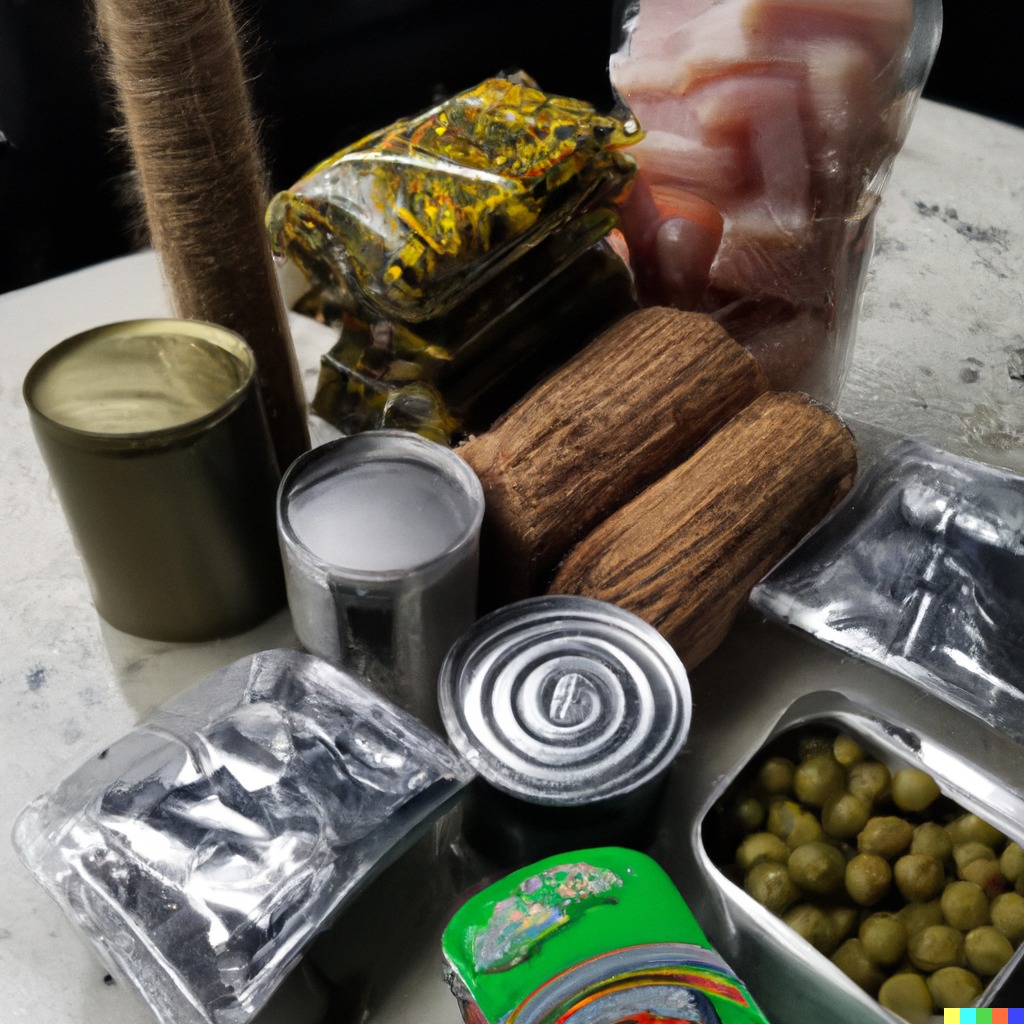
Dehydration Dangers: The 518,000-Case Wake-Up Call

518,000 Health Crises Later: Still Ignoring Dehydration?

Let me hit you with a cold, hard fact: over 518,000 Americans end up in the hospital every single year because of dehydration. And even more alarming—10,000 of them don’t walk back out.

Now if that number doesn’t stop you in your tracks, I don’t know what will. That’s 10,000 preventable deaths—from something as simple and essential as water.

As survival preppers, we spend our time thinking ahead, planning for the worst, and gearing up for the unexpected. We stockpile food, purify air, build bug-out bags, and plan for social collapse. But how many of us are truly ready to face a silent, creeping killer that’s already knocking on our door—right now, every summer, and in every disaster scenario?

You guessed it. Dehydration.


Don’t Be Fooled by a Sunny Day

Summer can fool the unprepared. Warm weather lulls folks into a false sense of comfort. The grills are fired up, beaches are packed, the kids are running through sprinklers—and right under our noses, people are dropping like flies from something that could’ve been fixed with a bottle of water and a little know-how.

But listen closely—dehydration doesn’t wait for you to feel thirsty. That’s right. By the time you’re thirsty, you’re already dehydrated.

Let me repeat that: thirst is not an early warning system—it’s a distress signal.


Dehydration Symptoms You Can’t Afford to Miss

If you’re building a prepper mindset, you need to know the early indicators. I’m not talking about some vague, optional side effects—these are battlefield-level warning signs that your body is running low on its most critical resource: water.

Here’s what to watch for—on the homestead, in the woods, or during the next grid-down scenario:

  • Fatigue or Dizziness – When you’re low on fluids, your blood volume drops, your pressure tanks, and next thing you know, you’re woozy and weak. That’s a liability in any emergency.
  • Infrequent Urination – Not peeing regularly? That’s a classic sign you’re drying up inside.
  • Dark-Colored Urine – If your urine looks like strong coffee, sound the alarm. You’re dehydrated.
  • Headaches – This isn’t just a nuisance; it’s your brain screaming that it’s running on low coolant.
  • Irritability or Confusion – If you or someone else starts acting out of sorts, don’t assume it’s stress. It could be dehydration impairing brain function.

These symptoms are red flags, and any one of them should have you reaching for water immediately.


Why This Matters More in Survival Situations

Now imagine this: the power grid goes down. It’s 100 degrees outside. The municipal water supply is compromised. You’re rationing food, the fridge is dead, and the only thing between your family and heat stroke is your emergency water reserve.

Dehydration becomes a life-or-death threat real fast.

And when that SHTF moment comes, there won’t be ambulances, IV fluids, or hospital beds waiting for you.

That’s why staying ahead of dehydration isn’t just smart—it’s survival.


10 Survival Prepper Tips to Combat Dehydration

Let’s get into some real prepper solutions—not just theory, but tactics that can help you and your family survive when clean water becomes a luxury.

1. Store More Water Than You Think You Need

FEMA recommends one gallon per person, per day. That’s a joke in a real emergency. Aim for three gallons per person, per day—minimum. Store it in food-grade containers, rotated every 6 months.

2. Invest in Water Filtration and Purification

A quality gravity-fed filter like a Berkey or Sawyer can turn sketchy river water into drinkable gold. Keep bleach drops, iodine tablets, and UV purifiers as backups.

3. Don’t Forget Electrolytes

Water alone won’t cut it. Salt, potassium, and magnesium are vital. Stock up on electrolyte powders or make your own rehydration mix with salt, sugar, and baking soda.

4. Monitor Urine Color Daily

Make this a family habit during hot months or crises. Light yellow = good. Dark yellow or amber = bad.

5. Drink Regularly—Not Just When Thirsty

Set a timer if you must. Sip water throughout the day—especially if you’re outside working, sweating, or exposed to the heat.

6. Eat Hydrating Foods

Canned fruits, cucumbers, tomatoes, and watermelon are high in water content. They also provide natural sugars and minerals that aid absorption.

7. Avoid Alcohol and Caffeine in Survival Scenarios

These are diuretics. They’ll drain your water reserves and leave you worse off. Save the whiskey for when the crisis is over.

8. Cool Your Body with Shade and Clothing

Reduce the need for water by keeping your core temperature down. Use tarps, wear light-colored clothing, and take breaks from the sun.

9. Educate Your Group or Family

Hold a 10-minute hydration drill. Teach everyone—from kids to elders—how to spot dehydration early and how to react fast.

10. Track Inventory and Rotate Supplies

Water and electrolyte supplies can go stale or expire. Log what you have, mark dates, and rotate stock like you would food.


Your Body Is Your First Survival Tool

Your knives, radios, and MREs won’t mean a thing if you collapse from heat exhaustion or dehydration. In every emergency, the first line of defense is your own health and awareness.

So while others are soaking up the sun this summer, let’s be the ones thinking two steps ahead. Let’s be the ones who teach our families that hydration is more than a habit—it’s an essential survival skill.


Final Word

Over half a million people every year in America alone suffer dehydration so severe it lands them in the hospital. 10,000 die. Most of them never saw it coming. Don’t be one of them. Don’t let your loved ones be one of them.

In uncertain times, we can’t afford to be reactive. We need to be proactive. Prepared. Trained. Aware.

Hydrate, stay alert, and stay alive.

Fueling Your Survival: How Many Calories Should You Consume in an Emergency?

Fueling Your Survival: How Many Calories Should You Consume in an Emergency?

When it comes to surviving a crisis, one of the most overlooked yet essential factors is nutrition. Sure, you can stockpile cans of beans and bags of rice, but do you know how much food you and your family actually need to stay alive when the worst hits? How many calories do you need to keep your body functioning during an emergency, and how should you prepare for the long haul? Let’s break it down.

The Basics of Caloric Needs

First off, let’s address a fundamental question: How many calories does a person really need to survive?

It turns out that the average adult requires only about 1,200 to 1,500 calories per day for basic survival. This number might seem low, but it’s based on the bare minimum your body needs to perform essential physiological functions—like keeping your heart pumping, your lungs breathing, and your body temperature stable. Researchers have shown that the body can survive on this minimal caloric intake for a period, provided there’s no physical exertion involved.

But here’s the catch: Survival is not the same as thriving. When you’re in an emergency situation, especially when it’s long-term, your body is going to be put under serious stress. It’s not just about staying alive—it’s about staying sharp, staying strong, and keeping your mental focus intact. You’ll be moving, lifting, thinking, and possibly defending yourself. Your calorie needs will increase.

What’s Your Actual Caloric Need in a Crisis?

If you’re in a situation where you’re physically active—whether it’s from preparing your shelter, gathering water, scavenging, building a fire, or defending yourself from threats—your caloric intake needs will skyrocket. In an emergency or survival situation, your body will burn through calories much faster than when you’re just sitting around.

For an average, moderately active man, the caloric requirement could easily be around 2,500 calories per day, and for an average, moderately active woman, about 2,000 calories per day. But even that might not be enough if you’re really working hard. If you’re chopping wood for hours, hiking long distances to find supplies, or performing other strenuous tasks, your body could easily demand an extra 500 to 1,000 calories per day.

Now, keep in mind, that’s just to maintain your weight and health. If you want to thrive, if you want to keep your energy levels high and your mind sharp, you’ll need to be even more strategic with what you eat.

Fueling for Long-Term Survival

When you’re preparing for a survival situation, you’re not just stocking up on food. You need to think about the quality of food, not just the quantity. High-calorie, nutrient-dense foods are a must. Your body needs more than just empty calories. It needs protein for muscle repair, healthy fats for energy, and carbohydrates for sustained fuel. The trick is choosing foods that pack a punch without being too bulky or hard to store.

Here are a few suggestions for survival-friendly foods that should be at the top of your list:

  • Nuts and seeds: These are calorie-dense and packed with healthy fats, protein, and fiber. A small handful of almonds or sunflower seeds can provide a substantial amount of energy.
  • Dried fruits: High in natural sugars, dried fruits like apricots, raisins, and figs can give you an instant energy boost. Plus, they’re lightweight and easy to store.
  • Canned goods: Canned beans, vegetables, and meats are calorie-rich and don’t require refrigeration. Just be sure to rotate them regularly and consider the sodium content, as too much salt can be a problem in large quantities.
  • Protein bars: A great way to get protein, carbs, and fat all in one portable package. They’re lightweight and easy to carry with you, making them perfect for survival situations.
  • MREs (Meals Ready to Eat): MREs are designed to be lightweight, nutrient-dense, and easy to prepare in the field. While they can be expensive, they’re a great addition to any prepper’s pantry for emergencies.
  • Dehydrated meals: These are a bit more convenient than MREs, and they offer a variety of meal options. Just add water, and you’ve got a decent meal that’s loaded with the calories you need.

The Importance of Prepping for Nutrient-Rich Calories

While stockpiling enough food for your family is essential, you need to make sure your food stores are not just full of empty calories. A steady diet of nothing but high-carb foods like ramen noodles or white bread will give you the calories you need to survive for a short period, but it won’t provide the nutrients your body needs to function at its best.

In an emergency, you’ll need foods that keep you alert and give you the stamina to keep moving. If you’re relying on canned chili and potato chips, your energy levels will plummet, and your mind will become sluggish. That’s why it’s so important to prioritize high-calorie, nutrient-dense foods—things that offer a full spectrum of vitamins, minerals, and other nutrients, not just calories.

Survival Prepper Tips for Managing Caloric Intake

Here are 10 survival prepper tips to make sure you have the calories you need when the worst happens:

  1. Know Your Caloric Needs: Understanding how many calories you need is the first step. Factor in your level of activity, your age, and your weight to determine the calories necessary to keep you going during a crisis.
  2. Prioritize High-Calorie, Nutrient-Dense Foods: Focus on calorie-dense foods that are rich in protein, healthy fats, and fiber. These will give you sustained energy without weighing you down.
  3. Stockpile Diverse Foods: Don’t just store one type of food. A variety of proteins, carbs, fats, and vitamins will keep your body functioning properly.
  4. Consider Freeze-Dried Meals: Freeze-dried foods have a long shelf life, are lightweight, and are packed with calories. Just add water, and you’ve got a hearty meal.
  5. Rotate Your Stock: Regularly rotate your food supply to ensure everything remains fresh and doesn’t go to waste. Set a schedule for checking expiration dates and using up older food.
  6. Carry Compact, High-Energy Snacks: Have portable, high-calorie snacks like protein bars, trail mix, or beef jerky on hand for when you need a quick energy boost on the go.
  7. Focus on Food Preservation: Learn how to preserve food in various ways—canning, drying, fermenting, and smoking. This will give you access to a variety of nutrient-dense foods for long-term storage.
  8. Hydrate Properly: Water is essential for survival, but so is the electrolyte balance. Keep a stash of electrolyte powders or sports drinks to replenish lost minerals during physical exertion.
  9. Think About Sustainable Sources: If you’re relying on wild foraging or hunting, know what’s edible and calorie-dense. Learn about local plants, nuts, and berries, and how to trap or fish.
  10. Avoid Junk Food: It’s tempting to buy cheap junk food that’s calorie-dense, but it’s often full of empty calories and won’t keep you feeling energized or healthy. Avoid overly processed, sugary, or high-sodium options.

Conclusion: Fueling the Fight for Survival

When SHTF, survival is a marathon, not a sprint. Keeping your body in peak condition is critical to navigating the challenges that lie ahead. Whether you’re holed up in a shelter or out scavenging for supplies, your body will need proper fuel to perform at its best.

By calculating your caloric needs and prioritizing high-energy, nutrient-rich foods, you can ensure that you and your loved ones will have the stamina to thrive, not just survive. Make sure your food stores are stocked with the right items, and plan for a long-term emergency. When the worst happens, you’ll be ready to keep moving, thinking clearly, and ultimately, surviving.

Top Survival Foods You Can Grab from Any Grocery Store

As a survival prepper, you understand that the key to enduring any crisis lies in preparation. The grocery store isn’t just a place for weekly shopping—it’s a treasure trove of essential supplies that can sustain you through emergencies. Whether it’s a natural disaster, economic collapse, or societal unrest, having a well-stocked pantry is your first line of defense. Here’s a comprehensive guide to the top survival foods you can find at any grocery store, ensuring you’re ready for whatever comes your way.


1. Canned Meats: Protein Powerhouses

Canned meats are indispensable in any survival stockpile. They offer a long shelf life, are easy to store, and provide essential protein. Options like canned tuna, chicken, salmon, and even Spam can be rotated into your meals or eaten directly from the can. These meats are particularly valuable when refrigeration isn’t available.

Storage Tip: Store canned meats in a cool, dry place. Rotate your stock regularly to ensure freshness.


2. Dried and Canned Beans: Nutrient-Rich Staples

Beans are a prepper’s best friend. They’re rich in protein, fiber, and essential nutrients. Both dried and canned beans have their place in your pantry. Dried beans, when stored properly, can last up to 25 years, while canned beans offer convenience and a shelf life of 4-5 years.

Varieties to Consider:

  • Pinto Beans
  • Black Beans
  • Kidney Beans
  • Garbanzo Beans (Chickpeas)
  • Split Peas

Storage Tip: Keep dried beans in airtight containers to protect them from moisture and pests.


3. Rice and Pasta: Caloric Staples

Carbohydrates are crucial for energy, and rice and pasta are excellent sources. White rice has a longer shelf life compared to brown rice, lasting up to 10 years when stored correctly. Pasta is versatile, easy to cook, and pairs well with various sauces and canned meats.

Storage Tip: Store rice and pasta in airtight containers to prevent insect infestations.


4. Oats: Versatile and Nutritious

Oats are not only for breakfast. They’re a versatile ingredient that can be used in baking, as a thickener for soups, or even to make granola. Oats have a long shelf life and are a good source of fiber and nutrients.

Storage Tip: Keep oats in a cool, dry place to maintain their freshness.


5. Peanut Butter and Nut Butters: High-Energy Foods

Peanut butter is a calorie-dense food that provides healthy fats and protein. It’s perfect for quick meals or snacks. If you have nut allergies, consider alternatives like almond or cashew butter.

Storage Tip: Store nut butters in a cool, dry place. Natural varieties may require stirring due to oil separation.


6. Canned Vegetables and Fruits: Essential Nutrients

While fresh produce is ideal, canned vegetables and fruits are a practical alternative during emergencies. They retain most of their nutrients and have a long shelf life. Opt for low-sodium canned vegetables and fruits packed in water or their own juice.

Storage Tip: Check cans for dents or bulges before purchasing, as these can indicate spoilage.


7. Spices and Seasonings: Enhancing Flavor

In a survival situation, morale is just as important as nutrition. Spices and seasonings can make even the most basic meals more palatable. Essential spices to stockpile include salt, pepper, garlic powder, and chili powder.

Storage Tip: Store spices in airtight containers away from light and heat to preserve their potency.


8. Cooking Oils and Fats: Necessary for Meal Preparation

Cooking oils and fats are essential for preparing meals and adding flavor. Options like olive oil, coconut oil, and lard have long shelf lives and can be used in various cooking methods.

Storage Tip: Keep oils in a cool, dark place to prevent them from becoming rancid.


9. Shelf-Stable Dairy Products: Nutritional Supplements

While fresh dairy requires refrigeration, shelf-stable alternatives like powdered milk, evaporated milk, and shelf-stable UHT milk can be valuable additions to your pantry. They provide essential calcium and can be used in cooking or as beverages.

Storage Tip: Store in a cool, dry place and check expiration dates regularly.


10. Emergency Food Kits: Ready-to-Eat Meals

While not a grocery store staple, many preppers supplement their pantry with emergency food kits. These kits offer ready-to-eat meals with long shelf lives, ideal for situations where cooking isn’t feasible.

Storage Tip: Store in a cool, dry place and rotate stock as per the manufacturer’s recommendations.


10 Survival Prepper Tips for Grocery Store Shopping

  1. Prioritize Nutrient-Dense Foods: Focus on foods that provide the most nutrition per calorie, such as beans, rice, and canned meats.
  2. Buy in Bulk: Purchasing in bulk can save money and ensure you have enough supplies for extended periods.
  3. Rotate Your Stock: Use the FIFO (First In, First Out) method to ensure older items are used first, keeping your stock fresh.
  4. Diversify Your Pantry: Include a variety of foods to prevent diet fatigue and ensure balanced nutrition.
  5. Consider Special Dietary Needs: If you have allergies or dietary restrictions, plan accordingly and stockpile suitable alternatives.
  6. Invest in Water Storage: Water is essential for survival. Store at least one gallon per person per day for a minimum of two weeks.
  7. Learn Basic Cooking Skills: Knowing how to prepare meals from basic ingredients can be invaluable during emergencies.
  8. Stay Informed: Keep abreast of potential threats and adjust your stockpile as necessary.
  9. Maintain a Survival Kit: In addition to food, ensure you have other essentials like first aid supplies, tools, and communication devices.
  10. Practice Self-Reliance: Cultivate skills like gardening, food preservation, and basic repairs to reduce dependence on external resources.

In conclusion, the grocery store is a goldmine for survival preppers. By strategically selecting and storing these top survival foods, you can ensure that you’re prepared for any crisis. Remember, preparation is the key to survival. Stay vigilant, stay prepared, and stay safe.

DAY 10 AFTER THE SHTF — SURVIVAL ISN’T JUST ABOUT FINDING FOOD

It’s Day 10 since everything went sideways. The grid’s down. The streets are lawless. You’re living off what’s left of your preps and what you can scavenge in the ruins. Your family comes first—your kids eat before you do—because that’s what a real protector does.

Your gut’s been gnawing at itself for days now, that deep hunger turning into something primal. You’ve grown used to the emptiness. It becomes part of you. A constant reminder: you’re still alive.


Watch What The Off Grid Survivalist of the Year Has to Say About Survival Prepper!

Then it happens. You strike gold—a hidden stash of food. Maybe it was buried, maybe left behind in a rush, maybe a forgotten emergency cache. Either way, it’s yours now.

You dig in like a starving wolf. Your family devours every bite. For a moment, you taste victory.

And then—bam. Nausea. Dizziness. Weakness. Your body betrays you. What you thought was salvation turns into a full-blown emergency.

You’ve just met the silent killer called refeeding syndrome.


WHAT IS REFEEDING SYNDROME?

When you go without food for an extended time—say 10 days or more—your body hits the brakes. It slows your metabolism, conserves every last ounce of energy. You’re running on fumes, and your electrolytes (magnesium, potassium, phosphorus) get drained.

Then, you eat like it’s Thanksgiving. Your system gets shocked. That sudden spike in nutrients flips the metabolic switch, demanding electrolytes you no longer have. The result? Cardiac failure, seizures, coma—or worse.


SURVIVAL PREPPER TIPS: AVOIDING THE REFEEDING TRAP

  1. Reintroduce food SLOWLY after extended starvation.
    Start with fluids or broths. Give your system time to adjust.
  2. Focus on electrolyte-rich foods first.
    Bananas, bone broth, leafy greens, nuts—these can restock your depleted reserves.
  3. Avoid carbs in the first refeeding stage.
    Carbs spike insulin and demand phosphorus. Go with fats and proteins first.
  4. Keep oral rehydration salts (ORS) in your bug-out bag.
    They’re lightweight and can save your life during refeeding.
  5. Know the symptoms: weakness, confusion, shortness of breath.
    Don’t mistake these signs for just being “tired.” It could be fatal.
  6. Keep a stash of electrolyte tablets or powders.
    A little prep now can prevent a deadly crash later.
  7. Always rotate your food preps to avoid long fasts.
    Prevent running out altogether by tracking expiry dates and cycling through supplies.
  8. Train your body to adapt with occasional fasts before disaster strikes.
    This builds metabolic resilience and makes you more adaptable.
  9. Teach your family about phased eating.
    Survival isn’t just about feeding them—it’s about feeding them smart.
  10. Don’t let relief override discipline.
    Finding food isn’t the finish line—it’s just another checkpoint. Stay sharp.

Remember: In survival, it’s not always the obvious threats that take you down. Sometimes it’s the first meal after the storm that does it.

Stay vigilant. Stay smart. And for the love of all that’s sacred, don’t let your guard down just because you’ve found food. Survival is a marathon, not a sprint.

Prep hard. Stay ready. Live to tell the tale.

What Most People Misunderstand About Survival Prepping

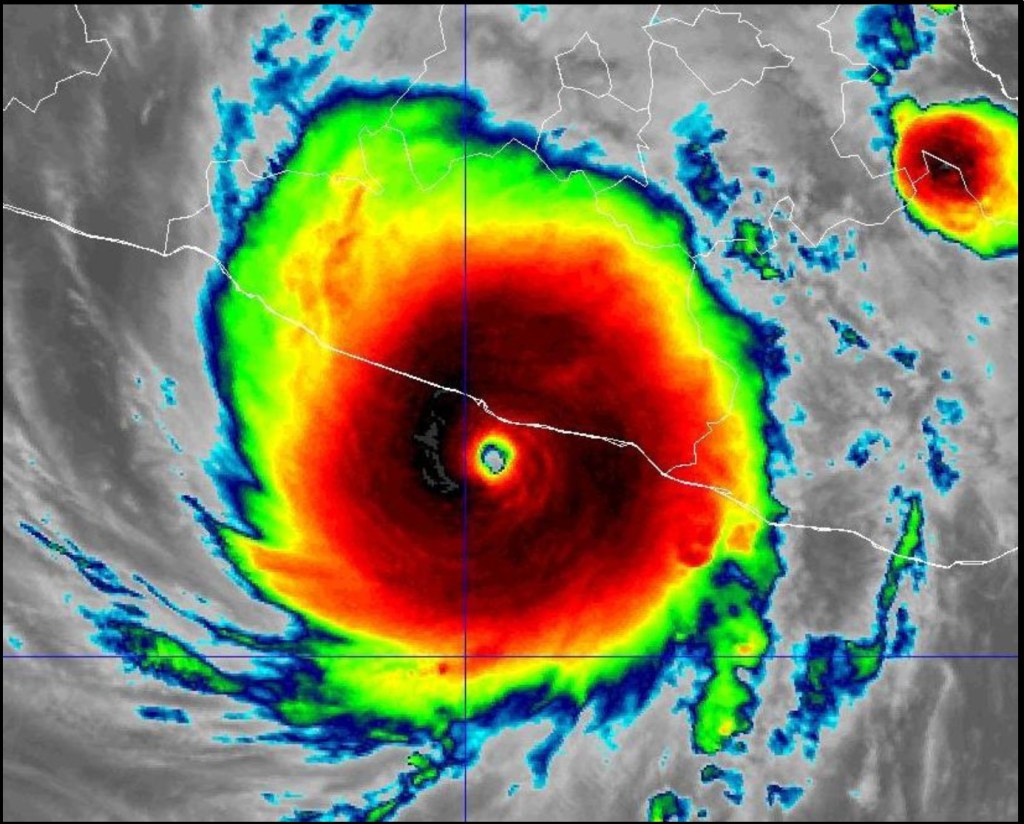
A hurricane almost reached my house once.

I was just discussing it with my neighbor yesterday.

The weather forecasts were dire, warning us of potentially catastrophic damage.

So I didn’t waste any time.

I quickly secured my house and stocked up on essential items.

As fate would have it, the hurricane changed course at the last minute, and our town was spared from its wrath.

My neighbor chuckled as he recalled my diligent preparations, suggesting that everything was a waste since the storm didn’t hit.

But was it, really?

Upon reflecting on the situation, I realized that even though the hurricane didn’t reach my house, I gained something invaluable from my preparations. Peace of mind.

You see, while everyone else was frantically scrambling and praying that the storm went away…I didn’t have to.

I knew I had done everything in my power to keep my family safe.

And I remained calm.

That, folks, is the true value of prepping.

When we invest in emergency preparedness, we’re not just planning for worst-case scenarios; we’re investing in our own mental and emotional well-being.

It’s like having a safety net for our minds.

Sure, it’s easy for my neighbor to laugh at my hurricane preparations in hindsight.

But in the moment, when the threat felt real, I knew I was ready for whatever Mother Nature had in store.

Plus, thanks to that, I know I am ready for when a real storm strikes our house.

And I am proud to say I can protect my family when that time comes.

So the next time someone tells you that prepping is a waste of time, remember this:

The peace of mind you gain from knowing you’re ready for anything is worth every bit of effort you put into it.

Besides, in a world full of uncertainties, who’s to say when the next storm might strike?

We can’t predict the weather, but we can certainly be ready for it.

The Answer To “Prepping Overwhelm”

If there’s one thing that everyone agrees about when it comes to prepping.

It’s that your “to-do” list doesn’t ever end.

One month you’re planting crops to ensure a bountiful harvest during the summer

And the next you’re gathering wood to prepare for the winter.

With so many different things to do, and variables to consider, how can you keep track of everything? And how can you measure your progress?

Well, this is why I recommend that everyone keeps a weekly prepping journal.

Before you roll your eyes and think, “Not another chore, Paul,” hear me out.

This isn’t just another task to add to your endless to-do list.

This is about having a clear, well-recorded journey of your survival prepping efforts.

It’s about acknowledging every little victory along the way. And most importantly, it’s about the progression.

Imagine this. You’ve been working on your skills, stockpiling resources, and making your house more secure.

But as the weeks go by, you don’t have a tangible way to gauge how far you’ve come.

You don’t know which area to focus on next, or which area needs more improvement.

This is very easily solved with a brief journal.

Take a few minutes at the end of every week to jot down what you’ve done towards your emergency readiness.

It could be ”I bought X amount of canned food.”

This doesn’t sound like a lot, but it’s more than what most people do.

Over time, this simple practice will give you a clear view of your journey.

You’ll see not just the biggest milestones but also the little steps you took along the way.

And trust me, those little steps add up faster than you think.

In the past, people used to say that “unexamined lives are not worth living.”

The same goes for prepping.

We need to constantly re-examine our prepping efforts. And we need to know how far we’ve come and where we need to improve.

Journaling might sound boring, but it makes everything easier.

And it takes just less time than most people think.

Why don’t you try it out?

Survival prepping Like This Could Be A Double-Edged Sword

Prepping Like This Could Be A Double-Edged Sword

Have you ever heard the saying, “a little knowledge is a dangerous thing”?

Well, I’ve been thinking about this lately, especially when it comes to prepping.

Everyone knows that the right gear is essential.

But there’s a concealed risk lurking beneath the surface — something that might catch us unprepared if we’re not careful.

It will become clear once you read this story.

Last week, I was talking to a buddy of mine who’s also into prepping.

He was excited to show me the latest thing he bought. A top-of-the-line water filtration system.

He proudly explained its features and how it would provide clean water for his family in case of an emergency.

So far so good

But then he said something that made me pause.

“I feel so much safer ever since I have it. I don’t have to worry about anything.”

I couldn’t fault him for his enthusiasm.

But his words struck me as a stark reminder of the pitfall that is complacency.

When we feel like we’ve got everything covered, it’s easy to let our guard down. To assume that we’re invincible.

And yet the truth is, no matter how ready we are, there’s always something that can catch us by surprise.

That’s why it’s essential to remain vigilant, to continuously challenge ourselves and adapt to different situations.

At the end of the day, it’s not just about what we have at our disposal. It’s about our ability to think on our feet, to adapt and overcome.

Our mindset is what truly sets us apart as preppers.

So folks, let’s not fall into the trap.

Let us keep improving our skills, our equipment, and let us keep expanding our knowledge.

That way, we can ensure that our prepping efforts serve us well when the time comes.

Stay safe and vigilant.

How much food should you stockpile?

Everyone in the prepping world talks about stockpiling food for an emergency situation.

Beans, cans, rice, anything that lasts a long time can allow us to make it through emergency situations.

And even though it’s crystal clear that stockpiling is essential

People usually don’t know how much food is too much or too little.

I want to provide some clarity, so you can decide how much to stockpile based on your specific circumstances.

The answer, as always, is that it depends.

Everything boils down to the specifics of your situation. Your family headcount, dietary needs, and the type of emergency you’re prepping for.

But don’t worry, we’ll break it down together.

First and foremost, it’s essential to consider the duration of the emergency.

Are you expecting a short-term disruption, like a brief power outage or a snowstorm?

Or are you prepping for a more long-term scenario, like a natural emergency or an economic collapse?

For short-term emergencies, a supply of about two weeks’ worth of food should suffice.

This will tide you over until services are restored, and you can replenish your pantry.

But remember, it’s always more ideal to have a little more, just in case.

So let’s talk about long-term emergencies.

In these cases, you’ll want to have a minimum of three months’ worth of food stocked up.

However, to truly be on the safe side, I would recommend aiming for a full year’s supply.

This might sound daunting, but it’s a goal worth striving for. The future is uncertain, and it’s more reasonable to be over- than underprepared.

If this seems too difficult, there is a way to make it easier.

That is by gradually building up your stockpile.

Don’t try to shop for everything at once.

Instead, focus on adding to your reserves over time.

Slow and steady wins the race.

And don’t forget to diversify your stockpile.

A well-rounded supply should include non-perishable items such as canned goods, dried fruits, grains, and freeze-dried meals.

Also, make sure you account for any dietary restrictions or allergies.

And there you have it, folks!

Being mindful of these factors will put you on the right path.

Remember, it’s not about hoarding. It’s about being ready and self-reliant in the face of uncertainty.

Do you have any other topics that you would like me to cover? Let me know by commenting on this survival preppers article.

Your Car Should Always Have These 7 Items

Every emergency situation happens when you least expect it.

Imagine you’re coming back from work after a long Friday

You are thinking about how you’re going to spend the weekend with your family

When bam! You hear a heavy noise and your car begins to shake. Flat tire.

And just your luck, it’s pouring rain outside. Are you ready for this kind of situation?

Having a well-stocked car can be a real lifesaver when emergencies arise.

I want to give you the 7 essentials that every car should have to handle unexpected situations like a champ.

1) Spare tire, jack, and lug wrench

A flat tire can happen at any time. And trust me, you don’t want to be caught without what you need to repair it.

Make sure you have a spare tire, a jack, and a lug wrench in your car at any time.

2) Jumper cables

Dead batteries are a common concern. Sometimes it’s just a matter of giving your car a little jumpstart.

Having a good set of jumper cables in your trunk will ensure you can return to the road quickly.

3) First-aid kit

A solid first-aid kit will assist you with minor injuries for yourself and your loved ones.

4) Flashlight and batteries

Whether it’s a nighttime flat tire or a quick look under the hood, having a reliable flashlight with additional batteries will make everything easier during unexpected situations.

5) Emergency blankets and warm clothing

If you spend the night in your car, emergency blankets are essential for avoiding hypothermia. Especially in cold weather.

Everyone should have a few lightweight blankets in their cars.

6) Non-perishable food and water

Keep some non-perishable snacks and water in your car to ensure you will remain safe in case you’re stranded for an extended period.

7) Portable charger

Keeping your cellphone charged is essential for calling for aid and accessing valuable information.

A portable charger can be a lifesaver if your car battery fails, and you can’t charge your cellphone through the usual means.

So there you have it, folks.

A well-stocked car can make an incredible difference in emergency situations.

Take some time to gather these essentials and keep them in your vehicle.

Trust me, you’ll thank yourself when the unexpected happens.

Should Survival Prepping Be Fun and 5 ways to Prep on a Budget

Have you ever considered having fun with prepping?

Well you can check out my survival prepping TikTok videos here, or just read below!

Survival prepping is not something that is discussed often in this world, but it is starting to get noticed more and more on a daily basis, and that is a fact!

Especially since we are constantly thinking about survival.

What is the point of survival, however, if we are not enjoying our lives?

This might sound too philosophical, but it is a simple thought that not enough people talk about.

I want to share with you a simple way to make prepping easier, and perhaps even relaxing.

First, let’s talk about why you would even need to make prepping fun.

It is simple, really.

We want to survive not just for a day, not for a few weeks, but for years ahead.

It is simply not sustainable to constantly take everything so seriously.

We need to be able to do this for a long time.

A very simple way to do that is by incorporating family activities into your prepping routine.

That makes the process more enjoyable for everyone, and also ensures that everyone in your household is prepared for whatever may come.

For example, you make a game for your children out of prepping.

Create hypothetical survival scenarios where the whole family has to help to survive.

We actually did this last week at my house.

We pretended the water was contaminated and we had to find alternative drinking sources.

And my children did some research online and even found a cool way to purify water.

I hadn’t ever seen them more excited to help with anything prepping-related!

Why don’t you also try it?

Another way to make prepping a family activity is to take a trip to a wilderness survival training course.

These courses teach you and your family valuable skills such as building a shelter, finding food and water, and starting a fire.

Prepping doesn’t just have to be about stocking up and making plans.

By incorporating fun activities into your prepping routine, you can make sure that your whole family is prepared, while also having a good time.

So don’t be afraid to think outside the box and make prepping a family activity.

Try to have your whole family involved in the prepping process.

5 Different Ways To Prep On A Budget

A lot of people have told me that they would prep, but they just can’t afford it.

And to some degree, they have a point.

Prepping might be costly, even if it protects you from spending resources in the future.

For example, if you insulate your house or install solar panels, you will be wasting less energy for years.

But you would still have to put the initial payment down.

If you can’t afford to do that, does that mean that you can’t do anything?

Well, not exactly.

Another resource that a lot of people neglect is time.

If you are willing to put some time into preparing for survival, you don’t need to make any huge investments upfront.

I have gathered different 5 ways you can use to stay safe even if you can’t afford to make large investments.

Learn to make prepping gear yourself.

Back in the day, this is how our grandparents would prep.

They simply couldn’t shop for most things back then.

If you have the time, you can make your own soap, candles, and even fire paste!

It might seem too hard if you haven’t done this before, but you will also be gaining valuable skills that could come in handy in survival situations.

Identify what you already have on hand.

Most people already own basic items like flashlights, batteries, and first aid kits.

Make a list of what you already have, and then focus on slowly adding the items you still need.

Shop in bulk.

Many prepping items can be purchased in bulk for cheaper.

If you find the places that sell them, you will be saving yourself a lot of time and resources.

Look for used items.

You can find many prepping items, such as camping gear, at a fraction of what you would normally pay.

Look out for flea markets, thrift stores, and online marketplaces like Craigslist and Facebook Marketplace for deals on prepping gear.

Prefer multi-purpose items.

Instead of buying a separate tool for every task, look for items that can be used for multiple purposes.

For example, a good quality folding knife can be used for cutting rope, opening cans, and even as a makeshift screwdriver.

Prepping doesn’t have to be as expensive as some people think.

With a little bit of creativity and resourcefulness, you can have everything you need without spending valuable resources.

Can you bug out on foot?

Ask anyone what their plan when SHTF is, and they’ll you,

“I’ll just grab my family, hop in the car, and head out.”

And I don’t blame them.

Our vehicles are essential when it comes to a solid evacuation plan during an emergency.

But the reality is, your car might not always be there for you, brother.

It might run out of gas, have a flat tire, or become stuck in a traffic jam when you need it the most.

Or it might not be safe to evacuate with a car when there are major floods going on.

The point is, knowing how to evacuate on foot is a skill that everyone must have.

This goes beyond stamina and grit.

Because of its nature, bugging out on foot requires smart planning.

And knowing the lay of the land.

So let’s talk survival gear.

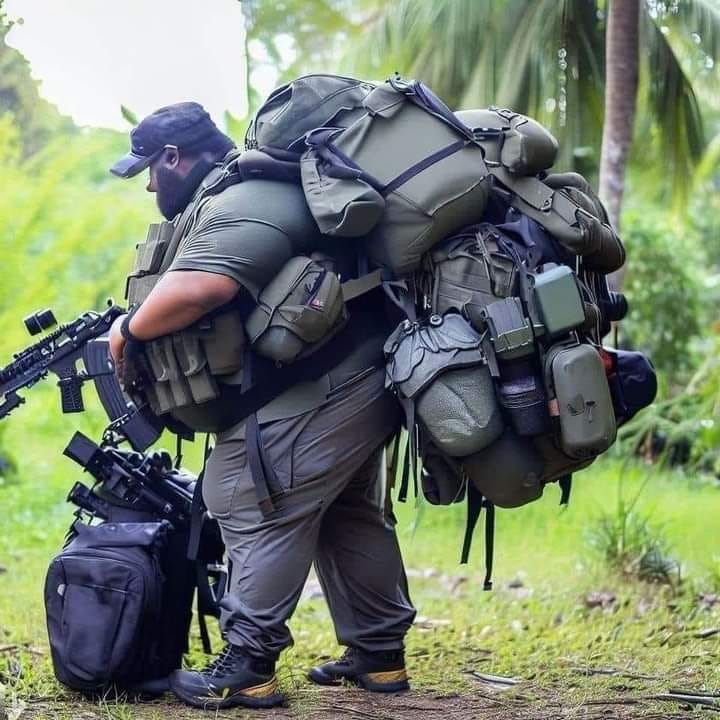
Your bug-out bag is your lifeline. It should be light but packed with essentials.

Water, non-perishable snacks, a map,

As well as these crucial items shown in this survivalist YouTube video.

Next we are going to consider the route.

Pre-planning multiple escape paths is essential, as is a solid understanding of your area’s geography.

Remember, the shortest route isn’t always the safest. Stay away from bottlenecks and high-conflict areas where possible.

Next on the list, footwear.

Everyone forgets about the importance of proper footwear until their feet become filled with blisters and they can’t even walk, let alone run.

See how to choose the appropriate footwear for off-the-grid survival before the worst happens.

And let’s not forget about stealth and security.

Traveling by foot requires you to be more aware of your surroundings.

Use natural cover, move at times when visibility is in your favor, and always have a plan for evading unwanted attention.

I’m also sure you understand that fitness plays a crucial role.

Regular walks, jogs, or hikes with your bug-out bag can prepare you for the demands of a real SHTF scenario.

Both physically and mentally.

While I hope it will not ever come this,

It’s always better to be safe than sorry.

Equip yourself with knowledge, gear, and the physical readiness to face whatever comes your way.

And remember, it’s not just about getting out, it’s about getting to safety.

What NOT to do in a Blackout

I’ve talked a lot about our unstable power grid before.

And what you should do the next time the power grid fails.

But what’s equally important is what NOT to do.

Because some mistakes are more dangerous than most people think.

  1. Opening the fridge for no reason.

Look, I understand, the first thing you might think about is whether your food’s going to spoil.

But every time you look inside that fridge, you’re letting out precious cold air.

Keep it shut, and your food will stay safe for up to 4 hours in the fridge and 48 hours in the freezer, provided you don’t go peeking!

If this time has passed already, and you want to test if your food is still safe to eat, follow these instructions.

And the same goes for your exterior doors.

Keep your doors and windows shut to maintain your house’s current temperature as much as possible. This is especially crucial in extreme weather conditions.

  1. Put down the candles.

Candles might seem like the obvious go-to for light, but they’re a fire hazard if you have children running around in the dark.

And especially in a prolonged outage, when we tend to forget about them.

It’s wiser to stick to solar flashlights or LED lanterns.

If you want to use candles, go ahead, but be very careful.

And don’t let your children near ‘em.

  1. Trying to use the elevator.

This one might seem like a no-brainer, but you’d be shocked by how many folks forget the elevator doesn’t work during power outages.

When the power’s out, those metal boxes turn into death traps.

If the elevator stops working when you’re already inside of it, stick to these 4 steps.

  1. Using generators indoors

Generators are a godsend during a blackout, but they’re also a source of carbon monoxide.

Don’t ever use them indoors or close to windows and doors. Keep them outside and away from your living spaces to escape any risks.

  1. Not staying put

This one’s for your children.

Unless it’s unsafe to stay in your house, the safest place to be during a blackout is exactly where they are.

Venturing outside can expose them to unnecessary hazards when streetlights and road signals are out.

Remember, folks, staying informed and prepared is your best defense against the challenges a blackout can bring.

Keep these tips in mind and you’ll navigate through the darkness like a pro.