
Virginia Homestead Lifestyle: The Rant You Need from an Angry Homesteader
Let me tell you something right off the bat — this modern world’s gone soft. Folks can’t go two hours without a drive-thru meal, their third iced coffee, and their precious little phone telling them how to breathe. Meanwhile, out here in the rolling hills of Virginia, we’re doing things the way our great-grandparents did — with grit, with dirt under our fingernails, and without needing to Google “how to boil water.”
You want the Virginia homestead lifestyle? Good. But don’t expect it to be all cute chickens and fresh eggs. This ain’t a Pinterest board. This is real life. Real work. And if you’re not willing to break a sweat, bleed a little, and maybe cry into your calloused hands now and then, you might as well turn back now and go back to your soy lattes and your HOA complaints.
Now that we’ve weeded out the weak, let me give you a crash course in what it really means to homestead in Virginia. We’ve got four solid seasons here — from blazing humidity in July to frozen ground in January. If you don’t respect the land and the weather, the land will eat you alive. Period.
Let’s start with the 15 skills you better learn fast if you want to make it out here:
1. Gardening (with actual results)
I’m not talking about a pot of basil on your windowsill. You better learn how to grow food — tomatoes, potatoes, beans, squash, corn. Figure out succession planting, crop rotation, and pest control that doesn’t destroy your soil. This is survival gardening, not Instagram.
2. Canning and Preserving
If you don’t know what a pressure canner is, you’re behind. Water bath canning for high-acid stuff, pressure canning for low-acid. Learn it, practice it, and keep your shelves stocked. Freezers fail — jars don’t.
3. Basic Carpentry
You’re going to need to build things. Coops, sheds, fences, maybe even a barn if you’re ambitious. A hammer, a saw, a level — get familiar with them. Ain’t nobody got time to wait on contractors who charge $200 just to show up.
4. Animal Husbandry
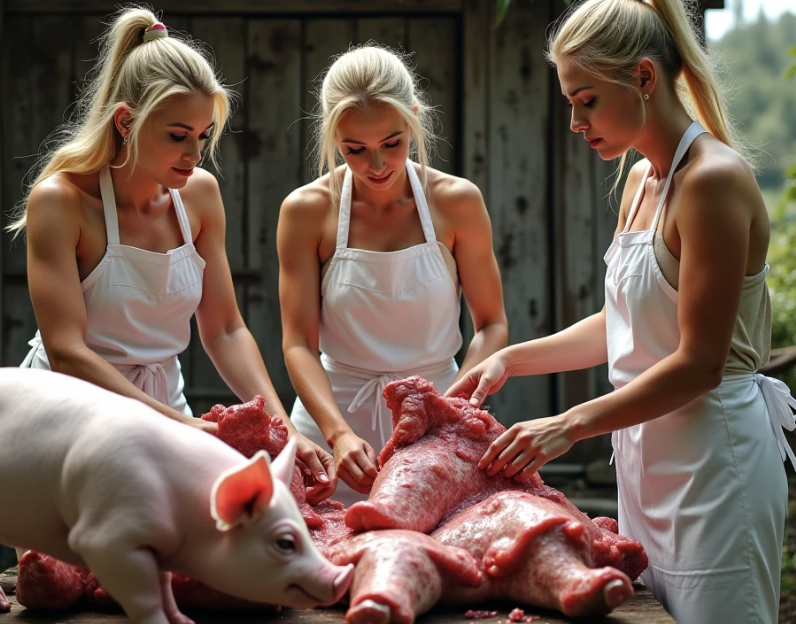
Chickens, goats, rabbits, maybe a couple pigs. You need to know how to feed them, breed them, and when the time comes — butcher them. Harsh? Maybe. But it’s honest.
5. Composting
Waste nothing. That pile of kitchen scraps and animal bedding can turn into black gold. Know what to compost, how to keep it hot, and how to use it.
6. Seed Saving
You really want to be self-sufficient? Stop buying seeds every spring. Learn how to save them. Tomatoes, beans, squash — they’re easy starters.
7. Hunting and Trapping
Deer season isn’t just for fun. It fills your freezer. Know the laws, respect the game, and sharpen your shot. Trapping’s trickier, but muskrats and raccoons don’t belong in your chicken coop.
8. Firewood Management
Chainsaw skills, axe work, splitting, stacking, seasoning — your heat depends on it if you’re off-grid or using a wood stove. Start early, or you’ll be burning green wood and cursing yourself in January.
9. Food Storage (beyond the pantry)
Root cellars, smokehouses, drying racks — these old-school methods still work. Don’t act surprised when the power goes out and your freezer full of meat is suddenly a liability.
10. Beekeeping
Not just for honey. Bees help everything grow. They’re finicky, though. Treat them right and they’ll give you liquid gold and pollinate your crops. Treat them wrong and they’ll abandon you.
11. Basic Veterinary Skills
Can’t call the vet every time a chicken sneezes or a goat limps. Learn how to treat wounds, give shots, and recognize illness. Your animals are your livelihood.
12. Soap Making
Store shelves empty? You’ll still be clean. Lye, fat, and patience. That’s all it takes. Plus, it beats rubbing synthetic nonsense on your skin.
13. Sewing and Mending
Clothes tear. Blankets wear out. Learn how to stitch a seam and patch a hole. Keep your gear going instead of tossing it.
14. Water Management
Wells, rainwater catchment, filtering, hauling — know it all. When the faucet stops running, will you know where to turn?
15. Emergency Medical Know-How
A well-stocked first aid kit won’t save you if you don’t know how to use it. Splints, wound care, recognizing infections — these are essential.
You still with me? Good. Then let me sweeten the pot with 3 DIY homestead hacks that’ll save your hide one day:
✅ Hack #1: 5-Gallon Bucket Nesting Boxes
You don’t need to spend a fortune on fancy nesting boxes. Take a few 5-gallon buckets, cut off the top third at a 45° angle, bolt them to the wall at a slight upward tilt, and throw in some pine shavings. Chickens love ‘em, and they’re easy to clean. Durable, too — and free if you salvage from restaurants or bakeries.
✅ Hack #2: Solar-Powered Electric Fence from Recycled Parts
Predators don’t care how much your livestock cost. Keep them out with a DIY solar electric fence. Repurpose an old solar yard light, a small car battery, and some wire from that junk pile you keep meaning to clean up. Hook up a low-voltage fence charger, and bam — perimeter security without raising your electric bill.
✅ Hack #3: DIY Root Cellar in a Trash Can
Don’t have the time or money for a full root cellar? Bury a metal trash can up to the rim in a shady spot. Line the bottom with gravel for drainage, then stack your root veggies in layers of sand or sawdust. Pop the lid on and cover with straw bales in winter. It’ll stay cool and dark — perfect for carrots, potatoes, and turnips.
Living the Virginia homestead lifestyle isn’t about prepping for doomsday. It’s about living honestly — away from the noise, the lies, and the weakness of a society that’s forgotten how to feed itself. It’s about waking up with the sunrise, working your body to the bone, and falling asleep with pride instead of anxiety.
People say, “I could never do that. It’s too hard.” Damn right, it’s hard. That’s the point. If you’re looking for ease, go back to your concrete jungle. But if you’re looking for a life with meaning, sweat, and real satisfaction — get your boots on. We’ve got work to do.
So go on — till that soil, raise that barn, gather those eggs, and for the love of all things sacred — stop whining. This is Virginia. We don’t just survive out here. We thrive.
 TheDailyChristian