Wyoming’s Deadliest Bugs: Survival Tips for Campers and Tiny Home Dwellers

Introduction: Wyoming Wilderness—Beautiful, Brutal, and Bug-Infested

Wyoming is a land of vast plains, jagged mountains, and serene forests, and for many, it’s the dream of the outdoors. But let me tell you something straight: this is not just a postcard-perfect place. If you’re camping, hiking, or living in one of those tiny homes tucked into the wild, you are sharing your space with a cast of critters that can seriously ruin your life—sometimes permanently.

As a survival prepper who’s had his fair share of mishaps—yes, including that little incident with my neighbor’s gasoline, which was, admittedly, captured on his Ring camera—I can tell you one thing with certainty: respect Wyoming’s wildlife, especially the creepy-crawly kind, or pay the consequences.

The bugs here are not just annoying. They are dangerous, cunning, and sometimes lethal. Some can kill you within hours if untreated, others can leave you sick or debilitated for weeks. And unlike in big cities, emergency services might be miles away, and the cell service? Hit-or-miss.

This guide is not for the faint of heart. I’ll break down the most dangerous bugs you’ll encounter in Wyoming, explain how to protect yourself while camping or living in a tiny home, and give you a survival prepper’s approach to staying alive when Mother Nature decides to bite back.


Wyoming’s Most Dangerous Bugs: Nature’s Tiny Killers

Wyoming might look peaceful, but lurking in the grass, forests, and even your cabin are some of the deadliest bugs you’ll ever encounter. I’ve categorized them by type, lethality, and likelihood of encountering them.

1. The Western Black Widow Spider

The Western Black Widow (Latrodectus hesperus) is famous for its venomous bite, which can cause severe pain, muscle cramps, and in rare cases, death—especially in children or those with compromised immune systems.

  • Appearance: Shiny black body with a distinctive red hourglass under its abdomen.
  • Habitat: Dark, undisturbed areas like woodpiles, sheds, garages, and sometimes corners of tiny homes.
  • Risk: Bites are rare but highly painful. In some cases, bites can require hospitalization.

Prepper Advice: Always inspect firewood before bringing it inside. Keep your tiny home clutter-free, and wear gloves when reaching into dark corners or under furniture.


2. Brown Recluse Spider

Wyoming has a growing population of brown recluse spiders. Their bites may start as small, painless punctures but can develop into necrotic wounds that eat away at tissue over days.

  • Appearance: Light to medium brown, violin-shaped marking on the back.
  • Habitat: Dark, dry areas—closets, attics, storage boxes.
  • Risk: Moderate to high. Secondary infections can make bites life-threatening.

Prepper Advice: Shake out clothing, shoes, and bedding before use. In tiny homes, seal cracks and gaps where spiders can enter.


3. Blacklegged (Deer) Tick

Deer ticks are Wyoming’s primary vector for Lyme disease. A single tick bite can leave you bedridden for weeks, sometimes months, with fatigue, joint pain, and neurological issues.

  • Appearance: Tiny, reddish-brown, almost invisible until fully engorged.
  • Habitat: Grasslands, shrubs, forest edges.
  • Risk: High if unprotected during hiking or camping.
  • Dangerous Twist: Ticks can also carry anaplasmosis and babesiosis, deadly if untreated.

Prepper Advice: Use insect repellents with DEET or picaridin, wear long sleeves and pants tucked into socks while hiking, and check your body carefully after being outdoors.


4. Wyoming Centipedes (Scolopendra spp.)

These are not your garden-variety centipedes. Wyoming’s larger species can deliver venomous bites that are extremely painful, causing swelling, nausea, and in rare cases, systemic reactions.

  • Appearance: Large, segmented body with long antennae and venomous fangs.
  • Habitat: Under logs, rocks, and debris near homes or cabins.
  • Risk: Moderate but painful. In small children or elderly adults, bites can be dangerous.

Prepper Advice: Always wear gloves when moving logs or debris. Keep tiny homes sealed and free of clutter where centipedes can hide.


5. Mosquitoes – The Silent Killers

Mosquitoes may seem like a minor nuisance, but Wyoming is home to species that can carry West Nile Virus and other arboviruses. While fatalities are rare, infection can leave you severely ill.

  • Appearance: Small, fuzzy, often unnoticeable until biting.
  • Habitat: Standing water, damp soil, marshes.
  • Risk: Moderate but widespread.

Prepper Advice: Mosquito nets over sleeping areas, long sleeves, and repellents are essential for camping and tiny home patios. Don’t let a small bug make your life miserable.


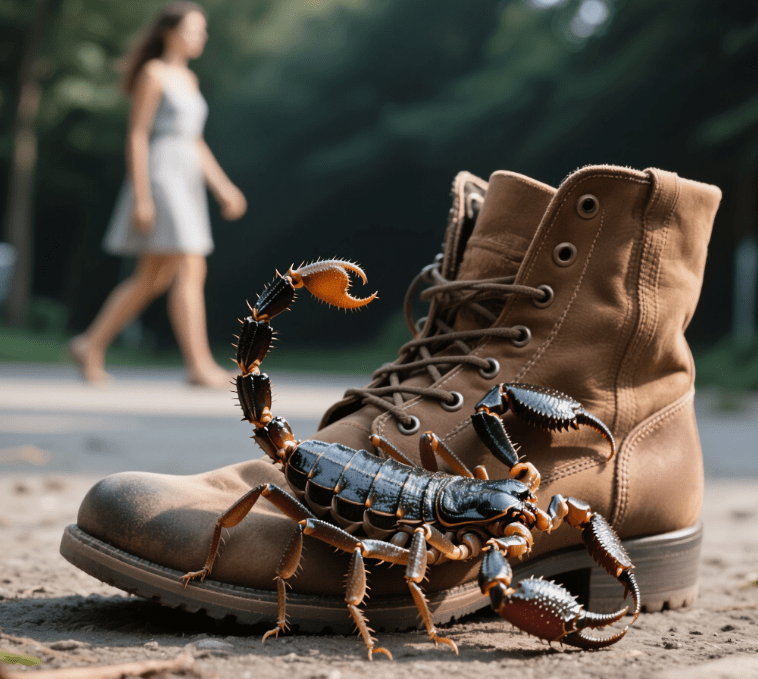
6. Scorpions (Northern Scorpion)

Yes, scorpions exist in Wyoming, though not in massive numbers. Their sting can cause severe pain, numbness, and in rare cases, allergic reactions.

  • Appearance: Small to medium, brownish, curved tail with stinger.
  • Habitat: Rocky areas, under debris, and occasionally tiny home foundations.
  • Risk: Low but not zero. The prepper’s motto: never underestimate the sting.

Prepper Advice: Shake out bedding and clothing, and wear boots outside at night. Always check shoes before putting them on.


7. Poisonous Caterpillars

Wyoming has several species with urticating hairs, such as the Lonomia caterpillar, which can cause severe allergic reactions and internal bleeding in extreme cases.

  • Appearance: Small, fuzzy, or spiny larvae, often on shrubs or trees.
  • Habitat: Trees, bushes, and vegetation near campsites.
  • Risk: Low but significant if touched.

Prepper Advice: Avoid touching unknown caterpillars. Use gloves when handling firewood or pruning shrubs around your tiny home.


8. Fleas

Fleas are not usually fatal, but they can transmit tularemia, a rare but potentially deadly disease. Flea infestations can also exacerbate allergies and secondary infections.

  • Appearance: Tiny, wingless, dark brown insects.
  • Habitat: Grasslands, forests, or homes with pets.
  • Risk: Moderate; infestations can quickly spiral out of control.

Prepper Advice: Treat pets, keep floors clean, and avoid sleeping near areas where wildlife frequents. Tiny homes with high rodent activity are especially vulnerable.


9. Kissing Bugs (Triatomines)

While rare in Wyoming, these insects carry Chagas disease, which can be fatal if untreated. They bite humans at night and feed near the mouth or eyes.

  • Appearance: Dark, flat bugs with long legs and a conical head.
  • Habitat: Cracks in walls, attics, and under rocks.
  • Risk: Low but serious.

Prepper Advice: Seal tiny home cracks, use window screens, and inspect bedding after camping outdoors.


What to Wear While Camping and Living in a Tiny Home

Surviving Wyoming’s bug population requires more than luck—it demands smart clothing and gear.

1. Long Sleeves and Pants

This is the first line of defense. Even light fabric protects against ticks, mosquitoes, and spider bites. If camping, tuck pants into socks and wear gloves when handling wood or vegetation.

2. Bug Repellent

  • DEET or picaridin sprays for exposed skin.
  • Permethrin-treated clothing for long-term protection.
  • Mosquito nets for sleeping areas, especially in tents or tiny home porches.

3. Sturdy Boots

  • Protect your feet from centipedes, scorpions, and snakes.
  • Inspect shoes before wearing—they are hiding spots for spiders.

4. Gloves

Always carry durable gloves when handling wood, shrubs, or trash. Many serious bites happen because someone underestimated a tiny, venomous bug hiding in clutter.

5. Hats and Neck Protection

Some insects, like mosquitoes and ticks, are drawn to warm areas. Wearing a hat and scarf can reduce bites on your head and neck.


Tiny Home Bug Hazards

Living in a tiny home doesn’t mean you’re safe. In fact, small spaces can magnify infestations because bugs have less territory to hide in and can infest quickly.

1. Entry Points

  • Cracks around doors and windows
  • Vents and tiny gaps in foundation
  • Holes in screens

Prepper Tip: Seal everything. Use weather stripping, caulking, and fine mesh screens.

2. Food Storage

Bugs are attracted to food. Keep all food airtight, and never leave crumbs or leftovers exposed.

3. Moisture Control

Many dangerous insects thrive in damp areas. Tiny homes with leaks or high humidity are bug magnets. Fix leaks, ventilate, and use dehumidifiers when possible.

4. Rodents and Wildlife

Rodents can carry fleas and ticks. Keep tiny homes secure from wildlife intrusion—mesh vents, solid doors, and traps where legal.


Emergency Protocols: If You Get Bitten

Despite precautions, bites can happen. Here’s the survival prepper approach:

  1. Identify the bug if possible (take a photo without touching).
  2. Clean the area with soap and water.
  3. Apply cold compresses to reduce swelling.
  4. Monitor for severe symptoms: difficulty breathing, dizziness, spreading redness, or necrosis.
  5. Seek medical attention immediately for bites from black widows, brown recluses, ticks showing bullseye rashes, or unexplained allergic reactions.

Pro Tip: Always carry a basic survival medical kit with antihistamines, antiseptics, and a tick removal tool.


A Wyoming Survival Prepper’s Final Thoughts
Living or camping in Wyoming isn’t just about enjoying nature—it’s about respecting the unseen dangers that lurk in the shadows. Bugs are not just pests—they are small predators with the power to ruin your day, or your life.

As a prepper, the goal is simple: avoid unnecessary risk, prepare for the worst, and stay vigilant. Gear up properly, inspect your tiny home daily, and maintain a survival mindset. And remember—if you ever find yourself caught on your neighbor’s Ring camera stealing gas, well… at least you’ll have your bug survival skills to fall back on. Yowsers indeed.

Wyoming is beautiful, wild, and deadly—but with preparation, you can thrive. Respect the bugs, protect yourself, and live to see another sunrise in the rugged heart of the American West.


Wyoming’s Worst Roads to Drive on During a Disaster

Driving Through Disaster: Survival Tactics for Navigating Wyoming’s Worst Roads

When the sky turns black and the land starts to rumble, there’s only one thing on a survivalist’s mind: movement. You get caught sitting still during a natural disaster—be it wildfire, flood, blizzard, or quake—and you’re as good as part of the wreckage. Wyoming, beautiful and vast as she is, has some of the worst roads you could imagine driving when Mother Nature’s wrath descends. I’ve driven through it all—dust storms in the high plains, snow squalls near Togwotee Pass, even a landslide outside of Jackson that buried half a two-lane mountain road. And I’m still here to tell you what works—and what damn sure doesn’t.

Now, I’ve broken down in Bighorn Canyon in winter and blown a radiator going downhill on Highway 22 when the brakes cooked out. I know every rattle and groan a vehicle makes when it’s begging you to stop. But survival? That’s about going forward when everything else is falling apart.


Wyoming’s Most Treacherous Roads in a Natural Disaster

Some roads here seem like they were designed with disaster in mind—twisting, narrow, unforgiving. If a major event hits—earthquake, wildfire, blizzard—these are the roads you want to avoid or be prepared to conquer:

  1. Togwotee Pass (US 26/287) – Altitude, avalanche zones, and whiteout blizzards make this a death trap.
  2. Chief Joseph Scenic Byway (WY 296) – Gorgeous in summer, but in winter or fire season, it’s a one-way ticket to stuck.
  3. I-80 through Elk Mountain Pass – Infamous for sudden blizzards and 80-mph wind gusts. Trucks jackknife here regularly.
  4. Beartooth Highway – Known as one of the most dangerous roads in America; beautiful, but cliffs and snowstorms will kill you.
  5. WY-22 over Teton Pass – Hairpin turns, rockslides, and no room for error.
  6. Wind River Canyon (US 20) – Landslides, flooding, and ice take this scenic drive and turn it into a trap.
  7. WY-130 (Snowy Range Scenic Byway) – Closed most of the year for good reason. In a disaster? Forget it.
  8. Casper Mountain Road – Steep, unguarded, and a magnet for ice and landslides.
  9. South Pass (WY-28) – Historic, yes—but treacherous in high winds and with poor visibility.
  10. Medicine Bow Mountains routes – Remote, often unmaintained, and the first to close in bad weather.

15 Survival Driving Skills to Get You Through Hell

When disaster hits and the roads go to hell, here’s what you better know before you even turn the key.

  1. Threshold Braking – Learn to brake just before your tires lock. Especially useful on icy or gravel roads.
  2. Clutch Control (Manual Transmissions) – Use low gears to descend steep grades safely or to power through debris.
  3. Off-Road Line Picking – Know how to visually choose the safest path over rocks, through mud, or across fallen branches.
  4. High-Centered Escape – Know how to rock your vehicle out when it’s stuck on a crest (like snowbanks or debris piles).
  5. Skid Recovery – Steer into the skid, don’t panic, and throttle lightly to regain control.
  6. Water Fording Techniques – Know how to test water depth, use low gear, and maintain a slow, steady bow wave.
  7. Reading Road Shoulders – In Wyoming, shoulders are often soft, crumbly. Know what’s drivable—and what’s a trap.
  8. Using Reverse Strategically – Sometimes backtracking 50 feet is safer than pushing ahead into chaos.
  9. Downhill Descent Control – Use engine braking (low gears) instead of cooking your brake pads.
  10. Navigating Without GPS – Natural disasters knock out cell towers. Know how to read a topographical map and use a compass.
  11. Night Vision Preservation – Keep your cabin lights off, dash dimmed. Let your eyes adjust; use red filters if needed.
  12. Quick Tire Change Under Duress – Practice doing this in under 10 minutes. Time is life when you’re being chased by wildfire.
  13. Improvised Traction Aids – Floor mats, branches, even clothing can give you grip on snow or mud.
  14. Evacuation Convoy Driving – Know how to follow closely without tailgating and communicate with lights or hand signals.
  15. Stealth Movement – Sometimes survival means not being seen. Turn off lights, coast in neutral, stay low and slow.

3 DIY Survival Driving Hacks When You Run Out of Gas

Even the best laid plans meet the bottom of a gas tank. If you’re deep in Wyoming’s backcountry when the needle drops to E, here’s what can keep you moving:

  1. Fuel Siphoning (If It’s Legal and Safe)
    Carry a hand siphon or rubber hose. Abandoned vehicles or machines in remote farms may have usable fuel. Use a filter (like a cloth or even a coffee filter) to screen debris as you transfer.
  2. DIY Wood Gasifier (Advanced Hack)
    Old-school tech: with metal cans, piping, and a heat source, you can build a wood gasifier. Burns wood to create gas vapor usable by older carbureted engines. Doesn’t work on modern fuel-injected cars without major modding—but for that 1980s pickup? Maybe your only option.
  3. Alcohol-Based Fuel Substitute (Short Range Only)
    If you’ve got isopropyl alcohol, ethanol, or even high-proof liquor, you can mix it in with leftover gas in emergencies. You’ll burn hotter and dirtier, and it’s not good long-term—but in a disaster, range matters more than emissions.

A Survivalist’s Advice for Wyoming Disasters

Wyoming isn’t forgiving. With towns separated by dozens of empty miles and weather that can turn in a heartbeat, you have to drive like your life depends on it—because out here, it does. Keep your rig ready at all times: full tank, spare fuel cans (stabilized), tools, jack, patch kit, compressor, food, and water for three days minimum. I keep a bugout bag in the cab and a collapsible shovel in the bed. I also travel with tire chains—even in summer—because snow can hit in August up near Beartooth.

In winter, I preheat my diesel with a generator or plug-in timer, and I’ve learned the hard way that synthetic oil is mandatory when the mercury drops below -20°F. Got stranded once near Rawlins for 28 hours in a whiteout—thank God I had insulated boots, a zero-degree bag, and a Hi-Lift jack to lift the truck out of a drift when it all cleared.

Also, know how to communicate without a cell. A CB radio, handheld ham (with a license if you’re being legal), or even a signal mirror can mean the difference between rescue and rotting. Don’t expect anyone to come for you fast—not here.

And never drive into the unknown without logging your route with someone. Even if it’s just a buddy over text. If you vanish in Wyoming’s backroads, it can be weeks before anyone finds you—if at all.


Final Thoughts

Driving in disaster is not about speed—it’s about control. Knowing your machine. Reading the land. Making decisions in seconds that mean life or death. That’s survival driving. And in a place like Wyoming, where the sky can fall on you in more ways than one, that knowledge isn’t just a skill.

It’s your salvation.


The Wyoming Homestead Lifestyle: A Manifesto of Grit, Skills, and No-Nonsense Survival

The Wyoming Homestead Lifestyle: A Manifesto of Grit, Skills, and No-Nonsense Survival

Let me tell you something, straight and unvarnished: if you’re not prepared to get calluses on your hands and dirt under your nails, Wyoming ain’t for you. This is not suburbia with a rustic aesthetic. This is not a Pinterest dreamland of aesthetic chicken coops and perfectly arranged mason jars. This is war—war against the elements, the government’s overreach, and your own laziness. Wyoming homesteading is a damn lifestyle, not a hobby.

Out here, it’s you versus wind that can rip a tarp off your barn like tissue paper. It’s you versus predators that want your chickens for breakfast. It’s you versus a winter that’ll freeze your pipes and your soul if you’re not ready. If you’re soft, stay in the city and order your overpriced “organic” kale like a good little consumer. But if you’ve got grit in your bones and a fire in your gut, then listen close.

This is how we survive. This is how we thrive.


15 Homestead Skills Every Wyoming Survivalist Better Master or Die Trying

  1. Basic Carpentry – If you can’t build a chicken coop or mend a fence with your own damn hands, you’re not a homesteader. You’re a liability. Learn to hammer, saw, measure, and make it square—before winter comes.
  2. Chainsaw Operation & Maintenance – You think you’ll keep warm in a Wyoming January without firewood? Think again. Chainsaw mastery isn’t optional. It’s life or death.
  3. Canning & Food Preservation – Your garden won’t last past October. If you don’t can, pickle, salt, or dehydrate your harvest, you’re just composting your hard work. Store it or starve.
  4. Animal Husbandry – Chickens, goats, pigs, maybe even a milk cow. If you can’t raise and manage livestock, you’re not living the homestead life—you’re playing house.
  5. Hunting & Butchering – A freezer full of elk, deer, or rabbit can mean the difference between feasting and famine. Know how to field dress, skin, and process meat. Otherwise, you’re wasting your shots.
  6. Composting – Quit throwing away gold. Organic waste becomes black gold if you know what you’re doing. Build soil. Build sustainability.
  7. First Aid – Nearest hospital could be hours away on icy roads. Learn to treat wounds, broken bones, infections, and how to recognize hypothermia before it kills you.
  8. Blacksmithing & Tool Repair – Tools break. In town, you throw them away. Out here, you fix them—or do without. Knowing how to mend steel is worth its weight in gold.
  9. Trapping & Fur Handling – It’s not just about meat. Those furs can be clothing, blankets, barter. Coyotes, beaver, fox—they’re not just pests; they’re opportunities.
  10. Seed Saving – Depend on seed catalogs and you’re on a leash. Learn how to save heirloom seeds and you control your food supply. It’s about freedom, not gardening.
  11. Root Cellaring – Build one, use it right, and your potatoes, carrots, apples, and canned goods will feed you all winter long. Otherwise, you’re gambling with spoilage.
  12. Solar & Off-Grid Power – The grid isn’t reliable, especially in the high plains and mountain backcountry. You need solar panels, batteries, and know-how—or you need candles and prayers.
  13. Beekeeping – Honey is sugar, medicine, and barter currency. Bees pollinate your crops. Without them, your yields drop. Protect them like your life depends on it—because it does.
  14. Well Maintenance & Water Purification – Out here, if your well goes dry or your pump breaks, you’re screwed. Know how to fix it. Know how to filter creek water if you have to.
  15. Fire Starting in Any Weather – If you can’t start a fire in wind, rain, or snow with wet wood and cold fingers, you’re already dead. Fire is life. Master it.

3 DIY Homestead Hacks to Keep You Ahead of the Game

Hack #1: The Passive Solar Water Heater

You want hot water without a $300 electric bill? Good. Build a passive solar water heater from a black-painted steel coil inside a glass-topped wooden box. Mount it on a south-facing roof or platform. Gravity feed it into your kitchen or bathroom sink. Works like a charm—unless you’re lazy.

Hack #2: The Rocket Mass Heater

Forget your old wood stove that eats logs like candy. Build a rocket mass heater using bricks, cob, and a few bits of pipe. Burns cleaner, uses a fraction of the fuel, and keeps your house warm as a campfire in a cave. Bonus: it’s cheap as dirt if you scavenge right.

Hack #3: Gravity-Fed Drip Irrigation from Rain Barrels

Wyoming rains are rare, but when they hit, you better catch every drop. Set up barrels at every downspout, connect them with PVC, and run a drip line to your garden beds. No power. No pumps. Just gravity, baby. Efficient, silent, and free. Lazy people don’t collect water. Survivors do.


Wyoming: Where Homesteading Isn’t Just a Dream—It’s a Battlefield

You think you’re ready for the Wyoming Homestead Lifestyle? Let me be clear: this life is not for dabblers, tourists, or social media influencers. This land eats the weak. The wind will break you if the solitude doesn’t get there first. The snow will bury your plans if you don’t plan better. The isolation will crush your spirit if you’re not built for it.

But if you are—if you’re the kind of person who looks at a broken-down barn and sees a project, not a problem—then this life will feed your soul. It’ll teach you real value. Self-reliance. Honor. Work ethic. The kind of values they don’t teach in schools anymore.

You’ll come to love the rhythm of chores, the honest ache of muscles well-used, and the satisfaction of putting food on the table you raised, grew, or harvested yourself. You’ll wake up at dawn, not because some boss told you to, but because your life depends on it. You’ll sleep well, because exhaustion and purpose are the best bedfellows known to man.

So get out here. Build something with your own two hands. Grow food. Raise animals. Learn the old ways—not for nostalgia, but for survival. Because when the world gets shaky—and it will—you won’t be the one panic-buying batteries and bottled water. You’ll already be ready. You’ll already be free.


Final Thought from a Surly Realist:

Homesteading in Wyoming is not cute. It’s not quaint. It’s powerful. It’s about taking control back from corporations, from dependence, from mediocrity. It’s about living a life that actually means something.

So quit whining. Quit scrolling. Get to work.

Because out here? You either live like a wolf, or you die like a sheep.

Is Wyoming’s Drinking Water Safe

Is Wyoming’s Drinking Water Safe? Hell No, and Here’s Why You’d Better Learn to Filter It Yourself

Let me tell you something, and I’m not gonna sugarcoat it. If you’re sitting pretty in your high-rise, sipping tap water like it’s liquid gold because your government says it’s “safe,” then you’ve already lost. You’re not ready. And if you’re in Wyoming thinking your mountain streams and municipal water supply are God’s gift to hydration, then wake the hell up.

I’ve been living off the grid longer than most folks have been alive. Wyoming’s got beautiful country, no doubt—open skies, majestic peaks, and what looks like pristine streams. But don’t let the scenery lull you into a false sense of security. The truth? Wyoming’s drinking water might be safer than Detroit’s or Flint’s, but that doesn’t mean it’s safe for the long haul, especially if the grid goes down, disaster strikes, or pollutants seep into the supply like a thief in the night.

Wyoming’s Department of Environmental Quality might say their water complies with federal regulations, but “compliance” just means it meets the minimum requirements. That’s like saying a parachute “mostly works” at 5,000 feet. You willing to bet your life on that?

The Threats Are Real, and They’re Already Here

Let’s talk about what’s lurking in Wyoming’s water. Agricultural runoff is a major player. Fertilizers, pesticides, herbicides—all that junk ends up in rivers, wells, and reservoirs. You think the chemicals just vanish? They don’t. And guess what else Wyoming’s got? Mining operations. Heavy metals like arsenic and mercury can leach into the groundwater like a cancer. You want to drink cancer?

And let’s not forget natural contamination. That clear mountain stream? Might be full of Giardia, Cryptosporidium, and E. coli. One gulp and you’ll be hugging the toilet for a week—or worse.

So, the question isn’t just “Is Wyoming’s water safe now?” It’s “Are you prepared for when it isn’t?”

15 Survival Water Filtration Skills Every Wyomingite Should Know (or Anyone Who Wants to Stay Alive)

  1. Boiling Water: Basic but essential. Bring water to a rolling boil for at least 1 minute (3 minutes at elevation). Kills bacteria, parasites, viruses. Don’t skip it.
  2. DIY Charcoal Filter: Layer gravel, sand, and charcoal in a bottle. It won’t kill microbes, but it clears debris and absorbs chemicals.
  3. Solar Disinfection (SODIS): Fill a clear plastic bottle, place in sunlight for 6+ hours. UV rays destroy pathogens. Works best when the sun is strong.
  4. Portable Water Filters (e.g., Sawyer Mini or LifeStraw): Lightweight, affordable, and essential for any bug-out bag. Filters out protozoa and bacteria.
  5. Bleach Treatment: 2 drops of unscented household bleach per liter of water. Let it sit for 30 minutes. Works in a pinch. Do NOT overdo it.
  6. Potassium Permanganate: A few crystals per liter turns water light pink—strong disinfectant. But be careful, overdosing is toxic.
  7. Making a Bio-Filter: Combine sand, activated charcoal, and gravel in a bucket system. Slow but thorough. Perfect for long-term camps.
  8. Distillation: Boil water and catch the steam in a clean container. Leaves behind salts, heavy metals, and other contaminants.
  9. Use of Iodine Tablets: Effective against bacteria and viruses. Just know it can taste nasty and isn’t great for long-term use.
  10. Filter Through Cloth: Use a shirt, bandana, or coffee filter to remove sediment before further treatment.
  11. Clay and Charcoal Pot Filters: Build your own if you’ve got access to clay. Slow process, but incredibly effective for protozoa and bacteria.
  12. UV Light Purifiers: Battery-powered UV pens (like SteriPen) sterilize water in under a minute. Keep backups—battery failure means you’re screwed.
  13. Rainwater Collection: Use a tarp or metal sheet to funnel water into a clean container. Always filter before drinking.
  14. Tree Transpiration Bags: Wrap a clear plastic bag around green leaves. Sunlight causes condensation. It’s slow, but in a pinch, it works.
  15. Snow and Ice Melting: In Wyoming winters, this is your main source. But always melt and boil. Snow can contain airborne contaminants.

Now Pay Attention: 3 DIY Survival Drinking Water Hacks That Could Save Your Life

When the power’s out, the pipes are dry, and FEMA’s nowhere in sight, you’re going to want these in your back pocket.

  1. Tin Can Distiller
    Take two tin cans. Fill one with dirty water, cover it with foil, and connect it to the empty can with a metal or plastic tube. Heat the full can—steam will travel, condense, and collect in the empty can. Boom. Clean water. Not fancy, but it’ll keep you alive.
  2. Plastic Bottle Solar Still
    Cut a large plastic bottle in half. Put unfiltered water in the bottom, and a small container inside to collect clean drops. Tape plastic wrap over the top and set in the sun. As it heats, water evaporates and condenses—safe drinking water collects in the cup.
  3. Pine Tree Filter Trick
    Find a piece of pine wood, ideally still wet. Drill a hole through it, shove it into a hose or tubing. Pour water through slowly—pine wood’s natural structure filters out 99.9% of bacteria. Slow flow, but clean results. Nature’s miracle.

Final Word: Trust Nature, but Always Verify

You think the world’s gonna keep delivering clean tap water when disaster strikes? Hell no. We’ve got droughts, power grid vulnerabilities, chemical spills, EMP threats, civil unrest, and bureaucratic red tape that’ll kill you faster than dehydration. You trust the government? I trust my filter and my gut.

Even if you live in Cheyenne or Jackson and your tap water passed the latest tests with flying colors, you’re one wildfire or dam breach away from sipping sludge.

So don’t be a fool. Don’t wait for the next emergency to Google “how to purify water.” Get off your ass, get your gear in order, and train like your life depends on it—because it damn well does.

Clean water isn’t a right. It’s a privilege, and one that can vanish overnight. Wyoming may have clearer streams than most states, but clear doesn’t mean clean. You want to survive? Then act like it.

And remember: You don’t rise to the occasion—you fall to the level of your training.

Now get out there and train.

Wyoming’s Most Dangerous Hiking Trails: The Trails That Could Be Your Last

Wyoming’s Most Dangerous Hiking Trails: The Trails That Could Be Your Last

As someone who’s spent more nights sleeping under the stars than in a bed, I’ve learned that the wilderness is both beautiful and brutal. Wyoming’s terrain, with its sweeping mountain ranges, deep canyons, and wide-open plains, is not for the faint-hearted. When you head into the backcountry, you’re stepping into a world where nature doesn’t play by human rules. Whether it’s unpredictable weather, dangerous wildlife, or sheer physical exhaustion, the risk is real. Hiking in Wyoming can be an exhilarating experience—one that’s full of challenges that will push you to your limits, mentally and physically.

Wyoming Hiking Trails: Wyoming Hiking Trails

For those of us who take survival seriously, preparation is key. Knowing your environment, understanding the risks, and having the right gear are all part of the equation. But even the best-prepared hiker can find themselves in over their head on some of Wyoming’s more treacherous trails. In this article, I’m going to take you through the most dangerous trails in Wyoming, the ones where it’s not just about a challenging hike but where a single misstep could be your last.

1. Death Canyon Trail (Grand Teton National Park)

Named appropriately, Death Canyon is one of the most notorious hikes in Wyoming. While it offers stunning views of the Teton Range, the terrain is unforgiving. With sheer drops, loose rock, and treacherous crossings, this trail demands absolute focus. The weather can turn unexpectedly, and snowfields linger even in summer, creating icy conditions that can lead to serious falls. The high altitude can leave hikers breathless, and if you’re not in peak physical condition, this is one trail that might send you to the hospital or worse.

2. Mount Gannett (Wind River Range)

If you’re looking for an intense challenge, Mount Gannett in the Wind River Range is the real deal. It’s a high-altitude peak that requires technical climbing skills to summit. The route involves glacier crossings, crevasses, and the constant threat of rockfall. You also have to be prepared for extreme weather that can change in the blink of an eye. The lack of marked trails and the danger posed by the unstable rock make this mountain one of Wyoming’s deadliest hikes.

3. Paintbrush Canyon to Cascade Canyon (Grand Teton National Park)

This is a rugged and steep hike that takes you through some of Wyoming’s most jaw-dropping scenery, but the dangers here are serious. The trail is narrow, rocky, and exposed. In the summer months, snowfields still linger at higher elevations, making footing slick and hazardous. The cliffs and drop-offs demand complete focus, and any slip here could send you plummeting into the abyss below. The high altitude also poses a danger, especially if you’re not accustomed to hiking at this level.

4. Devil’s Tower Trail (Devil’s Tower National Monument)

Known for its sheer cliffs and geological marvel, Devil’s Tower offers both a visually stunning experience and a dangerous one. The steep incline and loose rock along the trail can make the hike treacherous. The real risk lies in the sudden, violent storms that can roll in over the prairie and catch hikers off guard. The trail also leads into areas with rattlesnakes, so you’ll want to stay alert at all times.

5. Granite Peak (Wind River Range)

Granite Peak isn’t just dangerous because of its steep inclines and technical challenges. It’s an extremely remote location, meaning help could be a long time coming if something goes wrong. The peak itself is one of the most challenging summits in Wyoming, with vertical rock faces and long, grueling days that test your endurance. High-altitude weather can be brutally cold, even in summer, and unpredictable lightning storms make the peak even more lethal.

6. Tombstone Mountain (Wind River Range)

Tombstone Mountain has a reputation for causing trouble among even the most experienced hikers. The route requires multiple passes through loose rock, steep ascents, and narrow ridgelines. The danger is in the combination of the terrain and the unpredictability of Wyoming’s weather. Hikers have been caught in sudden snowstorms, and the mountain is known for offering no easy escape if the weather turns. Many hikers get lost or injured because of the lack of clear markers, adding to the risk factor.

7. Avalanche Canyon (Grand Teton National Park)

This treacherous route in Grand Teton National Park is notorious for its risk of avalanche, especially in early spring. Even in summer, hikers face the danger of falling rocks, steep cliffs, and unpredictable weather. The terrain can be slippery, and the steepness of the canyon increases the likelihood of serious injury if you slip. The entire route demands complete concentration, and a single misstep could be deadly.

8. Snowy Range Trail (Medicine Bow National Forest)

Located in southern Wyoming, the Snowy Range Trail offers some of the most beautiful mountain scenery, but also some of the most dangerous conditions. The path is often icy well into the summer, and sudden snowstorms can make navigation nearly impossible. The terrain can be rocky and unstable, and altitude sickness is a serious threat at the higher elevations. This trail isn’t for the beginner; even seasoned hikers need to be prepared for changing conditions and physical challenges.

9. The Cirque of the Towers (Wind River Range)

The Cirque of the Towers is one of the most awe-inspiring spots in Wyoming, but it also poses a major threat to those who venture here. It’s a popular route for experienced climbers and hikers, but the mix of high-altitude terrain, sharp rock, and the potential for sudden storms creates the perfect recipe for disaster. There’s a real danger of hypothermia, dehydration, and rockfalls along this trail, especially if you aren’t prepared for the harsh conditions.

10. Shoshone Lake Trail (Yellowstone National Park)

While not as difficult as some of the other trails on this list, the Shoshone Lake Trail can be incredibly dangerous due to the wildlife in the area. Bears and wolves roam freely, and while encounters are rare, they do happen. The trail itself is often muddy and slick, with long stretches of exposed terrain. The danger here lies in the isolation of the area—help is a long way off if things go wrong.

11. South Pass to Atlantic City (Wind River Range)

This historic route is more than just a hike—it’s a wilderness survival test. The South Pass to Atlantic City Trail is an old pioneer route that follows some of the most difficult terrain in the state. Hikers are exposed to the elements and must deal with unpredictable conditions, from thunderstorms to snowstorms. The rugged trail is also difficult to follow, which adds to the danger of getting lost.

12. Boulder Lake Trail (Wind River Range)

Another treacherous hike in the Wind River Range, the Boulder Lake Trail is known for its dangerous terrain and remoteness. Hikers have to contend with steep inclines, unstable rock, and high-altitude challenges. If you get caught in bad weather, you’ll be in a real fight for survival. The lack of cell service means help isn’t readily available, and navigating the rugged backcountry is a serious test of your survival skills.

13. Highline Trail (Bridger-Teton National Forest)

The Highline Trail is one of the most beautiful and dangerous in the Bridger-Teton National Forest. The trail cuts through steep ridges and exposes hikers to the threat of falling rocks. The high-altitude terrain means that a misstep could send you tumbling hundreds of feet, and the weather can shift quickly. You need experience with navigating dangerous terrain to tackle this one safely.

14. Lost Lake Trail (Bridger-Teton National Forest)

This trail is a hidden gem in Wyoming but comes with serious risks. The trail itself is rocky, steep, and often overgrown, making it easy to get lost. It’s also known for flash floods and the sudden, intense weather that frequently rolls in. The risks of getting stuck in an unprotected area when a storm hits cannot be overstated.

15. The Butte Trail (Sweetwater County)

The Butte Trail offers a less-known but equally deadly hiking route. This trail is exposed to the elements, and flash floods can quickly turn what seems like a safe hike into a life-threatening situation. The terrain is rugged, and there’s no shade for miles, meaning heat exhaustion is a very real concern. If you’re not familiar with desert survival tactics, this trail might end up being your last.

16. Wilson Peak (Teton Range)

Wilson Peak, while rewarding for experienced hikers, is not one to take lightly. The terrain is extremely steep, with technical rock climbs required to reach the summit. You’ll need a helmet to avoid rockfalls and a solid knowledge of alpine hiking and climbing techniques. The weather can turn quickly, and the risk of getting trapped in cold conditions is high.

17. Fremont Peak (Wind River Range)

Fremont Peak is one of Wyoming’s tallest mountains and one of its most dangerous to summit. It requires technical climbing and traversing dangerous snow and ice fields. Even during the summer months, sudden cold fronts can cause temperatures to drop dangerously low. This trail is reserved for experienced hikers and climbers who understand the risks involved.

18. Gros Ventre Wilderness Trail (Gros Ventre Wilderness)

This trail is one of the most rugged in the state, with unpredictable weather and dangerous wildlife. The area is home to grizzly bears, wolves, and cougars, which makes it a high-risk location for a hiker. In addition to the wildlife, the trail is known for its steep inclines, rockfalls, and the possibility of flash floods.

19. Miracle Mile (Wind River Range)

Known for its remote location, the Miracle Mile Trail is a dangerous trek due to its exposure and lack of obvious markers. Hikers need to be well-prepared to navigate this trail, as weather can turn deadly quickly. This trail has claimed the lives of hikers who were caught unprepared.

20. Snake River Canyon (Jackson Hole)

This dramatic canyon offers stunning views but is extremely dangerous. The steep drop-offs and challenging terrain mean that hikers need to be on their toes at all times. It’s easy to get lost in the maze of canyons, and if you’re not careful, you might find yourself caught in an avalanche or flash flood.


Conclusion

While these trails might offer some of the most awe-inspiring views and experiences in Wyoming, they also carry a heavy price. Many of Wyoming’s most dangerous hikes are not just physically challenging; they are also life-threatening in ways that demand respect and caution. If you choose to hike these trails, make sure you’re prepared for everything the wilderness can throw at you. Always carry a survival kit, know your route, and leave a detailed plan with someone you trust. And above all, trust your instincts—if something feels wrong, turn back. The wilderness is unforgiving, but with the right knowledge and respect, you can enjoy its beauty safely. Stay sharp out there.