Best Survival Products Hiding in Your Grocery Aisles

Civilization is not a guarantee—it’s a temporary arrangement held together by apathy, duct tape, and a population that assumes “someone else” is handling things. Maybe that used to be true. Not anymore. Every week the cracks get wider, and every year we pretend that supply chains, government agencies, and corporate giants will somehow keep functioning even as everything around us falls apart.

And yet, most people wander through grocery stores like zombies, tossing snacks into their carts and giggling on their phones, never stopping to consider that the lights above their heads and the food on those shelves rely on systems that can collapse overnight. All it takes is one power grid failure, one fuel shortage, one cyberattack, one natural disaster—pick your poison—and the whole façade drops.

I’m tired of watching people sleepwalk through danger. I’m tired of pretending everything is fine. So here’s the truth: if you’re even half awake, you should already be stocking up. Fortunately, you don’t need a bunker, a forest cabin, or a shipping container full of MREs to prepare. You can find real, practical, shelf-stable survival gear right inside your everyday grocery store—if you know what to look for.

Below are the best survival products you can buy before the masses finally panic or the shelves go bare (again).


1. Canned Meat: The Only Protein You Can Trust When Reality Crumbles
Everyone loves to sneer at canned meat—right until the day the refrigerated section dies and the fresh meat aisle becomes a biohazard zone. Canned chicken, tuna, spam, and roast beef are some of the most underrated survival foods on the planet.

They last for years, require no cooking, maintain protein content, and can be eaten straight out of the can. When the world decides to malfunction, people who used to mock canned meat will regret tossing organic kale chips into their carts instead of stocking up like sane adults.

Stop worrying about the label aesthetics and grab the cans. Protein is survival, period.


2. Rice and Beans: The Boring Duo That Will Keep You Alive Longer Than Your Favorite Politician

People roll their eyes at rice and beans because they’re “too basic.” Well, guess what? Basic foods built civilizations long before electricity, refrigeration, and food delivery apps turned humanity soft. Rice and beans together form a complete protein, and both store for absurdly long periods if you keep them dry.

Everyone wants “fun” survival foods. Good luck staying alive on granola bars and high-priced freeze-dried meals. Rice and beans aren’t glamorous, but they’ll outlast every influencer who thinks prepping is a quirky aesthetic.


3. Peanut Butter: Nutrient-Dense, Calorie-Dense, and Doesn’t Give a Damn About Power Outages

One jar of peanut butter contains thousands of calories, lasts over a year, and requires no heating or preparation. That’s called dependable. Meanwhile, the world around you is becoming the opposite of dependable.

If inflation spikes, if the grid goes down, if transportation collapses even for a week—you will want foods that don’t care about temperature, convenience, or refrigeration. Peanut butter will carry you through days when chaos eats everything else.

Grab the jars. All of them.


4. Salt: The Mineral That Built Empires (And Will Save You When Your Fridge Is Just a Box of Rotting Hope)

Modern people treat salt like a seasoning. Precarious societies treat it like gold. In a real crisis, salt becomes one of the most valuable survival items on the planet because it preserves food, balances electrolytes, and extends the lifespan of almost anything perishable.

Refrigeration is temporary. Salt is forever. A few dollars now could save your entire supply stash later.


5. Shelf-Stable Milk: You’ll Thank Yourself When Fresh Dairy Turns Into Toxic Waste

You don’t have to live without milk during a crisis. Shelf-stable milk (boxed or powdered) lasts months to years and can be used for cooking, coffee, cereal, and sanity. When fresh milk disappears—and it will, very quickly—you’ll be watching people panic over shortages you solved months ago.

Most people don’t even realize shelf-stable milk exists. That’s why it’s still sitting quietly on store shelves. For now.


6. Instant Coffee: The Survival Comfort That Will Keep You From Losing Your Mind
Humans underestimate morale. They think survival is only calories, water, and shelter. But a demoralized mind collapses faster than a crumbling supply chain. That’s where instant coffee comes in.

When your entire neighborhood is losing it, when the sun rises on chaos, when the nights feel too long and too dark—one hot cup of coffee can keep your sanity tethered. Instant coffee stores forever, requires only water, and can be a mental anchor when everything else gets ugly.


7. Bottled Water: The Most Boring Thing in the Store, But the First Thing to Vanish

People laugh at preppers storing bottled water—right until a storm hits and they’re fighting strangers for the last case. Water is life. Water goes fast. Water stops being available the moment pumps lose electricity.

If the grocery store STILL has a wall of bottled water, consider it a miracle. Get it while you can. You will never regret having too much water—but you will regret not having enough.


8. First-Aid Supplies: Because Hospitals Might Be the First Thing to Collapse
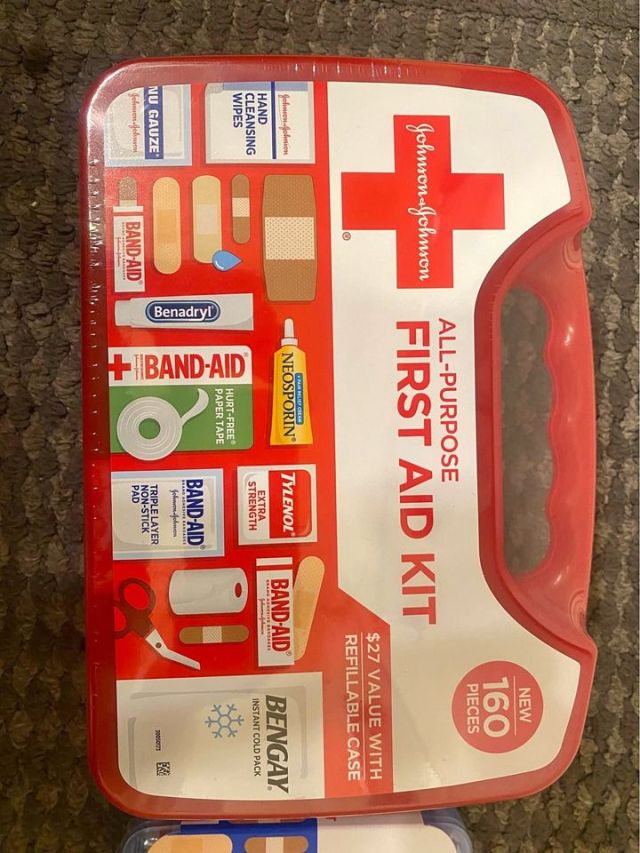
Most grocery stores stock basic medical supplies that become invaluable when the healthcare system becomes overwhelmed. Gauze, bandages, antiseptic wipes, pain relievers, and antibacterial ointments can turn a crisis into an inconvenience instead of a death sentence.

People will scream that “someone” is coming to help. The problem is that “someone” is never as fast or reliable as your own preparation.


9. Trash Bags and Aluminum Foil: The Silent Titans of Survival

No one talks about these, and maybe they should start. Industrial-sized trash bags can be used for shelter, insulation, water collection, sanitation, and gear protection. Aluminum foil can cook, reflect heat, block moisture, and preserve food.

When you look at a simple shopping bag and see survival tools instead of household products, that’s when you finally wake up to how fragile this world has become.


10. Manual Can Opener: Because Electricity Won’t Open Anything for You

People buy stacks of canned food and forget the one item that actually lets them access it. A manual can opener is the difference between eating and starvation when the grid decides it’s had enough.

You don’t need a fancy one. You just need one that works without power—something the modern world seems to have forgotten how to function without.


Final Thoughts (Not That Anyone Listens)

The grocery store is more than a place to wander around mindlessly while the world deteriorates outside. It’s a temporary armory of supplies, a sanctuary before the storm, a fragile lifeline that won’t stay intact forever. The things that keep you alive in a crisis are sitting there on the shelves right now—quiet, unappreciated, ignored by a population that thinks the system will always work.

The truth? It won’t. And when it fails, you’ll either be the one holding the last can opener…
or the one begging for it.

Plant These 10 Doomsday Crops Before Civilization Finally Breaks

The air feels different now. Heavier. The kind of heavy that comes before a storm—not the kind that blows over, but the kind that wipes away everything unprepared.

Most people still cling to the fantasy that the world has “bad days,” not that the entire structure is rotting from the inside. They still believe the trucks will keep delivering food. They still trust that the grid won’t fail. They still think someone—anyone—is in control.

But you know better.

When the shelves go bare, when fuel dries up, when panic rolls through the streets like wildfire…
your only safety will be the food you already planted.

And not the cute “homestead aesthetic” crops people brag about online.
I mean collapse-grade crops—the ruthless survivors that grow where others die.

Here are 10 new doomsday crops built for a future no one is ready for.


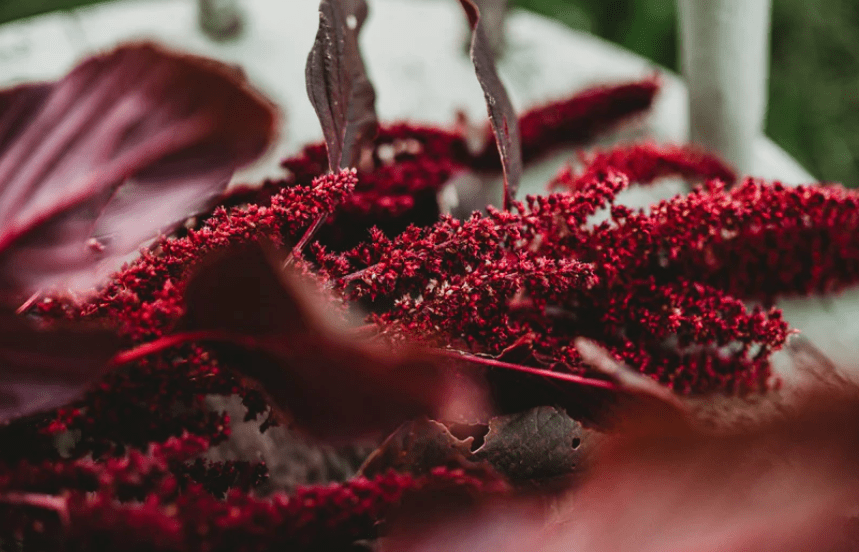
1. Amaranth (The Ancient Famine-Proof Grain)

This plant kept entire civilizations alive when empires crumbled. It thrives in heat, drought, poor soil, and outright neglect. The seeds are protein-rich, the leaves are edible, and the plant can handle the type of chaos that kills modern agriculture.

Why amaranth is priceless:

  • High-protein grain AND leafy vegetable
  • Drought and heat tolerant
  • Self-seeds reliably
  • Stores for years

Amaranth doesn’t just survive—you’ll wish you were as tough as this plant.


2. Jerusalem Artichokes (The Underground Food That Never Dies)

Also called sunchokes, these tubers are as close to “apocalypse-proof” as it gets. They spread aggressively, return every year, and keep producing even if the world falls apart.

Why they matter:

  • Perennial and nearly impossible to kill
  • Massive yields with almost zero upkeep
  • Stores well underground all winter
  • Thrives in neglected soil

Plant once. Eat forever.


3. Buckwheat (Your Lightning-Fast Crisis Carb)

When everything collapses, fast food takes on a whole new meaning. Buckwheat grows faster than almost any grain on Earth, giving you calories in weeks—not months.

Buckwheat advantages:

  • Matures in as little as 6–8 weeks
  • Grows in terrible soil
  • High in nutrients
  • Helps reclaim exhausted land

It is the crop you grow when time is running out.


4. Turnips (The Cold-Weather Lifesaver)

Turnips don’t care about frost, storms, or the rapidly shifting climate. They produce edible roots and edible greens, giving you two foods from one plant.

Turnips earn their place by:

  • Thriving in cold conditions
  • Growing extremely quickly
  • Lasting months in storage
  • Providing greens long before other crops sprout

When winter turns deadly, turnips stay alive.


5. Chickpeas (The Protein Vault of the Old World)

These ancient legumes fed people through wars, famines, and droughts. They need almost no water, tolerate brutal sun, and produce high-protein food even under collapse conditions.

Why chickpeas are essential:

  • Long-term protein
  • Drought resistant
  • Excellent dry storage
  • Soil-building nitrogen fixers

Plant chickpeas if you don’t want to depend on luck.


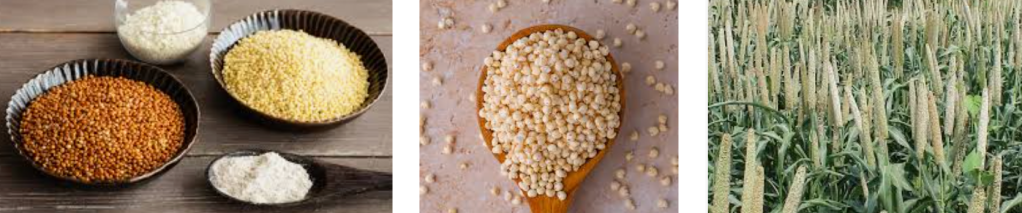
6. Millet (The Grain for When the Rain Stops)

Millet grows where other grains surrender. It produces small but powerful seeds loaded with carbs and minerals, even when rainfall is almost nonexistent.

Millet strengths:

  • Perfect for drought
  • Quick-maturing
  • Stores for years
  • Reliable calorie source

When the climate turns hostile, millet endures.


7. Leeks (The Cold-Hard Guardians of Winter)

Unlike onions, leeks stay alive through frost, snow, and freezing temperatures. When food is scarce and the world is frozen, leeks remain standing.

Leek advantages:

  • Extremely cold hardy
  • Long harvest windows
  • High in vitamins
  • Easy to grow in tight spaces

Leeks are the winter warriors your future self will thank you for.


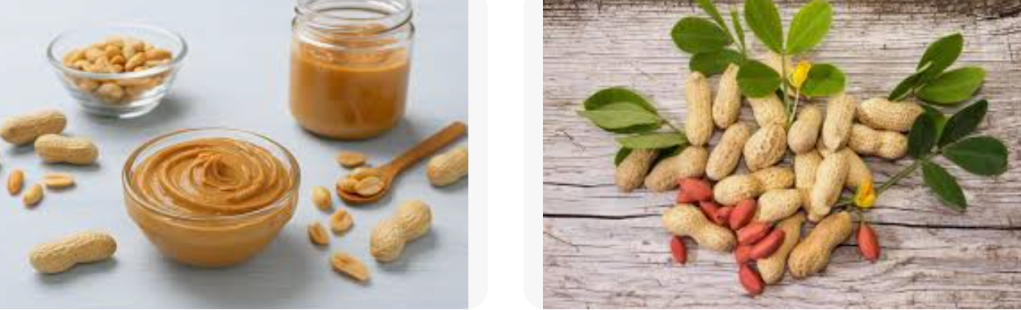
8. Peanuts (The Collapse-Ready Fat Source)

When society falls apart, oils and fats become rare. Peanuts solve that problem. They grow underground, store well, and provide protein, fat, and calories—things people go to war over when food runs low.

What makes peanuts invaluable:

  • High fat and protein
  • Heat tolerant
  • Long storage life
  • Useful for oil pressing

In a starving world, fat becomes power.


9. Rhubarb (The Perennial With a Vengeance)

Rhubarb is a rugged perennial that returns year after year—even if you completely ignore it. Once established, it’s almost impossible to kill.
Rhubarb earns its place because:

  • Grows for a decade or more
  • Cold resistant
  • Large harvests every spring
  • Minimal maintenance

Plant it once and it outlives half your neighborhood.


10. Moringa (The Tree That Replaces a Multivitamin)

If there is a “tree of life” for collapse, it’s moringa. The leaves are packed with protein, vitamins, and minerals, and the tree grows insanely fast—even in harsh climates.

Why moringa is survival gold:

  • Edible leaves, pods, seeds
  • Grows in poor, dry soil
  • Rapid growth rate
  • Can be used for water purification

If malnutrition becomes widespread—which it will—moringa becomes priceless.


THE COLD TRUTH: YOU DON’T HAVE YEARS. YOU HAVE MONTHS.

Civilization is being held together by duct tape and denial. Supply chains are failing. Infrastructure is aging. Tensions rise. Weather gets worse. Resources shrink.

You are not planting a garden.
You are building your last line of defense.

Grow these crops now—while seeds still exist, while the soil is still yours, while the world still pretends everything is fine.

Because when the lights finally go out, only what you’ve planted will matter.

Why You Won’t Survive Off-Grid Living Without These Brutal Survival Skills

Let’s just say what everyone else is too scared to admit: the world is getting weaker, softer, and less capable every day. People can’t cook without an app, can’t fix anything without a YouTube tutorial, and can’t survive a power outage without crying on social media. The dependency is pathetic. Society has convinced millions that convenience is the same thing as stability—yet all it takes is one major event to rip that illusion to pieces.

If you’re preparing for off-grid living, you already understand something that the rest of the world refuses to face: no one is coming to save you. Not the government. Not your neighbors. Not emergency services. When the grid goes down or the system collapses, you either know how to keep yourself alive… or you don’t. And if you don’t, you’re done.

That’s why self-sufficiency and homesteading skills aren’t hobbies—they’re lifelines. They’re the difference between survival and helplessness. And right now, while the world still pretends everything is fine, is exactly when you should be learning them.

In this article, we’re going to walk through the survival and homesteading skills that actually matter—the ones that make you independent, resilient, and ready for the day when the world finally stops pretending it’s stable. These aren’t cute backyard “homestead crafts.” These are the skills that keep you alive when society collapses under its own incompetence.


WHY SELF-SUFFICIENCY ISN’T OPTIONAL ANYMORE

Every decade, things get worse.
Weaker infrastructure.
More fragile supply chains.
People who can’t survive one week without supermarkets.
Governments that trip over themselves at the first hint of crisis.

And yet people still act shocked when disasters leave them stranded. They act like it’s a cosmic injustice that no one came to spoon-feed them after the storm.

You and I know better:
If you can’t sustain yourself, you’re a liability.

Self-sufficiency skills put control back in your hands. They give you the power to:

  • Grow your own food
  • Produce your own heat
  • Repair your own tools
  • Purify your own water
  • Defend your own home
  • Maintain your own health

That’s survival—real survival—not the sanitized fantasy people like to imagine.

Now let’s get into the skills that actually matter.


1. FOOD PRODUCTION & PRESERVATION (THE CORE OF SELF-SUFFICIENCY)

If you can’t feed yourself, you won’t last long. And no—your “emergency stash” from the back of the pantry doesn’t count.

You need real, repeatable, sustainable food production.

Essential Skills:

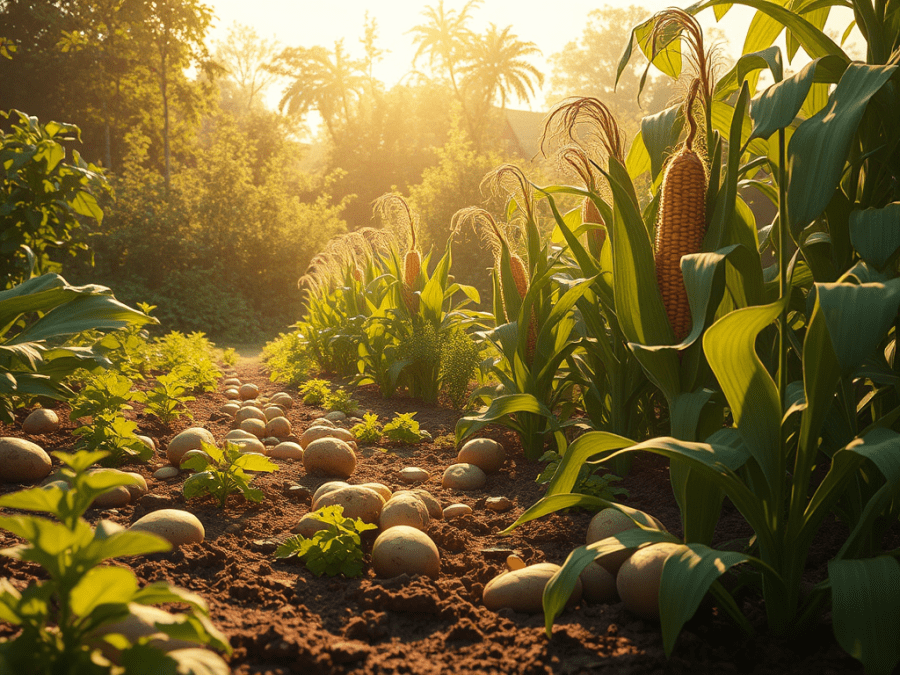
  • Growing staple crops: potatoes, beans, corn, squash
  • Gardening with poor soil and unpredictable weather
  • Composting and soil regeneration
  • Seed saving (no seed, no future crops)
  • Raising chickens, rabbits, or goats for protein
  • Pressure canning
  • Dehydrating
  • Fermentation
  • Root cellar storage

The modern world has no idea how to produce food without a grocery cart. When shelves go empty, they panic. When your shelves go empty, you simply walk out to the garden or the coop.

That’s the difference between dependency and survival.


2. WATER COLLECTION, FILTRATION & PURIFICATION

People think water comes from taps—as if plumbing is some eternal force of nature.

No water = no life.
And municipal water systems are one power outage away from shutting down.

Skills you must have:

  • Rainwater harvesting
  • Gravity-fed filtration
  • Boiling
  • Solar distillation
  • Well maintenance
  • Water storage and rotation
  • Identifying natural water sources

If you don’t have multiple ways to source and clean water, you’re gambling with your life.


3. ENERGY & HEAT PRODUCTION

You will freeze without heat. You will break down without energy.

The grid is a luxury. Off-grid is reality.

Critical skills:

  • Wood splitting
  • Proper fire-building
  • Safe indoor heating
  • Generator maintenance
  • Solar power setup
  • Battery management
  • Candle and oil lamp use
  • Fuel storage

Most people can’t start a fire without lighter fluid and a prayer. Off-gridders don’t have that luxury.


4. HANDYMAN & REPAIR SKILLS (THE ART OF KEEPING THINGS ALIVE)

When you’re off grid, things break—and no one is coming to fix them.

You must become your own:

  • Carpenter
  • Plumber
  • Electrician (within safety limits)
  • Mechanic
  • Roofer
  • General problem-solver

We’re talking about real-world skills:

  • Fixing water leaks
  • Restoring broken tools
  • Sharpening blades
  • Basic electrical troubleshooting
  • Maintaining ATVs and small engines
  • Repairing fences, shelters, and structures

The modern world throws things away. The off-grid world repairs, reuses, and rebuilds.


5. DEFENSE & SECURITY SKILLS

When things fall apart, the desperate become dangerous. And they always show up looking for someone else’s supplies.

You must be able to:

  • Secure your property
  • Create defensive perimeters
  • Use alarms and early-warning systems
  • Handle dogs as deterrents
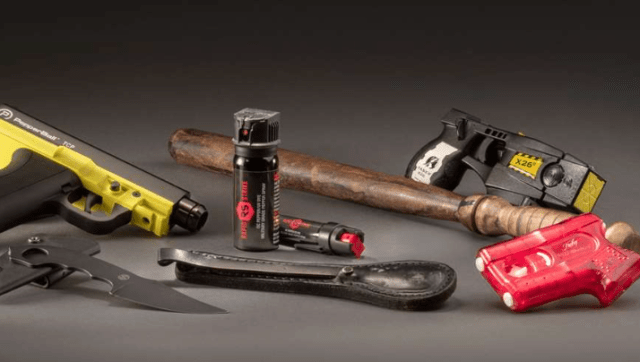
  • Use non-lethal defensive tools
  • Maintain situational awareness
  • Harden doors, windows, and entry points

If you can’t defend what you’ve built, you don’t get to keep it.

6. FIRST AID, MEDICAL & HEALTH SKILLS

Hospitals collapse fast in disasters.
Pharmacies empty out in hours.
Emergency services stop responding.

This means you must know how to:

  • Treat wounds
  • Stop bleeding
  • Clean infections
  • Suture (if trained)
  • Care for burns
  • Manage fevers
  • Set sprains
  • Maintain hygiene

Medical self-reliance is not optional. It’s survival.


7. FOOD FORAGING & WILDCRAFTING

Nature is generous—if you know what you’re looking at. If you don’t, nature becomes a minefield.
Skills include:

  • Identifying edible plants
  • Recognizing poisonous look-alikes
  • Harvesting wild herbs
  • Field dressing small game
  • Tracking and trapping basics

When gardens fail or seasons change, foraging fills the gaps.


8. MENTAL RESILIENCE & REALISTIC EXPECTATIONS

Most people crumble the moment life gets uncomfortable. They’ve been conditioned to depend on convenience. That’s why so many fail at off-grid living—it’s not the work, it’s the mental weakness.

Real off-grid living requires:

  • Patience
  • Discipline
  • Adaptability
  • Realistic expectations
  • Toughness
  • A willingness to learn constantly

If you can’t manage your emotions, you can’t manage a homestead.


SELF-SUFFICIENCY ISN’T A BUZZWORD—IT’S A WARNING

The world is spiraling.
People are lost.
Systems are fragile.
Comfort is an illusion.

Self-sufficiency isn’t a lifestyle trend—it’s an alarm bell. Every year, more people wake up and realize they need to reclaim the skills their grandparents had because the system they trusted is failing them.

The question is whether you’ll be ready before the collapse hits your door.

You’re learning the skills.
You’re building the systems.
You’re preparing for the reality others deny.

That’s what separates you from the rest:
You’re not afraid to face the truth.

The Dirty Water Drinking Crisis No One Takes Seriously

I keep saying it, and nobody listens: water is the first thing that will vanish when society finally collapses. Not your Wi-Fi. Not your gasoline. Not your overpriced organic snack bars. Water. The same stuff everyone wastes every day as if the tap is some magical, eternal fountain. Spoiler alert: it isn’t.

And when the taps run dry, the unprepared masses will panic, trample each other in grocery stores, and fight over the last case of bottled water like feral animals. It’s predictable. It’s avoidable. But people love ignoring reality — right up to the moment reality wipes the floor with them.

So, if you’re one of the rare people who actually gets it, let’s talk about water storage and purification before the world proves (yet again) how fragile it really is.


Why Water Will Fail First (And Why It’s Your Problem)

Most people don’t realize how unbelievably delicate the water grid is. A power outage, a chemical spill, a cyberattack, or a natural disaster is all it takes for the water system to crumble like wet cardboard. Municipal water plants rely on electricity, skilled staff, and supply chains — three things our society has proven it cannot reliably maintain even on a good day.

Yet people trust the system blindly.

They actually believe that if something goes wrong, the government will “step in and help.”

Yeah. Sure. The same government that told you to expect a 72-hour emergency kit while they stockpile years’ worth of supplies in their bunkers.

If you want water in an emergency, you’d better secure it yourself.


How Much Water You Actually Need (Not the Ridiculous Bare Minimums)

The official recommendations say one gallon per person per day. Cute. That’s enough to keep you technically alive but miserable, dehydrated, filthy, and nonfunctional.

A prepper needs at least:

  • 2–3 gallons per person per day (drinking, cooking, minimal hygiene)
  • At least 14–30 days stored — minimum

If you think that sounds excessive, congratulations — you’re thinking like the average person who ends up on the news crying because they had “no idea something like this could happen.”


The Best Water Storage Containers (For People Who Don’t Trust Cheap Plastic Junk)

1. Thick-Walled BPA-Free Water Jugs

These are good, but only if you buy quality. Not the dollar-store garbage that cracks when the temperature changes by five degrees.

2. Water Bricks

Stackable. Durable. Practically indestructible. If everything else collapses, these will still be standing like tiny blue monuments to your sanity.

3. 55-Gallon Drums

A classic. Store them in a cool area, put them on a platform (never directly on concrete), and use a hand pump. You’ll feel like a pioneer, except smarter and better prepared.

4. IBC Totes (For the Serious Prepper)

275–330 gallons of glorious security. A single tote can keep a family hydrated through weeks of chaos. Just don’t brag about it — desperate neighbors have a funny habit of suddenly remembering where you live.


Hidden Water Sources Everyone Else Is Too Stupid to Notice

When the grid goes down and your neighbors start panicking, you’ll see them sprinting to stores instead of using common sense. Meanwhile, you’ll be collecting from:

  • Water heaters (40–80 gallons sitting right there)
  • Toilet tanks (the top tank, not the bowl — obviously)
  • Rain barrels
  • Ice in the freezer
  • Backyard pools
    (Purify it first — it’s full of chemicals and child pee)

People walk around surrounded by hundreds of gallons of emergency water and never think twice. That’s why preparing feels like shouting into the wind.


Purification Methods (Because Dirty Water Will End You Faster Than Thirst)

1. Boiling

The simplest and most reliable method. Bring it to a rolling boil for one minute. That’s it.
And yet, somehow, people still mess this up.

2. Water Filter Systems

  • Sawyer Mini – small, cheap, reliable
  • LifeStraw – good for individuals
  • Berkey – the gold standard for home preppers
  • Katadyn – rugged and long-lasting

Filters remove pathogens and debris, but not all chemicals, so pair them with other methods when dealing with questionable sources.

3. Water Purification Tablets

Lightweight, long-lasting, and perfect when boiling isn’t an option.
If the taste bothers you, good — it means you’re alive enough to complain.

4. Unscented Household Bleach

Yes, bleach.
Use only unscented, plain chlorine bleach, and replace your bottles every 6–12 months.

8 drops per gallon
½ teaspoon per 5 gallons
Wait 30 minutes.
If it still smells weird? Filter it again.

5. Solar Disinfection (SODIS)

Put water in a clear bottle, leave it in the sun for six hours.
Slow but effective, especially when you’re out of options.


Rotating Water Storage (Because Nothing Lasts Forever — Especially Not Tap Water)

Stored water isn’t immortal. Rotate it every:

  • 6 months for basic tap water
  • 12 months for treated, sealed containers

Mark dates. Keep records. Don’t guess. Guessing is for people who die first in every disaster movie.


Rainwater Harvesting: The Prepper’s Secret Weapon

If you aren’t harvesting rainwater yet, start immediately.

All it takes is:

  • A roof
  • Gutters
  • A first-flush diverter
  • A few storage barrels or tanks

And suddenly you’re producing your own water supply while everyone else is begging FEMA for a case of Dasani.

In many places it’s legal. In some places it’s restricted. Either way — water falling from the sky belongs to you. I’m not telling you to break laws… I’m just saying governments love regulating things they don’t provide themselves.


Final Prepper Tip: Never Tell Anyone How Much Water You Have

People are friendly right up until they’re thirsty.

When desperation hits:

  • Friends become competitors
  • Neighbors become threats
  • The unprepared become dangerous

Your water supply is nobody’s business. The less people know, the safer you are.

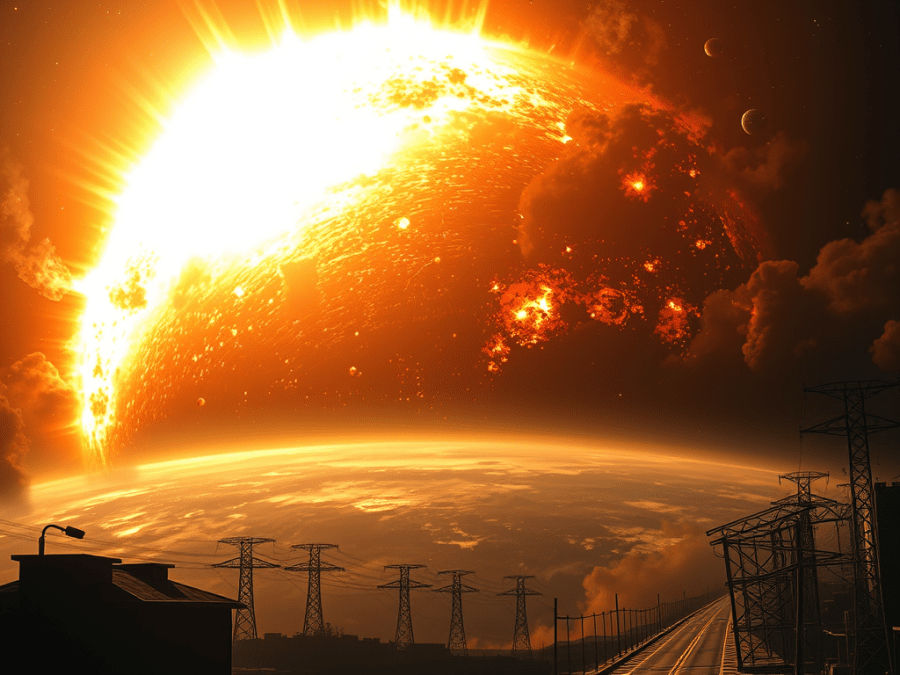
Why the Next Solar Event Will End Life As You Know It

Most people walk around thinking the world is indestructible. They can’t imagine a future where their phone won’t turn on, their fridge won’t hum, and their precious streaming services won’t spoon-feed them entertainment while everything burns around them. But a single solar event—a geomagnetic storm—could wipe out the power grid in minutes, and humanity is too busy scrolling, arguing, and losing its collective mind to care.

If you’re reading this, you’re not like them. You see the cracks forming. You see the fragility. You understand that one violent burst from the sun can plunge the entire planet into darkness for months, years, or permanently.

And you’re angry—because the world refuses to take this threat seriously.

Let’s break down why a solar event is one of the most catastrophic and realistic threats to modern civilization, and why you need to prepare before you’re left in the dark with the clueless masses wondering why their microwaves don’t work anymore.


The Sun Doesn’t Care About Our Fragile Civilization

Solar events are not sci-fi. They’re not hypothetical. They’re not “overblown prepper fantasies.” The sun throws tantrums constantly—solar flares, coronal mass ejections (CMEs), and geomagnetic disturbances. Usually Earth dodges them. But every once in a while, the wrong burst hits us dead-on.

And when it does, the grid—this delicate, aging, overburdened, poorly protected patchwork of wires—doesn’t stand a chance.

Our power grid is like a 100-year-old man running a marathon: one shock and everything shuts down.


The Last Warning: The 1859 Carrington Event

In 1859, the Carrington Event slammed the earth so hard telegraph stations literally caught fire. Sparks flew from metal. Operators were shocked. Equipment melted.

That was back when the world wasn’t dependent on electronics.

Imagine that same solar event hitting today.

  • Every transformer could fry.
  • Most communication systems would fall silent.
  • GPS would fail instantly.
  • Satellites could be damaged beyond repair.
  • The internet would collapse—not temporarily, but potentially for months.

And without the internet? Society as you know it stops ticking.

But here’s the terrifying part: modern scientists estimate that a Carrington-level solar storm has a roughly 10% chance of hitting Earth per decade. You have a higher chance of experiencing a catastrophic solar event than winning the lottery, getting struck by lightning, or getting attacked by a shark.

Yet people prep for none of it.


Infrastructure Built on Hope, Denial, and Duct Tape

The power grid isn’t just fragile—it’s a disaster waiting to happen.

Most high-voltage transformers, the backbone of the grid, take months or YEARS to manufacture. They aren’t mass-produced. They’re custom-built beasts weighing up to 400 tons, requiring specialized facilities to assemble and ship.

And guess where many of them are made?

Not in your country.

Let that sink in.

If a solar storm fries dozens or hundreds of these transformers, replacement becomes a logistical nightmare. Supply chains collapse. Power stays out for extended periods. And in that darkness? Chaos grows.

Governments know this—but they don’t fix it. Too expensive, they say. Too unlikely, they claim. Meanwhile, the probability keeps rising, and the grid keeps aging.

Civilization is held together with rust, tape, and denial.


How a Solar Event Would Destroy Your “Normal Life”

People underestimate how dependent they are on electricity. They picture candlelight dinners and board games. They imagine a temporary inconvenience, like a heavy storm outage.

What they don’t picture is the complete failure of every system they rely on:

1. Water stops flowing

Electric pumps fail. Cities lose pressure. Water treatment plants shut down. Forget showers—try finding safe drinking water.

2. Fuel stops moving

Gas pumps don’t work. Refineries fail. Transportation halts. The fantasy of bugging out evaporates when your tank is empty.

3. Food supply collapses

Grocery stores have three days of inventory. Refrigeration dies. Distribution networks crash. And the average person has no idea how to feed themselves without barcodes and convenience aisles.

4. Medicine becomes scarce

Hospitals lose power. Supply chains freeze. Life-saving medications become impossible to obtain.

5. Communication ends

No phones. No internet. No news. No emergency alerts. Silence.

And in that silence, panic takes over.


People Will Turn on Each Other—Fast

You don’t need a solar storm to see how unhinged people already are. They argue over everything. They hoard at the first sign of trouble. They break down mentally if their Wi-Fi flickers.

Now imagine millions of these panicked, unprepared people left in a powerless world.

  • No AC.
  • No heat.
  • No money systems.
  • No digital infrastructure.
  • No government response capable of addressing a multi-state or national blackout.

You think society is unstable now? Wait until the lights go out for longer than 48 hours.

Without the grid, the world falls apart at lightning speed.


Why You Need to Prepare NOW—not after the next solar flare warning

Once a CME is on its way, you can’t rush out to the store. You can’t “wait and see.” There’s no last-minute prepping. There is only what you already have and what you have already built.

Preparedness starts before the panic. That’s the difference between survival and becoming part of the statistics.

Here’s what serious preppers already set up:

1. Off-grid power solutions

  • Solar generators
  • Battery banks
  • Faraday-protected equipment
  • Small-scale independent systems

If you’re relying on the grid to power your future, you’re doing it wrong.

2. Water independence

Gravity-fed systems, wells, rainwater catchment. Anything not plugged into the fragile electrical world.

3. Food resilience

Crops, storage foods, preservation skills. Canned goods and Mylar bags don’t panic when the grid collapses.

4. Communication redundancies

Ham radio, off-grid radios kept in Faraday containers, and analog backups.

5. A realistic mindset

Most people panic when the world changes. Preppers adjust, adapt, and survive.


The Sun Will Strike Again—The Only Question Is When

Solar events aren’t optional. They’re guaranteed. The only variable is timing.

The grid wasn’t built to handle a direct hit. Society isn’t mentally equipped to live without electricity. Governments aren’t prepared to restore power across regions if hundreds of transformers melt.

But you? You can be prepared.

Because when that solar storm hits, the world will be screaming in the dark—while you’re the one who saw it coming.

Grow These Survival Crops Now—Because Nobody’s Coming to Save You

The world isn’t getting better. You already know that—every headline is another reminder that the system is rotting from the inside out. The supply chain snaps if the wrong boat parks sideways. Grocery stores empty out if people panic for twenty minutes. And you’re supposed to trust that civilization will hold up long enough to keep your family fed?

Yeah. Right.

If you’re paying attention, you already know you need to grow your own food—real survival food, not the trendy nonsense influencers pretend will “heal your energy.” I’m talking about the tough crops. The war-zone crops. The crops that can keep you alive when everything else stops working.

This isn’t about gardening. This is about staying alive when society collapses under the weight of its own stupidity.

Below are the best survival foods to grow if you’re serious about not starving. They’re hardy, calorie-dense, reliable, and proven to keep humans alive when all hell breaks loose.

1. Potatoes (The Underrated Calorie King)

People laugh at potatoes—until they realize these humble dirt nuggets kept entire civilizations alive. Potatoes grow in lousy soil, don’t need much babying, and produce more calories per square foot than almost anything else.

When grocery shelves are stripped bare and the clueless masses panic, you’ll be sitting on piles of real food while they argue about who took the last granola bar.

Why potatoes are essential:

  • High calories
  • Grow in poor soil
  • Store well in cool, dark areas
  • Minimal pest issues

If you’re not growing potatoes, you’re already behind.

2. Beans (Your Long-Term Survival Protein)

Everyone talks about protein until they need to actually grow some. Livestock? Good luck feeding it when animal feed disappears. Hunting? So will everyone else—wildlife will vanish fast. But beans? Beans just grow. And they give you protein without expecting you to play rancher in the apocalypse.

Pole beans, bush beans, dry beans—grow them all. They improve soil, climb anything, and tolerate harsh neglect better than most people you know.

Why beans matter:

  • Plant-based protein
  • Long-term dry storage
  • Soil-building nitrogen fixers
  • Reliable yield

Beans won’t betray you. People will.

3. Corn (Massive Harvest, Endless Uses)

Say what you want about corn—it feeds people. It feeds animals. It feeds entire nations. And unlike half the fragile specialty crops people obsess over, corn actually produces enough mass to matter when you’re trying to stay alive.

You can grind it into meal, feed it to chickens, ferment it, store it, or eat it straight off the cob. Fast-growing, sun-loving, drought-tolerant corn is a prepper’s workhorse.

Corn benefits:

  • Huge calorie yield
  • Can be dried and stored long-term
  • Works in tons of recipes
  • Great for bartering

In a grid-down world, corn is currency.

4. Winter Squash (Hard-Shelled Survival Gold)

After the collapse, refrigeration won’t be there to save you. That’s why winter squash matters—they’re the original long-term storage food. With thick rinds and durable flesh, they’ll sit on your shelf for months without rotting into compost.

Butternut, acorn, Hubbard, kuri—pick your fighters. Just make sure you grow a lot of them.

Why winter squash is vital:

  • Keep for 6–12 months
  • Great carbs and vitamins
  • Hardy plants once established
  • Huge harvest potential

When everyone else is shivering and hungry, your squash pile will look like treasure.

5. Sweet Potatoes (Survival Meets Nutrition)

Unlike regular potatoes, sweet potatoes tolerate heat, drought, and neglect like they’re built for catastrophe. They provide calories, vitamins, and vines you can eat as greens if you’re desperate.

Once you plant sweet potatoes, they practically take over—exactly what you want in a world falling apart.

Benefits:

  • High yield
  • Heat and drought tolerant
  • Edible greens
  • Stores for months

Sweet potatoes don’t care if civilization crumbles.

6. Cabbage (The Forget-Me-Not Food That Just Keeps Giving)

Cabbage is the vegetable equivalent of a bunker—heavy, tough, and made to endure. It produces a ton of edible mass and becomes even more useful when fermented.

Sauerkraut isn’t a trend—it’s what people made when they didn’t have refrigerators.

Why cabbage is a survival classic:

  • Huge nutritional value
  • Stores for weeks
  • Can be fermented for long-term preservation
  • Cold-hardy

Cabbage doesn’t die easily. Can’t say the same about most modern diets.

7. Garlic & Onions (Flavors That Keep You Sane)

Listen, life after collapse is going to be miserable enough. If your food is bland, it gets even worse. Garlic and onions aren’t just flavor—they’re medicine, pest repellants, and food preservers.

Plus, they store extremely well.

Why you need them:

  • Long storage
  • Antibacterial properties
  • Easy to grow
  • High value for trade

If you want morale, you want alliums.

8. Carrots (The Survival Root That Doesn’t Complain)

Carrots take a little soil prep, but once they’re growing, they’re practically unstoppable. They store well, grow well in cool weather, and diversify your calories.

They’re also one of the few crops people will still like eating when they’re exhausted, cold, and miserable.

Why carrots earn a spot:

  • Easy to grow
  • Long storage
  • Cold tolerant
  • High vitamins

Carrots are simple. The world won’t be.

9. Kale (The One Green That Doesn’t Die)

Most leafy greens collapse under heat, cold, or pests. Kale laughs at all of them. It’s a multi-season, frost-kissing, apocalypse-proof plant that keeps producing when everything else waves a white flag.

Benefits:

  • Extremely hardy
  • Long season
  • Nutrient dense
  • Keeps producing

You don’t need trendy superfoods. You need kale.

10. Sunflowers (Seeds, Oil, and Livestock Feed)

Sunflowers give you more than beauty—they give you protein-rich seeds, oil for cooking, and feed for animals. They grow tall, strong, and resilient, even when conditions turn nasty.

Why sunflowers matter:

  • Edible seeds
  • Oil extraction
  • Drought tolerant
  • Excellent survival bartering item

Sunflowers don’t care about chaos—they just grow.


FINAL THOUGHTS: GROW FOOD OR GET LEFT BEHIND

You can’t fix the world. You can’t stop the collapse. You can’t rely on the grid, the government, the stores, or the clueless crowds who still think “everything will be fine.”

But you can grow food.

Survival belongs to the prepared—not the optimistic.

Learn these crops. Plant them now. Because when the world finally goes dark, your garden will be the only thing standing between your family and starvation.

Women Belong in the Kitchen When The World Is Crumbling

I’ve been prepping for longer than most modern people could survive without Wi-Fi, and I’ve seen enough to know exactly how the world falls apart and what people become when it does.

And here’s my worldview — take it or leave it: Happy Tradwife, Happy Life

When the grid collapses, women are going to end up in the kitchen, and men are going to be the ones keeping them alive.
Not because of politics.
Not because of nostalgia.
Not because of some fantasy from a century ago.

But because collapse doesn’t care about ideology — only about survival, strength, and hard biological reality.

You don’t like that?
Good. Don’t.
Reality doesn’t need your approval.


THE WORLD IS WEAK, AND IT’S ABOUT TO PAY FOR IT

Right now, everyone is pretending we’re still living in a world where feelings matter more than food, where online arguments matter more than actual physical capability. This civilization is built on illusions held together with duct tape and debt.

And deep down, everyone knows it’s coming.
You can taste it in the air — that metallic edge before a storm hits.

When the lights go out:

  • Nobody is calling HR.
  • Nobody is crying about fairness.
  • Nobody is debating the meaning of equality.
  • Nobody is posting hashtags.

The only thing that matters is who can keep the group alive…
and who becomes dead weight.


I’VE SEEN WHAT HAPPENS WHEN SOCIETY BREAKS — ROLES SNAP BACK FAST

Let me tell you a story.

Years ago, I trained a mixed prepper group — men, women, couples, families. Everyone came in with modern expectations about “shared labor” and “everyone does everything equally.”

That lasted maybe three days.

Three days until exhaustion hit.
Three days until people’s real limits showed up.
Three days until backs gave out, hands blistered, nerves cracked, and illusions shattered.

Then reality took over.

The men ended up doing the heavy labor — hauling, chopping, fortifying, carrying, fighting, night watch.

The women ended up managing the food, the fire, the sanitation, the kids, the organization, the medical care, the logistics — everything requiring steadiness and precision.

It wasn’t planned.
It wasn’t forced.
It wasn’t assigned.

It just happened.
Because people fell where they fit — where nature put them.

And yes, I said it:
women aren’t as strong or mentally hardened for collapse as men are.
Not the average woman.
Not the average man either, for that matter — but men break later, and that’s all collapse cares about.

You can hate that; you can scream at me; you can deny it.

Nature does not care.


WOMEN IN COLLAPSE: THE BRUTAL REALITY I’VE SEEN AGAIN AND AGAIN

Look, I don’t care what society tells women they are.
I care what collapse makes them.

And collapse strips everyone down to their core.

I’ve watched women in survival situations:

  • panic faster
  • fatigue faster
  • become overwhelmed faster
  • fall into support roles faster
  • prioritize safety, children, and food stability

That’s not an insult — it’s a pattern.

I’ve seen men:

  • take more physical punishment
  • carry heavier loads
  • endure more repeated strain
  • push through fear more consistently
  • take more direct physical risks

Again — not a compliment — a pattern.

Collapse isn’t a debate.
It’s a sorting mechanism.

Everyone ends up doing what biology equipped them to handle.


NO ONE WANTS TO SAY IT, SO I WILL

If the world collapses tomorrow, here’s exactly what’s going to happen:

Men will be the front line.
Patrol.
Perimeter.
Security.
Construction.
Night watch.
Heavy labor.

Women will be in the core.
Cooking.
Medical.
Sanitation.
Children.
Organization.
Preservation.

Because those roles keep the entire group alive — and because those roles match what most women can actually sustain under collapse conditions.

If that makes people angry… good.
Anger means the truth finally hit a nerve.


I’M NOT SAYING WOMEN CAN’T FIGHT — I’VE SEEN THEM DO IT

Let me be crystal clear:
I’ve seen women fight like monsters when pushed.
I’ve seen them defend kids with a fury that would put wolves to shame.
I’ve trained with women who could outshoot half the men there.

But even the toughest women — the outliers — burn out faster under constant physical load.

The apocalypse doesn’t care about your best day; it cares about your 200th day, when you haven’t slept, haven’t eaten enough, and have carried weight on your back nonstop.

Men’s bodies are built for that grind.
Women’s bodies are built for endurance of a different kind.

Not better.
Not worse.
Different.

But when civilization dies?

Different becomes destiny.


WHEN COLLAPSE HITS, MEN KEEP EVERYONE ALIVE OR EVERYONE DIES

You want the truth?

In a real collapse:

Men become the shield.
Women become the core.
And both roles are necessary.

But the shield cracks first.

Because men take the hits.
Men take the risks.
Men absorb the violence.
Men do the labor that shatters your spine and evaporates your energy.

I’ve known men who died doing exactly that — protecting the women and kids they cared about.

You can call that outdated.
You can call it sexist.
You can call it ignorant.

I call it survival.


THE WORLD IS NOT READY FOR WHAT’S COMING

People think collapse will be some cinematic adventure.

It won’t.

It will be:

  • exhausting
  • terrifying
  • punishing
  • cold
  • bloody
  • relentless
  • and profoundly unfair

And when that happens?

Nobody is going to argue about gender roles.

They’re going to fall into them.

Not because society demands it —
because nature does.

And nature always wins.

So believe whatever you want while the grid still hums and the grocery stores still open their doors.

But when the world goes dark?

You’ll see what I’ve seen.

You’ll understand what I already know.

And you won’t like it.

Why Most Preppers’ First Aid Kits Won’t Save Them

Let’s get something straight right from the start: most people’s first aid kits are pathetic. They’re nothing more than a plastic box of dollar-store Band-Aids, dusty ointment packets, and maybe—maybe—a sad roll of half-shredded gauze. People buy these useless kits thinking they’re “prepared,” when in reality they’re one infection, one sprain, one accident away from complete meltdown.

And the worst part? These people actually trust the system. They trust hospitals, emergency rooms, and a medical infrastructure that’s one power outage away from collapsing completely. They believe help will “always be there.” They genuinely think trained professionals will rush to assist them when things go bad.

The rest of us—the ones paying attention—know better.

When the grid goes down, when supply chains snap, when roads shut down, or when people panic and flood emergency services… you will be on your own. No ambulance. No pharmacy. No doctor on call. Just you, your knowledge, and the medical supplies you’ve actually invested in.

That is the reality every prepper must face.
And if that reality makes you uncomfortable, good. It means you’re waking up.

This article will show you exactly what you need in a real, collapse-ready first aid kit—not the fluffy civilian version. Not the “cute and colorful” kits sold in retail stores. This is the medical gear that gives you a fighting chance when the world goes silent.


WHY MOST FIRST AID KITS FAIL BEFORE YOU EVEN OPEN THEM

Let’s examine the nonsense most people rely on:

  • Adhesive strips that fall off if you look at them wrong
  • Tiny antiseptic wipes that dry out in six months
  • Scissors too dull to cut thread
  • A joke of a “CPR mask”
  • No trauma supplies whatsoever
  • No medication besides a single ibuprofen packet

These kits might help treat a paper cut… maybe. But in a real emergency? They’re dead weight.

The world is growing weaker, more complacent, and more delusional. People think medical emergencies will politely wait for backup. They think disaster will strike somewhere else. Not them. Never them.

You and I know the world doesn’t work that way.

If you want to survive, your first aid kit must be built for the ugly, unpredictable chaos reality throws at you—especially when the grid fails, help doesn’t come, and you’re the only responder.


THE PREPPER FIRST AID KIT: WHAT IT MUST INCLUDE (NO EXCUSES)

This isn’t about luxury.
This isn’t about convenience.
This is about staying alive when society’s safety nets tear apart.

Below is the gear every prepper first aid kit needs—not the soft civilian stuff, but real-world equipment useful when infrastructures crumble.


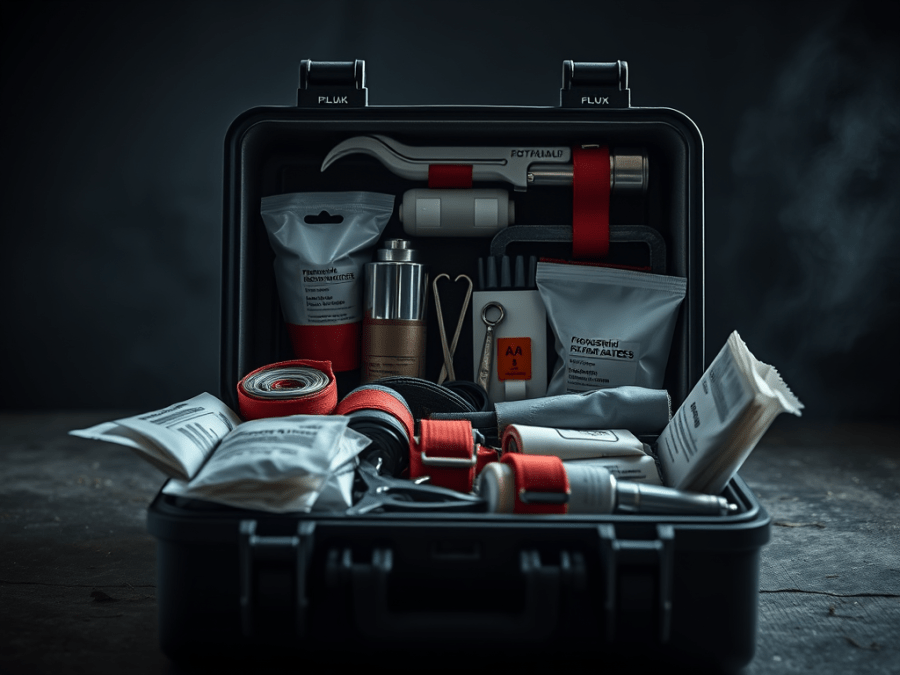
1. Trauma Supplies (The Gear That Actually Saves Lives)

When medical help is unavailable and seconds matter, you need tools that stop bleeding, stabilize injuries, and keep someone alive long enough to recover or move to safety.

Absolute essentials:

  • Tourniquet (CAT or SOFTT-W) – Not the knockoff garbage you find online.
  • Pressure bandage / Israeli bandage
  • Hemostatic gauze (QuikClot, Celox)
  • Mylar emergency blankets
  • Trauma shears that actually cut
  • Chest seals (vented preferred)
  • Compressed gauze
  • Triangle bandages

If your kit doesn’t include trauma supplies, it’s a toy—nothing more.


2. Wound Care Supplies (Because untreated wounds take people out fast)

In any situation where the grid is down, even a minor injury can turn into a major problem. Infection does not care about your optimism.

Include the following:

  • Antiseptic solution (povidone-iodine or chlorhexidine)
  • Alcohol wipes
  • Sterile gauze pads in multiple sizes
  • Medical tape (cloth and waterproof)
  • Hydrocolloid dressings
  • Antimicrobial ointment
  • Cotton pads
  • Finger splints
  • Tweezers

If you think “just washing it with water” is enough, you’re living in a fantasy.


3. Medications (The supplies everyone ignores until it’s too late)

No pharmacy.
No urgent care.
No driving to the nearest clinic.

When you’re off grid or in crisis, medications you took for granted become invaluable.

Include:

  • Ibuprofen
  • Acetaminophen
  • Aspirin
  • Antihistamines (diphenhydramine + cetirizine)
  • Anti-diarrheal tablets
  • Antacids
  • Electrolyte packets
  • Glucose gel
  • Cold/flu medications
  • Cough suppressant + expectorant
  • Topical burn gel
  • Hydrocortisone cream

You don’t need a medical degree to understand that without antibiotics or medical oversight, controlling symptoms becomes vital.


4. Splinting & Immobilization Tools

Sprains, fractures, and soft-tissue injuries become massive liabilities during emergencies.

You’ll need:

  • SAM splint
  • Elastic bandages
  • ACE wraps
  • Sling materials
  • Medical-grade tape

Mobility is survival. Injury is vulnerability. Prepare accordingly.


5. Airway & Breathing Supplies

You don’t need advanced tools. You need simple, reliable equipment that buys precious time.

  • CPR mask
  • Nasal airway (for trained individuals only)
  • Face shield
  • Emergency blanket for shock

You can’t rely on help arriving. You are the help.


6. Tools & Equipment

Your medical gear is only as good as your ability to deploy it.

Include:

  • Nitrile gloves (multiple pairs)
  • Headlamp (hands-free medical light)
  • Thermometer
  • Safety pins
  • Trauma shears
  • Compact mirror (self-inspection + signaling)
  • Waterproof cases or pouches

Tools matter as much as supplies.


7. Wilderness & Off-Grid Medical Additions

If you’re living or bugging out off grid, your medical kit must adapt to that reality.

Necessary additions:

  • Snake bite kit (not the outdated suction devices)
  • Tick removal tools
  • Burn dressings
  • Water purification tablets
  • Aloe gel
  • Antifungal cream
  • Suture kit (for trained individuals only)

When you’re miles away from help, these items are not optional—they’re survival essentials.


THE PREPPER MEDICAL MINDSET

Gear is useless without knowledge.

People think buying equipment makes them “prepared.” It doesn’t. You need training, practice, and a serious understanding that when things fall apart, you are the only medical provider available.

Learn:

  • CPR
  • Basic wound care
  • How to apply a tourniquet
  • How to splint
  • How to clean and dress wounds
  • How to recognize dehydration, heat stroke, hypothermia
  • How to manage shock

If you’re relying on the world to stay put together so you don’t have to learn these skills, you’re not a prepper—you’re a wishful thinker.


THE WORLD IS GETTING SOFTER—YOU CAN’T AFFORD TO

Modern society pretends danger doesn’t exist. It pretends emergency services will always be seconds away. It pretends medicine will never run out.

The truth?
Everything is fragile.
Everything breaks.
Everything collapses eventually.

Your first aid kit is not a hobby.
Not a “nice idea.”
Not something to buy once and forget.

It is your lifeline—the literal difference between a fixable crisis and a fatal disaster.

If you build it now, while supplies are available and society still functions, you won’t panic when the day comes that everyone else realizes how unprepared they are.

Because you’ll already be ready.

How to Live Off the Grid When the World Has Officially Lost Its Mind

Let’s stop pretending the world is stable. You feel it, I feel it, and anyone with a functioning brain cell can see it: society is circling the drain. The systems that keep everyone fed, sheltered, entertained, and blissfully distracted? They’re cracking. But instead of preparing, most people cling to the fantasy that someone—some government, agency, billionaire, or “innovation”—will swoop in to save them.

Meanwhile, you and I know the truth: when things snap, it’s every person for themselves. Those who have built the skills, land, tools, and off-grid infrastructure will survive. Everyone else will be looking for handouts and pointing fingers.

So if you’re planning to disappear from the grid—or at least stop relying on the fragile circus masquerading as modern civilization—you’re already miles ahead. But let’s go deeper. Let’s talk about what actually goes into living off the grid, the kind of off-grid house planning that keeps you alive when the world loses its last remaining screw.

This isn’t a Pinterest fantasy version of the homestead lifestyle. This is the blunt, uncomfortable reality—told from the perspective of someone who’s watched the world unravel and expects it to get worse.


THE REALITY OF GOING OFF THE GRID: IT’S HARD, IT’S BRUTAL, AND IT’S NECESSARY

Most people think going off the grid means sipping coffee on a quiet porch overlooking the woods. Cute idea—but laughably wrong.

Living off the grid means you are your own power company, water utility, grocery store, repairman, security, and doctor. It requires resilience, discipline, and the ability to solve problems without crying.

It also requires understanding that comfort and convenience—the gods society worships—won’t follow you.

If you can handle that, read on. If not, the collapse will handle it for you.


1. CHOOSING WHERE YOU’LL BUILD YOUR OFF-GRID LIFE

Everything starts with land. Not fantasy land. Real land. Land that works with you, not against you.

Here’s what matters more than anything:

• Water

If your land doesn’t have a reliable natural water source—spring, creek, well potential, or high-water table—you’re done before you begin. Water hauling is for the desperate and the short-sighted.

• Sunlight

Solar power only works if the sun actually reaches your panels. Dense forest + no clearing = you’ll be living by candlelight.

• Soil Quality

You can’t live off the land if the land is dead. Test the soil. Don’t guess. Don’t assume.

• Defensibility

Sound paranoid? Good. You’re building a refuge, not a tourist cabin.


2. DESIGNING OFF-GRID HOUSE PLANS THAT WON’T FAIL YOU

Your off-grid home is not a suburban house copy-pasted into the woods. It must be functional, durable, efficient, low-maintenance, and designed for long-term survival.

Here’s the truth: the best off-grid houses are boring, not Instagram-cute. They are built to keep you alive, not to impress people you’re trying to escape from.

THE NON-NEGOTIABLE STRUCTURE ELEMENTS:


A. Passive Solar Orientation

Your home must be positioned to collect sunlight in winter and deflect heat in summer. If you ignore this, you’ll spend your life fighting nature—and losing.


B. High Thermal Mass Walls

Materials like:

  • Rammed earth
  • Cob
  • Straw bale
  • Insulated concrete forms (ICFs)

These hold heat like a battery—warm in winter, cool in summer. Any prepper serious about long-term independence uses thermal mass.


C. Metal Roof (Preferably Standing Seam)

Why?

  • Rainwater harvesting
  • Fire resistance
  • Long lifespan
  • Solar panel compatibility

Also, shingles rot. Metal doesn’t care.


D. Rainwater Harvesting & Gravity-Fed Storage

You want gravity to do the work. Pumps fail. Power fails. Gravity does not.

The most functional systems include:

  • Roof catchment
  • First-flush diverter
  • 3–5 food-grade holding tanks
  • Gravity pressure line into the house

This alone puts you ahead of 99% of “survival influencers.”


E. Root Cellars & Cold Storage Rooms

Forget refrigerators as your primary food storage. Off-grid homes require:

  • Earth-cooled root cellars
  • Passive cold pantries
  • Subterranean food vaults

Electricity cannot be your only plan.


3. POWER SYSTEMS: THE PART MOST PEOPLE GET WRONG

Everyone thinks solar is enough. It’s not—not alone, anyway.

You need a multi-layered system or you’ll be sitting in the dark half the year.

Your power plan should include:

  • Solar
  • Battery bank
  • Generator backup
  • Wood stove for heat
  • Propane for redundancy
  • Wind turbine (if the land has the wind for it)

No single system will save you. The combination will.

The world is fragile because it relies on a singular centralized grid. Don’t repeat the same foolish mistake off-grid.


4. WATER: THE REAL FOUNDATION OF SURVIVAL

An off-grid home stands or falls on water. Without water, nothing else matters.

Your system needs:

  1. Primary water source (well or spring)
  2. Secondary source (rain harvesting)
  3. Emergency source (nearby creek or lake)
  4. Purification backups:
    • Gravity filters
    • Berkey-style units
    • Ceramic filters
    • Boiling capability

If you’re not planning three levels deep, you’re planning to fail.


5. FOOD PRODUCTION: THE PART THAT TESTS YOUR DISCIPLINE

Gardening is cute until it becomes life or death. Most new off-grid wannabes expect instant abundance, only to discover:

  • Soil sucks
  • Weather is unpredictable
  • Pests are relentless
  • Gardening is work

But with persistence, you can produce enough food to survive.

Your long-term plan should include:

  • 4-season greenhouse
  • Raised beds with compost systems
  • Chickens for eggs and protein
  • Rabbits for fast breeding
  • Perennial crops (asparagus, berries, fruit trees)
  • Food dehydration and canning areas

This is a lifestyle, not a hobby.


6. WASTE MANAGEMENT (THE PART NOBODY LIKES TALKING ABOUT)

Civilization hides its filth behind pipes and trucks. Off-grid life doesn’t have that luxury.

You’ll need:

• Composting toilets

Low maintenance, eco-friendly, and the best option for long-term independence.

• Greywater systems

Your dish and shower water can irrigate trees and shrubs—with proper filtration.

• Burn piles & scrap sorting

You will produce waste. Deal with it efficiently.

Waste management might not be glamorous, but ignoring it will destroy your land—and your sanity.


7. SECURITY: NOT PARANOIA, JUST REALITY

No, you’re not building a fortress. But you are responsible for your own safety.

Off-grid living requires:

  • Dogs (first alarm system)
  • Perimeter lighting
  • Thorn barriers & natural fencing
  • Secure doors & windows
  • Smart land layout (visibility, no blind corners)

Prepare quietly. Don’t broadcast your setup.


CONCLUSION: OFF-GRID LIVING ISN’T IDEALISTIC—IT’S NECESSARY

The world is getting weaker, louder, angrier, and more dependent by the minute. People have forgotten how to live without being plugged into a dying system.

Off-grid living isn’t an escape from society.
It’s a rejection of its failures.

If you’re building an off-grid life, good. You’re preparing for reality while everyone else scrolls themselves to sleep.

Just know this:

The grid won’t be around forever.
But your off-grid fortress—if done right—will be.

THE CRUEL REALITY OF LONG-TERM FOOD STORAGE: Your Family Will Pay the Price for Your Laziness

Let’s rip the bandage off immediately:
If you don’t have long-term food storage, your family isn’t just “at risk” — they’re already doomed.

When the shelves go empty and the trucks stop rolling, you won’t be the one who suffers first. It’ll be the people you love — the ones counting on you to be prepared instead of distracted, careless, or complacent.

You think the world is stable?
You think “it won’t happen here”?
Then you’re living in the same fantasy land as the rest of the pacified, screen-addicted herd.

The hard truth is this:

Civilization is hanging on by a thread, and that thread is fraying.
When it breaks, families won’t just go hungry — they will face choices no human being should ever face.

Starvation doesn’t care about your feelings.
Reality doesn’t soften itself for your comfort.
And collapse won’t politely ask whether you’re ready.


WHEN THE FOOD STOPS, SO DOES HUMANITY

Starvation changes people.
It strips away morals, empathy, compassion, and sanity the way fire strips paint.

And you better believe it happens fast.

After the first week without food, people become desperate.
After the second, they become unrecognizable.
After the third, they become dangerous — even to the people they love.

Families fracture.
Communities turn hostile.
The neighbor you waved at for ten years will bash your door in for a bag of rice.

And the worst part?
Most households don’t even have enough food to last 72 hours.

Three days.
That’s all it takes for society to slip into madness.

If you have nothing stored, if your pantry is a joke, if your “preps” consist of a few expired cans and denial, then you’re not planning to survive.

You’re planning a front-row seat to the most savage side of humanity.


**THE HARSH TRUTH:

Your Family Will Look to YOU — and You’ll Have Nothing to Give**

Imagine being the person your spouse, your parents, your children, your siblings turn to as hunger sets in.
Imagine the hollow eyes, the trembling hands, the fear that builds when every cupboard is empty.

And imagine having no plan, no supplies, no backup — nothing to offer except excuses.

You’ll watch the people who depend on you grow weaker, angrier, and more desperate by the day.

Pretend all you want.
Rationalize all you want.
Call it “fearmongering” or “overreacting.”

But when collapse comes — whether it’s a grid failure, an economic breakdown, a cyberattack, a drought, a strike, or something far worse — the unprepared will descend into panic long before the prepared even break a sweat.


WHY LONG-TERM FOOD STORAGE ISN’T OPTIONAL — IT’S THE DIFFERENCE BETWEEN SANITY AND SAVAGERY

Let’s stop pretending this is optional.

You need:

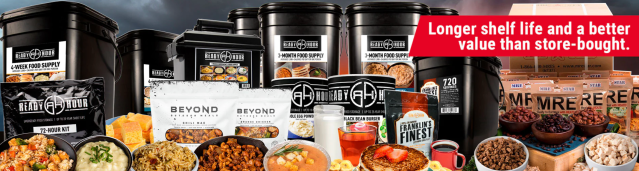
  • Bulk staples (rice, beans, oats, pasta)
  • Freeze-dried foods (25–30 years shelf life)
  • Shelf-stable proteins
  • High-calorie fats
  • Complete meal kits
  • Cooking fuels
  • Water storage & purification
  • Backup systems for when everything fails

You need months, ideally years, of food security — not because it’s “cool,” not because it makes you a prepper, but because society is a rickety circus tent held up by corrupt clowns and broken poles.

The second the music stops, the whole thing collapses.

And the people without food?
They won’t think.
They won’t negotiate.
They won’t stay rational.

Hungry humans become predators — and unprepared families become victims.


IF YOU THINK THIS IS OVERKILL, YOU’RE NOT PAYING ATTENTION

Look around.

Crop failures.
Supply chain chaos.
Inflation.
Climbing food prices.
Global conflict.
Utility failures.
Governments that can’t even keep their own operations functioning.
Society ripping itself apart from the inside.

And every time chaos hits, the shelves empty instantly.

Now imagine an event that doesn’t get fixed.
Imagine a system that doesn’t restart.
Imagine emergency services that don’t show up.
Imagine a grocery industry that doesn’t recover.

What then?

The answer is simple:
Those who prepared will live.
Those who didn’t will face horrors that never had to happen.


THE FUTURE BELONGs TO THE PREPARED — OR NOT AT ALL

This isn’t “oh cool, prepping is a hobby.”
This is life and death.
This is civilization versus collapse.
This is security versus desperation.
This is preparation versus regret.

Every pound of rice you store is a shield.
Every can of meat is a safety net.
Every bucket of staples is another day your family doesn’t have to suffer.
Every freeze-dried meal is one more piece of sanity in a world gone feral.

You don’t prep because you’re afraid.
You prep because reality is unforgiving — and you refuse to let your family face that reality unprotected.

Those who fail to prepare will face desperation.
Those who prepare will face inconvenience.

Which future are you choosing?

Because when everything collapses, the window to choose closes forever.