
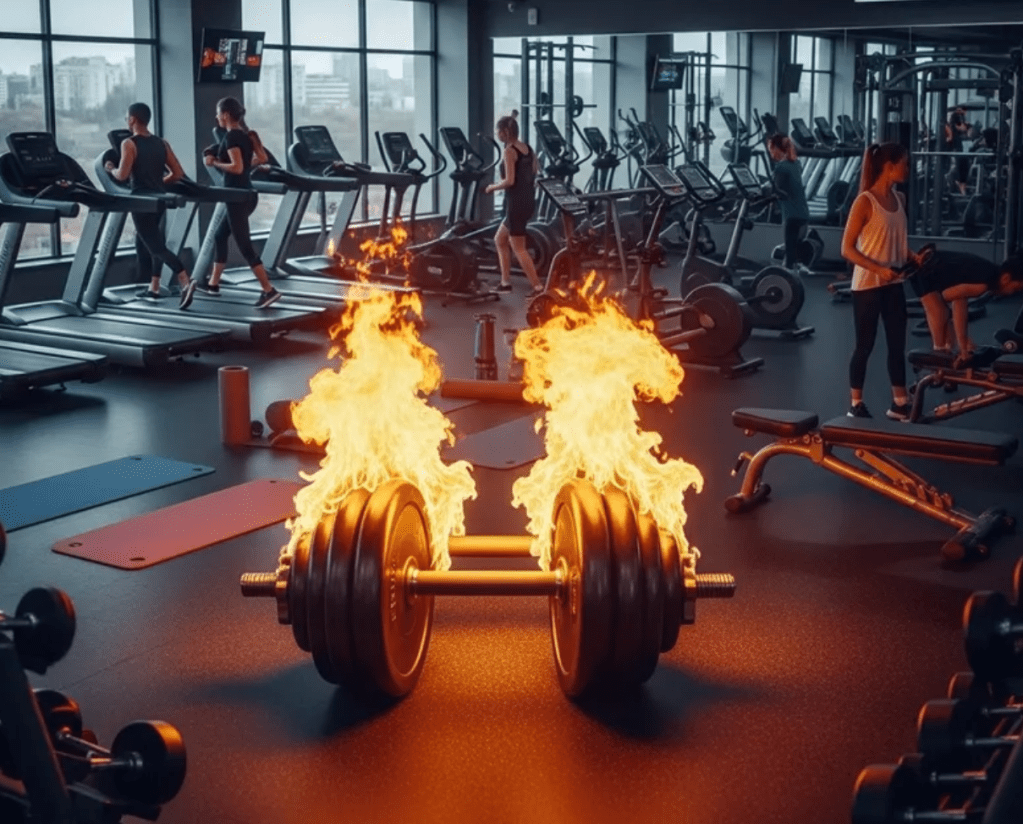
I’ll be upfront: I hate working out at gyms in the evening.
Not because I dislike fitness—far from it. I hate it because evening gyms are loud, chaotic, overstimulated spaces filled with people wearing headphones, staring at mirrors, and completely disconnected from what’s happening around them. From a survival perspective, they are a nightmare.
Now layer in a worst-case scenario: an active shooter entering a gym during peak hours.
Gyms like 24 Hour Fitness, LA Fitness, Planet Fitness, or YMCA facilities are uniquely vulnerable. They’re open late, often understaffed at night, full of hard surfaces that echo sound, and packed with dozens—sometimes hundreds—of people spread across multiple rooms: weight floors, cardio decks, locker rooms, studios, pools, saunas, and childcare areas.
This article is not meant to scare you. It’s meant to prepare you.
Because survival favors the prepared, not the strongest, fastest, or most muscular.
What follows is a realistic, grounded survival guide to help you recognize danger early, escape if possible, hide effectively when escape isn’t an option, and increase your odds of survival during a mass shooting in a gym environment.
Understanding the Gym as a Survival Environment

Before we talk about what to do, you need to understand what makes gyms dangerous—and paradoxically, survivable.
Why Gyms Are High-Risk Locations
- Large crowds during peak hours
- Multiple unsecured entry points
- Loud background noise masking gunfire
- Mirrors, glass, and open floor plans
- People distracted by music, screens, and workouts
Why Gyms Also Offer Survival Opportunities
- Heavy equipment that can block or slow movement
- Multiple exits (including emergency exits most people ignore)
- Back-of-house spaces, offices, and storage rooms
- Locker rooms with solid walls and limited access points
- Pools, saunas, and steam rooms that obscure visibility
Your survival depends on how quickly you shift from “gym mode” to “survival mode.”
Early Warning Signs: Spotting a Threat Before the Shooting Starts

Most people imagine mass shootings as sudden and unavoidable. That’s not always true.
Many attackers display pre-incident indicators—small behavioral red flags that get ignored because people don’t want to “be weird” or “overreact.”
Survival preppers don’t worry about being polite. We worry about being alive.
Behavioral Red Flags in a Gym Setting
- Wearing inappropriate clothing for workouts (heavy coats, masks, gloves indoors)
- Refusing to make eye contact while scanning the room repeatedly
- Appearing agitated, pacing, or muttering
- Carrying large bags they never open or use
- Standing idle for long periods without exercising
- Entering and exiting repeatedly without explanation
None of these alone mean danger. Multiple indicators together should raise your alert level.
Environmental Red Flags
- Propped emergency exits
- Unattended bags near entrances or lockers
- Sudden changes in staff behavior
- Loud bangs that don’t match gym activity
- People suddenly running, screaming, or dropping weights
Trust your gut. If something feels off, leave immediately. No workout is worth your life.
The Survival Priority List: What Matters Most
In any mass shooting scenario, your priorities are simple:
- Escape if possible
- Hide if escape is not possible
- Defend yourself only as an absolute last resort
Gyms complicate this because of noise, mirrors, and crowds—but the principles remain the same.
Escape: Getting Out Alive
Escape is always your best option if you can do it safely.
Know Your Exits Before You Lift
When you enter a gym, you should subconsciously note:
- The main entrance
- Emergency exits (often near pools or studios)
- Side doors near locker rooms
- Back hallways or staff-only corridors
Most people walk past emergency exits every day without noticing them. Don’t be most people.
When to Escape
- If the shooter is far away
- If you hear gunfire from another area
- If you can move without crossing open spaces
How to Escape
- Leave belongings behind
- Move low and fast, but don’t sprint blindly
- Avoid mirrored walls that reflect movement
- Help others only if it does not slow your escape
Once outside, put distance and cover between you and the building. Do not linger.
Hiding to Survive: Gym-Specific Options
If escape isn’t possible, hiding correctly can save your life.
This is where gyms actually offer advantages—if you know how to use them.
Locker Rooms
Locker rooms are often your best hiding option.
Why they work:
- Thick walls
- Limited entrances
- Lockable doors
- Rows of metal lockers that disrupt movement and sound
What to do:
- Barricade doors using benches, trash cans, or lockers
- Turn off lights if possible
- Silence phones completely
- Spread out and stay low
Avoid bathroom stalls—they offer concealment, not cover.
Equipment Rooms and Staff Areas
These rooms are often overlooked and locked.
- Storage rooms
- Janitorial closets
- Trainer offices
If you can access one, lock and barricade immediately.
Weight Floors
Not ideal—but sometimes unavoidable.
Use equipment to:
- Create visual barriers
- Block doorways with machines
- Slow movement paths
Heavy machines can’t stop bullets, but they buy time and reduce visibility.
Studios and Class Rooms
Yoga rooms, spin studios, and dance rooms often have:
- Fewer windows
- Lockable doors
- Thick walls
Barricade, silence, and wait.
Pools, Saunas, and Steam Rooms
These are controversial hiding spots—but context matters.
Pools:
- Water distorts visibility and sound
- Pool decks often have side exits
- Chemical rooms nearby may offer concealment
Saunas & Steam Rooms:
- Visibility is extremely limited
- Sound is muffled
- Doors are usually thick
However, these spaces can become traps if discovered. Use only if escape routes exist.
Slowing Down or Stopping a Shooter: Reality, Not Fantasy
Let’s be very clear.
You are not an action movie hero.
The goal is survival, not confrontation.
Non-Confrontational Ways Gyms Can Slow an Attacker
- Barricading with heavy equipment
- Blocking hallways and stairwells
- Turning off lights in rooms
- Creating obstacles that force detours
Weights, benches, and machines can block paths, delay movement, and prevent line of sight.
As a Last Resort
If directly confronted and escape is impossible:
- Act decisively
- Use whatever is available to disrupt, not pursue
- Focus on creating an opportunity to escape
This is not about winning—it’s about surviving long enough to get away.
Everyday Survival Gear for the Gym
You don’t need to look like a doomsday prepper to be prepared.
Items You Can Reasonably Carry
- Tourniquet (real one, not cheap knockoffs)
- Pressure bandage
- Small flashlight
- Phone with emergency alerts enabled
- Minimalist medical kit in gym bag
Mental Gear Matters More
- Situational awareness
- Exit familiarity
- Willingness to leave early
- Comfort being “rude” if something feels wrong
Mindset: The Most Important Tool You Have
Survival isn’t about fear—it’s about clarity.
Most people freeze because they don’t want to believe what’s happening. Preppers accept reality fast.
If you hear gunfire:
- Don’t rationalize
- Don’t wait for confirmation
- Don’t assume it’s “probably nothing”
Act.
Why I Avoid Evening Gyms (And You Might Want To As Well)
Evening gyms are:
- Overcrowded
- Understaffed
- Full of distractions
Early mornings, off-peak hours, or smaller facilities reduce risk significantly.
Preparedness isn’t paranoia. It’s respect for reality.
Final Thoughts: Survival Is a Skill, Not a Coincidence
No one wants to imagine violence during something as routine as a workout.
But preparation doesn’t make you afraid—it makes you capable.
You don’t need to be stronger than a shooter.
You need to be more aware, more decisive, and more prepared than the average person staring at their phone between sets.
Train your body—but train your awareness harder.
Your life may depend on it.











 TheDailyChristian