

Nature Doesn’t Care: The Deadliest Insects in Alabama and the Survival Mindset You Need

Let me get something straight right out of the gate: nature doesn’t care about your comfort, your schedule, or your excuses. Alabama proves that every single day. I’ve spent enough time watching people underestimate this state’s environment to know one thing—complacency gets people hurt, and sometimes killed. Down here, danger doesn’t always roar or rattle. Sometimes it buzzes, bites, or stings while you’re minding your own business.

This article isn’t here to coddle you. It’s here to wake you up.

Alabama is crawling with insects and insect-adjacent creatures capable of causing serious injury or death under the wrong conditions. No, they aren’t movie monsters. They’re worse—quiet, common, and underestimated. As a survival prepper, that’s what infuriates me the most: people refuse to respect threats they see every day.

Let’s break down the most dangerous ones and, more importantly, how to survive them.


1. Mosquitoes: The Deadliest Insect on Earth (Yes, Including Alabama)

People laugh when I say mosquitoes are killers. They shouldn’t.

In Alabama’s hot, humid climate, mosquitoes thrive nearly year-round. These insects are not dangerous because of the bite itself—but because of what they carry. Mosquitoes are known vectors for diseases that can cause severe illness and, in rare cases, death if untreated.

Survival reality:

  • You don’t “walk it off” if you get sick.
  • You don’t tough-guy your way through fever and neurological symptoms.
  • You either respect the risk, or you become a statistic.

How to survive:

  • Eliminate standing water around your property.
  • Use protective clothing and repellents when outdoors.
  • Install and maintain window and door screens.
  • Take unexplained flu-like symptoms seriously and seek medical care.

Preppers don’t ignore tiny threats. We neutralize them early.


2. Fire Ants: Small, Angry, and Capable of Killing You

Fire ants are one of Alabama’s most aggressive invasive species, and I hate them with a passion earned through experience. These insects attack in swarms and sting repeatedly. For most people, it’s painful. For others, it’s life-threatening.

Anaphylaxis—a severe allergic reaction—can occur even if you’ve never reacted badly before. That’s the part people don’t like to hear.

How to survive:

  • Learn where mounds are and eliminate them safely.
  • Wear boots and protective clothing when working outdoors.
  • If you know you’re allergic, carry emergency medication and make sure people around you know how to help.
  • Multiple stings plus dizziness, swelling, or breathing trouble is a medical emergency—no debate.

Nature doesn’t give warnings. Fire ants don’t either.


3. Wasps, Yellowjackets, and Hornets: Flying Rage with a Grudge

Alabama is prime territory for stinging insects that don’t die after attacking you. Wasps and yellowjackets are territorial, aggressive, and perfectly happy to sting you multiple times if they think you’re a threat—which sometimes means just existing near their nest.

A single sting can be deadly for someone with allergies. Multiple stings can overwhelm even healthy adults.

How to survive:

  • Learn to identify nests and avoid them.
  • Never swat blindly—movement escalates attacks.
  • Keep food and trash sealed outdoors.
  • If stung repeatedly or if symptoms escalate beyond localized pain, seek medical help immediately.

Preppers don’t pretend bravery makes venom harmless.


4. Brown Recluse Spider (Not an Insect, but Still Your Problem)

Let’s clear something up: spiders aren’t insects. But pretending that distinction matters when you’re injured is idiotic.

The brown recluse is present in Alabama, and its bite can cause serious tissue damage and systemic symptoms in rare cases. Most bites heal, but “most” isn’t a guarantee—and survival planning is about planning for exceptions.

How to survive:

  • Reduce clutter in storage areas.
  • Shake out clothing and boots before wearing them.
  • Seal cracks and entry points in your home.
  • If bitten, don’t ignore worsening symptoms—medical evaluation matters.

Denial doesn’t stop venom.


5. Black Widow Spider: A Warning You Shouldn’t Ignore

The black widow is easier to identify and easier to avoid—but only if you’re paying attention. Its venom affects the nervous system and can cause severe pain and complications, especially in children and older adults.

How to survive:

  • Wear gloves when working in sheds, woodpiles, or crawlspaces.
  • Keep storage areas clean and well-lit.
  • Seek medical care if symptoms escalate beyond localized pain.

Preparedness means action, not panic.


Why Survival Preppers Love Living in Alabama

Now here’s the part that confuses people: with all this danger, why do survival preppers love Alabama?

Because Alabama forces you to stay sharp.

This state has:

  • A long growing season
  • Abundant water
  • Dense forests and wildlife
  • Rural land that’s still affordable
  • A culture that understands self-reliance

Alabama doesn’t hand you comfort—it hands you responsibility. You learn quickly that ignoring your environment gets you hurt. That’s why preppers thrive here. We don’t fear the wild; we respect it. We prepare for it. And when things go sideways, we’re not waiting for someone else to save us.

Living in Alabama teaches you that survival isn’t about paranoia—it’s about awareness.


Final Words from an Angry Prepper

I get angry because this stuff is preventable. People die not because Alabama is cruel, but because they refuse to take it seriously. The insects here don’t care about your opinions. They don’t care if you “didn’t think it was a big deal.”

Survival is a mindset. Respect the threats. Learn the risks. Prepare accordingly.

Or don’t.

But don’t say nobody warned you.
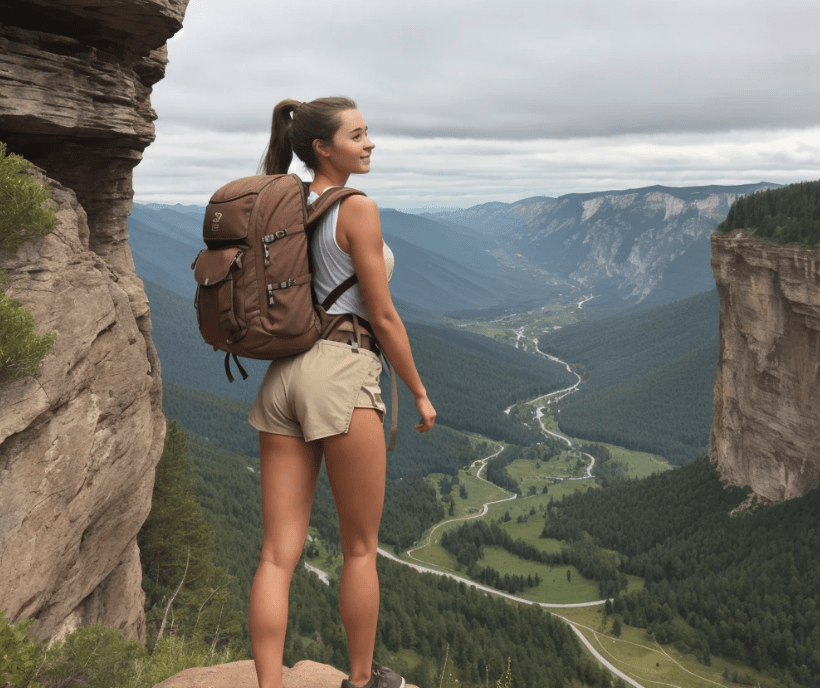
Alabama Survivalist’s Guide to the 30 Best Campsites for Preppers

As a prepper living here in Alabama, you know it’s vital to be ready for any situation life may throw at you. Whether you’re looking to get away from the chaos for a weekend, practice your skills, or stock up on knowledge, camping in Alabama is a must for every survival enthusiast. Alabama offers diverse landscapes, from dense forests to winding rivers and tranquil lakes, that serve as the perfect environment for honing survival skills.

Camping in the great outdoors allows you to practice important skills like shelter-building, fire-starting, and finding clean water, all while familiarizing yourself with the unique terrain of Alabama. Whether you’re a seasoned prepper or just starting out, this state has a wide range of sites for every skill level. Here’s a guide to 30 of the best camping sites in Alabama that will have you prepared for anything.

1. Cheaha State Park

Nestled in the Talladega Mountains, Cheaha State Park is Alabama’s highest point and offers some of the most breathtaking views in the state. It’s a great spot for those looking to practice navigation skills, bushcraft, or simply enjoy a solid, rugged campsite surrounded by nature. With access to hiking trails, waterfalls, and ample wildlife, this site is perfect for prepping and survival training.

2. Bankhead National Forest

Bankhead is a vast, remote national forest with endless opportunities for camping, hiking, and exploring. The dense woods and rugged terrain offer a great challenge for preppers. The wilderness here will test your skills with its diverse plant and animal life, making it an ideal spot for honing your survival tactics.

3. Tuskegee National Forest

If you’re looking for a less populated area where you can focus on practice, Tuskegee National Forest offers a great location for survivalists. With miles of trails, various wildlife, and access to natural water sources, you’ll be able to get in some good, hands-on survival training here.

4. Talladega National Forest

This forest stretches across several counties and is one of the largest natural areas in the state. With miles of trails and access to both camping and primitive sites, Talladega is ideal for preppers looking to practice wilderness survival and testing their gear in a challenging environment.

5. Guntersville State Park

Known for its beautiful views of Lake Guntersville, this park has everything from rustic campsites to modern amenities. It’s a great place for preppers looking to practice water-based survival skills and fishing. Plus, the park has plenty of wildlife and varied terrain to help build your prepper skills.

6. Hocking Hills State Park

This park offers dense woods and deep ravines that’ll put your navigation and shelter-building skills to the test. The landscape here is perfect for practicing tactics in a natural, challenging environment. While the park is well-known for its beauty, it’s also a fantastic location for honing survival instincts.

7. Oak Mountain State Park

Oak Mountain is the largest state park in Alabama, with 10,000 acres of natural beauty. Preppers can take advantage of the park’s variety of landscapes, including lakes, forests, and meadows. Perfect for testing your survival skills in different terrain, Oak Mountain offers primitive campsites that simulate real-world survival scenarios.

8. Little River Canyon National Preserve

For a prepper looking for diverse terrain, this canyon offers cliffs, rivers, and forests. This preserve is ideal for practicing search-and-rescue, building natural shelters, and living off the land. With its remote location, you can spend a few days without any distractions, sharpening your survival instincts.

9. Monte Sano State Park

Monte Sano offers rugged mountain trails and picturesque views that challenge even the most seasoned campers. The park is popular for its rock climbing and hiking trails, which give preppers a chance to practice building endurance and assessing their survival gear in tough environments.

10. Lurleen B. Wallace State Park

This park is great for prepping in isolation. It offers lakes, wooded campsites, and miles of trails. Lurleen B. Wallace State Park is ideal for practicing stealth camping techniques or honing your skills in fishing, foraging, and wilderness survival.

11. Lake Guntersville State Park

With over 6,000 acres of outdoor adventures, Lake Guntersville State Park is another prepper’s paradise. It’s an excellent location to practice building fire, shelter, and water purification, plus there’s plenty of room for long hikes and observation of wildlife.

12. DeSoto State Park

DeSoto State Park, with its large waterfalls and abundant wildlife, offers plenty of opportunities for survivalists to practice finding resources, constructing shelters, and testing out camping gear. There are also various rugged trails here for those looking for challenges.

13. Wind Creek State Park

Located near Lake Martin, this park offers more than just beautiful views—it’s perfect for honing your water-based survival skills. With boating access and miles of trails, Wind Creek is great for any prepper wanting to perfect their skills on both land and water.

14. Birmingham’s Ruffner Mountain Nature Preserve

If you’re in the city and want a quick wilderness escape, Ruffner Mountain offers a great location for testing your skills while being close to urban areas. With many different ecosystems, this nature preserve gives preppers a chance to practice on relatively rough terrain.

15. Pine Glen Recreation Area

Located in the William B. Bankhead National Forest, this site offers some primitive camping with access to multiple hiking and mountain biking trails. It’s the perfect spot for someone looking to get serious about wilderness survival and hone their skills.

16. Flatwoods Campground

Located in the Talladega National Forest, this primitive site is ideal for prepping in isolation. The terrain is hilly, and the area offers good opportunities to practice bushcraft and other survival skills.

17. Tuscumbia Nature Preserve

A beautiful and often overlooked spot, this park has great camping sites for anyone wanting to escape into nature for a weekend of survival training. The abundance of wildlife makes it ideal for learning how to track, forage, and survive in the wild.

18. Tallassee River Campground

This spot provides a serene setting along the river, with ample opportunities for fishing, swimming, and water survival training. The terrain here is somewhat rugged, which is perfect for preparing yourself for a variety of environments.

19. Flat Rock Park

Ideal for those looking to do a little more advanced prepper training, this park offers primitive campsites surrounded by thick forests. It’s a peaceful spot for sharpening your skills in fire starting, shelter building, and more.

20. Wind Creek State Park

A perfect place for testing survival techniques along the water’s edge, Wind Creek features excellent areas to practice fishing, water navigation, and emergency water purification skills.


30 Top Alabama Campsites for Survival Preppers:

  1. Cheaha State Park
  2. Bankhead National Forest
  3. Tuskegee National Forest
  4. Talladega National Forest
  5. Guntersville State Park
  6. Hocking Hills State Park
  7. Oak Mountain State Park
  8. Little River Canyon National Preserve
  9. Monte Sano State Park
  10. Lurleen B. Wallace State Park
  11. Lake Guntersville State Park
  12. DeSoto State Park
  13. Wind Creek State Park
  14. Birmingham’s Ruffner Mountain Nature Preserve
  15. Pine Glen Recreation Area
  16. Flatwoods Campground
  17. Tuscumbia Nature Preserve
  18. Tallassee River Campground
  19. Flat Rock Park
  20. Wind Creek State Park
  21. Pine Glen Campground
  22. Beavers Bend State Park
  23. Little River Canyon National Preserve
  24. Blue Springs State Park
  25. Desoto State Park
  26. Choccolocco Mountain Trails
  27. Cheaha Wilderness Area
  28. Coosa River Canoe Trail
  29. Alabama Highlands Trail
  30. White Sands Campground