Portable Solar Generators That Actually Work When the Grid Finally Gives Up

Let’s start with a truth most people don’t want to hear: the grid is collapsing. Not today, maybe not tomorrow, but it’s happening—piece by piece, outage after outage, blackout after blackout. You can already see the cracks. Overloaded systems. Failing infrastructure. Power companies that can barely keep the lights on during a stiff breeze. And yet, somehow, the average person still lives with the delusion that electricity is eternal and guaranteed.

Meanwhile, you and I know better. When the grid finally gives up—and it will—people will panic like toddlers who lost their night-light. You’ll hear them whining about their Wi-Fi, their microwaves, their air-conditioning. They’ll stare into the darkness and wait for help that never comes.

But not you. Because you’re building your off-grid solar system now, while everyone else is wasting their time believing the grid will magically fix itself. You’re preparing for reality instead of pretending everything is fine.

This is why solar power matters—REAL solar, not the flimsy bargain-bin versions marketed to people who think a USB panel can power a house. I’m talking about off-grid solar systems, portable solar generators, and backup power sources that actually keep you alive when the world decides to cut the cord.

You’re not building for convenience.
You’re building for survival.

Let’s break down exactly what you need—and what the world keeps getting wrong.


WHY SOLAR IS NO LONGER OPTIONAL FOR PREPPERS

Relying on the grid is like relying on a rotten support beam: it might hold for now, but eventually it snaps—and when it does, it takes everything down with it.

Solar, on the other hand, gives you independence. It removes you from the mercy of corporations, power outages, brownouts, and the fragile infrastructure controlled by people who clearly don’t care if the system collapses on your head.

Solar power allows you to:

  • Run essential appliances
  • Charge critical gear
  • Power communication devices
  • Keep refrigeration functional
  • Maintain lighting and security
  • Stay stable when the grid breaks down

When everyone else is staring at dead screens and ruined food, you’ll still have power. And yes, that makes you a target—but it also makes you prepared.


THE PROBLEM: MOST PEOPLE HAVE NO IDEA HOW SOLAR REALLY WORKS

Everyone loves the idea of solar.
But actually building an off-grid solar system?
That’s where most people fail miserably.

They think it’s as simple as:

  1. Buy a panel
  2. Plug it into something
  3. Boom—free electricity forever

If only.

Real solar setups require actual planning—something society isn’t very good at anymore. And if you don’t plan ahead, you’ll end up with:

  • Panels that don’t make enough power
  • Batteries that drain in hours
  • Generators that can’t handle your load
  • Systems that fry themselves because you bought the cheap stuff

In other words: a useless pile of junk right when you need power the most.

So let’s talk about how to do it right.


HOW TO BUILD AN OFF-GRID SOLAR SYSTEM THAT DOESN’T FAIL UNDER PRESSURE

This isn’t a Pinterest fantasy list.
This is what works.


1. Solar Panels: The Foundation of Your Power System

Panels are the muscle of your system. Without enough, nothing else matters.

What you actually need:

  • Monocrystalline panels (best efficiency)
  • Rigid panels for home setups
  • Foldable panels for portable generators
  • Mounts that can handle storms and rough weather
  • Tilt brackets (critical for winter sun angles)

And here’s a fact most people hate hearing:

You need more watts than you think.
Double your estimate. Then add more.

Clouds, storms, shade, smoke, winter sun—they all cut your power production dramatically. If your system is barely enough on a sunny day, you’re already in trouble.


2. Charge Controllers: The Heart of the System

This is where amateurs mess up. They buy cheap controllers and then wonder why their batteries die.

You need an MPPT charge controller.

Not PWM.
Not “budget-friendly.”
Not whatever is on sale.

MPPT controllers:

  • Pull more energy from your panels
  • Regulate charging efficiently
  • Protect batteries from damage
  • Last longer

Don’t cut corners here. This is one of the most important components in your entire setup.


3. Battery Banks: Your Power Storage (Your Lifeline)

When the sun goes down, this is all you have. If you cheap out on batteries, your off-grid dreams die instantly.

Best options for preppers:

  • LiFePO4 batteries (long life, stable, lightweight)
  • AGM batteries (reliable but shorter lifespan)
  • Gel batteries (low-maintenance but low output)

Forget car batteries. Forget bargain scrap batteries.
Those are for hobbyists—not survivors.

Sizing rule:

Calculate your daily energy use.
Double it.
Then add 30%.

If that sounds like overkill, good—you’re finally thinking like a prepper.


4. Inverters: The Power Converter

If your inverter is weak, everything else falls apart.

You need:

  • Pure sine wave
  • High overload capacity
  • Quiet cooling fans
  • Reliable low-voltage shutoff

A strong inverter lets you run:

  • Refrigerators
  • Tools
  • Lights
  • Communication equipment
  • Medical gear

If your inverter chokes when you plug in anything more powerful than a phone charger, you didn’t buy a survival system—you bought a toy.


PORTABLE SOLAR GENERATORS: THE REALITY CHECK
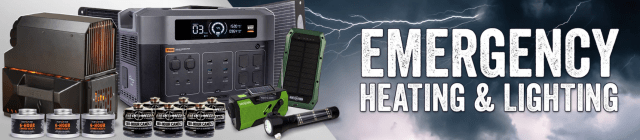
Portable solar generators are NOT a full replacement for a home solar system—but they ARE one of the smartest prepper investments you can make.

Why?

Because they:

  • Work instantly
  • Require no wiring
  • Charge via solar, car, or wall
  • Are nearly silent
  • Can run critical gear
  • Are easy to carry during bug-out scenarios
  • Provide power even when your main system fails

A portable solar generator is your backup for your backup—and that’s the mindset serious preppers must have.


WHAT MAKES A GOOD PORTABLE SOLAR GENERATOR?

1. Battery Capacity

Aim for 500Wh minimum.
1,000Wh+ is better.
2,000Wh+ is ideal for off-grid homes.

2. Inverter Strength

Must handle at least 1,000W continuous power.
2,000W is excellent.

3. Solar Input

Higher input = faster charging.
Look for at least 200W–600W solar input capability.

4. Expandability

Can you add more batteries?
More panels?
If not, the device will become a limit rather than a tool.


WHY SOLAR MATTERS MORE THAN EVER

Because the world is unstable.
Because the grid is unreliable.
Because storms are becoming stronger.
Because infrastructure is aging faster than it’s being fixed.
Because countries, cities, and states are already announcing rolling blackouts like it’s normal.

And because everyone else is sleepwalking toward disaster—completely dependent on a system that can barely hold itself together.

Solar is not a luxury.
Solar is not a hobby.
Solar is not “green energy for enthusiasts.”

Solar is survival energy.
It’s the one power source you control.
The only system with no fuel dependency.
The only option that keeps producing when everything else stops.

If society keeps unraveling—and all signs point to it—it will be the people with solar who maintain a functioning home when the grid is nothing but a memory.

And that person should be you.

Blackout Preparedness: How to Stay Secure When the Lights Go Out

Blackout Survival: 10 Crucial Steps to Stay Safe in a Nationwide Power Outage

When the power goes out across the entire country, it’s not just an inconvenience—it’s a critical survival situation. A nationwide blackout can lead to widespread chaos, leaving you and your family vulnerable to everything from extreme temperatures to civil unrest. The question isn’t whether you’ll survive the blackout—it’s how prepared you are to face the dangers it brings.

We’re all familiar with the basic concept of a power outage—lights go out, appliances stop working, and we’re forced to revert to older methods of doing things. But what happens when that outage lasts days, weeks, or even longer? When the grid goes down across the entire country, there’s a ripple effect that impacts nearly every aspect of our lives. That’s why, as preppers, it’s absolutely crucial that we’re ready not just for short-term power loss, but for long-term survival in the face of a widespread blackout.

In this guide, I’ll walk you through 10 critical steps to ensure you and your loved ones stay safe and secure during a nationwide blackout.


1. Secure Your Water Supply

Prepper Tip #1: Always have a minimum of one gallon per person per day for drinking and hygiene. Store it in water-tight containers, and consider adding water purification tablets or a filter to ensure your water stays clean.

In a blackout, water is often the first thing people forget to secure. Water supplies are typically dependent on power to pump and treat water, and in the event of a nationwide blackout, you might lose access to clean water. Don’t rely on local utilities to maintain water availability during a prolonged power outage.

Tip: Fill up your bathtubs, sinks, and any other containers that can hold water when you know a blackout is imminent. You should also have a supply of bottled water stored, and a water filter (such as a LifeStraw or Berkey filter) is invaluable in case you need to source water from rivers or lakes.


2. Create a Backup Power Plan

Prepper Tip #2: Invest in solar-powered chargers, portable generators, and battery banks for essential electronics. Have extra fuel stored for backup generators if you rely on one.

When the grid fails, your lights, electronics, and even heating/cooling systems will likely stop working. A backup power plan can make the difference between comfort and disaster. You don’t need to go off the grid completely, but having a small, off-grid solar system or battery-powered lights and chargers will help keep your family safe, informed, and connected.

For critical needs like a medical device, communication, or security, ensure you have a backup power source that is independent of the grid. A solar-powered generator is an excellent option for recharging important items.


3. Maintain Communication with Trusted Contacts

Prepper Tip #3: Invest in a battery-powered or hand-crank radio for emergency broadcasts and stay connected to any news updates.

Without electricity, your usual communication methods—cell phones, landlines, internet—may be down. Staying connected with neighbors, loved ones, and other preppers is essential for coordination, especially during a nationwide blackout.

Tip: Have an emergency radio (battery-powered or hand-cranked) that can pick up AM/FM and NOAA weather broadcasts. These stations often provide critical updates about the blackout’s duration, local conditions, and even government advisories.


4. Stay Secure with Alternative Lighting

Prepper Tip #4: Avoid open flames for lighting, as they can be a fire hazard. Instead, use battery-powered LED lanterns, solar lights, or hand-crank flashlights to light your home safely.

The first thing most people think about during a blackout is lighting. But in the chaos of survival, you want to avoid the risk of candles or open flames, which are a fire hazard. LED lanterns, solar-powered lights, or flashlights powered by rechargeable batteries or hand cranks are much safer and longer-lasting.

Store extra batteries and consider solar-powered lights for outdoor spaces, as well. Having multiple light sources can make a significant difference in reducing stress and maintaining safety at night.


5. Keep Your Food Safe and Fresh

Prepper Tip #5: Have a cooler with ice packs on hand for food preservation. Consider investing in a 12V DC cooler that can run on a solar panel or backup generator.

Without electricity, your refrigerator and freezer will stop working. While this isn’t an immediate problem, the longer the blackout lasts, the greater the risk of food spoilage. If you don’t have a solar-powered fridge or backup generator, the next best option is to have a cooler filled with ice packs and non-perishable foods like canned goods, freeze-dried meals, and vacuum-sealed meats.

Tip: You can also learn to preserve food using methods like canning, dehydrating, or fermenting so you can avoid relying on refrigerated items during long-term outages.


6. Defend Your Home from Looters

Prepper Tip #6: Invest in high-quality locks, security cameras, and motion-detecting lights to keep your home safe. Have self-defense tools ready, such as a baton, pepper spray, or firearm if legal.

Unfortunately, blackouts can trigger panic buying and looting. When society’s infrastructure crumbles, some individuals may turn to crime in desperation. Having a security plan is vital to protecting your home and your supplies.

Screenshot

Tip: Fortify your entry points—secure windows and doors with heavy-duty locks and consider adding motion-sensor lights around your property. Keep a weapon for personal protection if you’re trained to use it safely.


7. Stay Aware of Health Risks

Prepper Tip #7: Always have a well-stocked first aid kit, and ensure you have essential medications stored. Know how to administer basic first aid and CPR.

With hospitals overwhelmed or without power, healthcare can become a distant thought during a nationwide blackout. You must be prepared to manage your health in these situations. Ensure you have a stocked first aid kit with bandages, medications, and antiseptics. Know how to treat minor injuries, manage illness, and recognize medical emergencies that could arise in a power-deprived environment.

Tip: Keep a two-week supply of any essential medications for family members who rely on them, and create an emergency medical plan for handling health issues when help is far away.


8. Know How to Stay Cool or Warm

Prepper Tip #8: Stockpile thermal blankets and sleeping bags for cold weather. In hot weather, have battery-powered fans and hydration supplies to stay cool.

Depending on the time of year, a blackout can either leave you freezing or overheating. In winter, you’ll need to be prepared to stay warm with thermal blankets, insulated clothing, and possibly a wood stove or kerosene heater if you’re equipped for it. In the summer, heat can be just as deadly. Keep hydration packs and cooling towels available to avoid dehydration and heatstroke.


9. Protect Your Food Sources

Prepper Tip #9: Consider setting up a garden with drought-resistant plants, and store seeds for when you need to grow your own food. Learn basic foraging and hunting skills to supplement your supply.

While canned and freeze-dried foods are great for short-term survival, you also need to think long-term. If the power is out for months, your food supply will eventually dwindle. Having a garden, growing perennials, and being able to forage in your area will be key to surviving through extended blackouts.

Tip: Make sure you know how to preserve your harvest by canning, freezing, or drying foods, so you can stockpile for the future.


10. Stay Calm and Rational

Prepper Tip #10: In high-stress situations, stay calm, assess your surroundings, and take time to plan your next steps. Always prioritize safety and self-reliance.

Finally, one of the most important survival tips during any emergency—especially a blackout—is to stay calm. Stress and panic cloud your judgment, which could lead to bad decisions. It’s vital to remain calm, think logically, and carefully consider your next move. Keep your mind clear, your plans flexible, and stay self-reliant.


Conclusion

Surviving a nationwide blackout isn’t just about enduring the inconvenience of no power—it’s about being prepared for the cascading impacts that follow. From losing access to clean water and food to dealing with the dangers of an unpredictable environment, each step you take to prepare will increase your chances of surviving and thriving during a widespread power outage.

By securing your resources, maintaining communication, and staying calm, you can protect yourself and your family from the chaos that often follows a nationwide blackout.

Remember, the key to survival is not just preparation—it’s action. Be ready, stay focused, and adapt to the challenges that come your way.