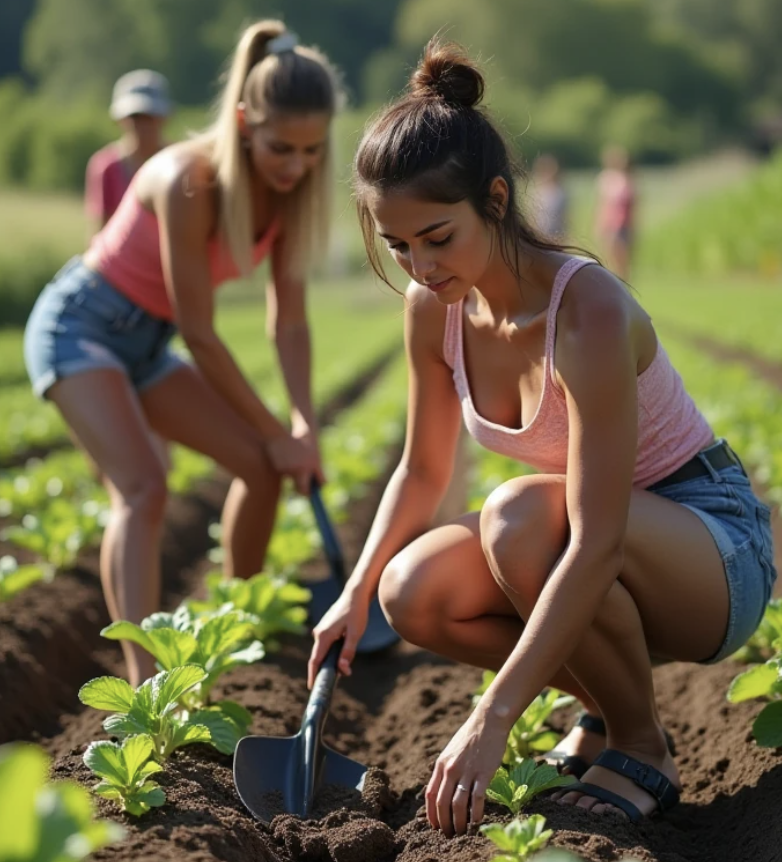
Illinois Homestead Lifestyle: Grit, Grind, and Get-It-Done

Listen here, city slickers and armchair farmers! If you think living on a homestead in Illinois is some quaint little hobby or a stroll through a farmer’s market, you’re dead wrong. Out here, we don’t just plant a few tomatoes and sip lemonade on the porch. No sir, we fight tooth and nail every damn day against pests, weather, and the sheer laziness that’s rotting this country’s soul.

If you want to call yourself a homesteader in Illinois, you better come prepared — with grit, know-how, and a work ethic that would make your grandpappy proud. This ain’t a weekend hobby, it’s a full-on lifestyle where every day you’re scrapping to keep your homestead running smooth.


15 Homestead Skills You’d Better Learn or Get Out

  1. Soil Testing and Amendments
    Before you plant a seed, you better know what’s in your dirt. Illinois soil can be stubborn—clay-heavy in spots, sandy in others. Get your hands dirty testing pH and nutrient levels, and don’t skimp on lime or compost to fix what’s busted. If your soil’s dead, your crops are dead too.
  2. Seed Saving
    Stop buying seeds every year like a sucker! Learn to save seeds from your best plants. This is how homesteaders build resilient, locally adapted crops that laugh in the face of Illinois weather.
  3. Composting
    You want fertile soil? Stop throwing away your scraps. Compost like your life depends on it — because on a homestead, it just might. Layer your greens and browns right, turn it regularly, and you’ll have black gold.
  4. Chicken Raising
    Nothing says “homestead” like clucking hens scratching in the dirt. But don’t expect them to just lay eggs and be cute. You gotta know how to build coops, manage health, feed them right, and collect eggs without breaking a sweat.
  5. Butchering Small Livestock
    If you raise animals, you better learn how to put them down and butcher them humanely. Ain’t nobody else gonna do it for you, and processed meat from the store? Forget it—too expensive and full of chemicals.
  6. Preserving Food
    Canning, fermenting, drying—know how to put up your harvest. Illinois weather gives you a limited growing season, so if you don’t preserve your bounty, you’ll be hungry come winter.
  7. Basic Carpentry
    A homestead isn’t just a patch of land — it’s a fortress. You’ll be building fences, coops, raised beds, and repairing barns. Get comfy with a hammer, saw, and measuring tape.
  8. Well Digging and Water Management
    Relying on city water? Ha! Out here, a working well or a reliable rain catchment system is worth its weight in gold. Learn how to dig, maintain, and pump water on demand.
  9. Gardening and Crop Rotation
    Planting row after row of the same crop will kill your soil and your morale. Rotate your crops, know what thrives in Illinois (corn, soybeans, pumpkins—don’t be lazy!), and prepare for pests.
  10. Trap and Hunt Small Game
    Sometimes the freezer’s empty and you gotta rely on the land. Know how to set traps, hunt rabbits, squirrels, and deer — legally and humanely.
  11. Welding and Metalwork
    Fixing old equipment or making custom tools? Welding skills are a homesteader’s secret weapon. Don’t wait for the mechanic—fix it yourself or it’s downtime and lost work.
  12. Herbal Medicine
    Pharmacies are miles away and expensive. Learn your local plants — yarrow, elderberry, echinacea — and how to use them for colds, wounds, and common ailments.
  13. Blacksmith Basics
    Don’t laugh — even a beginner blacksmith can make hooks, nails, and repair tools. It’s old school but solid gold for keeping your gear in shape.
  14. Solar Power Setup and Maintenance
    Electricity can go out for days in the boonies. Set up your own solar panels, batteries, and maintain the system so you’re not left in the dark.
  15. Trap Repair and Fence Building
    Keep your garden safe from critters. Knowing how to build and repair fences—both electric and traditional—is crucial to protect crops and livestock.

Now, For Some DIY Homestead Hacks to Save Your Sanity

Hack #1: Milk Jug Watering System
Got tomatoes wilting because you can’t water ’em every day? Grab a couple of empty milk jugs, poke a few tiny holes in the lid, and bury them near the roots. Fill ’em with water and the soil soaks it up slowly. Set it and forget it — no more daily watering sweat sessions.

Hack #2: Homemade Chicken Feeder from PVC Pipe
Tired of chicken feed spilling everywhere and attracting rats? Cut a length of PVC pipe, cap one end, drill small holes down the side just big enough for chickens to peck through, and fill it up. Keeps feed dry, cuts waste, and saves money on fancy feeders.

Hack #3: Rain Barrel with Mosquito Screen
Collecting rainwater is a must in Illinois, but standing water = mosquitoes. Modify a large trash can or barrel by installing a tight mesh screen under the lid to keep bugs out. Attach a spigot at the bottom for easy watering. Cheap, effective, and you’ll thank yourself when you’re not swatting bugs.


Why Illinois Homesteading Ain’t for the Faint of Heart

Let me paint a picture for you: Illinois is no tropical paradise. Winters can freeze your guts out, summers bring a relentless swarm of insects, and don’t get me started on the unpredictability of rain. One minute you’re knee-deep mud, the next your crops are baking in the sun like cheap jerky.

The state’s soil, while rich in some areas, can be a pain to manage without knowing your amendments and soil biology. You can’t just throw some seeds in the ground and pray. You gotta understand your land intimately — every rock, bug, and dirt patch.

And neighbors? You’ll find some good ones, but many just don’t get it. They’ll call you crazy for turning off the grid or for raising pigs instead of lawn flamingos. But that’s just noise. The real work is done at dawn, hands in the soil, face to the wind, stubborn as a mule.


What I’ve Learned the Hard Way

You can’t half-ass homesteading. If you’re starting out, prepare to make mistakes — fence lines knocked down by storms, plants eaten by rabbits, a batch of sour canned tomatoes because you didn’t follow the recipe. Get over it. Dust off your boots and get back at it.

Illinois homesteading is about self-reliance in a state that’s part prairie, part forest, part farmland, and all struggle. But when you finally taste your own corn on the cob, or crack open a jar of your home-canned green beans after a long winter, there’s no sweeter victory.


Don’t Let the Modern World Fool You

Electric bills, grocery store aisles full of plastic, and government handouts can’t feed you in a crisis. Homesteading in Illinois is a battle against dependence. It’s knowing your land and using it smartly. It’s raising animals with respect and not whining when the weather’s brutal.

It’s about skills that our ancestors used to survive—and that we better relearn fast or lose forever. There’s no room for laziness or excuses on this land.


Final Words from a Gritty Illinois Homesteader

If you think homesteading is easy, go back to your cushy city job. If you want real freedom, real food, and real satisfaction, roll up your sleeves. Learn every skill you can, sweat under the sun, and fight through the mud.

Illinois homesteading is hard, but it’s honest work. And nothing tastes better than food you grew with your own damn hands, on soil you nurtured, under skies you can swear at when the weather turns foul.

Get out there, learn these skills, use those hacks, and build your homestead like your life depends on it—because it just might.


Indiana Homestead Lifestyle

Listen here, city slickers and weekend hobby farmers! If you think homesteading in Indiana is some kind of quaint, idyllic pastoral fantasy, you’ve got another thing coming. This life isn’t about Instagram-worthy gardens or lazy afternoons watching bees buzz around your heirloom tomatoes. It’s dirt-under-your-nails, sweat-dripping, problem-solving-from-scratch living. And if you aren’t ready to tackle the daily grind, stay off the land!

Indiana’s got its challenges — from unpredictable weather that can fry your crops one day and drown them the next, to pests that seem to take personal offense at your hard work. But the folks who make it work? They’re tough, resourceful, and stubborn as the Hoosier soil they till. And let me tell you, mastering this lifestyle takes a hell of a lot more than planting some seeds and hoping for the best.

So if you want the real deal, here’s what you better get good at — or pack up and go back to your fancy apartment.

15 Homestead Skills Every Indiana Homesteader Should Master

  1. Soil Testing and Amending: Indiana’s soil varies, and it ain’t always naturally fertile. Knowing how to test your soil pH and nutrient levels, then adjusting with lime, compost, or manure is crucial. No one’s got time for dead crops because of poor soil.
  2. Seed Saving: You want to keep your garden sustainable? Learn to save seeds from your best plants. This isn’t just about saving money; it’s about building a seed bank tailored to Indiana’s climate and pest pressures.
  3. Composting: Don’t just toss your kitchen scraps in the trash. Composting turns waste into black gold. You better get the balance right — brown to green ratio, aeration, moisture — or you’ll end up with a stinky pile of failure.
  4. Rainwater Harvesting: Indiana has decent rainfall, but it can be unreliable. Setting up barrels or cisterns to capture rainwater saves money and supports your garden during dry spells.
  5. Animal Husbandry: Raising chickens, goats, or even pigs isn’t a cute hobby. It’s hard work, dealing with feed, shelter, health, and predators. Know how to handle livestock or prepare to lose your investment to foxes or raccoons.
  6. Fence Building and Maintenance: Nothing ruins a homestead faster than a broken fence. Whether it’s keeping your livestock in or deer out, you need solid, reliable fencing skills.
  7. Preserving Food: Freezing, canning, drying — learn them all. Indiana has a short growing season, so preserving your bounty to last through winter is a must. Forget it, and you’re wasting months of hard work.
  8. Basic Carpentry: Building a chicken coop, garden beds, or fixing a broken barn door demands carpentry skills. You don’t need to be a pro, but you better not call a handyman every time a nail pops out.
  9. Pest Management: Those bugs, rodents, and critters aren’t going to leave you alone. Organic pest control, traps, barriers — learn them or watch your crops vanish.
  10. Herbal Medicine: When you’re miles from a doctor or pharmacy, knowing how to use herbs like echinacea, peppermint, or calendula can be a lifesaver.
  11. Firewood Splitting and Stacking: Heating your home with wood in Indiana winters isn’t optional if you want to save on fuel. Splitting and properly stacking firewood is exhausting but essential.
  12. Basic Plumbing Repairs: From leaky faucets to frozen pipes, plumbing issues pop up and you better know how to fix them fast to avoid bigger disasters.
  13. Butchering and Meat Processing: Raising animals means eventually turning them into food. If you can’t butcher and process meat yourself, you’re either shelling out big bucks or relying on others who might not care as much as you do.
  14. Crop Rotation and Companion Planting: Avoiding soil depletion and pests means understanding what plants do well next to each other and rotating crops yearly.
  15. Tool Maintenance: You don’t toss out a $300 tiller because the chain slipped. Knowing how to maintain and repair your tools keeps the homestead running and your blood pressure down.

Now, some no-BS DIY homestead hacks for surviving and thriving in Indiana:

Hack 1: DIY Cold Frame from Recycled Windows

Indiana’s spring and fall can get nippy, shortening your growing season. Instead of dropping cash on fancy greenhouses, grab some old windows from salvage yards or friends renovating their homes. Nail or screw together a wooden frame and hinge the windows on top. This cold frame traps heat and lets you start seedlings weeks earlier or protect late crops from frost. Cheap, effective, and a real game-changer.

Hack 2: Cornstarch and Vinegar Weed Killer

Herbicides? Forget about it. You want a safe, homemade weed killer that doesn’t poison your soil? Mix 1 cup of white vinegar, 1 tablespoon of cornstarch, and a few drops of dish soap in a spray bottle. Cornstarch helps the vinegar stick to weeds instead of running off. Spray on a hot, sunny day and watch those dandelions and crabgrass shrivel. Just be careful not to spray your veggies — it kills everything green.

Hack 3: Rain Barrel Overflow Diverter Using an Old Bucket

If you collect rainwater, you know the barrel overflows during heavy rains, wasting precious water and sometimes flooding your foundation. Attach a cheap plastic bucket to the overflow spout with some silicone sealant and a drilled hole near the bottom. When the barrel fills, the overflow drains into the bucket, which you can then pour on your garden or lawn. It’s a simple fix that saves water and prevents erosion around your homestead.


So there it is — the cold, hard truth about the Indiana homestead lifestyle. This isn’t for the faint-hearted or the lazy. It’s a constant battle against the elements, pests, and time. But for those who stick with it, there’s nothing quite like it — the pride of growing your own food, raising animals with care, and living off the grid a little bit.

If you want to start homesteading here, don’t expect it to be easy. Learn those skills, sweat through those projects, and get your hands filthy. Because when you do, you’re not just surviving — you’re living.

And if that makes me sound angry? Good. Because homesteading is hard, and it deserves a little righteous fury.

Alaska Homestead Lifestyle

Let me make one thing crystal clear: this life ain’t for the weak, and it sure as hell ain’t for the lazy. If you’re scrolling through Instagram dreaming of a “rustic aesthetic,” turn back. Alaska doesn’t care about your Pinterest board. The wind will rip your cabin door off its hinges, the bears will eat your chickens if you’re careless, and the dark will test your mind and spirit in ways no yoga retreat ever could. Welcome to the Alaska Homestead Lifestyle—raw, ruthless, and real.

Now, why am I angry? Because too many folks romanticize this life without a shred of understanding. They move up here with their store-bought freeze-dried food, a solar panel kit they watched one YouTube video about, and think they’ll “live off the land.” You don’t live off the land—you fight the land every damn day, and if you’re lucky, it lets you stay another season.

You want to homestead in Alaska? Good. You better bring your grit, because here’s what you’re going to need:


15 Critical Homestead Skills (Master or Die Trying)

  1. Firewood Cutting and Stacking – You think that cute electric chainsaw is going to save you when it’s -40°F? Learn to cut and split wood with an axe. Learn how to stack it right so it dries. Your life depends on it.
  2. Off-Grid Heating Systems – Wood stoves are king. Learn how to install, maintain, and safely use them. No one’s coming to save you when your cabin freezes.
  3. Hunting and Game Processing – Moose, caribou, bear—Alaska provides if you know how to track, kill, field dress, and preserve meat. You miss a shot? That’s the difference between full belly and starvation.
  4. Gardening in Short Seasons – You’ve got MAYBE 100 frost-free days if you’re lucky. Learn to grow fast-producing crops like potatoes, cabbage, kale, carrots. Use cold frames and greenhouses. Adapt or die.
  5. Canning and Food Preservation – If you can’t preserve your harvest, you wasted your time. Pressure canning, water bath, fermenting, drying—you need it all.
  6. Fishing and Smoking Fish – Salmon ain’t going to jump into your boat. Learn when, where, and how to catch them. Then smoke ’em to last through the winter.
  7. Basic Carpentry – You’ll be building more than your cabin: chicken coops, sheds, raised beds, fences. Learn to use a saw, hammer, level, and for the love of God—build square.
  8. Solar Power and Generator Maintenance – Power goes out constantly. Learn to wire solar panels, store battery power, and fix your generator when it dies in the middle of a storm.
  9. First Aid and Medical Skills – Hospitals are hours away. Learn to suture, disinfect, splint, and handle infections. Know your medicinal herbs too. Calendula and yarrow aren’t just for hippies out here.
  10. Water Harvesting and Purification – That mountain stream looks clean? Think again. Giardia will wreck your gut in a heartbeat. Learn to collect rainwater and purify it properly—filters, boiling, UV. Know all the options.
  11. Trapping and Tanning – Extra meat and warm fur? Hell yes. Learn to trap rabbits, beaver, and martens. Tanning hides? That’s warm clothing, barter goods, and bedding.
  12. Snow Management – Get ready to shovel like your life depends on it—because it does. Learn to use a snowblower, roof rake, and how to insulate your roof from ice dams. Trust me, you’ll thank me.
  13. Sewing and Clothing Repair – Your boots split in February? You better know how to stitch leather and patch canvas. Your life doesn’t stop because your coat has a tear.
  14. Animal Husbandry – Chickens, goats, rabbits. Feed, water, breed, shelter, and protect them—especially from foxes and lynx. You want eggs and milk? Earn them.
  15. Bartering and Trading – Cash don’t mean squat when you’re snowed in. Skills, goods, and trust in your neighbors do. Grow a spine and make friends who pull their weight.

3 DIY Homestead Hacks You’ll Actually Use

Forget what the “influencers” told you—this ain’t about rustic mason jar chandeliers. These are tricks that work in the real world, especially when your hands are frozen and your patience is thin.

1. DIY Root Cellar Using an Old Freezer

Got a busted chest freezer? Bury it halfway in the ground (lid side up), drill in some ventilation holes, and boom—instant root cellar. Keeps your potatoes, carrots, and cabbages from freezing solid but still cool enough to store for months. Label that thing well and keep it covered in snow for natural insulation.

2. Plastic Bottle Insulation for Windows

Double-pane windows are for the rich or lucky. The rest of us? We cut clear plastic bottles, slit them open, and layer them inside window frames to create an air gap. It’s ugly. It’s noisy in the wind. But it works. Better than hypothermia, I promise you that.

3. DIY Drip Irrigation from Old Buckets

Watering a garden in Alaska’s dry months is a chore. Take a few old buckets, poke a nail-sized hole near the bottom, and let gravity do the work. Fill them once in the morning, and they’ll drip all day. Saves water and sanity.


Final Thoughts: Respect or Regret

You still here? Good. That means maybe—maybe—you’ve got what it takes. Because out here, everything takes effort. There’s no half-assing it. If your fence isn’t buried two feet down, the wind will tear it out. If your food stores aren’t airtight, the rodents will invade. If your mindset isn’t sharp, the dark will eat at you.

This lifestyle isn’t about Instagram-worthy moments. It’s about the silence when the snow finally stops falling. It’s about the satisfaction of knowing you fed yourself without a grocery store. It’s about watching the northern lights crackle over your cabin roof while you sit with a rifle across your lap and a belly full of your own stew.

And let me tell you something else: Alaska owes you nothing. It doesn’t care where you came from or what you think you know. But if you come prepared—body, mind, and soul—Alaska might just let you stay.

But only might.

Get to work.

Homesteading Skills – Gardening, livestock, beekeeping, and food independence.

Alright, buckle up, because I’m not here to sugarcoat anything. If you think homesteading is some cute little hobby for weekend warriors sipping lattes, you’re dead wrong. This is about survival — real, gritty, no-BS self-reliance in a world that’s falling apart piece by piece. You want to eat, you want shelter, and you want your family to live? Then you better learn these homesteading skills now before the grid goes dark for good.

Homesteading Skills – Gardening, Livestock, Beekeeping, and Food Independence

15 Survival Skills You’d Better Master Yesterday

1. Seed Saving and Storage
If you don’t know how to save seeds from your crops, you’re just begging for starvation. Learn to harvest, dry, and store seeds properly. Keep them cool, dry, and dark. That little packet is your lifeline next season.

2. Soil Building and Composting
You want crops to grow, right? Then don’t expect miracles from dead dirt. Build healthy soil with compost and mulch. Stop relying on chemical fertilizers—they run out and poison your land. Nature’s way is the only way.

3. Crop Rotation and Companion Planting
Planting the same crop in the same spot every year is a death sentence for your garden. Rotate crops and plant companions that fight pests and boost growth naturally. Learn which plants hate each other and which ones love each other.

4. Water Harvesting and Conservation
Relying on municipal water? Ha! Learn to catch rainwater, build swales, or dig wells. Know how to conserve every drop. Without water, nothing grows, and you dry up and die.

5. Livestock Husbandry Basics
Chickens, goats, rabbits—these animals are your food factory, fertilizer source, and even security if you know what you’re doing. Learn proper feeding, shelter, health care, and breeding. Don’t let your critters die on you like some backyard zoo.

6. Butchering and Meat Processing
Don’t be squeamish. Learn how to butcher your animals cleanly and safely. Meat rots fast if you don’t handle it right. Knowing how to process and preserve meat saves your life when the freezer fails.

7. Beekeeping and Honey Harvesting
Bees aren’t just cute—they’re essential pollinators. You want your garden to produce, you better keep bees. Honey is natural medicine and a long-lasting sugar source. Know how to manage hives and harvest without wrecking the colony.

8. Food Preservation Techniques
Canning, drying, fermenting, smoking—you need to preserve your harvest or you’ll waste half of it. Learn every method so you don’t rely on supermarkets. Preserved food can keep you alive through winter or tough times.

9. Foraging Wild Edibles
Don’t just rely on your plot. Know how to find and identify edible plants, nuts, and berries in the wild. Ignorance here will get you sick or dead.

10. Pest and Disease Management
Don’t just spray chemicals like a zombie. Learn organic and natural pest control methods. Healthy soil and diverse crops resist pests better. If your garden gets wiped out, your food supply is toast.

11. Tool Maintenance and Repair
Broken hoe? Dead chainsaw? No parts and no hardware store nearby? Learn to fix and maintain your tools. Your tools are your lifelines—treat them like your own limbs.

12. Emergency Shelter Building
Shit hits the fan and you lose your home? Knowing how to build a quick shelter from natural materials or salvage is crucial. This isn’t just about comfort—it’s survival.

13. Fire Making and Cooking
You better know how to build and control fire with or without matches. Open flame cooking skills will save you when the power grid fails and fuel runs scarce.

14. Animal Butchering and Hide Tanning
Besides meat, your livestock gives you hides, bones, and sinew—valuable resources. Know how to tan hides and turn scraps into useful gear. Don’t waste a single bit.

15. Self-defense and Security
Protect your homestead. Learn basic self-defense and security protocols. Desperate people do desperate things, and when society collapses, you’ll need to defend your food and family.


3 DIY Survival Hacks for Homesteading

Hack #1: DIY Solar Food Dehydrator
Stop waiting for fancy gear. Build a solar dehydrator using scrap wood, clear plastic, and mesh screens. Dry fruit, herbs, and meat under the sun to preserve food without electricity. This simple contraption can save tons of food from spoiling and give you portable, high-energy snacks when fuel and power are gone.

Hack #2: Rain Barrel Water Filter
Set up a rain barrel system with a basic filter made from layers of sand, charcoal, and gravel. Collect rainwater off your roof, run it through this filter, and use it for irrigation or emergency drinking water after boiling. It’s dirt cheap and can keep your plants alive when drought hits.

Hack #3: Chicken Tractor from Scrap Materials
Build a movable chicken coop (chicken tractor) out of reclaimed wood and hardware cloth. This lets your chickens fertilize fresh ground while scratching for bugs, reducing feed costs and improving your soil naturally. Plus, it’s easy to move so you can keep your flock safe and happy.


Listen up. These skills aren’t just a hobby or a cute weekend project. They’re your lifeline if the supply chains break, the power grid goes down, or the economy tanks. Waiting for “someone else” to save you is a death sentence.

You want food independence? You want to raise your own protein and pollinate your garden with bees? You want to survive hard times with dignity? Then put down your phone, get outside, and start mastering these skills. No one’s coming to rescue you. It’s up to you to build, grow, and defend.

And if you think it’s easy, you’re dead wrong. It takes sweat, grit, and constant vigilance. This is survivalism at its rawest—no shortcuts, no excuses, no luxury.

Get to work.