Emergency Preparedness: South Dakota’s Statewide Strategy

Dakota Drift: Surviving Off-Grid in South Dakota

Living in South Dakota isn’t for the faint of heart. From the flat plains to the rugged Black Hills, this state offers both beauty and peril. As a seasoned prepper, I’ve learned that surviving here isn’t just about having the right gear—it’s about understanding the land, the weather, and the threats that come with them.

🧭 Final Word from a South Dakota Survivalist: Preparedness Isn’t Paranoia—It’s a Way of Life

CLICK HERE TO LEARN HOW TO SURVIVE A FAMINE

Living in South Dakota teaches you a few hard truths early on—Mother Nature doesn’t negotiate, warnings don’t always come in time, and hope isn’t a plan. Whether it’s a blinding blizzard screaming across the plains, a tornado ripping across the horizon, or a flood swallowing the Black Hills in the dead of night, this state will test your grit. That’s why we don’t just prepare—we live prepared.

This isn’t about fear. It’s about freedom. When you’ve got six feet of snow outside, the grid goes down, and your driveway disappears under a sheet of ice, you’ll thank yourself for every gallon of water stored, every can of food sealed, every spare battery and radio tested. You’re not waiting on a rescue—you are the rescue.

Preparedness in South Dakota isn’t a weekend hobby—it’s woven into our daily routine. From stacking firewood and rotating food stores to training with our community and keeping tabs on weather alerts, we make it a lifestyle. Because out here, self-reliance isn’t old-fashioned. It’s survival.

The biggest threat isn’t just the storm itself—it’s the mindset that says, “It probably won’t happen to me.” That attitude gets people hurt. But when you’ve got a plan, when you’ve run the drills, when your gear is checked and your crew is ready, you replace panic with purpose.

Natural disasters may strike without warning, but you don’t have to be caught off guard. Whether you live in the heart of Sioux Falls, a ranch near Belle Fourche, or a cabin tucked in the Black Hills, you owe it to yourself—and your family—to be ready for anything.

So take that first step, or the next one. Check your supplies. Walk through your bug-out plan. Talk to your neighbors. Update your emergency contacts. Invest in a radio, sharpen your axe, charge your solar bank. Get after it.

Because in South Dakota, surviving the worst isn’t just about making it through the storm—it’s about being strong enough to rebuild after it.

And that, fellow preppers, is the real measure of preparedness.


🌪️ 1. Tornadoes: The Silent Destroyers

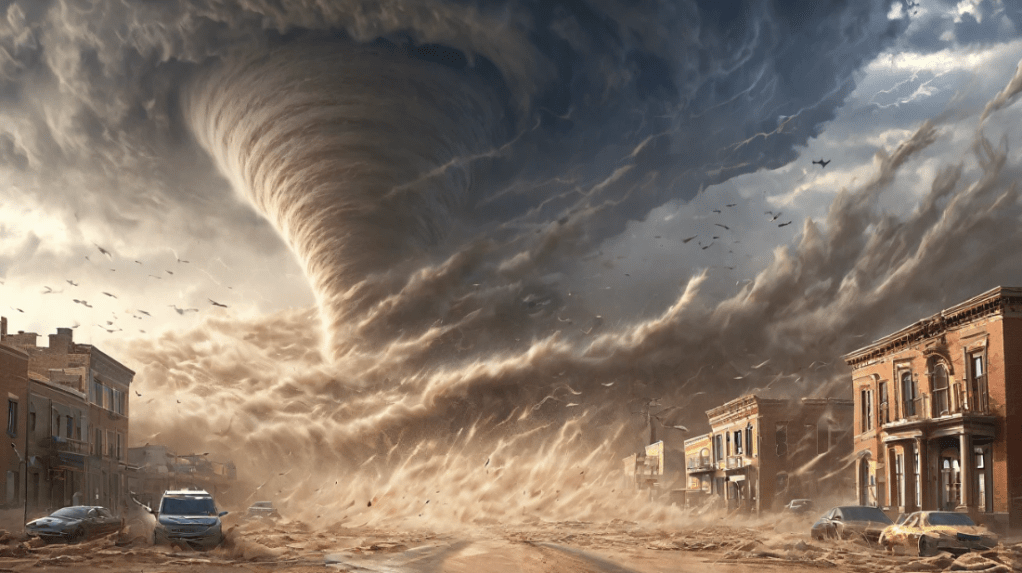
South Dakota lies in “Tornado Alley,” where twisters can form with little warning. The 1972 Black Hills Flood serves as a grim reminder of nature’s fury. In 1972, Rapid City experienced a devastating flash flood that claimed lives and reshaped the community. Visit Rapid City

Prepper Tip: Invest in a NOAA Weather Radio with tone alert and Specific Area Message Encoding (SAME) capability. These devices can provide critical warnings and are essential during power outages.Wikipedia


❄️ 2. Blizzards: Winter’s Wrath

Winters in South Dakota are brutal. Blizzards can drop temperatures to life-threatening levels, making travel impossible and power outages common.

Prepper Tip: Keep a winter survival kit in your vehicle, including blankets, non-perishable food, water, and a shovel. Ensure your home is stocked with heating fuel and backup power sources.


🌊 3. Flooding: The Hidden Threat

While not as frequent as other disasters, flooding can occur, especially in areas near rivers and streams. The 1972 flood in Rapid City is a stark reminder of this threat. Visit Rapid City

Prepper Tip: Elevate electrical appliances and utilities above potential flood levels. Consider installing sump pumps and backflow valves to protect your property.National Geographic


🔥 4. Wildfires: The Summer Menace

Dry conditions in the summer can lead to wildfires, especially during Red Flag Warnings when winds and low humidity create ideal fire conditions.

Prepper Tip: Create a defensible space around your home by clearing dead vegetation and using fire-resistant materials in construction.


🌪️ 5. Severe Thunderstorms: The Summer Squall

Summer brings severe thunderstorms with the potential for hail, damaging winds, and even tornadoes. These storms can cause significant property damage and power outages.

Prepper Tip: Secure loose objects outdoors and trim trees near your home to prevent wind damage. Keep an emergency kit with flashlights, batteries, and a first aid kit readily available.


🧭 6. Civil Air Patrol: Community Support

The South Dakota Wing Civil Air Patrol (CAP) plays a vital role in disaster response, offering aerial search and rescue, disaster relief, and humanitarian assistance. Wikipedia

Prepper Tip: Stay informed about CAP activities and consider volunteering or supporting their missions to enhance community resilience.Wikipedia


🛠️ 7. Emergency Preparedness: A Statewide Effort

South Dakota’s commitment to disaster preparedness is evident through initiatives like the Stephenson Disaster Management Institute, which provides geospatial data to assist in hazard mitigation and emergency planning. Wikipedia

Prepper Tip: Familiarize yourself with local emergency plans and participate in community preparedness programs to stay informed and ready.


🔥 8. Fire Safety: Year-Round Vigilance

Fire safety isn’t just a summer concern. In winter, heating equipment can pose fire risks, while dry conditions in spring and fall can lead to wildfires.

Prepper Tip: Install smoke detectors and fire extinguishers in key areas of your home. Regularly inspect and maintain heating equipment to prevent fire hazards.


🧊 9. Ice Storms: Slick and Dangerous

Ice storms can coat trees and power lines, leading to widespread outages and hazardous travel conditions.

Prepper Tip: Keep a battery-powered radio and extra blankets on hand. Avoid travel during icy conditions and ensure your vehicle is equipped with emergency supplies.


🚨 10. Stay Informed: Knowledge is Power

Being aware of potential threats and staying updated on weather conditions can make a significant difference in disaster preparedness.

Prepper Tip: Subscribe to local weather alerts and follow emergency management agencies on social media for real-time updates.

🧭 Final Word from a South Dakota Survivalist: Preparedness Isn’t Paranoia—It’s a Way of Life

Living in South Dakota teaches you a few hard truths early on—Mother Nature doesn’t negotiate, warnings don’t always come in time, and hope isn’t a plan. Whether it’s a blinding blizzard screaming across the plains, a tornado ripping across the horizon, or a flood swallowing the Black Hills in the dead of night, this state will test your grit. That’s why we don’t just prepare—we live prepared.

This isn’t about fear. It’s about freedom. When you’ve got six feet of snow outside, the grid goes down, and your driveway disappears under a sheet of ice, you’ll thank yourself for every gallon of water stored, every can of food sealed, every spare battery and radio tested. You’re not waiting on a rescue—you are the rescue.

Preparedness in South Dakota isn’t a weekend hobby—it’s woven into our daily routine. From stacking firewood and rotating food stores to training with our community and keeping tabs on weather alerts, we make it a lifestyle. Because out here, self-reliance isn’t old-fashioned. It’s survival.

The biggest threat isn’t just the storm itself—it’s the mindset that says, “It probably won’t happen to me.” That attitude gets people hurt. But when you’ve got a plan, when you’ve run the drills, when your gear is checked and your crew is ready, you replace panic with purpose.

Natural disasters may strike without warning, but you don’t have to be caught off guard. Whether you live in the heart of Sioux Falls, a ranch near Belle Fourche, or a cabin tucked in the Black Hills, you owe it to yourself—and your family—to be ready for anything.

So take that first step, or the next one. Check your supplies. Walk through your bug-out plan. Talk to your neighbors. Update your emergency contacts. Invest in a radio, sharpen your axe, charge your solar bank. Get after it.

Because in South Dakota, surviving the worst isn’t just about making it through the storm—it’s about being strong enough to rebuild after it.

And that, fellow preppers, is the real measure of preparedness.

Top Survival Prepper Advice for Residents of Rhode Island

As a prepper living in Rhode Island, I’ve seen first-hand the importance of preparedness when it comes to the unpredictable forces of nature. This tiny state might seem like it’s safe from the brunt of major natural disasters, but make no mistake—Rhode Island is just as susceptible to the effects of hurricanes, blizzards, flooding, and even the occasional earthquake. In this guide, I’ll break down how we, as Rhode Island residents, prepare for the worst natural disasters and share some of the most important survival tips to help you weather any storm.

Rhode Island’s Natural Disaster Landscape

CLICK HERE TO LEARN HOW TO SURVIVE A FAMINE

Though Rhode Island may not get as much media attention as states like Florida or California, it’s crucial to understand the natural disasters that can hit our shores. Living in the smallest state in the U.S. doesn’t mean we’re immune to the forces of nature. From coastal flooding to winter snowstorms, the local survival prepper community must be vigilant in order to survive. Here’s a rundown of the most common natural disasters that threaten Rhode Island:

  1. Hurricanes: Rhode Island sits along the Atlantic coast, and as such, hurricanes can impact the state during the late summer and early fall. While we’re not as prone to full-on direct hits like southern states, hurricanes can still bring heavy rains, high winds, and coastal storm surges.
  2. Flooding: Coastal and river flooding can be a serious threat in Rhode Island, especially during spring melt-offs or after heavy rainfall events. The state is home to numerous rivers and a large coastal plain that can quickly become overwhelmed by water.
  3. Blizzards and Winter Storms: The winter months in Rhode Island can be brutal, with blizzards and nor’easters regularly dumping feet of snow and ice. Power outages, tree damage, and transportation disruptions can make survival challenging for those unprepared.
  4. Earthquakes: While not a daily threat, Rhode Island lies near the boundary of the North American and African tectonic plates. Minor earthquakes, though rare, are possible, and larger tremors from nearby states could still cause significant damage.
  5. Tornadoes: Tornadoes in Rhode Island are rare but not impossible. These fierce storms can do serious damage in a short amount of time, and their unpredictability makes them a hidden danger for Rhode Island residents.

10 Survival Prepper Tips for Rhode Island Residents

Now that you understand the natural disaster risks we face, let’s dive into some practical survival tips specifically tailored for Rhode Island residents. These tips cover everything from shelter and food to weatherproofing your home and staying safe during emergencies.

  1. Build a Comprehensive Emergency Kit: In Rhode Island, hurricanes and winter storms are common threats, so having an emergency kit stocked with essentials is critical. Your kit should include enough non-perishable food and water to last at least three days, along with a flashlight, extra batteries, a first-aid kit, a battery-powered radio, and any medications you or your family might need. Don’t forget your pets—pack food and supplies for them, too.
  2. Know Your Evacuation Routes: Coastal flooding and hurricanes can force evacuation. It’s important to know your local evacuation routes ahead of time. Keep a map in your emergency kit and identify higher ground or emergency shelters where you can go if you have to leave your home in a hurry.
  3. Prepare for Power Outages: Rhode Island residents are no strangers to power outages, especially after winter snowstorms or hurricanes. Invest in a generator (make sure you know how to use it safely), stock up on extra blankets, and have flashlights and headlamps ready. Always keep a supply of batteries and a backup phone charger in case you can’t use your regular outlets.
  4. Flood-Proof Your Home: If you live in a flood-prone area, elevate important electrical equipment and appliances above possible flood levels. Installing sump pumps, flood barriers, and waterproof sealants on your home’s foundation can also help mitigate the risks of water damage.
  5. Winterize Your Property: The winter months in Rhode Island can be harsh, so take steps to winterize your home. Insulate pipes to prevent freezing, stock up on snow removal tools, and make sure your heating system is in good working order. You’ll also want to keep a supply of sand or salt on hand to melt ice around your driveway and walkways.
  6. Stay Informed with Local Alerts: The National Weather Service and local authorities will issue warnings for hurricanes, blizzards, and other severe weather. Sign up for emergency alerts from Rhode Island’s local government, and download apps that provide real-time weather information.
  7. Strengthen Your Home’s Structure: Whether it’s a hurricane or a blizzard, the integrity of your home is essential during a natural disaster. Reinforce windows and doors, trim back trees that could fall on your house during high winds, and install storm shutters if you’re in a coastal area vulnerable to hurricanes.
  8. Have a Family Communication Plan: In case of evacuation or power loss, make sure everyone in your household knows how to communicate and where to meet up. Consider creating a designated meeting point outside your home, in case phone lines are down.
  9. Invest in Water Filtration: In Rhode Island, the public water supply can be compromised during flooding or power outages. Having portable water filters or purification tablets is a smart move in case you need to rely on local streams or rivers for water.
  10. Stay Fit and Prepared for Physical Tasks: Rhode Island may not experience a lot of physical threats like wildfires, but heavy snow removal and moving supplies during a storm or evacuation require stamina. Keep your body in shape to tackle the physical demands of disaster prep.

Bonus Tip: Be Prepared for the Unexpected

While Rhode Island’s natural disasters may seem predictable in nature, it’s important to remember that the unexpected can happen at any time. Earthquakes, although rare, are possible in New England. Make sure your home is earthquake-resistant by securing heavy furniture and fragile items. Have an emergency kit specifically designed for earthquake scenarios, complete with sturdy shoes, a whistle, and a helmet.

How to Survive Rhode Island’s Worst Natural Disasters

When disaster strikes in Rhode Island, it’s important to stay calm, stay informed, and follow your survival plans. Whether it’s a storm surge from a hurricane or a heavy snowstorm cutting off your power, preparedness is key to ensuring you and your loved ones come through it unscathed.

The local prepper community in Rhode Island is tight-knit, with many sharing advice on how to better withstand the harshest conditions. They know how to read the weather, track storm systems, and take action when necessary. By following their example, you can make sure your family is ready for whatever disaster comes next.

Surviving the Big Sky: A Prepper’s Guide to Montana’s Natural Disasters

Surviving the Big Sky: A Prepper’s Guide to Montana’s Natural Disasters

Living in Montana means embracing the rugged beauty of the Big Sky State. But with that beauty comes the reality of natural disasters that can strike without warning. From wildfires to blizzards, understanding how to prepare is crucial for survival.

CLICK HERE TO LEARN HOW TO SURVIVE A FAMINE

1. Wildfires: A Constant Threat

Montana’s vast forests and dry summers make it prone to wildfires. To protect your property:

  • Create defensible space: Clear brush and dead vegetation within a 30-foot radius of your home.
  • Use fire-resistant materials: Opt for metal or tile roofing and non-combustible siding.
  • Maintain defensible zones: Keep trees trimmed and spaced to prevent fire spread.

2. Blizzards and Extreme Cold

Winter in Montana can be unforgiving. Prepare for blizzards by:

  • Winterizing your vehicle: Keep your gas tank full, install winter tires, and carry an emergency car kit.
  • Stocking up on essentials: Ensure a three-day supply of food, water, and medications.
  • Insulating your home: Use weatherstripping and insulation to retain heat.

3. Flooding Risks

While not as common, flooding can occur due to rapid snowmelt or heavy rains. To mitigate risks:

  • Elevate utilities: Install sump pumps and elevate electrical appliances above potential flood levels.
  • Improve drainage: Ensure gutters and downspouts are clear and direct water away from your foundation.
  • Purchase flood insurance: Standard homeowners insurance may not cover flood damage.

4. Tornadoes and Severe Storms

Montana is part of “Tornado Alley,” making it susceptible to tornadoes and severe storms. Stay safe by:

  • Identifying safe rooms: Choose a basement or interior room on the lowest floor without windows.
  • Monitoring weather alerts: Use a NOAA weather radio and smartphone apps for real-time updates.
  • Having an emergency kit: Include essentials like flashlights, batteries, and first aid supplies.

5. Earthquakes

While less frequent, earthquakes can occur in Montana. Prepare by:

  • Securing heavy furniture: Anchor bookshelves and cabinets to walls.
  • Creating a family emergency plan: Establish meeting points and communication methods.
  • Storing emergency supplies: Keep a kit with water, food, and first aid items.

10 Survival Prepper Tips for Montana’s Natural Disasters

  1. Stay Informed: Regularly check local weather forecasts and sign up for emergency alerts.
  2. Emergency Contacts: Maintain a list of emergency contacts, including out-of-state relatives.
  3. First Aid Training: Take a certified first aid and CPR course to handle medical emergencies.
  4. Fire Safety: Keep fire extinguishers accessible and know how to use them.
  5. Backup Power: Invest in a generator to keep essential appliances running during power outages.
  6. Evacuation Routes: Familiarize yourself with multiple evacuation routes from your home.
  7. Pet Preparedness: Have a plan for your pets, including carriers and food supplies.
  8. Community Involvement: Join local emergency response teams or neighborhood watch programs.
  9. Document Storage: Keep important documents in a waterproof and fireproof safe.
  10. Regular Drills: Conduct regular emergency drills with your family to ensure readiness.

Conclusion

Being prepared for Montana’s natural disasters requires foresight, planning, and action. By understanding the risks and implementing these survival tips, you can ensure the safety and well-being of yourself and your loved ones in the face of adversity.

Surviving Tornadoes, Blizzards, and Floods in Nebraska: What You Need to Know

Living in Nebraska isn’t just about enjoying the vast plains and rich agricultural landscape; it’s also about being prepared for the unique natural disasters that can strike the state. Tornadoes, blizzards, flooding, and extreme heat are all common occurrences, and each one can be devastating if you’re not ready. As a survival prepper in the Cornhusker State, it’s crucial to be proactive and prepared. With the right mindset and tools, you can face any disaster head-on, ensuring your safety and the well-being of your loved ones.

Nebraska’s weather is unpredictable, and it doesn’t take much for things to go from calm to catastrophic. The Great Plains region, where Nebraska sits, is known for its volatile weather patterns. From severe thunderstorms and tornadoes to deep winter snowstorms, it’s important to know what you’re up against. As a prepper, you need to be able to handle a range of natural disasters that could occur at any moment.

CLICK HERE TO LEARN HOW TO SURVIVE A FAMINE

1. Tornadoes: The Silent Killers

Tornadoes are probably the most well-known disaster in Nebraska, and for good reason. Tornado season in the state typically begins in April and peaks in May and June, but these deadly storms can strike at any time during the spring and early summer months. On average, Nebraska sees about 50 tornadoes a year, making it one of the most tornado-prone states in the country.

Prepper Tip:

  • Get a Weather Radio: Make sure you have a reliable weather radio that broadcasts severe weather alerts. When tornado warnings go out, every second counts. You need to know when it’s time to seek shelter.
  • Create a Shelter Plan: In case of a tornado, you should have a designated safe area in your home—preferably a basement or an interior room without windows.

2. Blizzards: The Deadly Cold

Winter storms in Nebraska are no joke. The state is prone to heavy snow, icy conditions, and blizzards. These storms can trap you at home for days, and if you’re not ready, they can be life-threatening. In addition to snow accumulation, wind chill temperatures can plummet to dangerous levels.

Prepper Tip:

  • Stock Up on Warm Clothing and Gear: You should have winter coats, blankets, gloves, and boots that are suitable for sub-zero temperatures. Insulated sleeping bags are also essential in case you lose heat during a winter storm.
  • Backup Heat Source: In case your power goes out, a backup heating source, like a propane heater or wood stove, is crucial for survival.

3. Flooding: The Rising Waters

Flooding is a significant threat in Nebraska, especially in areas near rivers and streams. Melting snow in the spring or sudden heavy rains can cause rivers to overflow, leading to widespread damage. Nebraska’s flat terrain doesn’t help either, as it allows water to pool in low-lying areas, making flooding even more dangerous.

Prepper Tip:

  • Elevate Important Items: Store important documents, electronics, and valuables above the flood level. Keeping a bag of emergency essentials ready to go can be a lifesaver in a flood situation.
  • Flood Insurance: If you live in a flood zone, consider getting flood insurance to protect your property from potential damage.

4. Extreme Heat: The Scorching Drought

Nebraska is no stranger to intense heatwaves, especially in late summer. High temperatures can easily soar into the 90s and even reach over 100°F, causing dehydration and heatstroke. These hot spells can be particularly dangerous if you lose access to water or cooling systems.

Prepper Tip:

  • Water, Water, Water: Stockpile water for drinking, cleaning, and cooling. A good rule of thumb is at least one gallon per person per day for at least three days.
  • Solar-Powered Cooling: Invest in solar-powered fans or air-conditioning units that can operate even if the power goes out.

5. Drought: The Silent Crisis

While not as immediately threatening as other disasters, droughts are an ongoing problem in Nebraska. These dry spells can severely impact water resources, crops, and livestock, which could lead to food shortages and economic hardship for the state’s agriculture-heavy economy.

Prepper Tip:

  • Rainwater Harvesting System: Install a rainwater harvesting system to collect and store water for your homestead. This can be a valuable resource during extended dry spells.

6. Severe Thunderstorms: The Storms That Never End

Nebraska regularly experiences severe thunderstorms, often packing heavy rains, hail, and lightning. These storms can cause flash flooding, power outages, and property damage. Lightning strikes, in particular, can ignite fires, especially during dry summer months.

Prepper Tip:

  • Surge Protectors: Protect your electronics and appliances with surge protectors to prevent damage from power surges caused by lightning strikes.
  • Emergency Lighting: Have flashlights, lanterns, and extra batteries ready for when the power goes out. A battery-powered light source can be crucial during a storm-induced blackout.

7. Wildfires: The Blaze That Spreads Quickly

While not as common as other disasters, wildfires are a growing concern in Nebraska, especially during the hotter months. The dry conditions during the summer and fall can make the state prone to grassfires and wildfires, especially in rural areas.

Prepper Tip:

  • Fire-Resistant Building Materials: If you live in an area prone to wildfires, consider using fire-resistant materials for your home’s exterior to reduce the risk of ignition.
  • Create Defensible Space: Clear brush and dry vegetation around your home to create a defensible space that can help prevent wildfires from spreading to your property.

8. Earthquakes: A Rare but Real Threat

Though Nebraska doesn’t sit on a major fault line, minor earthquakes do occur in the state from time to time. While they are usually low in magnitude, it’s still essential to be prepared for the possibility of shaking ground.

Prepper Tip:

  • Secure Heavy Items: Anchor heavy furniture and appliances to the wall to prevent them from tipping over during an earthquake.

9. Tornado Preparation: A Must-Have Checklist

When it comes to tornadoes, preparation can save lives. Having an emergency kit and a plan is critical, especially in Nebraska, where tornadoes can strike unexpectedly.

Prepper Tip:

  • Emergency Kit: Your kit should include non-perishable food, water, first-aid supplies, flashlights, extra batteries, a multi-tool, and a battery-powered weather radio.

10. Mental Preparedness: Stay Calm Under Pressure

Surviving a disaster isn’t just about having the right gear; it’s about staying calm and knowing what to do when things go south. Mental preparation is just as important as physical preparedness.

Prepper Tip:

  • Practice Drills: Regularly practice your emergency plan with your family to ensure everyone knows their role. The more you practice, the better prepared you’ll be when disaster strikes.

11. Community Preparedness: Teamwork Matters

Survival isn’t just about individual readiness; it’s about being a part of a community that can support one another during times of crisis. In rural Nebraska, neighbors help neighbors, and that’s a crucial part of surviving natural disasters.

Prepper Tip:

  • Form a Local Prepper Group: Building a community of like-minded individuals can be a valuable asset during a disaster. Share resources, information, and strategies to strengthen your collective resilience.

Why Nebraska Is Extremely Dangerous for Prepping: An In-Depth Conclusion

At first glance, Nebraska might not strike outsiders as a high-risk zone. With its expansive prairies, friendly small towns, and an economy rooted in agriculture, it looks like the picture of Midwestern peace. But for those of us who live here—and especially for those of us who prep—Nebraska is one of the most challenging environments to prepare for. The danger doesn’t come from just one source; it’s the unpredictable and often overlapping natural disasters that make this state uniquely hazardous and demanding for preppers.

The first major threat is Nebraska’s position in Tornado Alley. With dozens of tornadoes every year and a climate that encourages sudden, violent supercells, the state is a hotbed for twisters that can level homes in seconds. Tornadoes are fast, unpredictable, and unforgiving. And even with early warning systems, their destructive power makes sheltering and recovery extremely difficult. Unlike hurricanes or wildfires, tornadoes offer almost no time to evacuate.

Then there’s the brutal winter weather. Nebraska gets hit hard by blizzards, ice storms, and polar vortex events. Roads shut down, power lines snap, and rural areas can be cut off for days or even weeks. Survival isn’t about convenience—it’s about staying alive in subzero temperatures, without power or access to supplies. Unlike more temperate states, Nebraska’s winters can kill.

Flooding adds another layer of complexity. With so much of the land flat and many communities built along rivers and streams, Nebraska can go from bone-dry to underwater in hours. The 2019 floods were historic and catastrophic, washing out entire towns, damaging major infrastructure, and isolating thousands. For preppers, this means bug-out locations, stored supplies, and even livestock can be compromised in a single event.

Let’s not forget the scorching summer heat and prolonged droughts that cripple water resources and food production. These events don’t always make headlines like tornadoes or blizzards, but they are slow-burning disasters that threaten long-term sustainability. A prepper without water or a plan for agricultural self-reliance in Nebraska’s dry months is in serious trouble.

In many states, preppers can focus on one or two major disaster types. In Nebraska, you need to be prepared for everything—often all at once. You need to build tornado-proof shelters, winterize your property, plan for drought and heat, and still worry about flash floods and wildfires. The sheer variety of threats requires an advanced level of readiness and constant adaptation.

Moreover, the rural nature of much of Nebraska can be both a blessing and a curse. On one hand, distance from urban centers can mean safety from civil unrest. On the other hand, isolation during a disaster can mean delayed emergency response, limited medical care, and difficulty accessing supplies. If you’re not fully self-reliant out here, you’re vulnerable.

In short, Nebraska doesn’t give you a break. It’s one of the few places in the country where you have to be prepared for every season, every threat, every possibility. It’s a land of extremes, and those extremes can compound to create the perfect storm. That’s what makes Nebraska so dangerous for preppers. It’s not the possibility of disaster—it’s the certainty of multiple disasters, often back to back.

This isn’t a place for casual prepping. Nebraska demands total readiness, adaptability, and constant vigilance. But for those of us who live here and are willing to put in the work, there’s a certain pride in knowing we’re ready for anything. Because in Nebraska, you have to be.