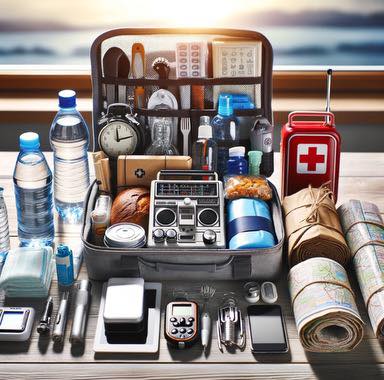
Survival Gourmet: Crafting Mouthwatering Meals from Foraged Foods

As survivalists, we’re not here just to endure when things go south—we’re here to thrive. It’s about living comfortably and even enjoying a level of self-sufficiency that would leave most people scratching their heads in disbelief. When the world seems to crumble around us, why should we settle for just surviving? We should be aiming to live well, even in the worst of situations.

If you’ve been reading this newsletter for a while, you know that we’re not just focusing on scraping by on the bare essentials. We’re looking for ways to elevate our prepping and survival strategies—ways that allow us to thrive. One of the most overlooked aspects of prepping is the culinary potential of foraged foods.

When people think of foraged foods, they often ask, “Can I eat that?” or “How many calories does this have?” But have you ever considered that you can actually make gourmet meals from the wild ingredients you find around you? You heard me right—gourmet meals. In an emergency, it might seem a little far-fetched, as we often focus on surviving with the bare minimum, but it doesn’t have to be that way.

Nature, my fellow preppers, is an overflowing pantry, full of edible plants, roots, and berries that can be transformed into meals that not only nourish you, but actually delight your taste buds. Sure, it takes a little time to learn what’s safe to eat, and it requires some knowledge and skill. But once you’ve got a grip on your local foraged foods, turning them into meals that others would envy—whether it’s during normal times or post-collapse—isn’t as difficult as it might seem.

Getting Started: Learn Your Local Flora

Before we dive into recipes, the first step is to learn how to identify edible plants in your area. Knowledge is power when it comes to foraging. You don’t want to find yourself looking at a plant you think is edible only to realize it’s toxic or inedible. Start by getting a field guide specific to your area, or even better, attend foraging courses, and practice regularly.

Some basics to focus on include:

  • Wild greens like dandelion, lamb’s quarters, and purslane.
  • Nuts and seeds such as acorns and pine nuts.
  • Roots and tubers like Jerusalem artichokes and cattails.
  • Fruits and berries like elderberries, wild strawberries, and blackberries.

By studying these plants, you’ll build the foundation for successful foraging. Once you know what’s safe to eat, you can begin experimenting with different ways to prepare and combine your finds.

Gourmet Meals in the Wilderness? Absolutely.

Here’s where it gets interesting: once you’re comfortable with your foraging knowledge, you can move beyond survival foods and start creating delicious, gourmet-style meals. The key is in how you approach these wild ingredients. You’re not just throwing plants into a pot and calling it good; you’re using what nature has to offer to elevate your meals to something special.

For example:

  • Jerusalem Artichokes: These little tubers are often overlooked, but they can make a delicious faux potato salad when boiled and mixed with wild herbs, mustard, and olive oil (or whatever fat you’ve got).
  • Acorn Flour: If you’ve never tried it, acorn flour can be used to thicken stews or even make rustic flatbreads. It has a nutty, earthy flavor that gives your meal an amazing depth.
  • Wild Mushrooms: Certain wild mushrooms like morels and chanterelles can be sautéed in fat and added to just about anything for a gourmet touch. They provide a savory, meaty flavor that’s perfect for adding richness to a simple dish.

While it may seem complicated at first, you’ll find that once you get the hang of it, preparing meals from foraged ingredients becomes a skill that’s not only practical but also enjoyable. It requires creativity, an understanding of what flavors complement each other, and a willingness to experiment.

Cooking Without Your Gadgets

One of the biggest challenges when it comes to preparing meals in a post-SHTF world is cooking without your usual kitchen gadgets. Don’t worry, though—primitive cooking methods can be incredibly effective, and many of them can be done over an open fire or with minimal tools.

Here are some primitive cooking methods to consider:

  • Open Fire Cooking: A well-constructed fire pit can serve as your cooking hub. You can cook food in cast iron pots, or even use foil to wrap food and place it in the coals.
  • Dutch Oven: If you have a Dutch oven, it’s one of the best tools for slow cooking. Perfect for stews, soups, or even bread, a Dutch oven can withstand the heat of an open fire.
  • Clay Cooking: You can fashion cooking vessels out of clay or use stones to make primitive “bake ovens.” Just remember to test any homemade stoneware in a fire before using it for actual cooking.
  • Smoking and Drying: Learn to preserve meat and fish by smoking it or drying it over a fire. This is a valuable skill that will keep your foraged meats from spoiling.

10 Prepper Tips for Foraging and Cooking with Wild Foods

  1. Start Small and Build Knowledge: Don’t try to learn everything at once. Start with a few easily identifiable edible plants and build from there. Familiarize yourself with seasonal foraging to ensure you’re never left without options.
  2. Have a Foraging Kit Ready: Pack a foraging bag with a few essential items, such as a small knife, a notebook for notes, a field guide, and some gloves to protect your hands from rough plants or potential toxins.
  3. Practice Safe Foraging: Always be 100% sure that the plant is safe to eat. If in doubt, don’t eat it. Make use of online groups or local experts to double-check your finds.
  4. Know Your Toxic Plants: Familiarize yourself with the plants that are toxic or unsafe to eat. These include poison ivy, poison oak, and certain species of mushrooms. Avoid them at all costs.
  5. Prioritize Nutrition: When foraging, focus on plants that are rich in nutrients. Wild greens, nuts, berries, and tubers can provide the vitamins and calories needed to sustain you.
  6. Use Natural Condiments: Foraged plants like wild garlic, mustard, or even wild herbs can make excellent seasonings. Use them to bring flavor to otherwise bland meals.
  7. Stockpile Dried Foraged Foods: Preserve what you find by drying or dehydrating it. Herbs, fruits, and even mushrooms can be dried for long-term storage. This gives you a pantry to draw from in leaner times.
  8. Try Wild Game: In addition to plant foraging, learn how to hunt and fish. Wild game, including small animals like squirrels or rabbits, can be an essential protein source. Make sure you have a solid hunting or trapping plan.
  9. Practice Primitive Cooking Techniques: Set up a small campfire and practice cooking with primitive methods. This could include roasting food on sticks, using foil, or learning to cook in a Dutch oven.
  10. Stay Creative: The beauty of foraging is that it forces you to be resourceful. Look at wild ingredients and experiment—wild berries can be turned into jam, wild mushrooms into gravy, and greens into hearty salads.

Conclusion: Thrive with Foraged Foods

In a survival situation, you don’t have to settle for bland or basic meals. Nature is a treasure trove of delicious, nutritious, and varied ingredients just waiting for you to discover them. By learning how to identify and cook with foraged foods, you’ll be able to not just survive—but thrive.

So go ahead, prepper. Don’t just survive; live well, even when times are tough. Expand your knowledge, sharpen your skills, and get creative with the wild ingredients that are all around you. When the world falls apart, you’ll be eating gourmet meals over an open fire—and that’s a luxury worth having.

Dehydration Dangers: The 518,000-Case Wake-Up Call

518,000 Health Crises Later: Still Ignoring Dehydration?

Let me hit you with a cold, hard fact: over 518,000 Americans end up in the hospital every single year because of dehydration. And even more alarming—10,000 of them don’t walk back out.

Now if that number doesn’t stop you in your tracks, I don’t know what will. That’s 10,000 preventable deaths—from something as simple and essential as water.

As survival preppers, we spend our time thinking ahead, planning for the worst, and gearing up for the unexpected. We stockpile food, purify air, build bug-out bags, and plan for social collapse. But how many of us are truly ready to face a silent, creeping killer that’s already knocking on our door—right now, every summer, and in every disaster scenario?

You guessed it. Dehydration.


Don’t Be Fooled by a Sunny Day

Summer can fool the unprepared. Warm weather lulls folks into a false sense of comfort. The grills are fired up, beaches are packed, the kids are running through sprinklers—and right under our noses, people are dropping like flies from something that could’ve been fixed with a bottle of water and a little know-how.

But listen closely—dehydration doesn’t wait for you to feel thirsty. That’s right. By the time you’re thirsty, you’re already dehydrated.

Let me repeat that: thirst is not an early warning system—it’s a distress signal.


Dehydration Symptoms You Can’t Afford to Miss

If you’re building a prepper mindset, you need to know the early indicators. I’m not talking about some vague, optional side effects—these are battlefield-level warning signs that your body is running low on its most critical resource: water.

Here’s what to watch for—on the homestead, in the woods, or during the next grid-down scenario:

  • Fatigue or Dizziness – When you’re low on fluids, your blood volume drops, your pressure tanks, and next thing you know, you’re woozy and weak. That’s a liability in any emergency.
  • Infrequent Urination – Not peeing regularly? That’s a classic sign you’re drying up inside.
  • Dark-Colored Urine – If your urine looks like strong coffee, sound the alarm. You’re dehydrated.
  • Headaches – This isn’t just a nuisance; it’s your brain screaming that it’s running on low coolant.
  • Irritability or Confusion – If you or someone else starts acting out of sorts, don’t assume it’s stress. It could be dehydration impairing brain function.

These symptoms are red flags, and any one of them should have you reaching for water immediately.


Why This Matters More in Survival Situations

Now imagine this: the power grid goes down. It’s 100 degrees outside. The municipal water supply is compromised. You’re rationing food, the fridge is dead, and the only thing between your family and heat stroke is your emergency water reserve.

Dehydration becomes a life-or-death threat real fast.

And when that SHTF moment comes, there won’t be ambulances, IV fluids, or hospital beds waiting for you.

That’s why staying ahead of dehydration isn’t just smart—it’s survival.


10 Survival Prepper Tips to Combat Dehydration

Let’s get into some real prepper solutions—not just theory, but tactics that can help you and your family survive when clean water becomes a luxury.

1. Store More Water Than You Think You Need

FEMA recommends one gallon per person, per day. That’s a joke in a real emergency. Aim for three gallons per person, per day—minimum. Store it in food-grade containers, rotated every 6 months.

2. Invest in Water Filtration and Purification

A quality gravity-fed filter like a Berkey or Sawyer can turn sketchy river water into drinkable gold. Keep bleach drops, iodine tablets, and UV purifiers as backups.

3. Don’t Forget Electrolytes

Water alone won’t cut it. Salt, potassium, and magnesium are vital. Stock up on electrolyte powders or make your own rehydration mix with salt, sugar, and baking soda.

4. Monitor Urine Color Daily

Make this a family habit during hot months or crises. Light yellow = good. Dark yellow or amber = bad.

5. Drink Regularly—Not Just When Thirsty

Set a timer if you must. Sip water throughout the day—especially if you’re outside working, sweating, or exposed to the heat.

6. Eat Hydrating Foods

Canned fruits, cucumbers, tomatoes, and watermelon are high in water content. They also provide natural sugars and minerals that aid absorption.

7. Avoid Alcohol and Caffeine in Survival Scenarios

These are diuretics. They’ll drain your water reserves and leave you worse off. Save the whiskey for when the crisis is over.

8. Cool Your Body with Shade and Clothing

Reduce the need for water by keeping your core temperature down. Use tarps, wear light-colored clothing, and take breaks from the sun.

9. Educate Your Group or Family

Hold a 10-minute hydration drill. Teach everyone—from kids to elders—how to spot dehydration early and how to react fast.

10. Track Inventory and Rotate Supplies

Water and electrolyte supplies can go stale or expire. Log what you have, mark dates, and rotate stock like you would food.


Your Body Is Your First Survival Tool

Your knives, radios, and MREs won’t mean a thing if you collapse from heat exhaustion or dehydration. In every emergency, the first line of defense is your own health and awareness.

So while others are soaking up the sun this summer, let’s be the ones thinking two steps ahead. Let’s be the ones who teach our families that hydration is more than a habit—it’s an essential survival skill.


Final Word

Over half a million people every year in America alone suffer dehydration so severe it lands them in the hospital. 10,000 die. Most of them never saw it coming. Don’t be one of them. Don’t let your loved ones be one of them.

In uncertain times, we can’t afford to be reactive. We need to be proactive. Prepared. Trained. Aware.

Hydrate, stay alert, and stay alive.

Fueling Your Survival: How Many Calories Should You Consume in an Emergency?

Fueling Your Survival: How Many Calories Should You Consume in an Emergency?

When it comes to surviving a crisis, one of the most overlooked yet essential factors is nutrition. Sure, you can stockpile cans of beans and bags of rice, but do you know how much food you and your family actually need to stay alive when the worst hits? How many calories do you need to keep your body functioning during an emergency, and how should you prepare for the long haul? Let’s break it down.

The Basics of Caloric Needs

First off, let’s address a fundamental question: How many calories does a person really need to survive?

It turns out that the average adult requires only about 1,200 to 1,500 calories per day for basic survival. This number might seem low, but it’s based on the bare minimum your body needs to perform essential physiological functions—like keeping your heart pumping, your lungs breathing, and your body temperature stable. Researchers have shown that the body can survive on this minimal caloric intake for a period, provided there’s no physical exertion involved.

But here’s the catch: Survival is not the same as thriving. When you’re in an emergency situation, especially when it’s long-term, your body is going to be put under serious stress. It’s not just about staying alive—it’s about staying sharp, staying strong, and keeping your mental focus intact. You’ll be moving, lifting, thinking, and possibly defending yourself. Your calorie needs will increase.

What’s Your Actual Caloric Need in a Crisis?

If you’re in a situation where you’re physically active—whether it’s from preparing your shelter, gathering water, scavenging, building a fire, or defending yourself from threats—your caloric intake needs will skyrocket. In an emergency or survival situation, your body will burn through calories much faster than when you’re just sitting around.

For an average, moderately active man, the caloric requirement could easily be around 2,500 calories per day, and for an average, moderately active woman, about 2,000 calories per day. But even that might not be enough if you’re really working hard. If you’re chopping wood for hours, hiking long distances to find supplies, or performing other strenuous tasks, your body could easily demand an extra 500 to 1,000 calories per day.

Now, keep in mind, that’s just to maintain your weight and health. If you want to thrive, if you want to keep your energy levels high and your mind sharp, you’ll need to be even more strategic with what you eat.

Fueling for Long-Term Survival

When you’re preparing for a survival situation, you’re not just stocking up on food. You need to think about the quality of food, not just the quantity. High-calorie, nutrient-dense foods are a must. Your body needs more than just empty calories. It needs protein for muscle repair, healthy fats for energy, and carbohydrates for sustained fuel. The trick is choosing foods that pack a punch without being too bulky or hard to store.

Here are a few suggestions for survival-friendly foods that should be at the top of your list:

  • Nuts and seeds: These are calorie-dense and packed with healthy fats, protein, and fiber. A small handful of almonds or sunflower seeds can provide a substantial amount of energy.
  • Dried fruits: High in natural sugars, dried fruits like apricots, raisins, and figs can give you an instant energy boost. Plus, they’re lightweight and easy to store.
  • Canned goods: Canned beans, vegetables, and meats are calorie-rich and don’t require refrigeration. Just be sure to rotate them regularly and consider the sodium content, as too much salt can be a problem in large quantities.
  • Protein bars: A great way to get protein, carbs, and fat all in one portable package. They’re lightweight and easy to carry with you, making them perfect for survival situations.
  • MREs (Meals Ready to Eat): MREs are designed to be lightweight, nutrient-dense, and easy to prepare in the field. While they can be expensive, they’re a great addition to any prepper’s pantry for emergencies.
  • Dehydrated meals: These are a bit more convenient than MREs, and they offer a variety of meal options. Just add water, and you’ve got a decent meal that’s loaded with the calories you need.

The Importance of Prepping for Nutrient-Rich Calories

While stockpiling enough food for your family is essential, you need to make sure your food stores are not just full of empty calories. A steady diet of nothing but high-carb foods like ramen noodles or white bread will give you the calories you need to survive for a short period, but it won’t provide the nutrients your body needs to function at its best.

In an emergency, you’ll need foods that keep you alert and give you the stamina to keep moving. If you’re relying on canned chili and potato chips, your energy levels will plummet, and your mind will become sluggish. That’s why it’s so important to prioritize high-calorie, nutrient-dense foods—things that offer a full spectrum of vitamins, minerals, and other nutrients, not just calories.

Survival Prepper Tips for Managing Caloric Intake

Here are 10 survival prepper tips to make sure you have the calories you need when the worst happens:

  1. Know Your Caloric Needs: Understanding how many calories you need is the first step. Factor in your level of activity, your age, and your weight to determine the calories necessary to keep you going during a crisis.
  2. Prioritize High-Calorie, Nutrient-Dense Foods: Focus on calorie-dense foods that are rich in protein, healthy fats, and fiber. These will give you sustained energy without weighing you down.
  3. Stockpile Diverse Foods: Don’t just store one type of food. A variety of proteins, carbs, fats, and vitamins will keep your body functioning properly.
  4. Consider Freeze-Dried Meals: Freeze-dried foods have a long shelf life, are lightweight, and are packed with calories. Just add water, and you’ve got a hearty meal.
  5. Rotate Your Stock: Regularly rotate your food supply to ensure everything remains fresh and doesn’t go to waste. Set a schedule for checking expiration dates and using up older food.
  6. Carry Compact, High-Energy Snacks: Have portable, high-calorie snacks like protein bars, trail mix, or beef jerky on hand for when you need a quick energy boost on the go.
  7. Focus on Food Preservation: Learn how to preserve food in various ways—canning, drying, fermenting, and smoking. This will give you access to a variety of nutrient-dense foods for long-term storage.
  8. Hydrate Properly: Water is essential for survival, but so is the electrolyte balance. Keep a stash of electrolyte powders or sports drinks to replenish lost minerals during physical exertion.
  9. Think About Sustainable Sources: If you’re relying on wild foraging or hunting, know what’s edible and calorie-dense. Learn about local plants, nuts, and berries, and how to trap or fish.
  10. Avoid Junk Food: It’s tempting to buy cheap junk food that’s calorie-dense, but it’s often full of empty calories and won’t keep you feeling energized or healthy. Avoid overly processed, sugary, or high-sodium options.

Conclusion: Fueling the Fight for Survival

When SHTF, survival is a marathon, not a sprint. Keeping your body in peak condition is critical to navigating the challenges that lie ahead. Whether you’re holed up in a shelter or out scavenging for supplies, your body will need proper fuel to perform at its best.

By calculating your caloric needs and prioritizing high-energy, nutrient-rich foods, you can ensure that you and your loved ones will have the stamina to thrive, not just survive. Make sure your food stores are stocked with the right items, and plan for a long-term emergency. When the worst happens, you’ll be ready to keep moving, thinking clearly, and ultimately, surviving.

Do This Before Your Neighbors Become Dangerous

Do This Before Your Neighbors Become Dangerous: A Survivalist’s Guide

In times of crisis, the greatest threat may not come from distant enemies but from those living closest to you. When societal structures begin to crumble, neighbors—once familiar faces—can quickly become unpredictable and even dangerous. As a survivalist, it’s imperative to prepare not only for external threats but also for the potential dangers lurking next door.

Understanding the Threat

The collapse of societal norms can lead to desperation. People who once adhered to the rule of law may resort to violence or theft to secure resources. In such scenarios, your immediate environment becomes a battleground. Recognizing this reality is the first step in fortifying your home and ensuring the safety of your loved ones.

1. Fortify Your Home’s Exterior

Your home’s perimeter is your first line of defense. Strengthen it by:

  • Reinforcing Doors and Windows: Install solid core doors and metal or reinforced frames. Use security film on windows to prevent easy break-ins.
  • Securing Entry Points: Add deadbolts, slide bolts, and security bars where appropriate. Ensure all gates are locked and consider adding a secondary locking mechanism.
  • Installing Motion-Sensing Lights: These can deter intruders and alert you to movement around your property.

2. Establish a Safe Room

A designated safe room can be a lifesaver. This should be a room with:

  • Reinforced Walls and Door: Use materials like steel or solid wood.
  • Communication Tools: Keep a charged phone and a two-way radio.
  • Supplies: Stock with water, non-perishable food, first-aid kit, and self-defense tools.

3. Develop a Neighborhood Watch

Community vigilance can be a powerful deterrent. Organize a neighborhood watch by:

  • Establishing Communication Channels: Use group messaging apps to stay informed.
  • Setting Up Regular Check-Ins: Regularly assess the well-being of neighbors, especially the elderly or those living alone.
  • Sharing Information: Report suspicious activities to local authorities and fellow neighbors promptly.

4. Maintain Situational Awareness

Always be aware of your surroundings. This includes:

  • Monitoring Local News: Stay updated on events that could impact your area.
  • Observing Unusual Activities: Note unfamiliar vehicles or people in your neighborhood.
  • Trusting Your Instincts: If something feels off, investigate further or alert others.

5. Secure Water and Food Sources

In times of crisis, access to clean water and food can become scarce. Prepare by:

  • Storing Water: Aim for at least one gallon per person per day for at least three days.
  • Stockpiling Non-Perishable Foods: Include items like canned goods, dried fruits, and grains.
  • Purification Methods: Have water purification tablets or filters on hand.

6. Arm Yourself Responsibly

While firearms can be an effective means of self-defense, they come with responsibilities. Ensure:

  • Proper Training: Take courses on firearm safety and usage.
  • Secure Storage: Keep weapons locked and out of reach of unauthorized individuals.
  • Legal Compliance: Adhere to all local and state laws regarding firearm ownership and use.

7. Create Diversion Strategies

In case of an intruder, having diversion tactics can buy you valuable time. Consider:

  • Noise Makers: Use alarms or whistles to disorient intruders.
  • Escape Routes: Plan and practice multiple exit strategies.
  • Decoy Items: Place valuables in less obvious locations.

8. Build Strong Relationships with Trusted Neighbors

Not all neighbors will pose a threat. Cultivate relationships with those you trust by:

  • Offering Help: Assist with tasks or share resources.
  • Sharing Information: Keep them informed about potential threats or emergencies.
  • Establishing Mutual Aid Agreements: Agree on how to support each other during crises.

9. Practice Regular Drills

Preparation is key. Conduct regular drills to:

  • Test Emergency Plans: Ensure everyone knows their role during a crisis.
  • Identify Weaknesses: Spot areas in your defense plan that need improvement.
  • Build Confidence: Familiarize everyone with procedures to reduce panic during real events.

10. Stay Informed and Adapt

The landscape of threats can change rapidly. Stay informed by:

  • Attending Workshops: Participate in survivalist and preparedness seminars.
  • Reading Relevant Literature: Keep updated with books and articles on home defense and survival tactics.
  • Networking: Join online forums or local groups to exchange knowledge and experiences.

Conclusion

The safety of your home and loved ones depends on proactive preparation. By fortifying your home, establishing strong community ties, and staying vigilant, you can mitigate the risks posed by dangerous neighbors in times of crisis. Remember, in the world of survivalism, it’s better to be over-prepared than caught off guard.

For further reading and resources on home defense and survival tactics, consider exploring the following:

Stay safe, stay prepared.

What No One Considers When Bugging Out…Until It’s Too Late

Imagine you’re coming back from work one day, and you receive this message.

“Emergency Alert – Hurricane Warning”

You are being instructed to evacuate as quickly as possible.

But that doesn’t scare you.

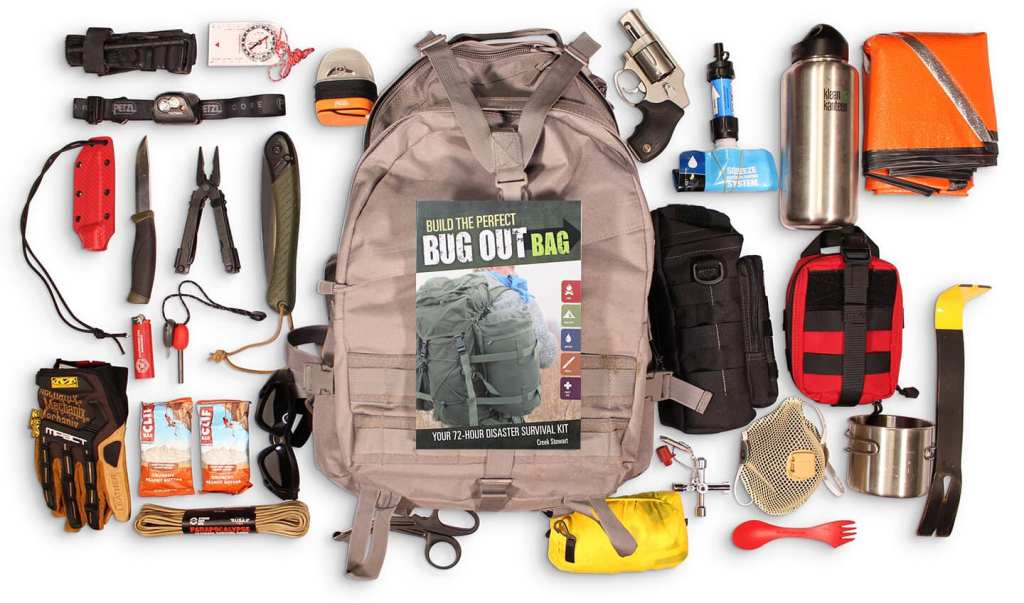
You grab your bug-out bag, gather your family, and head for the road.

Following your carefully planned escape route.

But there’s one factor you haven’t considered. Everyone else is trying to do the same thing.

The reality is, when emergency strikes, roads will be congested, gas stations will run dry, and tensions will be high.

And the approaching hurricane will not be making things any easier.

Doesn’t sound ideal, does it?

This is why having one escape route is not enough.

You need multiple options.

Begin by evaluating your escape routes and identifying less-traveled alternatives that could allow you to stay away from congested areas.

Also, consider the timing of your departure. Leaving at the first sign of trouble, before the masses clog the road, could give you a critical head start.

Additionally, it’s essential to prepare for the possibility that you may need to abandon your vehicle and continue on foot.

Ensure that your bug-out bag is equipped with the necessary items for a long trek and that your loved ones are physically prepared for such a journey.

And don’t forget to have a backup plan.

In the unpredictable world we live in, it’s essential to be adaptable and ready to alter course if your initial plan proves unfeasible.

I know people who are dead set on their emergency plans, and refuse to modify them.

However, adaptability is essential in emergency situations.

Follow these 10 survivalism steps to craft multiple emergency plans quickly.

By taking the time to rethink your bug-out plan you can account for the often-overlooked risk of getting caught in the disarray of a mass evacuation.

And you can make more informed decisions when emergency strikes.

Remember, it’s not just about planning for things you can expect. It’s also about being ready to face unexpected challenges that may arise along the way.

So take the time to consider every option available.

Don’t Bug Out Unless You’ve Thought About This

Sometimes we have to make tough decisions.

Decisions that can determine the fate of our families and our own future.

One of these decisions is knowing when to bug out, and when to stay put.

Deciding whether you should bug out or not is like choosing a partner.

It can either make you or break you.

Sometimes, it can be a lifesaving choice.

But bug out when you shouldn’t, and the consequences could be catastrophic.

I will tell you everything you need to know before you make a decision.

So you can protect yourself and your family with confidence.

First and foremost, always trust your instincts.

As I’ve mentioned in previous articles, our intuition is an incredible thing that can assist in guiding us in high-stress situations.

If your gut is telling you that it’s time to bug out, take that feeling seriously.

Next, consider the severity of the hazard.

Is it something that’s likely to escalate?

Or is it a situation that may subside without causing any significant harm?

For example, if you’re facing a natural emergency like a wildfire or hurricane, bugging out might be the greatest option to escape imminent risk.

On the other hand, if it’s a temporary power outage or a localized matter, staying put might be wise.

So these are the factors that you can’t control

Let’s talk about the things you can control.

Your resources.

When deciding whether to bug out or not, take a good look at your stockpiles.

If you have enough food, water, and first aid to last you throughout the whole emergency, then might want to stay indoors.

But if you need to look elsewhere for gear and essentials, then evacuating could be a necessity.

Then there’s the condition of your vehicle.

Whether we like it or not, our cars are essential for bugging out.

Evacuating on foot can be a hundred times tougher.

Another critical factor is the well-being of your family.

If you have young children, elderly relatives, or anyone with special needs, bugging out may be more challenging.

In some cases, staying put and fortifying your house could be safer.

Making the decision to bug out or not isn’t easy.

By considering these factors, however, you can pick the correct option.

Remember, having a well-thought-out plan in place will always beat getting caught unprepared.

So think about the things that you can and can’t control, and choose wisely.

Keep This Versatile Item In Your Bug-Out Bag.

Did you know you have an incredible prepping tool in your bathroom cabinet?

It’s true. No one thinks about it.

And yet dental floss has many uses that might come in handy when the chips are down.

First and foremost, it is essential for maintaining oral hygiene.

In a post-emergency scenario, dental care may be nonexistent.

Taking care of your teeth and gums is essential for preventing infections and other health hazards.

Dental floss can allow you to maintain good oral health, even in the most challenging circumstances.

But beyond its primary use, it has a surprising number of other applications that can come in handy in an emergency situation.

Its thin yet incredibly strong nature makes it a versatile tool.

For example, dental floss can be used as a makeshift fishing line.

If you find yourself needing to catch fish for sustenance, simply attach a hook to the end of the floss and cast it into the water.

Its inconspicuous appearance makes it less likely to scare fish, and its strength ensures that it can handle the weight of your catch.

Another practical use for dental floss is as a sturdy thread for sewing.

Whether you need to mend torn clothing, stitch up a wound, or create makeshift gear, dental floss is a reliable option.

Dental floss can also be used to create a tripwire alarm system around your camp or bug-out location.

By stretching it taut between trees or other anchor points, you can create a simple perimeter that will alert you if someone or something attempts to enter your area.

Tie a few aluminum cans or other noise-making objects to the floss, and you’ll have an early warning system in place.

These are just a few examples of the many uses for dental floss in an emergency situation.

What I love the most about it is that it comes in small packaging, so it doesn’t take up any space in your bug-out bag.

It’s light, compact, and versatile.

Why don’t you throw one in your bug out bag?

Can you bug out on foot?

Ask anyone what their plan when SHTF is, and they’ll you,

“I’ll just grab my family, hop in the car, and head out.”

And I don’t blame them.

Our vehicles are essential when it comes to a solid evacuation plan during an emergency.

But the reality is, your car might not always be there for you, brother.

It might run out of gas, have a flat tire, or become stuck in a traffic jam when you need it the most.

Or it might not be safe to evacuate with a car when there are major floods going on.

The point is, knowing how to evacuate on foot is a skill that everyone must have.

This goes beyond stamina and grit.

Because of its nature, bugging out on foot requires smart planning.

And knowing the lay of the land.

So let’s talk survival gear.

Your bug-out bag is your lifeline. It should be light but packed with essentials.

Water, non-perishable snacks, a map,

As well as these crucial items shown in this survivalist YouTube video.

Next we are going to consider the route.

Pre-planning multiple escape paths is essential, as is a solid understanding of your area’s geography.

Remember, the shortest route isn’t always the safest. Stay away from bottlenecks and high-conflict areas where possible.

Next on the list, footwear.

Everyone forgets about the importance of proper footwear until their feet become filled with blisters and they can’t even walk, let alone run.

See how to choose the appropriate footwear for off-the-grid survival before the worst happens.

And let’s not forget about stealth and security.

Traveling by foot requires you to be more aware of your surroundings.

Use natural cover, move at times when visibility is in your favor, and always have a plan for evading unwanted attention.

I’m also sure you understand that fitness plays a crucial role.

Regular walks, jogs, or hikes with your bug-out bag can prepare you for the demands of a real SHTF scenario.

Both physically and mentally.

While I hope it will not ever come this,

It’s always better to be safe than sorry.

Equip yourself with knowledge, gear, and the physical readiness to face whatever comes your way.

And remember, it’s not just about getting out, it’s about getting to safety.