

As a survival prepper living in California, it’s essential to have a list of top-notch campsites that double as places of refuge in the event of an emergency. Whether you’re looking to hone your outdoor skills, set up a bug-out location, or simply escape the chaos of the modern world, California offers a vast array of camping spots that can cater to any prepper’s needs. From dense forests and towering mountains to secluded deserts and rugged coastlines, there’s no shortage of perfect places to prepare for any disaster scenario. In this guide, I’ll take you through some of the best campsites across the Golden State that will test your survival skills, provide strategic retreat options, and immerse you in nature.
- Camping Sites: California State Parks
- Weather: California Weather Service
- Hiking Trails: AllTrails – California
- Road Conditions: Caltrans QuickMap
1. Big Sur – Andrew Molera State Park
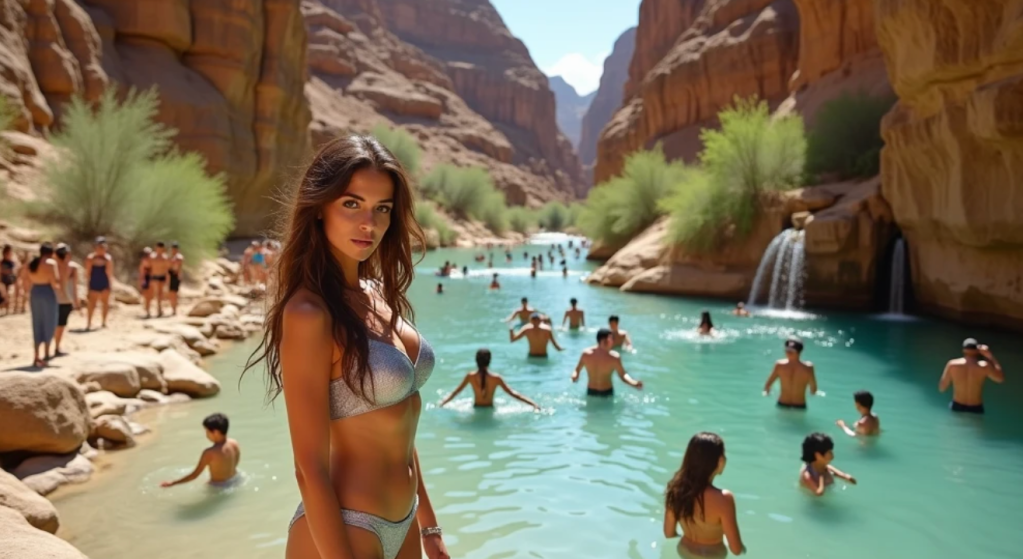
Big Sur is one of California’s most iconic landscapes. The rugged cliffs, dense forests, and wild coastline make it a natural fort for anyone preparing for a disaster. Andrew Molera State Park offers campgrounds that are remote enough to give you the solitude needed for prepping, while still offering access to some of the state’s most breathtaking views. With its proximity to both freshwater and saltwater, this site is ideal for practicing your water purification methods or simply enjoying a weekend of bushcraft and fishing.
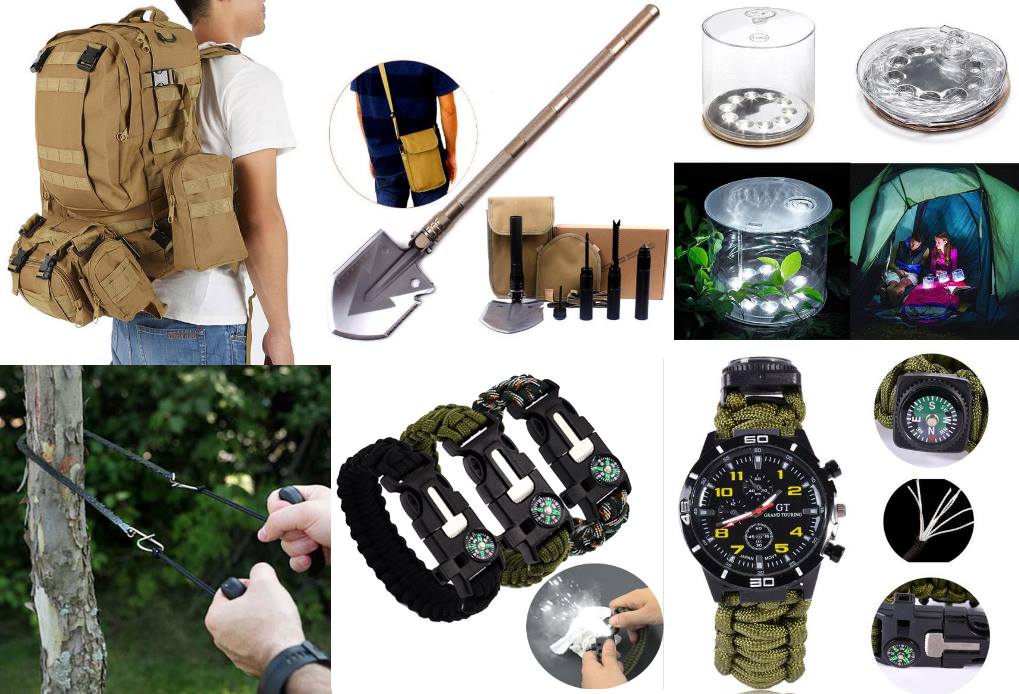
For survival preppers, Big Sur offers a perfect blend of isolation and natural resources. You’ll want to stock up on fire-starting materials, camping gear, and a solid survival kit to ensure you’re ready for anything.
Pro Tip: If you’re not familiar with the area, be sure to check trail maps and know your escape routes. The area is prone to wildfires, so you’ll need to stay aware of the latest alerts.
2. Yosemite National Park
Yosemite is one of the most well-known national parks in the world, and for good reason. With miles of wilderness, waterfalls, towering granite cliffs, and pristine lakes, Yosemite offers not only a serene escape from modern life but also a powerful environment to test your survival skills. The park offers numerous campsites, from the more developed ones near the valley to more remote options like Porcupine Flat and North Dome.
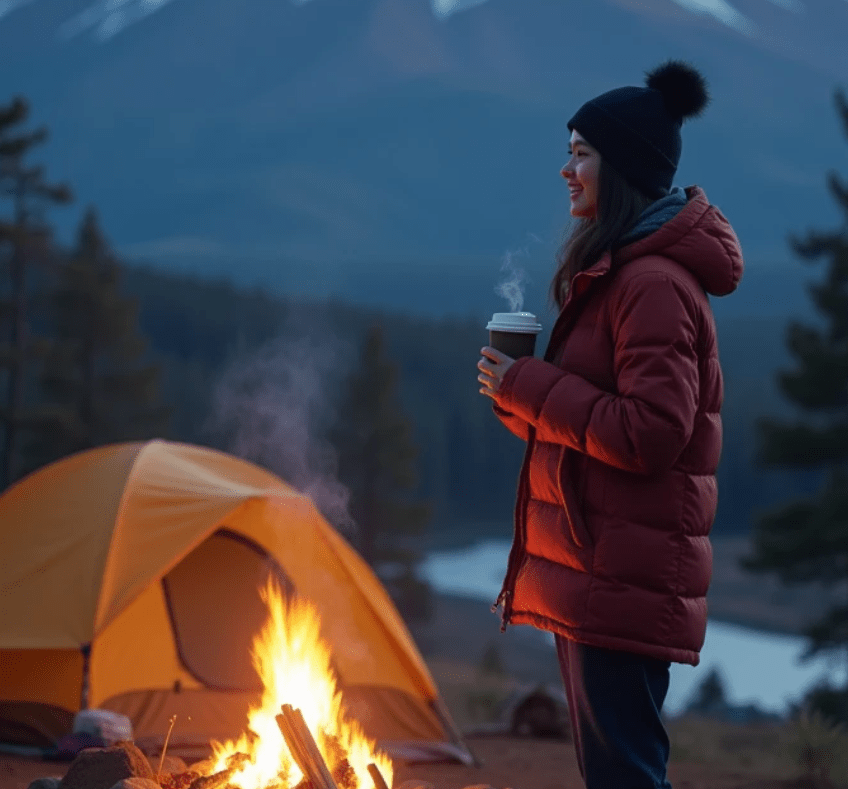
Yosemite is a goldmine for any prepper. The vast, varied terrain means you can practice everything from shelter building to foraging, hunting, and fishing. The park also has a wealth of wildlife that you’ll need to be prepared to interact with, from bears to small game.
Pro Tip: Stock up on high-energy foods and a map of the park before heading out, as cell service can be spotty.
3. Sequoia National Forest

For any prepper looking to perfect their wilderness survival skills, Sequoia National Forest is the ultimate spot. Home to the largest trees in the world, this forest offers dense, high-altitude terrain perfect for practicing your wilderness navigation, fire-building, and long-term shelter construction. If you’re serious about preparing for an extended bug-out scenario, Sequoia’s vast wilderness offers solitude and endless opportunities for honing your bushcraft skills.
Whether you’re camping along the Kern River or high up in the Sierra Nevada, Sequoia offers an environment where you can live off the land—fishing in the river, foraging in the woods, and navigating the rugged mountains.
Pro Tip: The winters here can be brutal, so ensure your gear is up to the task of cold-weather survival.
4. Pinnacles National Park
If you’re looking for a place that offers a mix of rugged terrain and an escape from the heat, Pinnacles National Park in central California is a great option. Located near the San Andreas Fault, this park offers volcanic rock formations, caves, and an environment that is perfect for practicing shelter construction and navigation.
While Pinnacles may not have the expansive forests of Sequoia, it offers something that many prepper-minded folks might prefer: a more defensible, enclosed location with fewer people. The park’s caves are particularly unique, offering opportunities to practice cave camping or exploring a natural environment for shelter in an emergency.
Pro Tip: Make sure you have a good map of the park and always check the weather before heading out. Summer can get especially hot.
5. Lake Tahoe – D.L. Bliss State Park
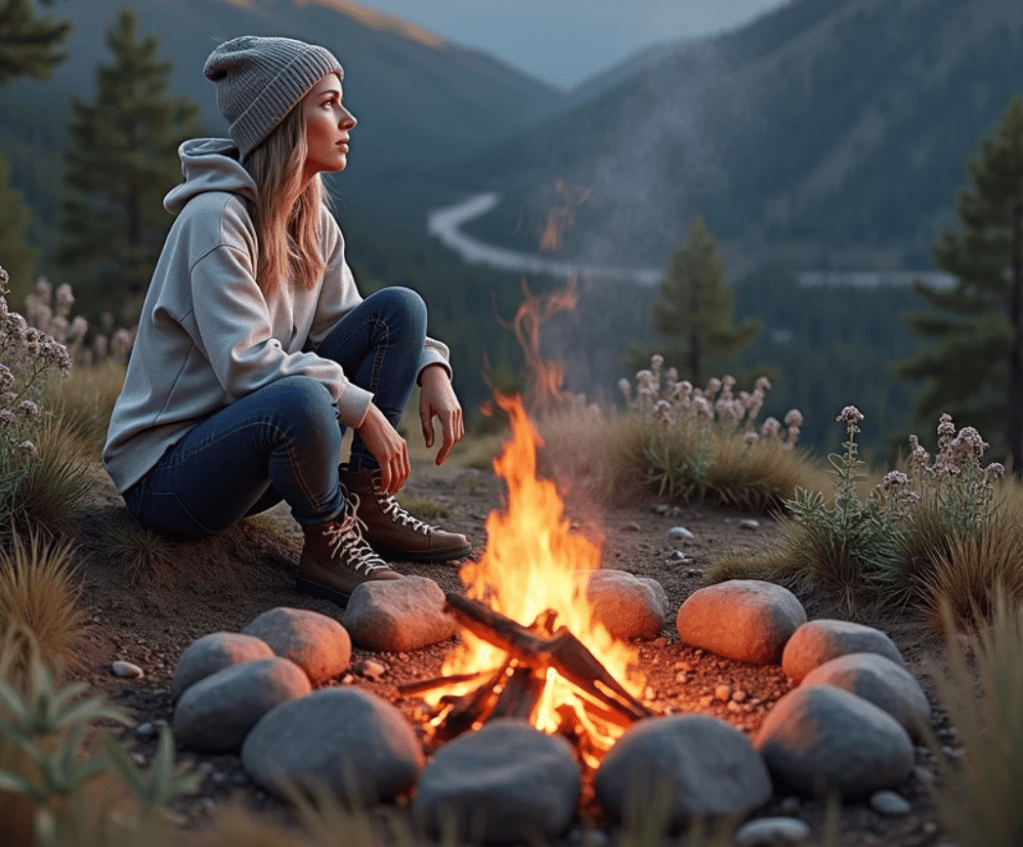
Lake Tahoe offers some of the most pristine and beautiful landscapes in California, and D.L. Bliss State Park is one of its prime camping spots. It offers easy access to the lake, where you can practice water filtration and fishing, while also offering dense forests for wood collection and shelter-building practice.
With the Sierra Nevada mountains as a backdrop, D.L. Bliss is perfect for preppers who want to test their survival gear and skills in a diverse environment. Whether you’re practicing setting up a shelter, purifying water, or honing your navigation skills, this spot has everything you need.
Pro Tip: Be aware of bear activity in the area. Proper food storage and hygiene are essential.
6. Joshua Tree National Park
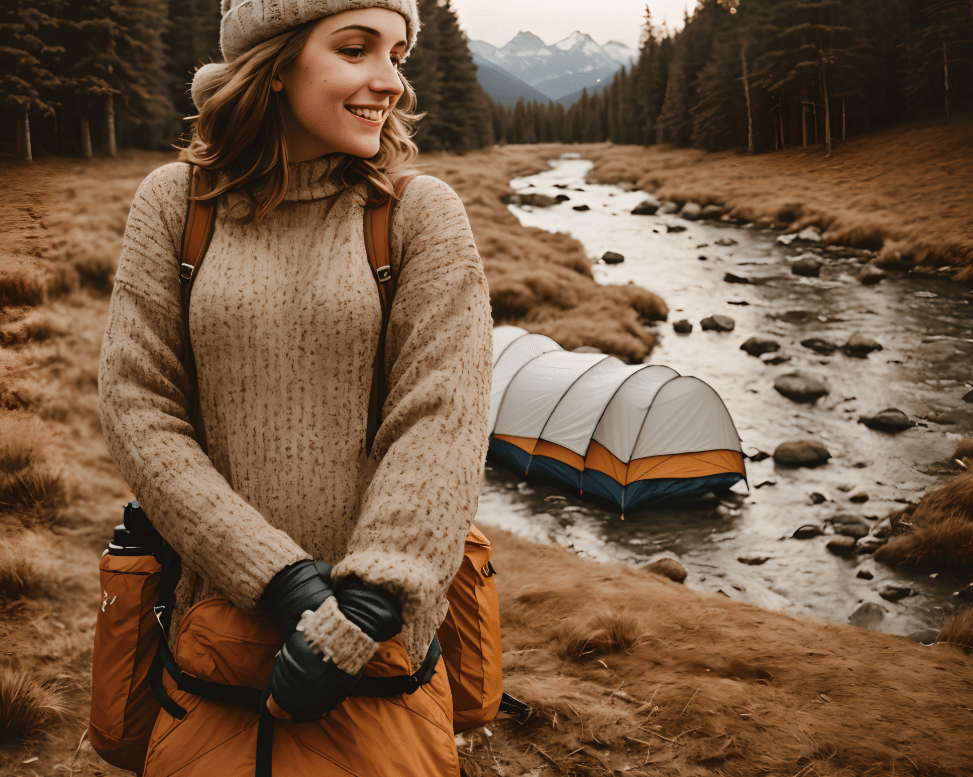
Located in Southern California, Joshua Tree National Park is known for its otherworldly landscapes, vast desert, and unique rock formations. Joshua Tree is the perfect location for preppers who are looking to practice desert survival skills. The park offers a mix of secluded campsites and wide-open spaces where you can hone your navigation, fire-starting, and shelter-building skills in an arid environment.
The park’s remote areas provide the perfect opportunity for an extended bug-out practice session. With minimal distractions, you can immerse yourself fully in your survival preparations.
Pro Tip: Be mindful of the desert heat, especially during the summer. Hydration and sun protection are critical.
7. Anza-Borrego Desert State Park
Anza-Borrego Desert is one of California’s largest state parks, offering a unique survival prepper experience in the desert environment. This massive desert park features miles of rugged terrain, canyons, and wide-open vistas. It’s ideal for preppers who want to practice desert survival skills such as finding water, shelter building, and navigation without the distractions of urban life.
With minimal light pollution, this is also a great place to practice nighttime navigation and gain experience with survival under a night sky.
Pro Tip: Bring plenty of water, as water sources in the desert are limited. Be prepared for extreme temperature fluctuations between day and night.
8. Mendocino National Forest
The Mendocino National Forest offers a different kind of challenge for survivalists. Situated in Northern California, this forest provides rugged terrain, rivers, and thick woods that are perfect for those wanting to get away from the crowds. With its varied elevation, you’ll find all sorts of opportunities to test your survival gear and skills.
The forest is less frequented than some of the more popular parks, which makes it a great location for those looking to practice long-term survival techniques. With fewer hikers, it can provide the necessary isolation to test your abilities to thrive in the wild.
Pro Tip: Carry a detailed map and compass. The dense forest can be disorienting.
30 Best Camping Sites for Survival Preppers in California:

- Andrew Molera State Park – Big Sur
- Yosemite National Park – Porcupine Flat
- Sequoia National Forest – Kern River
- Pinnacles National Park
- D.L. Bliss State Park – Lake Tahoe
- Joshua Tree National Park
- Anza-Borrego Desert State Park
- Mendocino National Forest
- Lassen Volcanic National Park
- Point Reyes National Seashore
- Redwood National and State Parks
- Desolation Wilderness
- Mount Baldy
- Mount Whitney
- Santa Barbara Backcountry
- California Coast Trail – Big Sur
- Kings Canyon National Park
- Santa Cruz Island – Channel Islands National Park
- Mono Basin Scenic Area
- Gaviota State Park
- Northern California Redwoods
- Tahoe National Forest – American River
- Point Lobos State Natural Reserve
- Mono Lake
- Figueroa Mountain
- San Bernardino National Forest
- Claremont Hills Wilderness Park
- Pfeiffer Big Sur State Park
- Lassen National Forest
- Los Padres National Forest







 TheDailyChristian