
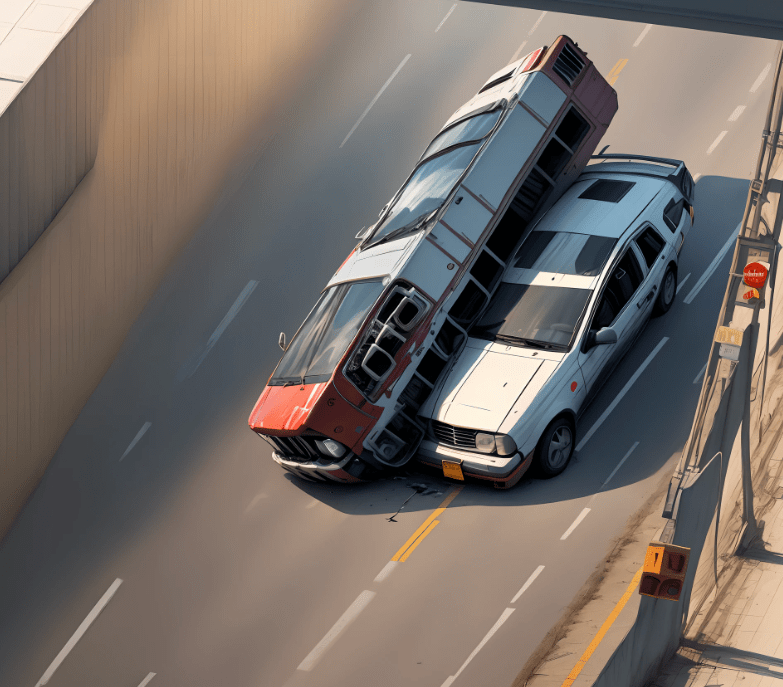
Illinois’s Worst Roads to Drive on During a Disaster

Illinois’s Worst Roads to Drive on During a Disaster: A Survivalist’s Guide to Getting Out Alive

When you’ve spent as much time on the road as I have—navigating everything from hurricane-stricken coasts to snow-choked mountain passes—you learn a few things. Chief among them: not all roads are created equal, especially when the world decides to go sideways. I’ve driven across war zones, dodged wildfires in California, and rolled my tires through the thickest mud Mississippi could throw at me. But if you ask me which roads I’d avoid like the plague during a disaster, Illinois ranks higher than most folks would imagine.

You see, Illinois has some real problem roads—death traps, bottlenecks, and pavement that’ll eat your suspension alive. Add a crisis—tornado, blizzard, civil unrest, or grid failure—and these roads turn from frustrating to fatal. But with the right skills and some old-school ingenuity, you can drive your way out of almost any hellscape.

Let’s talk roads first, then survival skills, and finally, how to cheat the gas gauge when it hits empty.


The Worst Roads in Illinois During a Disaster
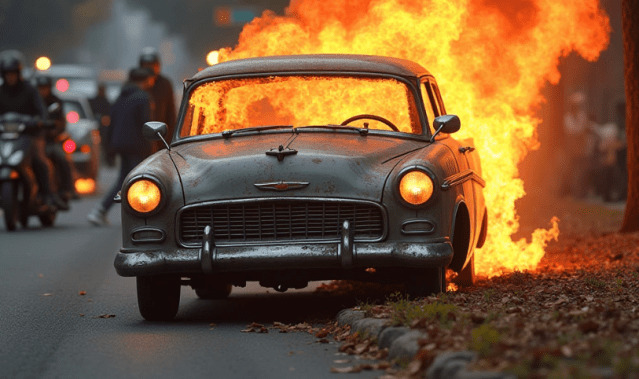
  1. I-290 (Eisenhower Expressway, Chicago Area)
    Also known as “The Ike,” this road is a living nightmare on a normal day. During a crisis, it clogs up fast and turns into a parking lot. Limited shoulders and aggressive drivers don’t help.
  2. I-90/94 (Dan Ryan Expressway)
    You’ll find this gem slicing through downtown Chicago. Tight turns, confusing on-ramps, and high accident rates make it a disaster magnifier.
  3. Lake Shore Drive (US 41)
    Scenic? Yes. Smart during a disaster? No. Sandwiched between Lake Michigan and high-rise buildings, you’ve got limited escape options. One way in, one way out.
  4. I-55 South (from Chicago to Joliet)
    A vital corridor during evacuations. Problem is, so does everyone else. Traffic jams and construction zones make it a no-go without preparation.
  5. IL Route 53 (Through Bolingbrook and Romeoville)
    Known for sudden stops, constant traffic lights, and heavy congestion. If the grid goes down, this becomes a logjam.
  6. US Route 20 (Between Elgin and Freeport)
    Rural, yes—but isolated doesn’t always mean better. If you break down here, good luck flagging help.
  7. I-57 (South of Kankakee)
    It may seem like a clear path out, but it floods easily and has poor cell reception in places. Add downed trees or debris, and you’re stranded.
  8. I-80 (Joliet Stretch)
    Home to heavy truck traffic. When the big rigs panic, they jackknife and trap smaller vehicles. Avoid it during winter storms or fuel shortages.
  9. I-64 (Eastbound near Mount Vernon)
    Notorious for accidents and poor road conditions. If you’re driving at night or in bad weather, you’re rolling the dice.
  10. US Route 34 (Western IL near Galesburg)
    A rural road with few services, spotty coverage, and minimal signage. Navigating this during a blackout or disaster is a high-stress gamble.

15 Survival Driving Skills That Could Save Your Life

  1. Situational Awareness
    Know what’s happening ahead, behind, and around you. That gut feeling? Listen to it.
  2. Off-Road Driving Proficiency
    Grass medians, service roads, and ditches aren’t obstacles—they’re alternate routes.
  3. Vehicle Hardening
    Reinforce tires, install steel bumpers, and carry extra coolant, oil, and fuses.
  4. Panic Stop and Go Techniques
    Practice rapid braking and evasive acceleration in a safe environment. Timing is everything.
  5. Improvised Navigation
    Learn how to read the sun, use paper maps, and follow power lines or water sources.
  6. Fuel Conservation
    Coast in neutral, limit A/C, and avoid sudden acceleration. Fuel is gold.
  7. Convoy Tactics
    Travel with others when possible. Two or more vehicles can secure paths, tow each other, and carry more gear.
  8. Window Shielding and Blackout Protocol
    Use window tint, foil, or blankets to stay unnoticed during night travel.
  9. Silent Stops
    Know how to park without alerting others—kill lights early, coast into position, and stay low.
  10. Drive-by Assessment
    Evaluate roadblocks, ambush zones, or impassable terrain without committing.
  11. Tire Patching in the Field
    Carry a patch kit, portable compressor, and slime sealant. A flat tire can cost you everything.
  12. Handling Aggression
    Know when to yield, when to evade, and when to be the bigger truck.
  13. High-Water Driving
    Drive slow, steady, and in low gear. If water reaches the bottom of your doors, back out.
  14. Mechanical First Aid
    Zip ties, hose clamps, and duct tape go a long way. Learn to fix a radiator leak or bypass a fan relay.
  15. Escape and Evasion Driving
    Reverse at speed, perform a J-turn, and evade road traps. Practice in abandoned lots—don’t wait for the real deal.

3 DIY Hacks When You Run Out of Gas

  1. Siphon with Common Items
    Use a garden hose or even a piece of clean tubing to siphon gas from abandoned vehicles. Always check for pressure-locked tanks—crack the cap first.
  2. Alcohol or Ethanol Conversion (Short-Term Only)
    Some engines can tolerate a mix of denatured alcohol (like HEET) in a pinch. Mix small amounts (no more than 10-15%) with what gas you’ve got left.
  3. Solar Still for Fuel Vapors
    This is a bushcraft trick. Place a clear plastic bag over a vented fuel tank in direct sun. The heat creates vapor condensation which can collect small, usable drips of gasoline. It’s slow but better than walking.

Final Thoughts

You can’t always pick your battleground, but you can prepare for it. Illinois, with its mix of urban density, weather extremes, and aging infrastructure, presents a unique challenge when disaster strikes. But those who know the lay of the land—and who’ve trained themselves behind the wheel—stand a damn sight better chance of making it out alive.

Keep your gear in your trunk. Keep your tank above half. And keep your mind sharp. The road doesn’t care who you are, but it does reward those who respect it.


Hawaii’s Worst Roads to Drive on During a Disaster

Driving Out of Disaster: Survivalist Secrets for Navigating Hawaii’s Worst Roads in a Crisis

Let me tell you something I’ve learned the hard way—wilderness survival skills are worth their weight in gold, but if you can’t drive your way out of hell when the ground starts shaking or the sea comes crashing in, all that bushcraft won’t do you a lick of good.

I’ve driven across lands scarred by wildfires, through hurricane-ravaged coastlines, and dodged falling ash from volcanic eruptions. And nowhere else are the stakes higher—or the roads rougher—than in Hawaii when nature turns mean. Paradise, yes. But when Pele gets restless or the sky splits open with rain, even a short drive can feel like an exodus through chaos.

So here’s what you need to know.


Hawaii’s Worst Roads in a Disaster

You need to respect the terrain. Hawaii isn’t like the mainland. Each island has its own personality—and its own deathtraps when disaster strikes.

  1. Highway 11 (Big Island) – Cuts across lava fields. A major eruption and this artery gets buried in fire and stone. During the 2018 Kilauea eruption, whole chunks of this road turned to rubble.
  2. Piilani Highway (Maui) – Scenic as hell, but remote. One landslide and you’re boxed in by cliffs and ocean.
  3. Kahekili Highway (Maui) – Narrow, winding, and crumbling in places. Try maneuvering through here with other panicked drivers. Good luck.
  4. Mauna Kea Access Road (Big Island) – If you think driving up a volcano during a storm is smart, think again. Ice, fog, lava, and altitude will gang up on you.
  5. Farrington Highway (Oahu) – Known for washouts, rockslides, and flash flooding. Get stuck here and you might not see another car for hours.
  6. Hana Highway (Maui) – 600+ hairpin turns. A gorgeous trap if blocked by landslides.
  7. Saddle Road (Daniel K. Inouye Highway, Big Island) – Offers an inland escape, but high elevation, fog, and wild weather can make it treacherous.
  8. Likelike Highway (Oahu) – One of the few roads through the Koʻolau Range. Block that, and Honolulu locks up fast.
  9. Tantalus/Round Top Drive (Oahu) – Landslides, sharp turns, zero visibility at night. You don’t want to be here when it gets slick.
  10. Kalanianaole Highway (Oahu) – Hugs the coast. When the sea rises, so do your chances of getting swept off the road.

Now, imagine being stuck on one of these during an earthquake, tsunami warning, or lava flow. That’s not the time to figure things out. That’s why you prepare now.


15 Survival Driving Skills to Master Before SHTF

  1. Off-road navigation – Not all roads go where you need to be. Learn how to read terrain and improvise your own route.
  2. Driving without GPS – Assume satellites fail. Get good with paper maps and landmarks.
  3. Using momentum – In low traction or uphill scenarios, use your vehicle’s weight and speed wisely to avoid getting bogged.
  4. Brake modulation – In wet or gravel terrain, slamming your brakes is suicide. Learn to pulse brake and control your stops.
  5. Tire repair on the fly – A flat in disaster country? If you can’t plug it, patch it, or swap it, you’re stuck.
  6. High-water crossing techniques – Know the depth limit of your vehicle and how to create a wake. Never rush water deeper than your axles.
  7. Escape from mud/sand traps – Use branches, floor mats, or even clothing to create traction. A shovel in the trunk goes a long way.
  8. Driving with broken windows or no windshield – Clear goggles and duct tape will keep the wind and ash out of your eyes and lungs.
  9. Manual override knowledge – Know how to manually shift your auto trans vehicle, disable electric locks, and pop the fuel door.
  10. Stealth driving at night – Tape your brake lights and use only side markers or a red lens flashlight. When avoiding detection is key, blackout mode matters.
  11. Controlled skids – Understand understeer vs. oversteer. Practicing skid recovery on a dirt lot can save your life.
  12. Conserving fuel with coasting – Coast downhill in neutral (manuals preferred) and cut the engine when not in motion.
  13. Evading roadblocks – Turnarounds, backtracking, and finding alternative routes with minimal delay. Don’t commit to a blocked road.
  14. Driving in ash – Keep the engine air filter clean and use a wet cloth over the intake if possible. Go slow to avoid clogging up critical systems.
  15. Towing and recovery – Learn how to use tow straps, winches, and chains without snapping them like a whip.

3 DIY Survival Driving Hacks When You Run Out of Gas

Let’s face it—when everyone’s fleeing, fuel disappears fast. Here’s how you stretch or make do when the tank’s dry:

  1. Siphon from abandoned vehicles
    Keep a siphon pump in your trunk. Modern cars make this harder, but it’s not impossible. A clear hose, gravity, and some patience can net you a few gallons from cars left behind.
  2. DIY alcohol fuel
    If you’re really desperate and your car can handle it (older engines preferred), you can mix ethanol or high-proof alcohol (like grain alcohol or moonshine) with gasoline in small amounts. Never exceed 10-15% unless your vehicle is flex-fuel rated.
  3. Fuel cache with stabilizer
    This is prepper 101: stash a 5-gallon can with fuel stabilizer hidden somewhere along your bug-out route. Rotate it every 6 months. Not a hack in the moment, but a lifesaver when it counts.

Mindset, Not Metal, Gets You Through

No vehicle is disaster-proof, and no road is ever truly safe. But your knowledge and instincts are what turn your 4×4, sedan, or motorcycle into a survival tool. Think ahead. Scan the terrain. Stay calm. A driver in control is a survivor in motion.

Remember: in Hawaii, a lot can go wrong fast—tsunamis, landslides, volcanic activity, flash floods. When the sirens blare or the ground rumbles, you don’t want to be stuck behind someone fumbling with Google Maps or trying to reverse through a rockfall.

Be the one with the spare tire, full tank, laminated map, and eyes on the next move.


Final Thoughts

Hawaii’s roads offer some of the most stunning drives in the world—but in a disaster, they become choke points, traps, and dead ends. If you live there, or even plan to visit during hurricane or eruption season, treat driving like a survival skill. Practice. Prepare. Preload your routes. And remember—disaster favors the unprepared.

I’ve made it out of more messes than I can count because I drove smart, stayed calm, and never relied on luck. With these skills and hacks, you can do the same.


Georgia’s Worst Roads to Drive on During a Disaster

I’ve been to deserts where the wind can skin you raw, jungles that eat vehicles whole, and mountains where roads crumble beneath your tires. If there’s one thing I’ve learned, it’s this: survival isn’t just about muscle or fire-starting. Sometimes, it comes down to your ability to drive—fast, smart, and tactical—when everything’s falling apart. Whether you’re bugging out from a wildfire, navigating after a hurricane, or escaping gridlock in a flash flood, how you handle your rig could mean the difference between making it to safety or becoming a cautionary tale.

Let’s take Georgia for example. She’s a beautiful state with red clay, deep pine woods, winding backroads, and mountains that stretch like the backs of sleeping beasts. But when Mother Nature gets mean, Georgia’s roads turn into a survivalist’s obstacle course.

From Atlanta’s tangled interstates to the low country’s flood-prone causeways, there are a few roads that’ll test everything you’ve got if disaster strikes. Before I get into those, let’s lay down the survival driving skills every serious prepper should know.


15 Survival Driving Skills That Can Save Your Life

  1. Situational Awareness While Driving
    Eyes always scanning. Mirrors, side streets, overhead—your vehicle is your cocoon, but it’s also a target in chaos. Keep your head on a swivel.
  2. Quick Evasion Techniques
    Practice sudden U-turns, J-turns, and off-road cutouts. You’ll need to avoid blockades, mobs, or crumbling roads without hesitation.
  3. Low-Light and No-Light Navigation
    Learn to drive using only parking lights or no lights with night vision if needed. Sometimes stealth beats speed.
  4. Driving Without GPS
    When signals die, maps and compass knowledge will keep you from driving in circles or into danger.
  5. Vehicle Hardening
    Reinforce bumpers, tint windows, and keep a push bar or winch up front. Make your vehicle more resilient to impacts and capable of pushing through debris.
  6. Off-Road Recovery
    Know how to get unstuck with traction mats, a shovel, or a high-lift jack. Don’t count on clean pavement.
  7. Flood Navigation
    Learn how deep is too deep. Six inches of moving water can sweep away a car. Twelve inches and you’re a raft.
  8. Fuel Efficiency Driving
    Feather the throttle, coast in neutral, and know your gear-to-speed ratios. Save every drop of fuel.
  9. Mechanical Basics
    Can you replace a belt, bypass a dead alternator, or fix a radiator hose with duct tape and hose clamps? If not, learn.
  10. Driving Under Stress
    Adrenaline will spike. Breathe, focus, and execute. Panic kills.
  11. Barricade Bypassing
    Sometimes you don’t go around; you go through. Reinforced bumpers and sandbagged speed can get you past.
  12. Defensive Driving in Hostile Territory
    Maintain distance, avoid getting boxed in, and be ready to reverse course at a moment’s notice.
  13. Motorcycle or ATV Proficiency
    If your vehicle dies, two wheels or four small ones might be your Plan B. Learn how to handle them.
  14. Bridge and Overpass Avoidance
    They collapse, they clog, and they’re choke points. If there’s another way, take it.
  15. Tactical Communication
    Use CB radios, ham radios, or prearranged light signals to coordinate with your crew while on the move.

Georgia’s Worst Roads in a Natural Disaster

Now let’s talk local—Georgia has roads that are fine in blue skies but turn into death traps when the weather goes bad. Here are some you should avoid—or prepare to fight through:

  1. I-285 (Atlanta Perimeter)
    Known as “The Perimeter,” it clogs like a stopped-up artery in a crisis. One jackknifed semi and you’re gridlocked for miles.
  2. GA-400
    This highway cuts north through Atlanta’s suburbs. It’s a commuter’s nightmare on a normal day. In a disaster? Pure bottleneck.
  3. I-16 (Savannah to Macon)
    This east-west corridor is a hurricane evacuation route. Problem is, it turns into a parking lot during mandatory evacuations.
  4. US-17 Coastal Highway
    Scenic, yes. But also low-lying and prone to flooding during tropical storms and hurricanes.
  5. SR 121 (The Okefenokee Highway)
    Beautiful and remote, but forget it during wildfire season. This road runs too close to the swamp and can disappear in smoke or flame.
  6. GA-180 (Wolf Pen Gap Road)
    Tight curves and mountain drops make this North Georgia road lethal during ice storms, mudslides, or heavy rain.
  7. Buford Highway (US-23)
    Heavy pedestrian traffic, poor road conditions, and unpredictable intersections—chaos squared when the power’s out.
  8. I-20 Through Atlanta
    This stretch often becomes an urban snarl. If the city’s falling apart, so is this route.
  9. US-441 Through the Piedmont
    Rural and beautiful, but limited gas stops and poor shoulders make it unreliable if you’re in a convoy or heavy vehicle.
  10. I-75 Southbound from Atlanta
    During a mass exodus, everyone tries to get out via I-75. That’s the problem—everyone.

3 DIY Fuel Hacks for When You’re Out of Gas

You can’t always count on a full tank or an open gas station. Here are three field-expedient methods when you’re running on fumes.

1. Siphoning from Abandoned Vehicles
Always carry a clear siphon tube and a fuel-safe container. Vehicles often still have gas even if they’re dead. Avoid diesel if you’re gasoline-only.

Pro Tip: Modern cars have anti-siphon screens. Use a fuel transfer pump or access the fuel line underneath.

2. Improvised Fuel from Small Engines
Lawnmowers, generators, ATVs—if it’s got a small engine and a carburetor, it likely has fuel. Hit suburban homes, outbuildings, or rural properties.

3. Ethanol Harvest from Alcohol-Based Products
Pure alcohol (Everclear, for example) can be used in emergency combustion. You’ll lose power and risk long-term damage, but it can keep you rolling for a few extra miles. Only use in small quantities, and only if your engine can tolerate high ethanol content.


Closing Thoughts from the Road

Driving during a disaster isn’t about getting from A to B—it’s about survival. Your vehicle is your lifeline, your mobile shelter, your fast-track to safety. But if you treat it like an ordinary tool, it’ll fail you. You need to drive it like your life depends on it—because sometimes, it really does.

Plan your routes. Know your alternatives. Keep your bug-out rig ready, your go-bag in the back seat, and your wits sharper than the road beneath your tires. When the storm hits or the ground shakes, Georgia’s roads won’t show you mercy—but with the right skillset, you won’t need it.