What No One Considers When Bugging Out…Until It’s Too Late

Imagine you’re coming back from work one day, and you receive this message.

“Emergency Alert – Hurricane Warning”

You are being instructed to evacuate as quickly as possible.

But that doesn’t scare you.

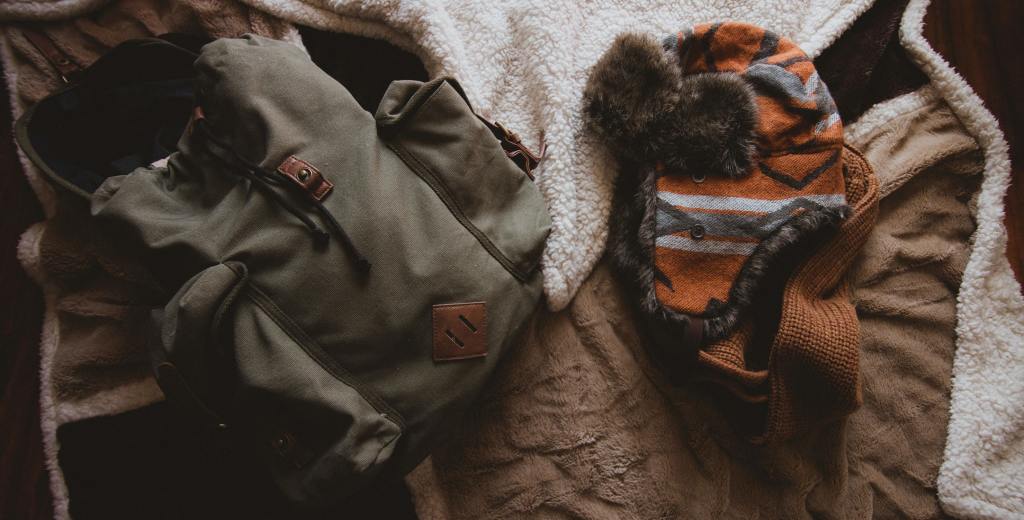
You grab your bug-out bag, gather your family, and head for the road.
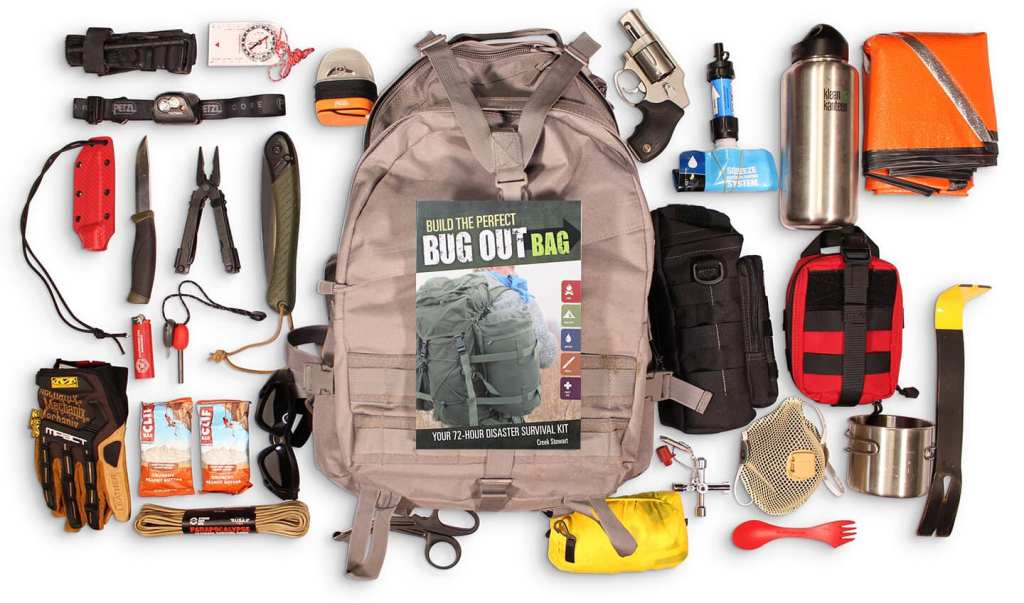
Following your carefully planned escape route.

But there’s one factor you haven’t considered. Everyone else is trying to do the same thing.

The reality is, when emergency strikes, roads will be congested, gas stations will run dry, and tensions will be high.

And the approaching hurricane will not be making things any easier.

Doesn’t sound ideal, does it?

This is why having one escape route is not enough.

You need multiple options.

Begin by evaluating your escape routes and identifying less-traveled alternatives that could allow you to stay away from congested areas.

Also, consider the timing of your departure. Leaving at the first sign of trouble, before the masses clog the road, could give you a critical head start.

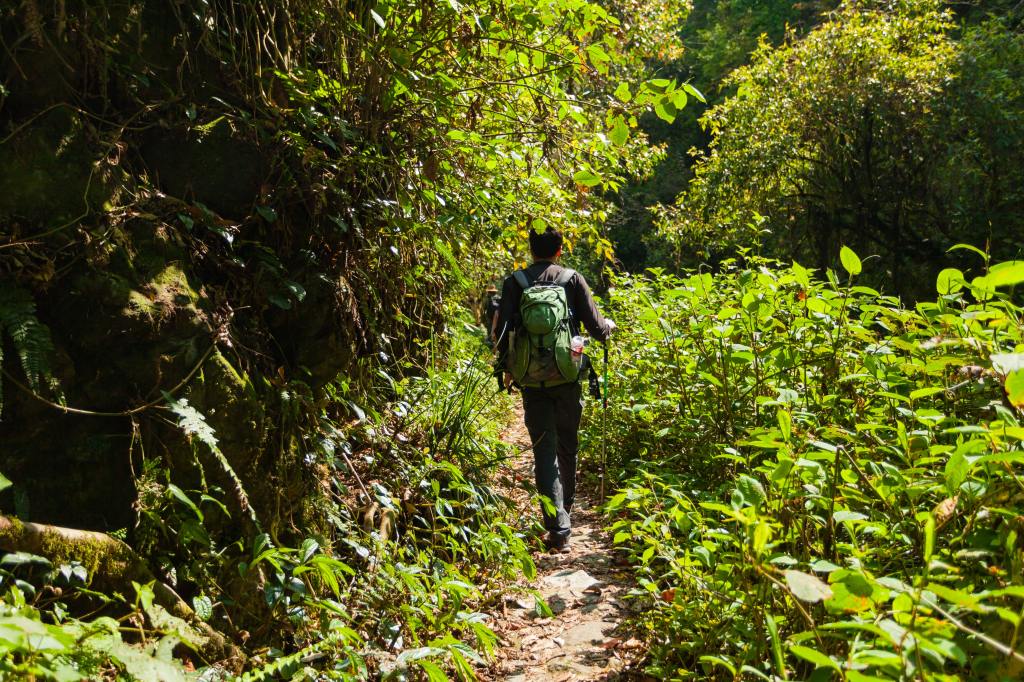
Additionally, it’s essential to prepare for the possibility that you may need to abandon your vehicle and continue on foot.

Ensure that your bug-out bag is equipped with the necessary items for a long trek and that your loved ones are physically prepared for such a journey.

And don’t forget to have a backup plan.

In the unpredictable world we live in, it’s essential to be adaptable and ready to alter course if your initial plan proves unfeasible.

I know people who are dead set on their emergency plans, and refuse to modify them.

However, adaptability is essential in emergency situations.

Follow these 10 survivalism steps to craft multiple emergency plans quickly.

By taking the time to rethink your bug-out plan you can account for the often-overlooked risk of getting caught in the disarray of a mass evacuation.

And you can make more informed decisions when emergency strikes.

Remember, it’s not just about planning for things you can expect. It’s also about being ready to face unexpected challenges that may arise along the way.

So take the time to consider every option available.

Don’t Bug Out Unless You’ve Thought About This
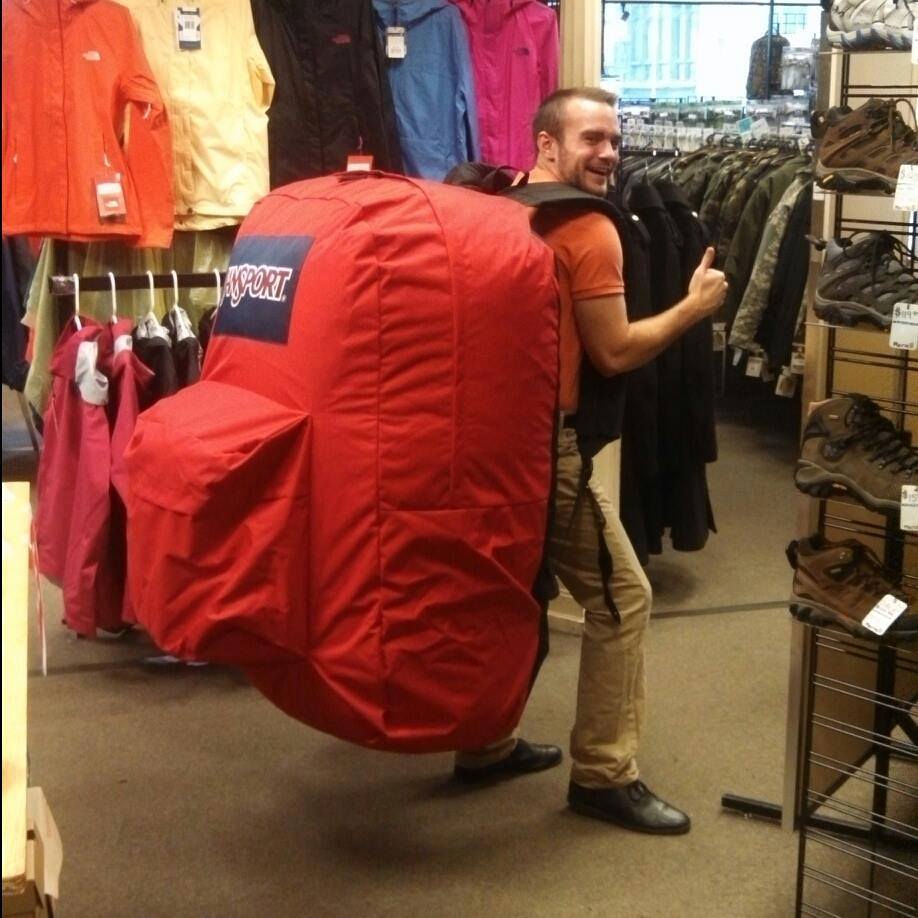
Sometimes we have to make tough decisions.

Decisions that can determine the fate of our families and our own future.

One of these decisions is knowing when to bug out, and when to stay put.

Deciding whether you should bug out or not is like choosing a partner.

It can either make you or break you.

Sometimes, it can be a lifesaving choice.

But bug out when you shouldn’t, and the consequences could be catastrophic.

I will tell you everything you need to know before you make a decision.

So you can protect yourself and your family with confidence.

First and foremost, always trust your instincts.

As I’ve mentioned in previous articles, our intuition is an incredible thing that can assist in guiding us in high-stress situations.

If your gut is telling you that it’s time to bug out, take that feeling seriously.

Next, consider the severity of the hazard.

Is it something that’s likely to escalate?

Or is it a situation that may subside without causing any significant harm?

For example, if you’re facing a natural emergency like a wildfire or hurricane, bugging out might be the greatest option to escape imminent risk.

On the other hand, if it’s a temporary power outage or a localized matter, staying put might be wise.
So these are the factors that you can’t control

Let’s talk about the things you can control.

Your resources.

When deciding whether to bug out or not, take a good look at your stockpiles.

If you have enough food, water, and first aid to last you throughout the whole emergency, then might want to stay indoors.

But if you need to look elsewhere for gear and essentials, then evacuating could be a necessity.

Then there’s the condition of your vehicle.

Whether we like it or not, our cars are essential for bugging out.

Evacuating on foot can be a hundred times tougher.

Another critical factor is the well-being of your family.

If you have young children, elderly relatives, or anyone with special needs, bugging out may be more challenging.

In some cases, staying put and fortifying your house could be safer.

Making the decision to bug out or not isn’t easy.

By considering these factors, however, you can pick the correct option.

Remember, having a well-thought-out plan in place will always beat getting caught unprepared.

So think about the things that you can and can’t control, and choose wisely.

Keep This Versatile Item In Your Bug-Out Bag.

Did you know you have an incredible prepping tool in your bathroom cabinet?
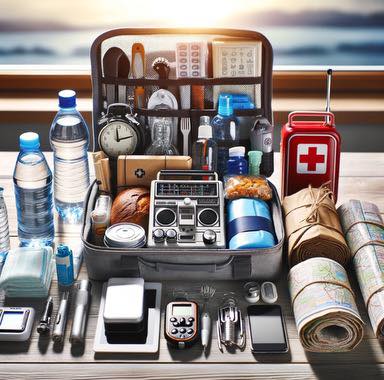
It’s true. No one thinks about it.

And yet dental floss has many uses that might come in handy when the chips are down.

First and foremost, it is essential for maintaining oral hygiene.

In a post-emergency scenario, dental care may be nonexistent.

Taking care of your teeth and gums is essential for preventing infections and other health hazards.

Dental floss can allow you to maintain good oral health, even in the most challenging circumstances.

But beyond its primary use, it has a surprising number of other applications that can come in handy in an emergency situation.

Its thin yet incredibly strong nature makes it a versatile tool.

For example, dental floss can be used as a makeshift fishing line.

If you find yourself needing to catch fish for sustenance, simply attach a hook to the end of the floss and cast it into the water.

Its inconspicuous appearance makes it less likely to scare fish, and its strength ensures that it can handle the weight of your catch.

Another practical use for dental floss is as a sturdy thread for sewing.

Whether you need to mend torn clothing, stitch up a wound, or create makeshift gear, dental floss is a reliable option.

Dental floss can also be used to create a tripwire alarm system around your camp or bug-out location.

By stretching it taut between trees or other anchor points, you can create a simple perimeter that will alert you if someone or something attempts to enter your area.

Tie a few aluminum cans or other noise-making objects to the floss, and you’ll have an early warning system in place.

These are just a few examples of the many uses for dental floss in an emergency situation.

What I love the most about it is that it comes in small packaging, so it doesn’t take up any space in your bug-out bag.

It’s light, compact, and versatile.

Why don’t you throw one in your bug out bag?

Take These Documents With You When You Bug Out

If you are ever forced to bug out, you will have to face a harsh reality:

Anything you don’t take with you might not still be there when you come back.

Important documents might be destroyed, stolen, or simply lost.

That is why you should keep a USB file with every essential document in your bug-out bag.

Most preppers have already taken this precaution…

But they don’t usually know if they’ve covered everything.

That is why I will share a small list with you, that contains every important document that you should always have.

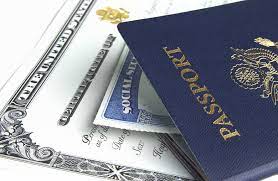
  1. Identification Documents. This includes your government-issued ID such as a passport, driver’s license, and birth certificate.
  1. Emergency Contacts. List of important contacts of family, friends, doctors, and emergency services.
  1. Health Records. Keep a record of your family’s history. This should include prescription medications, allergies, and any previous surgeries or treatments.
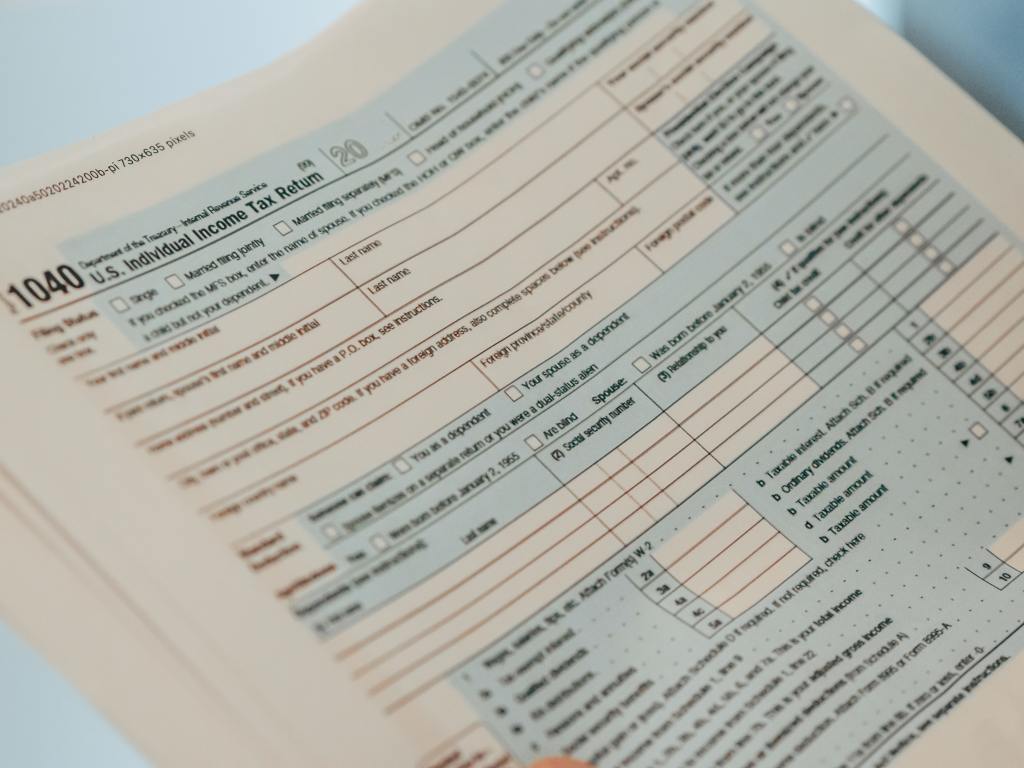
  1. Records Statements. Anything tax-related, accounting documents or anything that is essential financially fits this category.
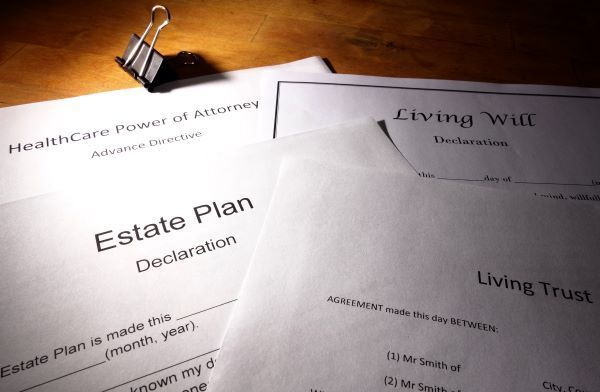
  1. Estate Planning Documents. This includes your will, living will, durable power of attorney, and any other documents related to your assets and finances.
  1. Your Property Documents: Deeds, liens, and package policy documents should be kept in a safe place.
  1. Vehicle Papers. Keep every necessary paper of your vehicles in a separate folder.

If you don’t have any of these 7 documents, you may find yourself in a bad situation.

Your bug-out bag should contain a USB stick that includes everything.

But this is not enough,

You should also keep several physical copies of these documents somewhere in your house.

Remember, we prepare for any eventuality.

Just as your physical copies could become lost, so could your digital ones.

The point is to stay safe no matter what.

If you have multiple versions of these important documents, then you will not have anything to worry about.

P.S. Can you think of any other essential documents? Hit reply and let me know!

What Zombie Apocalypse Movies Can Teach Us About Surviving

There is a point in every zombie apocalypse movie, where the characters have to make a very important decision.

They are usually stuck inside a shelter, with few resources, while death is knocking on their doors.

And they have to decide between two options:

  1. Stay inside and try to fight the zombies
  2. Escape and look for food or other survivors

But they almost always go with option C: “Fighting among themselves.”

They start blaming each other and end up dying.

It happens so often that it’s almost comic.

But this might not be too far from reality.

When the stakes are high, people see blank.

It’s like when a cat freezes in the middle of the street when it sees a car approaching.

Staying calm is crucial in emergency situations.

If, God forbid, you ever find yourself in one, you will be called to make a lot of snap decisions.

You might have to decide between staying inside your house or bugging out…

Which items you will carry with you…

Who to contact…

These are very important considerations.

One wrong move might mean the loss of a loved one.

You can’t correctly judge your options if you panic.

It’s like when characters in the zombie movies fight each other instead of working together.

You have to stay level-headed.

I understand that this is not something easy, however.

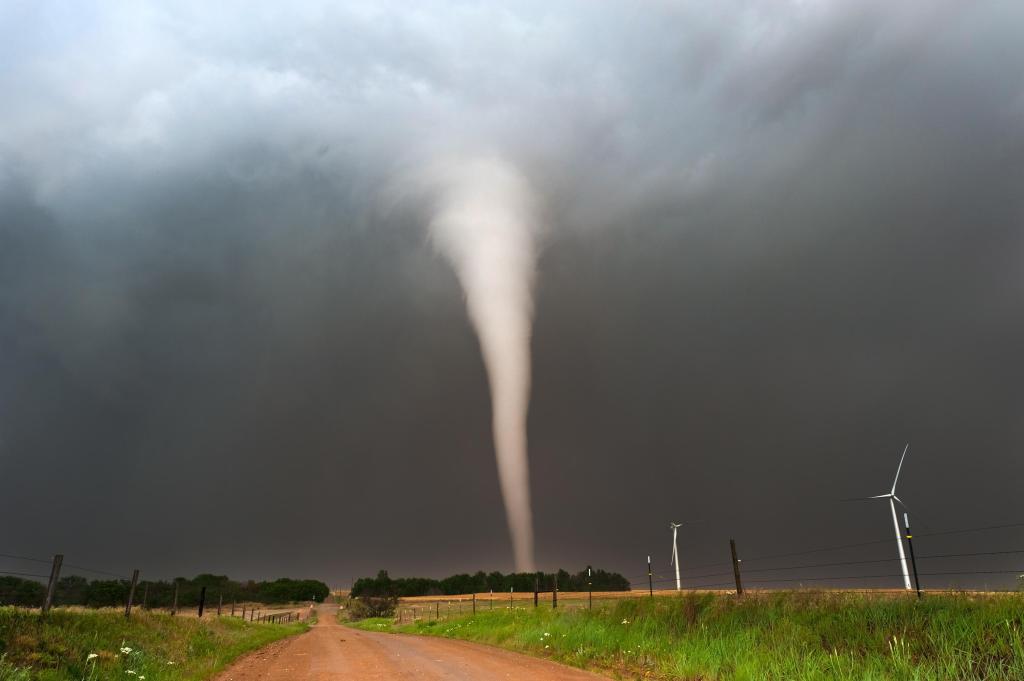
When a tornado rips your roof out, or when a fire breaks out in your area, it’s not exactly a walk in the park.

Most people – and understandably so – panic.

This would not happen, however, if they already had a plan in place.

If you are a survivalist, then you are probably aware of the importance of preparation.

We try to imagine any disaster that might befall us, and try to stay ahead of it.

This could mean having a plan for bugging out scenarios…

Or having a plan for when the food in your grocery store runs out.

Whatever it is, doing preparation beforehand protects us from losing our shit in emergencies.

So let’s keep prepping and remain collected even in the worst of situations.

Survival Prepper: Essential Shoes

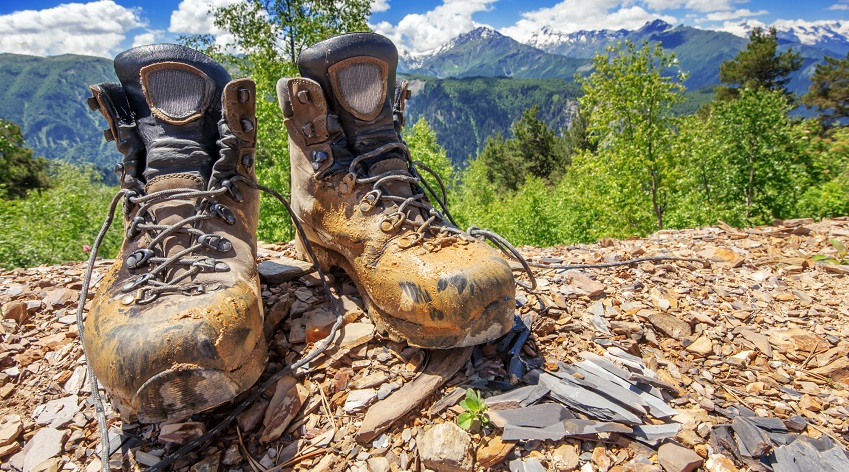
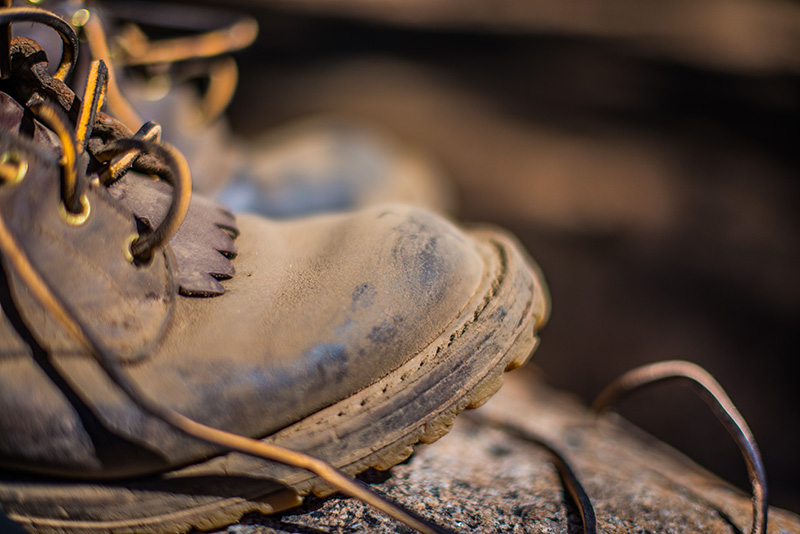
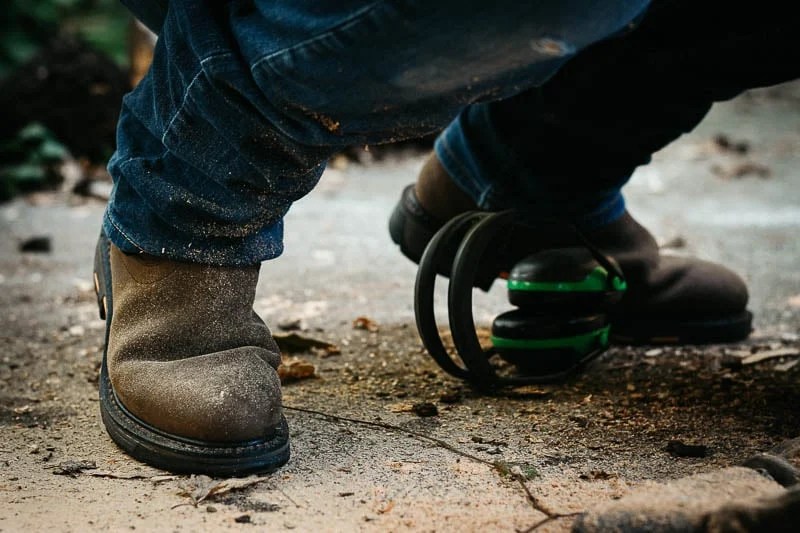
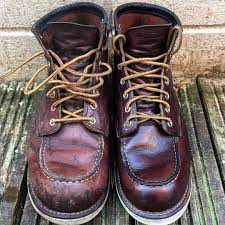
While it might not be as exciting or sexy as some of the survival gadgets on the market today, a good pair of boots is an essential piece of survival equipment. If you ever find yourself bugging out, forget your tennies, they won’t survive. You’ll need a good pair of hiking boots or work boots to help you on your trek through the wilderness.

Good boots are an investment. Properly cared for, they will last. But if you don’t care for them, then you can count on their life being considerably shorter. That could very well leave you in a position where you don’t have any footwear; not something you want to contemplate in a survival situation. Going without good footwear in such a situation could see your feet cut to ribbons.

Of course, a lot depends on the quality of boots you buy. Like many other things, you tend to get what you pay for with boots. Good ones are better made, with higher quality materials and greater comfort. But the quality of the boots themselves doesn’t matter as much as how well you take care of them. Proper care can add years to the life of a pair of boots.


Break Them In


Break them improper break-in may not add years to the life of your boots, but they will add years to the life of your feet. Actually, it will help your boots to last too, as painful feet cause people to walk improperly, causing unnecessary wear on soles and heels.

Breaking in should be done in small stages. Don’t try to wear your boots for a whole day, until you’ve got them well broken in. Until then, only wear them for a couple of hours at a time. That will give your feet a chance to recover so that you don’t end up limping or walking improperly.

Some boots are made with harder, stiffer leathers. If there is a part of the boot in which your foot needs to be flexible, it can help to work that area by hand, bending it over and over to remove the stiffness from the leather. Do this as you are oiling the boots, and it will do a world of good for your feet.


Waterproof Them

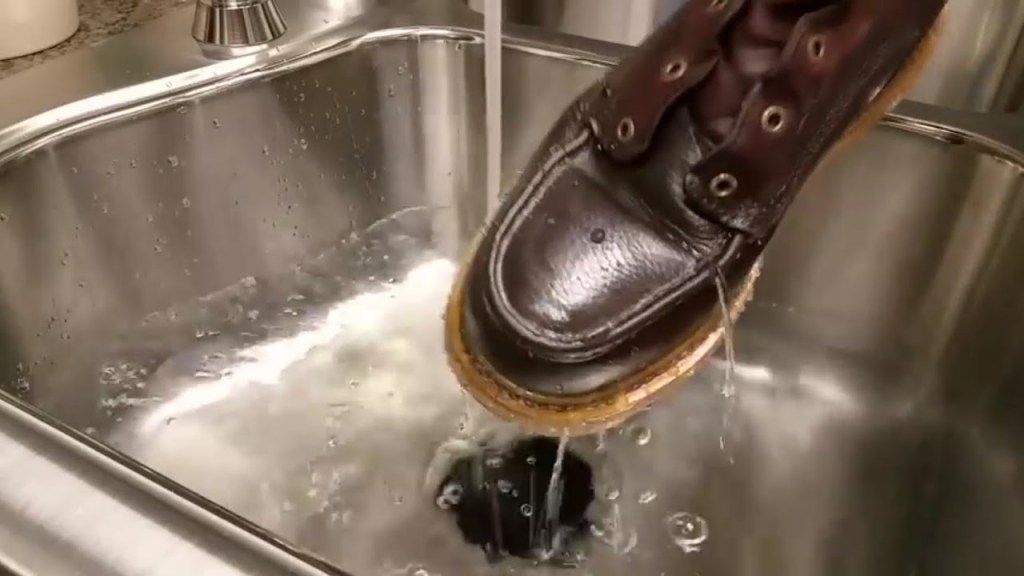
Waterproof boots need to be waterproofed; they don’t come that way from the factory. Even if your boots say that they are waterproofed, don’t believe it. The sprays they use at the factory aren’t very good and will wear off quickly.

Waterproofing is either done with wax or oil, depending on the way the leather was tanned. If your boots are made of oil-tanned leather, then you’ll need to use oil to waterproof them. If they are chrome-tanned, you’ll need to use silicone spray or shoe wax to waterproof them. One of the best products around for waterproofing boots is mink oil. This paste product works for both oil and chrome-tanned types of leather, as it is a combination of oils, lanolin, and silicone.