Built to Survive: Shelter Tactics Using Nature and Know-How

You think that store-bought tent is gonna save your sorry butt when the grid crashes? Think again. When the world turns upside-down—and trust me, it will—you better have more than a nylon cocoon and YouTube tutorials to protect you from Mother Nature’s full-blown wrath. If you’re not learning how to build your shelter from dirt, sticks, and brains, you’re not surviving—you’re delaying your expiration date.

Let me be blunt: your comfort zone is a kill zone. The wild doesn’t care about your feelings. The cold will strip the warmth from your bones like a butcher skinning a deer, and the rain will seep into your soul. Shelter isn’t optional—it’s survival Priority Number One right after you can breathe and not bleed out.
So listen up. You want to live? You better start learning like your life depends on it—because it does.


10 Survival Skills for Building Natural Shelters

1. Terrain Scouting

Don’t just plop down in a pretty clearing like some clueless city hiker. Learn to read the land. Avoid valleys where cold air pools and floods form. Stay clear of ridgelines where wind turns your tarp into a damn parachute. Pick elevated, flat ground near resources—but not too near water, unless you’re asking to be eaten alive by mosquitoes or flash-flooded into the afterlife.

2. Natural Windbreaks

Wind will suck the heat out of you faster than a thief in the night. Find natural windbreaks—thick brush, rock walls, or tree lines—or build your own using stacked logs, woven branches, or even your backpack if you’re desperate.

3. Insulation Gathering

Don’t build a shelter and sleep on bare earth like a fool. You need insulation—pine needles, leaves, moss, bark. Pile it thick—at least six inches—to keep ground chill from eating you alive. Better itchy than dead.

4. Framework Building

If you can’t build a solid frame, you’re gonna wake up with the roof on your chest or, worse, hypothermic. Learn to latch, lash, and lean. Use a basic A-frame or lean-to. No nails? No excuses. Use paracord, vines, inner bark strips—whatever it takes.

5. Water Runoff Management

Ever slept in a puddle? It’s a bad time. Angle your roof steep and make a trench around your shelter. Don’t be lazy unless you want rainwater spooning you at 2 a.m.

6. Camouflage Construction

Not every threat in the wild walks on four legs. Sometimes it walks on two—and it’s armed. Blend in. Use mud, foliage, bark. Don’t light up your shelter like a Vegas sign. Stay hidden, stay alive.

7. Fire Integration

Learn how to build a reflector wall to bounce fire heat into your shelter. And yeah, don’t set the damn place on fire. Keep flames at a safe distance, use a fire pit, and always have your fire on the windward side.

8. Moisture Barrier Creation

You want to stay dry? Layer bark and large leaves to create a water-resistant roof. Hell, you can even line the outside with trash bags if you’re lucky enough to find one. Smart survivors repurpose everything.

9. Emergency Cordage

Cordage isn’t a luxury—it’s a lifeline. If you didn’t bring paracord, shame on you. But you can make rope from inner tree bark (like basswood), dry grasses, or even plastic trash. Twist, braid, tie—it better hold your weight, or your broken leg will be the least of your problems.

10. Structural Adaptability

No two scenarios are the same. Snow cave in winter. Debris hut in the fall. Jungle platform in the wet season. Desert rock shelter when the sun’s trying to kill you. If you can’t adapt, nature’s going to crush you like a bug.


3 DIY Survival Hacks from a Realist, Not a Blogger
1. The Trash Tarp Trick

You ever find an old plastic sheet or trash bags in the woods? Jackpot. Stitch them together with thorny branches or tie with bark cordage to make a waterproof tarp. Reinforce the corners with stones or folded sticks. It’s ugly, but it keeps you dry—and that keeps you alive.

2. Pine Sap Glue

Need to stick something? Make glue. Heat pine sap over fire till it bubbles, mix with crushed charcoal and a bit of animal dung or powdered bark. Let it cool, and boom—you’ve got nature’s epoxy. Use it to patch holes, fix tools, even seal cracks in your shelter roof.

3. Bark Paneling
Got trees? You’ve got shelter walls. Use a sharp rock or knife to peel large bark sheets off dead trees (don’t kill healthy ones—you’re not a moron). Stack them like shingles, lash to your frame, and you’ve got windproof, semi-waterproof walls. Way better than freezing behind a blue tarp some weekend warrior left behind.


Hard Truth: You’re Not Ready

If your plan for “bugging out” includes a REI shopping spree and wishful thinking, you’re already dead. Gear fails. Batteries die. Comfort ends. You need knowledge that lives in your hands—not in your gear bag.

Start now. Practice in the woods. Sleep without your tent. Build with your hands, bleed a little, screw up, and fix it. Get your body and mind used to discomfort, cold, and exhaustion. Shelter building is dirty, it’s hard, and it’s necessary.

Don’t be the idiot who panics because their zipper broke or their app didn’t load. You want to survive? Learn to fight the cold, the rain, the wind—and your own softness.


Final Word

Shelter is more than a roof—it’s your battle line against the wild. If you can master nature’s tools, if you can build with sticks and instinct, you can endure damn near anything. But if you’re waiting for someone to come rescue you, you’re already part of the forest floor.

Get smart. Get skilled. Get angry enough to outlast anything. Because when it all goes down, it won’t be the richest, the strongest, or the best equipped who survive—it’ll be the ones who refused to die stupid.

So build like your life depends on it. Because one day, it just might.
Water Purification & Storage – WATER IS LIFE, YOU FOOLS – PAY ATTENTION OR DIE THIRSTY

Screenshot

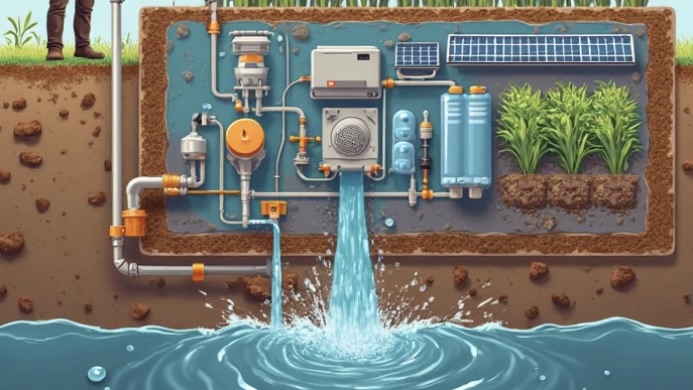
Let me get one thing through your thick skull right off the bat: without water, you’re dead in three days. And no, I don’t mean that fancy sparkling garbage you sip at your desk while checking Instagram. I mean real, drinkable water — the kind that doesn’t rot your guts with bacteria or slowly poison you with chemicals. When the grid goes down and the store shelves are stripped bare by soft-handed suburban panic-zombies, you’d better damn well know how to purify, store, and manage your own water supply. Otherwise, you’ll be a bloated corpse in a ditch next to your Keurig.

You want survival? Start with water. Everything else comes second.

Let me break it down for you because clearly, this world has raised too many people who think “hydration” means buying a BPA-free bottle and putting a sticker on it.


15 SURVIVAL SKILLS FOR WATER PURIFICATION & STORAGE

Screenshot

1. Boiling Water

If you don’t know how to boil water, get out of my face. It’s Survival 101. Bring it to a rolling boil for at least 1 minute (3 minutes at higher elevations). Kills bacteria, viruses, parasites. No electricity? Use a fire, camp stove, or solar oven — if you even know what those are.

2. Building a Fire

Don’t think you’ll boil anything unless you can make a fire with more than just a Bic lighter. Master ferro rods, bow drills, and flint and steel, or freeze your sorry self while sipping swamp water.

3. Basic Filtration with Cloth

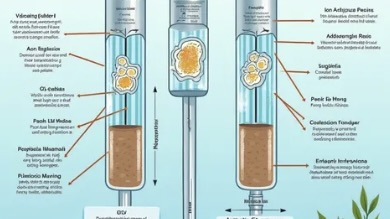
A folded T-shirt can filter out mud, silt, and gunk. No, it won’t kill bacteria — but it keeps you from drinking sludge. Combine it with boiling or chemical treatment. Layer cloth, charcoal, sand, and gravel if you’ve got time to DIY a better filter.

4. Solar Disinfection (SODIS)

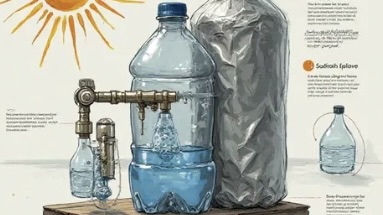
If you’re stranded and desperate, fill a clear plastic bottle, set it in the sun for 6 hours (longer if it’s cloudy), and let UV rays kill the germs. Not ideal, but better than diarrhea death. You city people love plastic, so use it.

5. Chemical Treatment – Bleach

Screenshot

Use unscented household bleach — 8 drops per gallon of water. Stir it, wait 30 minutes, and if it still smells a little like bleach, you’re probably good. Just don’t be a dumbass and overdo it. Sodium hypochlorite saves lives if you use your brain.

6. Iodine Tablets

Stock up. Not tasty, but effective against most pathogens. If you’re pregnant or have thyroid issues, you’re out of luck — but if it’s the apocalypse, maybe don’t be picky.

7. Portable Filters

A Lifestraw or Sawyer Mini could be the difference between life and death. Know how to use and backflush them. Don’t just throw them in your bug-out bag and think you’re Rambo.

8. Rainwater Harvesting

Don’t wait for the tap to dry up. Set up rain barrels, tarps, or even garbage bags to catch water. Know your local laws — yes, the government tries to regulate rain — and know how to filter that water before you drink it.

9. Constructing a DIY Sand & Charcoal Filter

You want clean water? Build a filter. Layer gravel, sand, activated charcoal, and make sure the container drains from the bottom. Run it through once, then boil or chemically treat it. Done right, it beats any overpriced prepper filter out there.

10. Long-Term Water Storage

Water goes bad if you’re stupid. Use food-grade containers. Treat with bleach before storing. Store in a cool, dark place. Rotate every 6–12 months. Don’t store in milk jugs — they degrade and leak. Use HDPE barrels or mylar bags with oxygen absorbers.

11. Know Your Sources

Rivers, lakes, snow, puddles — all different beasts. Learn to identify safe vs. dangerous water. Agricultural runoff, heavy metals, and sewer-contaminated creeks will kill you just as dead as dehydration.

12. Snow & Ice Collection

Melt it before you drink. Never eat snow — it lowers your core temp and can lead to hypothermia. Gather, melt, purify. Every drop counts in the winter.

13. Distillation

Boil water, capture steam, condense it. Kills everything — even removes salt from seawater. Improvise with pots, tubes, and whatever the hell you can scrounge. Knowledge matters more than gear.

14. Water Scouting & Signs

Animals, insects, green vegetation, and low points in terrain often mean water’s nearby. Learn to track water like your ancestors did — before you walk yourself to death chasing mirages.

15. Hydration Discipline

Don’t gulp it all down like a spoiled gym rat. Sip, ration, and manage intake. Hydration is strategy. If you’re sweating like a pig, you’re doing it wrong. Work during cool hours and stay in the shade when you can.


3 DIY SURVIVAL HACKS FOR PURIFICATION & STORAGE

🔧 1. Homemade Charcoal Filter from a Soda Bottle

Take a used 2-liter bottle. Cut off the bottom. Layer in this order: charcoal (from a fire, crushed), sand, gravel, cloth. Punch small holes in the cap. Run water through — and then boil it or treat it. This won’t kill microbes on its own, but it clears out crap and buys you time.

🔧 2. Solar Still

Dig a hole. Place a container in the middle. Surround with wet vegetation or pour dirty water into the pit. Cover with clear plastic. Put a rock in the center of the plastic, so condensed water drips into the container. Passive, no fire needed, and produces pure water. Slow, but it works.

🔧 3. DIY Bleach Dispenser from an Eyedropper Bottle

Take a small eyedropper bottle, label it clearly, and keep it with your gear. Fill it with bleach. 8 drops = 1 gallon of water. Keeps you from eyeballing it like an idiot and accidentally poisoning yourself. Precision saves lives.


WAKE UP AND GET READY

Screenshot

I’m sick of watching armchair preppers buy $3,000 worth of tactical gear and not know the first thing about making their own water safe. You want to survive? Stop playing dress-up and start learning the hard skills. When the power goes out, and the taps run dry, and your neighbors start looking at you like you’re a walking water bottle, you’ll wish you’d spent less time scrolling and more time practicing.

Don’t think FEMA’s gonna save you. Don’t think your Brita pitcher is enough. Don’t think your water heater stash lasts forever. You need redundancy, practice, and grit.

Water is not optional.

Water is survival.

So either get your act together — or get ready to die thirsty.

End of rant. Get to work.