Anyone who’s been around the prepping world long enough knows this: book knowledge and bushcraft skills will only get you so far.
Yes, it’s great if you know how to start a fire with a bow drill or set up a lean-to shelter with paracord. But if you think survival is just about skills, you’re not seeing the whole picture. Survival isn’t just about staying alive—it’s about staying functional, smart, and sane under pressure.
When the grid goes down, society breaks, or you’re deep in the wild with no backup, you’ll need more than just skills—you’ll need grit, mental clarity, and adaptability.
The Real-World Truth About Survival
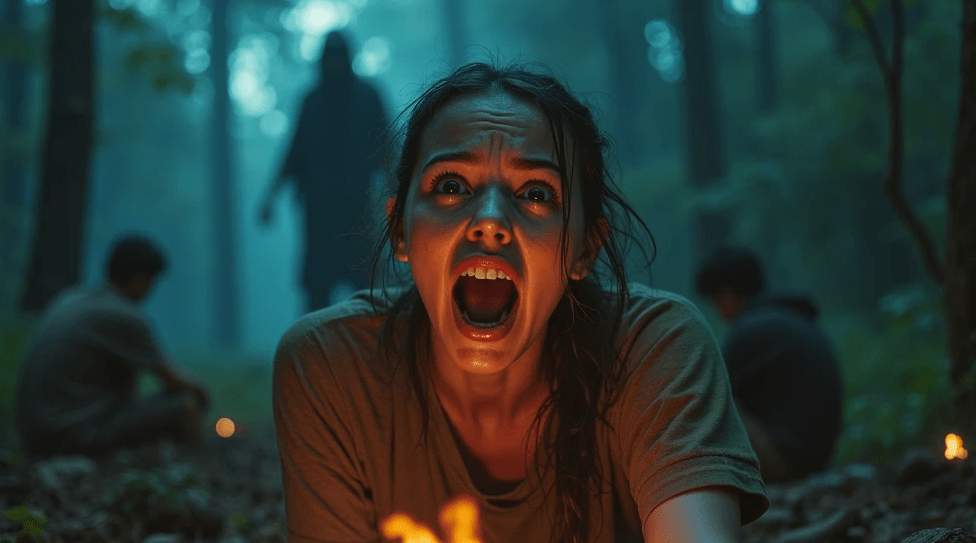
In real-life situations, things don’t happen like they do in the manuals. You don’t get perfect weather. You don’t get all the right gear. You don’t always have time to think. And your biggest threats? They’re not just hunger or cold. They’re panic, poor judgment, fatigue, and people making bad decisions—including you if you’re not ready.
That’s why mental preparedness, physical endurance, and adaptability are just as critical as any survival skill.
10 Survival Prepper Tips to Go Beyond the Basics
1. Train Your Mind Before You Train Your Hands It doesn’t matter how good you are with a ferro rod if you can’t stay calm when you’re wet, cold, and lost. Mental discipline saves lives.
2. Get Uncomfortable on Purpose Practice survival scenarios when conditions suck—rain, cold, hunger, or fatigue. Comfort-based training breeds weakness.
3. Know When to Fight and When to Flee Prepping isn’t just defense—it’s strategy. Sometimes survival means walking away and saving your strength.
4. Build a System, Not Just a Bag Your bug-out bag is only part of the plan. Without a system—routes, contacts, backups—it’s just expensive dead weight.
5. Practice Real-World Scenarios Blindfold yourself and build a fire. Purify water at night. Escape a “stranded vehicle” with limited gear. Don’t train only in fair weather.
6. Harden Your Body Now You won’t rise to the occasion—you’ll fall to your level of training. Hike. Carry weight. Get stronger. Fitness is survival currency.
7. Learn to Work with People You May Not Like In a survival situation, you might not get to pick your group. Learn to lead, follow, and manage tension under stress.
8. Diversify Your Skills Don’t just master fire-starting. Learn comms, basic mechanics, first aid, negotiation, navigation, and bartering. Prepping is about being multi-dimensional.
9. Prepare for Boredom and Isolation Mental fatigue kills. Pack low-tech distractions—cards, a notepad, even a harmonica. Your mind needs fuel just like your body does.
10. Stock Resilience, Not Just Supplies The strongest prep isn’t in your pantry—it’s in your mindset. Keep adapting, learning, and staying three steps ahead. That’s the real edge.
Final Word: Skills Are Just the Beginning
Survival is a full-spectrum discipline. It’s not about being the best woodsman or having the fanciest gear. It’s about enduring the unexpected, staying sharp when it matters, and being prepared when others panic.
So train smart. Think deeper. Prepare harder.
Because when it hits the fan, survival doesn’t reward the skilled—it rewards the ready.
As a survival prepper living in the rugged, often harsh environment of Minnesota, it’s crucial to have a plan in place for not just surviving but thriving when the unexpected happens. Whether you’re preparing for a long-term emergency, practicing off-grid living, or just getting away from it all, camping in the wilds of Minnesota provides the perfect opportunity to hone your skills and connect with nature.
Minnesota, with its dense forests, vast lakes, and diverse ecosystems, offers some of the best camping spots for preppers. Whether you’re looking for a remote location for self-sufficiency training or a more accessible site for family outings, the state is full of options that cater to a variety of needs.
Below is a list of 23 top camping sites that will provide a perfect base to practice your prepper skills, from fire-making and shelter building to water purification and foraging. Let’s dive into the best Minnesota campsites for survival preppers!
This 1.1 million-acre expanse of pristine wilderness is one of the best places in the state to practice survival skills. The BWCAW is known for its remote nature, only accessible by canoe or foot, making it an ideal location for preppers seeking a real wilderness experience. The variety of lakes, rivers, and forests provides endless opportunities to practice everything from fishing and foraging to navigating and shelter building.
2. Voyageurs National Park
Located in the northern part of the state, Voyageurs offers miles of waterways and backcountry camping opportunities. With its remote islands and forests, this park is a prime location for testing your wilderness skills in a more rugged environment. Boat access ensures that you can travel deeper into the park for solitude, or, for a challenge, kayak or canoe to reach more isolated spots.
3. Tettegouche State Park
Tettegouche is perfect for preppers who enjoy a mix of lakeside camping and forested trails. With over 9,000 acres of land, this park offers rugged terrain, waterfalls, and wilderness camping areas that are ideal for practicing survival tactics in a controlled environment.
4. Apostle Islands National Lakeshore
While technically in Wisconsin, the Apostle Islands are a short hop from Minnesota’s border. These 21 islands are accessible by boat or kayak, and they’re perfect for preppers seeking isolation. You can camp on some of the islands and practice self-sufficiency while exploring unique coastal terrain.
5. Cascade River State Park
Known for its dramatic waterfalls and deep ravines, Cascade River State Park offers preppers a secluded area to test their survival skills. The park’s challenging terrain is perfect for those who want to practice creating shelter or navigating difficult landscapes.
6. Split Rock Lighthouse State Park
Split Rock is a scenic and relatively accessible spot for preppers who want to get away without venturing too far into the wilderness. The park has a historic lighthouse, and with miles of hiking trails and cliffs overlooking Lake Superior, it’s a great spot to practice survival skills.
7. Sibley State Park
Sibley is known for its diversity of terrain, from lakes to woods, and its proximity to the Chippewa National Forest. It offers a range of opportunities for learning and practicing wilderness survival tactics like tracking, fire-building, and wilderness first aid.
8. Itasca State Park
This is the birthplace of the Mississippi River, and it’s a fantastic place for preppers to practice wilderness living. Itasca State Park offers dense forests and numerous trails that will help you hone your navigation skills and perfect your understanding of local flora and fauna.
9. Jay Cooke State Park
This park is ideal for those who want to hone their skills in a rugged environment. With its river gorges, dense forests, and terrain that’s both challenging and beautiful, Jay Cooke offers a mix of survival training opportunities and scenic beauty.
10. St. Croix State Park
Located in the eastern part of the state, St. Croix is Minnesota’s largest state park and offers great opportunities for preppers. With a mix of forests, lakes, and trails, this park is perfect for those looking to practice navigation, building shelters, and foraging for food.
11. Upper Sioux Agency State Park
This park provides a secluded and quiet atmosphere, perfect for a prepper who wants to go off-grid for a while. The park features native prairie, woodlands, and the Yellow Medicine River, ideal for practicing survival skills like trapping, fishing, and fire-starting.
12. Fools Creek Campground
Located in the Chippewa National Forest, Fools Creek is an excellent location for preppers who want to be surrounded by forest while learning about shelter building and navigation. The forest is dense, and there are plenty of opportunities to practice skills related to foraging and survival.
13. Gooseberry Falls State Park
The dramatic waterfalls here aren’t just for sightseeing—they provide an excellent backdrop for practicing your prepper skills. Whether you’re building a shelter or fishing, this park offers a natural environment to test your survival strategies.
14. Pipestone National Monument
While known for its cultural significance, Pipestone also offers rugged terrain for practicing survival skills. The trails lead through prairie and wetlands, giving you a chance to work on your navigation and foraging skills while learning about the history of the land.
15. Whitewater State Park
With its rolling hills and river valleys, Whitewater offers beautiful scenery and diverse wildlife. It’s an excellent spot for preppers to practice survival skills like fishing, hunting, and cooking with limited resources.
16. Crow Wing State Park
This state park is perfect for preppers who want to spend some time on water, as it’s located at the confluence of the Crow Wing and Mississippi Rivers. This is a great location to practice paddling, fishing, and bushcraft skills, all while exploring one of Minnesota’s most beautiful regions.
17. Minneopa State Park
If you’re looking to practice your prepping skills with a little more accessibility, Minneopa offers a combination of woods and prairie that’s ideal for beginner preppers. It also has some great trails for hiking and testing your ability to navigate in a mixed environment.
18. Camden State Park
This park, located along the Redwood River, offers a mix of hardwood forest, prairies, and hiking trails. It’s an excellent location to practice fishing, trapping, and living off the land.
19. Blue Mounds State Park
If you’re looking for a more rugged, mountainous terrain, Blue Mounds is the place for you. The park offers opportunities for rock climbing, hiking, and learning to live in a more challenging environment.
20. Lake Bemidji State Park
Located near the city of Bemidji, this park offers a variety of outdoor opportunities, including hiking, canoeing, and wildlife watching. It’s an excellent spot for practicing survival techniques while enjoying the beauty of northern Minnesota.
21. Tamarac National Wildlife Refuge
For preppers interested in honing their survival skills around a wetland environment, Tamarac offers a unique opportunity. Its diverse ecosystems are perfect for learning about wildlife tracking and foraging in a more aquatic environment.
22. Cannon Falls Regional Park
For preppers who want a more urban environment but still need to practice basic survival skills, this regional park is a good option. It’s less remote but offers plenty of opportunities to practice essential skills like first aid and basic bushcraft.
23. Lake of the Woods
Located in the far north of the state, this remote lake offers unparalleled isolation and is perfect for preppers who want to get away from it all. The surrounding woods and waters provide the perfect backdrop for practicing your fishing, shelter-building, and wilderness survival skills.
The Importance of Survival Prepping: A Critical Conclusion
Survival prepping is no longer just a hobby or niche interest; it has become a vital aspect of modern life, especially for those living in areas like Minnesota, where the environment can change abruptly and harshly. While the idea of prepping might seem extreme to some, in reality, it’s a practical and proactive approach to securing your safety and well-being during times of crisis. Whether it’s natural disasters, economic collapse, or civil unrest, being prepared can make the difference between survival and hardship. Let’s dive deeper into why survival prepping is not just important, but crucial for everyone—especially in a state like Minnesota, where the elements and unexpected events can truly test your resilience.
1. Unpredictable Natural Disasters
Minnesota, known for its harsh winters, tornadoes, and severe weather conditions, presents a variety of challenges that can strike unexpectedly. Extreme cold, blizzards, ice storms, and flooding can isolate communities and disrupt essential services like electricity, water, and transportation. When these events occur, they often happen without much warning, leaving little time to react. By being prepared, you can ensure you have the necessary supplies, skills, and mental readiness to handle such crises effectively.
2. Self-Sufficiency in a Crisis
One of the key principles of survival prepping is self-sufficiency. When disaster strikes, whether it’s a natural disaster or a societal collapse, relying on others for help can often lead to disappointment or delay. The ability to be self-reliant—having the tools, knowledge, and skills to survive on your own—gives you an enormous advantage. From growing your own food and purifying water to knowing how to build shelter and start a fire, self-sufficiency ensures that you can withstand even the toughest conditions without needing to rely on outside resources. In Minnesota, with its vast wilderness and unpredictable weather, knowing how to be independent and self-sustaining could save your life.
3. A Layer of Security in an Uncertain World
The world is increasingly uncertain, with political tensions, economic instability, and global challenges that can disrupt our normal way of life. Disasters—whether large-scale catastrophes or smaller, more localized crises—can happen at any time, leaving individuals unprepared for the realities of living without the comforts of modern life. Survival prepping helps provide a layer of security during these times of uncertainty. By preparing now, you’re ensuring that you and your loved ones have a plan and the necessary supplies to face these challenges head-on. This peace of mind allows you to focus on finding solutions, rather than panicking when the time comes.
4. Mental and Emotional Preparedness
Survival prepping isn’t just about physical preparation; it’s also about developing a resilient mindset. When disaster strikes, fear, anxiety, and confusion are natural reactions. However, those who have prepared are often mentally more resilient, able to stay calm and think clearly under pressure. By training in survival techniques, practicing scenarios, and learning problem-solving skills, preppers develop a mindset that’s focused on solutions rather than problems. This mental and emotional preparedness is just as critical as having physical supplies.
5. Community and Family Protection
Survival prepping extends beyond the individual. It’s about ensuring that your family, friends, and community are equally prepared to face crises. When disaster strikes, those who have been trained and equipped to handle difficult situations can provide invaluable support to those around them. A well-prepared family can navigate a crisis together, relying on each other’s strengths, skills, and resources. Moreover, when everyone in a community shares basic survival knowledge and supplies, it increases the overall chance of survival for the group.
6. Sustainability and Long-Term Preparedness
Another reason survival prepping is crucial is its long-term focus. It’s not just about getting through the immediate aftermath of a crisis; it’s about building resilience for the future. Growing your own food, learning sustainable farming techniques, using renewable energy sources, and creating a robust emergency plan can help ensure that your survival is not a short-term fix, but a sustainable way of life. Prepping for long-term survival allows you to thrive in the face of adversity, reducing your dependence on systems that may fail during a crisis.
7. Becoming Better Stewards of the Land
As a prepper, there’s also a strong emphasis on understanding and respecting nature. Survival prepping often goes hand-in-hand with outdoor skills like foraging, fishing, and hunting. By learning to live in harmony with the environment, preppers build a deep connection to the land and an appreciation for sustainable practices. Minnesota’s diverse ecosystems, from forests to lakes, provide endless opportunities to learn and apply these skills. This approach doesn’t just ensure your survival—it also teaches you how to protect the land for future generations.
8. Empowerment Through Preparation
Finally, survival prepping is about empowerment. In an unpredictable world, knowing that you have the skills, knowledge, and resources to overcome challenges can give you a sense of confidence and control. When you prepare for the worst, you’re not just bracing for disaster—you’re actively taking steps to ensure your success in the face of adversity. This proactive approach gives you the mental and emotional strength to handle any situation, from natural disasters to social unrest.
Lastly: Why Survival Prepping Is Critical
Survival prepping is not about living in fear; it’s about living with foresight and resilience. In a state like Minnesota, where weather can be unforgiving and the world can change in the blink of an eye, it’s essential to be prepared. Prepping allows you to be proactive, self-sufficient, and mentally strong in the face of adversity. Whether you’re surviving a harsh winter, an economic collapse, or a natural disaster, the skills and resources you build today could mean the difference between life and death tomorrow.
As a prepper, you’re not just preparing for the worst; you’re ensuring that, come what may, you and your loved ones will thrive no matter what challenges arise.



 TheDailyChristian