Get Ready for Anything: The 30 Best Campsites for Survival Preppers in South Carolina

South Carolina Survival Preppers: The Best Campsites for Bugging Out and Self-Sufficiency

Living in South Carolina, as a survival prepper, means preparing for anything from hurricanes to social unrest. But one of the most overlooked aspects of prepping is finding the right camping spots—places where you can escape to, practice wilderness survival skills, or just retreat when the world gets a little too chaotic. For preppers like us, finding a campsite isn’t just about a relaxing weekend in nature; it’s about preparing for the worst-case scenario. Whether it’s practicing self-sufficiency, learning how to forage, or simply building a shelter, South Carolina offers an abundance of spots perfect for prepping.

Here are 30 of the best survival-ready camping sites in South Carolina that are perfect for preppers. These spots not only provide a great wilderness experience but also the opportunity to hone your skills, test your gear, and ensure that you’re ready for whatever comes your way.


1. Table Rock State Park

Nestled in the Blue Ridge Mountains, Table Rock is one of the state’s most rugged and remote campsites. This spot is ideal for practicing long-term survival skills due to its challenging terrain. With its numerous trails, creeks, and a large lake, this place offers everything a prepper needs to stay connected to nature while testing your skills.

2. Lake Hartwell State Park

This large park offers plenty of land for exploration and shelter-building exercises. The nearby lake also provides opportunities for fishing and learning water survival techniques. There are remote camping sites where you can set up your base and practice different survival skills.

3. Francis Marion National Forest

A massive stretch of forest, this area provides an excellent location for preppers looking to practice navigation, hunting, and foraging. The remote campsites are perfect for testing your ability to live off the land for extended periods.

4. Congaree National Park

With its unique floodplain forest ecosystem, Congaree National Park is an excellent place for practicing waterborne survival skills. The swampy terrain also makes it a good place to simulate difficult survival situations. You’ll want to make sure you bring insect repellent though—this area is rich in mosquitoes!

5. Chester State Park

Located in the Piedmont region, Chester State Park provides an easily accessible, yet secluded, camping experience. It’s perfect for testing out your bug-out gear and practicing low-key survival techniques without going too far from civilization.

6. Huntington Beach State Park

Huntington Beach is ideal for coastal preppers. Not only can you practice skills related to saltwater fishing, but you can also test your ability to survive in a coastal environment. The campground is known for being quiet, giving you ample time for solo practice.

7. Sumter National Forest

Sumter National Forest spans over 370,000 acres, providing vast wilderness areas to explore. Whether you’re interested in primitive camping or practicing fire-starting techniques, this place offers plenty of space to learn and perfect essential survival skills.

8. Devils Fork State Park

For preppers who are comfortable with steep terrain and remote settings, Devils Fork is an excellent place to sharpen your survival instincts. The park also offers lakefront camping, ideal for testing water purification and fishing skills.

9. Edisto Beach State Park

Edisto Beach is another excellent spot for coastal survivalists. While it’s relatively easy to access, the beach’s wilderness area offers a great place to practice shelter-building, foraging, and water collection techniques.

10. Aiken State Park

This park is home to dense forests and a variety of wildlife. For preppers who enjoy hunting or tracking, this park is perfect for sharpening those skills. There’s also an area for primitive camping, allowing you to test your ability to survive without modern amenities.

CLICK HERE TO LEARN HOW TO NEVER STARVE WHEN DOOMSDAY HITS!


11. Oconee State Park

If you’re looking for rugged terrain and a place to build shelters in a forest environment, Oconee State Park is the perfect spot. The park’s remote feel provides a great opportunity to practice bug-out scenarios and create a long-term camp.

12. Lynch’s Woods County Park

A hidden gem in the Midlands, Lynch’s Woods offers excellent, isolated spots to practice bushcraft and survival skills. It’s a great place to disappear into nature for a while and learn how to live off the land.

13. Kings Mountain National Military Park

While known for its historical significance, Kings Mountain also offers great backwoods camping. If you’re into stealth camping or testing your ability to remain unseen in the wilderness, this park provides the perfect backdrop.

14. Myrtle Beach State Park

Don’t let the popularity of this park fool you. Myrtle Beach has plenty of secluded areas where you can practice coastal survival. Learn how to adapt to the beach environment and test your fishing skills.

15. Lake Murray State Park

Lake Murray is perfect for a long weekend of fishing, kayaking, and camping. For preppers who want to practice in a semi-remote setting but still want easy access to supplies, Lake Murray offers the best of both worlds.

16. Poinsett State Park

Poinsett is well-known for its rich history, but it’s also a great spot for primitive camping. The park’s unique topography makes it an ideal place to practice setting up shelters in various environments.

17. Santee State Park

This park, located along the shores of Lake Marion, is perfect for preppers who want to focus on water-based survival skills. It’s also an excellent location for practicing emergency water purification techniques and fishing.

18. Sand Hills State Forest

This spot is ideal for practicing survival techniques like fire-starting, foraging, and shelter-building. The area’s relatively untouched landscape is great for testing your wilderness endurance.

19. Barnwell State Park

Barnwell offers secluded camping and is perfect for preppers who want to practice bug-out drills in a forested environment. The peaceful surroundings make it an excellent place to disconnect and test your survival abilities.

20. Devil’s Backbone Nature Trail

If you’re looking for a trail that tests your ability to navigate, this 5.5-mile path is an excellent choice. Along with its hiking opportunities, it’s a great place to practice wilderness navigation and build temporary shelters.


21. Lake Jocassee

Surrounded by the Blue Ridge Mountains, Lake Jocassee is perfect for preppers who need to practice water survival. Kayaking, fishing, and foraging for food are just some of the activities you can focus on while honing your survival skills.

22. Pee Dee National Wildlife Refuge

This wildlife refuge is a great place for preppers to practice tracking, hunting, and building shelters. The diverse habitats within the refuge will keep you on your toes and teach you to adapt to various environments.

23. Lake Wylie

For those looking to practice long-term survival in a water-rich environment, Lake Wylie is the spot. Its peaceful surroundings are perfect for honing skills like water collection and purification.

24. Givhans Ferry State Park

This park, located along the Edisto River, provides a perfect environment for practicing water purification, kayaking, and shelter-building. The remote nature of the park allows you to feel truly isolated.

25. Cherokee Foothills Scenic Byway

For preppers interested in a more off-grid experience, Cherokee Foothills offers beautiful, rugged terrain ideal for survivalists. The varied landscape provides everything from streams to woodlands to practice different survival techniques.

26. Lake Keowee

Known for its stunning beauty, Lake Keowee offers many camping sites along its shoreline. It’s an excellent spot for learning freshwater fishing techniques, and the surrounding forest makes it perfect for shelter-building.

27. Congaree Swamp

For more experienced preppers, the Congaree Swamp is ideal for testing your ability to survive in wetland environments. This challenging terrain provides plenty of opportunity for practicing foraging, building shelters, and finding food.

28. Hickory Knob State Resort Park

If you want to test your skills in a less populated area, Hickory Knob State Resort Park is the perfect place to go. With its secluded spots and wooded areas, it’s ideal for practicing a variety of skills like fire-starting, shelter-building, and water purification.

29. Sesquicentennial State Park

Located near Columbia, Sesquicentennial offers secluded spots for those looking to escape the hustle and bustle of city life. It’s a great place to practice tracking, shelter-building, and living off the land.

30. Rocky Bottom

For more experienced survivalists, Rocky Bottom is a remote, isolated spot perfect for long-term survival practice. It’s ideal for testing shelter-building techniques, water purification, and stealth camping.
Top 30 Oklahoma Campsites Every Prepper Must Visit

The Best Campsites for Oklahoma Survival Preppers

As survival preppers in Oklahoma, we know that being prepared for anything is the key to survival. Whether it’s the unpredictable weather, the occasional tornado, or just wanting to disconnect from modern society and hone our self-reliance skills, finding the right camping spots is essential. This state, with its vast wilderness, hidden lakes, dense forests, and rugged terrain, offers plenty of opportunities to practice bushcraft, test your gear, or just get away from it all. Here’s a breakdown of the 30 best campsites in Oklahoma that every survivalist should check out, along with some tips on how they can be used for prepper training.

1. Beavers Bend State Park

CLICK HERE TO LEARN HOW TO SURVIVE A FAMINE

Located in southeastern Oklahoma, Beavers Bend is an ideal spot for survivalists who are interested in honing their skills around water. The park has two pristine lakes and the Mountain Fork River, giving preppers the opportunity to practice fishing, water filtration, and building shelters near water sources. Its dense woods also provide great opportunities to learn how to forage and create hidden campsites.

2. Robbers Cave State Park

Robbers Cave is famous for its rugged terrain and historical significance. The park, located in the Ouachita Mountains, is perfect for anyone who wants to practice navigation in difficult terrain. There are plenty of caves, rocky outcrops, and thick woods to explore. This is a great place to practice creating stealthy hideouts, learning to blend in with the environment, and improving overall bushcraft skills.

3. Oxley Nature Center

For those who prefer a more minimalist approach to survival prep, Oxley Nature Center in Tulsa’s Oxley Nature Preserve is a good spot. It has a great mix of woodland, prairie, and wetland environments. The park is perfect for learning how to purify water, find edible plants, and build shelter in diverse ecosystems.

4. Lake Murray State Park

This massive park located in southern Oklahoma offers access to camping sites near both forest and water. It’s a great place to practice long-term survival skills, such as food storage, campfire maintenance, and wilderness navigation. With over 12,500 acres to explore, you’ll have the space to test different survival strategies.

5. Wichita Mountains Wildlife Refuge

The Wichita Mountains are some of the most challenging and rewarding terrains in Oklahoma. This area offers plenty of diverse ecosystems, from grasslands to dense forests and rocky hills. A true test for any prepper, it provides everything you need to practice water collection, building shelters in harsh conditions, and survival in a mountainous environment. It’s ideal for longer trips as you can practice long-term preparedness.

6. Quartz Mountain Nature Park

Quartz Mountain, located in southwestern Oklahoma, is a beautiful spot for practicing bushcraft in rocky, mountainous terrain. The area is known for its sharp cliffs, caves, and abundant wildlife. Perfect for learning rock climbing, creating improvised shelters from natural materials, and simulating scenarios where you might need to survive in the wilderness for extended periods.

7. Red Rock Canyon State Park

Just north of Oklahoma’s border with Texas, this park has dramatic red rock formations, rugged terrain, and plenty of opportunities to practice desert survival skills. It’s a great spot for testing your ability to find and purify water, build fires in windblown areas, and create sun shelters. You’ll also have the chance to experiment with a variety of food procurement methods, from fishing to trapping.

8. Roman Nose State Park

Roman Nose, located in the northwest part of the state, is a great place to practice water survival. The park features a deep canyon with a freshwater lake, making it an ideal location to practice water purification techniques, setting up primitive shelters, and learning how to use the terrain to your advantage. With its diverse terrain, Roman Nose is a fantastic place to put your skills to the test.

9. Beavers Bend Wilderness Area

Separate from the state park itself, the Beavers Bend Wilderness Area is a remote location within the Ouachita Mountains. This area is far from any major highways and is perfect for those looking to disappear off the grid for a while. Its isolation makes it an excellent spot for learning survival in solitude, honing fire-starting techniques, and practicing stealthy movement in thick forests.

10. Great Salt Plains State Park

Located in northwestern Oklahoma, the Great Salt Plains is a truly unique environment. It’s perfect for learning how to survive in a desert-like landscape, with little shade, limited fresh water, and harsh conditions. Preppers can practice saltwater filtration, trapping, and testing their resilience in extreme weather conditions.


30 More Oklahoma Camping Sites for Survival Preppers

  1. Little Sahara State Park
  2. Talimena State Park
  3. Lake Thunderbird State Park
  4. Sequoyah State Park
  5. Hefner Lake Park
  6. Tenkiller State Park
  7. Spavinaw Hills State Park
  8. Broken Bow Lake
  9. Grand Lake State Park
  10. Copan Point
  11. Murray Hills Trail
  12. Turner Falls Park
  13. Pinnacle Hills Campground
  14. Chickasaw National Recreation Area
  15. Boiling Springs State Park
  16. Cedar Lake Campground
  17. Greenleaf State Park
  18. Chickasha Lake Park
  19. Sulphur Creek Campground
  20. Kerr Lake
  21. Lake Eufaula State Park
  22. Wister State Park
  23. Beaver’s Bend Wilderness
  24. Cherokee Landing State Park
  25. Wichita Mountains
  26. Red Slough Wildlife Management Area
  27. Oklahoma City Lake Overholser
  28. Lake Hudson
  29. The Three Rivers Area
  30. Rock Creek Campground

How Preppers Can Utilize These Campsites for Training

Each of these campsites offers unique survival training opportunities. Here’s how preppers can use them to build their skills:

  • Water Procurement & Filtration: Many parks, like Beavers Bend and Wichita Mountains, feature natural water sources where preppers can practice collecting and purifying water using different methods. Knowing how to filter and store clean water is one of the most important survival skills.
  • Shelter Building: Robbers Cave and Lake Murray offer dense woods that make for great areas to build shelters using natural materials. Knowing how to construct a shelter that can protect you from the elements, especially in harsh weather, is critical for long-term survival.
  • Firecraft: Practicing fire-starting in areas with harsh winds and damp conditions, like Roman Nose or the Wichita Mountains, will ensure you know how to start a fire under less-than-ideal circumstances. Firecraft is an essential skill for warmth, cooking, and signaling for help.
  • Foraging & Hunting: Oklahoma’s parks are teeming with edible plants, fruits, and wild animals. Whether you’re foraging for mushrooms in the forests of Robbers Cave or hunting small game at Tenkiller State Park, these sites provide real-world opportunities to hone your foraging and hunting skills.
  • Navigation & Mapping: Remote locations like the Beavers Bend Wilderness Area or the Great Salt Plains State Park are excellent for practicing navigation using a map and compass. Knowing how to navigate in the wilderness is critical in case you ever get lost.

Conclusion

For survival preppers living in Oklahoma, the state offers a wide range of natural environments to practice essential survival skills. Whether you’re an experienced prepper or just getting started, Oklahoma’s diverse terrains—from rugged mountains to dense forests to open plains—provide the perfect training ground for all your survival needs. Plan your next camping trip wisely, and remember that each of these campsites offers something unique that can be utilized in your survival training.

Alabama Survivalist’s Guide to the 30 Best Campsites for Preppers

As a prepper living here in Alabama, you know it’s vital to be ready for any situation life may throw at you. Whether you’re looking to get away from the chaos for a weekend, practice your skills, or stock up on knowledge, camping in Alabama is a must for every survival enthusiast. Alabama offers diverse landscapes, from dense forests to winding rivers and tranquil lakes, that serve as the perfect environment for honing survival skills.

Camping in the great outdoors allows you to practice important skills like shelter-building, fire-starting, and finding clean water, all while familiarizing yourself with the unique terrain of Alabama. Whether you’re a seasoned prepper or just starting out, this state has a wide range of sites for every skill level. Here’s a guide to 30 of the best camping sites in Alabama that will have you prepared for anything.

1. Cheaha State Park

Nestled in the Talladega Mountains, Cheaha State Park is Alabama’s highest point and offers some of the most breathtaking views in the state. It’s a great spot for those looking to practice navigation skills, bushcraft, or simply enjoy a solid, rugged campsite surrounded by nature. With access to hiking trails, waterfalls, and ample wildlife, this site is perfect for prepping and survival training.

2. Bankhead National Forest

Bankhead is a vast, remote national forest with endless opportunities for camping, hiking, and exploring. The dense woods and rugged terrain offer a great challenge for preppers. The wilderness here will test your skills with its diverse plant and animal life, making it an ideal spot for honing your survival tactics.

3. Tuskegee National Forest

If you’re looking for a less populated area where you can focus on practice, Tuskegee National Forest offers a great location for survivalists. With miles of trails, various wildlife, and access to natural water sources, you’ll be able to get in some good, hands-on survival training here.

4. Talladega National Forest

This forest stretches across several counties and is one of the largest natural areas in the state. With miles of trails and access to both camping and primitive sites, Talladega is ideal for preppers looking to practice wilderness survival and testing their gear in a challenging environment.

5. Guntersville State Park

Known for its beautiful views of Lake Guntersville, this park has everything from rustic campsites to modern amenities. It’s a great place for preppers looking to practice water-based survival skills and fishing. Plus, the park has plenty of wildlife and varied terrain to help build your prepper skills.

6. Hocking Hills State Park

This park offers dense woods and deep ravines that’ll put your navigation and shelter-building skills to the test. The landscape here is perfect for practicing tactics in a natural, challenging environment. While the park is well-known for its beauty, it’s also a fantastic location for honing survival instincts.

7. Oak Mountain State Park

Oak Mountain is the largest state park in Alabama, with 10,000 acres of natural beauty. Preppers can take advantage of the park’s variety of landscapes, including lakes, forests, and meadows. Perfect for testing your survival skills in different terrain, Oak Mountain offers primitive campsites that simulate real-world survival scenarios.

8. Little River Canyon National Preserve

For a prepper looking for diverse terrain, this canyon offers cliffs, rivers, and forests. This preserve is ideal for practicing search-and-rescue, building natural shelters, and living off the land. With its remote location, you can spend a few days without any distractions, sharpening your survival instincts.

9. Monte Sano State Park

Monte Sano offers rugged mountain trails and picturesque views that challenge even the most seasoned campers. The park is popular for its rock climbing and hiking trails, which give preppers a chance to practice building endurance and assessing their survival gear in tough environments.

10. Lurleen B. Wallace State Park

This park is great for prepping in isolation. It offers lakes, wooded campsites, and miles of trails. Lurleen B. Wallace State Park is ideal for practicing stealth camping techniques or honing your skills in fishing, foraging, and wilderness survival.

11. Lake Guntersville State Park

With over 6,000 acres of outdoor adventures, Lake Guntersville State Park is another prepper’s paradise. It’s an excellent location to practice building fire, shelter, and water purification, plus there’s plenty of room for long hikes and observation of wildlife.

12. DeSoto State Park

DeSoto State Park, with its large waterfalls and abundant wildlife, offers plenty of opportunities for survivalists to practice finding resources, constructing shelters, and testing out camping gear. There are also various rugged trails here for those looking for challenges.

13. Wind Creek State Park

Located near Lake Martin, this park offers more than just beautiful views—it’s perfect for honing your water-based survival skills. With boating access and miles of trails, Wind Creek is great for any prepper wanting to perfect their skills on both land and water.

14. Birmingham’s Ruffner Mountain Nature Preserve

If you’re in the city and want a quick wilderness escape, Ruffner Mountain offers a great location for testing your skills while being close to urban areas. With many different ecosystems, this nature preserve gives preppers a chance to practice on relatively rough terrain.

15. Pine Glen Recreation Area

Located in the William B. Bankhead National Forest, this site offers some primitive camping with access to multiple hiking and mountain biking trails. It’s the perfect spot for someone looking to get serious about wilderness survival and hone their skills.

16. Flatwoods Campground

Located in the Talladega National Forest, this primitive site is ideal for prepping in isolation. The terrain is hilly, and the area offers good opportunities to practice bushcraft and other survival skills.

17. Tuscumbia Nature Preserve

A beautiful and often overlooked spot, this park has great camping sites for anyone wanting to escape into nature for a weekend of survival training. The abundance of wildlife makes it ideal for learning how to track, forage, and survive in the wild.

18. Tallassee River Campground

This spot provides a serene setting along the river, with ample opportunities for fishing, swimming, and water survival training. The terrain here is somewhat rugged, which is perfect for preparing yourself for a variety of environments.

19. Flat Rock Park

Ideal for those looking to do a little more advanced prepper training, this park offers primitive campsites surrounded by thick forests. It’s a peaceful spot for sharpening your skills in fire starting, shelter building, and more.

20. Wind Creek State Park

A perfect place for testing survival techniques along the water’s edge, Wind Creek features excellent areas to practice fishing, water navigation, and emergency water purification skills.


30 Top Alabama Campsites for Survival Preppers:

  1. Cheaha State Park
  2. Bankhead National Forest
  3. Tuskegee National Forest
  4. Talladega National Forest
  5. Guntersville State Park
  6. Hocking Hills State Park
  7. Oak Mountain State Park
  8. Little River Canyon National Preserve
  9. Monte Sano State Park
  10. Lurleen B. Wallace State Park
  11. Lake Guntersville State Park
  12. DeSoto State Park
  13. Wind Creek State Park
  14. Birmingham’s Ruffner Mountain Nature Preserve
  15. Pine Glen Recreation Area
  16. Flatwoods Campground
  17. Tuscumbia Nature Preserve
  18. Tallassee River Campground
  19. Flat Rock Park
  20. Wind Creek State Park
  21. Pine Glen Campground
  22. Beavers Bend State Park
  23. Little River Canyon National Preserve
  24. Blue Springs State Park
  25. Desoto State Park
  26. Choccolocco Mountain Trails
  27. Cheaha Wilderness Area
  28. Coosa River Canoe Trail
  29. Alabama Highlands Trail
  30. White Sands Campground

Texas Camping Survival Guide: Where Preppers Thrive

When it comes to preparing for an emergency or practicing your wilderness survival skills, few places offer as much diverse terrain, natural beauty, and tactical advantage as the state of Texas. Known for its vast open lands, unpredictable weather, and rugged landscapes, Texas is a top choice for preppers looking for camping sites that offer both isolation and the ability to hone vital skills. Whether you’re perfecting fire-starting techniques, building shelters, or learning to live off the land, finding the right campsite is crucial. In this article, we’ll dive into the 30 best camping sites across Texas that will test your survival instincts, push your skills to the limit, and offer peace of mind in your journey to self-sufficiency.

1. Big Bend National Park

This is the crown jewel of Texas wilderness. Located in the farthest reaches of West Texas, Big Bend offers a vast, remote location with desert, mountain, and river ecosystems. It’s perfect for anyone who wants to test their survival skills in extreme conditions. The park offers isolation, stunning views, and ample opportunities to practice wilderness navigation.

2. Guadalupe Mountains National Park

If you’re looking to practice shelter building in rugged terrain, this is your place. The Guadalupe Mountains boast some of the highest peaks in Texas, and you’ll find plenty of space for self-reliance exercises like water purification and firecraft.

3. Palo Duro Canyon State Park

Known as the “Grand Canyon of Texas,” this park is a great location for camping and prepper activities. The canyon’s landscape is perfect for understanding terrain features and wilderness survival techniques. There’s ample wildlife and a variety of environments, from high plains to canyon floors.

4. Caddo Lake State Park

Survivalists looking to practice swamp survival need to make a trip to Caddo Lake. This is an ideal spot for learning how to navigate wetlands, use aquatic resources, and gain experience in primitive shelter building.

5. Lake Livingston State Park

With its vast wooded areas and proximity to water, this park is an excellent choice for testing survival gear, setting up base camps, and learning to fish and forage in a lush, forested environment.

6. Texas Hill Country State Natural Area

This is a less crowded spot perfect for practicing basic survival skills such as wild edibles identification and fire-building in varied terrain. The remote location offers peace of mind and the solitude needed for serious prepper training.

7. Davy Crockett National Forest

For those seeking a forested environment, Davy Crockett National Forest provides a remote and tranquil setting perfect for testing your wilderness survival techniques. With a mix of thick forest and open areas, it’s great for learning to stay off the grid.

8. Chisos Basin Campground (Big Bend National Park)

A more sheltered location within Big Bend, the Chisos Basin offers high-altitude campsites with cooler temperatures, ideal for preppers who want to practice building fires in cold weather or experimenting with more challenging environments.

9. Government Canyon State Natural Area

Located just outside San Antonio, Government Canyon offers plenty of space for prepping activities. It’s a wonderful area for testing out your gear while hiking through varied landscapes and exploring more rugged, rocky terrain.

10. South Llano River State Park

South Llano River is ideal for preppers looking to practice water purification techniques and survival in riverine environments. The park also has areas that are perfect for testing navigation skills and wilderness survival.

11. Fort Richardson State Park

A historic site and a great place to practice your tactical skills while also exploring the remnants of Fort Richardson. Its varied landscape is perfect for scouting, shelter building, and testing survival strategies in different environments.

12. Inks Lake State Park

Situated on the shores of Inks Lake, this park offers the opportunity for survivalists to work on water-based survival strategies, fishing, and testing self-sufficiency. The lake also provides an important resource for purifying water.

CLICK HERE TO LEARN HOW TO SURVIVE A FAMINE

13. Bastrop State Park

Known for its beautiful pine forests, Bastrop State Park offers a more traditional forest environment for survivalists. It’s great for wilderness training, camping, and practicing primitive skills in the piney woods of East Texas.

14. Lake Mineral Wells State Park

This park is a popular spot for practicing land navigation, shelter building, and water purification, all while enjoying the tranquility of a lake surrounded by rugged terrain. It’s a solid spot for learning to live off the land.

15. Big Thicket National Preserve

A critical area for those seeking a challenge in wetland survival, Big Thicket offers dense forest and swampy areas. It’s perfect for preppers looking to develop skills related to tracking, foraging, and navigating dense underbrush.

16. Lost Maples State Natural Area

Ideal for preppers looking to explore more isolated, wooded environments, Lost Maples offers beautiful and challenging terrain that is great for survival exercises like food gathering, fire-making, and shelter construction.

17. Monahans Sandhills State Park

A unique environment made up of rolling sand dunes, this location is perfect for learning desert survival skills. Practicing water conservation and adapting to extreme heat are key lessons at Monahans Sandhills.

18. Colorado Bend State Park

For those looking for a diverse environment, Colorado Bend offers a mix of caves, river crossings, and rugged trails. It’s perfect for practicing land navigation and enhancing your survival kit in various challenging landscapes.

19. Big Bend Ranch State Park

A rugged, remote area where you can practice a range of survival skills. Whether you’re learning how to navigate desert terrain or live off the land in isolation, this park offers an excellent setting.

20. St. Edwards Park

St. Edwards provides a secluded space near Austin where survivalists can practice shelter building and foraging techniques. The varied terrain of woods and creeks adds to the experience.

21. Caprock Canyons State Park

Great for those who want to test their navigation and survival skills in arid, rocky terrain, Caprock Canyons offers isolation and a range of opportunities for survival training.

22. Lake Arrowhead State Park

Located in North Texas, this park has wooded areas perfect for testing shelter-building and wilderness skills. The nearby lake provides ample fishing and water purification opportunities.

23. Purtis Creek State Park

This park offers a blend of forest and lake environments, providing plenty of chances to test different survival skills, including shelter building, water purification, and even animal tracking.

24. Devil’s River State Natural Area

One of the most isolated spots in Texas, Devil’s River is perfect for those who want to practice true wilderness survival in an unforgiving environment. It’s an excellent location for water purification and fishing.

25. Tyler State Park

With a mixture of pine forests and clear water lakes, Tyler State Park offers excellent opportunities for learning to navigate difficult terrain and practice water-based survival.

26. Briarwood Nature Preserve

For a less-traveled location, Briarwood offers a quiet, undisturbed environment perfect for practicing survival skills and camping off the grid in solitude.

27. Huntsville State Park

A combination of dense forest and scenic lakes makes Huntsville State Park a great location for testing gear, learning bushcraft, and practicing wilderness survival tactics.

28. Mother Neff State Park

As one of the oldest state parks in Texas, Mother Neff offers preppers an opportunity to enjoy a remote setting perfect for small-scale survival training like fire-making, shelter building, and water sourcing.

29. Lockhart State Park

Known for its historic charm, Lockhart is a great site for preppers who are looking to hone their skills in less challenging, but still realistic, Texas terrain.

30. Sabine National Forest

For those who want a real challenge, Sabine National Forest offers rugged trails and a mix of dense woods and swampland. It’s ideal for testing water purification methods, fire-starting, and overall survival in diverse environments.

Alabama’s Toughest Natural Disasters and How to Survive Them

Surviving the Worst: How Alabama Residents Prep for Natural Disasters

In Alabama, we’re no strangers to the wrath of Mother Nature. From tornadoes ripping through the flatlands to the scorching summer heat and the occasional hurricane, we’ve learned how to be ready for whatever comes our way. As a survivalist, it’s not just about having a stocked pantry and a few bottles of water; it’s about being mentally, physically, and emotionally prepared for any disaster that strikes. In the Heart of Dixie, preparation is a way of life. If you’re thinking about surviving the worst natural disasters in Alabama, here’s how we get ready for the chaos.

CLICK HERE TO LEARN HOW TO SURVIVE A FAMINE

Tornadoes: The Silent Killers of the South

Alabama ranks high on the list for tornado activity in the United States. We’re in what’s known as “Tornado Alley,” where these violent storms can strike with little to no warning. The biggest threat isn’t the twister itself, but the debris it throws around like a giant blender. To prep for a tornado, we follow a few golden rules:

  1. Have a Safe Room – Most Alabamians have a basement or a fortified closet, but if you’re in a mobile home or a home with no basement, make sure you have access to a safe room. In your safe space, include a helmet (to protect your head from flying debris), a flashlight, a battery-powered radio, and a first aid kit.
  2. Weather Radio – This one’s non-negotiable. A NOAA weather radio will give you alerts on weather changes, giving you that crucial warning before disaster strikes. I’ve got mine next to my bed, so I know exactly when to get ready.
  3. Keep Emergency Kits Ready – Have a bug-out bag for each member of the family, including pets. Non-perishable food, water, a knife, and survival gear can keep you alive long enough to make it to safety.

Hurricanes: The Gulf Coast Beast

Although hurricanes are most commonly associated with the Gulf Coast, they often hit Alabama as well. The state’s southern coastline faces the full brunt of these storms, which means storm surge, flooding, and high winds are serious risks. You need to prepare long before the storm is on the horizon.

  1. Have an Evacuation Plan – If a hurricane is on the way, you don’t have time to plan. I’ve got multiple routes mapped out for evacuating the area. It’s also a good idea to know which evacuation shelters in your area will take pets, as not all of them do.
  2. Flood Protection – Alabama is prone to flooding during hurricanes, and you’ll want to protect your property. Sandbags, water barriers, and even plastic sheeting can help divert water away from your home. Elevating your critical equipment, like generators and fuel, is another way to keep everything dry when the rains come down hard.
  3. Water Filtration – I can’t stress this enough. If the storm takes out the power, you can lose access to clean water. Having a portable water filter or water purification tablets in your kit is a must. It’s worth investing in a good filtration system or a stockpile of bottled water to get you through the first few days of the storm.

Flooding: More Than Just a Summer Shower

Alabama’s mountainous terrain and heavy rainfall create a perfect storm for flooding. Even a few inches of rain can overwhelm drainage systems and flood roads in rural areas. Flash floods are an unpredictable and dangerous risk, so it’s important to be aware of your surroundings.

  1. Know Your Flood Zone – If you live in a flood-prone area, know the elevation of your home. If the rains start, and the water rises, you need to know if you’re at risk. If you are in a flood zone, having sandbags and a plan to evacuate is critical.
  2. Elevate Your Belongings – If you’re in a flood zone, invest in flood barriers, and elevate your important supplies. In my case, I’ve moved valuable gear and documents to higher shelves or even upper floors to keep them dry during heavy rains.

Droughts: Alabama’s Silent Disaster

The scorching Alabama sun can turn the landscape dry and barren, especially in the middle of summer. Droughts are becoming more frequent, putting pressure on water supplies, farming, and personal water use. Here’s how we stay ready for extended dry spells:

  1. Conserve Water – Alabamians who live through a drought know the importance of water. We conserve rainwater using barrels or stock up on bottled water during dry spells. When possible, I harvest rainwater for non-potable uses, like watering the garden or flushing toilets.
  2. Grow Your Own Food – In Alabama, a good crop is one of the most important things you can rely on during a drought. Planting drought-resistant crops like okra, sweet potatoes, and beans is key. And, having a solar-powered irrigation system can keep your crops alive during dry spells.

Wildfires: A Growing Threat

In the dry months, the risk of wildfires increases, especially in the wooded areas of Alabama. While the state isn’t as wildfire-prone as other parts of the U.S., it’s still a danger that shouldn’t be underestimated.

  1. Create Defensible Space – A defensible space is an area around your home that’s cleared of vegetation and other fire hazards. If you live in an area with lots of trees or brush, clearing out dry leaves and brush, and using fire-resistant materials on your home can help protect against wildfires.
  2. Fire Extinguishers and Fire Tools – Keep a fire extinguisher handy, and if you’re in an area prone to wildfires, have fire-starting tools, water, and hoses to put out small flames before they spread.

10 Additional Survival Prepper Tips for Alabama’s Disasters:

  1. Keep a full gas tank – Never let your car’s gas tank dip below half, especially during storm season, as you never know when evacuation or travel will become necessary.
  2. Maintain a 72-hour kit – This kit should contain everything you need for 72 hours, including food, water, clothing, and hygiene products.
  3. Check your insurance coverage – Review your homeowner’s insurance to ensure it covers natural disasters, especially tornadoes and floods.
  4. Secure your home – Install storm shutters, reinforce doors, and make sure windows are able to withstand high winds.
  5. Keep important documents safe – Store all critical documents (ID, insurance papers, etc.) in waterproof containers.
  6. Stockpile essentials – Non-perishable food, medical supplies, and other emergency gear will make a huge difference if you lose access to stores.
  7. Train your family – Everyone should know what to do in case of an emergency, including how to use a fire extinguisher, where to shelter, and how to stay calm.
  8. Back up important data – Store vital data like medical records and family contacts on a portable hard drive or in the cloud.
  9. Keep a multi-tool – A good, sharp multi-tool can be invaluable in an emergency. I never leave home without mine.
  10. Join a community prepper group – Networking with others who are prepping for disasters can offer tips, resources, and a safety net in case the worst happens.

Final Thoughts

Living in Alabama means living with the threat of natural disasters, but we don’t just sit around and wait for the next big one. Instead, we’re always prepared. Whether it’s a tornado or hurricane or even an unexpected flood, we’ve got our bases covered. The key to surviving Alabama’s worst disasters isn’t just about having a stockpile of food or a basement full of supplies. It’s about knowing how to adapt, having the right mindset, and being part of a community that’s always prepared to survive and thrive.

Arizona Disaster Survival: Top 10 Tips for Prepping in the Desert

10 Survival Prepper Tips for Natural Disasters in Arizona:

CLICK HERE TO LEARN HOW TO SURVIVE A FAMINE

  1. Prepare for Extreme Heat:
    Arizona is notorious for its scorching summer temperatures. Ensure your home is equipped with reliable air conditioning and invest in portable fans. Always have extra water stored, and create a plan for cooling off during heat waves.
  2. Stay Ready for Monsoon Season:
    From late June to September, Arizona experiences intense monsoons. Keep sandbags on hand, check your roof for leaks, and ensure proper drainage around your home to prevent flooding. Have an emergency kit ready in case of power outages.
  3. Fire-Proof Your Property:
    Wildfires are a significant concern, especially in rural and wooded areas. Clear brush and dry vegetation around your home, create defensible space, and keep hoses and fire extinguishers accessible. Consider installing fire-resistant roofing.
  4. Prepare for Flash Flooding:
    Arizona’s desert terrain can lead to sudden, dangerous flash floods. Stay informed by watching weather forecasts, and know the flood-prone areas in your region. Avoid driving during heavy rain, and always have an emergency escape plan.
  5. Create a Home Emergency Kit:
    Ensure you have a comprehensive emergency kit with essentials like food, water, first aid supplies, medications, flashlights, and a multi-tool. Consider including a solar-powered charger for communication during power outages.
  6. Learn How to Handle Dust Storms:
    Arizona is no stranger to dust storms (or “haboobs”). Have a dust mask or bandana on hand, and if you’re driving, pull over and turn off the vehicle. It’s also smart to keep windows tightly sealed and the AC on recirculate mode during a storm.
  7. Secure Your Home Against Earthquakes:
    While Arizona isn’t a major earthquake zone, temblors do occur. Secure heavy furniture and objects, reinforce foundations, and ensure you have a basic understanding of earthquake safety, such as “Drop, Cover, and Hold On.”
  8. Stock Up on Long-Term Food and Water:
    In Arizona, it’s essential to have a long-term supply of food and water, especially in areas where resources may be cut off due to wildfires, floods, or heatwaves. Focus on non-perishable, high-calorie foods like canned goods and freeze-dried meals.
  9. Stay Informed with a Weather Radio:
    Arizona’s unpredictable weather means you need to stay updated. A battery-powered or hand-crank weather radio can keep you informed about emergency alerts and weather warnings, even during power outages.
  10. Establish an Evacuation Plan:
    Arizona residents should have an evacuation plan in case of wildfires, floods, or extreme weather. Ensure your family knows multiple routes to evacuation points, and have a “go-bag” ready with essentials like identification, cash, and a portable power bank.

Master Your Survival Skills at These West Virginia Campsites

The Ultimate Guide to the Best Camping Sites in West Virginia for Survival Preppers

As a survival prepper living in West Virginia, I can tell you that this state offers some of the most rugged, wild, and beautiful landscapes perfect for testing your survival skills and honing your preparedness. With its thick forests, rolling mountains, and remote, secluded valleys, West Virginia provides a variety of terrains that are ideal for anyone looking to hone their outdoor survival skills, escape the modern world, or just get back to basics.

CLICK HERE TO LEARN HOW TO SURVIVE A FAMINE

Whether you’re practicing shelter-building, honing your bushcraft skills, or just learning to live off the land, the Mountain State offers a treasure trove of camping locations that’ll help you prep for whatever comes your way. So, let’s take a look at some of the best campsites where preppers can go to experience the full range of wilderness survival challenges.

1. Monongahela National Forest – Ultimate Survival Terrain

This is the crown jewel of West Virginia’s wilderness. Monongahela National Forest spans over 900,000 acres of untamed forest, mountain peaks, and pristine streams. The forest is home to an abundance of wildlife, ranging from deer and black bears to wild turkeys. Its rugged landscape is perfect for anyone looking to practice bushcraft skills, fire-starting, and shelter-building. There are several campgrounds scattered throughout the forest, including the Blackwater Falls Campground and the Glady Fork Campground, which offer easy access to some of the most remote and rugged areas in the state.

2. New River Gorge National Park & Preserve – High Cliff Views

If you want a combination of stunning scenery and diverse wilderness survival challenges, the New River Gorge is the place to be. The Gorge offers high cliffs, deep ravines, and dense forests to explore. The campgrounds, like the Sandstone Falls Campground, are centrally located, providing easy access to the river, where you can practice fishing and water purification techniques. And don’t forget about the famous New River Gorge Bridge, a perfect spot for a strategic lookout and a reminder of how to stay aware of your surroundings.

3. Cedar Creek State Park – Peaceful & Secluded

Cedar Creek State Park offers 1,400 acres of peaceful woodlands and wetlands. It’s one of the more accessible parks for beginners who want to ease into prepping while still being immersed in nature. The park’s campground is well-equipped, but the true gem is its secluded areas. You can escape into the backcountry where you’ll find plenty of shelter-building opportunities, fishing spots, and a chance to practice navigation using the park’s numerous trails.

4. Dolly Sods Wilderness – Remote & Rugged

For the true survival prepper, Dolly Sods is one of the most challenging and rewarding places to camp in West Virginia. This area is notorious for its harsh weather, rough terrain, and high-altitude conditions. The wilderness offers a combination of forests, grassy balds, and alpine meadows. Camping here will test your ability to manage shelter, warmth, and food sourcing. It’s remote and wild, making it an ideal place for those looking to disappear into the wilderness for a few days.

5. Seneca Rocks – Rock Climbing and Survival Skills

Seneca Rocks is a popular spot for rock climbers, but it also offers an excellent location for survival preppers. The campground here offers close proximity to both hiking and climbing areas, where you can practice shelter-building, creating improvised tools, and even building emergency fire-starting methods using local resources. The view from the top is a perfect reminder to always stay alert and prepared.

6. Lost River State Park – Forested Escape

Lost River State Park, tucked away in the eastern part of the state, is perfect for preppers seeking a more remote and quiet location. The park’s trails take you through dense forests, hills, and along the Lost River. If you want to practice navigating by natural landmarks, this is your spot. The park also has some backcountry campsites, which are ideal for long-term, off-the-grid survival scenarios.

7. Greenbrier River Trail State Park – Long-Term Shelter Building

The Greenbrier River Trail runs for 78 miles, passing through some of West Virginia’s most stunning landscapes. The state park offers numerous camping sites along the trail, and the secluded nature of this park means you can practice long-term survival skills, such as foraging, water filtration, and creating shelter that will keep you warm even in the winter months.

8. Watoga State Park – Old Growth Forests & Solitude

With over 10,000 acres of land, Watoga State Park is one of the largest parks in the state. The park offers dense forests and quiet, remote campsites that provide preppers the perfect opportunity to practice their bushcraft skills. The wildlife here is abundant, and you can learn to track and observe animals as you prepare for long-term survival scenarios.

9. Blackwater Falls State Park – Iconic Wilderness Skills

Located in the Allegheny Highlands, Blackwater Falls is one of West Virginia’s most famous parks. The park offers accessible campgrounds as well as opportunities to hike through the forested hills, navigate waterways, and practice fire-building techniques using natural materials. The Blackwater Falls themselves make a stunning backdrop for practicing wilderness survival in some of the state’s most beautiful scenery.

10. Shawnee State Park – Mountain Escape

Shawnee State Park offers nearly 3,000 acres of rugged terrain, ideal for testing your survival skills. Located in the Appalachian foothills, this park has diverse landscapes, from thick forests to steep mountain ridges. Preppers will appreciate the park’s isolation, and there are a number of secluded campsites to choose from, allowing you to practice your long-term preparedness techniques.

11. Bluestone State Park – River and Forest Survival

Nestled along the Bluestone River, Bluestone State Park is perfect for water-based survival training. The area offers plenty of fishing and water purification opportunities. There are also wooded areas for fire-making, shelter-building, and honing your natural navigation skills. The campgrounds are situated near the river, offering a peaceful and secluded setting for survival practice.

12. Pipestem Resort State Park – Complete Survival Experience

Pipestem Resort State Park is a 4,050-acre park with diverse landscapes, offering the perfect spot for preppers looking to test a variety of survival skills. The park features rugged mountains, steep gorges, and beautiful waterfalls, with multiple trails to explore. The remote campsites offer privacy, making this an ideal location for honing your skills without distractions.

13. Babcock State Park – Historic and Remote

Babcock State Park is home to the famous Glade Creek Grist Mill, but it also has secluded campsites that are ideal for practicing survival techniques. The park’s hilly terrain and thick forests offer ample opportunities for tracking, shelter-building, and other essential survival skills.

14. Stonewall Jackson Lake State Park – Fishing and Prep Skills

Stonewall Jackson Lake offers excellent opportunities for fishing and water survival training. With a mix of water and wooded areas, this park provides a great place to practice fishing, purifying water, and learning to build shelters near water sources.

15. Capitol State Forest – Remote Practice

Capitol State Forest, though relatively small, offers secluded campsites that make it ideal for practicing survival in a remote location. The park’s trails lead through rugged terrain, allowing preppers to test their navigation, shelter-building, and fire-starting skills.

Conclusion

West Virginia is a prepper’s paradise, with a wealth of camping sites that offer a variety of terrains and challenges. Whether you’re looking to practice basic bushcraft or immerse yourself in a more extreme survival experience, this state has something for everyone. From the dense forests of the Monongahela National Forest to the high cliffs of Seneca Rocks, these sites provide endless opportunities to enhance your skills and prepare for whatever the future holds.

Top 30 Camping Sites for West Virginia Survival Preppers

  1. Monongahela National Forest
  2. New River Gorge National Park & Preserve
  3. Cedar Creek State Park
  4. Dolly Sods Wilderness
  5. Seneca Rocks
  6. Lost River State Park
  7. Greenbrier River Trail State Park
  8. Watoga State Park
  9. Blackwater Falls State Park
  10. Shawnee State Park
  11. Bluestone State Park
  12. Pipestem Resort State Park
  13. Babcock State Park
  14. Stonewall Jackson Lake State Park
  15. Capitol State Forest
  16. Chief Logan State Park
  17. Tygart Lake State Park
  18. Canaan Valley Resort State Park
  19. Kanawha State Forest
  20. Berkeley Springs State Park
  21. French Creek Freddie Wildlife Management Area
  22. Huntington District’s High Knob Recreation Area
  23. Hunter’s Run Campground
  24. Lost World Caverns Campground
  25. Little Beaver State Park
  26. Minnehaha Springs
  27. Oak Creek Campground
  28. Summerville Lake
  29. Glade Creek Campground
  30. Big Bend Campground

Conclusion: West Virginia, a Preppers’ Paradise

West Virginia is more than just a beautiful state; it’s a wilderness survivalist’s dream come true. Known for its rugged mountains, dense forests, and remote valleys, this state offers an unmatched opportunity for preppers to hone their survival skills in a real-world environment. Whether you’re perfecting your shelter-building, refining your bushcraft techniques, or simply looking to get away from the modern world and reconnect with nature, West Virginia has the perfect camping spots to meet your needs.

The state is home to over 2 million acres of national forest, including the iconic Monongahela National Forest, and boasts a wealth of state parks, wilderness areas, and backcountry trails that will test your survival abilities. From the windswept peaks of Dolly Sods Wilderness to the tranquil waters of Bluestone State Park, each location offers unique challenges and opportunities for those preparing for any situation.

Beyond just its natural beauty, West Virginia also provides a real sense of seclusion and solitude, essential for those who want to practice long-term preparedness or escape from the constant hustle and bustle of modern life. Whether you’re a seasoned prepper or just starting to build your outdoor skills, the Mountain State offers some of the best landscapes to do so.

As a prepper, the ability to truly test your skills in varied and rugged terrain is invaluable. West Virginia’s diverse topography and wildlife will push you to adapt and overcome any challenge, while its remote areas offer a safe haven to practice what you’ve learned without distractions. So, gear up, plan your trip, and head out to one of these amazing campsites—because in West Virginia, survival isn’t just a hobby, it’s a way of life.

West Virginia isn’t just a state; it’s a sanctuary for anyone ready to step into the wild and face the elements head-on. Make the most of your time there, and keep building your skills—because in these mountains, the possibilities for self-reliance and preparation are endless. Stay safe, stay sharp, and always be ready.

Survival Preppers’ Dream: 22 Must-Visit Campsites in Mississippi

The Best Campsites for Mississippi Survival Preppers: A Guide to Thriving in the Magnolia State

Survival prepping is a lifestyle, and here in Mississippi, it’s all about preparing for the worst while hoping for the best. Whether you’re preparing for a storm, a long-term disaster, or just looking to test your skills off the grid, camping is one of the most effective ways to hone your survival techniques. Our state is rich in natural beauty and diverse landscapes, offering plenty of opportunities to practice essential outdoor skills, whether you’re a seasoned prepper or just getting started.

From deep forests to riverfront sites and remote islands, Mississippi offers an array of camping experiences that are perfect for anyone looking to sharpen their survival instincts. If you’re ready to embrace the challenges that come with prepping in the wild, here’s a list of 22 of the best campsites across the state that will help you develop the skills necessary for long-term survival.

1. Tishomingo State Park

Located in the northeastern part of Mississippi, Tishomingo State Park offers a blend of rugged terrain, rolling hills, and diverse wildlife. It’s a great place to practice shelter building and fire-starting in a wilderness setting. The park’s natural beauty and peaceful environment make it perfect for those looking to hone their survival skills.

Key Survival Skill: Shelter building and fire-starting

2. Pascagoula River Audubon Center

If you’re looking for a more unique experience, the Pascagoula River Audubon Center offers swampy marshlands, wildlife-rich areas, and solitude. This area can help you practice water-based survival techniques, including building a raft, fishing, and foraging for edible plants.

Key Survival Skill: Water survival and fishing

CLICK HERE TO LEARN HOW TO SURVIVE A FAMINE

3. LeFleur’s Bluff State Park

This park is located near Jackson and offers a mix of forest and lakefront sites. It’s a great spot for those looking to practice fishing, trapping, and creating makeshift shelters. The park is easy to access and provides a controlled environment to sharpen your skills.

Key Survival Skill: Fishing and trapping

4. Keesler Air Force Base Campground

For those who want a more structured, yet still rugged, camping experience, the Keesler Air Force Base Campground near Biloxi provides military-style camping sites with access to beaches, forests, and other environments perfect for prepping. You’ll learn how to live in harsh conditions while still having a little comfort.

Key Survival Skill: Adaptability and basic gear usage

5. Natchez Trace Parkway

Stretching through Mississippi, the Natchez Trace Parkway offers a mix of forested campsites and long stretches of remote terrain. It’s an excellent spot for long hikes and practicing navigation, a crucial survival skill. You can also learn how to secure food in a variety of environments here.

Key Survival Skill: Navigation and food procurement

6. Cedar Point Campground

Located in the Gulf Islands National Seashore, Cedar Point offers a secluded, beachside experience where you can hone skills like water purification, coastal survival, and shelter building in sandy environments. You’ll also find plenty of wild edibles and fishing opportunities.

Key Survival Skill: Coastal survival and water purification

7. Mississippi Palisades State Park

This park is perfect for survivalists looking for a more rugged experience. The terrain is steep, and the area offers forested areas, cliffs, and views of the Mississippi River. This site is perfect for honing your climbing skills and wilderness navigation.

Key Survival Skill: Climbing and advanced navigation

8. Percy Quin State Park

Just an hour’s drive from Jackson, Percy Quin offers plenty of lakeside campsites surrounded by woods. It’s a great spot for practicing your fishing techniques and learning how to survive in more moderate climates with various habitats.

Key Survival Skill: Fishing, survival tactics in moderate climates

9. Bogue Chitto Water Park

If you’re interested in water survival skills and rafting, Bogue Chitto Water Park offers fast-moving water and lush forests, making it the perfect environment to practice water-based survival tactics and shelter-building in wet, cold conditions.

Key Survival Skill: Water-based survival

10. Tallahatchie Flats Campground

This remote campground is ideal for those looking for solitude and a place to escape from civilization. It’s a great spot to practice foraging and understanding the natural world around you while testing your ability to survive in isolated areas.

Key Survival Skill: Foraging and living off the land

11. Gulf Islands National Seashore

There’s nothing like learning to survive along the coast, and Gulf Islands National Seashore offers pristine beaches and dense forests. It’s a great place to practice wilderness skills like shelter-building, fishing, and fire-starting, all while learning how to use the elements to your advantage.

Key Survival Skill: Coastal shelter-building, fishing

12. Clear Springs Campground

Located in the DeSoto National Forest, this campsite offers a chance to camp by clear springs in a quiet, secluded environment. It’s the perfect location to practice water purification techniques, shelter-building, and finding wild edibles.

Key Survival Skill: Water purification and wild edibles

13. Black Creek Wilderness

For those who want a truly rugged challenge, Black Creek Wilderness offers untouched terrain with few modern amenities. This is an area for the serious prepper to test their skills in advanced navigation, shelter-building, and wildlife tracking.

Key Survival Skill: Advanced navigation and tracking

14. Lake Chautauqua

A peaceful and scenic environment, Lake Chautauqua offers many opportunities for primitive camping. It’s an excellent site for practicing water purification and fishing while also learning how to live off the grid.

Key Survival Skill: Living off the grid

15. Flint Creek Water Park

This spot is well known for its pristine waters, making it ideal for survivalists looking to practice water-based survival skills, including fishing, boating, and water purification. You can also learn how to live in areas that rely on water as a critical resource.

Key Survival Skill: Water-based survival and resource management

16. Bogue Chitto State Park

Another great park in the area, Bogue Chitto is perfect for testing out basic survival skills. The park offers great foraging opportunities and wild animal tracking, along with plenty of forest for shelter-building practice.

Key Survival Skill: Animal tracking and foraging

17. Sandy Creek Campground

Sandy Creek offers a more serene environment where you can set up camp beside beautiful water features. The park offers good opportunities for practicing shelter-building, fishing, and wilderness survival techniques.

Key Survival Skill: Wilderness shelter-building and fishing

18. Jonestown Campground

This remote campground offers access to a rugged, undeveloped environment where you can test your skills in basic wilderness survival. It’s perfect for preppers who want to practice living completely off the land.

Key Survival Skill: Off-the-grid survival

19. Piney Woods Campground

This campground is deep in the heart of Mississippi’s pine forests. It’s a great spot to practice fire-starting, building shelters, and understanding how to navigate through dense woods.

Key Survival Skill: Fire-starting and shelter-building

20. Desoto National Forest

Located in southern Mississippi, the Desoto National Forest is vast and offers numerous campgrounds perfect for survivalists who enjoy an immersive experience. From food foraging to building shelters, this forest is the perfect training ground.

Key Survival Skill: Immersive wilderness survival

21. Enid Lake Campground

Enid Lake is a prime location for those looking to perfect their water-based survival skills, as it offers ample fishing, boating, and resource gathering opportunities. It’s perfect for prepping with access to natural water sources.

Key Survival Skill: Water survival and fishing

22. Aliceville Lake Campground

This remote campground offers a quiet space to practice survival skills in a mostly undisturbed environment. It’s ideal for testing your knowledge of wildlife and practicing the fine art of stealth camping.
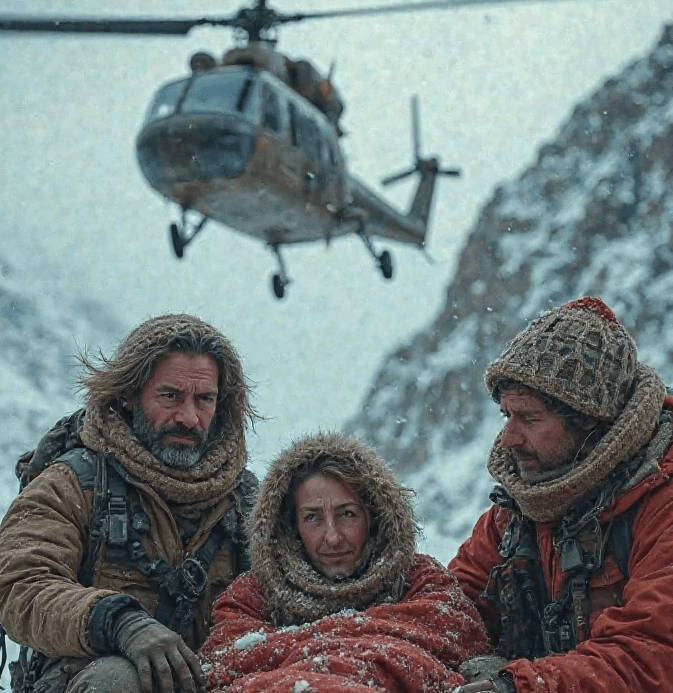
Key Survival Skill: Stealth camping and wildlife observation


Whether you’re testing your skills in fire-building, navigation, or water survival, Mississippi offers diverse landscapes for every prepper to master survival skills. These campgrounds will give you the opportunity to experience a variety of environments and test yourself in different scenarios, so when the time comes, you’ll be ready. Get out there and start prepping for whatever challenges lie ahead.

Top 23 Campsites in Minnesota Every Prepper Needs to Know

As a survival prepper living in the rugged, often harsh environment of Minnesota, it’s crucial to have a plan in place for not just surviving but thriving when the unexpected happens. Whether you’re preparing for a long-term emergency, practicing off-grid living, or just getting away from it all, camping in the wilds of Minnesota provides the perfect opportunity to hone your skills and connect with nature.

Minnesota, with its dense forests, vast lakes, and diverse ecosystems, offers some of the best camping spots for preppers. Whether you’re looking for a remote location for self-sufficiency training or a more accessible site for family outings, the state is full of options that cater to a variety of needs.

Below is a list of 23 top camping sites that will provide a perfect base to practice your prepper skills, from fire-making and shelter building to water purification and foraging. Let’s dive into the best Minnesota campsites for survival preppers!

CLICK HERE TO LEARN HOW TO SURVIVE A FAMINE

1. Boundary Waters Canoe Area Wilderness (BWCAW)

This 1.1 million-acre expanse of pristine wilderness is one of the best places in the state to practice survival skills. The BWCAW is known for its remote nature, only accessible by canoe or foot, making it an ideal location for preppers seeking a real wilderness experience. The variety of lakes, rivers, and forests provides endless opportunities to practice everything from fishing and foraging to navigating and shelter building.

2. Voyageurs National Park

Located in the northern part of the state, Voyageurs offers miles of waterways and backcountry camping opportunities. With its remote islands and forests, this park is a prime location for testing your wilderness skills in a more rugged environment. Boat access ensures that you can travel deeper into the park for solitude, or, for a challenge, kayak or canoe to reach more isolated spots.

3. Tettegouche State Park

Tettegouche is perfect for preppers who enjoy a mix of lakeside camping and forested trails. With over 9,000 acres of land, this park offers rugged terrain, waterfalls, and wilderness camping areas that are ideal for practicing survival tactics in a controlled environment.

4. Apostle Islands National Lakeshore

While technically in Wisconsin, the Apostle Islands are a short hop from Minnesota’s border. These 21 islands are accessible by boat or kayak, and they’re perfect for preppers seeking isolation. You can camp on some of the islands and practice self-sufficiency while exploring unique coastal terrain.

5. Cascade River State Park

Known for its dramatic waterfalls and deep ravines, Cascade River State Park offers preppers a secluded area to test their survival skills. The park’s challenging terrain is perfect for those who want to practice creating shelter or navigating difficult landscapes.

6. Split Rock Lighthouse State Park

Split Rock is a scenic and relatively accessible spot for preppers who want to get away without venturing too far into the wilderness. The park has a historic lighthouse, and with miles of hiking trails and cliffs overlooking Lake Superior, it’s a great spot to practice survival skills.

7. Sibley State Park

Sibley is known for its diversity of terrain, from lakes to woods, and its proximity to the Chippewa National Forest. It offers a range of opportunities for learning and practicing wilderness survival tactics like tracking, fire-building, and wilderness first aid.

8. Itasca State Park

This is the birthplace of the Mississippi River, and it’s a fantastic place for preppers to practice wilderness living. Itasca State Park offers dense forests and numerous trails that will help you hone your navigation skills and perfect your understanding of local flora and fauna.

9. Jay Cooke State Park

This park is ideal for those who want to hone their skills in a rugged environment. With its river gorges, dense forests, and terrain that’s both challenging and beautiful, Jay Cooke offers a mix of survival training opportunities and scenic beauty.

10. St. Croix State Park

Located in the eastern part of the state, St. Croix is Minnesota’s largest state park and offers great opportunities for preppers. With a mix of forests, lakes, and trails, this park is perfect for those looking to practice navigation, building shelters, and foraging for food.

11. Upper Sioux Agency State Park

This park provides a secluded and quiet atmosphere, perfect for a prepper who wants to go off-grid for a while. The park features native prairie, woodlands, and the Yellow Medicine River, ideal for practicing survival skills like trapping, fishing, and fire-starting.

12. Fools Creek Campground

Located in the Chippewa National Forest, Fools Creek is an excellent location for preppers who want to be surrounded by forest while learning about shelter building and navigation. The forest is dense, and there are plenty of opportunities to practice skills related to foraging and survival.

13. Gooseberry Falls State Park

The dramatic waterfalls here aren’t just for sightseeing—they provide an excellent backdrop for practicing your prepper skills. Whether you’re building a shelter or fishing, this park offers a natural environment to test your survival strategies.

14. Pipestone National Monument

While known for its cultural significance, Pipestone also offers rugged terrain for practicing survival skills. The trails lead through prairie and wetlands, giving you a chance to work on your navigation and foraging skills while learning about the history of the land.

15. Whitewater State Park

With its rolling hills and river valleys, Whitewater offers beautiful scenery and diverse wildlife. It’s an excellent spot for preppers to practice survival skills like fishing, hunting, and cooking with limited resources.

16. Crow Wing State Park

This state park is perfect for preppers who want to spend some time on water, as it’s located at the confluence of the Crow Wing and Mississippi Rivers. This is a great location to practice paddling, fishing, and bushcraft skills, all while exploring one of Minnesota’s most beautiful regions.

17. Minneopa State Park

If you’re looking to practice your prepping skills with a little more accessibility, Minneopa offers a combination of woods and prairie that’s ideal for beginner preppers. It also has some great trails for hiking and testing your ability to navigate in a mixed environment.

18. Camden State Park

This park, located along the Redwood River, offers a mix of hardwood forest, prairies, and hiking trails. It’s an excellent location to practice fishing, trapping, and living off the land.

19. Blue Mounds State Park

If you’re looking for a more rugged, mountainous terrain, Blue Mounds is the place for you. The park offers opportunities for rock climbing, hiking, and learning to live in a more challenging environment.

20. Lake Bemidji State Park

Located near the city of Bemidji, this park offers a variety of outdoor opportunities, including hiking, canoeing, and wildlife watching. It’s an excellent spot for practicing survival techniques while enjoying the beauty of northern Minnesota.

21. Tamarac National Wildlife Refuge

For preppers interested in honing their survival skills around a wetland environment, Tamarac offers a unique opportunity. Its diverse ecosystems are perfect for learning about wildlife tracking and foraging in a more aquatic environment.

22. Cannon Falls Regional Park

For preppers who want a more urban environment but still need to practice basic survival skills, this regional park is a good option. It’s less remote but offers plenty of opportunities to practice essential skills like first aid and basic bushcraft.

23. Lake of the Woods

Located in the far north of the state, this remote lake offers unparalleled isolation and is perfect for preppers who want to get away from it all. The surrounding woods and waters provide the perfect backdrop for practicing your fishing, shelter-building, and wilderness survival skills.

The Importance of Survival Prepping: A Critical Conclusion

Survival prepping is no longer just a hobby or niche interest; it has become a vital aspect of modern life, especially for those living in areas like Minnesota, where the environment can change abruptly and harshly. While the idea of prepping might seem extreme to some, in reality, it’s a practical and proactive approach to securing your safety and well-being during times of crisis. Whether it’s natural disasters, economic collapse, or civil unrest, being prepared can make the difference between survival and hardship. Let’s dive deeper into why survival prepping is not just important, but crucial for everyone—especially in a state like Minnesota, where the elements and unexpected events can truly test your resilience.

1. Unpredictable Natural Disasters

Minnesota, known for its harsh winters, tornadoes, and severe weather conditions, presents a variety of challenges that can strike unexpectedly. Extreme cold, blizzards, ice storms, and flooding can isolate communities and disrupt essential services like electricity, water, and transportation. When these events occur, they often happen without much warning, leaving little time to react. By being prepared, you can ensure you have the necessary supplies, skills, and mental readiness to handle such crises effectively.

2. Self-Sufficiency in a Crisis

One of the key principles of survival prepping is self-sufficiency. When disaster strikes, whether it’s a natural disaster or a societal collapse, relying on others for help can often lead to disappointment or delay. The ability to be self-reliant—having the tools, knowledge, and skills to survive on your own—gives you an enormous advantage. From growing your own food and purifying water to knowing how to build shelter and start a fire, self-sufficiency ensures that you can withstand even the toughest conditions without needing to rely on outside resources. In Minnesota, with its vast wilderness and unpredictable weather, knowing how to be independent and self-sustaining could save your life.

3. A Layer of Security in an Uncertain World

The world is increasingly uncertain, with political tensions, economic instability, and global challenges that can disrupt our normal way of life. Disasters—whether large-scale catastrophes or smaller, more localized crises—can happen at any time, leaving individuals unprepared for the realities of living without the comforts of modern life. Survival prepping helps provide a layer of security during these times of uncertainty. By preparing now, you’re ensuring that you and your loved ones have a plan and the necessary supplies to face these challenges head-on. This peace of mind allows you to focus on finding solutions, rather than panicking when the time comes.

4. Mental and Emotional Preparedness

Survival prepping isn’t just about physical preparation; it’s also about developing a resilient mindset. When disaster strikes, fear, anxiety, and confusion are natural reactions. However, those who have prepared are often mentally more resilient, able to stay calm and think clearly under pressure. By training in survival techniques, practicing scenarios, and learning problem-solving skills, preppers develop a mindset that’s focused on solutions rather than problems. This mental and emotional preparedness is just as critical as having physical supplies.

5. Community and Family Protection

Survival prepping extends beyond the individual. It’s about ensuring that your family, friends, and community are equally prepared to face crises. When disaster strikes, those who have been trained and equipped to handle difficult situations can provide invaluable support to those around them. A well-prepared family can navigate a crisis together, relying on each other’s strengths, skills, and resources. Moreover, when everyone in a community shares basic survival knowledge and supplies, it increases the overall chance of survival for the group.

6. Sustainability and Long-Term Preparedness

Another reason survival prepping is crucial is its long-term focus. It’s not just about getting through the immediate aftermath of a crisis; it’s about building resilience for the future. Growing your own food, learning sustainable farming techniques, using renewable energy sources, and creating a robust emergency plan can help ensure that your survival is not a short-term fix, but a sustainable way of life. Prepping for long-term survival allows you to thrive in the face of adversity, reducing your dependence on systems that may fail during a crisis.

7. Becoming Better Stewards of the Land

As a prepper, there’s also a strong emphasis on understanding and respecting nature. Survival prepping often goes hand-in-hand with outdoor skills like foraging, fishing, and hunting. By learning to live in harmony with the environment, preppers build a deep connection to the land and an appreciation for sustainable practices. Minnesota’s diverse ecosystems, from forests to lakes, provide endless opportunities to learn and apply these skills. This approach doesn’t just ensure your survival—it also teaches you how to protect the land for future generations.

8. Empowerment Through Preparation

Finally, survival prepping is about empowerment. In an unpredictable world, knowing that you have the skills, knowledge, and resources to overcome challenges can give you a sense of confidence and control. When you prepare for the worst, you’re not just bracing for disaster—you’re actively taking steps to ensure your success in the face of adversity. This proactive approach gives you the mental and emotional strength to handle any situation, from natural disasters to social unrest.

Lastly: Why Survival Prepping Is Critical

Survival prepping is not about living in fear; it’s about living with foresight and resilience. In a state like Minnesota, where weather can be unforgiving and the world can change in the blink of an eye, it’s essential to be prepared. Prepping allows you to be proactive, self-sufficient, and mentally strong in the face of adversity. Whether you’re surviving a harsh winter, an economic collapse, or a natural disaster, the skills and resources you build today could mean the difference between life and death tomorrow.

As a prepper, you’re not just preparing for the worst; you’re ensuring that, come what may, you and your loved ones will thrive no matter what challenges arise.

Off-the-Grid Camping in Pennsylvania: The Best Sites for Preppers

When it comes to prepping, the right location can make all the difference. In Pennsylvania, nature offers a multitude of opportunities for survivalists to practice their skills, refine their strategies, and enjoy the rugged beauty of the outdoors. Whether you’re looking to build shelter, practice foraging, or just enjoy some peace and solitude while honing your survival instincts, Pennsylvania’s wilderness provides an excellent environment for all preppers. The following list of the 30 best camping sites in Pennsylvania will help you prepare, practice, and thrive.

CLICK HERE TO LEARN HOW TO SURVIVE A FAMINE

1. Ricketts Glen State Park

Ricketts Glen, with its dense forests and more than 13,000 acres of land, is one of the best spots for survivalists looking to practice wilderness skills. The park offers numerous trails, ranging from easy to difficult, and its many streams, waterfalls, and remote camping areas make it perfect for honing your skills in water procurement, shelter building, and navigation.

2. Allegheny National Forest

If you’re looking for an expansive wilderness to truly test your prepping skills, the Allegheny National Forest provides it. With over half a million acres of rugged terrain, this national forest allows preppers to practice long-term survival tactics like trapping, fishing, and identifying edible plants.

3. Pine Creek Gorge (The Grand Canyon of Pennsylvania)

The Pine Creek Gorge is a majestic and remote location that provides an incredible setting for learning and practicing wilderness survival skills. The deep ravines and sheer cliffs offer natural shelter-building opportunities, and its streams and dense woods are ideal for hunting and fishing practices.

4. Promised Land State Park

Located in the Pocono Mountains, Promised Land is a peaceful, secluded park with dense woodlands and serene lakes. Survivalists can take advantage of the park’s remote location for off-grid practice, including shelter building and fire-starting. The surrounding forest offers ample foraging opportunities, making this spot ideal for an extended stay.

5. Cherry Springs State Park

Known for its exceptional stargazing, Cherry Springs is also a fantastic place for preppers. With miles of woods, this park offers excellent opportunities to practice fire-building, navigation, and even camouflage techniques. The park’s remote location allows for a truly off-the-grid experience.

6. Trough Creek State Park

For preppers looking to explore rugged terrain, Trough Creek provides a challenging environment. The park features deep gorges and steep ravines, perfect for testing your navigation skills and understanding of topography. It also provides secluded camping areas that will allow you to practice your shelter-building techniques.

7. Michaux State Forest

Michaux State Forest is another excellent option for survival preppers who are looking to practice bushcraft skills. The forest’s expansive trail network offers an opportunity to work on navigation and orienteering, while its varied ecosystems are perfect for testing your skills in wild edibles and trapping.

8. Lackawanna State Park

For those in northeastern Pennsylvania, Lackawanna State Park offers an ideal spot to practice survival tactics. The park features a mix of forests and meadows, allowing you to practice fire-starting and shelter-building techniques. It’s a good location for learning to navigate in mixed environments, with several trails and ample wildlife.

9. Bald Eagle State Park

Located in central Pennsylvania, Bald Eagle State Park offers a combination of flat land and steep hills, which make it perfect for various survival scenarios. The park has numerous secluded spots for camping, allowing you to practice skills like fishing, trapping, and using natural resources to your advantage.

10. French Creek State Park

French Creek offers a unique wilderness environment for preppers. Its diverse ecosystem, with wetlands, woodlands, and streams, provides plenty of opportunities for practicing various survival skills. The park is also less crowded, so you can spend extended periods there without distractions.

11. Cook Forest State Park

Cook Forest is known for its towering trees and pristine environment, which make it a great location for anyone wanting to test their wilderness survival skills. The park’s dense forests allow you to practice stealth and camouflage techniques, while its remote campsites offer perfect isolation for long-term prepper activities.

12. Sproul State Forest

Sproul State Forest is a prime location for survivalists who enjoy deep, isolated wilderness. The park features vast woodlands, remote lakes, and several camping areas that are perfect for practicing long-term off-grid living, including foraging, hunting, and making shelters.

13. Tuscarora State Forest

Tuscarora is known for its peaceful environment and vast hiking trails, making it ideal for those looking to practice navigation and wilderness survival. Its remote setting makes it a perfect location for extended stays, offering plenty of opportunities to sharpen your skills in fire-making, shelter-building, and food procurement.

14. Weiser State Forest

For survival preppers who prefer a dense, unbroken forest, Weiser State Forest is one of the best locations in Pennsylvania. The forest provides a variety of habitats, including mountainous areas, wetlands, and old-growth woodlands, which offer a great space for practicing survival skills in diverse environments.

15. Snyder-Middleswarth Natural Area

For those who are looking for true isolation, the Snyder-Middleswarth Natural Area offers an excellent environment for prepper training. This 7,000-acre area is home to some of the most untouched and wild landscapes in Pennsylvania, making it perfect for practicing deep wilderness survival skills.

More of Pennsylvania’s Best Camping Sites for Survival Preppers

  1. Shickshinny Trails
  2. Tionesta Scenic Area
  3. Ohiopyle State Park
  4. Mountaintop Campground
  5. Sullivan County Campground
  6. Little Pine State Park
  7. Clear Creek State Park
  8. Gifford Pinchot State Park
  9. Nockamixon State Park
  10. Delaware Canal State Park
  11. Ravensburg State Park
  12. Benezette Elk Country Visitors Center
  13. Laurel Ridge State Park
  14. Shawnee State Park
  15. Cooksburg Campground

Survival Prepping in Pennsylvania’s Wilderness

Pennsylvania’s vast wilderness areas provide ideal settings for preppers to hone their survival skills. From building shelters in the deep woods to fishing in remote lakes, these camping sites provide a variety of landscapes that simulate real-world survival scenarios. The state’s diverse environment allows for testing various survival tactics in different ecosystems, including woodlands, wetlands, and mountainous areas. As a prepper, this means you’ll get the opportunity to practice building fires, identifying edible plants, hunting, fishing, and more.

Many of these parks and forests are remote and less frequented, which allows for a greater sense of isolation—a key component of survival prep. The isolation also provides an excellent chance to practice off-the-grid living, away from modern distractions. Additionally, many of these sites feature rugged, untamed landscapes that can challenge even the most experienced preppers.

Before heading out, remember to properly prepare: pack essential gear, plan for the weather conditions, and always have a reliable map and compass. You never know when you might need to use your skills to make it out of a tricky situation!