

I’m a professional survivalist prepper. I believe in preparedness, redundancy, situational awareness, and the radical idea that you should wake up alive tomorrow. I’m also a stand-up comedian, which means I cope with reality by making jokes while quietly checking my emergency kit.
This article isn’t about fear. It’s about probability.
Most people don’t die because they’re old. They die because something preventable went wrong, they underestimated a risk, or they assumed “it won’t happen to me.”
California has a unique risk profile. Some dangers are obvious. Others wear yoga pants and look harmless until they ruin your life.
Below are the Top 10 non-old-age-related ways people commonly die in California, why they happen, and what you can do to stay alive, functional, and sarcastically optimistic.
Let’s begin.
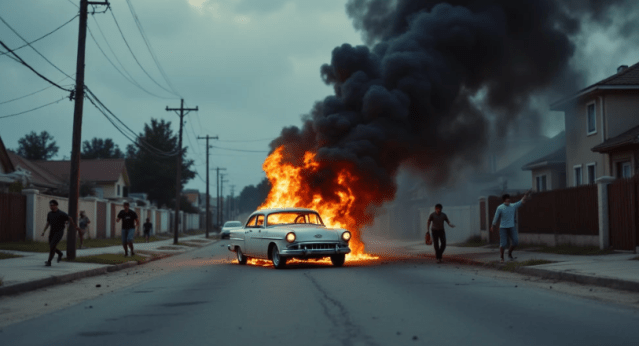
1. Motor Vehicle Accidents (AKA: The California Freeway Hunger Games)
Why People Die This Way
California traffic isn’t traffic — it’s a social experiment in impatience.
People die in vehicle accidents due to:
- Speeding (especially on freeways and rural highways)
- Distracted driving (phones, screens, existential dread)
- Driving under the influence (alcohol, drugs, or exhaustion)
- Motorcycles versus physics (physics always wins)
- Aggressive driving combined with fragile egos
The problem isn’t just accidents — it’s reaction time, speed, and mass. A two-ton vehicle moving at 70 mph doesn’t care about your intentions.
How to Survive It
- Drive like everyone else is drunk, angry, and late — because statistically, some of them are.
- Leave more following distance than you think you need. Then double it.
- Don’t race. The finish line is a red light.
- Avoid peak DUI hours (late night, weekends).
- If you ride a motorcycle, assume you are invisible and fragile — because you are.
- Keep emergency supplies in your vehicle: water, first aid kit, flashlight, phone charger.
Survival Rule:
The goal of driving is not to be right. The goal is to be alive.
2. Drug Overdoses (The Silent, Relentless Killer)
Why People Die This Way
Overdoses don’t just happen in dark alleys. They happen in:
- Suburban homes
- Apartments
- Bathrooms
- Bedrooms
- “One last time” scenarios
California has been hit hard by opioid overdoses, especially fentanyl contamination. People often don’t know what they’re taking, how strong it is, or how their tolerance has changed.
Add isolation, shame, and delayed medical response — and it becomes fatal.
How to Survive It
- Never use alone. Ever. Pride kills.
- Carry Naloxone (Narcan) if you or someone you know uses opioids.
- Test substances when possible. Street drugs lie.
- If you’re prescribed medication, follow dosage instructions like your life depends on it — because it does.
- If someone is unresponsive, call 911 immediately. California’s Good Samaritan laws protect callers.
Survival Rule:
Shame is deadlier than drugs. Call for help.
3. Suicide (The Most Preventable Cause of Death)

Why People Die This Way
This isn’t about weakness. It’s about:
- Untreated depression
- Chronic stress
- Financial pressure
- Isolation
- Loss of meaning
- Access to lethal means during a temporary crisis
Many suicides happen during short emotional storms, not lifelong decisions.
How to Survive It
- If you’re struggling, talk to someone before the crisis peaks.
- Remove or lock away lethal means during hard periods.
- Build routines: sleep, movement, sunlight.
- If someone you know is withdrawing or giving things away, take it seriously.
- Call or text 988 (Suicide & Crisis Lifeline) if needed.
Survival Rule:
Feelings are temporary. Death is not. Stay.
4. Accidental Falls (Not Just an “Old People” Thing)
Why People Die This Way
Falls kill people of all ages due to:
- Head injuries
- Ladder accidents
- Alcohol impairment
- Slippery surfaces
- Overconfidence and under-footwear
California’s DIY culture alone accounts for half of this category.
How to Survive It
- Use proper ladders. No chairs. No crates. No vibes.
- Wear shoes with traction.
- Install handrails and adequate lighting.
- Don’t mix alcohol and heights.
- If you hit your head and feel “off,” seek medical attention.
Survival Rule:
Gravity has never lost a fight. Respect it.
5. Fire & Smoke Inhalation (Wildfires and Home Fires)

Why People Die This Way
Fire doesn’t kill most victims — smoke does.
In California, deaths occur from:
- Wildfires overtaking homes or vehicles
- Smoke inhalation during evacuations
- House fires caused by cooking, candles, or faulty wiring
Smoke incapacitates fast. You don’t get heroic last words.
How to Survive It
- Install and maintain smoke detectors.
- Have an evacuation plan. Practice it.
- Keep a “go bag” ready during fire season.
- Close doors when evacuating to slow fire spread.
- If there’s heavy smoke, stay low and get out immediately.
Survival Rule:
You don’t outrun fire. You out-plan it.
6. Homicide (Violence, Firearms, and Bad Decisions)

Why People Die This Way
Most homicides involve:
- Firearms
- People who know each other
- Escalated arguments
- Alcohol or drugs
- Poor conflict management
Random violence exists, but predictable violence is more common.
How to Survive It
- Avoid confrontations with strangers.
- De-escalate. Ego is not bulletproof.
- Be aware of your surroundings.
- Secure firearms safely and responsibly.
- Trust your instincts and leave bad situations early.
Survival Rule:
Winning an argument isn’t worth dying for.
7. Drowning (Oceans, Rivers, Pools, and “I Got This”)

Why People Die This Way
California water deaths happen due to:
- Rip currents
- Cold shock
- Alcohol
- Overestimating swimming ability
- No life jackets
The ocean doesn’t care if you’re fit.
How to Survive It
- Learn how rip currents work.
- Never swim alone.
- Wear life jackets when boating.
- Don’t fight the current — float and signal.
- Avoid alcohol near water.
Survival Rule:
Water is patient. It waits for mistakes.
8. Workplace Accidents (Especially Construction & Agriculture)
Why People Die This Way
Common causes include:
- Falls from heights
- Heavy machinery
- Electrical hazards
- Fatigue
- Cutting corners to save time
California’s economy runs on people who work hard — sometimes too hard.
How to Survive It
- Follow safety protocols, even when annoying.
- Use protective equipment.
- Report unsafe conditions.
- Rest. Fatigue kills.
- Speak up — your life outranks productivity.
Survival Rule:
No job is worth a funeral.
9. Extreme Heat (Yes, Even in California)
Why People Die This Way
Heat kills via:
- Dehydration
- Heat exhaustion
- Heat stroke
- Organ failure
It sneaks up, especially on people without access to cooling or water.
How to Survive It
- Hydrate constantly.
- Avoid peak heat hours.
- Use cooling centers.
- Check on vulnerable neighbors.
- Never leave people or pets in cars.
Survival Rule:
If you feel “off,” you’re already in trouble.
10. Carbon Monoxide Poisoning (The Invisible Assassin)
Why People Die This Way
Carbon monoxide is odorless, colorless, and lethal. Causes include:
- Faulty heaters
- Generators indoors
- Grills in enclosed spaces
- Blocked vents
People fall asleep and never wake up.
How to Survive It
- Install CO detectors.
- Maintain appliances.
- Never run engines indoors.
- Ventilate properly.
- Take alarms seriously.
Survival Rule:
If you can’t smell the danger, detect it.
Final Survivalist Thoughts
California is not trying to kill you.
Complacency is.
Most deaths aren’t freak accidents. They’re patterns — predictable, preventable, and survivable with awareness and preparation.
Preparedness isn’t paranoia.
It’s professionalism.
And remember:
The goal isn’t to live forever.
It’s to not die stupidly.
Stay sharp. Stay ready. Stay alive.
California is beautiful. It has beaches, mountains, deserts, forests, sunshine, earthquakes, traffic, wildfires, and enough stress to make a yoga instructor cry in a Trader Joe’s parking lot.
I’m a professional survivalist prepper. I believe in preparedness, redundancy, situational awareness, and the radical idea that you should wake up alive tomorrow. I’m also a stand-up comedian, which means I cope with reality by making jokes while quietly checking my emergency kit.
This article isn’t about fear. It’s about probability.
Most people don’t die because they’re old. They die because something preventable went wrong, they underestimated a risk, or they assumed “it won’t happen to me.”
California has a unique risk profile. Some dangers are obvious. Others wear yoga pants and look harmless until they ruin your life.
Below are the Top 10 non-old-age-related ways people commonly die in California, why they happen, and what you can do to stay alive, functional, and sarcastically optimistic.
Let’s begin.
1. Motor Vehicle Accidents (AKA: The California Freeway Hunger Games)
Why People Die This Way
California traffic isn’t traffic — it’s a social experiment in impatience.
People die in vehicle accidents due to:
- Speeding (especially on freeways and rural highways)
- Distracted driving (phones, screens, existential dread)
- Driving under the influence (alcohol, drugs, or exhaustion)
- Motorcycles versus physics (physics always wins)
- Aggressive driving combined with fragile egos
The problem isn’t just accidents — it’s reaction time, speed, and mass. A two-ton vehicle moving at 70 mph doesn’t care about your intentions.
How to Survive It
- Drive like everyone else is drunk, angry, and late — because statistically, some of them are.
- Leave more following distance than you think you need. Then double it.
- Don’t race. The finish line is a red light.
- Avoid peak DUI hours (late night, weekends).
- If you ride a motorcycle, assume you are invisible and fragile — because you are.
- Keep emergency supplies in your vehicle: water, first aid kit, flashlight, phone charger.
Survival Rule:
The goal of driving is not to be right. The goal is to be alive.
2. Drug Overdoses (The Silent, Relentless Killer)
Why People Die This Way
Overdoses don’t just happen in dark alleys. They happen in:
- Suburban homes
- Apartments
- Bathrooms
- Bedrooms
- “One last time” scenarios
California has been hit hard by opioid overdoses, especially fentanyl contamination. People often don’t know what they’re taking, how strong it is, or how their tolerance has changed.
Add isolation, shame, and delayed medical response — and it becomes fatal.
How to Survive It
- Never use alone. Ever. Pride kills.
- Carry Naloxone (Narcan) if you or someone you know uses opioids.
- Test substances when possible. Street drugs lie.
- If you’re prescribed medication, follow dosage instructions like your life depends on it — because it does.
- If someone is unresponsive, call 911 immediately. California’s Good Samaritan laws protect callers.
Survival Rule:
Shame is deadlier than drugs. Call for help.
3. Suicide (The Most Preventable Cause of Death)
Why People Die This Way
This isn’t about weakness. It’s about:
- Untreated depression
- Chronic stress
- Financial pressure
- Isolation
- Loss of meaning
- Access to lethal means during a temporary crisis
Many suicides happen during short emotional storms, not lifelong decisions.
How to Survive It
- If you’re struggling, talk to someone before the crisis peaks.
- Remove or lock away lethal means during hard periods.
- Build routines: sleep, movement, sunlight.
- If someone you know is withdrawing or giving things away, take it seriously.
- Call or text 988 (Suicide & Crisis Lifeline) if needed.
Survival Rule:
Feelings are temporary. Death is not. Stay.
4. Accidental Falls (Not Just an “Old People” Thing)
Why People Die This Way
Falls kill people of all ages due to:
- Head injuries
- Ladder accidents
- Alcohol impairment
- Slippery surfaces
- Overconfidence and under-footwear
California’s DIY culture alone accounts for half of this category.
How to Survive It
- Use proper ladders. No chairs. No crates. No vibes.
- Wear shoes with traction.
- Install handrails and adequate lighting.
- Don’t mix alcohol and heights.
- If you hit your head and feel “off,” seek medical attention.
Survival Rule:
Gravity has never lost a fight. Respect it.
5. Fire & Smoke Inhalation (Wildfires and Home Fires)
Why People Die This Way
Fire doesn’t kill most victims — smoke does.
In California, deaths occur from:
- Wildfires overtaking homes or vehicles
- Smoke inhalation during evacuations
- House fires caused by cooking, candles, or faulty wiring
Smoke incapacitates fast. You don’t get heroic last words.
How to Survive It
- Install and maintain smoke detectors.
- Have an evacuation plan. Practice it.
- Keep a “go bag” ready during fire season.
- Close doors when evacuating to slow fire spread.
- If there’s heavy smoke, stay low and get out immediately.
Survival Rule:
You don’t outrun fire. You out-plan it.
6. Homicide (Violence, Firearms, and Bad Decisions)
Why People Die This Way
Most homicides involve:
- Firearms
- People who know each other
- Escalated arguments
- Alcohol or drugs
- Poor conflict management
Random violence exists, but predictable violence is more common.
How to Survive It
- Avoid confrontations with strangers.
- De-escalate. Ego is not bulletproof.
- Be aware of your surroundings.
- Secure firearms safely and responsibly.
- Trust your instincts and leave bad situations early.
Survival Rule:
Winning an argument isn’t worth dying for.
7. Drowning (Oceans, Rivers, Pools, and “I Got This”)
Why People Die This Way
California water deaths happen due to:
- Rip currents
- Cold shock
- Alcohol
- Overestimating swimming ability
- No life jackets
The ocean doesn’t care if you’re fit.
How to Survive It
- Learn how rip currents work.
- Never swim alone.
- Wear life jackets when boating.
- Don’t fight the current — float and signal.
- Avoid alcohol near water.
Survival Rule:
Water is patient. It waits for mistakes.
8. Workplace Accidents (Especially Construction & Agriculture)
Why People Die This Way
Common causes include:
- Falls from heights
- Heavy machinery
- Electrical hazards
- Fatigue
- Cutting corners to save time
California’s economy runs on people who work hard — sometimes too hard.
How to Survive It
- Follow safety protocols, even when annoying.
- Use protective equipment.
- Report unsafe conditions.
- Rest. Fatigue kills.
- Speak up — your life outranks productivity.
Survival Rule:
No job is worth a funeral.
9. Extreme Heat (Yes, Even in California)
Why People Die This Way
Heat kills via:
- Dehydration
- Heat exhaustion
- Heat stroke
- Organ failure
It sneaks up, especially on people without access to cooling or water.
How to Survive It
- Hydrate constantly.
- Avoid peak heat hours.
- Use cooling centers.
- Check on vulnerable neighbors.
- Never leave people or pets in cars.
Survival Rule:
If you feel “off,” you’re already in trouble.
10. Carbon Monoxide Poisoning (The Invisible Assassin)
Why People Die This Way
Carbon monoxide is odorless, colorless, and lethal. Causes include:
- Faulty heaters
- Generators indoors
- Grills in enclosed spaces
- Blocked vents
People fall asleep and never wake up.
How to Survive It
- Install CO detectors.
- Maintain appliances.
- Never run engines indoors.
- Ventilate properly.
- Take alarms seriously.
Survival Rule:
If you can’t smell the danger, detect it.
Final Survivalist Thoughts
California is not trying to kill you.
Complacency is.
Most deaths aren’t freak accidents. They’re patterns — predictable, preventable, and survivable with awareness and preparation.
Preparedness isn’t paranoia.
It’s professionalism.
And remember:
The goal isn’t to live forever.
It’s to not die stupidly.
Stay sharp. Stay ready. Stay alive.
California is beautiful. It has beaches, mountains, deserts, forests, sunshine, earthquakes, traffic, wildfires, and enough stress to make a yoga instructor cry in a Trader Joe’s parking lot.
I’m a professional survivalist prepper. I believe in preparedness, redundancy, situational awareness, and the radical idea that you should wake up alive tomorrow. I’m also a stand-up comedian, which means I cope with reality by making jokes while quietly checking my emergency kit.
This article isn’t about fear. It’s about probability.
Most people don’t die because they’re old. They die because something preventable went wrong, they underestimated a risk, or they assumed “it won’t happen to me.”
California has a unique risk profile. Some dangers are obvious. Others wear yoga pants and look harmless until they ruin your life.
Below are the Top 10 non-old-age-related ways people commonly die in California, why they happen, and what you can do to stay alive, functional, and sarcastically optimistic.
Let’s begin.
1. Motor Vehicle Accidents (AKA: The California Freeway Hunger Games)
Why People Die This Way
California traffic isn’t traffic — it’s a social experiment in impatience.
People die in vehicle accidents due to:
- Speeding (especially on freeways and rural highways)
- Distracted driving (phones, screens, existential dread)
- Driving under the influence (alcohol, drugs, or exhaustion)
- Motorcycles versus physics (physics always wins)
- Aggressive driving combined with fragile egos
The problem isn’t just accidents — it’s reaction time, speed, and mass. A two-ton vehicle moving at 70 mph doesn’t care about your intentions.
How to Survive It
- Drive like everyone else is drunk, angry, and late — because statistically, some of them are.
- Leave more following distance than you think you need. Then double it.
- Don’t race. The finish line is a red light.
- Avoid peak DUI hours (late night, weekends).
- If you ride a motorcycle, assume you are invisible and fragile — because you are.
- Keep emergency supplies in your vehicle: water, first aid kit, flashlight, phone charger.
Survival Rule:
The goal of driving is not to be right. The goal is to be alive.
2. Drug Overdoses (The Silent, Relentless Killer)
Why People Die This Way
Overdoses don’t just happen in dark alleys. They happen in:
- Suburban homes
- Apartments
- Bathrooms
- Bedrooms
- “One last time” scenarios
California has been hit hard by opioid overdoses, especially fentanyl contamination. People often don’t know what they’re taking, how strong it is, or how their tolerance has changed.
Add isolation, shame, and delayed medical response — and it becomes fatal.
How to Survive It
- Never use alone. Ever. Pride kills.
- Carry Naloxone (Narcan) if you or someone you know uses opioids.
- Test substances when possible. Street drugs lie.
- If you’re prescribed medication, follow dosage instructions like your life depends on it — because it does.
- If someone is unresponsive, call 911 immediately. California’s Good Samaritan laws protect callers.
Survival Rule:
Shame is deadlier than drugs. Call for help.
3. Suicide (The Most Preventable Cause of Death)
Why People Die This Way
This isn’t about weakness. It’s about:
- Untreated depression
- Chronic stress
- Financial pressure
- Isolation
- Loss of meaning
- Access to lethal means during a temporary crisis
Many suicides happen during short emotional storms, not lifelong decisions.
How to Survive It
- If you’re struggling, talk to someone before the crisis peaks.
- Remove or lock away lethal means during hard periods.
- Build routines: sleep, movement, sunlight.
- If someone you know is withdrawing or giving things away, take it seriously.
- Call or text 988 (Suicide & Crisis Lifeline) if needed.
Survival Rule:
Feelings are temporary. Death is not. Stay.
4. Accidental Falls (Not Just an “Old People” Thing)
Why People Die This Way
Falls kill people of all ages due to:
- Head injuries
- Ladder accidents
- Alcohol impairment
- Slippery surfaces
- Overconfidence and under-footwear
California’s DIY culture alone accounts for half of this category.
How to Survive It
- Use proper ladders. No chairs. No crates. No vibes.
- Wear shoes with traction.
- Install handrails and adequate lighting.
- Don’t mix alcohol and heights.
- If you hit your head and feel “off,” seek medical attention.
Survival Rule:
Gravity has never lost a fight. Respect it.
5. Fire & Smoke Inhalation (Wildfires and Home Fires)
Why People Die This Way
Fire doesn’t kill most victims — smoke does.
In California, deaths occur from:
- Wildfires overtaking homes or vehicles
- Smoke inhalation during evacuations
- House fires caused by cooking, candles, or faulty wiring
Smoke incapacitates fast. You don’t get heroic last words.
How to Survive It
- Install and maintain smoke detectors.
- Have an evacuation plan. Practice it.
- Keep a “go bag” ready during fire season.
- Close doors when evacuating to slow fire spread.
- If there’s heavy smoke, stay low and get out immediately.
Survival Rule:
You don’t outrun fire. You out-plan it.
6. Homicide (Violence, Firearms, and Bad Decisions)
Why People Die This Way
Most homicides involve:
- Firearms
- People who know each other
- Escalated arguments
- Alcohol or drugs
- Poor conflict management
Random violence exists, but predictable violence is more common.
How to Survive It
- Avoid confrontations with strangers.
- De-escalate. Ego is not bulletproof.
- Be aware of your surroundings.
- Secure firearms safely and responsibly.
- Trust your instincts and leave bad situations early.
Survival Rule:
Winning an argument isn’t worth dying for.
7. Drowning (Oceans, Rivers, Pools, and “I Got This”)
Why People Die This Way
California water deaths happen due to:
- Rip currents
- Cold shock
- Alcohol
- Overestimating swimming ability
- No life jackets
The ocean doesn’t care if you’re fit.
How to Survive It
- Learn how rip currents work.
- Never swim alone.
- Wear life jackets when boating.
- Don’t fight the current — float and signal.
- Avoid alcohol near water.
Survival Rule:
Water is patient. It waits for mistakes.
8. Workplace Accidents (Especially Construction & Agriculture)
Why People Die This Way
Common causes include:
- Falls from heights
- Heavy machinery
- Electrical hazards
- Fatigue
- Cutting corners to save time
California’s economy runs on people who work hard — sometimes too hard.
How to Survive It
- Follow safety protocols, even when annoying.
- Use protective equipment.
- Report unsafe conditions.
- Rest. Fatigue kills.
- Speak up — your life outranks productivity.
Survival Rule:
No job is worth a funeral.
9. Extreme Heat (Yes, Even in California)
Why People Die This Way
Heat kills via:
- Dehydration
- Heat exhaustion
- Heat stroke
- Organ failure
It sneaks up, especially on people without access to cooling or water.
How to Survive It
- Hydrate constantly.
- Avoid peak heat hours.
- Use cooling centers.
- Check on vulnerable neighbors.
- Never leave people or pets in cars.
Survival Rule:
If you feel “off,” you’re already in trouble.
10. Carbon Monoxide Poisoning (The Invisible Assassin)
Why People Die This Way
Carbon monoxide is odorless, colorless, and lethal. Causes include:
- Faulty heaters
- Generators indoors
- Grills in enclosed spaces
- Blocked vents
People fall asleep and never wake up.
How to Survive It
- Install CO detectors.
- Maintain appliances.
- Never run engines indoors.
- Ventilate properly.
- Take alarms seriously.
Survival Rule:
If you can’t smell the danger, detect it.
Final Survivalist Thoughts
California is not trying to kill you.
Complacency is.
Most deaths aren’t freak accidents. They’re patterns — predictable, preventable, and survivable with awareness and preparation.
Preparedness isn’t paranoia.
It’s professionalism.
And remember:
The goal isn’t to live forever.
It’s to not die stupidly.
Stay sharp. Stay ready. Stay alive.


 TheDailyChristian