
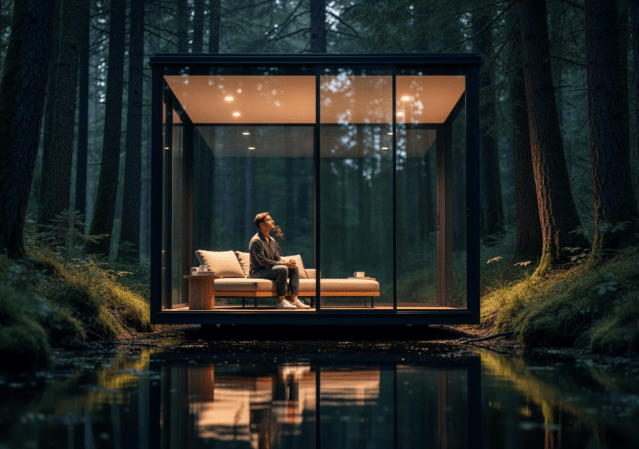
California Tiny Home Lifestyle: Best Coastal Cities and Places to Avoid
by Brooke Homestead — 2025 Female Survival Prepper of the Year
California’s coastline is one of the most beautiful places in the country to live—but it’s also one of the most complicated places for tiny homes. With ocean views, mild weather, and a culture that embraces sustainability, the state seems perfect for minimalist living. The challenge is navigating zoning laws, high land costs, and coastal regulations.
I’m Brooke Homestead, and after years of designing tiny homes and living in small spaces, I’ve learned that California absolutely can work for tiny living—if you choose the right coastal community. Some towns are becoming surprisingly supportive of smaller housing options, while others make it extremely difficult.
Let’s explore the coastal cities where tiny homes have the best chance of thriving—and the places where small living may be more frustrating than freeing.
Best Coastal Cities for Tiny Homes: Eureka and Morro Bay
Eureka — Northern California’s Tiny Home Opportunity
Eureka sits along the rugged Northern California coast and offers one of the more realistic entry points for tiny home living in the state.
Why Eureka works:
Lower land prices: Compared to Southern California, property around Humboldt County is significantly more affordable.
Progressive housing ideas: The region has shown openness to alternative housing, including Accessory Dwelling Units (ADUs) and small homes.
Nature-rich lifestyle: Living near redwood forests, rugged coastline, and wildlife fits perfectly with a minimalist lifestyle.
Typical land costs: Rural parcels around Eureka often range from $60,000–$150,000 per acre, depending on utilities and proximity to the coast.
💡 Brooke Tip: Look just outside the city limits where rural zoning can allow more flexibility for small homes.
Tiny home living here can feel adventurous and peaceful—especially if you enjoy foggy mornings and towering redwood trees.
Morro Bay — Coastal Charm with Small-Town Energy
Morro Bay is a picturesque town along California’s Central Coast known for its relaxed atmosphere and stunning waterfront views.
Why Morro Bay stands out:
Smaller community: Compared to larger coastal cities, Morro Bay maintains a quieter lifestyle that suits tiny home living.
ADU-friendly policies: Some Central Coast communities have begun encouraging backyard cottages to help address housing shortages.
Mild climate: Temperatures remain comfortable year-round, which works well for energy-efficient small homes.
Land costs: Small residential lots can range from $200,000–$400,000, depending on location.
Brooke Survival Insight: Coastal climates are great for tiny homes because extreme temperatures are rare—but humidity and salt air mean choosing durable materials is important.
Coastal Cities That Can Be Tough for Tiny Homes: Los Angeles and San Diego

California’s largest coastal metros are also the hardest places for tiny homes.
Los Angeles
Los Angeles has begun exploring alternative housing solutions, but it remains a challenging place for standalone tiny homes.
Challenges include:
- Extremely high land costs
- Dense zoning regulations
- Limited space for new development
Tiny homes here are typically only feasible as ADUs on existing residential properties.
San Diego
San Diego is another beautiful but difficult location for tiny homes.
Issues include:
- High coastal property values
- Strict development regulations
- HOA restrictions in many neighborhoods
💡 Brooke Tip: If you want the Southern California coastal lifestyle, consider smaller inland towns 20–40 minutes from the ocean where land is more affordable.
Zoning Laws in California — Tiny Home Considerations
California has made significant efforts to address housing shortages, which has helped open the door for smaller housing options.
Common rules include:
Accessory Dwelling Units (ADUs):
California law encourages ADUs across the state, often ranging from 400–800 sq. ft. or more.
Tiny Homes on Wheels (THOWs):
Often treated as RVs but may be allowed in certain communities or designated tiny home villages.
Foundation-Based Tiny Homes:
Must meet California residential building codes, which include strict energy and structural requirements.
Brooke Advice: California’s regulations can vary dramatically between cities, so always check local ordinances before purchasing land.
Cost of Land Along the California Coast
The biggest obstacle for tiny home living in California is usually land prices.
Typical ranges include:
- Northern Coast (Eureka region): $60,000–$150,000 per acre
- Central Coast near Morro Bay: $200,000–$400,000 for residential lots
- Southern California coastal areas: $500,000+ for small lots
Additional setup costs may include:
- Permitting and engineering
- Utility connections
- Coastal construction requirements
- Fire-resistant building materials
Climate Considerations — Coastal California Weather
One of the major advantages of living along the California coast is the relatively mild climate.
Summer:
Generally warm but rarely extreme.
Winter:
Mild with occasional rain.
Wildfires:
Some coastal regions still require fire-resistant construction.
Ocean air:
Salt exposure means exterior materials should be corrosion-resistant.
Brooke Survival Insight: Coastal California is one of the easiest climates for tiny homes—energy costs stay low because heating and cooling needs are minimal.
Brooke Homestead’s Final Thoughts About California Tiny Home Living

California’s coastline can absolutely support a tiny home lifestyle—but location makes all the difference.
Best coastal cities to explore:
- Eureka for affordability and progressive housing ideas
- Morro Bay for Central Coast charm and mild weather
More difficult locations:
- Los Angeles due to density and extremely high land costs
- San Diego because of strict development regulations and expensive property
Tiny home living along the California coast is about balancing freedom, creativity, and careful planning. With the right city and a well-designed small home, you can enjoy ocean breezes, beautiful sunsets, and a lifestyle focused on experiences rather than square footage.
And honestly, watching the Pacific sunset from the porch of a tiny home? That’s minimalist living at its finest.
 TheDailyChristian