Best Food Storage: Canned or Freeze Dried? The Harsh Truth You Don’t Want to Hear

If you’re still sitting around scratching your head about whether canned food or freeze-dried food is the better option for survival storage, then you’re already behind. Way behind. In a collapsing world full of soft minds, false comforts, and people who think “preparedness” means having extra granola bars in the glove compartment, you’d better start thinking harder and stocking smarter. Because when the lights go out and the shelves go empty, you won’t have time to debate the finer points of canned chili versus freeze-dried stroganoff—you’ll be too busy wishing you had listened to someone who wasn’t afraid to tell you the truth unfiltered.

So buckle up. I’m not here to coddle you. I’m here to explain what actually keeps you alive when the world stops playing nice.


The Cold Reality of Canned Food

Canned food is the old reliable workhorse of survival storage. It’s been around forever, and it’s not going anywhere. And there’s a reason for that—it works.

Pros of Canned Food

1. Ready to Eat
When you’re cold, tired, and fed up with your surroundings—and trust me, you will be—there’s nothing better than cracking open a can of something edible and shoveling it down without needing water, fuel, or time.

2. Cheap and Available
You don’t need to sell your soul or your kidney to build a decent canned food stash. Hit sales, buy in bulk, toss the cans on a shelf, and you’re in business.

3. Naturally Calorie-Dense
Let’s be real: calories matter more than flavor when survival is on the line. Canned meats, soups, beans—they’re heavy, but they pack real nutrition, not lightweight fluff.

Cons of Canned Food

1. Heavy as Sin
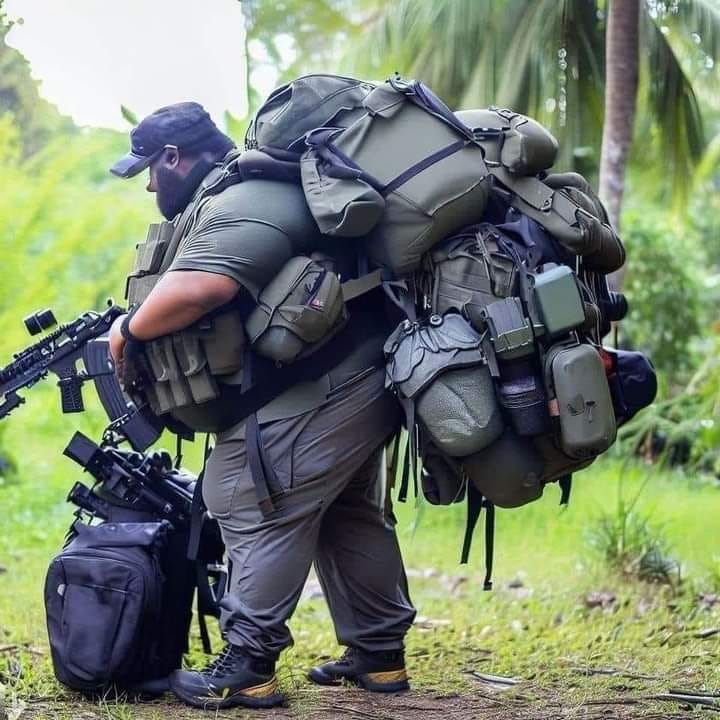
If you think you’re bugging out with 100 pounds of canned stew strapped to your back, good luck. Make sure you leave a map so the rest of us can find your body later.

2. Shorter Shelf Life Than You Think
Yes, canned food lasts a while—years, even. But not decades. The clock is ticking, and eventually those cans will rust, swell, or turn into biological experiments you don’t want to open.

3. Bulky Storage
Canned food eats shelf space like a starving wolf. Living in an apartment? Good luck stacking 300 cans without your place looking like a doomsday bunker crossed with a metal scrapyard.


Freeze-Dried Food: Lightweight Hope or Overpriced Hype?

Freeze-dried food is the glamorous newcomer in the preparedness world. Shiny bags, fancy marketing, and pictures of smiling backpackers pretending their rehydrated lasagna is gourmet cuisine.

But don’t be fooled by the packaging. There’s real power here—if you know what you’re doing.

Pros of Freeze-Dried Food

1. Shelf Life That Laughs at Time
Twenty-five years. Sometimes more. If that doesn’t make your inner survivalist grin like a maniac, nothing will.

2. Zero Weight, High Convenience
If you need to move—fast—you’re not taking canned goods. Freeze-dried wins every mobile scenario. You can pack a week’s worth of meals and barely feel the weight.

3. Nutrient Retention
Compared to canned food, freeze-dried meals preserve vitamins, texture, color, and flavor. Not that you’ll care when you’re starving, but hey—it’s a nice bonus.

Cons of Freeze-Dried Food

1. Water Required
And I don’t mean a few drops. Some meals need two cups or more. If you don’t have water or the ability to boil it, good luck chewing on powder like a desperate ferret.

2. Cost
Freeze-dried food can burn through your wallet faster than the world falls apart. One #10 can might cost what you would normally spend on a week’s worth of regular groceries.

3. Meal Fatigue Is Real
After your tenth freeze-dried “breakfast skillet,” your soul might start leaving your body.


So Which One Actually Wins?

Here’s the part where you expect me to pick a winner. But survival isn’t a game show. There’s no trophy ceremony, no confetti raining down, no cheering crowd. The only prize is staying alive, and the only way to do that is through redundancy and diversity.

Anyone telling you to pick only canned or only freeze-dried foods has clearly never lived through anything harder than a short power outage. The world is unpredictable, unstable, and unforgiving. Your food storage should be the same—rugged, layered, and ready for anything.


The Brutal, Honest Recommendation

1. Stock Canned Food for Short to Mid-Term Survival

This is what you eat first during a disaster. Heavy? Yes. But it requires no extra resources, no preparation, no hope—just a can opener and a bad attitude.

2. Build Freeze-Dried Food for Long-Term Security

When the dust settles and your canned stash starts to run low, freeze-dried is your lifeline. Lightweight, space-efficient, and designed to outlive your optimism.

3. Mix, Match, and Layer

A serious survival pantry includes:

  • Canned meats
  • Canned vegetables
  • Canned soups and stews
  • Freeze-dried meals
  • Freeze-dried ingredients
  • Bulk staples (rice, beans, oats)
  • Water storage and filtration

If that sounds like a lot, that’s because it is. Survival isn’t convenient. It’s not cute. It’s not trendy. It’s messy, heavy, expensive, and absolutely worth every ounce of effort.


Final Thoughts (If You Can Handle Them)

Canned food keeps you alive today. Freeze-dried food keeps you alive years from today. Anyone who thinks the choice is “either/or” is already halfway to being a liability when things go bad.

Do yourself—and everyone stuck with you—a favor: stop hesitating, stop overthinking, and start building a food storage plan that actually stands a chance when the world stops pretending everything is fine.

Because it won’t be fine. And when that day comes, the only thing worse than being unprepared…
is realizing you had every chance to prepare and chose not to.


Survival Fuel: The Highest Calorie Canned Foods to Keep You Going

Survival Fuel: The Highest Calorie Canned Foods to Keep You Going

Listen up, because if you’re serious about survival, then it’s time you get your priorities straight. In a world that’s steadily unraveling, you don’t have the luxury of underestimating one of the most vital elements of survival: food. Specifically, calorie-dense, shelf-stable, high-calorie canned foods that can keep you going when everything else goes to hell.

Let’s face it – you can stockpile all the freeze-dried meals and dehydrated nonsense you want, but nothing beats the reality of grabbing a can and opening it when you’re fighting for your life. You need calorie-dense foods that can give you the fuel to survive long after the supermarket shelves are bare, long after the power goes out and your fancy little electric stove becomes useless. In this world, you’ll want foods that are heavy in calories but light on fuss. There’s no room for weak food that doesn’t provide the punch you need to keep moving.

I’m talking about the highest-calorie canned foods. These are your survival fuel. Stock them now, because once it’s too late, it’ll be too damn late.

1. Canned Chili (with Beef)

If you want calories, get chili. Canned chili, especially with beef, is an absolute powerhouse. One can can pack upwards of 400–500 calories or more per serving. And I don’t care if it’s spicy or mild – it’s got protein, fat, and carbohydrates, all wrapped up in a nice, shelf-stable package that you can crack open and devour when the world has gone to hell.

2. Canned Chicken

If you’ve ever been in a survival situation, you know protein is a non-negotiable. Canned chicken is one of the best sources of meat you can get. A 12.5 oz can packs about 200-300 calories and is incredibly versatile. Throw it in a stew, mix it with some beans, or just eat it straight out of the can. It’s a total survival essential.

3. Canned Beef Stew

Canned beef stew is the real deal when it comes to high-calorie survival foods. It’s dense in calories because of the combination of beef, potatoes, carrots, and gravy. A hearty can will give you around 300–400 calories per serving, and the best part? It’ll keep you warm when the temperature drops, especially when there’s nothing else to cook with.

4. Canned Pork (Pulled Pork)

Canned pork, especially pulled pork, is an unsung hero. This stuff can pack a wallop in terms of calories. A single can can provide over 500–600 calories. You might not be able to find this in every store, but it’s worth the hunt. It’s fatty, filling, and it goes a long way.

5. Canned Salmon

If you’re a fan of fish and you need high-calorie options, canned salmon should be in your stash. A standard can of salmon can provide around 300–400 calories. It’s also packed with omega-3 fatty acids, which are essential for brain function and keeping your body in top shape when you’re under stress.

6. Canned Spaghetti (with Meatballs)

Okay, hear me out. You might think canned spaghetti is a joke, but you’re wrong. It’s cheap, it’s available in bulk, and it’s calorie-dense. A standard can of spaghetti and meatballs can give you 400-500 calories in one sitting. So, when you’re hungry and tired, this is the kind of food you’ll be glad you stocked up on.

7. Canned Beans (Kidney, Black, Pinto, etc.)

Beans aren’t just cheap. They’re calorie-dense and packed with protein. If you’re looking to stock up, canned beans are your go-to. A can of beans can deliver 300–400 calories depending on the variety. They’re versatile, too—eat them alone, mix them into soups, or use them as a side with meat.

8. Canned Corn

Sweet corn is not only an excellent source of calories, but it also adds some variety to your survival food rotation. A standard can of corn can provide around 200–300 calories. It’s a great side dish to balance out the heavier protein-based meals, and it’ll keep your spirits up when you’re feeling desperate.

9. Canned Mac and Cheese

When the world’s falling apart, don’t forget to indulge a little. Canned mac and cheese is calorie-dense and comforting. You can expect to get around 350–450 calories from a can, depending on the brand. It’s filling, it’s warm, and it’s easy. Just don’t expect it to keep you lean.

10. Canned Hash

Canned hash is a cheap, calorie-packed meal that comes in a variety of options. Usually filled with potatoes, corned beef, or other hearty ingredients, a can of hash can provide anywhere from 350 to 500 calories. It’s easy to prepare and packs a punch.

11. Canned Stew (Beef, Lamb, or Chicken)

Similar to beef stew, canned versions of lamb or chicken stew are high in calories and great for long-term storage. These will provide upwards of 300–450 calories per serving. They’re filling and comforting, and you’ll need all the comfort you can get when survival mode is engaged.

12. Canned Fruit (in Syrup)

I get it—fruit isn’t exactly the first thing you think of when it comes to survival food. But canned fruit in syrup can actually pack a surprising amount of calories, especially in situations where you need something that doesn’t just fill you up but gives you some sugar for quick energy. A can can give you about 250–300 calories, so stock a few up for variety.

13. Canned Soups (with Cream or Fatty Broth)

Canned soups, particularly those with a cream base or fatty broth, can be high in calories. Some cans will pack up to 300–400 calories, depending on the soup’s contents. Stay away from the low-fat varieties – you need the full calorie punch for survival.

14. Canned Pasta (with Meat Sauce)

Canned pasta with meat sauce isn’t just for lazy nights. This stuff is a powerhouse of calories. Depending on the brand and the ingredients, you’re looking at 350–500 calories per can. It’s cheap, easy, and will keep you alive when times get tough.

15. Canned Ready-to-Eat Meals

There are a variety of pre-packaged, ready-to-eat meals in a can, like chili mac, beef stroganoff, or curry. These meals can provide upwards of 400–600 calories per can and are incredibly convenient in emergency situations. Stockpile these so you can avoid spending energy on food preparation.


15 Canned Food Survival Skills

  1. Check Expiry Dates – Just because it’s canned doesn’t mean it lasts forever. Know your expiration dates, and rotate your stock regularly.
  2. Heat Safely – You don’t need a stove to heat your cans. A campfire, portable burner, or even a car engine can serve as a makeshift heating source.
  3. Preserve Properly – Store your cans in a cool, dry place. Heat and moisture can cause rust and degradation of the can’s seal.
  4. Get Creative – Mix and match your canned goods. Don’t be afraid to throw together random items like canned chicken, beans, and chili for a one-pot survival meal.
  5. Inspect the Can – Always check for dents, bulges, or rust. These are signs the can could be compromised and unsafe.
  6. Can Openers Are Essential – Don’t assume you’ll have one when the grid goes down. Stock several manual can openers, or better yet, have a knife with you.
  7. Don’t Forget the Liquid – Many canned foods, especially beans and vegetables, contain important liquids. Don’t dump it all out—use it for soups or stews.
  8. Know When to Eat – Don’t let your cans sit too long. Once opened, consume within a day or two to avoid spoilage.
  9. Create Balanced Meals – Canned food is often protein-heavy. Make sure to balance with canned vegetables and some carbs to keep your energy up.
  10. Store Efficiently – Keep your cans in order of expiration, and make sure to have enough variety to avoid monotony in long-term survival.
  11. Stock Calories, Not Just Volume – You want density, not just volume. Choose high-calorie options to ensure you get enough energy.
  12. Repackage for Travel – If you’re bugging out, don’t carry the entire can. Repackage portions in smaller containers or bags for easier transport.
  13. Don’t Rely on Just One Type – Relying on just one food type can be a disaster. Mix proteins, veggies, and carbohydrates to stay healthy.
  14. Be Careful With Salt – Too much salt can make you thirsty and dehydrated, which is a problem in survival. Be mindful of the sodium content.
  15. Get Creative with Leftovers – If you have leftover canned food, make sure you know how to reuse it for other meals. Leftover chili can become soup, for example.

3 DIY Canned Food Survival Hacks

  1. DIY Canned Food Heater – If you’re stuck without a way to heat your food, create a small DIY heater using a few chemical heating pads or a small portable stove. These can be used to quickly warm your cans without wasting precious fuel.
  2. Make a Canned Food Soup – Combine multiple cans into one hearty soup. Mix chili, beans, corn, and meat to create a filling meal with whatever you have on hand.
  3. Canned Food Jerky – Stripped-down meats like canned chicken or beef can be dried out further over a fire to create DIY jerky. It’s a great option for snacking and packing for long journeys.

What Most People Misunderstand About Survival Prepping

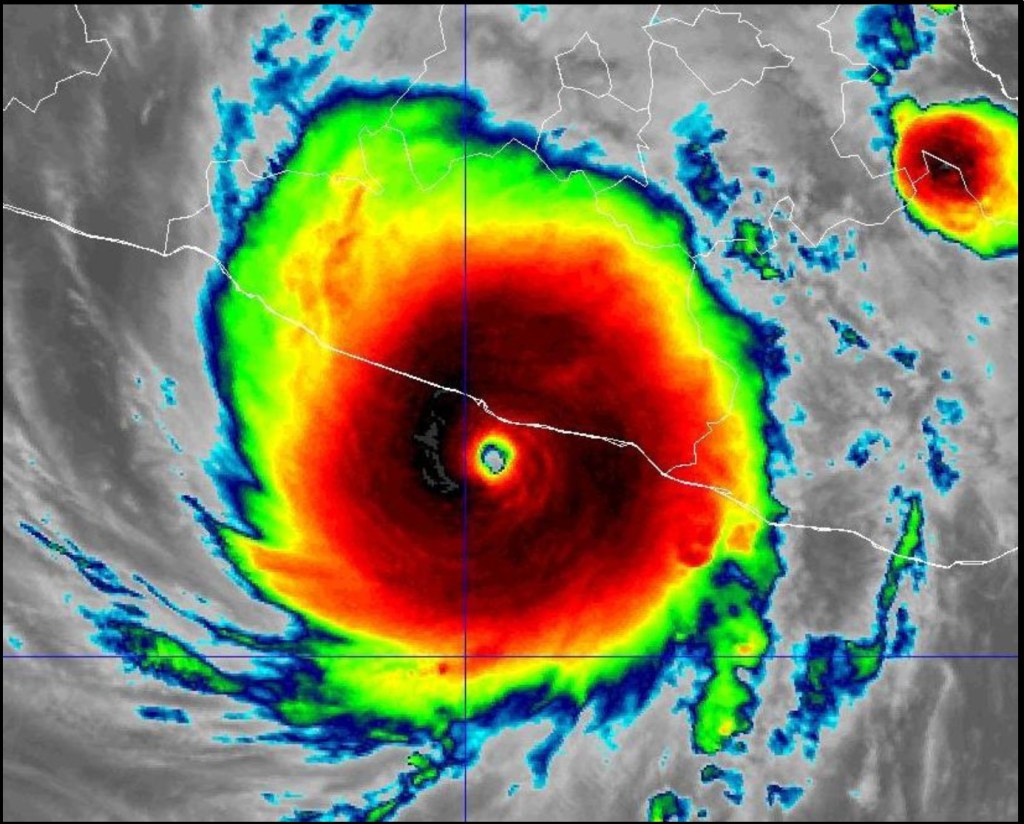
A hurricane almost reached my house once.

I was just discussing it with my neighbor yesterday.

The weather forecasts were dire, warning us of potentially catastrophic damage.

So I didn’t waste any time.

I quickly secured my house and stocked up on essential items.

As fate would have it, the hurricane changed course at the last minute, and our town was spared from its wrath.

My neighbor chuckled as he recalled my diligent preparations, suggesting that everything was a waste since the storm didn’t hit.

But was it, really?

Upon reflecting on the situation, I realized that even though the hurricane didn’t reach my house, I gained something invaluable from my preparations. Peace of mind.

You see, while everyone else was frantically scrambling and praying that the storm went away…I didn’t have to.

I knew I had done everything in my power to keep my family safe.

And I remained calm.

That, folks, is the true value of prepping.

When we invest in emergency preparedness, we’re not just planning for worst-case scenarios; we’re investing in our own mental and emotional well-being.

It’s like having a safety net for our minds.

Sure, it’s easy for my neighbor to laugh at my hurricane preparations in hindsight.

But in the moment, when the threat felt real, I knew I was ready for whatever Mother Nature had in store.

Plus, thanks to that, I know I am ready for when a real storm strikes our house.

And I am proud to say I can protect my family when that time comes.

So the next time someone tells you that prepping is a waste of time, remember this:

The peace of mind you gain from knowing you’re ready for anything is worth every bit of effort you put into it.

Besides, in a world full of uncertainties, who’s to say when the next storm might strike?

We can’t predict the weather, but we can certainly be ready for it.

The Answer To “Prepping Overwhelm”

If there’s one thing that everyone agrees about when it comes to prepping.

It’s that your “to-do” list doesn’t ever end.

One month you’re planting crops to ensure a bountiful harvest during the summer

And the next you’re gathering wood to prepare for the winter.

With so many different things to do, and variables to consider, how can you keep track of everything? And how can you measure your progress?

Well, this is why I recommend that everyone keeps a weekly prepping journal.

Before you roll your eyes and think, “Not another chore, Paul,” hear me out.

This isn’t just another task to add to your endless to-do list.

This is about having a clear, well-recorded journey of your survival prepping efforts.

It’s about acknowledging every little victory along the way. And most importantly, it’s about the progression.

Imagine this. You’ve been working on your skills, stockpiling resources, and making your house more secure.

But as the weeks go by, you don’t have a tangible way to gauge how far you’ve come.

You don’t know which area to focus on next, or which area needs more improvement.

This is very easily solved with a brief journal.

Take a few minutes at the end of every week to jot down what you’ve done towards your emergency readiness.

It could be ”I bought X amount of canned food.”

This doesn’t sound like a lot, but it’s more than what most people do.

Over time, this simple practice will give you a clear view of your journey.

You’ll see not just the biggest milestones but also the little steps you took along the way.

And trust me, those little steps add up faster than you think.

In the past, people used to say that “unexamined lives are not worth living.”

The same goes for prepping.

We need to constantly re-examine our prepping efforts. And we need to know how far we’ve come and where we need to improve.

Journaling might sound boring, but it makes everything easier.

And it takes just less time than most people think.

Why don’t you try it out?

What NOT to eat in a crisis

I wasn’t planning on writing an article today…

Especially since the Mrs always tells me how I should be spending more time with her and the kids.

But I just saw something at the grocery store that I had to let you know about.

And to make sure you’re not making the same mistake.

There was this dude with a cart filled with canned food.

You know, canned beans, canned soup, canned meat, and the like.

And I overheard him saying how he’s creating an emergency stockpile.

And how these cans will be essential in bad times.

While I appreciate a man who’s trying to look out for his family,

Canned food ain’t it, brother.

What some folks don’t know is that canned food has a high sodium content.

A single can of minestrone soup contains around 1,550 mg of sodium.

That’s more than half a teaspoon of salt!

You might be thinking that’s nothing,

But let me tell you, if you give that to your family in an emergency,

This is what you’re risking.

Picture this.

The power’s been out for days.

The storm of the century has hit.

And you have your water supply starting to run low.

Then you reach for those canned beans.

And you’re stuffing down salt even though you’re dehydrated!

I’m no doc, but this isn’t healthy.

Take a look at what happens when you’re dehydrated.

The last thing you need in an emergency is for your kids and you to have high fever, sweating, or vomiting.

See how easily things can take a turn for the worse?

Everyone thinks canned goods are ideal for emergencies.

But if you think one step ahead, you begin to see the flaws.

So what’s the moral of our story? Balance, folks, and a keen eye on the details.

It’s not just about having enough to eat but having the right things to eat.

Foods that provide sustained energy, require minimal processing and don’t sap your precious water supply are your real allies in a crisis.

Stay safe, stay smart, and remember, survival is as much about what you don’t do as what you do.

Until next time, please stay safe, God bless, and keep your head on a swivel!