

Let’s start with an uncomfortable truth: nobody ever plans to be caught in the middle of social unrest. If they did, they would probably also plan to be wearing more comfortable shoes. Yet history—and recent headlines—tell us that social unrest, riots, and periods of social upheaval can happen quickly, escalate fast, and linger longer than anyone expects.
Preparedness is not panic. Preparedness is insurance. You don’t buy fire insurance because you want your house to burn down. You buy it because when things go sideways, you’d rather not be standing there holding a garden hose and good intentions.
There are many survival preparedness items that you can store now, to be used later, or to be carried with you for preparedness sake as insurance for varying degrees of an emergency. The following suggested items can be stored at home, kept in your vehicle, or carried on your person depending on the scenario you’re preparing for:
- Social unrest
- Social upheaval
- Social chaos
- Riots and civil disturbances
Before determining what the “best” preparedness items are, it’s important to step back and ask a few foundational questions. Because context matters. A lot.
Start With the Right Questions
Preparedness isn’t about owning the most gear. It’s about owning the right gear for the situation you’re most likely to face.
Where Will You Be When This Happens?

Ask yourself honestly:
- At home
- At work
- In your vehicle
- Walking in a public place
- Traveling on a business trip or vacation
Each of these locations changes what you can reasonably access. The backpack under your bed does you zero favors if you’re stuck downtown wearing dress shoes and optimism.
What Will Your Support Group Look Like?

- You are alone
- You are with one other person (friend or family member)
- You are with a larger group (less likely, but possible)
Being alone dramatically changes priorities. Suddenly redundancy matters less, and portability matters a whole lot more.
How Long Might the Social Unrest Last?
- An hour or a few hours
- One day or a few days
- One week with sporadic outbreaks
- A longer-term breakdown scenario (worst case)
Each answer reshuffles your preparedness deck. Short-term unrest focuses on escape and avoidance. Longer events shift toward sustainment and security.
Each combination of answers alters what preparedness items should be close by—or literally on your body. The most difficult scenario to prepare for is being alone, out in public, with only what you’re carrying. Preparing for unrest while at home, by contrast, isn’t much different than ordinary preparedness—just with more emphasis on security and situational awareness.
Core Principles for Social Unrest Preparedness
Before diving into gear lists, let’s establish a few principles:
- Avoidance beats confrontation every time.
- Mobility equals safety.
- Blending in is usually better than standing out.
- You are not the main character in an action movie.
Preparedness is about getting home safely, not “winning” anything.
Preparedness Items to Carry on Your Person (Everyday Carry)
If social unrest catches you while you’re out in public, your everyday carry (EDC) becomes your lifeline.
1. Situational Awareness Tools
- Your phone (charged, with emergency alerts enabled)
- Offline maps downloaded
- Local news and alert apps
Knowing where unrest is happening is often more important than knowing how to deal with it once you’re inside it.
2. Basic Personal Protection Items
- Sturdy shoes (yes, this counts as gear)
- Durable clothing that allows movement
- Gloves (lightweight work gloves can protect hands from debris)
Broken glass and sharp debris are common during riots. Hands and feet take the first hit.
3. Medical Essentials
- Compact first aid kit
- Tourniquet
- Bandages and antiseptic wipes
Emergency services may be delayed or unavailable. A small kit can make a big difference.
4. Respiratory and Eye Protection
- N95 or similar mask
- Safety glasses or low-profile goggles
Smoke, tear gas, and airborne debris are frequent features of civil unrest. Your lungs and eyes will thank you later.
5. Light and Communication
- Small flashlight
- Portable battery pack and charging cable
Darkness adds confusion. Confusion attracts problems.
Vehicle-Based Preparedness Items
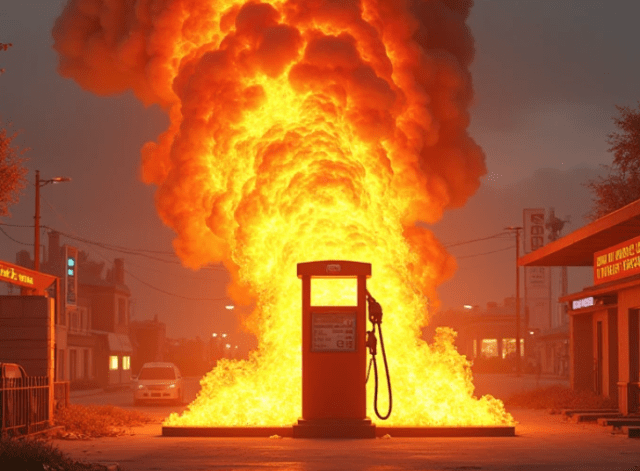
If you’re in your car when unrest breaks out, congratulations—you have storage space. Use it wisely.
1. Navigation and Escape Tools
- Paper maps (because GPS isn’t magic)
- Preplanned alternate routes
Road closures and blocked intersections are common during riots.
2. Vehicle Emergency Kit
- Water (at least a few liters)
- Non-perishable snacks
- Blanket or poncho
You may be stuck longer than planned. Hunger makes people cranky, and cranky people make poor decisions.
3. Vehicle Safety Items
- Fire extinguisher
- Glass-breaking tool
- Jumper cables
Fires, abandoned vehicles, and damaged infrastructure are not rare in unrest scenarios.
4. Personal Protection Additions
- Additional masks and eye protection
- Extra gloves
- High-visibility vest (for breakdowns, not blending in)
Context matters. Sometimes visibility saves lives; sometimes blending in does.
Preparedness Items for the Home

Preparing your home for social unrest is less about turning it into a fortress and more about making it a place you don’t have to leave.
1. Food and Water
- Minimum of 3–7 days of food per person
- Stored water or water filtration system
Supply chain disruptions don’t care about your grocery list.
2. Power and Lighting
- Flashlights and lanterns
- Battery backups or generators
Power outages often accompany unrest, either intentionally or coincidentally.
3. Home Security Enhancements
- Reinforced door hardware
- Motion lights
- Cameras or doorbell systems
Deterrence works best when it doesn’t require confrontation.
4. Medical and Hygiene Supplies
- Expanded first aid kit
- Prescription medications
- Hygiene items
Hospitals may be overwhelmed. Pharmacies may be closed.
The Minnesota-Specific Reality

Minnesota has a wide range of environments—from dense urban centers to suburban neighborhoods and rural areas. Social unrest here can look very different depending on location.
Urban areas may see:
- Rapid crowd formation
- Road closures
- Public transportation disruptions
Suburban and rural areas may experience:
- Supply shortages
- Delayed emergency response
- Spillover effects
Preparedness should reflect where you live and where you commute.
The Psychological Side of Preparedness
Gear matters, but mindset matters more.
- Stay calm
- Avoid crowds
- Don’t film, gawk, or linger
- Move with purpose
Preparedness isn’t about fear. It’s about reducing surprise. When you’ve thought through scenarios ahead of time, your brain doesn’t freeze when something unexpected happens. It simply moves to the next step.
Final Thoughts: Prepared, Not Paranoid

Being prepared for social unrest does not mean you expect it—or want it—to happen. It means you acknowledge reality, respect uncertainty, and prefer options over regret.
Most people prepare after something bad happens. Prepared people do it beforehand, quietly, and without drama. They don’t panic. They don’t posture. They just leave early, get home safely, and make a sandwich while everyone else is still arguing on social media.
Preparedness is boring. And boring is exactly what you want when everything else gets exciting.
 TheDailyChristian