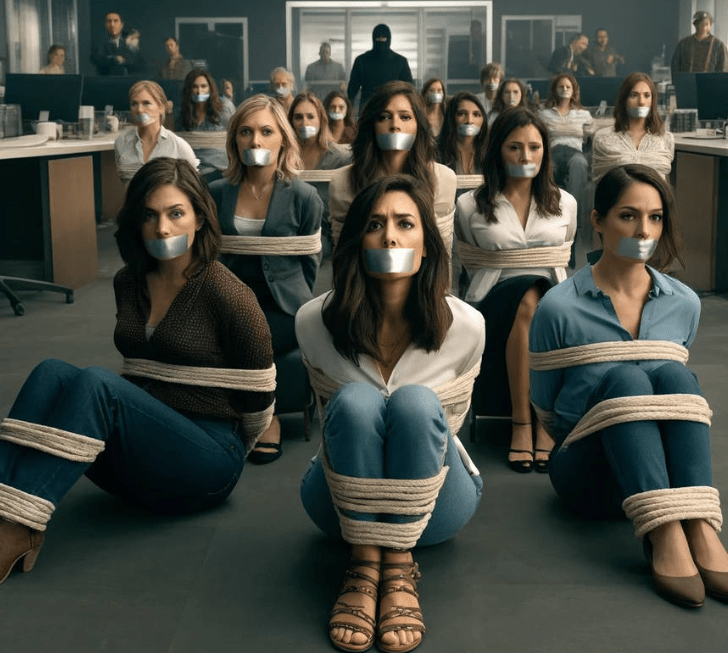
Lap Dances & Bullets – Strip Club Mass Shooting Survival Skills

One of the hardest truths to accept is that mass shootings often occur in places where people are relaxed, distracted, and least prepared to respond. A strip club on a busy Saturday night—with over 40 dancers, staff, security, and a packed crowd—fits that profile perfectly.

This article is not about panic, paranoia, or hero fantasies. It’s about surviving long enough to go home alive.

Strip clubs present a unique survival environment:

  • Dim lighting
  • Loud music
  • Alcohol-impaired judgment
  • Tight spaces
  • Multiple blind corners
  • High crowd density
  • Limited exits

If a mass shooting occurs in this setting, seconds matter. Preparation isn’t about carrying weapons—it’s about awareness, positioning, movement, and mindset.


Understanding the Strip Club Environment

Before discussing survival tactics, you need to understand the terrain.

Most strip clubs share these characteristics:

  • A main performance floor with fixed seating
  • A stage or pole area that draws visual focus
  • VIP rooms or back hallways
  • Restrooms and dressing areas
  • One main entrance/exit, sometimes a secondary staff exit
  • Thick walls but thin internal dividers
  • Low visibility due to lighting and strobes
  • Loud bass that masks gunfire initially

Crowds cluster around stages, bars, and tip rails. That density is dangerous during a violent event but can also provide concealment if used intelligently.


How to Be Proactive: Spotting Trouble Before It Starts

Survival begins before the first shot is fired.

1. Always Identify Exits Upon Entry

This is non-negotiable prepper behavior. When you enter:

  • Count the exits
  • Identify which are staff-only
  • Note emergency exit signage
  • Observe if doors open inward or outward
  • Look for obstacles near exits

If you can’t name at least two exit paths within 30 seconds of entering, you’re already behind.


2. Read Behavior, Not Appearances

A mass shooter does not “look” a certain way. Focus on behavioral indicators:

  • Unusual agitation or pacing
  • Clutching waistbands or bags
  • Refusal to comply with security
  • Fixated staring, scanning instead of watching dancers
  • Rapid breathing or shaking hands
  • Repeated trips outside and back in
  • Excessive sweating unrelated to temperature

Trust your instincts. Leaving early is never embarrassing—being trapped is.


3. Position Yourself Intelligently

Avoid:

  • Sitting with your back to the room
  • Being boxed in by tables
  • High-density clusters near the stage
  • Dead-end VIP rooms unless you know alternate exits

Prefer:

  • Seats near walls
  • Clear lines to exits
  • Areas with solid structural features (pillars, thick walls)

Prepared people sit with intention.


Immediate Survival Priorities When Shooting Starts

When gunfire erupts, chaos follows. Your survival depends on decisive action, not freezing.

Rule #1: Don’t Wait for Confirmation

Gunfire in a strip club may sound muffled or confusing at first. If you suspect shots:

  • Act immediately
  • Do not wait for announcements
  • Do not search for friends
  • Do not record video

Delay kills.


Option 1: Escape (Run) – The Best Survival Choice

If you have a clear, safe path, take it.

How to Escape Safely

  • Move low and fast, not upright
  • Use furniture for partial cover
  • Avoid funneling into obvious exits if gunfire is near them
  • Follow walls, not open floor
  • Expect exits to bottleneck—push through decisively

Leave belongings behind. Phones, wallets, shoes—nothing is worth your life.

Once outside:

  • Keep moving
  • Create distance
  • Do not stop near entrances
  • Call emergency services when safe

Option 2: Hiding in a Strip Club Environment

If escape is not immediately possible, hiding is your next priority.

Best Hiding Locations in a Strip Club

  • Staff hallways
  • Dressing rooms with solid doors
  • Storage rooms
  • Maintenance closets
  • Behind thick bars or concrete pillars
  • Restrooms with lockable doors

Avoid:

  • Thin partitions
  • Curtains only
  • Areas with mirrors (reflection risk)
  • Large open VIP rooms with no secondary exits

How to Hide Effectively

  • Lock and barricade doors using heavy furniture
  • Turn off lights
  • Silence phones completely (no vibration)
  • Stay low and out of sight lines
  • Spread people out if possible
  • Prepare to remain silent for extended periods

Barricades should be heavy, wedged, and layered.


Slowing or Stopping a Mass Shooting (Last Resort Discussion)

As a survival prepper, I must be clear:
Confrontation is a last resort when escape and hiding fail.

Stopping a shooter is extremely dangerous and often results in injury or death. That said, in rare cases, disruption can save lives.

Non-Technical, High-Level Disruption Concepts

  • Creating obstacles that slow movement
  • Barricading chokepoints
  • Using noise or alarms to draw attention away from trapped people
  • Overwhelming the attacker only if unavoidable and only to escape

This is not about heroics—it’s about buying time and creating opportunity to survive.


Survival Gear You Can Always Have On Hand

You don’t need tactical gear to be prepared.

Everyday Carry Survival Items

  • Tourniquet (compact, legal)
  • Pressure bandage
  • Small flashlight
  • Phone battery backup
  • Concealed earplugs (protect hearing, improve focus)
  • Emergency contact card
  • Comfortable footwear when possible

Medical readiness saves lives after the shooting stops.


What to Do After You Escape or Secure Yourself

  • Keep hands visible when police arrive
  • Follow commands immediately
  • Expect confusion and aggressive control
  • Provide first aid only when safe
  • Do not spread rumors
  • Seek medical evaluation even if uninjured

Survival doesn’t end when the noise stops.


Final Thoughts from a Survival Prepper

You don’t prepare because you expect violence.
You prepare because reality doesn’t ask permission.

A strip club is not a battlefield—but if violence comes, your mindset determines whether you freeze or move.

Prepared people:

  • Observe
  • Position
  • Act decisively
  • Value life over pride
  • Leave early when something feels wrong

Survival is not about fear.
It’s about going home alive.

Chaos in the Aisles: How to Stay Alive During a Grocery Store Mass Shooting

I’ve spent most of my life preparing for disasters most people hope never come. Storms. Grid failure. Civil unrest. Food shortages. But one of the most sobering realities of modern life is this: violence can erupt anywhere, even in places designed to feel safe, familiar, and routine—like your local grocery store.

A grocery store is one of the worst possible environments for a mass-casualty event. Wide open aisles, reflective surfaces, limited exits, crowds of distracted shoppers, and carts that slow movement all work against you. You don’t have to be paranoid to survive—but you do have to be prepared.

This article is not about fear. It’s about awareness, decisiveness, and survival.


Understanding the Grocery Store Threat Environment

Before we talk about survival, you must understand the battlefield—because whether you want it or not, that’s exactly what a mass shooting turns a grocery store into.

Why Grocery Stores Are Vulnerable

  • Multiple public entrances and exits
  • Long, narrow aisles that limit escape angles
  • Loud ambient noise masking gunfire at first
  • Glass storefronts and windows
  • High population density
  • Shoppers mentally disengaged and focused on lists, phones, or kids

Survival begins before anything happens.


How to Be Proactive: Spotting Trouble Before It Starts

Most people don’t realize this, but many mass shooters telegraph their intent—sometimes subtly, sometimes blatantly. You don’t need to profile people. You need to recognize behavioral red flags.

Warning Signs to Watch For

  • Someone wearing heavy clothing in hot weather
  • Visible agitation, pacing, clenched jaw, or shaking hands
  • Fixated staring or scanning instead of shopping
  • Carrying a bag or object held unnaturally tight
  • Entering without a cart, basket, or intent to shop
  • Rapid movement toward central store areas
  • Audible statements of anger, grievance, or threats

Trust your instincts. If something feels wrong, leave immediately. Groceries can wait. Your life cannot.

Strategic Awareness Tips

  • Always identify two exits when entering
  • Note where bathrooms, stock rooms, and employee-only doors are
  • Avoid lingering in the center of the store
  • Shop near perimeter aisles when possible
  • Keep headphones volume low or off

Prepared people don’t panic—they move early.


Immediate Actions When a Shooting Begins

If gunfire erupts, seconds matter. Your goal is simple:

SurVIVE. ESCAPE if possible. HIDE if necessary. RESIST only as a last resort.

This is not movie hero time. This is survival time.


How to Escape a Mass Shooting in a Grocery Store

Escape is always the best option—but only if it can be done safely.

Escape Principles

  • Move away from gunfire, not toward it
  • Drop your cart immediately
  • Use side aisles, not main aisles
  • Avoid bottlenecks at main entrances
  • Exit through employee doors, stock areas, or fire exits if accessible
  • Leave belongings behind—speed is survival

If you escape:

  • Run until you are well clear of the store
  • Put hard cover between you and the building
  • Call 911 when safe
  • Do not re-enter for any reason

Hiding to Survive Inside a Grocery Store

If escape is impossible, hiding may save your life—but only if done correctly.

Best Places to Hide

  • Walk-in freezers or coolers (if they lock or can be barricaded)
  • Employee-only stock rooms
  • Behind heavy shelving units
  • Storage areas with solid doors
  • Office areas away from public access

How to Hide Effectively

  • Turn off all phone sounds immediately
  • Lock or barricade doors
  • Stack heavy items (carts, pallets, shelving)
  • Sit low and remain silent
  • Spread out if hiding with others
  • Prepare to stay hidden for an extended period

Avoid:

  • Bathrooms with no secondary exits
  • Glass-fronted rooms
  • Large open spaces
  • Hiding under checkout counters alone

Stillness and silence keep you alive.


Slowing or Stopping a Mass Shooting: Survival-Focused Actions

Let me be very clear: your primary responsibility is survival, not confrontation. However, there are non-offensive actions that can reduce harm and increase survival odds.

Defensive, Survival-Oriented Actions

  • Barricade access points with heavy objects
  • Pull shelving units down to block aisles
  • Lock or wedge doors
  • Turn off lights in enclosed areas
  • Break line of sight using obstacles

Group Survival Measures

  • Communicate quietly
  • Assign someone to watch entrances
  • Prepare to move only if necessary
  • Aid the injured if safe to do so

Direct confrontation should only be considered if immediate death is unavoidable, escape is impossible, and lives are imminently threatened. Even then, survival—not heroics—is the goal.


What to Do If You Are Injured

Bleeding kills faster than fear.

Immediate Medical Priorities

  • Apply direct pressure
  • Use tourniquets if available
  • Pack wounds if trained
  • Stay still once bleeding is controlled

If You Are Helping Others

  • Drag them to cover if safe
  • Do not expose yourself unnecessarily
  • Focus on stopping bleeding first

Learning basic trauma care saves lives.


Survival Gear You Can Always Have at the Grocery Store

Preparedness doesn’t mean looking tactical. It means being smart and discreet.

Everyday Carry (EDC) Survival Items

  • Tourniquet (compact, pocket-sized)
  • Pressure bandage
  • Flashlight
  • Whistle
  • Phone with emergency contacts preset
  • Minimal first-aid kit
  • Pepper spray (where legal, used defensively only)

Vehicle-Based Gear

  • Trauma kit
  • Extra tourniquets
  • Change of clothes
  • Emergency water
  • Phone charger

You don’t need everything—just the right things.


Mental Preparedness: The Survival Mindset

Survival is as much mental as physical.

Key Mental Rules

  • Accept reality quickly
  • Act decisively
  • Avoid freezing
  • Help others only if it doesn’t cost your life
  • Stay calm and breathe deliberately

People survive because they decide to survive.


After the Incident: What to Expect

Once law enforcement arrives:

  • Keep hands visible
  • Follow commands immediately
  • Expect confusion and delays
  • Provide information calmly
  • Seek medical evaluation even if you feel fine

Trauma doesn’t end when the noise stops. Take care of your mental health afterward.


Final Thoughts from a Survival Prepper

You don’t prepare because you expect violence—you prepare because you value life.

Most days, a grocery store is just a grocery store. But preparedness means acknowledging that things can change in seconds. Awareness, movement, concealment, medical readiness, and mindset save lives.

You don’t need fear.
You need readiness.

Stay aware. Stay humble. Stay alive.

Don’t Be a Hero: How to Survive Being Held Hostage During a Robbery

The world is not full of good people waiting to do the right thing. It’s full of selfish, desperate, reckless individuals who will happily gamble with your life if it means getting what they want. Civilization is thin. Paper-thin. And when someone storms into a restaurant or bank with bad intentions, that illusion shatters instantly.

You didn’t choose to be there. You didn’t provoke it. But now you’re stuck inside someone else’s bad decisions. Survival becomes your only objective—not bravery, not justice, not heroics. Survival.

This isn’t about playing action-movie fantasy. This is about staying alive when the situation is completely out of your control.


First Rule: Accept Reality Immediately

The moment you realize a robbery is happening, kill the denial. People die because they hesitate, because they assume “this won’t involve me,” or because they wait for clarity that never comes.

If someone is threatening others, brandishing fear, or issuing commands, this is no longer a normal environment. Your job is to mentally switch into survival mode. That means:

  • You are not in charge
  • You are not special
  • You are not invincible

The faster you accept that, the faster you stop making dangerous assumptions.


Second Rule: You Are Not the Main Character

Hollywood lies. In the real world, “heroes” often end up as cautionary tales. When a robbery turns into a hostage situation, the people holding power are unstable, stressed, and unpredictable. Any action that draws attention to you increases risk.

Your goal is to become forgettable.

That means:

  • Don’t argue
  • Don’t make eye contact longer than necessary
  • Don’t stand out physically or verbally
  • Don’t volunteer information

You want to blend into the background like furniture.


Follow Instructions—Even If They’re Humiliating

Pride gets people killed. If you’re told to sit, lie down, stay quiet, or move slowly, you comply unless doing so puts you in immediate danger. Robbers and hostage-takers are often operating on adrenaline and fear. They’re looking for threats, not logic.

Sudden movements, resistance, or “correcting” them can trigger panic-driven violence.

It doesn’t matter how unfair or degrading it feels. Your dignity can be rebuilt later. Your life cannot.


Control Your Body Before It Betrays You

Fear causes people to shake, cry, hyperventilate, or freeze. While emotional reactions are natural, uncontrolled panic can make you look unpredictable—and unpredictable people get watched more closely.

Focus on:

  • Slow, steady breathing
  • Minimal movement
  • Keeping your hands visible if possible

You are trying to project compliance and calm, even if your mind is screaming.


Observe Quietly, Not Actively

There’s a difference between awareness and interference.

You should mentally note what’s happening around you without staring, pointing, or reacting. This helps you stay oriented and gives your mind something productive to do instead of spiraling into panic.

Pay attention to:

  • Where you are in the room
  • Who is near you
  • Changes in tone or urgency

But don’t try to “solve” the situation. You’re not there to intervene. You’re there to endure.


Do Not Try to Negotiate or Reason With Them

This isn’t a debate. These people are not interested in your opinions, explanations, or clever ideas. Attempting to reason can be interpreted as manipulation or defiance.

Unless you are directly spoken to, say nothing.

If addressed, keep responses:

  • Short
  • Neutral
  • Honest but minimal

The less emotional energy you inject into the situation, the safer you remain.


Time Is Not Your Enemy—Impatience Is

Hostage situations feel endless because fear stretches time. Minutes feel like hours. This is where people make fatal mistakes: they assume things are escalating when they aren’t, or they act because they want it to be over.

The ugly truth? Many situations end without harm if no one forces an outcome.

Your mindset should be:

“I can endure this longer than they can remain unstable.”

Patience is a survival tool.


Avoid Group Behavior

Crowds amplify panic. If people around you start crying, shouting, or moving unpredictably, do not mirror them. Emotional contagion can cause sudden chaos, and chaos leads to mistakes.

You don’t need to isolate yourself dramatically. Just don’t become part of a panicked cluster drawing attention.

Stay still. Stay quiet. Stay forgettable.


When Authorities Intervene, Stay Passive

If the situation changes suddenly—loud commands, rapid movement, confusion—this is not the moment to improvise.

Do not:

  • Run unless clearly directed
  • Grab objects
  • Make sudden movements

Follow commands exactly as given, even if they feel abrupt or harsh. In chaotic moments, clarity matters more than comfort.


Afterward: Expect the Shock

Surviving doesn’t mean walking away untouched. After the danger passes, your body may shake, your memory may feel fragmented, and emotions may hit hours or days later.

This is normal.

What’s not normal is pretending you’re fine when you’re not. Survival doesn’t end when the threat leaves. Give yourself space to recover.


Final Reality Check

The world is not getting kinder. Desperation is rising, patience is thinning, and people are increasingly willing to endanger strangers for personal gain. You don’t survive situations like this by being brave or bold.

You survive by being:

  • Calm
  • Compliant
  • Patient
  • Invisible

It’s not heroic. It’s not cinematic. But it works.

And when the worst kind of person walks into the room, staying alive is the only victory that matters.