How We Virginians Prepare for the State’s Worst Natural Disasters
Living in Virginia, it’s not a matter of if a natural disaster will strike, but when. The state is vulnerable to a wide range of catastrophic events, from hurricanes and tornadoes to blizzards and flooding. As a prepper, it’s my duty to always be ready for the unexpected, and let me tell you, the unpredictable weather in Virginia can keep you on your toes.
Having lived here for years, I know firsthand the kinds of disasters that can strike at any moment. But with the right mindset and proper preparation, you can survive just about anything. Whether you’re on the coastal plains or nestled in the Appalachian foothills, being ready for the worst can mean the difference between life and death.
Here in Virginia, we face a variety of natural disasters. While the types of events may vary by region, it’s crucial to understand the risks specific to your area. I’ve seen firsthand how much chaos can result from a single storm, but I’ve also learned how to mitigate that chaos. Here’s a rundown of the most common threats Virginians face:
Hurricanes and Tropical Storms The coastal regions, especially near Hampton Roads, are most at risk for hurricanes. These storms can pack a punch, flooding homes, downing power lines, and causing massive wind damage. The remnants of hurricanes can even affect inland areas, bringing heavy rainfall, flash flooding, and tornadoes.
Flooding Whether it’s from heavy rainfall, overflowing rivers, or coastal storm surges, flooding is a major risk across Virginia. We’ve had many years where cities like Richmond and Charlottesville see water levels rise to dangerous heights. Flash floods, in particular, can occur without warning, especially after heavy rains.
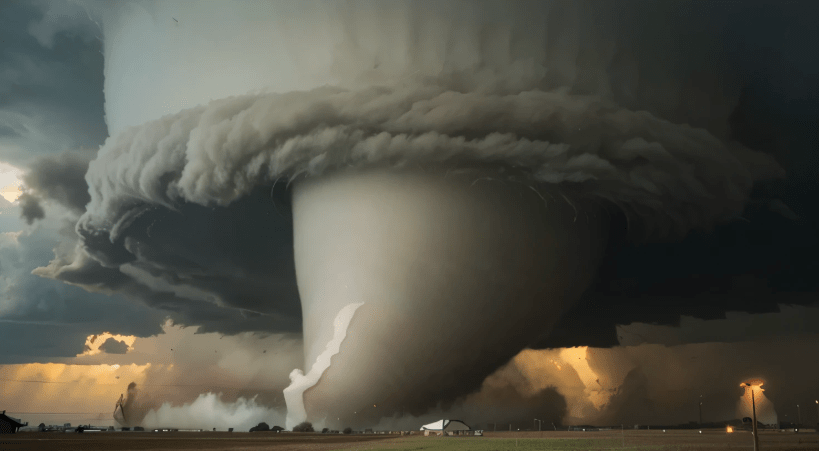
Tornadoes While not as frequent as in the Midwest, Virginia does experience tornadoes, particularly in the spring and summer months. These violent storms can destroy homes and leave a trail of devastation in their wake. In 2011, a significant tornado outbreak affected parts of Virginia, so it’s something we can’t ignore.
Winter Storms and Blizzards If you live in the mountainous regions, particularly along the Blue Ridge or Appalachian Mountains, you’re no stranger to snow. While Virginia’s winters aren’t as harsh as those farther north, winter storms and blizzards can still bring about power outages and travel disruptions.
Earthquakes While Virginia isn’t known for frequent earthquakes, the state does experience them from time to time. The most notable event was the 2011 earthquake near Mineral, VA, which was felt all the way to Washington, D.C. and beyond. It’s a reminder that earthquakes can happen even in places you wouldn’t expect.
10 Survival Prepper Tips for Virginia’s Natural Disasters
Now, let me share some survival prepper tips that have kept me and my family safe through countless storms. These strategies are designed to prepare you for the variety of natural disasters that can strike in Virginia. You don’t have to be caught off-guard—get ahead of the curve with these tips.
Stock Up on Emergency Supplies It’s essential to have enough food and water for at least 72 hours. I recommend a 1-week supply, just in case. Canned goods, freeze-dried meals, and water filtration systems are key. Don’t forget a manual can opener.
Create a Disaster Plan Knowing where to go and what to do in case of an evacuation can save lives. Have a designated meeting point for your family, and make sure everyone knows how to communicate if phone lines go down.
Invest in a Generator Power outages are a regular part of life here, whether from hurricanes or winter storms. A backup generator, along with extra fuel, is a must. Just make sure it’s stored safely outside to avoid carbon monoxide poisoning.
Secure Your Home Against Flooding If you live in an area prone to flooding, elevate critical appliances and move important documents to higher ground. Invest in sandbags or flood barriers to protect your home.
Prepare for Winter Weather Stock up on blankets, warm clothing, and winter survival gear like a wood stove, propane heater, and hand warmers. You’ll also want to make sure you have shovels and ice melt on hand in case of snow and ice.
Install a Weather Radio Early warning systems can give you a heads-up about severe weather. A battery-powered weather radio can alert you to things like tornado warnings, flood risks, and other emergencies, even if the power goes out.
Maintain Your Vehicle During winter storms or evacuation situations, you may need to drive. Ensure your car has a full gas tank, working tires, and a survival kit. I keep a flashlight, extra blankets, non-perishable snacks, and water in my trunk just in case.
Stay Informed Sign up for local emergency alerts through your county or city government. The National Weather Service is another excellent resource. Stay on top of forecasts during hurricane season and during times of high flood risk.
Learn First Aid and CPR Knowing basic first aid and CPR can save a life, especially in remote areas where help might be delayed. Make sure you have a well-stocked first aid kit and know how to use it.
Have a Bug-Out Bag Ready Your bug-out bag should contain everything you need to survive for at least 72 hours in case you have to evacuate. This includes food, water, first aid supplies, important documents, and clothes. Make sure it’s easy to carry and kept in a ready-to-go condition.
Living in Maine, you learn quickly that it’s not just the harsh winters that demand your respect—it’s the full range of natural disasters that can strike this rugged, wild state. As a prepper, I’ve spent years developing a strategy for dealing with everything from ice storms to wildfires. Whether you live near the coast, out in the woods, or in one of the towns tucked into the heart of the state, there are always steps you can take to ensure you’re ready for the worst. Let’s break down how Mainers prepare for natural disasters, and I’ll give you a few tips that could save your life when disaster strikes.
Maine is known for its beautiful forests, snowy winters, and coastal towns. But this beauty comes with its share of dangerous forces of nature. Here’s a rundown of the most common disasters you should be preparing for if you live here:
Winter Storms & Ice Storms: Maine’s winters can be brutal. Snowstorms can bury you in feet of snow, and ice storms can knock out power for days on end. These weather conditions can make travel dangerous and leave people stranded for extended periods.
Flooding: Although Maine isn’t known for massive floods like those in other parts of the country, heavy rains in the spring or intense summer storms can cause flash floods, especially in coastal or low-lying areas. And don’t forget about rising sea levels in the future—they’ll likely increase the frequency of coastal flooding.
Wildfires: While Maine’s forests are beautiful, they can also be a fire hazard, particularly during dry spells. A wildfire may not be as common here as it is in the West, but they do happen, especially in more rural areas where firefighting resources are spread thin.
Coastal Storms & Hurricanes: Maine’s coastline is no stranger to hurricanes and nor’easters. These storms bring high winds, heavy rain, and coastal flooding, and they can knock out power and damage buildings. As our climate shifts, these storms may become more frequent and intense.
Earthquakes: While we aren’t dealing with the kind of seismic activity found out West, Maine does experience occasional small earthquakes. Though rare, these tremors are a reminder that no area is completely immune to nature’s unpredictability.
How We Prepare for Maine’s Worst Natural Disasters
Living in Maine, preparing for natural disasters isn’t a luxury—it’s a necessity. With the state’s unpredictable weather, it’s essential to plan ahead, build strong shelters, and develop emergency strategies for your family. Here’s how I’ve prepared for the worst:
Stockpile Essential Supplies: First and foremost, every prepper in Maine should have a well-stocked emergency kit. When winter storms hit and power goes out for days, or when a wildfire forces you to evacuate, you’ll want to have non-perishable food, water, a first-aid kit, and other essentials like flashlights, batteries, and warm clothing. I’ve made sure to stock up for at least two weeks—food that doesn’t need refrigeration is key, like freeze-dried meals, canned goods, and dried fruits and nuts. For water, a simple filtration system or purification tablets are worth their weight in gold.
Cold-Weather Gear: If you live here in Maine, you know the cold is real. When preparing for winter storms or ice storms, a solid set of cold-weather gear is essential. Waterproof boots, insulated gloves, thick wool socks, and a few warm coats that can withstand the coldest temperatures are must-haves. I also suggest getting a quality sleeping bag that’s rated for subzero temperatures—because when you lose heat in a storm, you’ll need something to help you survive through the night.
Firewood and Fuel: One of the biggest dangers during a Maine winter is losing power for extended periods. That’s why I have a fireplace stocked with firewood, as well as a backup generator that can run on gas or propane. For the generator, make sure you have enough fuel to last a few days in case you can’t get to a store. You’ll also need extra propane for cooking and heating.
Weatherproofing Your Home: Mainers need homes that can handle the worst nature throws at them. If you’re building or renovating, make sure your home is well-insulated and can withstand strong winds and heavy snow. If you’re in a coastal area, invest in storm windows, durable roofing, and an extra layer of protection against flooding.
Emergency Communication Plan: When disaster strikes, traditional communication lines can go down. That’s why I’ve invested in a reliable satellite phone and walkie-talkies. The goal is to stay connected with family members even if cell towers go down. Keep in mind, battery life is critical—invest in solar chargers to keep devices running if the power’s out for an extended period.
Evacuation Routes & Shelters: Know your evacuation routes, and always have a few backup options. Maine’s backroads can get tricky in a storm, so make sure you’ve scouted out the safest routes ahead of time. Have a shelter plan, whether it’s a family member’s house or a designated local shelter. I also suggest having a “bug-out bag” ready to go with essentials in case you need to leave in a hurry.
Stay Informed: The key to surviving any disaster is staying informed. Keep an eye on weather alerts, flood warnings, and wildfire advisories. Sign up for emergency alerts on your phone and make sure your radio is equipped to receive emergency broadcasts, especially if the power goes out.
Maintain Your Vehicle: Having a reliable vehicle is crucial when natural disasters strike. Make sure your car is always in good shape, and keep a kit in your vehicle with jumper cables, blankets, food, and water. A full tank of gas is essential, especially in winter when gas stations might be down for a while.
Practice Your Plan: It’s all well and good to have a plan, but it’s important to practice it. Run through evacuation drills with your family and test your emergency gear regularly. In a real emergency, you don’t want to be fumbling around trying to figure out how your generator works or where you stored the emergency blankets.
Keep an Eye on Climate Trends: Maine’s weather patterns are changing. Warmer summers and more intense storms are becoming the new normal. Stay on top of climate-related news and adjust your preparations as needed. Wildfires, coastal flooding, and other threats might increase in the coming years, so being proactive is the best defense.
10 Survival Prepper Tips for Maine’s Natural Disasters
Keep an eye on weather forecasts—especially during winter and hurricane seasons.
Invest in a wood-burning stove for heating during power outages.
Stock up on alternative lighting sources like lanterns and candles.
Prepare a backup heat source like a kerosene heater or propane space heater.
Know how to turn off utilities like gas and electricity in case of an emergency.
Carry a portable water filter for emergency hydration.
Have a “bug-out bag” ready for quick evacuations with food, water, and medical supplies.
Monitor local fire danger levels in the summer to avoid wildfires.
Check your insurance coverage to make sure your home is protected against flooding and storm damage.
Get a weather radio to listen for storm warnings even when the power’s out.
When you’re living in Maine, it’s all about being prepared. From harsh winters to unpredictable coastal storms, the more you can do now to get ready for the worst, the better you’ll be able to handle whatever comes your way. Stay safe, stay prepared, and stay ready to weather any storm—literally.
How New Mexico Residents Prepare for the State’s Worst Natural Disasters
Living in New Mexico comes with its own unique set of challenges when it comes to preparing for natural disasters. Whether it’s the threat of wildfires, flash floods, earthquakes, or the occasional dust storm, residents of the Land of Enchantment need to stay vigilant and well-prepared. Unlike other regions, New Mexico’s geography and climate throw a curveball at survival preppers who need to plan for a variety of potential disasters. Here’s how we get ready for the worst, and some of the steps that you should take to ensure your family’s safety when things go south.
Understanding the Risks of New Mexico’s Natural Disasters
The first step in preparing for any natural disaster is understanding the risks. In New Mexico, the risk varies by region, but there are several types of disasters we all need to think about:
Wildfires: With hot, dry summers, New Mexico is no stranger to wildfires. The danger is particularly high in the spring and early summer when the state’s vegetation is dry. Areas near forests or grasslands are more vulnerable.
Flash Floods: While the state is known for its deserts, it also experiences brief but intense rainstorms that can quickly turn dry washes and arroyos into raging rivers. These floods can be especially dangerous in the mountainous regions and along areas where flash floods are common.
Earthquakes: The southwest is earthquake-prone, and New Mexico is no exception. Though the state doesn’t experience large, devastating quakes like California, the risk of a moderate earthquake is still present, especially in the northern regions.
Severe Windstorms and Dust Storms: New Mexico’s flat desert landscape makes it susceptible to intense windstorms, particularly in the spring and fall. Dust storms, also called “haboobs,” can reduce visibility to near zero and cause dangerous driving conditions.
Extreme Heat: New Mexico experiences some of the hottest temperatures in the country, especially in the summer. Extreme heat can be just as deadly as a fire or flood if you’re not prepared.
With these risks in mind, New Mexico residents need to have a comprehensive plan to deal with these natural disasters. But what exactly do we do to stay safe?
Prepping for Wildfires:
In New Mexico, wildfire season can start early in the year, sometimes as early as March. If you live in or near wooded areas, you need to take wildfire preparedness seriously.
Defensible Space: Creating defensible space around your home is crucial. This means clearing brush, trees, and dead plants from a 30-foot perimeter. Prune trees and bushes to prevent fire from spreading to your home.
Fire-Resistant Materials: If you’re building or remodeling, consider fire-resistant materials for your home, such as metal roofing, stucco siding, and tempered glass windows. These materials can help prevent your house from igniting in the event of a wildfire.
Emergency Bag: Keep a go-bag ready with essentials like water, food, first aid supplies, and fire-resistant clothing. Don’t forget your important documents and identification in a waterproof bag.
Preparing for Flash Floods:
Flash floods in New Mexico can come out of nowhere. With the steep, rugged terrain, rain can turn dry arroyos into deadly torrents, so it’s important to know what to do if you find yourself in one of these situations.
Know Your Flood Zone: Research the area where you live and understand whether you’re in a floodplain. Even if you’re not in a flood zone, flash floods can still happen unexpectedly.
Flash Flood Kit: A kit designed specifically for flash flood situations should include waterproof bags, a hand-cranked flashlight, extra batteries, a portable radio, and non-perishable food and water. Having a solid plan to leave your home before a flood hits can save your life.
Elevation Awareness: If you’re in an area prone to floods, know where the high ground is. In the event of heavy rainfall, you may need to move to higher ground quickly.
Dealing with Earthquakes:
While New Mexico isn’t as seismically active as places like California, earthquakes still pose a risk. If you live in the northern part of the state, you may be closer to fault lines that are capable of triggering tremors.
Earthquake-Proof Your Home: Use anchor bolts to secure large furniture to walls, and install latches on cabinets to prevent items from falling. You’ll want to be able to secure your home and protect your family as much as possible.
Have a Shake-Ready Kit: Pack an earthquake survival kit with essentials like bottled water, first aid supplies, a flashlight, and sturdy shoes (since the ground may be unstable).
Create an Emergency Plan: Make sure your family knows where to meet and how to get in touch if the phone lines are down. In the case of an earthquake, it’s essential to know where the safest spaces in your home are—under a sturdy table or against an interior wall, away from windows.
Surviving Dust Storms:
Dust storms, or haboobs, are a common occurrence in New Mexico, especially in the spring. These storms can whip up dust and sand at speeds of over 60 miles per hour, reducing visibility and making it hard to breathe.
Stay Indoors: The best thing you can do during a dust storm is to stay indoors. Seal windows and doors tightly to prevent dust from entering your home. Keep the air conditioning on, but make sure the air intake is closed.
Have a Dust Mask: If you must go outside, wearing a dust mask can help protect your respiratory system from the harmful particles in the air. Have extra masks on hand for emergencies.
Additional Survival Prepper Tips for New Mexico:
Stay Hydrated in the Heat: New Mexico’s high summer temperatures can lead to dehydration quickly. Make sure you and your family are drinking plenty of water, especially during outdoor activities.
Solar Power Systems: In remote areas, power outages are common, so having a solar power system or backup generator can keep your lights on and your communication devices working.
Fire Extinguishers: Keep multiple fire extinguishers in easily accessible areas around your home, especially near the kitchen, garage, and areas with lots of flammable materials.
Shelter in Place Supplies: If a major storm or disaster prevents you from leaving home, ensure your shelter-in-place supplies are well-stocked. This includes food, water, a battery-powered radio, and a first-aid kit.
Know Your Community Emergency Plan: Understand how local authorities and emergency services respond to disasters in your area. Have contact information for shelters, road closures, and emergency response teams.
Conclusion
Living in New Mexico means facing a variety of natural disasters. But by preparing your home, having the right gear, and understanding the unique risks of the state, you can protect yourself and your loved ones. Whether it’s preparing for wildfires, floods, or dust storms, a survival prepper’s mindset and proactive actions are the keys to surviving when disaster strikes.
Surviving Utah: A Prepper’s Guide to Natural Disaster Readiness
As a seasoned prepper in Utah, I know firsthand that survival isn’t just about gear—it’s about mindset, strategy, and community. Utah’s diverse terrain and climate present unique challenges, from the seismic risks along the Wasatch Front to the wildfire-prone regions in the south. Here’s how we prepare for the worst, ensuring we not only survive but thrive when disaster strikes.
The Wasatch Front is overdue for a significant earthquake. With a 57% chance of a magnitude 6.0 or greater quake in the next 50 years, preparedness is paramount. Securing heavy furniture, retrofitting homes, and assembling a comprehensive emergency kit are essential steps. Additionally, practicing the “drop, cover, and hold on” technique can save lives during the shaking. KSL News+5KSL News+5KSL News+5KSL News+5KSL News+5KSL News+5dspd.utah.gov+6KSL News+6KSL News+6
2. Wildfires: Defend Your Homestead
Utah’s hot, dry summers create prime conditions for wildfires. Residents in areas like St. George and Cedar City are particularly vulnerable. Creating defensible space around your property, using fire-resistant materials, and having a go-bag ready can make all the difference. Stay informed through local fire alerts and always have an evacuation plan in place.
3. Flooding: Know Your Terrain
While floods aren’t as common as other disasters, Utah’s mountainous terrain and rapid snowmelt can lead to sudden flash floods. Living near rivers or in valleys increases this risk. It’s crucial to understand your local flood zone and have a plan to move to higher ground if necessary. Avoid driving through flooded areas, as even shallow waters can be deadly. Utah State University Extension
4. Winter Storms: Winterize Everything
Utah’s winters can be brutal, with blizzards and subzero temperatures. Winterizing your vehicle, stocking up on essentials like blankets and non-perishable food, and ensuring your home heating systems are functional are vital steps. Always keep a battery-powered radio to receive weather updates during power outages. dspd.utah.gov+1Vox+1
5. Heatwaves: Stay Cool and Hydrated
Utah’s summer heat can be intense, especially in southern regions. To combat heat-related illnesses, drink plenty of water, avoid strenuous activities during peak heat hours, and stay in air-conditioned environments when possible. Having a cooling center plan and understanding the signs of heat exhaustion can be lifesaving.
10 Survival Prepper Tips for Utah’s Natural Disasters
Diversify Water Sources: Don’t rely solely on city water. Collect rainwater and store it in barrels. Ensure you have a portable water filter for purification.Utah State University Extension
Emergency Communication Plan: Establish a family meeting point and an out-of-state contact. Use walkie-talkies or satellite phones when cell networks are down.KSL News
Food Storage: Maintain a 72-hour emergency food supply. Rotate stock regularly and include comfort foods to maintain morale.dspd.utah.gov+1Be Ready Utah+1
First Aid Training: Take CPR and first aid courses. Equip your kit with essential medical supplies, including prescription medications.AP News
Fire Safety: Keep fire extinguishers accessible and learn how to use them. Regularly clear dry brush and debris from around your property.Be Ready Utah
Power Backup: Invest in solar-powered chargers and backup generators. Ensure you have extra fuel stored safely.
Emergency Shelter: Have tents, tarps, and sleeping bags ready. Know the locations of nearby shelters and evacuation routes.
Security Measures: Install motion-sensor lights and security cameras. Consider firearms training and legal firearm ownership for self-defense.
In Utah, survival isn’t just about having the right gear; it’s about being proactive, staying informed, and fostering a community of preparedness. By understanding the unique risks our state faces and taking deliberate steps to mitigate them, we ensure that when disaster strikes, we’re not just surviving—we’re thriving.
How Illinois Residents Prepare for the State’s Worst Natural Disasters: A Prepper’s Guide
Living in Illinois can be tough when it comes to preparing for natural disasters. Whether it’s the potential for severe thunderstorms, flooding, or the dreaded tornado, being prepared is the key to survival. As a prepper living in the Prairie State, I know the importance of being ready for anything that Mother Nature can throw our way. In this article, we’ll dive into how Illinois residents, particularly survival preppers, prepare for the worst and what you can do to increase your chances of survival during these disasters.
Understanding the Threats
Illinois is no stranger to severe weather. From the sweltering summer heat to the biting cold of winter, it’s not just the weather we need to prepare for. The state is also prone to severe thunderstorms, tornadoes, and flooding, all of which can wreak havoc on your home and your life. Tornadoes are a particular threat, with the state being located in what is often called “Tornado Alley.” While Illinois is not the most tornado-prone state, the frequency of these violent storms still makes it critical for everyone to be prepared.
Flooding is another major concern, especially for residents living near rivers, streams, and low-lying areas. Floods can happen suddenly, and they can be catastrophic, particularly when the state experiences periods of heavy rainfall or snowmelt. Additionally, Illinois is prone to the occasional earthquake, especially in the southern part of the state, near the New Madrid Seismic Zone.
Survival Prepper Tips for Illinois Natural Disasters
As a prepper, you need to be ready for anything that comes your way. Let’s break down some essential survival prepper tips specific to Illinois’ most common natural disasters.
Know Your Risk Zones Illinois is a large state, and different areas are more prone to specific disasters. If you’re living in a floodplain or close to the Mississippi or Illinois rivers, you need to be aware of flooding risks. If you’re in central or northern Illinois, tornadoes and severe storms should be a bigger concern. Understand the hazards specific to your region and prepare accordingly.
Create an Emergency Kit Having an emergency kit is a must for any prepper. Your kit should include non-perishable food, water, a flashlight, extra batteries, a first-aid kit, a fire-starting kit, a multi-tool, and essential documents in a waterproof container. Don’t forget a radio that can operate without power—preferably one that picks up NOAA weather alerts.
Emergency Plan for Tornadoes Tornadoes are one of Illinois’ most feared natural disasters. You need to have a clear emergency plan in place. Designate a tornado-safe room in your home, preferably in a basement or an interior room with no windows. In a tornado warning, every second counts, so practice regular drills with your family and ensure everyone knows where to go.
Flood Preparation: Know Your Elevation Many parts of Illinois, especially along rivers, are at risk of flooding. Know the elevation of your home and the flood zone in your area. If you’re in a flood-prone area, make sure you have sandbags on hand, elevate electrical appliances, and store valuables in high, waterproof containers.
Prepare for Power Outages Severe storms and floods can knock out power for days or even weeks. Having a backup generator is a prepper’s lifeline. If you can’t afford a full generator, make sure you have plenty of battery-powered lights, solar chargers, and enough food and water to last until the power is restored.
Stockpile Winter Supplies Winters in Illinois can be brutal. Make sure you have enough firewood, blankets, and winter gear for everyone in your household. A wood-burning stove or propane heater can be a lifesaver during power outages caused by snowstorms or ice. Always keep an extra supply of warm clothes and insulated boots on hand.
Stay Weather-Aware Always stay updated on weather patterns. Illinois is no stranger to severe weather events, and tornadoes can develop rapidly. Make sure you have multiple ways of receiving alerts—whether it’s through a weather app, NOAA radio, or local news stations. Make it a habit to check the weather forecast regularly during storm season.
Secure Your Property Whether it’s reinforcing windows, clearing gutters to prevent flooding, or trimming trees that could become dangerous in high winds, maintaining your property is vital. The more you can fortify your home against the elements, the better your chances of minimizing damage when a disaster strikes.
Be Prepared for the Long Haul After a disaster, recovery can take time. Make sure you have enough food, water, and supplies to last at least 72 hours, but ideally, 2 weeks. The state may be hit by widespread power outages, flooding, or other conditions that could disrupt transportation and access to supplies for an extended period.
Create a Community Network One of the most important prepper tips is to build a community of like-minded individuals. When disaster strikes, neighbors can be a huge help. Whether it’s pooling resources, checking on the elderly, or sharing important information, a strong community network can increase the chances of everyone surviving and recovering.
Prepping for Earthquakes in Illinois
While earthquakes aren’t as common in Illinois as in other parts of the U.S., they can still happen, especially in the southern part of the state. If you live near the New Madrid Seismic Zone, you should take steps to earthquake-proof your home. Secure heavy furniture, reinforce walls, and have an earthquake emergency plan in place.
Mental and Physical Preparation
Survival isn’t just about having the right gear—it’s about being mentally and physically prepared. Practice staying calm under pressure, and teach your family how to remain level-headed during a disaster. Fitness is also important. Having the stamina to walk long distances, carry supplies, or help others can make a huge difference in survival situations.
How Michigan Residents Prepare for the State’s Worst Natural Disasters
Living in Michigan means embracing the extremes. From the bone-chilling cold of winter to the unpredictable fury of summer storms, the Great Lakes State tests its residents’ resilience. As a seasoned prepper, I’ve learned that surviving Michigan’s natural disasters isn’t just about having the right gear—it’s about mindset, strategy, and community.
Michigan’s diverse climate and geography make it susceptible to a range of natural disasters:
Winter Storms & Ice: The Upper Peninsula and northern Lower Peninsula often face severe ice storms, leading to power outages and hazardous travel conditions.Manistee News Advocate
Flooding: Heavy spring rains and rapid snowmelt can overwhelm rivers and drainage systems, causing widespread flooding.
Tornadoes & Severe Thunderstorms: While not as frequent as in “Tornado Alley,” Michigan experiences its share of twisters and intense storms, especially in the spring and summer months.
Wildfires: Though less common, dry conditions in certain areas can lead to wildfires, particularly in the western Upper Peninsula.
Extreme Cold & Wind Chill: The state’s northern regions can experience dangerously low temperatures and wind chills during winter months.Michigan+1Midland Daily News+1
10 Survival Prepper Tips for Michigan’s Natural Disasters
Winterize Your Home and Vehicle: Ensure your home is insulated, and your vehicle is equipped with winter survival gear, including blankets, non-perishable food, and a shovel.
Stay Informed with NOAA Weather Radio: These radios provide continuous broadcasts of official Weather Service information, including weather and emergency information. Time+2Michigan+2WIRED+2
Create a Family Emergency Plan: Establish meeting points, communication methods, and roles for each family member during a disaster. Michigan Medicine+1Michigan Medicine+1
Backup Power Solutions: Invest in generators and solar chargers to keep essential devices running during power outages. Michigan Medicine+1Michigan Medicine+1
Flood-Proof Your Property: Elevate electrical appliances, clear gutters regularly, and use sump pumps to prevent basement flooding. Michigan
Fire Safety Measures: Keep fire extinguishers accessible, clear brush away from structures, and stay informed about local fire danger levels. Manistee News Advocate
Secure Important Documents: Store copies of insurance policies, identification, and medical records in a waterproof and fireproof container. AP News
Practice Regular Drills: Participate in local tornado drills and other emergency preparedness exercises to stay sharp. Huron Daily Tribune
Community Engagement: Join local CERT (Community Emergency Response Team) programs and stay connected with neighbors to enhance collective preparedness. Manistee News Advocate
Conclusion
Surviving Michigan’s natural disasters requires more than just a stocked pantry—it demands a proactive approach, continuous learning, and community involvement. By implementing these prepper strategies, you can ensure that you and your loved ones are ready for whatever the Great Lakes State throws your way.
As a resident of Pennsylvania, we all know the risks that come with living in this beautiful but often unpredictable state. From the rugged mountains to the fertile valleys, Pennsylvania is a land of contrasts. But with those natural blessings come real threats — severe weather, floods, snowstorms, and even the occasional earthquake. For those of us who believe in preparedness, ensuring that we’re ready for whatever nature throws our way is not just a lifestyle, but a necessity.
In Pennsylvania, we face several types of natural disasters. While some might think of snowstorms first, we also have tornadoes, flooding, severe thunderstorms, and the risk of wildfires, particularly in the dry summer months. This is why it’s important for each of us to take a proactive approach to survival. If you want to ensure that your family is safe when disaster strikes, it’s vital to know how to prepare for the worst.
1. Snowstorms and Winter Weather Preparedness
Let’s face it — Pennsylvania winters can be brutal. From the frigid cold to the heavy snow and ice, winter storms are a major concern. Every prepper in this state knows that the first step in surviving a snowstorm is making sure you have enough food and water stored up. You don’t want to be caught off guard when the snow piles up and roads become impassable.
During the winter months, power outages are common, and the cold temperatures can make staying warm a real challenge. Make sure your home is winterized with insulation, and keep blankets, sleeping bags, and extra clothing on hand. A backup power supply, like a generator or extra fuel, can be a lifesaver when the electricity goes out. If you have a wood stove or fireplace, keep a stockpile of firewood, as this can keep you warm if the power goes out for an extended period.
2. Flooding and Heavy Rain Preparedness
Due to the state’s many rivers, creeks, and valleys, flooding is another major risk. Heavy rains, especially during spring and fall, can quickly lead to flooding, especially in low-lying areas. It’s essential to be aware of your flood zone and take necessary steps to protect your home. In flood-prone areas, elevate critical utilities, such as your furnace or electrical panel, above the potential flood line.
A good flood prepper tip is to keep sandbags or other barriers on hand to protect entryways and other vulnerable areas. If you live near a stream or river, monitor rainfall forecasts, and be prepared to evacuate if conditions worsen. An emergency bug-out bag with clothes, food, and necessary medications should always be within easy reach.
3. Tornadoes and Severe Thunderstorms Preparedness
While tornadoes aren’t as common in Pennsylvania as they are in the Midwest, they still happen — usually as part of severe thunderstorms. Tornadoes can cause significant damage and put lives at risk in a matter of minutes. The key to surviving a tornado in Pennsylvania is having a designated safe room. This could be a basement, storm cellar, or even an interior room on the lowest level of your home without windows. It’s also wise to have a weather radio or an app that provides real-time alerts for severe weather conditions.
In addition to preparing a safe space, ensure that your home is structurally sound. Reinforce the roof, walls, and windows to prevent damage. Keep emergency supplies, such as flashlights, batteries, and a first-aid kit, readily available in your safe space.
4. Wildfires Preparedness
Though not as frequent as in western states, wildfires are becoming a growing concern in Pennsylvania. During dry spells in late summer and fall, conditions can become ripe for fires, especially in wooded areas. If you live near forests or in more rural areas, it’s essential to create defensible space around your property. This means clearing dead leaves, brush, and other flammable materials that could fuel a fire.
Keep a fire extinguisher in your home and know the quickest routes to evacuate if necessary. Stock up on N95 masks to protect your lungs from smoke inhalation, and have plenty of bottled water on hand for hydration in case local water supplies become contaminated.
5. Earthquakes in Pennsylvania
Believe it or not, Pennsylvania is not immune to earthquakes. While the state doesn’t experience the large, devastating quakes that are common in places like California, small tremors can still occur, especially in the western part of the state. It’s important to secure heavy furniture and appliances to walls, particularly in bedrooms and living areas. This can help prevent injuries in the event of a sudden tremor.
You should also have an emergency kit with water, food, and a flashlight in case you’re trapped inside your home after an earthquake. Practice “Drop, Cover, and Hold On” drills with your family to make sure everyone knows how to react if an earthquake strikes.
10 Survival Prepper Tips for Natural Disasters in Pennsylvania
Keep a Well-Stocked Emergency Kit: Include at least a three-day supply of water, non-perishable food, first-aid supplies, blankets, and essential medications. Don’t forget batteries, a flashlight, and a weather radio.
Monitor Local Weather Reports: Stay informed about approaching storms, snow, or any potential flooding. Knowing what’s coming gives you the edge in preparing before disaster strikes.
Store Extra Firewood: During the winter, keep enough wood to last you for weeks in case of a power outage. A wood stove or fireplace can keep you warm when the grid goes down.
Maintain a Backup Power Source: A portable generator can keep essential appliances running during power outages, but remember to follow safety guidelines to avoid carbon monoxide poisoning.
Flood-Proof Your Property: If you live in a flood zone, elevate appliances, use flood barriers, and clear gutters regularly to prevent water buildup.
Have a Family Emergency Plan: Know how to contact loved ones and where to meet if you’re separated during a disaster. Practice your plan regularly so everyone knows what to do.
Secure Your Home’s Exterior: During storm season, ensure that windows and doors are secure. Consider adding storm shutters or reinforced glass to withstand strong winds.
Prepare for Evacuation: Have a go-bag packed with essential documents, a change of clothes, and money, and plan multiple routes to evacuate if needed.
Invest in a Water Filtration System: Clean water may become scarce during and after a disaster. A portable filtration system or water purification tablets can be lifesavers.
Stay Calm and Organized: In any disaster situation, staying calm is key to effective decision-making. Make sure everyone in your household knows their role and responsibilities.
Ohio’s Natural Disasters: The Top Prepper Tips You Need
Living in Ohio means experiencing a variety of natural disasters that can strike at any moment, and for those of us who have embraced the survivalist mindset, preparation is key. Ohio may not have the frequent wildfires or hurricanes that other parts of the country face, but we are certainly not immune to serious threats like tornadoes, severe winter storms, flooding, and even earthquakes. As a survival prepper in Ohio, I’ve learned that the only way to face these challenges is to plan ahead, be aware of the risks, and make sure that you and your loved ones are ready for whatever comes our way.
1. Understanding Ohio’s Most Dangerous Natural Disasters
Ohio is known for its unpredictable weather patterns, which can sometimes change in the blink of an eye. The state is especially susceptible to severe storms, tornadoes, flooding, and harsh winters. Understanding the nature of each disaster is critical to being able to prepare for them.
Tornadoes: The Silent Destroyer
Ohio is part of “Tornado Alley,” and although we don’t experience as many tornadoes as states like Kansas or Oklahoma, we still see dozens of them each year. In fact, Ohio averages 15-20 tornadoes annually, particularly in the spring and summer months. Tornadoes can strike with little warning, and their damage is often catastrophic. Knowing how to respond quickly and effectively is crucial.
Winter Storms and Extreme Cold
While not as intense as some of the blizzards that hammer the Northeast, Ohio still experiences significant winter storms, with heavy snowfalls, freezing rain, and temperatures that regularly dip below zero. These winter conditions can leave roads impassable, power lines downed, and homes without heat.
Flooding
Ohio has many rivers, and when heavy rain hits, they can overflow and flood homes, roads, and fields. The worst flooding in Ohio’s history occurred in 1937, but more recent floods have still caused severe damage. Communities along the Ohio River and its tributaries are particularly vulnerable, but flash floods can also strike with little warning anywhere in the state.
Earthquakes
While Ohio is not known for frequent seismic activity, the state has experienced earthquakes in the past. The 1937 Anna Earthquake and the 1931 Anna Earthquake were both significant, and there is always the possibility of a small earthquake occurring near Ohio’s fault lines.
Extreme Heat
Though Ohio winters can be harsh, the summer months can bring scorching heatwaves, especially in urban areas where heat islands form. These high temperatures can lead to heat exhaustion, dehydration, and in severe cases, heatstroke, especially for vulnerable populations like the elderly and children.
Severe Thunderstorms and Lightning
Thunderstorms are frequent in Ohio, particularly in the spring and summer. These storms can bring dangerous lightning, hail, and strong winds. A particularly dangerous aspect of these storms is the possibility of downed power lines and flooding due to heavy rain.
2. Building a Comprehensive Emergency Kit for Ohio’s Disasters
A major part of prepping is ensuring that you have the right supplies. Whether you’re dealing with a tornado, a winter storm, or flooding, certain items will be essential to your survival. Here’s a breakdown of what every Ohioan prepper should have in their emergency kit:
Water – At least one gallon per person per day for at least three days.
Non-perishable food – Canned goods, freeze-dried meals, and protein bars.
First-aid kit – Bandages, antiseptics, pain relievers, and prescription medications.
Flashlights – Preferably hand-crank or solar-powered to save batteries.
Extra batteries – Always have spares for flashlights, radios, and other devices.
Portable charger – Solar-powered chargers are the best option.
Blankets and sleeping bags – Warmth is essential in Ohio’s cold winters.
Multi-tool – A good multi-tool can help in a variety of situations.
Weather radio – A NOAA weather radio will keep you updated on the latest emergency alerts.
Fire-starting tools – Matches, lighters, and a fire starter.
Important documents – Copies of IDs, insurance papers, and medical records.
Clothing and footwear – Pack durable and weather-appropriate clothing for each member of your family.
Pet supplies – Don’t forget your furry friends – food, water, and medicines.
Cash – During and after a disaster, access to banks and ATMs may be limited.
In addition to these supplies, make sure you have a plan for food storage, heating, and cooking if the power goes out for an extended period.
3. Ten Survival Prepper Tips for Ohio Residents
Preparing for natural disasters isn’t just about having an emergency kit—it’s also about knowing how to respond in different situations. Here are ten tips for Ohio preppers:
Have a Shelter Plan – Ohio is home to tornadoes, and you need to know where to go for safety. A basement or storm cellar is ideal, but if you don’t have one, a small interior room without windows is your best option.
Winterize Your Home – Before winter hits, make sure your heating system is in good working condition, windows are sealed, and you have extra blankets, coats, and warm clothing on hand. Stock up on salt for driveways and sidewalks, and keep a snow shovel handy.
Know Your Flood Zones – Research the flood-prone areas in your community and consider moving valuable items to higher ground. Keep an emergency evacuation route mapped out in case floodwaters rise unexpectedly.
Prepare for Power Outages – Ohio’s storms can knock out power for days at a time. Have backup generators, a battery-powered charger, and enough fuel to run them for several days. Keep the refrigerator door closed to prevent food from spoiling.
Stockpile Emergency Water – Ohioans know that floods can happen after heavy rains, but so can droughts. Keep a good supply of water on hand, especially if you’re in an area susceptible to supply interruptions.
Stay Informed – Always keep an eye on the weather forecast, especially during spring and summer, when severe weather is most common. A reliable weather radio can be a lifesaver.
Create a Family Communication Plan – If the power goes out, and you are separated from your family, it’s essential to know how to contact each other. Have a designated meeting point, and ensure that everyone knows how to reach emergency services.
Learn Basic First Aid – In emergencies, medical care may be delayed, so it’s important to know how to treat injuries, stop bleeding, and perform CPR if necessary.
Secure Your Home – For tornadoes and other high-wind events, reinforce your roof, windows, and doors. In some cases, it may even be worth investing in storm shutters or a reinforced storm shelter.
Practice Emergency Drills – Practice your tornado, fire, and flood evacuation plans regularly. The more familiar you and your family are with your disaster plan, the quicker and more calmly you’ll respond in an emergency.
4. Prepare for the Unexpected
Ohio residents know that disaster preparation is a way of life. In a state where the weather can change in an instant, it’s not just about surviving; it’s about thriving during difficult times. Whether it’s stockpiling the right supplies, learning new skills, or building a strong network of like-minded preppers, you have to be ready for anything. Ohio’s natural disasters may not be predictable, but your ability to respond can make all the difference when it matters most.
Conclusion: Preparedness is Key to Ohio’s Survival
As a survival prepper in Ohio, I’ve come to understand that the state’s weather and environmental conditions can be unpredictable, and no matter how resilient we might think we are, nature has a way of keeping us on our toes. Ohioans have faced some of the most extreme weather patterns in the country, and while the state may not be at the forefront of national disaster headlines, the risks are still very real. The responsibility to stay prepared falls on all of us, and it’s a crucial step in ensuring not only our own survival but the well-being of our families and communities.
The Importance of Preparation
Preparation is the foundation of survival in Ohio. Whether it’s a tornado barreling down on a summer afternoon, a blizzard that traps you indoors for days, or a flash flood sweeping through a nearby river, knowing what to do when disaster strikes can be the difference between life and death. The state may be known for its agriculture, vibrant cities, and the rolling landscapes of rural areas, but it is also home to volatile weather patterns and natural disasters that can be just as severe as those in other parts of the country.
Having a plan, a kit, and the knowledge to respond quickly can reduce panic and help you manage the situation more effectively. Ohio’s residents are no strangers to challenges, and our history of overcoming adversity has fostered a strong spirit of community and resilience. But it’s not just about having the right equipment—it’s about mindset. Being proactive in preparing for the worst allows you to remain calm in the face of chaos, which ultimately makes it easier to help others when disaster strikes.
Adaptability: The Key to Surviving Natural Disasters
One of the most important lessons I’ve learned as an Ohio prepper is the need to be adaptable. Natural disasters don’t come with a warning sign, and their impact can be immediate and devastating. The very nature of preparedness involves not just accumulating supplies, but developing the skills to think critically in high-stress situations. Whether you’re preparing for a tornado, winter storm, or flood, each event requires a different strategy, and being flexible in your approach is essential.
For example, a winter storm might force you to focus on keeping your home warm and your water supply clean, while a tornado may leave you seeking shelter in the lowest, most secure part of your home. Being adaptable in these situations—whether it’s your response to power outages, first aid, or even how to deal with damaged property—will enhance your chances of survival.
Building Community and Support Networks
While personal preparedness is crucial, the strength of any prepper’s plan is greatly enhanced when they have a support network. In Ohio, we’re no strangers to community spirit, and fostering relationships with neighbors and local organizations can make a significant difference when disaster strikes. In times of emergency, those who have worked together in advance to share resources, ideas, and skills will find it easier to come together and help one another out.
Consider starting a local prepper group or participating in community preparedness activities. Whether it’s sharing information about weather patterns, emergency response training, or simply creating a list of local resources, building a network will help ensure that your community remains strong and self-sufficient during difficult times. The better connected we are, the more effective our response will be.
The Role of Ongoing Learning
Survival isn’t a one-time thing—it’s an ongoing process of learning, improving, and adapting to new risks. In Ohio, where the weather is ever-changing, staying up-to-date on emergency procedures, weather patterns, and even new survival techniques is essential. Don’t wait for the next disaster to occur before you start thinking about what you might have missed in your preparation. Constantly improve your knowledge about self-defense, food storage, first aid, and even long-term survival techniques like farming or water purification.
Take courses, read books, watch videos, and engage with other preppers to expand your skill set. The more you learn, the more prepared you’ll be when a disaster strikes. And don’t forget the psychological aspect of survival. Managing stress, maintaining a positive attitude, and staying focused during the chaos of a natural disaster are critical survival skills that can be just as important as physical preparedness.
Ohio’s Future: Preparedness for the Next Generation
As we look to the future, it’s essential to consider the long-term effects of natural disasters on Ohio’s communities. Flooding, tornadoes, and harsh winters will continue to be a reality for generations to come, and the next generation of Ohioans will need to be just as prepared as we are. It’s our responsibility to teach younger generations about survival, preparedness, and resilience. Passing down knowledge about emergency procedures, practical survival skills, and the importance of being self-reliant will ensure that future generations are ready to face Ohio’s unpredictable natural events.
Consider getting children and young adults involved in your prepping activities. Teach them how to prepare an emergency kit, practice evacuation drills, and educate them on the importance of maintaining mental and physical health during an emergency. Ensuring that they are equipped with these life-saving skills will go a long way in making sure Ohio remains a resilient and prepared state in the years to come.
In Conclusion: A Call to Action
If there’s one thing I’ve learned in my years as a prepper living in Ohio, it’s that we can’t afford to wait for a disaster to happen before we take action. Being proactive is the only way to ensure our safety and the safety of our loved ones. In a state that’s prone to tornadoes, flooding, extreme winter weather, and other natural events, preparation is not just an option—it’s a necessity.
Start by assessing your current level of preparedness. Take stock of your emergency supplies, review your family’s disaster plan, and ensure that you have the skills and knowledge to respond effectively when the worst happens. Look for ways to improve your preparedness and invest in your future safety by learning new skills, connecting with others, and staying informed.
At the end of the day, survival in Ohio isn’t just about facing the next disaster; it’s about thriving in the face of adversity, supporting one another, and living with a mindset of readiness that will help us weather any storm. Stay prepared, stay informed, and always be ready to adapt—because in Ohio, you never know what the weather will bring tomorrow, but you can be sure that your preparedness will give you the best chance to survive, no matter what.
Surviving the Big Sky: A Prepper’s Guide to Montana’s Natural Disasters
Living in Montana means embracing the rugged beauty of the Big Sky State. But with that beauty comes the reality of natural disasters that can strike without warning. From wildfires to blizzards, understanding how to prepare is crucial for survival.
Improve drainage: Ensure gutters and downspouts are clear and direct water away from your foundation.
Purchase flood insurance: Standard homeowners insurance may not cover flood damage.
4. Tornadoes and Severe Storms
Montana is part of “Tornado Alley,” making it susceptible to tornadoes and severe storms. Stay safe by:
Identifying safe rooms: Choose a basement or interior room on the lowest floor without windows.
Monitoring weather alerts: Use a NOAA weather radio and smartphone apps for real-time updates.
Having an emergency kit: Include essentials like flashlights, batteries, and first aid supplies.
5. Earthquakes
While less frequent, earthquakes can occur in Montana. Prepare by:
Securing heavy furniture: Anchor bookshelves and cabinets to walls.
Creating a family emergency plan: Establish meeting points and communication methods.
Storing emergency supplies: Keep a kit with water, food, and first aid items.
10 Survival Prepper Tips for Montana’s Natural Disasters
Stay Informed: Regularly check local weather forecasts and sign up for emergency alerts.
Emergency Contacts: Maintain a list of emergency contacts, including out-of-state relatives.
First Aid Training: Take a certified first aid and CPR course to handle medical emergencies.
Fire Safety: Keep fire extinguishers accessible and know how to use them.
Backup Power: Invest in a generator to keep essential appliances running during power outages.
Evacuation Routes: Familiarize yourself with multiple evacuation routes from your home.
Pet Preparedness: Have a plan for your pets, including carriers and food supplies.
Community Involvement: Join local emergency response teams or neighborhood watch programs.
Document Storage: Keep important documents in a waterproof and fireproof safe.
Regular Drills: Conduct regular emergency drills with your family to ensure readiness.
Conclusion
Being prepared for Montana’s natural disasters requires foresight, planning, and action. By understanding the risks and implementing these survival tips, you can ensure the safety and well-being of yourself and your loved ones in the face of adversity.
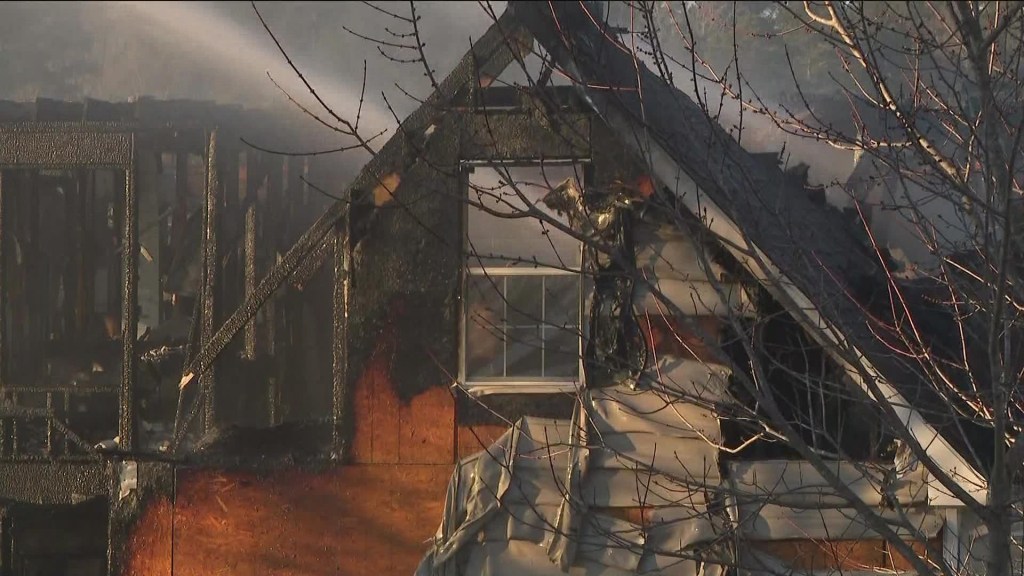
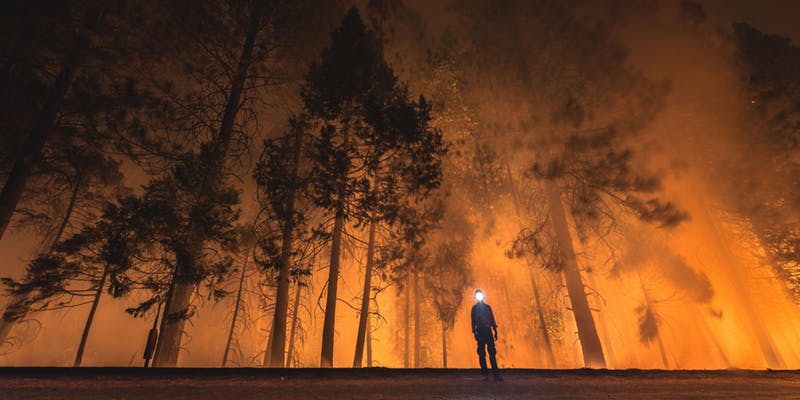
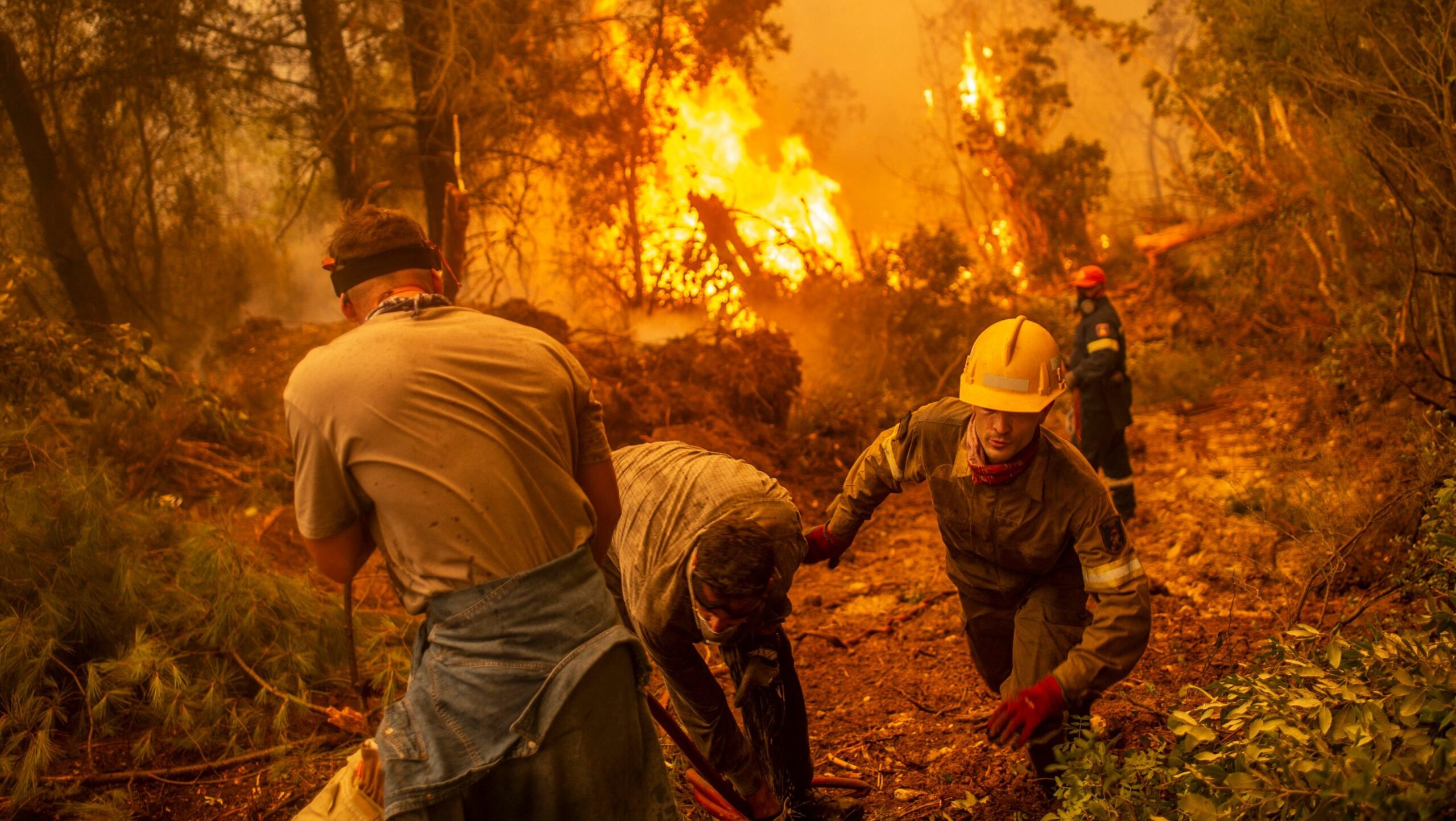
As the world gets drier and hotter, wildfires have become one of the most realistic events people should prepare for.
Wildfires can start by nature, human negligence, and becoming more and more common every year.
I live in California, where you advised us to prepare from July to September.
Sadly, Climate change is making regions hotter and drier. Nowadays, a single spark cab erupts into a massive blaze.
That means wildfire prepping has never been more crucial.
The last few years have brought us the deadliest wildfires the U.S. has ever seen, and there are no signs of it slowing down anytime soon.
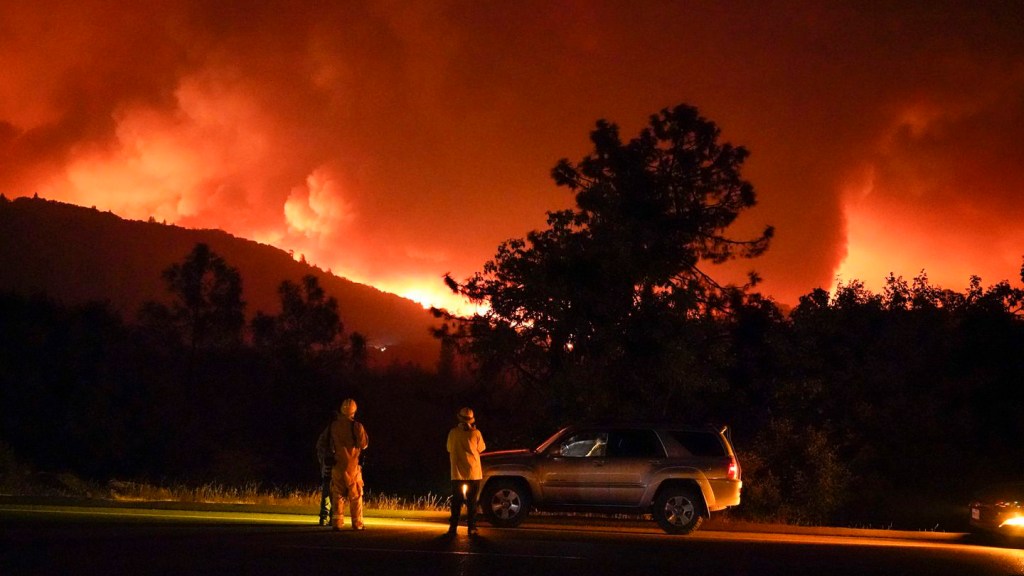
While wildfires are fast and unpredictable, often, there is some time to escape if one is coming your way — as long as you have taken the time to prepare. What do you need to know if there is a wildfire threat toward your home?
The Risks
Understanding the risks of wildfires is extremely important. Depending on the time of year, the location, and other key playing factors.
Whether you own a home or are a current renter, there are various ways to protect your assets.
If you are a homeowner, you might find difficulty finding a company willing to insure it for fire.
Contact your state’s wildfire risk number to find something that better fits your needs.
Retrofitting
If your current home does not contain fireproof building materials, you might want to consider retrofitting your property to lower the risk. This could mean re-roofing with flameproof materials, covering vents with metal mesh to prevent cinders from getting pulled into the ventilation system, and taking other steps to make your house fire-resistant.
Be in The Know
Staying informed is your best resource during fire season, especially in places where you can see the smoke from a distance but might not have the best idea of where the fire is.
Stay on top of any updates as they come through your local channels. Emergency services will update you multiple times throughout the day with details like the size of the fire, how much of it is contained, and where it might spread next.
Stock Up on Your Supplies
No matter the situation, you will need supplies. Going to the grocery store won’t be an option until the fire is out and things start to return to normal, so you want to make sure you have everything you need on hand. Backpacks will be the easiest to carry, so buy a few durable ones for each person in your household when it’s time to evacuate.
Store food and water in portable containers like coolers to make these goods easier to transport.
Here are a few items you should consider adding to your list:
* 1 gallon of water per person per day
* Nonperishable Foods
* Cash
* First-aid supplies
* Pet supplies
* OTC and prescription medicine
* Extra Clothes and Shoes
Ideally, you want to have enough supplies for up to two weeks, but at minimum, you want to have enough supplies to be self-sustaining for at least three days.
Get Ready to RUN
If a fire is coming your way, your only choice is to evacuate or die. It’s that simple. If you have to leave, be ready to run.
Having a loaded truck or trailer with your supplies and the things you can’t stand to lose is a great way to be prepared.
Be sure your trailer is in good shape before fire season starts, keeping it clean and in a clear path for easy and efficient escape. The last thing you need is to lose all your supplies because of a maintenance issue that could be avoided. The same rules apply to your smaller vehicles. Do not leave yourself stranded with an unreliable car. You won’t be able to outrun the fire on foot.
Plan Your Escape
Where would you go if a fire threats your home? What if the wildfire cuts off your main evacuation route? Plan and practice your escape route ahead of time to avoid making dangerous mistakes.
Predicting where the fire might spread can be difficult, and your main course can quickly end up cut off by a rapidly growing wildfire. Leave yourself some alternatives so you can get away safely.
Once you have planned your routes, practice them. Hook up your trailer and drive. Note places where the trees and brush are near the road because if they catch fire, it could create problems for your plan.
Time For You To Go
Although, this should be common sense and often forgotten. If there is an evacuation order or advised to leave, go. Do not wait around to see if the fire might change its path. Throw your family and your pets in the car, hook up your trailer of supplies if you have one, and leave. There is no time to waste precious minutes trying to pack every – little – sentimental item.
Being a Prepper Can Save You
Wildfires are a part of life for people in many parts of the world. Starting to prepare could save your life and makes it easier to rebuild if the worst happens and a fire takes your home.
Remember, regardless of what happens, your house and everything in it is replaceable. Your life and the lives of your loved ones are not.
More Articles Christians May Find Interesting…
Shocking Truth About NASA Rapture Warning
While the media is busy talking about restrictions and censorship, there’s one story that’s unfolding that no news station is covering.
Yet it could have a direct impact on your life and the lives of your loved ones.
According to a recently declassified document from the U.S. Senate, a monumental end-day threat is about to come crashing down on America.
I’m not talking about a stock market crash or more mandates.


































 TheDailyChristian