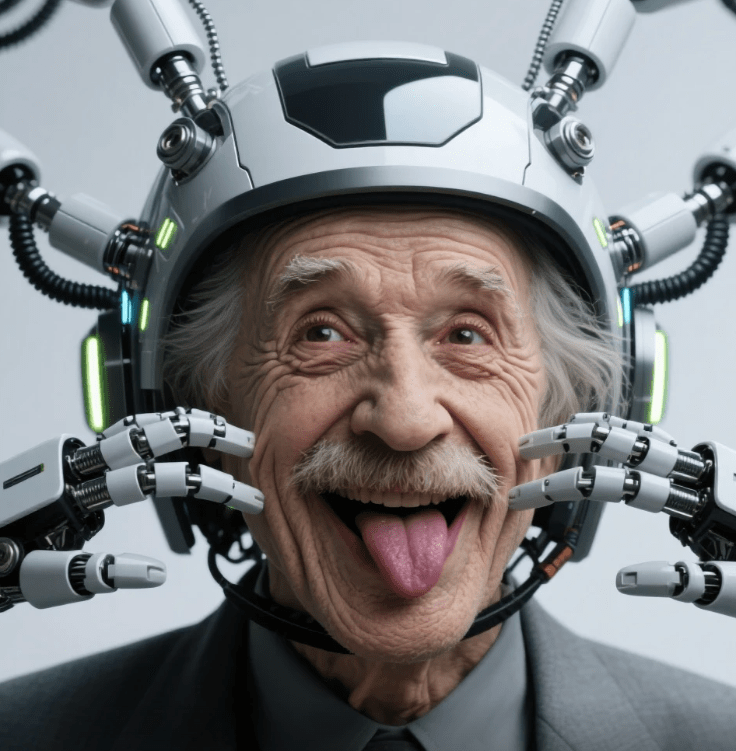
Your Brain Is the Only Prep That Won’t Fail You When SHTF (Unless You’re an Idiot)

People love to brag about their gear. They’ll wave around their $300 flashlights, their tacticool backpacks overloaded with things they don’t even know how to use, and their shelves stacked with food they’d burn through in three panicked weeks. Everyone wants to look prepared. Everyone wants to pretend they’re going to be the rugged survivor when everything collapses. But here’s the ugly truth that most people can’t—and won’t—face:

Your gear isn’t your salvation. Your storage isn’t your guarantee. The ONLY prep that actually matters when SHTF is inside your skull.

And judging by how the world behaves these days, most people’s mental preparedness is as empty as the store shelves will be when everything finally goes over the cliff.

People Prepare for Everything Except Actually Using Their Brains
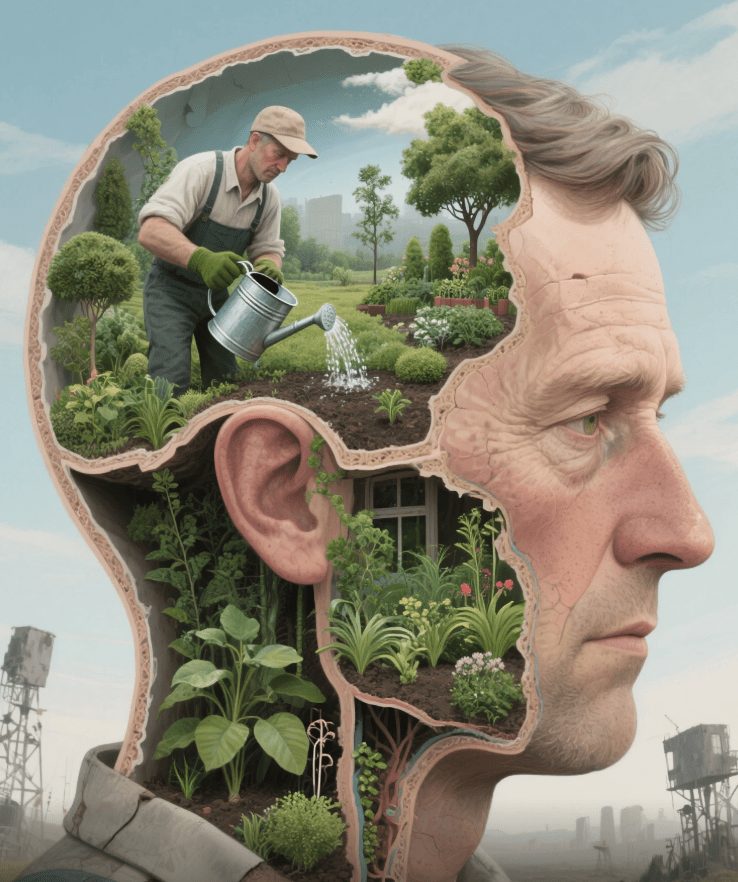
The survival world has turned into a shopping spree masquerading as preparedness. Preppers buy gear the way the average person buys comfort foods—out of insecurity and habit. They think the gear will magically make up for their lack of experience, their lack of discipline, and their lack of mental resilience. But a tool is only as useful as the person holding it, and when SHTF, the only tool you won’t be able to lose, break, misplace, forget, or run out of batteries in is your MIND.

But instead of sharpening the most powerful survival tool they own, people distract themselves with toys and gadgets. They practice bushcraft once a year, maybe, when the weather is nice and the bugs aren’t biting. They read survival books but never actually test the ideas in real life. They make plans that only work under perfect conditions. Worst of all, they assume they’ll think clearly under pressure.

Let me tell you something: your brain, right now, in your daily comfort, is NOT the brain you will have when SHTF.

Stress Turns Most People Into Useless Liabilities
Everybody imagines themselves as the calm, collected hero in a crisis. But real disaster doesn’t care about your fantasies. When panic hits, your brain flips into primal mode. Fine motor skills degrade. Decision-making deteriorates. People freeze. Some scream. Some sit down and give up. Some make the worst possible choices simply because their nervous system has taken the wheel.

You think you’ll be able to shoot straight when someone is threatening your life? You think you’ll remember your fancy gear setup when you’re running on no food, no sleep, and are dehydrated enough that your brain is misfiring? Without mental conditioning—and I mean real conditioning, not just imagining yourself in a heroic scenario—you’ll crumble like the rest.

A weak mind is dead weight. And dead weight doesn’t survive collapse.

Situational Awareness: The Lost Art That Will Save Your Life

The saddest thing about society right now is how blind people are to their surroundings. Everyone is glued to a screen, walking around with the awareness of a stunned sheep. Nobody pays attention. Nobody watches for threats. Nobody picks up on social cues or environmental changes.

When SHTF, the people who can’t see danger until it’s touching them won’t last 24 hours.

Situational awareness—REAL awareness—is the skill that separates survivors from statistics. It’s about observing, processing, analyzing, and predicting. It’s about seeing an escalating threat before it becomes unavoidable. It’s about noticing resources others overlook. It’s about reading people and understanding when someone is about to become a problem.

This doesn’t come from gear. It doesn’t come from buying more things to store in your garage. It comes from deliberately retraining your mind to pay attention to the world you live in.

Adaptability: The Survival Trait Everyone Thinks They Have But Don’t

People love their routines. They cling to stability like it’s oxygen. But when the world breaks—and it will—it won’t break cleanly or politely. It’ll happen at the worst moment, with the worst conditions, and you’ll need to change course instantly.

Most people can’t handle that level of uncertainty. They need someone to tell them what to do. They need structure. They need reassurance. When everything familiar disappears, they mentally collapse.

But the survivors? The real survivors?

They adapt instantly.
They improvise.
They maintain clarity.
They pivot without hesitation.

Adaptability is pure mental flexibility, and it’s far more rare than you think. Society trains people to be obedient consumers, not independent thinkers. So don’t expect the average person to suddenly switch into survival mode when the world falls apart. They won’t. They’ll freeze up and wait for help that’s never coming.

You want to be different? Then train your mind for chaos NOW.

Knowledge Beats Gear Every Time

I’m not saying gear is useless. I’m saying gear without brains is useless.

Take two people:

  • One has a cheap knife and solid survival skills.
  • The other has a $300 knife and zero clue how to actually use it.

Who survives? The one who knows what the hell they’re doing.

A skilled mind makes ANY tool better.
An unskilled mind makes EVERY tool worthless.

You can replace gear. You can replace supplies. But you can’t replace the knowledge and mental resilience that turns a disaster into a manageable challenge.

Your Mindset Determines Whether You Survive or Become a Casualty
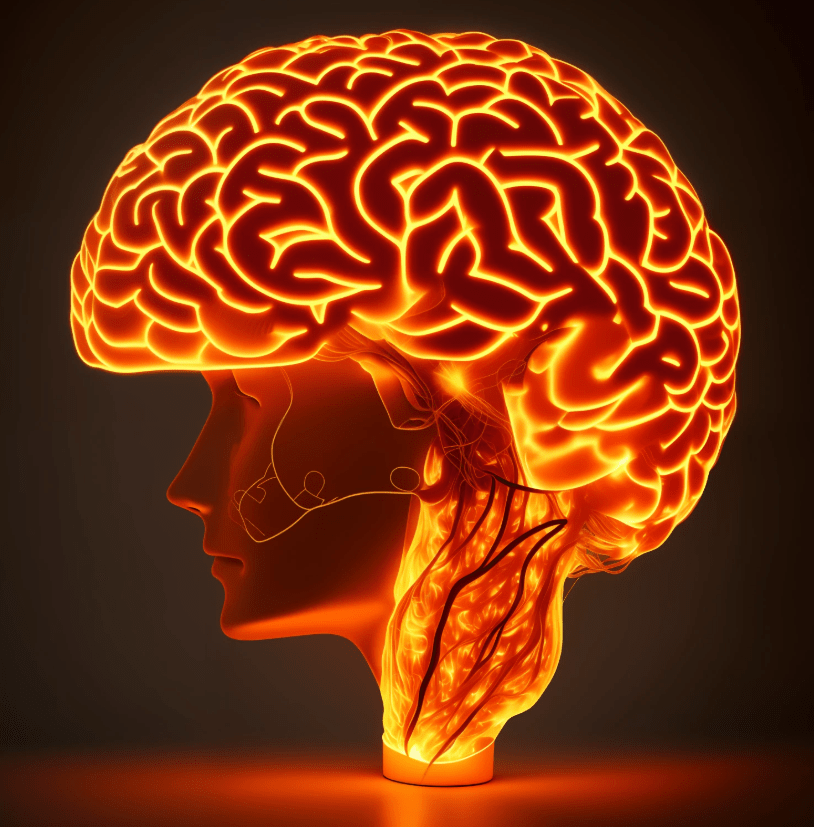
Here’s the harsh truth most preppers never want to confront: Survival isn’t about strength, or toughness, or gear, or who has the most cans of beans. Survival is about psychology—pure and simple.

The survivors are the ones who:

  • Stay calm when others panic
  • Think clearly when others lose their minds
  • Make decisions without hesitation
  • Control their emotions
  • Accept reality instantly
  • Act without waiting for permission

This is mental conditioning. This is internal preparedness. This is what actually keeps you alive when SHTF.

Stop Preparing Your Home and Start Preparing Your Head

If you want to survive the collapse that’s slowly rolling toward us like an unstoppable train, you need to stop relying on your gear and start relying on yourself. Start thinking critically, training your awareness, practicing decision-making under stress, and facing the reality that the world is NOT stable, NOT dependable, and NOT safe.

Your brain is the prep you can’t lose, can’t misplace, and can’t run out of.
But only if you actually train it.

Otherwise, when SHTF, you’re just another panicked, confused liability wandering into danger.

The world is falling apart.
Get your head on straight before it’s too late.

The Brutal Truth About Surviving a Long-Term SHTF

If you’re even thinking about how to survive a long-term SHTF (S**t Hits The Fan) event, congratulations—you’re already ahead of 90% of the population. And you know what? Most of them don’t deserve saving anyway. They’ve spent their lives glued to screens, worshiping convenience, and depending on systems that were rotting from the inside decades ago. They laughed at preppers. Mocked anyone who stocked a few extra cans of food. Called us paranoid, delusional, fanatics.

But when the lights finally go out—when the trucks stop rolling, the stores go empty, and the illusion of stability cracks into dust—we’ll see who’s laughing then.

This article isn’t here to sugarcoat anything. Long-term SHTF survival isn’t glamorous. It isn’t the fantasy land the movies sell. It’s brutal, exhausting, unforgiving, and—let’s be honest—not everyone is cut out for it. But if you’re reading this, you might be one of the rare few who actually has a chance.

So let’s get into the harsh, ugly truth of long-term SHTF survival, because the world isn’t getting any better out there—and hope sure as hell isn’t going to save you.


1. Accept That No One Is Coming to Save You

If you’re still clinging to the idea that some government agency, humanitarian organization, or magical cavalry is going to swoop in and rescue you during a long-term collapse… let go of that fantasy right now.

In a true SHTF situation:

  • Emergency services collapse first.
  • Law enforcement becomes overwhelmed or disappears entirely.
  • Governments prioritize their own continuity—not yours.
  • Utilities, supply chains, and hospitals crumble almost immediately.

You are on your own. Your family is on their own. Survival becomes entirely your responsibility. Once you fully accept this, you’re finally starting at the right mindset level.


2. Food: The Number One Problem Nobody Takes Seriously

People love to pretend they’ll “just hunt” or “live off the land” during a collapse. Sure—because nothing says “long-term survival strategy” like fighting the entire desperate population over the same dwindling wildlife and edible plants.

In reality:

  • Hunting will be depleted fast.
  • Fishing will become competitive and unsustainable.
  • Farming takes time, land, knowledge, and luck.
  • Foraging can’t sustain you long-term unless you live in an untouched wilderness.

So what’s the real solution?

Stockpile like the world is ending—because someday it very well might.

Long-term SHTF survival requires:

  • Shelf-stable foods (rice, beans, oats, canned meats, dehydrated goods)
  • Long-term storage buckets with oxygen absorbers
  • Seeds—lots of them—for future growing
  • Knowledge of food preservation (canning, smoking, dehydrating)

And don’t kid yourself—food will be the new gold. It will be the most fought-over resource on the planet. If you can secure it, you have power. If you can’t, you’re a future cautionary tale.


3. Water: The Resource Everyone Takes for Granted

The average clueless person assumes clean water will “somehow” still be available in a disaster. Wrong.

Municipal water systems depend on:

  • Electricity
  • Chemical treatment
  • Staff
  • Functioning infrastructure
    …all of which evaporate quickly during a long-term collapse.

You need:

  • A reliable water source (well, spring, river, captured rainwater)
  • Multiple purification methods (filters, boiling, tablets)
  • Redundancy—because filters break, boil times increase, supplies run out

If you don’t have water or a way to purify it, you’re dead within days. It’s that simple.


4. Security: Because Desperation Turns Good People Into Monsters

Everyone pretends humanity is inherently good—right up until the shelves empty. Then morality evaporates, and survival instincts take over.

Long-term SHTF means:

  • Looting won’t last days—it will last months.
  • People will not “ask nicely.”
  • Neighbors turn into threats.
  • Desperation turns ordinary citizens into violent opportunists.

You don’t have to be a soldier, but you damn well better understand:

  • Defensive positioning
  • Hardening your home or retreat
  • Situational awareness
  • Strength in numbers
  • Avoiding confrontation whenever possible

Survival is about staying alive—not playing hero.


5. Community: Because Lone Wolves Die Fast

Despite the rugged lone-wolf fantasies people love to cling to, real long-term survival requires community. Not a massive group—just a small, trustworthy circle.

Why?

  • One person cannot guard, garden, gather, cook, repair, and watch for threats 24/7.
  • Group labor multiplies your capabilities.
  • Shared resources strengthen security and sustainability.

But here’s the catch:
Don’t wait until after SHTF to assemble your tribe. That’s how you end up trusting the wrong people and paying the price.

Vet people now. Build networks now. Discuss expectations now.

In a long-term collapse, your community is your greatest asset—and your greatest liability if chosen poorly.


6. Skill Over Stuff: Your Gear Can Be Stolen, but Knowledge Stays With You

Everyone loves shiny gear. Gadgets. Tactical toys. Tools that look cool but mean nothing if you don’t know how to use them. But in a long-term SHTF?

Skills outrank gear every single time.

Learn:

  • Gardening and seed saving
  • Water filtration
  • Basic medical care
  • Food preservation
  • Navigation
  • Bartering
  • Repair and maintenance
  • Situational awareness and basic defensive tactics

Gear breaks. Batteries die. Tools rust.
Knowledge and skill don’t.


7. Mental Fortitude: The Most Overlooked Survival Skill

Most people aren’t mentally strong enough to survive a long-term collapse. They crumble under pressure. They panic. They freeze. They wallow in denial.

Long-term SHTF survival demands:

  • Mental resilience
  • Adaptability
  • Grit
  • The ability to push through discomfort
  • Control over fear and despair

Survival isn’t about being fearless—it’s about moving forward in spite of fear.

If you can’t manage your mind, you won’t manage your survival.


8. The Harsh Reality: Survival Won’t Be Pretty, Easy, or Fair

Here’s the ugly truth that no one wants to say out loud:

A real long-term SHTF situation will be miserable. It will be grinding, exhausting, and emotionally punishing. You’ll lose people. You’ll face scarcity. You’ll question your decisions. You’ll wonder if the old world—broken as it was—wasn’t so bad after all.

But if you prepare now, while everyone else is asleep at the wheel, you give yourself a fighting chance.

Most people won’t make it.

But maybe you will.

If you’re angry at the world, good. Use that anger. Turn it into preparation. Turn it into discipline. Turn it into the fuel that keeps you alive while society’s fragile shell finally shatters.

The world is already unraveling.
You can’t stop it.
But you can survive it.
If you’re willing to accept the truth—and act on it.