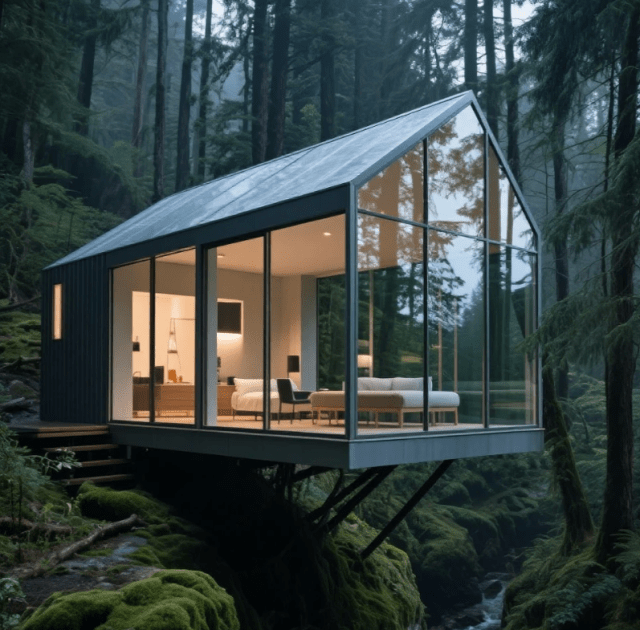
Tiny Home Living in Maine’s Coastal Towns That Fit the Lifestyle

Maine Tiny Home Living: Coastal Towns That Fit the Lifestyle

by Brooke Homestead — 2025 Female Survival Prepper of the Year

Maine is a state that feels like it was made for tiny home enthusiasts who love nature, coastal beauty, and self-sufficient living. From rugged cliffs and lighthouses to quiet harbors and forests, Maine offers coastal towns that perfectly support a downsized lifestyle. I’m Brooke Homestead, and after years of building tiny homes, surviving off-grid, and thriving in small spaces, I know that the right location, zoning, and weather planning are critical to enjoying tiny home life in Maine.


Best Coastal Towns for Tiny Homes in Maine: Camden and Rockport 🌊🏡

Camden — Scenic Harbor Life Meets Tiny Living

Camden, nestled on Penobscot Bay, is ideal for tiny home enthusiasts seeking community, coastal views, and rural freedom:

  • Zoning flexibility in outskirts: Many rural and semi-rural parcels allow tiny homes as primary residences or accessory dwellings.
  • Community mindset: Residents are open to sustainable living, alternative housing, and environmentally conscious lifestyles.
  • Outdoor opportunities: Hiking, boating, and fishing make off-grid systems like rainwater collection and solar feasible.

💡 Brooke Tip: Look for properties slightly inland from the coast. You get more affordable land and lower risk from coastal storms while still enjoying the seaside lifestyle.


Rockport — Quaint Coastal Tiny Home Living
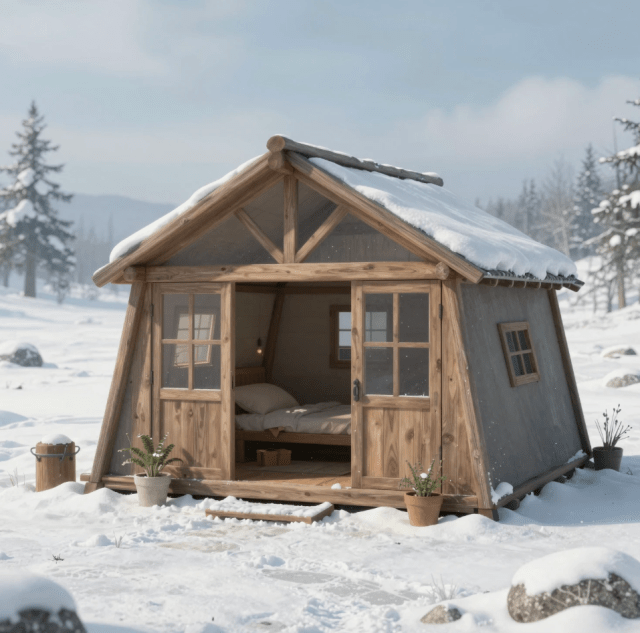
Rockport offers quaint charm, small-town community, and coastal access:

  • Rural zoning: Many parcels in Rockport and surrounding towns allow tiny homes on foundations or wheels.
  • Affordable coastal lots: Depending on proximity to the harbor, land ranges from $25,000–$70,000 per acre.
  • Community support: Residents appreciate simplicity, minimalism, and alternative living solutions.

Brooke Survival Insight: Maine winters are cold and snowy. Proper insulation, heating systems, and snow-load roofs are essential for comfort and safety.


Challenging Areas for Tiny Homes in Maine: Portland & Southern Coastal Metro

While Maine’s southern coast offers amenities, it also presents challenges:

  • Zoning restrictions: Urban planning, minimum lot sizes, and historic district codes limit tiny home placement.
  • High land costs: In Portland and popular southern coastal towns, lots often exceed $100,000–$200,000.
  • Off-grid limitations: Dense development reduces flexibility for water, septic, and solar independence.

💡 Brooke Tip: Tiny homes in southern coastal Maine are mostly feasible as ADUs behind existing homes or in planned small-home communities.


Zoning Laws in Maine — Tiny Home Considerations
Maine does not have a statewide tiny home law, so local regulations vary widely:

  • Accessory Dwelling Units (ADUs): Allowed in many towns, typically 200–500 sq. ft.
  • Tiny Homes on Wheels (THOWs): Treated as RVs; allowed mainly on rural private land or in designated RV parks.
  • Foundation-based Tiny Homes: Must comply with state and local building codes, including electrical, plumbing, structural, and insulation requirements.

Brooke Advice: Always confirm zoning with local planning offices before buying land. Even parcels next to each other can have different rules.


Cost of Land in Maine — Budgeting for Tiny Homes

Land costs vary depending on location:

  • Camden & Rockport outskirts: $25,000–$70,000 per acre — ideal for off-grid tiny homes and gardens.
  • Portland & southern coastal metro: $100,000+ per lot — tiny homes mostly feasible as ADUs.
  • Northern coastal and inland Maine: $5,000–$25,000 per acre — excellent for off-grid, minimalist living with plenty of space.

Other costs include wells, septic systems, solar panels, driveway access, and snow preparedness.


Climate Considerations — Maine Weather for Tiny Homes

Maine has cold, snowy winters and mild summers, which affects tiny home design:

  • Winter: Snow, ice, and wind require insulation, heating, and roof load planning.
  • Summer: Mild and pleasant, but humidity and coastal winds should be considered.
  • Storms: Coastal areas are susceptible to nor’easters and occasional flooding — site selection and storm-proof construction are essential.

Brooke Survival Insight: Tiny homes are compact — poor insulation or inadequate storm prep can quickly create discomfort or hazards. Plan carefully for Maine’s winter and coastal weather.


Brooke Homestead’s Final Thoughts About Maine‘s Tiny Home Lifestyle

Maine is a state where coastal tiny home living can thrive, especially in towns that value community, sustainability, and connection to nature:

  • Best Coastal Towns: Camden for scenic harbor life and community support; Rockport for quaint charm and rural access.
  • Challenging Areas: Portland and southern coastal metro due to zoning, high land costs, and dense development.
  • Planning Essentials: Verify zoning, design for snow and coastal storms, and consider off-grid infrastructure for water and energy.

Tiny home living in Maine is about resilience, minimalism, and enjoying the natural beauty of the coast. With the right town, careful planning, and smart design, you can thrive in a small, sustainable home surrounded by forests, harbors, and the Atlantic Ocean.

Brooke Homestead

Wyoming Tiny Homes: Where Wide-Open Land Meets Tiny Living

Wyoming Tiny Homes: Where Wide-Open Land Meets Tiny Living

by Brooke Homestead — 2025 Female Survival Prepper of the Year

Wyoming is a dream for tiny home enthusiasts who crave wide-open spaces, clean air, and total freedom. From the rolling plains to the breathtaking Rockies, the Equality State offers affordable land, minimal zoning restrictions, and a lifestyle that blends simplicity with self-sufficiency. I’m Brooke Homestead, and after years of thriving off-grid and living simply in rural environments, I’ll guide you through the best Wyoming locations for tiny homes, zoning realities, land costs, and climate considerations.

Best Locations for Tiny Homes in Wyoming: Jackson and Laramie

Jackson — Mountain Views and Outdoor Living

Jackson is ideal for tiny home enthusiasts seeking stunning mountain vistas and outdoor adventure:

  • Zoning flexibility in surrounding areas: Many parcels outside the town allow tiny homes as primary residences or accessory dwellings.
  • Land affordability: Rural lots in Teton County range from $50,000–$150,000 per acre — enough space for off-grid solar panels, gardens, and septic systems.
  • Community mindset: Residents value nature, sustainability, and self-sufficient living, making tiny homes socially welcomed.

💡 Brooke Tip: Look for parcels slightly outside Jackson town limits — you’ll get privacy and space while still enjoying proximity to town amenities and the Grand Teton landscape.

Laramie — Practical Living with Wide-Open Spaces

Laramie offers affordable land, high desert plains, and supportive zoning:

  • Rural-friendly zoning: Many parcels allow Tiny Homes on Wheels (THOWs) or foundation-based tiny homes.
  • Land affordability: Parcels range from $10,000–$50,000 per acre — perfect for minimalist or off-grid living.
  • Community support: Residents appreciate independence, practicality, and small-scale living.

Brooke Survival Insight: Wyoming winters are cold and snowy — insulation, heating, and durable construction are essential for comfort and safety.

Challenging Areas for Tiny Homes in Wyoming: Cheyenne & Casper

Urban centers present some hurdles:

  • Zoning restrictions: Minimum lot sizes and city ordinances limit tiny home placement.
  • Higher land costs: Urban parcels can exceed $75,000–$150,000 per lot.
  • Limited off-grid options: Dense neighborhoods restrict independent water, septic, and solar systems.

💡 Brooke Tip: Tiny homes in Cheyenne or Casper mostly work as ADUs behind existing homes or in planned eco-friendly tiny home communities.

Zoning Laws in Wyoming — Tiny Home Considerations

Wyoming does not have a statewide tiny home law; local regulations vary by county:

  • Accessory Dwelling Units (ADUs): Allowed in some towns, usually 200–500 sq. ft.
  • Tiny Homes on Wheels (THOWs): Treated as RVs; generally allowed on rural private land or in designated RV parks.
  • Foundation-based Tiny Homes: Must meet state and local building codes, including electrical, plumbing, structural, and insulation standards.

Brooke Advice: Always verify zoning with county planning offices before buying land — rural parcels often have more flexibility, but it varies by location.

Cost of Land in Wyoming — Budgeting for Tiny Homes

Land in Wyoming is affordable and plentiful, especially outside urban centers:

  • Jackson outskirts: $50,000–$150,000 per acre — ideal for mountain or foothill tiny homes.
  • Laramie rural lots: $10,000–$50,000 per acre — perfect for off-grid setups or THOWs.
  • Cheyenne & Casper metro: $75,000+ per lot — tiny homes mostly feasible as ADUs.
  • Other rural counties: $5,000–$25,000 per acre — excellent for off-grid living and wide-open space.

Other costs include wells, septic systems, solar panels, driveway access, and winter-proofing materials.

Climate Considerations — Wyoming Weather for Tiny Homes

Wyoming has a continental climate with cold winters and warm summers, which impacts tiny home planning:

  • Winter: Long and snowy — insulation, heating systems, and snow-load roofs are critical.
  • Summer: Warm and dry — ventilation, shading, and cooling systems maintain comfort.
  • Storms: Occasional blizzards, windstorms, and hail require reinforced construction and anchoring.
  • Water & Snow Management: Proper drainage and water storage are essential, especially for off-grid systems.

Brooke Survival Insight: Tiny homes are compact — without proper insulation, heating, and storm preparation, Wyoming winters can become harsh and unsafe.

Brooke Homestead’s Final Thoughts About Wyoming’s Tiny Home Lifestyle

Wyoming is a state where tiny home living thrives amidst wide-open spaces, offering mountains, plains, and a culture of independence:

  • Best Locations: Jackson for mountain views and outdoor adventure; Laramie for affordability, plains living, and supportive zoning.
  • Challenging Areas: Cheyenne and Casper due to zoning, density, and higher land costs.
  • Planning Essentials: Verify zoning, plan for cold winters, storms, and water needs, and consider off-grid systems for energy and self-sufficiency.

Tiny home living in Wyoming is about resilience, simplicity, and enjoying life in wide-open spaces. With the right parcel and preparation, you can thrive in a small, sustainable home surrounded by mountains, plains, and endless skies.