Emergency Preparedness Planning 101: What to Do Before Everything Falls Apart

If you’re reading this, congratulations—you’re at least aware enough to realize the world is a mess and getting messier by the day. Most people shuffle through their lives staring at their phones, trusting the government, corporations, or some miraculous stroke of luck to save them when disaster strikes. Spoiler alert: no one is coming to save you. Emergency preparedness isn’t a hobby; it’s the bare minimum level of responsibility any halfway conscious adult should take. And yet here we are, in a society where people panic when the WiFi goes down for twenty minutes.

Welcome to Emergency Preparedness Planning 101—the class everyone should have taken, but most didn’t because they assumed everything would always be fine. Those of us who actually prepare know better. We don’t do it because it’s “fun” or because we want to feel special. We do it because we’ve seen enough to know that chaos is inevitable. And when chaos comes, you’re either ready… or you’re a liability.

Let’s go through what you should already know but probably don’t.


1. The First Rule: Accept That Disasters Happen

Most people cling to the fantasy that emergencies are rare. They’re not. At any moment, you could be dealing with:

  • Natural disasters
  • Power grid failures
  • Economic collapse
  • Social unrest
  • Pandemics
  • Infrastructure breakdown
  • Supply chain interruptions

And let’s not pretend any of these are far-fetched. Recent years have made it painfully clear how quickly society falls apart when even small disruptions hit. Yet people still act shocked when they walk into a store and see empty shelves. The truth is that modern society is held together with duct tape and wishful thinking. Preparing isn’t pessimism—it’s realism.


2. Water: The One Thing You Can’t Afford to Overlook
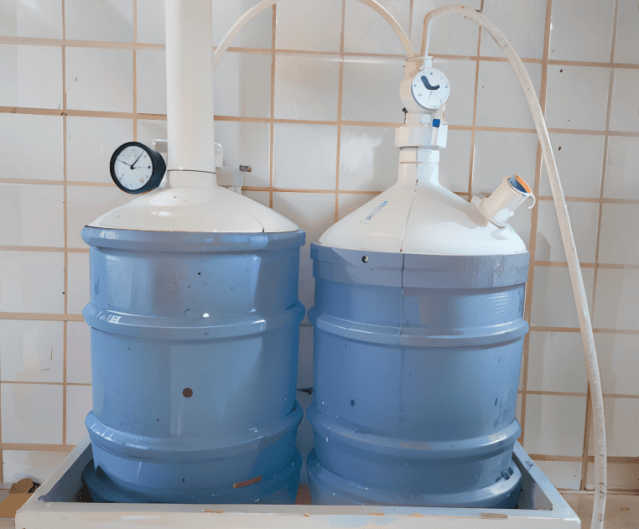
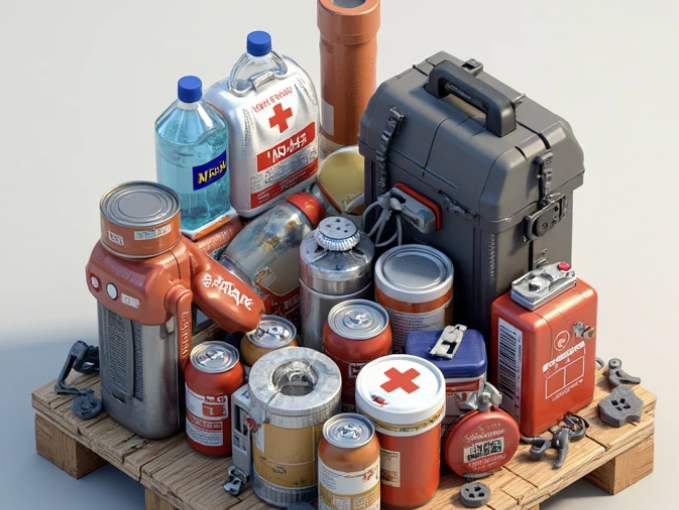
It’s astounding how many people stockpile gadgets, weapons, or flashlights but forget water—the literal foundation of survival. The rule is simple: one gallon per person per day, and that’s scratching the surface. Add pets, hygiene, cooking, and unforeseen emergencies, and that number climbs quickly.

If you think a few plastic bottles shoved in a closet is enough, you’re fooling yourself. Water sources get contaminated, municipal systems fail, and bottled water disappears instantly during any crisis. You need:

  • A minimum two-week supply stored
  • A long-term water storage plan
  • Filtration and purification systems
  • Redundant backup methods

Because if you don’t plan now, you’ll be fighting your neighbor at the nearest drainage ditch when the taps run dry.


3. Food Storage: Not the Instagram Version

People love the idea of food prepping until they realize it involves work and discipline. Emergency food storage is not about bragging rights or looking cool in a bunker selfie. It’s about having the calories and nutrients you need to keep going when grocery stores are stripped bare—which happens faster than most people believe.

Your food storage should include:

  • Shelf-stable staples (rice, beans, oats, pasta)
  • Freeze-dried meals
  • Canned protein
  • Long-term storage containers with oxygen absorbers
  • A rotation schedule

And before you even think it: no, your freezer doesn’t count. When the power goes out and everything inside turns into a thawed, useless mess, don’t say you weren’t warned.


4. Power: Because Sitting in the Dark Isn’t a Plan

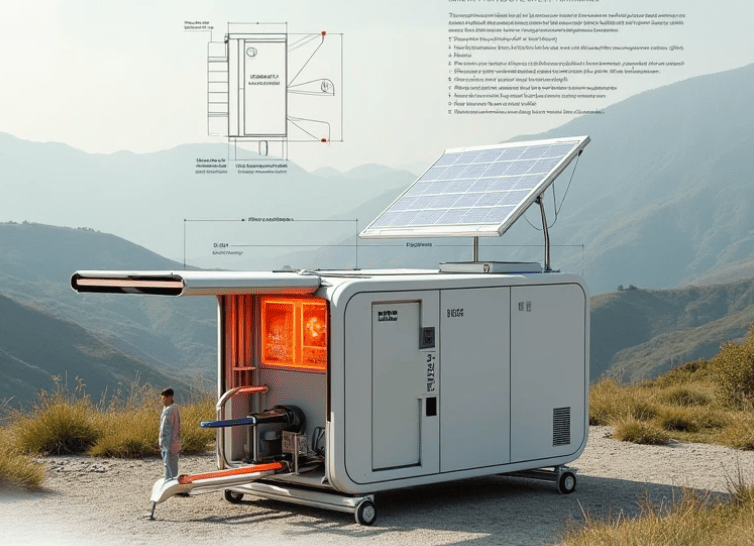
If a grid failure happened right now, most people would be paralyzed. You need alternative power sources—plural. Relying on a single generator is a rookie mistake. Fuel runs out. Systems fail. Weather gets unpredictable.

A real prepper builds redundancy:

  • Solar power systems
  • Portable solar panels
  • Battery banks
  • Hand-crank chargers
  • Generators (as a secondary system)

This isn’t paranoia. It’s accepting the reality that modern life depends on electricity, and electricity is far more fragile than anyone wants to admit.


5. First Aid: Because the World Doesn’t Hand Out Second Chances

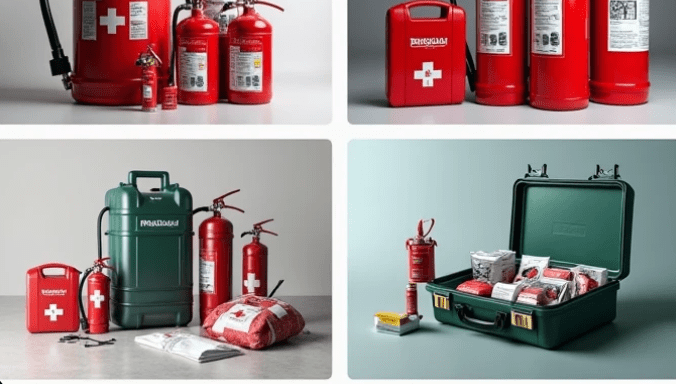
You don’t need to be a doctor, but you need more than an outdated band-aid box from 2004. When emergencies strike, hospitals overload instantly, and you may be on your own.

Your first aid preparedness should include:

  • A professional-grade trauma kit
  • Knowledge of wound care
  • Skills in CPR and basic first aid
  • Over-the-counter medications
  • Prescription backups (if possible)

Because when someone gets hurt—and someone will get hurt—waiting for help isn’t an option.


6. Security: The Topic Everyone Tiptoes Around

Let’s be honest: during real emergencies, people can be almost as dangerous as the disaster itself. Society runs on rules and consequences—take those away, and human behavior becomes incredibly unpredictable.

You need a plan to keep yourself and your loved ones safe. That includes:

  • Physical security
  • Situational awareness
  • Reinforced entry points
  • Lighting
  • Alarms
  • Nonviolent self-defense tools
  • Communication plans

The point isn’t to live in fear; it’s to not be blindsided when people act desperate, irrational, or opportunistic.


7. Communication: Because Isolation Is a Death Sentence

You need to be able to reach others—and they need to be able to reach you—when the world goes quiet. Don’t rely on cell towers and internet providers; they’re usually the first to collapse during crises.

A real emergency communication setup should include:

  • Battery-powered radios
  • NOAA weather radios
  • Two-way radios
  • Backup power sources
  • Written communication plans for your group or family

Being disconnected during an emergency is not only dangerous—it’s completely avoidable with minimal planning.


8. A Mindset That Doesn’t Crumble

Gear is useless without the right mindset. Emergency preparedness is about being mentally ready to deal with unpredictability. It’s about accepting that you’re responsible for you, no matter how much society has trained people to outsource responsibility.

Mindset means:

  • Staying calm under pressure
  • Being adaptable
  • Making decisions when others freeze
  • Thinking ahead
  • Maintaining discipline even when everything feels pointless

Preparing isn’t pessimistic—it’s acknowledging reality. Anyone who thinks the world is stable hasn’t been paying attention.


Final Thoughts
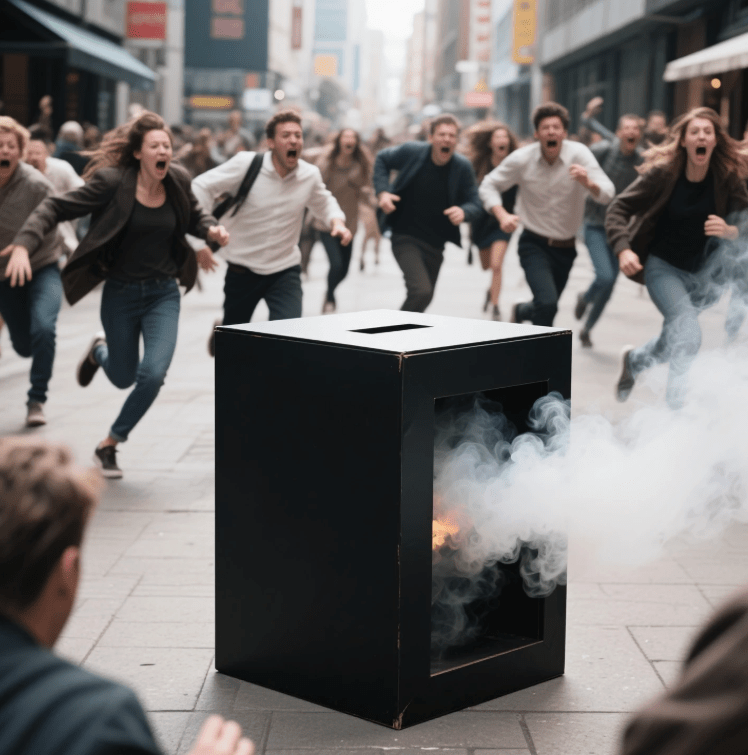
Emergency preparedness planning isn’t complicated. What makes it difficult is the denial people cling to. If you’re reading this, you’re already ahead of most. But being aware is only step one. Doing something about it is what matters. Stocking up, planning, learning, and preparing aren’t overreactions. They’re survival.

If the world goes sideways—and eventually it will—your only regret will be not preparing sooner.
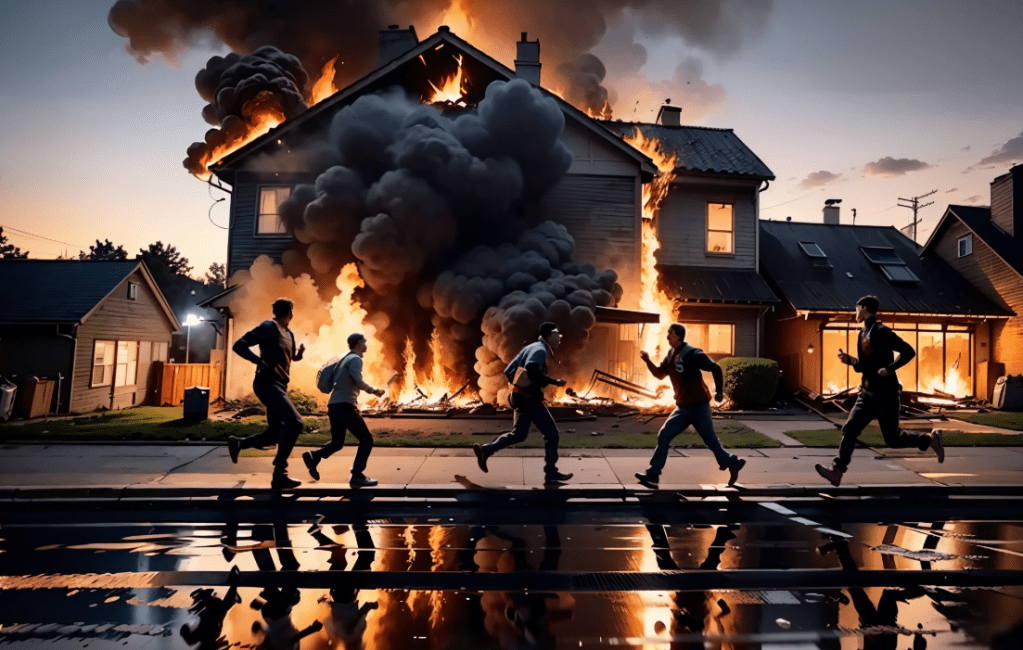
When the Crowd Turns Deadly: How to Survive a Human Stampede

Humans are unpredictable, emotional herd animals, and most people walk around like the world magically keeps itself in order. They stare at their phones, wander into crowds without a second thought, and assume that because a venue has security guards, everything is “under control.”

The rest of us—those who actually pay attention—know that control is an illusion. And a fragile one at that.

Human stampedes aren’t rare freak accidents. They’re a natural outcome of packing too many people into too small a space, mixing in fear, noise, confusion, bad planning, and—my personal favorite—sheer stupidity. If you think that sounds harsh, you haven’t seen people trample each other for a Black Friday discount. Trust me, humans don’t need an emergency to act like panicked cattle.

So let’s talk about how to survive a human stampede, because clearly nobody else is going to protect you. If anything, the average person will push you down without blinking if it means they get three inches forward in the chaos.


Welcome to the Reality Nobody Wants to Admit

Crowd crushes and stampedes happen at concerts, sporting events, religious gatherings, parades, protests, and anywhere else humans gather in numbers large enough to overwhelm their own sense of reason. Most people don’t prepare for things like this because they think:
“It won’t happen to me.”

Yeah—tell that to the countless victims who thought the same before they were knocked over and swept away by a five-ton wave of panicked humanity. If you’re reading this, congratulations—you’re at least thinking about it. That’s step one in surviving anything: awareness.

This article won’t sugarcoat things. If you want a cheerful “stay safe!” pamphlet, go read something printed by an events committee. This is the real version—the version that tells you what to do when the crowd turns into a living bulldozer and you’re stuck in the middle of it.


Step 1: Actually Pay Attention to Your Surroundings

Revolutionary, I know.
But you’d be astonished how many people walk into crowds without even scanning their environment. Before you enter any dense crowd, do what a responsible person should always do:

  • Identify exits, plural. If you only know one way out, congratulations—you’re already a liability to yourself.
  • Note barriers like fences, railings, walls, and stages—these become death traps if the crowd surges.
  • Observe the density. If you can’t raise your arms without hitting someone, you’re in the danger zone.
  • Listen for changes in energy—shouting, pushing, sudden movement, or panic.

If you’re thinking, “Wow, that sounds paranoid,” good. Paranoia is just foresight that hasn’t been appreciated yet.


Step 2: When a Crowd Starts Moving, You Move With It—Or You Die

Remember this: you cannot fight a crowd surge head-on. When thousands of pounds of pressure push in one direction, you’re not going to out-muscle it. You move with the flow, gradually and strategically angling toward the side or an exit.

If you plant your feet thinking you can hold your ground like some heroic movie character, the crowd will crush your ribs into your spine. Don’t be a martyr. Be efficient.

Move diagonally, like a fish cutting through a current. You’re not trying to sprint—you’re trying to escape the pressure zone without falling.


Step 3: Protect Your Chest—It’s the Difference Between Living and Suffocating

Most stampede deaths happen due to compressive asphyxiation, not trampling. That means people get squeezed so hard they literally can’t breathe.

The fix?
Create a protective “box” around your chest using your arms.
Put your forearms horizontally in front of your ribcage, fists near your shoulders, making space for your lungs to expand even when the pressure tightens.

If the crowd squeezes in, this posture could buy you the oxygen you need to stay conscious. Consciousness is what keeps you moving. And movement is what keeps you alive.


Step 4: If You Fall, You Don’t Stay Down

This is the nightmare scenario, but it’s survivable if you act fast. Do not curl into a ball like some brochure will tell you. You’re not a turtle and you will not get “protected.” That advice comes from people who have clearly never experienced a crowd crush.

Instead:

  1. Turn onto your side.
  2. Pull your knees toward your chest.
  3. Use your arms and legs to crawl or roll toward open space.
  4. The second you’re on your feet, don’t celebrate—keep moving.

If people fall on top of you, keep your head protected with one arm and use the other to create space to breathe. Survival is ugly. It’s not graceful. It’s not cinematic. It’s pure determination.


Step 5: Don’t Follow the Crowd—Think Past It

People are lemmings. They follow the person in front of them even when it leads them straight into a bottleneck or a dead-end barrier. You have to think faster than the herd.

Look for:

  • Side exits
  • Gaps in barriers
  • Staff-only doors that open toward safety
  • Open spaces where pressure decreases

People cram themselves into the nearest exit because they’re overwhelmed and scared. You, however, have the advantage of thinking before panic hits. Use it.


Step 6: Know the Early Signs of a Stampede Before It Happens

This is where pessimism is your best friend. You assume things can go wrong so you notice when they start going wrong.

Watch for:

  • People pushing but the crowd can’t move forward (classic crush pattern)
  • A sudden wave-like sway through the crowd
  • Security personnel looking tense or rushing
  • Changes in sound: screaming, shouting, or sudden silence
  • A surge from the back (people trying to move before those in front can)

If you sense any of these, leave.
Don’t wait for instructions. Don’t wait for confirmation. By the time officials announce anything, you’re already behind.


Step 7: Don’t Bring Anything You Aren’t Willing to Lose

This is blunt, but you need both hands free. If you’re weighed down with drinks, merch bags, souvenirs, or your tote full of “essentials,” you’re risking your life.

Your priorities in a crowd emergency are:

  1. Breathing
  2. Balance
  3. Mobility

Everything else is clutter. If something becomes a hazard, drop it. Your phone is replaceable. Your spine is not.


Step 8: Mentally Prepare Before You Ever Step Into a Crowd

This is the part people hate hearing because it requires actual effort. If you want to survive the worst situations, you need to train your mindset ahead of time.

Tell yourself:

  • “If something goes wrong, I will move, not freeze.”
  • “My safety is my responsibility.”
  • “I will not rely on others to think for me.”

Being mentally ready makes you react faster than the crowd. In survival situations, seconds matter. Sometimes they’re all you get.


Final Thoughts from a Pessimistic Prepper

Human stampedes aren’t accidents—they’re the result of human behavior amplified by chaos. People panic. People follow blindly. People shove without thinking. And people assume someone else has a plan.

You’re smarter than that.
You’re reading this because you know the world is unpredictable and that most people sleepwalk through danger.

Survival isn’t luck.
Survival is awareness, preparation, and refusing to be one of the oblivious masses who trust the crowd more than their own instincts.

The world may be messy, reckless, and irresponsible—but you don’t have to be.

Stay alert. Stay sharp. Stay alive.

Stay or Go? Making the Right Call When SHTF

Stay or Go? Making the Right Call When SHTF
By Someone Who’s Sick of People Not Paying Attention

Listen up, because I’m only going to say this once: when the world falls apart—and it will—you won’t have time to play “what if?” There’s one question you better be able to answer on instinct: Do you bug in or bug out? If you haven’t figured that out ahead of time, you’re already behind and probably dead.

I’m tired of watching soft-handed weekend warriors debate this online like it’s a damned video game. This isn’t theory. It’s your life, your family, your future. So let’s strip the fluff and deal with cold, brutal reality.


The First Truth: There’s No One-Size-Fits-All Answer

Anyone telling you that “bugging out is always best” or “never leave your home” is full of it. Every scenario is different. Civil unrest? Chemical spill? EMP? Martial law? You have to evaluate your surroundings, your supplies, your risks—and do it fast.

Your default should be bugging in. Why? Because your home is where your resources are. You’ve (hopefully) stockpiled food, water, tools, weapons. It’s your ground. You know it. You can defend it. But if staying put puts a target on your back, or if your house becomes a death trap, you better have a Plan B. And that Plan B better not be “run into the woods with a backpack and pray.”


15 Survival Skills You Better Have Locked Down

Forget Netflix and social media. Here’s what you should be spending your time learning:

  1. Water purification – Learn to boil, filter, or purify dirty water.
  2. Fire starting – Matches run out. Know how to start a fire with flint, steel, or a bow drill.
  3. First aid – Not band-aids. I’m talking trauma care: tourniquets, wound dressing, infections.
  4. Self-defense – Knife, firearm, bare hands. Be ready to defend your life.
  5. Situational awareness – Learn to read people, crowds, and danger signs before they explode.
  6. Food preservation – Dry it, smoke it, can it. Don’t waste calories.
  7. Shelter building – A tarp and cordage or deadfall and brush. Know how to stay warm and dry.
  8. Navigation – No GPS. Learn to use a compass and read a topographic map.
  9. Silent movement – Move like a ghost. Don’t attract attention.
  10. Bartering – Know what’s valuable post-collapse and how to trade smart.
  11. Knot tying – Rope is useless if you don’t know what to do with it.
  12. Trapping/hunting – Rabbits, squirrels, fish—quiet protein.
  13. Camouflage – Hide yourself, your gear, your scent. Blend in or disappear.
  14. Mental toughness – If you can’t handle fear, hunger, or pain, you won’t make it.
  15. Basic mechanics – Know how to fix a generator, mend a pack, patch a leak.

Assessing When to Bug-Out: The Signs You Can’t Ignore

Bugging out isn’t some cool Rambo fantasy. It’s risky as hell and should only happen if you’ve got no other choice. These are your red flags:

  • Your location is compromised (riots, looting, structural damage).
  • No more resources (water gone, food looted, power permanently out).
  • Tactical disadvantage (can’t defend your home, too exposed).
  • Incoming threat (chemical cloud, wildfire, or flood you can’t stop).
  • You’re being targeted (neighbors know you’ve got supplies).

If two or more of those are true, you pack up and get moving NOW. No debate. No hesitation.


Bugging Out the Right Way: No Room for Amateurs

Let me be crystal clear: If you’re going to bug out, it better not be your first time trying it. You better have your gear dialed in, your route memorized, and your backup plans in place.

Key Reminders:

  • Have at least 3 bug-out locations, not just “Uncle Joe’s cabin.”
  • Know at least 2 alternate routes to each location—highways are dead traps.
  • Your bug-out bag should be ready to grab in 30 seconds. Period.
  • Dress to disappear, not impress. Earth tones, layers, sturdy boots.
  • Move at dawn or dusk—less visibility, less heat, fewer people.
  • NEVER go without a map, water filter, knife, and fire starter.

3 DIY Survival Hacks You’ll Thank Me For

Let’s cut the fancy gear crap. When your $300 gadget fails, these will save you:

1. Aluminum Can Stove

Cut a soda can, poke air holes, fill with alcohol or cotton soaked in petroleum jelly = instant lightweight stove. Weighs nothing. Boils water in minutes. Make five. They’re cheap.

2. Condom Water Carrier

Yep, condoms. Unlubricated ones. They can carry a liter of water, are compact, and don’t weigh a thing. Wrap it in a sock or bandana to protect it from punctures.

3. Super Glue for Wounds

Medical-grade or not, super glue can seal a cut fast when you don’t have time or materials to stitch. Clean the wound, pinch shut, apply glue. Done. Infection still a risk, but it stops bleeding.


Stop Waiting for a Wake-Up Call

I’ve heard every excuse in the book: “My wife won’t let me.” “I don’t have time to prep.” “It probably won’t happen.” Shut up. Just shut up.

When the grocery shelves are empty, when the cops stop coming, when your neighbor kicks in your door because he knows you stored food and he didn’t, you’ll realize prepping wasn’t paranoia—it was necessary.

Don’t be the fool who dies waiting for the government to come fix it. Don’t be the moron who loads his truck for the first time after the sirens start. Don’t be the statistic.


Final Word: Make the Call Now—Not Later

Bug in if you can. It’s safer, smarter, and you’re in control. But don’t get romantic about your house—it’s just walls and wood. If it turns against you, walk away with your life and don’t look back.

This isn’t a game. This is survival. Either you make the decision ahead of time, or the chaos will make it for you. And believe me, chaos doesn’t give a damn about your comfort.

So… stay or go?

Decide now. Or die later.