Top 7 Ways Kansans Die – How to Survive and Outsmart these 7 Killers

If you live in Kansas, I’m going to tell you something straight, without sugarcoating it.

Most people who die here didn’t think it would happen to them.

They weren’t reckless thrill-seekers. They weren’t criminals. They weren’t looking for danger. They were regular Kansans—hard-working people who assumed tomorrow was guaranteed.

That assumption is what gets people killed.

I’ve spent my life studying survival—not just wilderness survival, but real-world survival, the kind that determines whether you make it home to your family at night. And if there’s one thing I’ve learned, it’s this:

Survival isn’t about luck. It’s about decisions made before the crisis hits.

In this article, we’re going to break down the top 7 ways most people in Kansas die that have nothing to do with old age, why these deaths happen so often, and—most importantly—what you must do to dramatically increase your odds of surviving.

This isn’t meant to scare you. It’s meant to wake you up. Because when you take responsibility for your own safety, you reclaim control over your life.

Let’s get into it.


1. Motor Vehicle Accidents (Highways, Rural Roads, and Distracted Driving)

Why This Kills So Many Kansans

Kansas is a driving state. Long highways. Two-lane rural roads. Miles between towns. That freedom comes at a deadly price.

Car accidents are consistently the leading cause of death for Kansans under 55.

The biggest contributors:

  • High speeds on open roads
  • Rural highways with no median barriers
  • Seatbelt non-use
  • Distracted driving (phones, GPS, eating)
  • Impaired driving (alcohol, fatigue, drugs)

Rural crashes are especially deadly because help takes longer to arrive. When a crash happens at 70 mph on an empty stretch of road, survival becomes a race against time—and time often wins.

How You Survive This Threat

This isn’t about being scared of driving. It’s about driving like a professional survivor.

Survival Rules for Kansas Roads:

  • Wear your seatbelt every single time. No exceptions. Ever.
  • Slow down on rural highways, especially at night.
  • Never assume other drivers are paying attention. Assume they aren’t.
  • Put the phone down. No text is worth your life.
  • Keep an emergency kit in your vehicle (water, flashlight, tourniquet, blanket).
  • Don’t drive exhausted. Fatigue kills just as effectively as alcohol.

Survival is about stacking small smart decisions until danger has no opening.


2. Heart Attacks and Sudden Cardiac Events (Not Old Age)

Why This Is So Common in Kansas

Heart disease isn’t just an “old person problem.” In Kansas, middle-aged men and women die suddenly from cardiac events every day.

The reasons are brutally simple:

  • Poor diet
  • Chronic stress
  • Lack of exercise
  • Smoking
  • Ignoring warning signs

Kansas culture values toughness. That’s admirable—but dangerous when it comes to health. Too many people ignore chest pain, shortness of breath, or fatigue because they “don’t want to make a fuss.”

That mindset kills.

How You Survive This Threat

Here’s the truth most people don’t want to hear:

Your body will warn you before it quits—if you listen.

Survival Actions That Save Lives:

  • Learn the early signs of a heart attack (jaw pain, arm pain, nausea, pressure).
  • Take chest discomfort seriously, even if it feels mild.
  • Maintain basic cardiovascular fitness (walking alone saves lives).
  • Control blood pressure and cholesterol.
  • Reduce stress intentionally—stress is a silent killer.
  • Learn CPR and encourage AED placement in your workplace.

This is where the Tony Robbins mindset kicks in:
You don’t rise to the level of your intentions—you fall to the level of your habits.


3. Extreme Weather Events (Tornadoes, Heat Waves, Winter Storms)
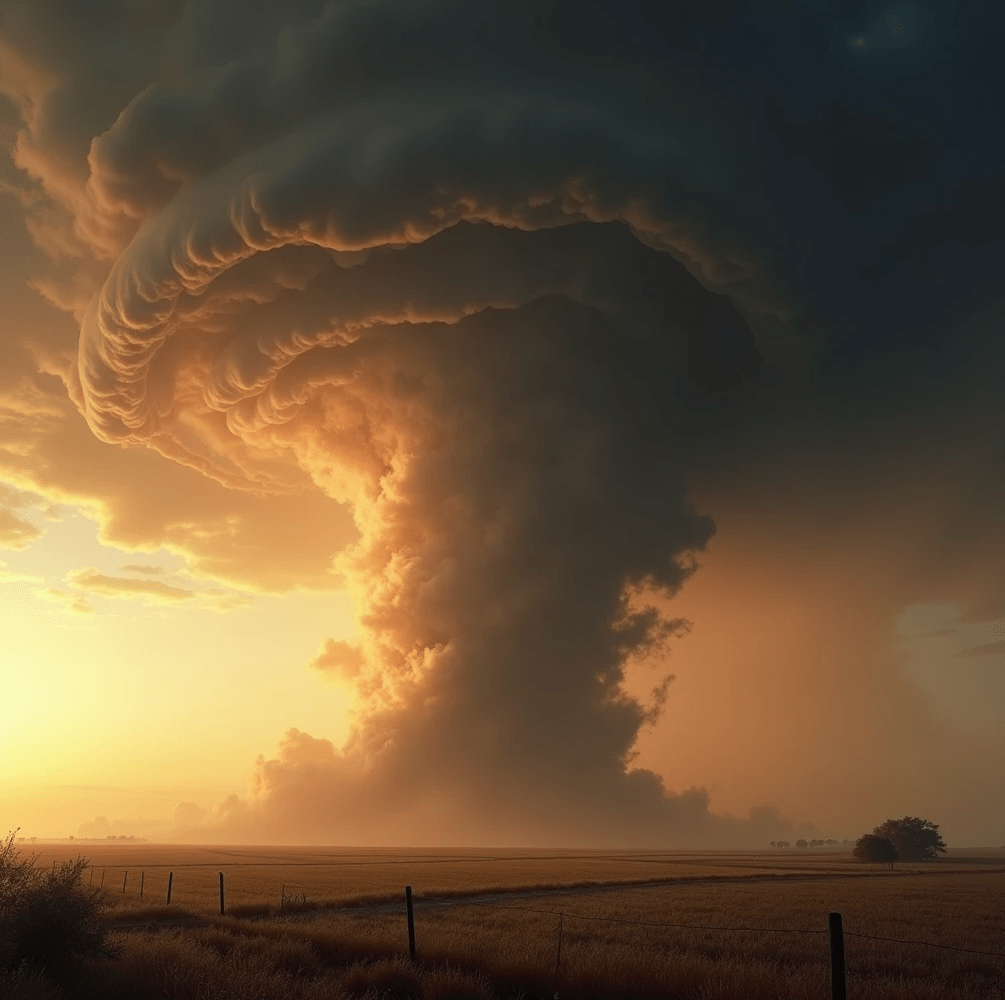
Why Kansas Weather Is Deadly

Kansas sits in the crosshairs of nature’s mood swings.

  • Tornadoes
  • Blizzards
  • Ice storms
  • Deadly heat waves

People don’t die because the storm exists. They die because they underestimate it.

Tornado fatalities often occur because people:

  • Ignore warnings
  • Stay in vehicles
  • Don’t have a shelter plan

Heat deaths happen when people:

  • Overwork outdoors
  • Skip hydration
  • Ignore early symptoms of heat exhaustion

How You Survive Kansas Weather

Weather survival is about planning before the sky turns dark.

Storm Survival Checklist:

  • Know where your nearest storm shelter is.
  • Have weather alerts enabled on multiple devices.
  • Practice tornado drills with your family.
  • Never shelter in a vehicle during a tornado.
  • In heat waves, hydrate aggressively and rest often.
  • In winter storms, keep blankets, food, and heat sources ready.

Nature doesn’t care how tough you are. Respect keeps you alive.


4. Accidental Poisoning and Drug Overdoses

Why This Is Rising in Kansas

Drug overdoses—both illegal and prescription—have surged across Kansas.

The killers include:

  • Opioids (legal and illegal)
  • Mixing medications
  • Alcohol combined with drugs
  • Unknown potency substances

Many overdoses aren’t intentional. They’re the result of lack of education, tolerance misjudgment, or mixing substances.

How You Survive This Threat

Survival requires honest awareness, not denial.

Life-Saving Actions:

  • Never mix medications unless cleared by a professional.
  • Avoid alcohol when taking prescription drugs.
  • Keep naloxone accessible if opioids are present.
  • Store medications securely.
  • Educate your family on overdose signs.

Prepared people don’t judge. They prepare.


5. Firearms Accidents and Violence

Why Firearms Contribute to Deaths

Kansas has a strong gun culture—and with it comes responsibility.

Deaths occur from:

  • Accidental discharges
  • Improper storage
  • Domestic disputes
  • Escalated confrontations

Firearms amplify mistakes. A bad moment becomes permanent.

How You Survive Firearm Risks

Survival means discipline.

  • Store firearms locked and unloaded when not in use.
  • Use trigger locks and safes.
  • Practice de-escalation in conflicts.
  • Train regularly and responsibly.
  • Teach children firearm safety early.

Strength is control—not impulse.


6. Workplace and Farm Accidents

Why These Kill Kansans

Kansas is built on agriculture, manufacturing, and physical labor.

Fatal accidents happen due to:

  • Heavy machinery
  • Grain bin suffocation
  • Falls
  • Skipping safety procedures

Complacency is deadly. Familiarity breeds shortcuts—and shortcuts kill.

How You Survive the Job

  • Follow safety protocols every time.
  • Never work alone in high-risk tasks.
  • Use protective equipment.
  • Respect machinery—even if you’ve used it for 20 years.

Survivors respect routine danger.


7. Drowning and Water Accidents

Why This Happens in Kansas

Lakes, rivers, and farm ponds look harmless—but they kill every year.

Common causes:

  • No life jackets
  • Alcohol use
  • Overestimating swimming ability
  • Cold water shock

How You Stay Alive

  • Wear life jackets.
  • Avoid alcohol near water.
  • Supervise children constantly.
  • Learn water rescue basics.

Water doesn’t forgive mistakes.


Kansas Survival Truth: You Are the First Responder to Your Own Life

Here’s the mindset shift that separates survivors from statistics:

No one is coming to save you fast enough. You must be ready.

Kansas is a great place to live—but only if you live aware, prepared, and intentional.

Survival isn’t fear.
Survival is responsibility.
Survival is choosing today to live tomorrow.

You don’t need to be paranoid.
You need to be prepared.

And preparation is the ultimate form of self-respect.
Wyoming’s Deadliest Bugs: Survival Tips for Campers and Tiny Home Dwellers

Introduction: Wyoming Wilderness—Beautiful, Brutal, and Bug-Infested

Wyoming is a land of vast plains, jagged mountains, and serene forests, and for many, it’s the dream of the outdoors. But let me tell you something straight: this is not just a postcard-perfect place. If you’re camping, hiking, or living in one of those tiny homes tucked into the wild, you are sharing your space with a cast of critters that can seriously ruin your life—sometimes permanently.

As a survival prepper who’s had his fair share of mishaps—yes, including that little incident with my neighbor’s gasoline, which was, admittedly, captured on his Ring camera—I can tell you one thing with certainty: respect Wyoming’s wildlife, especially the creepy-crawly kind, or pay the consequences.

The bugs here are not just annoying. They are dangerous, cunning, and sometimes lethal. Some can kill you within hours if untreated, others can leave you sick or debilitated for weeks. And unlike in big cities, emergency services might be miles away, and the cell service? Hit-or-miss.

This guide is not for the faint of heart. I’ll break down the most dangerous bugs you’ll encounter in Wyoming, explain how to protect yourself while camping or living in a tiny home, and give you a survival prepper’s approach to staying alive when Mother Nature decides to bite back.


Wyoming’s Most Dangerous Bugs: Nature’s Tiny Killers

Wyoming might look peaceful, but lurking in the grass, forests, and even your cabin are some of the deadliest bugs you’ll ever encounter. I’ve categorized them by type, lethality, and likelihood of encountering them.

1. The Western Black Widow Spider

The Western Black Widow (Latrodectus hesperus) is famous for its venomous bite, which can cause severe pain, muscle cramps, and in rare cases, death—especially in children or those with compromised immune systems.

  • Appearance: Shiny black body with a distinctive red hourglass under its abdomen.
  • Habitat: Dark, undisturbed areas like woodpiles, sheds, garages, and sometimes corners of tiny homes.
  • Risk: Bites are rare but highly painful. In some cases, bites can require hospitalization.

Prepper Advice: Always inspect firewood before bringing it inside. Keep your tiny home clutter-free, and wear gloves when reaching into dark corners or under furniture.


2. Brown Recluse Spider

Wyoming has a growing population of brown recluse spiders. Their bites may start as small, painless punctures but can develop into necrotic wounds that eat away at tissue over days.

  • Appearance: Light to medium brown, violin-shaped marking on the back.
  • Habitat: Dark, dry areas—closets, attics, storage boxes.
  • Risk: Moderate to high. Secondary infections can make bites life-threatening.

Prepper Advice: Shake out clothing, shoes, and bedding before use. In tiny homes, seal cracks and gaps where spiders can enter.


3. Blacklegged (Deer) Tick

Deer ticks are Wyoming’s primary vector for Lyme disease. A single tick bite can leave you bedridden for weeks, sometimes months, with fatigue, joint pain, and neurological issues.

  • Appearance: Tiny, reddish-brown, almost invisible until fully engorged.
  • Habitat: Grasslands, shrubs, forest edges.
  • Risk: High if unprotected during hiking or camping.
  • Dangerous Twist: Ticks can also carry anaplasmosis and babesiosis, deadly if untreated.

Prepper Advice: Use insect repellents with DEET or picaridin, wear long sleeves and pants tucked into socks while hiking, and check your body carefully after being outdoors.


4. Wyoming Centipedes (Scolopendra spp.)

These are not your garden-variety centipedes. Wyoming’s larger species can deliver venomous bites that are extremely painful, causing swelling, nausea, and in rare cases, systemic reactions.

  • Appearance: Large, segmented body with long antennae and venomous fangs.
  • Habitat: Under logs, rocks, and debris near homes or cabins.
  • Risk: Moderate but painful. In small children or elderly adults, bites can be dangerous.

Prepper Advice: Always wear gloves when moving logs or debris. Keep tiny homes sealed and free of clutter where centipedes can hide.


5. Mosquitoes – The Silent Killers

Mosquitoes may seem like a minor nuisance, but Wyoming is home to species that can carry West Nile Virus and other arboviruses. While fatalities are rare, infection can leave you severely ill.

  • Appearance: Small, fuzzy, often unnoticeable until biting.
  • Habitat: Standing water, damp soil, marshes.
  • Risk: Moderate but widespread.

Prepper Advice: Mosquito nets over sleeping areas, long sleeves, and repellents are essential for camping and tiny home patios. Don’t let a small bug make your life miserable.


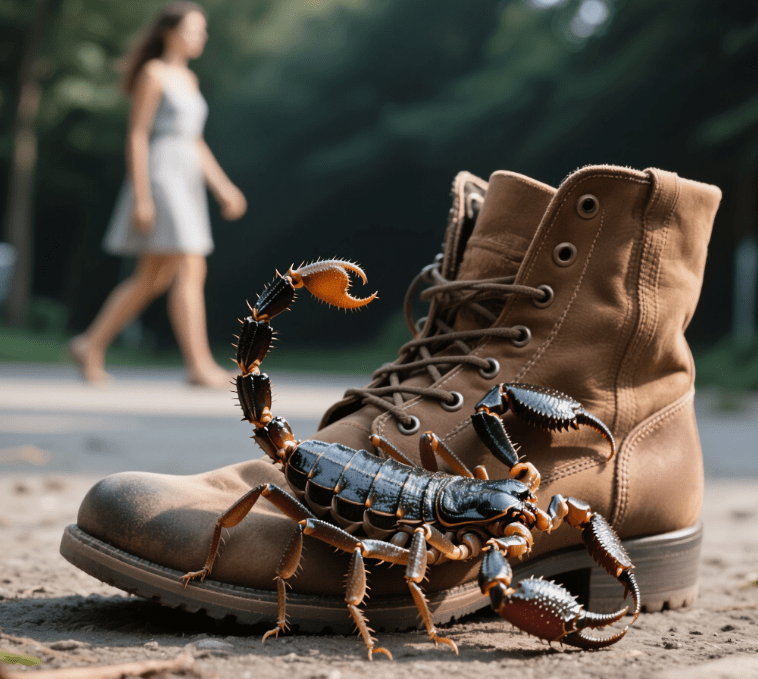
6. Scorpions (Northern Scorpion)

Yes, scorpions exist in Wyoming, though not in massive numbers. Their sting can cause severe pain, numbness, and in rare cases, allergic reactions.

  • Appearance: Small to medium, brownish, curved tail with stinger.
  • Habitat: Rocky areas, under debris, and occasionally tiny home foundations.
  • Risk: Low but not zero. The prepper’s motto: never underestimate the sting.

Prepper Advice: Shake out bedding and clothing, and wear boots outside at night. Always check shoes before putting them on.


7. Poisonous Caterpillars

Wyoming has several species with urticating hairs, such as the Lonomia caterpillar, which can cause severe allergic reactions and internal bleeding in extreme cases.

  • Appearance: Small, fuzzy, or spiny larvae, often on shrubs or trees.
  • Habitat: Trees, bushes, and vegetation near campsites.
  • Risk: Low but significant if touched.

Prepper Advice: Avoid touching unknown caterpillars. Use gloves when handling firewood or pruning shrubs around your tiny home.


8. Fleas

Fleas are not usually fatal, but they can transmit tularemia, a rare but potentially deadly disease. Flea infestations can also exacerbate allergies and secondary infections.

  • Appearance: Tiny, wingless, dark brown insects.
  • Habitat: Grasslands, forests, or homes with pets.
  • Risk: Moderate; infestations can quickly spiral out of control.

Prepper Advice: Treat pets, keep floors clean, and avoid sleeping near areas where wildlife frequents. Tiny homes with high rodent activity are especially vulnerable.


9. Kissing Bugs (Triatomines)

While rare in Wyoming, these insects carry Chagas disease, which can be fatal if untreated. They bite humans at night and feed near the mouth or eyes.

  • Appearance: Dark, flat bugs with long legs and a conical head.
  • Habitat: Cracks in walls, attics, and under rocks.
  • Risk: Low but serious.

Prepper Advice: Seal tiny home cracks, use window screens, and inspect bedding after camping outdoors.


What to Wear While Camping and Living in a Tiny Home

Surviving Wyoming’s bug population requires more than luck—it demands smart clothing and gear.

1. Long Sleeves and Pants

This is the first line of defense. Even light fabric protects against ticks, mosquitoes, and spider bites. If camping, tuck pants into socks and wear gloves when handling wood or vegetation.

2. Bug Repellent

  • DEET or picaridin sprays for exposed skin.
  • Permethrin-treated clothing for long-term protection.
  • Mosquito nets for sleeping areas, especially in tents or tiny home porches.

3. Sturdy Boots

  • Protect your feet from centipedes, scorpions, and snakes.
  • Inspect shoes before wearing—they are hiding spots for spiders.

4. Gloves

Always carry durable gloves when handling wood, shrubs, or trash. Many serious bites happen because someone underestimated a tiny, venomous bug hiding in clutter.

5. Hats and Neck Protection

Some insects, like mosquitoes and ticks, are drawn to warm areas. Wearing a hat and scarf can reduce bites on your head and neck.


Tiny Home Bug Hazards

Living in a tiny home doesn’t mean you’re safe. In fact, small spaces can magnify infestations because bugs have less territory to hide in and can infest quickly.

1. Entry Points

  • Cracks around doors and windows
  • Vents and tiny gaps in foundation
  • Holes in screens

Prepper Tip: Seal everything. Use weather stripping, caulking, and fine mesh screens.

2. Food Storage

Bugs are attracted to food. Keep all food airtight, and never leave crumbs or leftovers exposed.

3. Moisture Control

Many dangerous insects thrive in damp areas. Tiny homes with leaks or high humidity are bug magnets. Fix leaks, ventilate, and use dehumidifiers when possible.

4. Rodents and Wildlife

Rodents can carry fleas and ticks. Keep tiny homes secure from wildlife intrusion—mesh vents, solid doors, and traps where legal.


Emergency Protocols: If You Get Bitten

Despite precautions, bites can happen. Here’s the survival prepper approach:

  1. Identify the bug if possible (take a photo without touching).
  2. Clean the area with soap and water.
  3. Apply cold compresses to reduce swelling.
  4. Monitor for severe symptoms: difficulty breathing, dizziness, spreading redness, or necrosis.
  5. Seek medical attention immediately for bites from black widows, brown recluses, ticks showing bullseye rashes, or unexplained allergic reactions.

Pro Tip: Always carry a basic survival medical kit with antihistamines, antiseptics, and a tick removal tool.


A Wyoming Survival Prepper’s Final Thoughts

Living or camping in Wyoming isn’t just about enjoying nature—it’s about respecting the unseen dangers that lurk in the shadows. Bugs are not just pests—they are small predators with the power to ruin your day, or your life.

As a prepper, the goal is simple: avoid unnecessary risk, prepare for the worst, and stay vigilant. Gear up properly, inspect your tiny home daily, and maintain a survival mindset. And remember—if you ever find yourself caught on your neighbor’s Ring camera stealing gas, well… at least you’ll have your bug survival skills to fall back on. Yowsers indeed.

Wyoming is beautiful, wild, and deadly—but with preparation, you can thrive. Respect the bugs, protect yourself, and live to see another sunrise in the rugged heart of the American West.

4 Times That Hunting For Food Can Be Deadly

I was reminiscing about a hunting trip I took a few years back.

It was supposed to be a quiet couple of days, just me and nature. But, as fate would have it, it wasn’t quite that simple.

As the dawn broke, I spotted a fine-looking deer.

However, I noticed something odd about its movements.

The deer seemed disoriented, stumbling, and acting unnaturally. It struck me then that this was not a safe animal to hunt.

See, it wasn’t about the deer itself, but with what might be lurking inside it.

This deer could have been exposed to harmful contaminants that can make the meat unsafe to consume.

Think about it like this.

When SHTF, the air we breathe, the water we drink, and the food we eat can become contaminated.

And the same applies to the wildlife around us.

Certain times and places make it risky to hunt due to the likelihood of contamination.

These are the 4 most common scenarios when you should steer clear of hunting

Post-Industrial Areas

Industrial waste can seep into the environment and contaminate local wildlife.

Don’t hunt near abandoned factories or industrial zones where the local animals might have been exposed to harmful pollutants.

Post-Nuclear Events

If there’s been a nuclear event in your area, radiation can contaminate animals for a significant time. The risk isn’t worth the potential food source.

During and After Wildfires

Wildfires can release heavy metals and toxins from burnt materials into the atmosphere. Animals exposed to these contaminants can become unsafe to eat.

Disease Outbreaks

Certain diseases like Chronic Wasting Disease (CWD) in deer can affect the safety of the meat.

Look out for erratic behavior, drooling, or lack of coordination in animals as signs of potential disease.

Hunting is more than just getting a good shot.

It’s about understanding the animal, the environment, and the potential risks involved.

It’s crucial to be aware of these dangers and make informed decisions about when to hunt and when to let it go.

So next time you’re out in the wilderness, remember to consider more than just the size of the game you spot.

We also have to ensure that food is safe to eat.