

The world is sick, the food supply is broken, and most people are eating themselves into an early grave while being told to “enjoy life.” That’s not enjoyment — that’s ignorance dressed up as convenience.
If you want to live to 100 years old, you don’t get there by accident. You get there by avoiding the garbage that modern society aggressively pushes as “normal food.” Longevity isn’t about magic superfoods or trendy supplements — it’s about not poisoning yourself every day.
The truth? Most people won’t make it anywhere near 100 because they keep eating things that quietly wreck their organs, blood vessels, hormones, and immune systems. And nobody in power seems to care — because sick people are profitable.
So here it is: 10 of the worst foods and drinks you can consume if long life is your goal. Eat them regularly, and you dramatically reduce your odds of ever seeing triple digits.
1. Ultra-Processed Junk Food
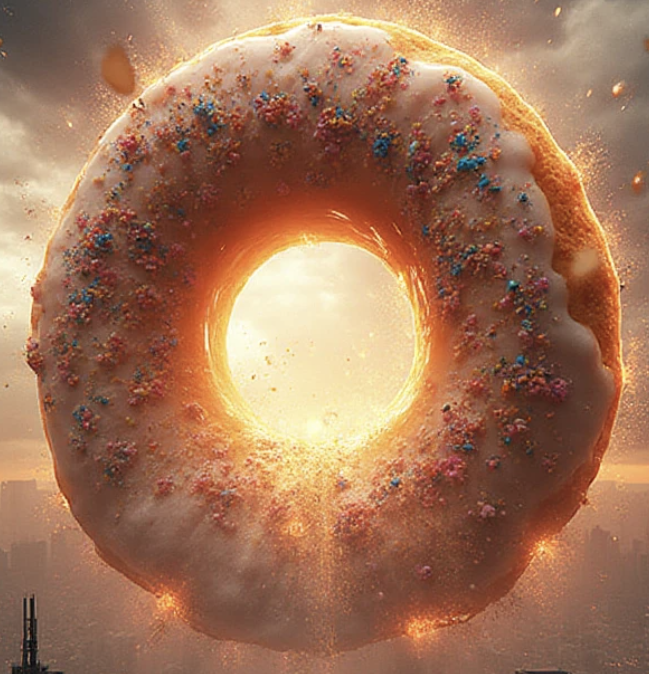
This is enemy number one.
Ultra-processed foods aren’t real food — they’re industrial products engineered for shelf life, addiction, and profit. Think packaged snacks, frozen meals, boxed “foods,” and anything with a paragraph-long ingredient list.
These products are loaded with:
- Refined sugars
- Industrial seed oils
- Artificial flavors and preservatives
- Chemical stabilizers
Your body doesn’t recognize this stuff as nourishment. It recognizes it as stress.
Long-term consumption is linked to inflammation, metabolic damage, cardiovascular disease, and accelerated aging. You can’t eat lab-created sludge every day and expect your body to survive a century.
2. Sugary Soft Drinks and Energy Drinks
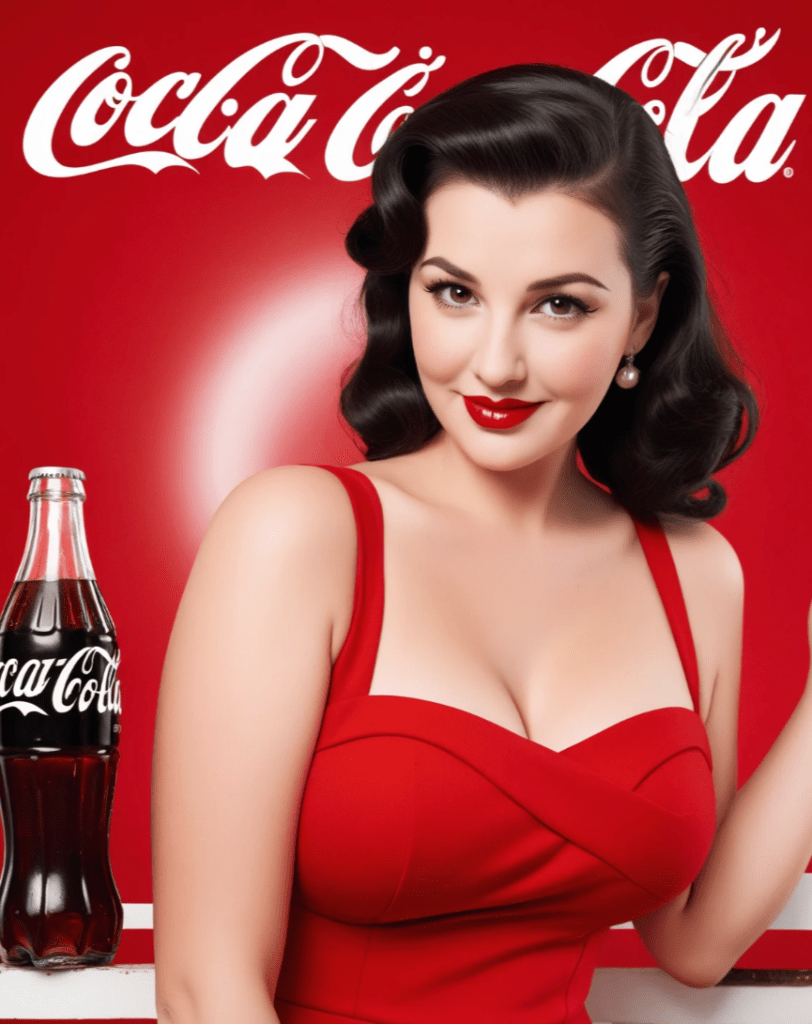
Liquid sugar is one of the fastest ways to destroy long-term health.
Soft drinks and energy drinks spike blood sugar, strain the pancreas, damage blood vessels, and contribute to insulin resistance — all without providing a single useful nutrient.
They also:
- Dehydrate you
- Damage teeth
- Disrupt appetite regulation
Drinking sugar is like mainlining metabolic chaos. People who consume these daily aren’t just shortening their lifespan — they’re degrading their quality of life decades before the end.
3. Highly Refined White Bread and Pastries
White bread, pastries, donuts, and baked desserts are longevity killers hiding in plain sight.
Refined flour has been stripped of fiber and nutrients, leaving behind a fast-digesting starch that spikes blood sugar and feeds inflammation. Add sugar and industrial fats, and you’ve got a perfect recipe for chronic disease.
These foods:
- Promote fat storage
- Disrupt gut health
- Accelerate metabolic aging
No culture known for long life built its diet around pastries and white bread.
4. Industrial Seed Oils
This one makes people uncomfortable — good.
Industrial seed oils like soybean oil, corn oil, canola oil, and sunflower oil are everywhere. They’re cheap, unstable, and highly processed using heat and chemicals.
These oils are prone to oxidation, which contributes to:
- Chronic inflammation
- Cellular damage
- Cardiovascular stress
They’re in restaurant food, packaged snacks, salad dressings, and fast food. If you’re eating out regularly, you’re swimming in them.
A body inflamed for decades doesn’t age gracefully — it breaks down early.
5. Processed Meats
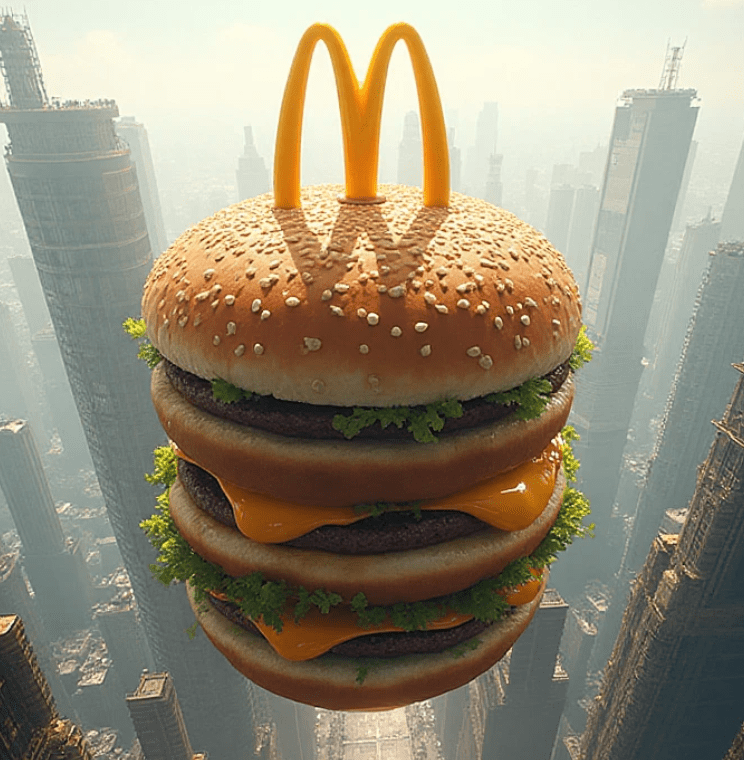
Bacon, hot dogs, deli meats, sausages — they’re convenient, salty, and aggressively marketed.
They’re also loaded with preservatives, excess sodium, and compounds formed during processing that stress the body over time.
Regular consumption is associated with increased risk of:
- Cardiovascular disease
- Digestive issues
- Metabolic dysfunction
This doesn’t mean never eating meat — it means avoiding factory-processed versions that prioritize shelf life over human health.
6. Excessive Alcohol

Let’s be honest: society treats alcohol like a personality trait.
Alcohol is not a health food. It’s a toxin that your liver has to neutralize before it can do anything else. Chronic consumption damages the liver, brain, heart, and immune system.
Long-term overuse:
- Accelerates aging
- Weakens cognition
- Disrupts sleep and hormones
People who live to 100 typically don’t drink heavily — and when they do drink, it’s moderate, infrequent, and culturally grounded, not binge-based escapism.
7. Fast Food
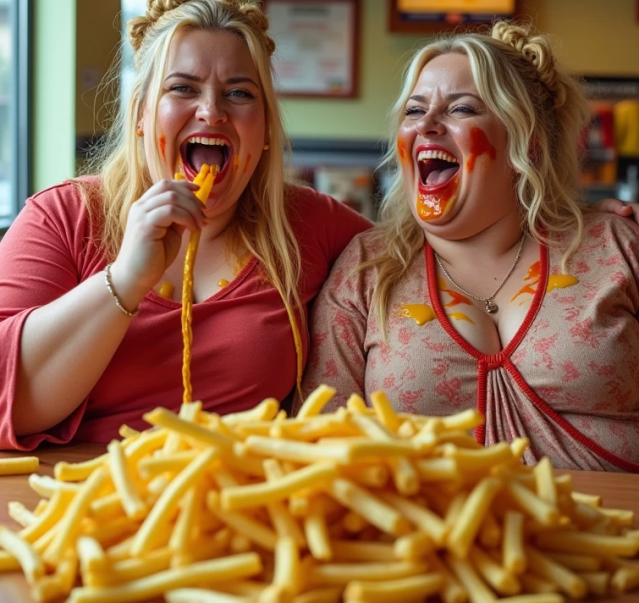
Fast food is survival food for a system that doesn’t care if you survive long-term.
It’s high in calories, low in nutrients, and engineered for maximum palatability. Everything is fried, sugared, or drowned in industrial sauces.
Fast food diets contribute to:
- Obesity
- Heart disease
- Early-onset chronic illness
If you rely on fast food, you’re trading years of life for minutes of convenience.
8. Artificially Sweetened “Diet” Products
Diet sodas, sugar-free snacks, and artificially sweetened foods are marketed as healthy alternatives. They’re not.
Artificial sweeteners can:
- Disrupt gut bacteria
- Confuse appetite signaling
- Increase cravings for real sugar
You don’t trick biology. You only stress it.
Longevity isn’t built on chemical loopholes — it’s built on real food and restraint.
9. Excessively Salty Packaged Foods
Salt itself isn’t the villain — processed salt bombs are.
Packaged soups, chips, crackers, and instant meals often contain extreme sodium levels combined with preservatives and refined carbohydrates.
Over time, this contributes to:
- Blood pressure issues
- Kidney strain
- Cardiovascular stress
Traditional long-lived cultures consumed salt in whole foods — not as a byproduct of industrial preservation.
10. Ultra-Sugary Breakfast Cereals
Colorful boxes, cartoon mascots, and “fortified” labels don’t change the truth.
Most breakfast cereals are desserts pretending to be health food. They spike blood sugar first thing in the morning and set the tone for energy crashes and cravings all day.
A daily sugar spike for decades is a terrible longevity strategy.
The Uncomfortable Truth About Living to 100

Reaching 100 isn’t about optimism. It’s about discipline, awareness, and refusing to participate in a broken system.
Most people won’t live that long — not because they’re unlucky, but because they consistently choose convenience over survival. The food environment is hostile, and pretending otherwise is denial.
Longevity requires:
- Eating mostly whole, minimally processed foods
- Drinking water instead of sugar
- Treating food as fuel, not entertainment
- Accepting that comfort today costs years tomorrow
The world won’t change for you. Corporations won’t save you. Nobody is coming to fix the food supply.
If you want to live to 100, you have to eat like someone who actually wants to survive that long.


 TheDailyChristian