
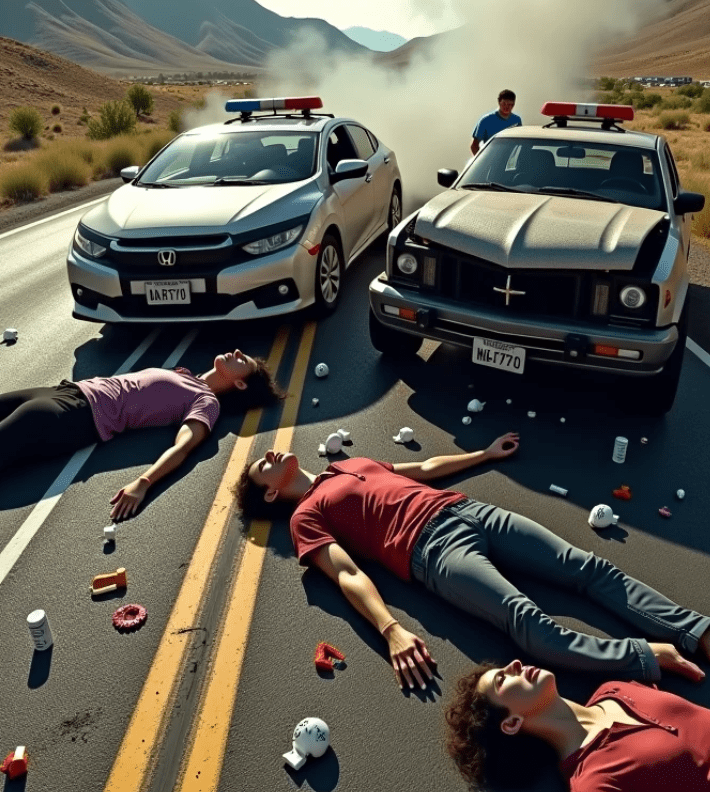
Kansas’s Worst Roads to Drive on During a Disaster: A Survivalist’s Take
I’ve driven through hurricanes in Louisiana, dust storms in Arizona, and ice storms that turned Appalachian roads into glass. But Kansas—Kansas presents a whole different breed of trouble. You’d think the flatlands would be forgiving in a crisis, but that’s where most folks get it wrong. It’s not always the terrain that gets you. It’s the condition of the roads, the isolation, and the unpredictability of Midwestern disasters—tornadoes, flash floods, and blizzards, all sharing the same space.
If you find yourself driving through Kansas during a disaster, your survival could depend on more than just a full tank and GPS signal. I’ve learned that firsthand. Below, I’ll walk you through the worst roads to avoid, survival driving skills every driver should master, and some good ol’ DIY fuel tricks in case you’re stuck out there with nothing but empty air in the tank.
Worst Roads in Kansas to Drive on During a Disaster
1. K-10 (Between Lawrence and Lenexa):
In a flash flood, this stretch turns treacherous. Low-lying underpasses near De Soto collect water fast, and rural detours aren’t much better. I’ve seen folks stranded in standing water taller than their hoods. It only takes 6 inches to lose traction—remember that.
2. US-69 (South of Kansas City to Fort Scott):
A beautiful drive on a clear day. But during a tornado warning, it’s an exposed corridor with few places to safely pull over. Strong crosswinds rip through your vehicle like paper.
3. I-70 (Especially West of Salina):
Out here, the wind whips harder than most expect. Combine that with low visibility from dust storms or blizzards, and you’re better off pulling off and hunkering down. Black ice also hits this interstate hard during winter storms.
4. K-4 (Near Lindsborg):
This rural highway has almost no shoulder and poor lighting. During power outages or wildfire evacuations, it becomes a bottleneck of confused drivers with nowhere to turn.
5. US-56 (Between Great Bend and Dodge City):
A ghost road during snowstorms. I’ve driven this route when snow drifts were piled six feet high on either side. The danger isn’t just the snow—it’s isolation. Cell service is spotty, and help is hours away.
15 Survival Driving Skills That Could Save Your Life
Over the years, I’ve developed a toolbox of survival driving skills. Here are 15 that’ll get you through Kansas—or anywhere else—when things go sideways:
- Reading the Sky:
Cloud behavior tells you more than the news app. Watch for greenish skies, rotating cloud formations, or sudden calm—signs of a tornado. - Flood Depth Estimation:
Never trust your eyes alone. Use roadside markers or mailbox heights to judge flood levels. If water is touching the bottom of a mailbox, turn around. - Controlled Skidding:
If your vehicle starts to slide, steer into the skid. Don’t panic, don’t brake hard—just gently guide it back. - Off-Road Navigation:
Know how to drive off-pavement without tearing up your vehicle. That includes easing through ditches and avoiding wet soil that could sink you. - Improvised Compass Navigation:
If your tech dies, use the sun and shadows. Place a stick in the ground and mark the shadow every 15 minutes. The line runs west to east. - Engine Management in High Winds:
Drive slower into the wind and watch for sudden gusts. Keep both hands on the wheel—Kansas crosswinds can slam a car sideways. - Map Memory Practice:
Study your route before leaving. Know alternative exits and landmarks in case GPS fails. - Night Driving with No Lights:
Practice navigating at dusk without high beams. Learn to read silhouettes and shadows. In some scenarios, you may want to drive without lights to avoid detection. - Escape from Submersion:
If your vehicle is sinking in water, unbuckle and break the side window before pressure seals the doors. Carry a glass-breaking tool within reach. - Fuel Rationing Tactics:
Don’t floor it. Accelerate slowly and cruise at a steady speed—55 mph is ideal for fuel conservation. - Push-Start a Manual Car:
If your battery dies and you drive a stick, you can push-start it by rolling it in neutral, engaging second gear, and popping the clutch. - Defensive Driving in Herd Traffic:
During evacuations, people drive like panicked animals. Leave double the space, avoid road rage, and assume everyone else will make the worst decision. - Tire Plugging in the Field:
A $10 plug kit and air pump can fix a flat in minutes. Don’t rely on the donut; it’s a last resort. - Communication with Signals:
Use your vehicle lights or a bandana to signal others. Three flashes of a flashlight = distress. - Thermal Awareness:
Feel your hood and vents. If the engine smells hot or belts are squealing, you may be overheating. Know when to shut it down and cool off before it seizes.
3 DIY Survival Driving Hacks When You’re Out of Gas
Running out of fuel in Kansas isn’t just inconvenient—it can be fatal in extreme weather. Here’s how to stretch your mobility when the tank’s dry:
1. Siphon Gas from Abandoned Vehicles
Carry a siphon kit or clear tubing. Insert into the gas tank, start suction, and drain into a container. Do this only when it’s legal and ethical—abandoned in disaster zones is a gray area where survival comes first.
2. Burnable Alcohol Mixtures
If you have access to rubbing alcohol (isopropyl, 91% or higher), small quantities can be mixed with gas to extend mileage in carbureted engines. Not ideal, but it might get you 5 more miles.
3. Bicycle Tire Air Compressor Hack
A manual tire pump (the kind for bicycles) can pressurize a sealed gas can or bottle, feeding gravity-fed carburetors. For older vehicles or small engines like mopeds, this can be life-saving for short distances.
Final Word from the Road
Kansas isn’t a place that shouts danger from the rooftops. It whispers it in the wind, in the quiet build-up of a storm, in the endless rows of wheat that hide just how far from help you really are. I’ve spent nights in ditches waiting for twisters to pass overhead. I’ve driven 50 miles on fumes through sleet with nothing but a space blanket and a hunting knife in the glove box.
You want to make it through a Kansas disaster? It’s not just about driving—it’s about thinking. Know your exits, trust your gut, and drive like your life depends on it—because it just might.


 TheDailyChristian