First Aid & Medical Preparedness – Building a trauma kit, treating wounds, and long-term health without hospitals.

Listen up, because I’m not going to sugarcoat a damn thing. When the grid goes down, when the sirens stop wailing, and when the hospitals lock their doors—you’re on your own. There’s no 911, no nurse with a clipboard, no Walgreens down the road. Just you, your gear, your grit, and the skills you’ve either learned or failed to. If you’ve been living soft, playing pretend that society will always cradle your sorry hide, you’re in for a rude awakening.

First Aid and Medical Preparedness isn’t a luxury—it’s your damn lifeline. Pain, injury, infection, sickness—those things won’t stop just because civilization did. You better be ready to deal with them, or you’re a dead man walking.


The Cold, Hard Reality

When society collapses, modern medicine disappears faster than bottled water at a panic sale. Pharmacies will be looted. EMTs will stay home. Hospitals will become disease-ridden death traps if they don’t close outright. Forget your HMO. Your health insurance policy won’t buy you squat in a barter economy. What WILL keep you alive is your trauma kit, medical knowledge, improvisational skill, and the will to survive.

Let’s get down to it.


15 Survival Skills for Medical Preparedness

1. Building a Trauma Kit from the Ground Up

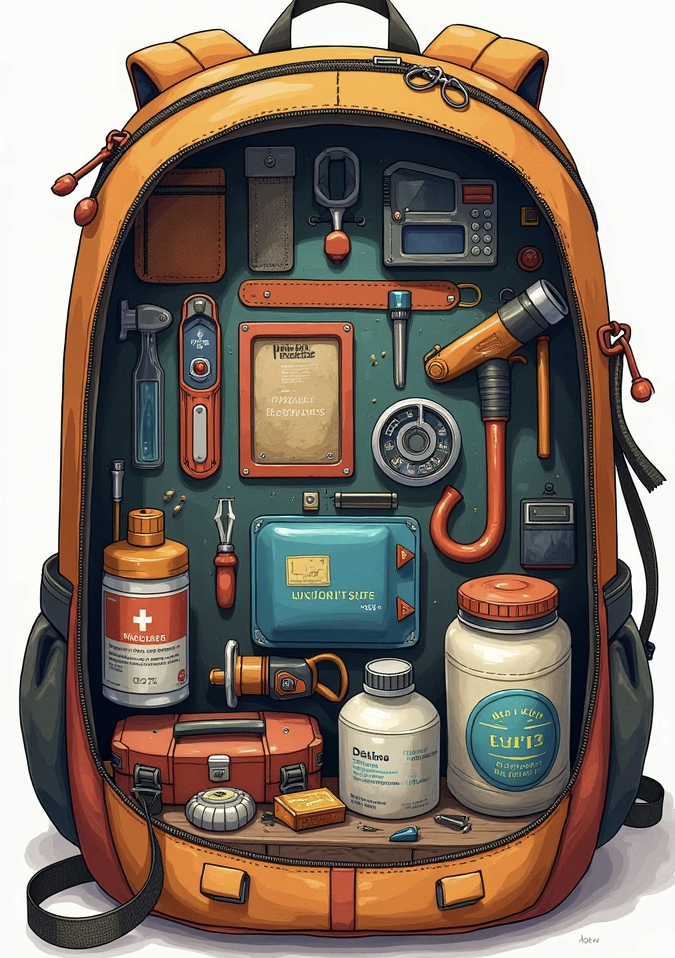
Your trauma kit isn’t a cute little pouch of Band-Aids. This is your mobile ER, and it better include:

  • Tourniquets (CAT or SOF-T)
  • Israeli bandages
  • Hemostatic gauze (like QuikClot)
  • Nitrile gloves
  • Trauma shears
  • Nasopharyngeal airways
  • Chest seals (for sucking chest wounds)
  • Burn gel
  • Painkillers and antibiotics
    Don’t buy pre-packaged crap. Learn what each item does and build your kit accordingly.

2. Controlling Bleeding

Massive blood loss will kill you in minutes. Learn how to apply a tourniquet, pack a wound, and use pressure dressings. Practice on meat or a dummy. Muscle memory saves lives.

3. Treating Puncture Wounds and Lacerations

These are common in a survival scenario—think knife slips, broken glass, jagged metal. Clean thoroughly, debride dead tissue, close with steri-strips, butterfly bandages, or even suture if you must. Infection is your enemy.

4. Fracture and Dislocation Management

You won’t be walking off a busted leg. Learn how to make splints with sticks, cordage, and rags. Know how to reduce simple dislocations. If you can’t keep the limb immobilized, you’ve just doomed yourself.

5. Burn Treatment

Flames, boiling water, scalding steam—they’ll all be real threats without modern conveniences. Know how to treat burns with sterile dressings, cool water (NOT ice), and burn creams. Infection is a constant threat here too.

6. CPR and Rescue Breathing

Yeah, even out here. Knowing how to restart someone’s ticker or give rescue breaths can turn you from a bystander into a damn hero.

7. Recognizing Shock

Hypovolemic, septic, or anaphylactic—shock kills. If someone’s pale, clammy, confused, with a rapid pulse and shallow breathing, you better know how to act: elevate legs, stop bleeding, keep them warm, administer epinephrine if it’s allergic.

8. Making Saline Solution

Boil clean water, add non-iodized salt (9 grams per liter), cool it—bam, you’ve got sterile saline for irrigating wounds. Don’t guess; measure accurately.

9. Improvised Stretcher Construction

When someone can’t walk and you have to move them, build a stretcher from blankets, tarp, or shirts between two poles. Test it before you need it.

10. Herbal Medicine Basics

When the meds run out, the plants step in. Learn how to use yarrow for bleeding, plantain for stings, willow bark for pain, and echinacea for immune support. Know what works and what’s woo-woo garbage.

11. Dental Emergency Management

Tooth infections can kill. Learn how to extract a bad tooth, treat abscesses with warm salt water soaks, and use clove oil for pain. Dental kits aren’t optional.

12. Water Purification Techniques

If your water’s dirty, your insides will follow. Boil it. Filter it. Purify it with iodine or bleach (8 drops per gallon of clear water, wait 30 mins). Dysentery is not a joke.

13. Administering Injections

You may need to inject antibiotics, insulin, or pain meds. Learn proper intramuscular injection sites and techniques. Practice on fruit or animal carcasses.

14. Recognizing and Treating Infections

Redness, swelling, pus, heat, fever. If you see them, act fast. Open the wound, drain it, and use antiseptics and antibiotics. Delay = death.

15. Stockpiling and Rotating Medications

Antibiotics, antidiarrheals, antihistamines, painkillers. Get fish antibiotics—they’re often the same thing (Amoxicillin, Ciprofloxacin, etc.). Label and rotate them. Know expiration risks.


3 DIY Survival Medical Hacks

1. Tampon-as-a-Wound-Packer

A tampon isn’t just for feminine hygiene—it’s a sterile, compact wound packer for deep punctures. Shove it in, tape it down, and it’ll help control bleeding until you can do better.

2. Duct Tape Butterfly Bandages

Got a gash? Cut duct tape into strips and fold them into DIY butterfly closures to pull wound edges together. Combine with superglue if needed (on dry, cleaned wounds ONLY).

3. Plastic Bag Chest Seal

You get a punctured lung, you’re leaking air into your chest cavity. That’s called a sucking chest wound. Take plastic (Ziplock, cling film), tape on three sides to create a flutter valve. That could literally keep someone breathing.


Final Words from a Man Who’s Seen the Edge

Look, I’m not writing this to make friends or stroke egos. I’ve patched wounds in the dark, boiled water for hours to keep someone from going septic, and carried men miles on busted legs. I’ve seen what happens when people don’t prepare—they cry, they panic, they die.

You don’t want to be one of them.

Start practicing these skills now. Build your kit, learn your herbs, memorize wound care, and practice until it’s muscle memory. Buy books—not Kindle files, real paper. Build a library. Print diagrams. Watch tutorials and take notes. Store meds in cool, dry places. Teach your family. Test yourself.

Because when hell breaks loose and the doctors are gone, you’re the only medic you’ve got.

So, ask yourself: Are you ready to stop being a soft, helpless liability and start being the one who keeps people alive?

If not, you better damn well get there fast.

No more excuses. No more tomorrow. Get to work.
Bleed, Breathe, Survive: A Prepper’s Guide to Emergency Care

Bleed, Breathe, Survive: A Prepper’s Guide to Emergency Care

Listen up. When the world goes sideways — whether it’s a natural disaster, a collapse, or some unholy mix of both — the one thing that’ll separate you from the rotting herd is how fast and sharp you act when it comes to emergency care. I’m talking real, raw, in-your-face survival knowledge, not some PC classroom fluff. You’re bleeding out, choking on dust, or gasping for air — you don’t have time for pansy medical training or waiting for an ambulance that ain’t coming. You fix it. You keep yourself or your people alive. Period.

If you don’t get this, you’re dead meat. So pay attention, because I’m about to drop some serious survival wisdom. Here’s your no-bullshit, angry survivalist guide to handling emergency care when it counts the most.


Survival Skill #1: Stop the Bleed – FAST and HARD

Bleeding out is the number one killer in any emergency scenario. If you don’t stop the blood, your body goes into shock and you’re toast. I’m not just talking about a small scrape; I mean a serious artery gushing blood like a busted fire hydrant.

Skill: Master the tourniquet and pressure bandage like your life depends on it — because it does.

  • Tourniquet — This ain’t just a fancy word. A tourniquet is a lifesaver when a limb is bleeding uncontrollably. Wrap it above the wound tight enough to stop the flow of blood, but not so tight you tear skin or nerves. Get a proper commercial one, but if you don’t have it, make one out of a sturdy belt or cloth and twist it with a stick or pen to tighten.
  • Pressure bandage — If the wound’s on your torso or can’t be tourniquetted, apply direct pressure with clean cloth or gauze. Don’t let up for a minute. If you don’t have gauze, use a T-shirt, towel, or anything clean-ish.

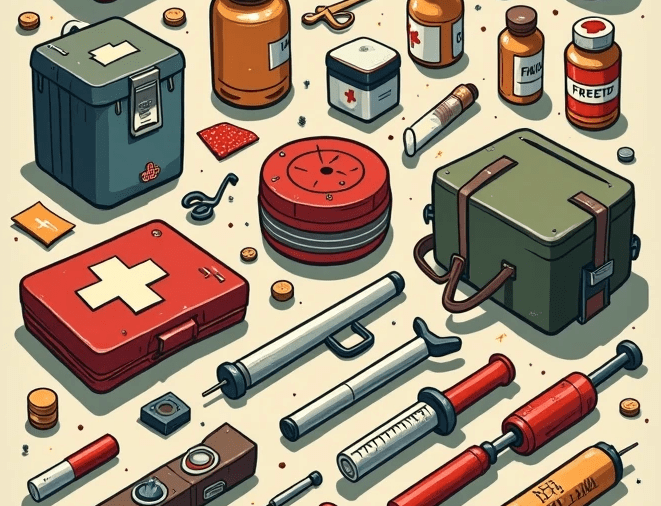
Pro Tip: Always carry a compact trauma kit with a tourniquet, pressure bandages, and hemostatic agents. Hemostatic agents are powders or dressings that make blood clot faster. If you don’t have those, improvise but prioritize stopping the bleeding first.


Survival Skill #2: Control Your Airway – Clear It, Keep It Open

What good is stopping the bleeding if you can’t breathe? When disaster strikes, choking on blood, vomit, or debris is a very real threat. If you don’t keep that airway open, you’re dead before you even get a chance to bleed out.

Skill: Learn to do the Head-Tilt Chin-Lift maneuver and the Heimlich maneuver.

  • Head-Tilt Chin-Lift — If someone’s unconscious or semi-conscious, tilt their head back and lift the chin to open the airway. Clear any visible obstruction with your fingers or a tool.
  • Heimlich Maneuver — If someone’s choking on food or debris, hit that abdomen hard just above the belly button until the obstruction pops out.

Pro Tip: Don’t wait to be a medic to learn CPR. That’s your bread and butter when someone stops breathing or their heart stops. Get certified or at least watch good tutorials and practice.


Survival Skill #3: Build and Use a Splint

Broken bones are no joke in the wild or disaster zones. Without proper immobilization, you risk further injury, bleeding, or infection. You can’t call an ambulance — you are the ambulance.

Skill: Use what you have — sticks, branches, metal, or anything rigid — to immobilize broken or sprained limbs.

  • Find two strong sticks or any sturdy straight object.
  • Pad them with cloth to prevent cutting into the skin.
  • Secure them tightly with rope, tape, strips of cloth, or even shoelaces.
  • Make sure the splint immobilizes the joints above and below the injury.

Pro Tip: Practice making a splint now, so when you need it, you don’t fumble like a scared city slicker.


Survival Skill #4: Improvise a Breathing Filter or Mask

Smoke, chemical fumes, dust, and toxic air can kill you just as fast as a bullet. If you don’t have a gas mask or proper respirator, don’t sit there choking. Use your brain and improvise.

Skill: Make a basic filter using materials around you.

  • Take a clean cloth or bandana and wet it.
  • Layer it with activated charcoal (if you have it) or charcoal from a campfire crushed finely.
  • Fold it to cover nose and mouth tightly.
  • Breathe through it — it won’t be perfect, but it’ll filter out much of the dust and chemicals.

Pro Tip: Store activated charcoal tablets or powder in your survival kit. If you can’t get charcoal, use multiple layers of damp fabric as a minimum barrier.


Survival Skill #5: Keep Calm and Prioritize Care

You can’t do anything if you lose your head. Panic is the biggest killer after injury or trauma. Your body’s adrenaline will spike, but your brain needs to stay cold and tactical.

Skill: Train yourself mentally to triage and act swiftly.

  • Assess the situation quickly: who needs the most urgent care?
  • Stop the bleeding first.
  • Keep the airway clear second.
  • Immobilize injuries third.
  • Prevent shock by keeping the patient warm and calm.

Pro Tip: Practice these steps under pressure with your group or family. If you freeze up in a real disaster, your survival odds drop drastically.


DIY Survival Hack #1: Make a Field Dressing from Household Items

You don’t need fancy medical gear to make a functional dressing.

  • Take clean cotton T-shirts, towels, or even sanitary napkins (they’re sterile and absorbent).
  • Fold them thickly.
  • Use duct tape or strips of cloth to secure them over wounds.
  • If you have honey, rub a thin layer on the wound before dressing. Honey is a natural antibacterial agent and helps prevent infection.

This field dressing will buy you time to get serious care or stabilize someone long enough for evacuation.


DIY Survival Hack #2: Create a DIY Splint from Magazine Pages and Tape

No sticks handy? No problem.

  • Fold several pages of a magazine tightly into a thick, rigid strip.
  • Use duct tape or cloth to secure it firmly around the injured limb.
  • This crude splint isn’t perfect but will stabilize a sprain or minor fracture enough to prevent further damage.

Practice this now so you can whip one out in a pinch.


DIY Survival Hack #3: Homemade Mouth-to-Mouth Shield

If someone’s unconscious and not breathing, you’ll need to perform rescue breaths safely.

  • Cut a small piece of plastic from a sandwich bag or cling wrap.
  • Poke a small hole in the middle (about the size of a dime).
  • Use this as a barrier between your mouth and theirs to reduce infection risk while doing mouth-to-mouth.

This simple device is cheap, easy, and could save a life without risking your own health.


Bottom Line: Bleed, Breathe, Survive

If you think emergency care is something only doctors or medics should worry about, you’re already dead. This survival game is brutal, and you will get hurt — maybe badly. The difference between life and death is having the skills, guts, and knowledge to act immediately and decisively.

You stop the bleeding, clear the airway, immobilize injuries, protect yourself from toxic air, and keep a cool head under pressure. Every second wasted is a second closer to the grave. Get the right gear, practice these skills, and learn these hacks now. Because when SHTF, the world won’t be handing out Band-Aids and breathing masks. You’ll have to be your own damn EMT.

Remember: Bleed, Breathe, Survive. It’s that simple. Or not at all.