South Carolina’s Worst Roads to Drive on During a Disaster

Driving Through the Storm: Survivalist Strategies for Navigating South Carolina’s Worst Roads in a Disaster

If there’s one lesson I’ve learned after years of traversing war zones, hurricane paths, and backcountry roads from the Appalachian hills to the swamps of Louisiana, it’s this: you don’t survive a disaster by luck—you survive by preparation and skill. South Carolina, with its thick pine forests, low-lying flood zones, and hurricane-prone coastlines, offers up a unique challenge to the survival-minded driver. When natural disasters hit—be it hurricane, flood, or even civil unrest—your ability to get in your rig and move can mean the difference between life and death.

I’ve driven every stretch of this state, from the marshy edges of Beaufort to the washed-out farm roads of Marion County. And I’ve seen what happens when people panic and rely too much on GPS and too little on grit. Below, I’ll break down 15 survival driving skills that will keep you mobile when others are stranded. I’ll also give you three DIY hacks for when your fuel runs dry—because out there, ingenuity is often your best co-pilot.

But before we dive in, you need to understand something about South Carolina’s roads during a crisis: they can become death traps.


South Carolina’s Worst Roads in a Disaster Scenario

South Carolina doesn’t lack for challenging terrain even on a blue-sky day. Add a natural disaster and you’re looking at some serious trouble zones. The worst roads? They’re the ones most likely to flood, clog, or collapse.

  1. US-17 (Charleston to Georgetown) – Beautiful coastal views, sure—but a hurricane’s dream target. Storm surge floods this route quickly, and it turns into a swampy mess fast.
  2. I-26 (Charleston to Columbia) – One of the main evacuation routes during hurricanes. It gets clogged fast, and if authorities reverse lanes (contraflow), you’re stuck in a one-way funnel.
  3. SC-9 (Marlboro and Horry Counties) – Known for low visibility and poor maintenance, especially near flood zones.
  4. US-501 (Conway to Myrtle Beach) – A bottleneck in every evacuation. Flooding and traffic jams make it impassable in hours.
  5. I-95 near Lake Marion – This stretch is susceptible to wind damage and long-term closures. Fallen trees, washed-out bridges—you name it.
  6. SC-41 through Jamestown – Low bridges and thick woods make it hard to navigate post-disaster.
  7. Old Charleston Highway (Beaufort County) – Narrow and often surrounded by swampy ditches.
  8. Rural routes through the Pee Dee region – Poor signage, washouts, and zero cell reception.
  9. Greenville’s mountain foothill backroads – Prone to landslides during heavy rains.
  10. Backroads of McCormick and Edgefield Counties – Gorgeous but deserted—if you break down, you’re on your own.

15 Survival Driving Skills to Master Now

  1. Off-Road Navigation
    GPS is great until it isn’t. Learn to read a paper map and orient by sun or compass. Disasters knock out satellites and towers.
  2. Driving Without Headlights
    In some situations—like avoiding attention—you need to drive stealth. Use low-beam techniques, moonlight, or red LED cabin lights to see without becoming a target.
  3. Emergency Braking on Wet Roads
    ABS systems don’t work well on washed-out roads. Practice controlled skids and pump-braking on gravel and mud.
  4. Water-Crossing Tactics
    If water is less than two feet deep, drive slowly and steadily. Never stop in the water. Avoid fast-moving current at all costs.
  5. Changing a Tire in the Dark
    Do it blindfolded if you must. You won’t always have daylight—or time.
  6. Driving With One Tire Flat
    Practice limp-driving to safety. Know how far your vehicle can go on a flat before the rim gives.
  7. Hand Signals and Silent Communication
    If radios fail and you’re traveling in a convoy, hand signals are gold.
  8. Fuel Rationing and Efficiency Driving
    Use coasting, skip-shifting, and low-RPM driving to conserve every drop.
  9. Jumpstarting Without Cables
    Push start if you drive manual, or use a rope-tow method with another vehicle.
  10. Vehicle Armor on the Fly
    Sheet metal, wood, or even filled sandbags can turn your SUV into a rolling bunker if civil unrest breaks out.
  11. Improvised Chains and Traction Aids
    Zip ties, paracord, or even floor mats can help you escape a muddy trap.
  12. Hotwiring Older Vehicles
    Not for fun—sometimes you’ll find an abandoned ride that could save your life. Know how to start older, non-chip-key vehicles in an emergency.
  13. Low-Visibility Convoy Movement
    If dust or rain limits visibility, tail light discipline and spacing keeps your team together.
  14. Driving with Damaged Windshields
    Pack clear plastic and duct tape—it won’t be perfect, but it’s better than shattered glass cutting you up.
  15. Escape and Evasion Driving
    Practice quick U-turns, J-turns, and ditch exits in safe conditions. These maneuvers aren’t just for movies—they save lives.

3 DIY Survival Driving Hacks When You’re Out of Gas

Let’s face it, fuel is often the first thing to go in a disaster. Every car in the county hits the pumps at once. Here’s how to stay mobile when the needle hits E.

  1. Siphoning Fuel Safely
    Keep clear tubing, a gas can, and a siphon bulb in your kit. Modern cars have anti-siphon valves, but you can still access gas from lawn mowers, boats, or older vehicles. Be discreet and respectful if scavenging.
  2. DIY Ethanol Fuel Substitute (Short-Term)
    If you’re in a bind and find moonshine or denatured alcohol, you can mix small amounts with gasoline (no more than 10-15%) to stretch your supply. Use only in emergencies—this can damage engines long-term.
  3. Emergency Bicycle Tow Rig
    Sounds crazy, but I once pulled a small SUV 3 miles with a mountain bike and pulley rig downhill in Colorado. Use paracord, a fixed rear axle, and ingenuity. This can get you from floodplain to high ground if no better options exist.

Final Thoughts from the Road

When the sky darkens over the Palmetto State, and the highways are a parking lot of desperate souls, your ability to think, drive, and adapt is what sets you apart from the herd. I’ve driven out of fires in California, through mudslides in Central America, and out of storm surge zones on Edisto Island with less than a gallon in the tank. And every time, it came down to knowing my vehicle, trusting my gut, and being prepared when no one else was.

Remember: the road may be your escape route—but it’s also a battlefield. Train accordingly.

Keep your rig clean, your tank topped, and your mind sharp.

See you out there.


How to Survive in the Wilderness When SHTF (And Everything You Love is Gone)

Let’s get one thing damn clear: when the world burns, your smartphone won’t save you. Amazon ain’t dropping packages in the forest, and nobody’s coming to rescue your soft, GPS-dependent backside. You either learn to live or lie down and rot. That’s the brutal truth. Now pull your head out of your ass and listen up.

Out there in the wilderness, everything is trying to kill you: the weather, the wildlife, and most of all, your own ignorance. If you don’t know what the hell you’re doing, nature will chew you up and spit your bones into the dirt. But if you learn the skills — real survival skills — you can make it. You can thrive. You can be the last one standing when SHTF.

Here’s how. This is survival, not a damn camping trip.


🔥 15 WILDERNESS SURVIVAL SKILLS YOU’D BETTER KNOW IF YOU WANT TO STAY ALIVE:

  1. Fire Starting (Without a Lighter)
    Your Bic won’t last forever, cupcake. Learn how to start a fire with flint and steel, a bow drill, or even a battery and steel wool. Fire is warmth, food, safety, and morale.
  2. Water Purification
    If you drink straight from a river, you’re inviting giardia and dysentery to your apocalypse party. Boil it. Filter it. Solar still it. Know your options or die thirsty with a belly full of parasites.
  3. Shelter Building
    Tarps rip. Tents rot. Know how to build a debris hut, a lean-to, or a log shelter. Hypothermia is a silent, smug son of a bitch.
  4. Navigating Without Tech
    Compasses don’t need batteries. Learn celestial navigation and terrain association. Don’t trust landmarks — memorize the land itself.
  5. Hunting and Trapping
    No more Uber Eats. Set snares. Make deadfall traps. Know how to gut and clean game without puking your guts up.
  6. Fishing Without Gear
    Improvised hooks, fish traps, spearfishing. Learn it. You can’t live off berries forever — unless you enjoy starvation and hallucinations.
  7. Edible Plant Identification
    One wrong leaf and you’re crapping blood for days. Learn what’s safe to eat in your region. Make a damn notebook and memorize it.
  8. Improvised First Aid
    Nobody’s coming with morphine and a gurney. Learn how to close wounds, stop bleeding, and fight infection with natural resources and basic kits.
  9. Stealth and Camouflage
    You’ll need to hide — from people, from animals, from your own mistakes. Learn how to move unseen and build camo shelters.
  10. Signaling for Help
    If you do want rescue, you’d better know smoke signals, mirrored flashes, and ground-to-air symbols. Yelling won’t cut it.
  11. Tool Making
    Can’t buy a new knife out here. Learn to knap stone, carve wood, lash together gear. Primitive tools keep you alive.
  12. Cordage Crafting
    Paracord runs out. Learn to twist plant fibers into strong cord. Without rope, you’re just a well-fed caveman.
  13. Food Preservation
    Salt. Smoke. Drying. Fermentation. Without preservation, every good kill goes rotten before you can say “wasted calories.”
  14. Mental Fortitude
    You will be cold, tired, scared, and alone. Crying won’t help. Mental toughness is as critical as any blade on your belt.
  15. Weather Prediction
    If you can’t read the sky, you’ll freeze in your sleep or get swept downriver. Clouds, winds, bird movement — nature whispers before it screams.

🔧 3 DIY WILDERNESS SURVIVAL HACKS

  1. Soda Can Rocket Stove
    Don’t waste time or fuel. Cut a soda can, create a rocket stove with just a few snips and a nail. Efficient. Light. Packs easy. Great for boiling water or cooking game in tight spots.
  2. Char Cloth Fire Starter
    Take old cotton cloth (yes, your ratty T-shirt), char it over a flame in a tin until it’s black but not burned. That stuff will catch the smallest spark. Gold in wet conditions.
  3. Pine Sap Bandages
    Got a wound? Pine sap is nature’s antiseptic glue. Slap it on, cover with clean cloth or moss. It stops bleeding and helps heal. You’re welcome.

WHY YOU NEED TO TAKE THIS SERIOUSLY

Let me say this loud for the folks in the back who still think DoorDash is gonna work when the grid goes down: You are on your own.

No police.
No hospitals.
No grocery stores.
No laws except the ones you enforce yourself.

People will turn on each other faster than a pack of wild dogs. And the weak — the clueless, the ones who never practiced a damn thing, who thought “roughing it” meant no WiFi — they’ll die first. Not maybe. Definitely.

You think a three-day REI survival course makes you a bush god? Think again. You need months in the wild, not weekends. You need cuts, bruises, freezing nights, burnt food, failed shelters, and near-death experiences to even start learning what it really takes.


YOU WANT A FIGHTING CHANCE? THEN DO THIS:

  • Train. Every week. Go outside. Practice fire making in the rain. Sleep in your DIY shelter. Cook a squirrel over an open flame. Live the way you’ll need to.
  • Stock up, but train without it. Yes, buy gear. But assume it’ll all break or vanish. Know how to survive with nothing.
  • Build your mental armor. This isn’t about six-pack abs. It’s about grit. Fearless, furious, never-quit grit.

Final Words Before the World Ends (Again)

This isn’t a hobby. It’s not a YouTube trend or something you learn from a TikTok prepper doing spoon reviews. This is life and death. This is teeth-gritting, frostbitten, gut-rumbling SURVIVAL in its rawest form.

The wilderness doesn’t give a damn about your excuses. But if you respect it, if you learn its rules and play harder, smarter, meaner than it does — you can beat it.

When SHTF, the soft will cry. The wise will run. But the prepared?
The prepared will rule.

So sharpen that blade, strip off your weakness, and get to work.

You’ve been warned.

Water Purification & Storage – WATER IS LIFE, YOU FOOLS – PAY ATTENTION OR DIE THIRSTY

Screenshot

Let me get one thing through your thick skull right off the bat: without water, you’re dead in three days. And no, I don’t mean that fancy sparkling garbage you sip at your desk while checking Instagram. I mean real, drinkable water — the kind that doesn’t rot your guts with bacteria or slowly poison you with chemicals. When the grid goes down and the store shelves are stripped bare by soft-handed suburban panic-zombies, you’d better damn well know how to purify, store, and manage your own water supply. Otherwise, you’ll be a bloated corpse in a ditch next to your Keurig.

You want survival? Start with water. Everything else comes second.

Let me break it down for you because clearly, this world has raised too many people who think “hydration” means buying a BPA-free bottle and putting a sticker on it.


15 SURVIVAL SKILLS FOR WATER PURIFICATION & STORAGE

Screenshot

1. Boiling Water

If you don’t know how to boil water, get out of my face. It’s Survival 101. Bring it to a rolling boil for at least 1 minute (3 minutes at higher elevations). Kills bacteria, viruses, parasites. No electricity? Use a fire, camp stove, or solar oven — if you even know what those are.

2. Building a Fire

Don’t think you’ll boil anything unless you can make a fire with more than just a Bic lighter. Master ferro rods, bow drills, and flint and steel, or freeze your sorry self while sipping swamp water.

3. Basic Filtration with Cloth

A folded T-shirt can filter out mud, silt, and gunk. No, it won’t kill bacteria — but it keeps you from drinking sludge. Combine it with boiling or chemical treatment. Layer cloth, charcoal, sand, and gravel if you’ve got time to DIY a better filter.

4. Solar Disinfection (SODIS)

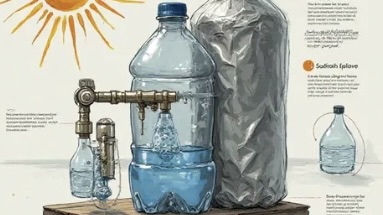
If you’re stranded and desperate, fill a clear plastic bottle, set it in the sun for 6 hours (longer if it’s cloudy), and let UV rays kill the germs. Not ideal, but better than diarrhea death. You city people love plastic, so use it.

5. Chemical Treatment – Bleach

Screenshot

Use unscented household bleach — 8 drops per gallon of water. Stir it, wait 30 minutes, and if it still smells a little like bleach, you’re probably good. Just don’t be a dumbass and overdo it. Sodium hypochlorite saves lives if you use your brain.

6. Iodine Tablets

Stock up. Not tasty, but effective against most pathogens. If you’re pregnant or have thyroid issues, you’re out of luck — but if it’s the apocalypse, maybe don’t be picky.

7. Portable Filters

A Lifestraw or Sawyer Mini could be the difference between life and death. Know how to use and backflush them. Don’t just throw them in your bug-out bag and think you’re Rambo.

8. Rainwater Harvesting

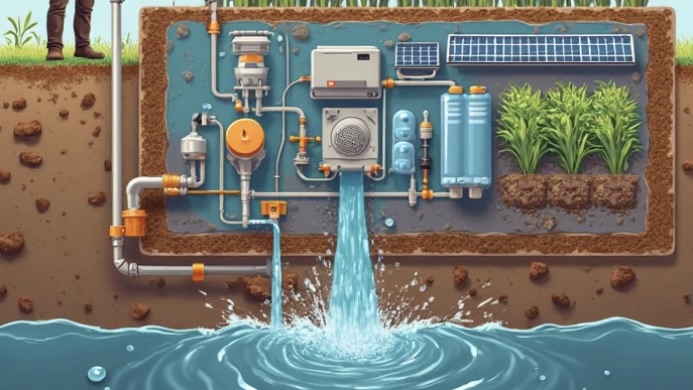
Don’t wait for the tap to dry up. Set up rain barrels, tarps, or even garbage bags to catch water. Know your local laws — yes, the government tries to regulate rain — and know how to filter that water before you drink it.

9. Constructing a DIY Sand & Charcoal Filter

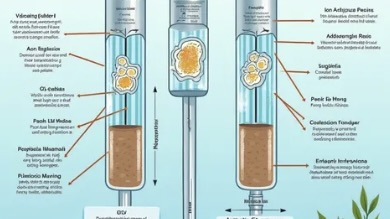
You want clean water? Build a filter. Layer gravel, sand, activated charcoal, and make sure the container drains from the bottom. Run it through once, then boil or chemically treat it. Done right, it beats any overpriced prepper filter out there.

10. Long-Term Water Storage

Water goes bad if you’re stupid. Use food-grade containers. Treat with bleach before storing. Store in a cool, dark place. Rotate every 6–12 months. Don’t store in milk jugs — they degrade and leak. Use HDPE barrels or mylar bags with oxygen absorbers.

11. Know Your Sources

Rivers, lakes, snow, puddles — all different beasts. Learn to identify safe vs. dangerous water. Agricultural runoff, heavy metals, and sewer-contaminated creeks will kill you just as dead as dehydration.

12. Snow & Ice Collection

Melt it before you drink. Never eat snow — it lowers your core temp and can lead to hypothermia. Gather, melt, purify. Every drop counts in the winter.

13. Distillation

Boil water, capture steam, condense it. Kills everything — even removes salt from seawater. Improvise with pots, tubes, and whatever the hell you can scrounge. Knowledge matters more than gear.

14. Water Scouting & Signs

Animals, insects, green vegetation, and low points in terrain often mean water’s nearby. Learn to track water like your ancestors did — before you walk yourself to death chasing mirages.

15. Hydration Discipline

Don’t gulp it all down like a spoiled gym rat. Sip, ration, and manage intake. Hydration is strategy. If you’re sweating like a pig, you’re doing it wrong. Work during cool hours and stay in the shade when you can.


3 DIY SURVIVAL HACKS FOR PURIFICATION & STORAGE

🔧 1. Homemade Charcoal Filter from a Soda Bottle

Take a used 2-liter bottle. Cut off the bottom. Layer in this order: charcoal (from a fire, crushed), sand, gravel, cloth. Punch small holes in the cap. Run water through — and then boil it or treat it. This won’t kill microbes on its own, but it clears out crap and buys you time.

🔧 2. Solar Still

Dig a hole. Place a container in the middle. Surround with wet vegetation or pour dirty water into the pit. Cover with clear plastic. Put a rock in the center of the plastic, so condensed water drips into the container. Passive, no fire needed, and produces pure water. Slow, but it works.

🔧 3. DIY Bleach Dispenser from an Eyedropper Bottle

Take a small eyedropper bottle, label it clearly, and keep it with your gear. Fill it with bleach. 8 drops = 1 gallon of water. Keeps you from eyeballing it like an idiot and accidentally poisoning yourself. Precision saves lives.


WAKE UP AND GET READY

Screenshot

I’m sick of watching armchair preppers buy $3,000 worth of tactical gear and not know the first thing about making their own water safe. You want to survive? Stop playing dress-up and start learning the hard skills. When the power goes out, and the taps run dry, and your neighbors start looking at you like you’re a walking water bottle, you’ll wish you’d spent less time scrolling and more time practicing.

Don’t think FEMA’s gonna save you. Don’t think your Brita pitcher is enough. Don’t think your water heater stash lasts forever. You need redundancy, practice, and grit.

Water is not optional.

Water is survival.

So either get your act together — or get ready to die thirsty.

End of rant. Get to work.