Survival Essentials: Calculating the Right Water for Freeze-Dried and Dehydrated Meals

When it comes to preparing for uncertain times, one of the most critical skills a survivalist can master is understanding how to properly use your emergency food supply. Among the most popular choices in the prepping community are freeze-dried and dehydrated foods. While they might seem similar on the surface, they have significant differences that impact not only storage and shelf life but also one of the most overlooked survival essentials: water. Today, I’m going to break down exactly how much water you need for both types of foods, why it matters, and some insider tips to make sure you never waste a drop during a crisis.

Freeze-Dried vs. Dehydrated: What’s the Difference?

Before diving into the water calculations, it’s important to understand the difference between freeze-dried and dehydrated foods. Both methods remove moisture from the food to extend shelf life, but the process is different, which directly affects water needs during preparation.

Freeze-Dried Food: Freeze-drying is a process where food is first frozen and then placed under a vacuum, which removes moisture by turning ice directly into vapor without passing through the liquid stage. This method preserves most of the food’s nutrients, color, and flavor. The food is extremely light, making it ideal for bug-out bags or long-term storage.

Dehydrated Food: Dehydration, on the other hand, uses heat to remove moisture from the food. While it’s a bit heavier than freeze-dried food and can lose some nutrients during processing, it’s often more cost-effective and widely available. Dehydrated food generally has a denser texture, which impacts how much water it will absorb when rehydrated.

Understanding these differences is key because the amount of water needed isn’t just a guideline—it’s the difference between a meal that’s palatable and one that’s too dry or mushy to eat.


Water Needs for Freeze-Dried Food

Freeze-dried meals are like little survival time capsules. They are incredibly dry, sometimes containing as little as 2-5% of their original water content. This means that when it’s time to eat, you have to add back almost all the moisture they lost.

General Guidelines:

  • On average, most freeze-dried foods require 1 to 1.5 cups of water per serving.
  • Soups and stews may need slightly more to reach the desired consistency.
  • Vegetables and fruits, depending on their type, often need just enough water to rehydrate to their original texture without becoming soggy.

Here’s a simple rule of thumb: if the package says the food weighs 1 ounce dry, it will usually need around 2-3 ounces (roughly ¼ cup) of water to rehydrate. This can vary, so always check the instructions on the packaging and adjust based on your texture preference.

Hot vs. Cold Water:

  • Many freeze-dried meals rehydrate faster and taste better when hot water is used. In survival scenarios, this can be a game-changer—hot meals not only improve morale but also help maintain body temperature in cold conditions.
  • Cold water can work in a pinch, but be prepared for a longer rehydration period, sometimes up to 30 minutes for larger pieces of freeze-dried vegetables or meat chunks.

Water Needs for Dehydrated Food

Dehydrated foods have already been partially dried using heat, which means they retain slightly more moisture than freeze-dried foods. As a result, they generally require less water to rehydrate.

General Guidelines:

  • Most dehydrated vegetables and fruits require ½ to 1 cup of water per serving.
  • Pasta, rice, or grains usually absorb 1 to 1.25 cups of water per serving when cooked.
  • Dense items like beans or legumes may require pre-soaking in water for several hours or overnight to ensure proper hydration.

Because dehydrated foods absorb water more slowly, they’re slightly more forgiving than freeze-dried meals. You can add extra water during cooking without risking ruining the meal, which is helpful if you’re unsure of your water measurements.

Tip for Survival Situations:
If water is limited, dehydrated foods might be your best option for calorie density per ounce of water used. For example, a cup of dehydrated beans will yield more edible calories than the same cup of freeze-dried beans when rehydrated with limited water.


Calculating Water Needs in Advance

One of the biggest mistakes new preppers make is not calculating water needs in advance. If a disaster strikes and you only have your emergency food supply, you need to know exactly how much water you will require for every meal.

Here’s a practical approach:

  1. List Your Meals: Write down every freeze-dried and dehydrated meal in your stockpile.
  2. Check the Package Instructions: Note the exact amount of water recommended per serving.
  3. Adjust for Survival Needs: In high-stress scenarios, you might need more water than the instructions suggest for palatability. Add 10-20% extra to ensure meals are satisfying.
  4. Multiply by Servings: Calculate total water per day based on how many people will be eating.
  5. Add Safety Buffer: Always store at least 20% more water than calculated to account for cooking losses or unexpected needs.

By doing this exercise, you can ensure your water reserves are sufficient for both hydration and meal preparation—a crucial factor often overlooked in emergency planning.


Practical Tips for Using Water Efficiently

  1. Measure Once, Use Twice: In survival situations, it’s better to pre-measure water for each meal to avoid over-pouring and wasting water.
  2. Use Boiling Water: When possible, boiling water not only speeds up rehydration but also kills any pathogens, keeping your meals safe.
  3. Layer Foods for Multi-Use Water: If you’re making soups or stews, consider adding multiple freeze-dried or dehydrated items to one pot to maximize water efficiency.
  4. Store Water Separately: Keep your emergency water stockpiles in containers separate from food. This way, you can easily calculate usage per meal without accidentally depleting drinking water reserves.

Freeze-Dried vs. Dehydrated: Which Is Better in a Survival Situation?

Both have their advantages. Freeze-dried foods are lighter, last longer, and retain more nutrients. They’re perfect for long-term storage and portable bug-out bags. However, they require more water per meal.

Dehydrated foods are denser and require less water, which is a significant advantage if your water supply is limited. They are also slightly more forgiving when rehydrating, making them easier for cooking in less-than-ideal conditions.

In reality, a smart survival prepper will likely use a combination of both. Stocking both types of food ensures you have options depending on your water availability, cooking methods, and meal preferences.


Final Thoughts

Understanding how much water is needed for freeze-dried vs. dehydrated food can make the difference between a mealtime morale boost and a culinary disaster in a survival situation. Remember, water is just as critical as food—sometimes even more so—and careful planning ensures that you get the most out of both.

Whether you’re a seasoned prepper or just starting your survival journey, taking the time to calculate water needs and understand the differences between food types gives you a huge advantage when disaster strikes. After all, survival isn’t just about having the right supplies—it’s about knowing how to use them efficiently to sustain life, health, and hope in the toughest situations.

Stay prepared, stay resourceful, and never underestimate the power of a properly rehydrated meal to keep your spirits and energy high when it matters most.


Survive Anything: The Lifespan of Your Emergency Kit and the Best Places to Keep It

When it comes to surviving the unexpected, there’s nothing more empowering than having a fully stocked emergency preparedness kit. Whether it’s a hurricane, an earthquake, a power outage, or even civil unrest, having the right supplies within reach can make the difference between a stressful inconvenience and a true life-or-death situation.

But as any seasoned prepper will tell you, it’s not just about having a kit—it’s about maintaining it, understanding its lifespan, and storing it in the right location. Today, we’re going to dive into how long emergency kits can last, what factors affect their longevity, and the best practices for storing them so they’re always ready when you need them.


Understanding the Lifespan of an Emergency Kit

First, let’s address the big question: how long can an emergency kit last? The answer isn’t straightforward, because it depends on what’s inside the kit, the storage conditions, and how often you rotate or check your supplies.

1. Food Supplies
Most preppers know that food is the cornerstone of any survival kit. However, food has a shelf life, and not all emergency foods are created equal.

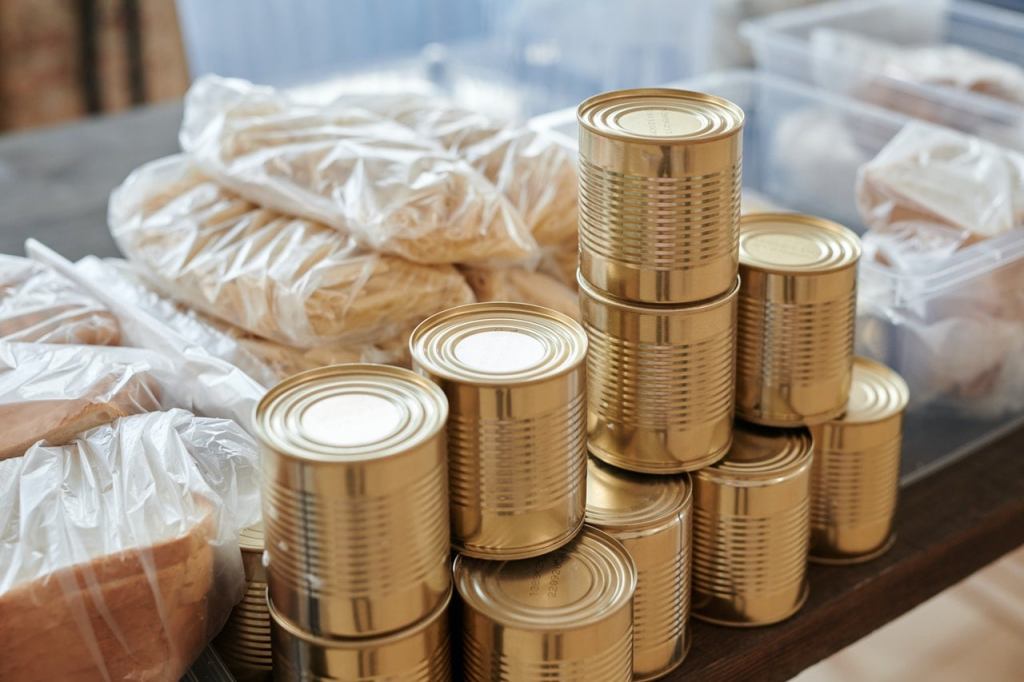
  • Canned Goods: Most canned foods can last anywhere from 2 to 5 years if stored properly in a cool, dry place. However, the acidic nature of foods like tomatoes or citrus can shorten the lifespan to around 18 months to 2 years.
  • Freeze-Dried Meals: These are the gold standard for preppers because they can last anywhere from 25 to 30 years if stored correctly. They’re lightweight, nutritious, and easy to prepare with just water.
  • MREs (Meals Ready-to-Eat): Military-grade MREs can last about 5 years at room temperature, with longevity decreasing in higher temperatures.

2. Water and Hydration Supplies
Water is arguably the most critical component of any emergency kit. While tap water stored in sealed containers can last up to 6 months, commercially bottled water has a shelf life of 1 to 2 years. For long-term storage, consider water purification tablets or filters, which can last up to 10 years unopened.

3. Medical Supplies
First aid kits often contain bandages, antiseptics, medications, and other medical essentials. While bandages and gauze can last indefinitely if stored properly, medications and ointments have expiration dates ranging from 1 to 5 years. Always check these regularly and rotate them out as needed.

4. Tools and Gear
Flashlights, multi-tools, batteries, and other equipment may not “expire” in the traditional sense, but they can degrade over time. For instance, batteries may corrode or lose charge, and plastic components can become brittle if exposed to extreme temperatures. Store tools in a controlled environment and check them at least twice a year.


Factors That Affect Kit Longevity

Several external factors can influence how long your emergency kit lasts:

  • Temperature: Extreme heat can dramatically shorten the shelf life of food, medications, and batteries. Keep your kit in a cool, dry place.
  • Humidity: Moisture can cause canned goods to rust, mold to develop, or bandages to degrade.
  • Light Exposure: Sunlight can break down packaging, degrade medications, and dry out essential oils. Always keep your kit in a dark or opaque container.
  • Movement: Shaking or jostling can damage cans, glass containers, or delicate items like matches and electronics.

Understanding these factors helps you make informed decisions about where and how to store your kit for maximum longevity.


Where to Keep Your Emergency Kit

Knowing how long your kit can last is only half the battle—the other half is knowing where to store it. The ideal storage location is one that balances accessibility with protection from environmental threats.

1. Home Storage
For most people, keeping a kit at home is the first priority. Consider these options:

  • Basement: Often the most temperature-stable area of a house, a basement can protect supplies from heat and light. However, ensure it’s dry to avoid mold or rust.
  • Closet: A dedicated closet or pantry can work well if it’s away from heat sources like ovens, heaters, or direct sunlight.
  • Under Bed or Furniture: Some preppers like to keep a compact kit under the bed or in a storage ottoman for quick access during emergencies.

2. Car Storage
A smaller, portable emergency kit in your car can be a lifesaver during road accidents, breakdowns, or natural disasters while away from home. Keep a kit in your trunk or glove compartment—but remember, cars can experience extreme temperatures, so check supplies regularly.

3. Workplace Storage
For people who spend long hours at work, having an emergency kit at your office or workspace can be crucial. Opt for a compact kit with essentials like food, water, first aid, and a flashlight.

4. Bug-Out Locations
If you maintain a secondary shelter, cabin, or safe house, keep a kit there as well. Store long-lasting supplies in airtight containers and in areas protected from moisture and rodents.


Tips for Maintaining Your Emergency Kit

Even the best kit won’t do you much good if it’s expired or broken when disaster strikes. Here are some essential maintenance tips:

  1. Label Everything: Clearly label containers with the purchase or expiration date.
  2. Rotate Supplies: Use older items for everyday use and replace them with fresh stock.
  3. Inspect Regularly: At least twice a year, check for leaks, rust, mold, or broken items.
  4. Keep a Checklist: Maintain a written or digital inventory to track what’s inside and when items need to be replaced.
  5. Temperature Control: If possible, store your kit in a climate-controlled area to extend shelf life.
  6. Educate Household Members: Everyone should know where the kit is and how to use it. Knowledge is as critical as the supplies themselves.

The Psychological Edge of Preparedness

One of the most overlooked benefits of having an emergency kit is the peace of mind it brings. Knowing that you have food, water, medical supplies, and essential tools at your fingertips reduces panic, helps you make rational decisions, and increases your overall resilience during any disaster.

Preparedness isn’t just about surviving—it’s about thriving when chaos strikes. A well-maintained kit gives you the confidence to act decisively, whether it’s evacuating your home during a hurricane or sheltering in place during a prolonged blackout.


Conclusion: Survival Starts With Preparedness

An emergency kit isn’t just a collection of items—it’s a lifeline. By understanding how long each component lasts and storing it in the right location, you’re ensuring that your kit will be effective when you need it most.

From canned foods and freeze-dried meals to water, first aid supplies, and tools, each item has its role in helping you survive disasters—both natural and man-made. Regular maintenance, strategic storage, and periodic rotation are key to keeping your kit reliable.

Remember, survival isn’t just about stockpiling supplies; it’s about foresight, knowledge, and the peace of mind that comes from knowing you’re prepared for whatever life throws your way.

So, take action today: check your kit, refresh your supplies, and secure it in a place that maximizes both longevity and accessibility. Your future self will thank you when disaster strikes.

How I Slashed My Canned Goods Expenses By Half

I always knew that canned foods are the one of easiest ways to make sure you always have food to eat.

However, when I looked at how much I need to stockpile, things started getting a little out of hand.

Some people say you need to store 3 to 6 months’ worth of food. Others even say a year.

This wouldn’t be a concern in the past, but with everything that’s going on lately, I simply can’t afford to shop for this much food.

Even if I shop in bulk.

So I did what any family man would do. I made them myself.

I looked into it and found several ways to make canned food.

And since I am not an experienced prepper, I used the simplest method there is. Water bath canning.

This is the exact process I followed

  1. Gather your food. This could be anything from fresh fruits and veggies to homemade sauces or jams.
  2. Pack the food into jars. You’ll want to use specially designed canning jars for this, and make sure there is some space at the top (referred to as ‘headspace’).
  3. Secure the lids. Once your jars are filled, put on the lids and screw bands, ensuring they are tightly sealed.
  4. Submerge the jars in a pot of boiling water. This is where the magic happens. The heat eliminates the bacteria, yeasts, or molds that could cause your food to spoil.
  5. Let the jars cool. Once you’ve boiled them for the recommended time, take them out of the water and let them cool. As they cool, the lids will seal completely.
  6. Inspect the seals. After the jars have cooled, inspect the seals to make sure they’re airtight. Any jars that haven’t been sealed properly can be reprocessed or refrigerated and used first.

And voila.

This simple process reduced my canned goods expenses by about half.

Bear in mind, you don’t have to store just beans.

You can use the same method for fruits, vegetables, jams, sauces, or whatever you like.

And you will have nutritional food that will last you through any emergency.

Why don’t you try it?

Your Grocery Bills Are About To Increase (Unless You Do This)

If you are an American, eggs are probably not ever missing from your house.

There was some bad luck around eggs, however, that will make you reconsider your breakfast options.

I love my scrambled eggs in the morning as much as the next guy.

But they are about to become so expensive that they will be leaving a bad taste in our mouths.

As if inflation wasn’t enough.

The bird flu just affected 52,700,000 poultry in the U.S. alone.

This is not a small number.

Chickens are either dying or being put down because of that disease.

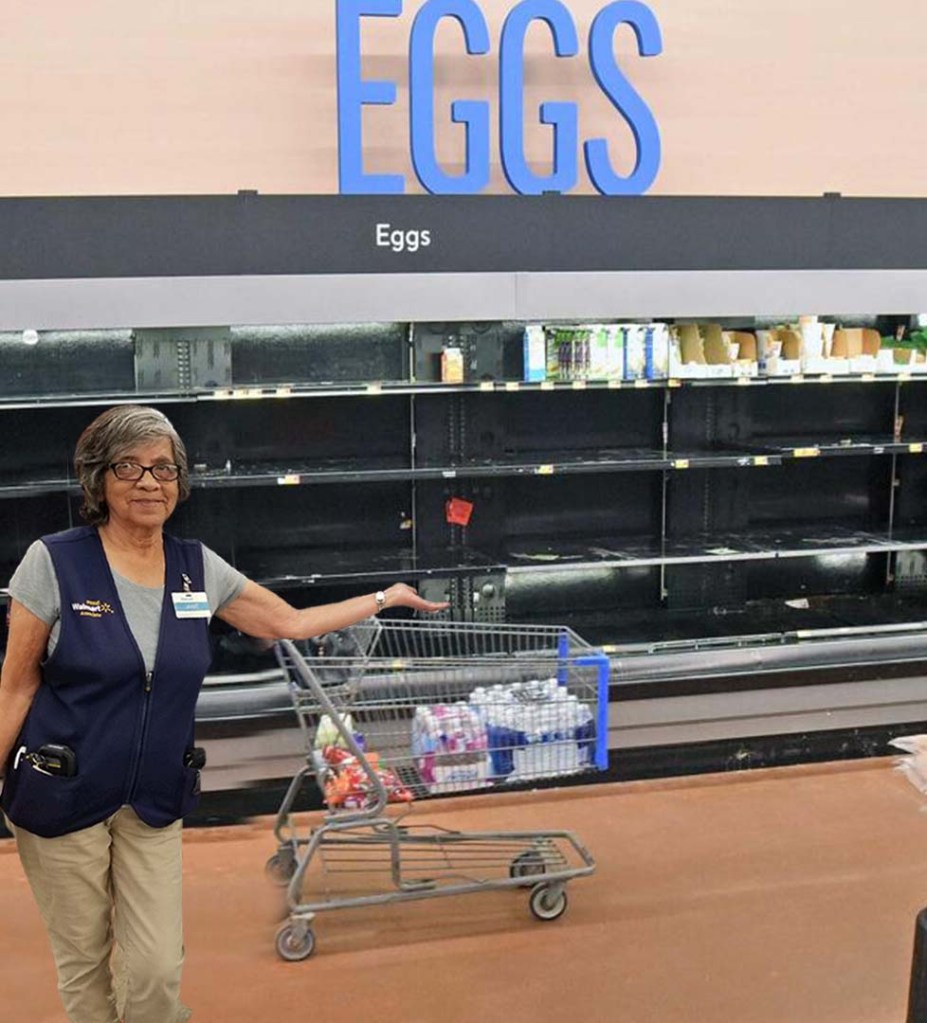
And eggs are already almost 3 times more expensive than what they were a year ago.

I also read that a fire recently broke out at an egg facility in Connecticut, and killed 100,000 birds.

It is almost like eggs are cursed.

They will keep getting more expensive.

How much more can our wallets take?

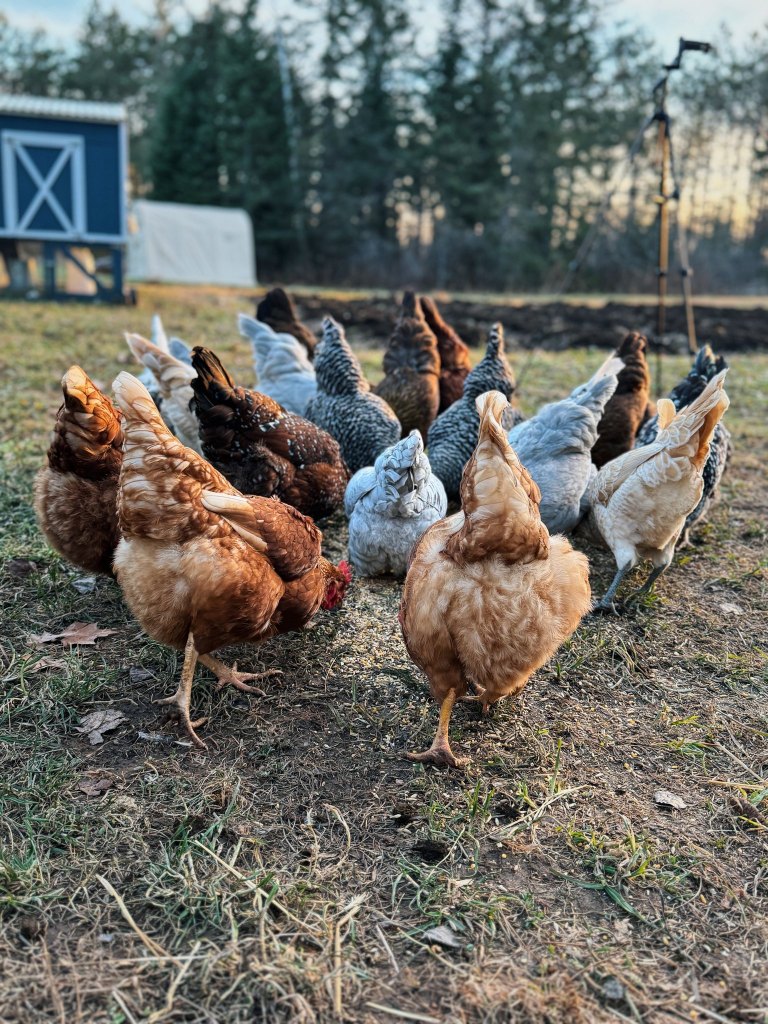
If you don’t want your jaw to drop every time you shop for groceries, I suggest you raise your own chickens.

Raising your own chickens is not just good for your wallet, but for your health too.

You will be the one who chooses what to feed them.

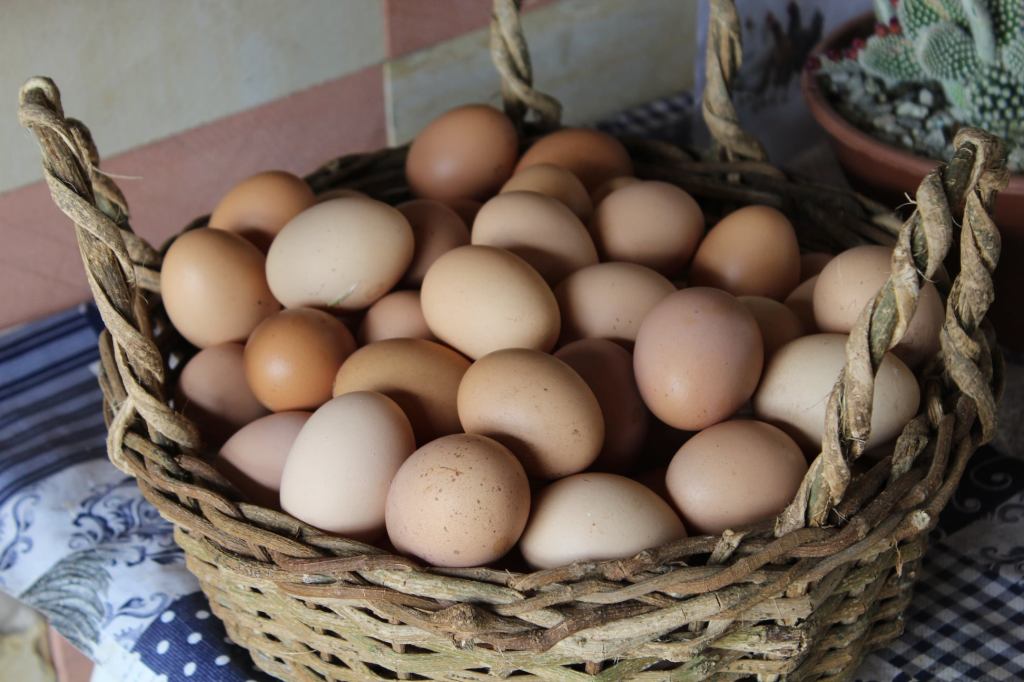
So you will know that they’ll produce nutritious eggs that are not filled with any weird hormones.

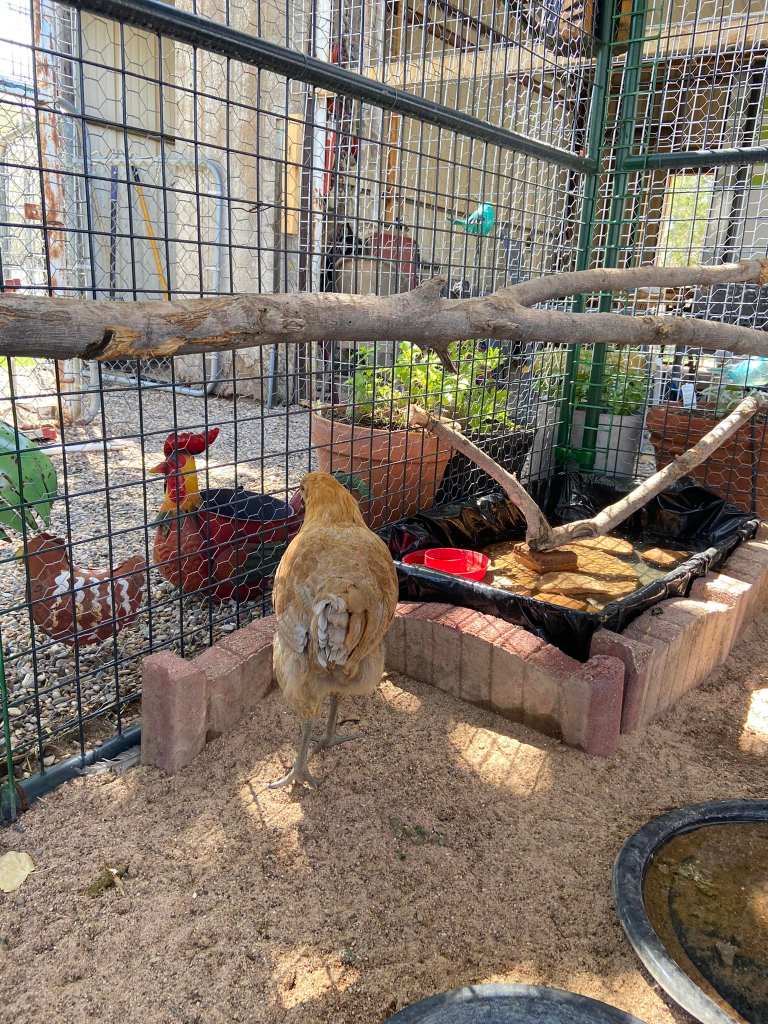
With just a little bit of effort, you can set up a small coop in your backyard and start raising a few chickens.

It’s a fun and rewarding hobby, and it will pay for itself in no time.

There are many breeds of chickens out there.

And you can even choose breeds that are known for their laying ability.

This will also give you peace of mind, knowing that if things come to worse, you will always have emergency food.

If you enjoy eggs as much as I do, this decision is a no-brainer.

It will assist you with feeding your family nutritious eggs even when they become too expensive.

Processed with VSCO with g6 preset

See what to look out for when raising your own chicken.

How much emergency food should every American stockpile?

Most survival experts out there say every American, no matter your age or weight, needs a 72-hour supply for each person in your house.

3 days in other words.

But let’s be real. When was the last time an emergency packed up and left in exactly three days?

Exactly.

You gotta have at least a two-week supply of food.

And that’s for short emergencies.

But what about when the unexpected turns into the indefinite?

This is where things become more complicated.

In emergencies like these, where supermarkets become a memory and the grocery store aisles are bare, the rules of the game begin to shift.

And if you’re unprepared, you might as well lay down and accept your fate.

Let’s talk about what most folks neglect.

Preservation is your ally.

Learning to preserve food can be a game-changer.

Canning, dehydrating, and smoking are methods that can extend the lifespan of your food significantly.

Ever thought about pickling those cucumbers or making jerky from that deer meat?

This is the time to do so.

But you have to be careful!

This is what happens when you don’t can your food properly.

But don’t worry, if you’re not sure you’re able to can your food properly, you have more options.

Grow your own food!

In an indefinite emergency, becoming self-reliant is non-negotiable.

Take advantage of your backyard.

Even a small patch can produce a surprising amount of food. And don’t forget about herbs and sprouts, they can be grown even in a sunny window.

Bulk up on knowledge

Knowledge trumps everything.

The more you know, the safer you are.

This is why the emails you’re reading are so important.

Because I hold nothing back.

And I talk about everything that lets me survive in the world’s harshest conditions possible.

Keep learning about foraging, hunting, and fishing. Understand your local environment and what it can provide.

And stay curious. That’s important, brother.

Community strength

Humanity’s lived so long because we’ve stuck together.

Pooling resources, sharing knowledge, and supporting each other can make a world of difference.

The Mental game

This one’s tricky.

You can’t underestimate the power of a positive mindset.

The ability to stay calm, think clearly, and keep morale high is just as crucial as any physical preparation you’ve made.

This is how you build mental toughness.

Folks, preparing for prolonged emergencies ain’t easy.

And that’s why most folks don’t do it.

But I know my readers are not like most folks.

You guys are tough.

This is why I tell you these things.

Because I know you’re going to put in the work.

So keep doing what most folks aren’t willing.

And do whatever necessary to keep your family safe.

Also, I created a rather in-depth survival prepper TikTok account that you may want to check out!

Are You Making This Fatal Emergency Food Mistake?

There’s no question about it…

Emergency food is a crucial part of preparedness.

However, there is one issue that most people overlook, when it comes to their food storage…

Sanitation.

Whether it’s a natural disaster or a power outage, the risk of foodborne illnesses can increase in emergency situations.

And this makes it crucial to follow proper food safety guidelines.

If you ignore this step, then your whole family instantly becomes vulnerable to food poisoning and disease.

To minimize the risk of foodborne illness, it’s important to keep your cold food cold (below 40°F). 

This can be achieved by using a cooler or insulated container with ice packs to keep perishable items cold.

Additionally, it’s important to regularly examine the temperature of refrigerated and frozen items to ensure they are being stored at the correct temperature.

When you prepare the food, it’s crucial to practice good hygiene. 

This includes washing hands frequently and cleaning every surface and utensil thoroughly.

If you don’t have any running water, you can use a hand sanitizer or wipes for that step.

If you’re using alternative energy sources, such as a wood-fired stove or solar cooker, it’s important to ensure the cooking temperature is high enough to kill harmful bacteria. 

So we’ve covered preparation.

Let’s talk about storage.

It’s very important to store perishable items in airtight containers and to rotate food regularly to prevent spoilage.

If you suspect that a food item has gone bad, throw it out.

The water that you use to cook is also vital.

If the water supply is compromised, it’s important to boil or treat water before consuming or using it for food preparation.

These steps might seem boring, but they play a very vital role in preparedness.

Don’t neglect them!

In fact, if you think someone else could benefit from following these precautions, why don’t you share this with them?