However, there is one issue that most people overlook, when it comes to their food storage…
Sanitation.
Whether it’s a natural disaster or a power outage, the risk of foodborne illnesses can increase in emergency situations.
And this makes it crucial to follow proper food safety guidelines.
If you ignore this step, then your whole family instantly becomes vulnerable to food poisoning and disease.
To minimize the risk of foodborne illness, it’s important to keep your cold food cold (below 40°F).
This can be achieved by using a cooler or insulated container with ice packs to keep perishable items cold.
Additionally, it’s important to regularly examine the temperature of refrigerated and frozen items to ensure they are being stored at the correct temperature.
When you prepare the food, it’s crucial to practice good hygiene.
This includes washing hands frequently and cleaning every surface and utensil thoroughly.
If you don’t have any running water, you can use a hand sanitizer or wipes for that step.
If you’re using alternative energy sources, such as a wood-fired stove or solar cooker, it’s important to ensure the cooking temperature is high enough to kill harmful bacteria.
So we’ve covered preparation.
Let’s talk about storage.
It’s very important to store perishable items in airtight containers and to rotate food regularly to prevent spoilage.
If you suspect that a food item has gone bad, throw it out.
The water that you use to cook is also vital.
If the water supply is compromised, it’s important to boil or treat water before consuming or using it for food preparation.
These steps might seem boring, but they play a very vital role in preparedness.
Don’t neglect them!
In fact, if you think someone else could benefit from following these precautions, why don’t you share this with them?
Natural disasters—a flood, hurricanes, blizzards—often come with little or no warning. Stocking up now on the right non-perishable food items will help you weather the storm (or global pandemic) with less stress.
Why Eat Differently During an Emergency?
Fueling your body during an emergency is very different from your everyday diet. (Think of how an emergency fund functions differently than a savings account.) Because you’ll probably expend more energy than you normally would during your emergency plan, you should eat high-energy, high-protein foods. If the emergency is disease-related (as in the coronavirus pandemic of 2020), it is especially important to eat nutritious foods that will help you maintain good health. And because you’ll have a limited supply in your emergency preparedness kit, the higher-quality foods you eat—and the fewer of them—the better. Start stockpiling as soon as possible!
What to Always Keep in Your Pantry
These non-perishable food items (or close to it) have lengthy expiration dates, so you can stash them away for long periods of time, even if it’s not hurricane season or tornado season. Make a list of everything in your stockpile and check expiration dates every six to 12 months to keep things fresh. And don’t forget to have a can opener on hand at all times—all that food won’t be of any use if you can’t open it.
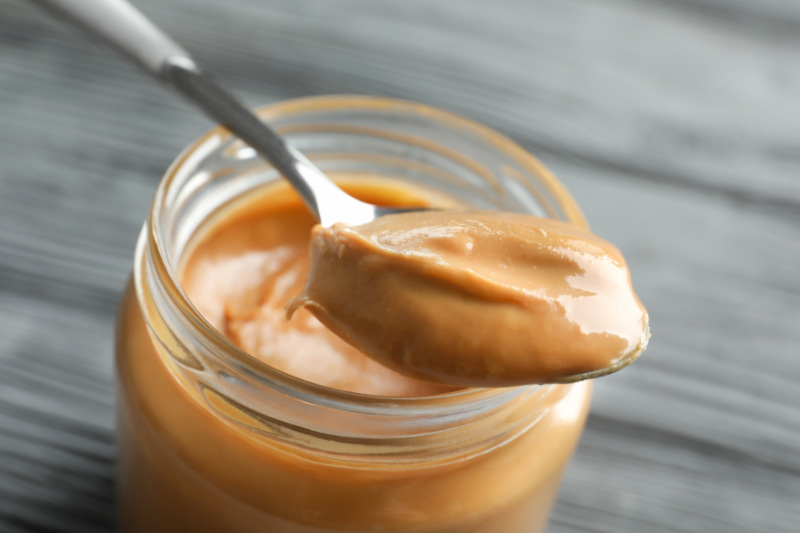
Peanut butter
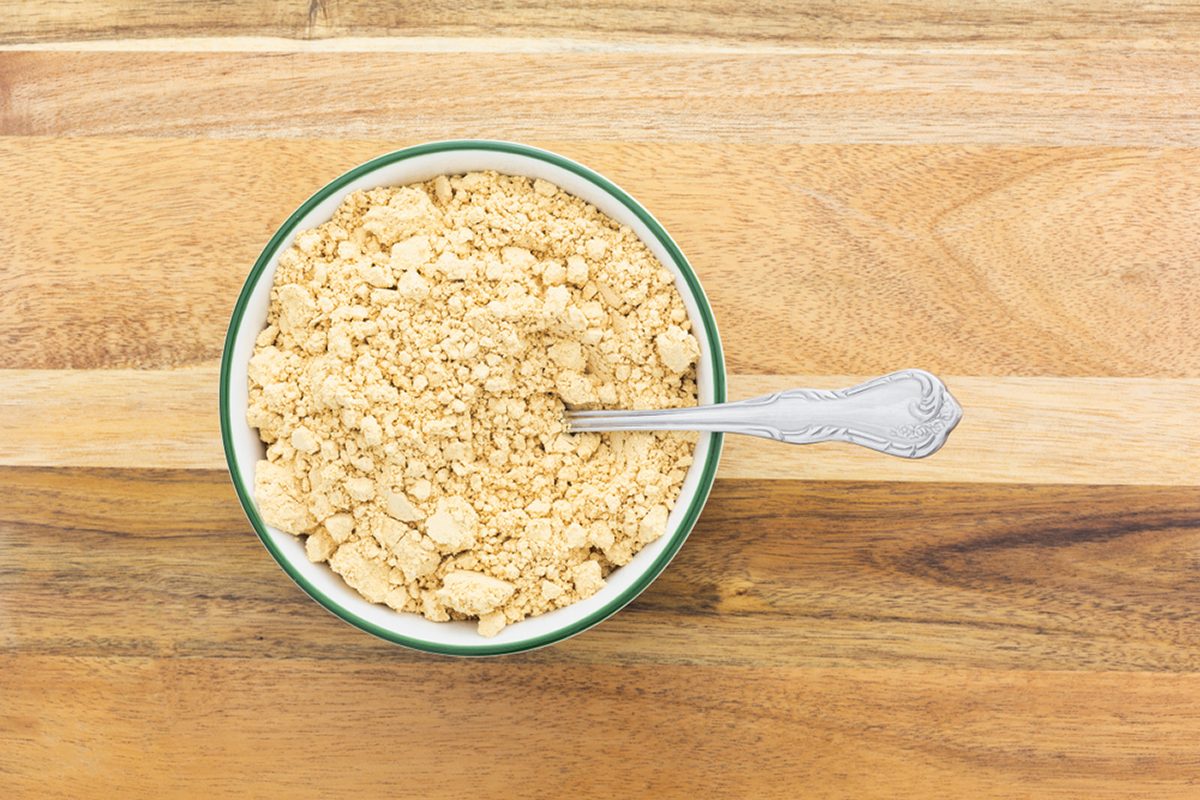
Peanut butter is a really good survival food. It is readily available, shelf-stable, nutrient-rich, calorie-dense, and easy to store while being easy on the wallet compared to many survival foods. Powdered peanut butter, specially designed for survival stores, can even last up to 10 years.
Powdered peanut butter is the best peanut butter for long-term storage. If it is sealed in a #10 can and stored in a cool, dry place it can last between 5 and 10 years. It can also last up to a year in a plastic pouch.
Whole-wheat crackers
Crackers are a good replacement for bread and make a fine substitute when making sandwiches. Due to their higher fat content, whole-wheat or whole-grain crackers have a shorter shelf life than their plain counterparts (check the box for expiration dates), but the extra fiber pays off when you’re particularly hungry. Consider vacuum-packing your crackers to prolong their freshness.
For added value, purchase a family-sized pack of whole-wheat crackers. The toasted crackers give a bit more of a healthful kick and are made without high-fructose corn syrup as well.
Nuts and trail mixes
Stock up on these high-energy foods—they’re healthful and convenient for snacking during a hurricane, tornado, or other emergencies. Look for vacuum-packed containers, which prevent the nuts from oxidizing and losing their freshness.
Canned tuna, salmon, chicken, or turkey
Generally lasting at least two years in the pantry, canned meats provide essential protein. Vacuum-packed pouches have a shorter shelf life but will last at least six months.
Moreover, vacuum-sealed packs may come in handy if you don’t have a can opener. For your pantry, purchase a 12-pack of Safe Catch Elite Wild Tuna, which has the lowest mercury count of any brand on the market, making it a safer choice for kids and even pregnant women.
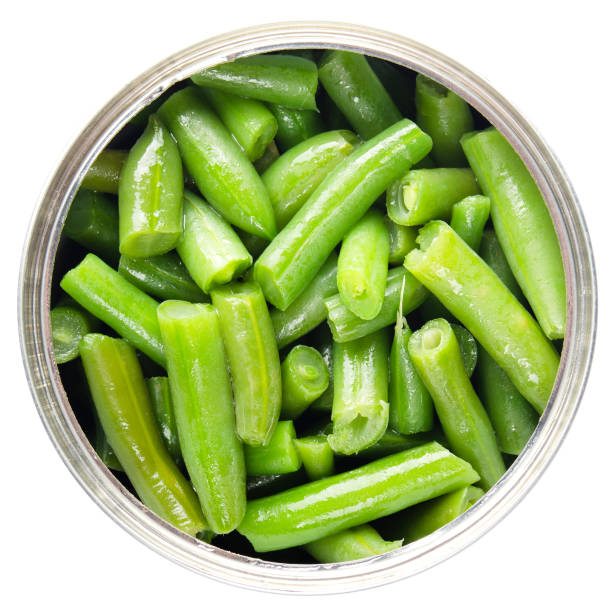
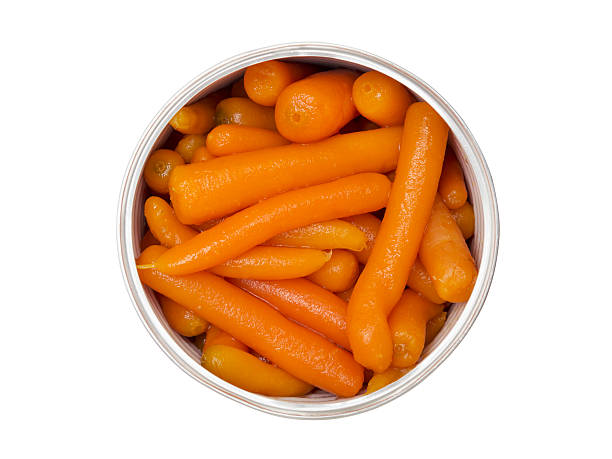
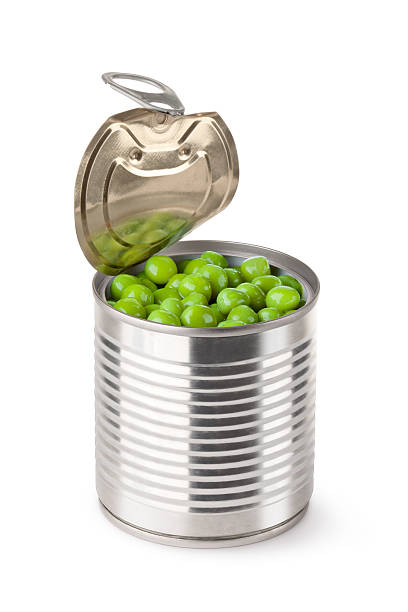
Canned vegetables, such as green beans, carrots, and peas
Flat lay view at opened tin can with green beans isolated on white backgroundCanned carrot isolated on white backgroundOpened metallic can with green peas. Isolated on white.
When the real deal isn’t an option, canned varieties can provide you with essential nutrients, making these a great hurricane food or natural disaster option. To pack in as many of those healthy vitamins and minerals as possible, order a case of mixed vegetable cans by Libby’s. Inside each can you’ll find peas, carrots, corn, lima beans, and green beans, giving you a well-balanced meal straight from the jar.





 TheDailyChristian