How Did Our Ancestors Brush Their Teeth?

Have you ever been to the oral aisle at the supermarket?

There is a huge variety of products.

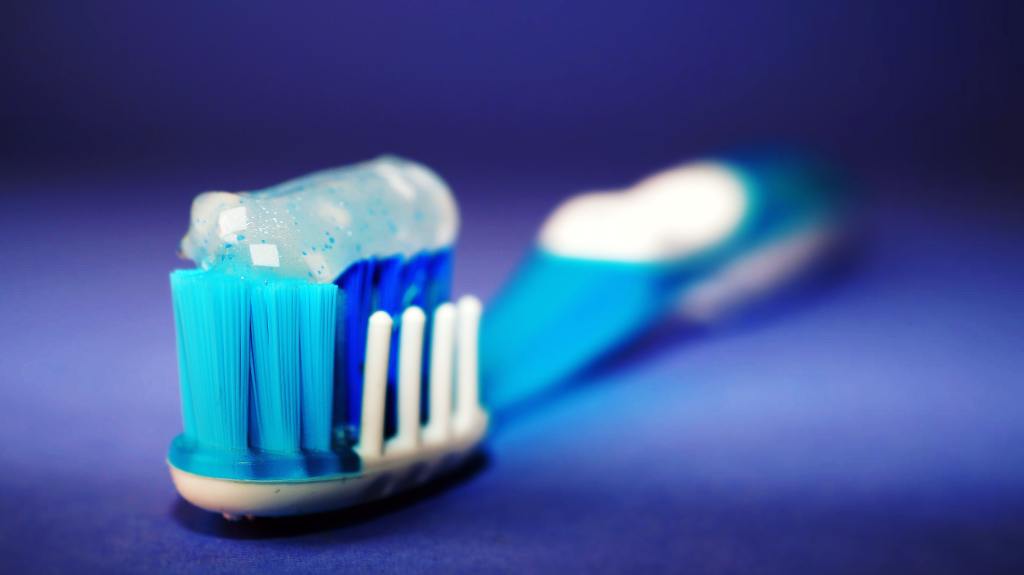
Manual and electric toothbrushes…

Fluoride and non-fluoride options kinds of toothpaste…

Mouthwash…

The list goes on.

Dental hygiene is important, but it always gets me thinking…

How did our ancestors brush their teeth?

They didn’t have these items.

But apparently, they survived.

I figured that there must have been some kind of a “trick” that they did.

And that in a survival situation, it might come in handy.

When I did some research, I found that they used a variety of methods.

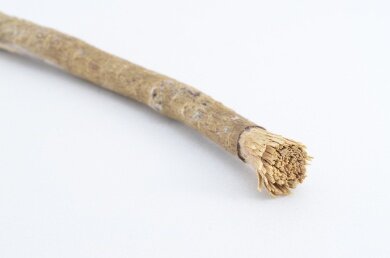
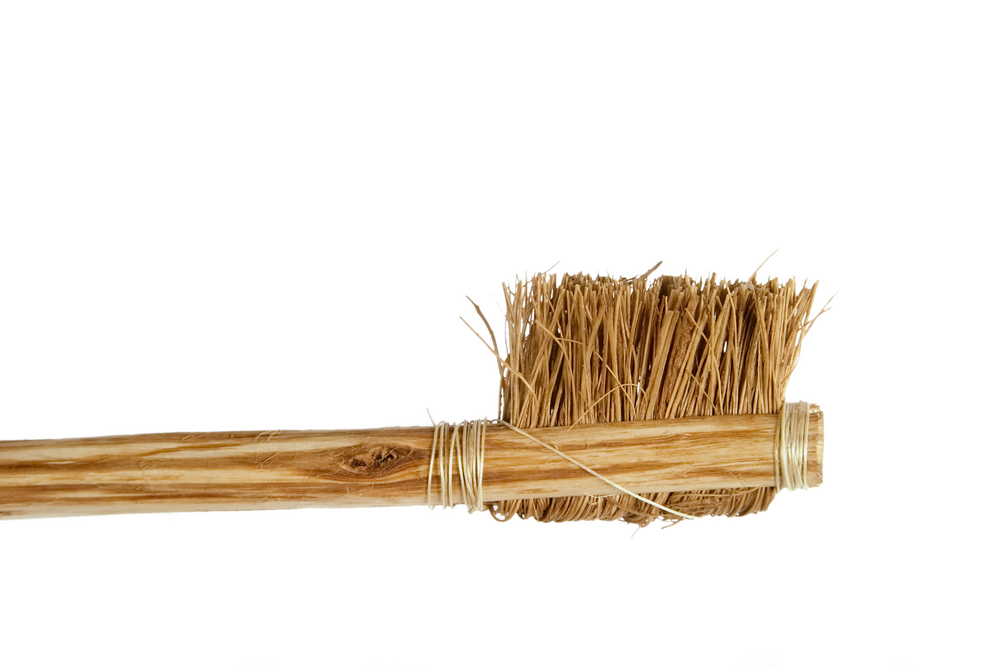
For example, the ancient Egyptians and Greeks used tooth sticks, which were thin sticks or rods that were used to clean their teeth and massage their gums. 

The sticks were often made from twigs or other natural materials and were used much like a toothbrush.

In other cultures, people chewed on twigs or leaves that were believed to have cleansing and medicinal properties. 

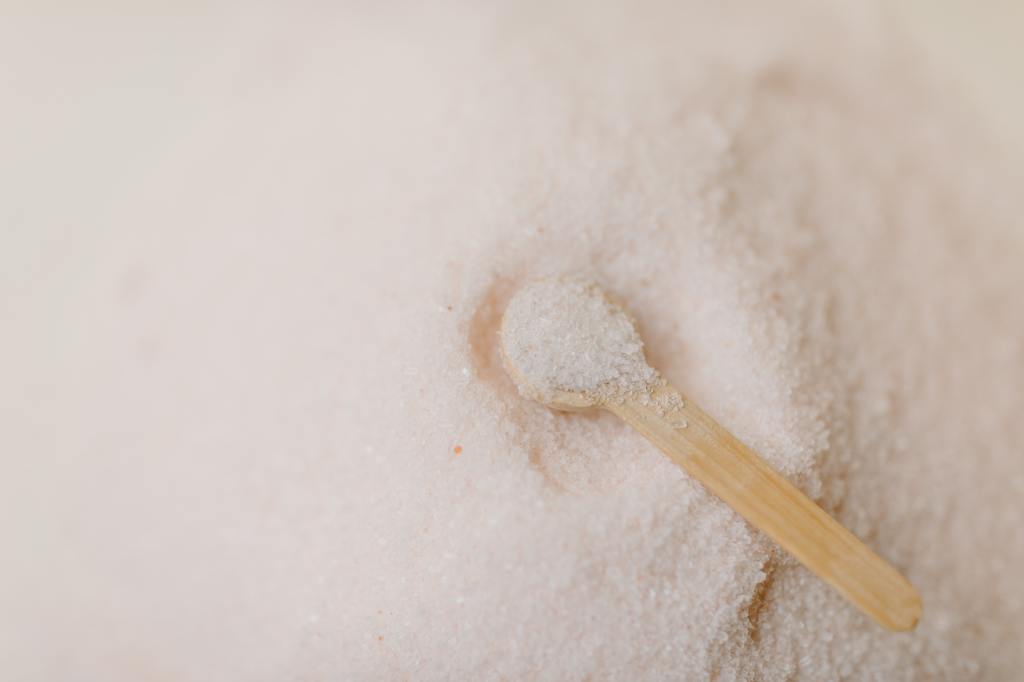
Some used a mixture of ashes and salt to brush their teeth, while others rubbed their teeth with a cloth or used a fingernail to clean them.

As you can see, there are many different ways to maintain oral hygiene.

In a survival situation, it’s okay if you don’t have your usual tools with you.

You can take care of your teeth and gums as best you can, using improvised methods if necessary.
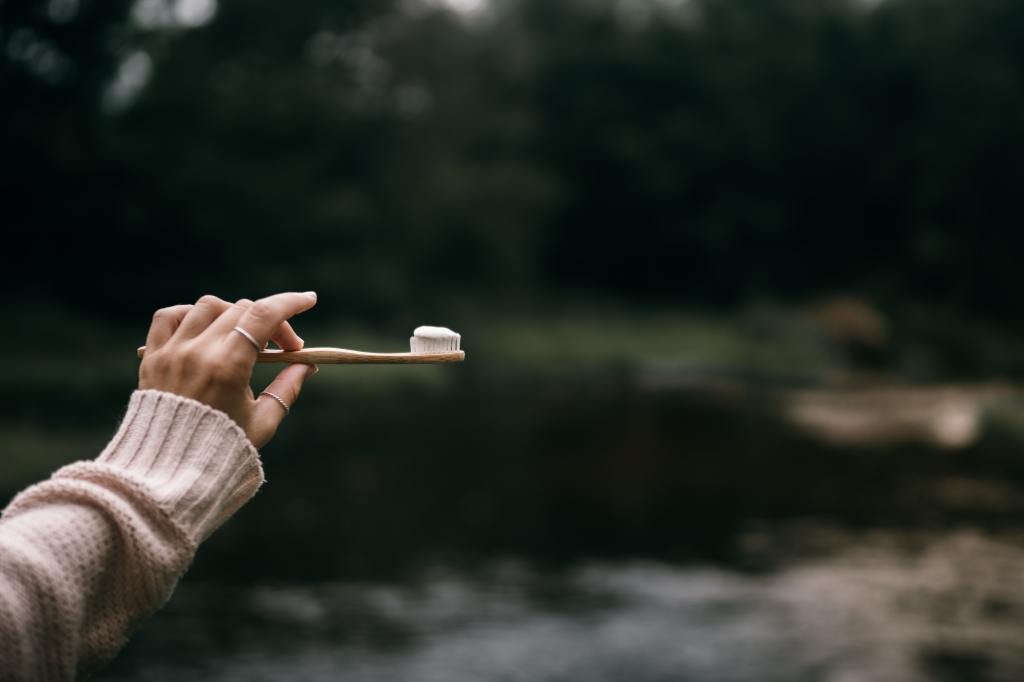
To maintain good dental hygiene in an emergency, it is recommended to:

  • Rinse your mouth with water regularly to release food particles and plaque.
  • Use a toothbrush or tooth stick to clean your teeth if possible.
  • Brush your teeth with baking soda or salt if toothpaste is not available.
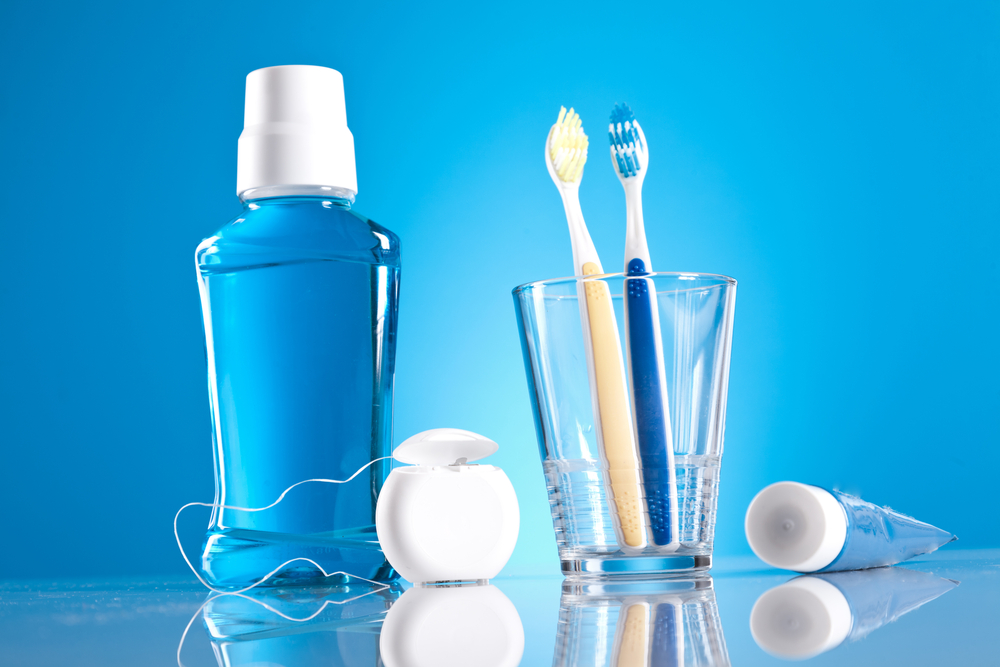
You can carry these things in your kit.

But even if you don’t have anything with you, you can improvise to take care of your basic oral needs.

Something is always better than nothing.

We should keep this in mind in every prep we do.

If you happen to know any other ways to maintain oral health in emergencies, I would love to hear them!

Just hit reply and let me know.

Beat The Heat Using These Survival Hacks

When severe weather strikes, there’s no time to think. It’s easy for people to believe that a summer power outage is easier to deal with than a winter outage. However, a summer power outage carries its own set of problems. They are primarily heat-related illnesses and a higher possibility of spoilage for your food. You need a heat wave emergency kit to be better equipped in handling what is being described as a dangerously record-breaking heat wave. With summer approaching and temperatures about to go through the roof, you need to make sure you’re prepared in advance with a grab bag packed with a heat wave emergency kit.

Before a Blackout:

  • Build or buy an emergency preparedness kit, including a flashlight, batteries, water, and first aid supplies.
  • Make sure you have alternative charging methods for your phone or any device that requires power. A solar-powered- anything charger is a good alternative to battery-powered ones.
  • Know where the manual release lever of your electric garage door opener is located and how to operate it.
  • Purchase ice or freeze water-filled plastic containers to help keep food cold during a temporary power outage.
  • Keep your car’s gas tank full. Gas stations rely on electricity to power their pumps. If you use your car during a blackout to re-charge devices.
  • Learn about the emergency plans that have been established in your area by visiting your state’s or local website so you can locate the closest cooling and warming shelters.

Emergency Heat Wave At Home & Car Kit

Having an emergency kit in your car is smart. Even in mild weather, you can get stranded or stuck, and when a storm hits, your kit could be a life-saver. Here’s what to include in your kit:

  • Non-perishable and easy-to-prepare food items.
  • One gallon of water per person per day.
  • Flashlight with backup batteries (solar preferred), Cell phone, and chargers.
  • A battery-powered or hand-crank radio.
  • Personal documents such as passports, birth certificates, insurance papers, etc.
  • First aid kit and personal medications.

Beware of dehydration and heat-related illnesses

What is dehydration?

Dehydration is condition that occurs when the body loses too much water and other fluids that it needs to work normally. Dehydration is usually caused by severe diarrhea and vomiting, but it may also be caused by not drinking enough water or other fluids, sweating too much, fever, or urinating too much.

Avoiding Dehydration:

There’s one simple rude for survival hydration and food. If you have nothing to drink, then do not eat. Eating anything, even watery foods takes water from your system to create the slurry that will be able to move through your GI tract. Eating without drinking can lead to constipation, or worse, an intestinal blockage. If you are suffering from dehydration, and have watery foods available, try squeezing out the liquid through a cloth. Fruits like blueberries, raspberries, blackberries, and other watery wild edibles can be mashed and squeezed to make a juice that offers hydration and even a few calories and vitamins, without wasting the water it would take to pass all those skins and seeds.

Survival Clothes for Hot Temperatures

To survive in high heat climates you should consider wearing clothing that is lightweight, loose-fitting, and with colors that are on the lighter side of the spectrum since darker colors are known to absorb the sun’s heat.
In areas of high heat and low humidity look for shirts with long sleeves and light colors.
Cotton – is one of those fabrics that most people would suggest wearing in the heat because it soaks up all of the perspiration from your body and allows it to evaporate slowly.

While cotton is not a bad choice, there are other options out there. There have been some amazing advances in fabric technology. Some of the advances in polyester-based knits being used to make clothing these days you will find to do an excellent job at letting
moisture from your sweat evaporates quickly which helps to stay cool throughout the day.

Avoid clothing made of fabrics like polyester, nylon, silk, rayon or wool as these fabrics are not very breathable and they will only retain your body odors that were acquired from sweating, giving you an uneasy feeling. Even though silk in particular has the ability to repel your sweat, this fabric isn’t too great at reflecting the sun.