Top 7 Must-Have Foods for Your Emergency Stockpile

Top 7 Must-Have Foods for Your Emergency Stockpile

When disaster strikes, whether it’s a natural catastrophe, an economic collapse, or a supply chain breakdown, the ability to survive independently becomes crucial. One of the most critical aspects of prepping is building an emergency stockpile of food that can sustain you and your loved ones for an extended period. This isn’t just about stocking up on canned goods and bottled water; it’s about making smart, strategic decisions based on shelf life, nutritional value, and ease of preparation.

In this post, we’ll cover the top 7 must-have foods for your emergency stockpile. These are the foods that will not only keep you alive in a worst-case scenario but also ensure that you stay nourished and healthy. Remember, an emergency stockpile is more than just a backup—it’s a lifeline. Here’s what you need to focus on.


1. Rice (White and Brown)

Rice is a staple for any emergency food stockpile. It’s incredibly versatile, nutritious, and shelf-stable. White rice, in particular, has an almost indefinite shelf life if stored properly, while brown rice, though it has a shorter shelf life due to its higher oil content, is a more nutrient-dense option. Rice is rich in carbohydrates, providing you with essential energy to get through tough times, and can be paired with a wide range of proteins, vegetables, or sauces to make a variety of meals.

Prepper Tip #1: Always store rice in airtight containers, such as Mylar bags with oxygen absorbers or sealed food-grade buckets, to prevent moisture and pests from damaging your stock.

Prepper Tip #2: Buy in bulk when possible. Not only will you save money, but you’ll have enough to last you through a crisis.


2. Canned Meat and Fish

Canned meat and fish, like tuna, chicken, salmon, and sardines, are absolute must-haves for your emergency food storage. These foods offer an excellent source of protein, which is critical for maintaining strength, especially if you’re engaging in physical tasks like building shelters or gathering firewood. Canned meats and fish are also shelf-stable for years, making them an ideal option when you can’t rely on refrigeration.

Prepper Tip #3: Diversify your canned protein sources—canned beef, ham, and even canned bacon should be part of your stockpile. This will help you avoid menu fatigue and ensure a variety of meals.

Prepper Tip #4: Rotate your stock regularly. Use older cans first to ensure nothing goes to waste or expires before it’s used.


3. Dried Beans and Legumes
Dried beans and legumes are a top choice for any survivalist’s food stockpile. Beans are full of protein and fiber, making them an excellent nutritional choice that can help sustain you for long periods. Whether you’re storing black beans, kidney beans, lentils, or chickpeas, these foods have a long shelf life and can be used in countless dishes, from soups and stews to salads and chili.

Prepper Tip #5: If you have space, consider buying in bulk and storing your beans in Mylar bags or food-grade buckets. You’ll get more for your money and ensure your beans stay fresh.

Prepper Tip #6: Pre-soak beans before cooking to reduce their cook time and make them easier to digest.


4. Powdered Milk

If you’re used to having dairy in your diet, powdered milk is an excellent option for your stockpile. Powdered milk can be used for drinking, cooking, and baking. It’s a great source of calcium, vitamin D, and protein. Additionally, it has a much longer shelf life than fresh milk, and it doesn’t require refrigeration. You can store powdered milk for years without worrying about spoilage, making it perfect for long-term food storage.

Prepper Tip #7: Store powdered milk in airtight containers to avoid moisture, which can cause it to spoil. Vacuum-sealed bags work best for maximizing shelf life.

Prepper Tip #8: You can also use powdered milk to make cheese, yogurt, or other dairy products, which increases its versatility in your stockpile.


5. Canned Vegetables and Fruits

Canned vegetables and fruits are an essential part of your emergency stockpile. They’re a great way to ensure you’re getting the nutrients you need, especially if fresh produce is unavailable due to transportation disruptions or seasonal factors. From canned tomatoes and green beans to peaches and pineapples, these foods provide both vitamins and comfort in your meals.

Prepper Tip #9: Look for low-sodium canned vegetables to avoid excessive salt intake, which can be detrimental if you’re confined to a small food supply for extended periods.

Prepper Tip #10: When you store canned goods, try to keep a variety on hand. For example, stock up on a mix of fruits, vegetables, and beans to ensure you have a balanced diet.


6. Pasta and Noodles

Pasta and noodles are excellent options for your emergency stockpile. They’re lightweight, easy to store, and have a long shelf life. Whether you prefer spaghetti, macaroni, or rice noodles, pasta can serve as a base for countless meals. Combine it with canned meats, vegetables, and sauces, and you’ll have a satisfying meal that’s easy to prepare.

Prepper Tip #11: Store your pasta in airtight containers to keep out moisture and pests. Consider using clear plastic bins to keep everything organized.

Prepper Tip #12: Invest in a variety of pasta types, including whole grain or gluten-free options if needed, to provide diversity in your meals.


7. Freeze-Dried Meals

When you’re living off your emergency stockpile, convenience becomes key. Freeze-dried meals are compact, lightweight, and extremely easy to prepare—simply add water and you’re good to go. They have an impressively long shelf life (up to 25 years) and are often designed for extreme conditions, such as hiking or camping, so they’re perfect for disaster preparedness.

Prepper Tip #13: Keep a selection of freeze-dried meals, such as freeze-dried soups, stews, and even entire dinner kits. They’re a great way to provide balanced meals with minimal effort.

Prepper Tip #14: Don’t forget to also stock freeze-dried fruits and vegetables to supplement your meals with essential vitamins and minerals.


15 Essential Survival Prepper Tips
  1. Prioritize Nutrient-Dense Foods: When selecting food for your emergency stockpile, focus on foods that offer the highest nutritional value for the least amount of space. Beans, rice, canned meats, and freeze-dried foods are all excellent choices.
  2. Plan for a Balanced Diet: Ensure your stockpile includes a mix of carbohydrates, proteins, fats, and essential vitamins to maintain energy and overall health.
  3. Invest in Water Filtration: Water is just as important as food in a survival scenario. Have a reliable water filtration system on hand, such as a LifeStraw or a Berkey water filter, to ensure access to clean drinking water.
  4. Rotate Your Stockpile Regularly: Check expiration dates regularly and rotate your stockpile so that nothing goes bad before it’s used.
  5. Buy in Bulk: Whenever possible, buy long-lasting foods in bulk. Not only will this save you money, but it will also help you accumulate enough food to weather any disaster.
  6. Use a Food Storage Calendar: Keep a food storage calendar to track when items were added and their expiration dates. This helps you stay organized and keep your stockpile fresh.
  7. Focus on Shelf-Stable Foods: Opt for foods with long shelf lives, such as canned goods, freeze-dried meals, and dried grains. These foods can last for months or even years without refrigeration.
  8. Store Extra Cooking Supplies: Don’t forget to stock up on essential cooking supplies like oil, sugar, spices, and fuel for your stove.
  9. Consider Special Dietary Needs: If anyone in your household has dietary restrictions, make sure to include foods that cater to those needs (e.g., gluten-free, dairy-free, vegetarian).
  10. Practice Cooking with Limited Ingredients: Get used to cooking with minimal ingredients to simulate what you might be able to prepare in an emergency.
  11. Store Foods You Actually Eat: Don’t stockpile foods just because they last a long time. Make sure you and your family like and regularly consume the foods you’re storing.
  12. Use Mylar Bags and Oxygen Absorbers: For long-term storage, use Mylar bags with oxygen absorbers to prevent spoilage and extend the shelf life of your food.
  13. Stock Up on Emergency Snacks: Have emergency snack options on hand, such as granola bars, jerky, or trail mix, to keep energy levels up during stressful times.
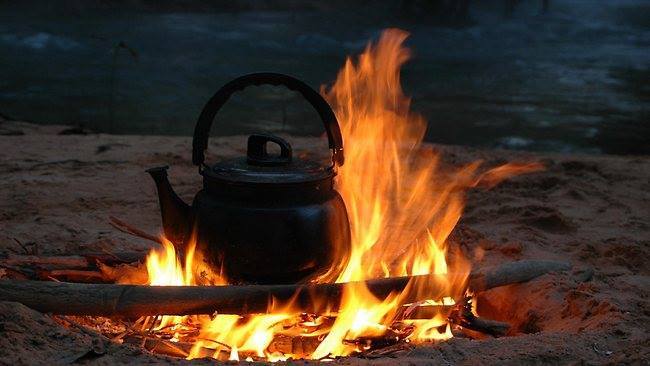
  14. Know How to Cook Over Fire: Learn to cook on a campfire or wood stove, as you may lose access to electricity during an emergency.
  15. Monitor for Pest Control: Always keep your storage area clean and pest-free. Pests can ruin your food stockpile, so it’s important to have proper sealing containers and maintain a clean environment.


Fueling Your Survival: How Many Calories Should You Consume in an Emergency?

Fueling Your Survival: How Many Calories Should You Consume in an Emergency?

When it comes to surviving a crisis, one of the most overlooked yet essential factors is nutrition. Sure, you can stockpile cans of beans and bags of rice, but do you know how much food you and your family actually need to stay alive when the worst hits? How many calories do you need to keep your body functioning during an emergency, and how should you prepare for the long haul? Let’s break it down.

The Basics of Caloric Needs

First off, let’s address a fundamental question: How many calories does a person really need to survive?

It turns out that the average adult requires only about 1,200 to 1,500 calories per day for basic survival. This number might seem low, but it’s based on the bare minimum your body needs to perform essential physiological functions—like keeping your heart pumping, your lungs breathing, and your body temperature stable. Researchers have shown that the body can survive on this minimal caloric intake for a period, provided there’s no physical exertion involved.

But here’s the catch: Survival is not the same as thriving. When you’re in an emergency situation, especially when it’s long-term, your body is going to be put under serious stress. It’s not just about staying alive—it’s about staying sharp, staying strong, and keeping your mental focus intact. You’ll be moving, lifting, thinking, and possibly defending yourself. Your calorie needs will increase.

What’s Your Actual Caloric Need in a Crisis?

If you’re in a situation where you’re physically active—whether it’s from preparing your shelter, gathering water, scavenging, building a fire, or defending yourself from threats—your caloric intake needs will skyrocket. In an emergency or survival situation, your body will burn through calories much faster than when you’re just sitting around.

For an average, moderately active man, the caloric requirement could easily be around 2,500 calories per day, and for an average, moderately active woman, about 2,000 calories per day. But even that might not be enough if you’re really working hard. If you’re chopping wood for hours, hiking long distances to find supplies, or performing other strenuous tasks, your body could easily demand an extra 500 to 1,000 calories per day.

Now, keep in mind, that’s just to maintain your weight and health. If you want to thrive, if you want to keep your energy levels high and your mind sharp, you’ll need to be even more strategic with what you eat.

Fueling for Long-Term Survival

When you’re preparing for a survival situation, you’re not just stocking up on food. You need to think about the quality of food, not just the quantity. High-calorie, nutrient-dense foods are a must. Your body needs more than just empty calories. It needs protein for muscle repair, healthy fats for energy, and carbohydrates for sustained fuel. The trick is choosing foods that pack a punch without being too bulky or hard to store.

Here are a few suggestions for survival-friendly foods that should be at the top of your list:

  • Nuts and seeds: These are calorie-dense and packed with healthy fats, protein, and fiber. A small handful of almonds or sunflower seeds can provide a substantial amount of energy.
  • Dried fruits: High in natural sugars, dried fruits like apricots, raisins, and figs can give you an instant energy boost. Plus, they’re lightweight and easy to store.
  • Canned goods: Canned beans, vegetables, and meats are calorie-rich and don’t require refrigeration. Just be sure to rotate them regularly and consider the sodium content, as too much salt can be a problem in large quantities.
  • Protein bars: A great way to get protein, carbs, and fat all in one portable package. They’re lightweight and easy to carry with you, making them perfect for survival situations.
  • MREs (Meals Ready to Eat): MREs are designed to be lightweight, nutrient-dense, and easy to prepare in the field. While they can be expensive, they’re a great addition to any prepper’s pantry for emergencies.
  • Dehydrated meals: These are a bit more convenient than MREs, and they offer a variety of meal options. Just add water, and you’ve got a decent meal that’s loaded with the calories you need.

The Importance of Prepping for Nutrient-Rich Calories

While stockpiling enough food for your family is essential, you need to make sure your food stores are not just full of empty calories. A steady diet of nothing but high-carb foods like ramen noodles or white bread will give you the calories you need to survive for a short period, but it won’t provide the nutrients your body needs to function at its best.

In an emergency, you’ll need foods that keep you alert and give you the stamina to keep moving. If you’re relying on canned chili and potato chips, your energy levels will plummet, and your mind will become sluggish. That’s why it’s so important to prioritize high-calorie, nutrient-dense foods—things that offer a full spectrum of vitamins, minerals, and other nutrients, not just calories.

Survival Prepper Tips for Managing Caloric Intake

Here are 10 survival prepper tips to make sure you have the calories you need when the worst happens:

  1. Know Your Caloric Needs: Understanding how many calories you need is the first step. Factor in your level of activity, your age, and your weight to determine the calories necessary to keep you going during a crisis.
  2. Prioritize High-Calorie, Nutrient-Dense Foods: Focus on calorie-dense foods that are rich in protein, healthy fats, and fiber. These will give you sustained energy without weighing you down.
  3. Stockpile Diverse Foods: Don’t just store one type of food. A variety of proteins, carbs, fats, and vitamins will keep your body functioning properly.
  4. Consider Freeze-Dried Meals: Freeze-dried foods have a long shelf life, are lightweight, and are packed with calories. Just add water, and you’ve got a hearty meal.
  5. Rotate Your Stock: Regularly rotate your food supply to ensure everything remains fresh and doesn’t go to waste. Set a schedule for checking expiration dates and using up older food.
  6. Carry Compact, High-Energy Snacks: Have portable, high-calorie snacks like protein bars, trail mix, or beef jerky on hand for when you need a quick energy boost on the go.
  7. Focus on Food Preservation: Learn how to preserve food in various ways—canning, drying, fermenting, and smoking. This will give you access to a variety of nutrient-dense foods for long-term storage.
  8. Hydrate Properly: Water is essential for survival, but so is the electrolyte balance. Keep a stash of electrolyte powders or sports drinks to replenish lost minerals during physical exertion.
  9. Think About Sustainable Sources: If you’re relying on wild foraging or hunting, know what’s edible and calorie-dense. Learn about local plants, nuts, and berries, and how to trap or fish.
  10. Avoid Junk Food: It’s tempting to buy cheap junk food that’s calorie-dense, but it’s often full of empty calories and won’t keep you feeling energized or healthy. Avoid overly processed, sugary, or high-sodium options.

Conclusion: Fueling the Fight for Survival

When SHTF, survival is a marathon, not a sprint. Keeping your body in peak condition is critical to navigating the challenges that lie ahead. Whether you’re holed up in a shelter or out scavenging for supplies, your body will need proper fuel to perform at its best.

By calculating your caloric needs and prioritizing high-energy, nutrient-rich foods, you can ensure that you and your loved ones will have the stamina to thrive, not just survive. Make sure your food stores are stocked with the right items, and plan for a long-term emergency. When the worst happens, you’ll be ready to keep moving, thinking clearly, and ultimately, surviving.

Do This Before Your Neighbors Become Dangerous

Do This Before Your Neighbors Become Dangerous: A Survivalist’s Guide

In times of crisis, the greatest threat may not come from distant enemies but from those living closest to you. When societal structures begin to crumble, neighbors—once familiar faces—can quickly become unpredictable and even dangerous. As a survivalist, it’s imperative to prepare not only for external threats but also for the potential dangers lurking next door.

Understanding the Threat

The collapse of societal norms can lead to desperation. People who once adhered to the rule of law may resort to violence or theft to secure resources. In such scenarios, your immediate environment becomes a battleground. Recognizing this reality is the first step in fortifying your home and ensuring the safety of your loved ones.

1. Fortify Your Home’s Exterior

Your home’s perimeter is your first line of defense. Strengthen it by:

  • Reinforcing Doors and Windows: Install solid core doors and metal or reinforced frames. Use security film on windows to prevent easy break-ins.
  • Securing Entry Points: Add deadbolts, slide bolts, and security bars where appropriate. Ensure all gates are locked and consider adding a secondary locking mechanism.
  • Installing Motion-Sensing Lights: These can deter intruders and alert you to movement around your property.

2. Establish a Safe Room

A designated safe room can be a lifesaver. This should be a room with:

  • Reinforced Walls and Door: Use materials like steel or solid wood.
  • Communication Tools: Keep a charged phone and a two-way radio.
  • Supplies: Stock with water, non-perishable food, first-aid kit, and self-defense tools.

3. Develop a Neighborhood Watch

Community vigilance can be a powerful deterrent. Organize a neighborhood watch by:

  • Establishing Communication Channels: Use group messaging apps to stay informed.
  • Setting Up Regular Check-Ins: Regularly assess the well-being of neighbors, especially the elderly or those living alone.
  • Sharing Information: Report suspicious activities to local authorities and fellow neighbors promptly.

4. Maintain Situational Awareness

Always be aware of your surroundings. This includes:

  • Monitoring Local News: Stay updated on events that could impact your area.
  • Observing Unusual Activities: Note unfamiliar vehicles or people in your neighborhood.
  • Trusting Your Instincts: If something feels off, investigate further or alert others.

5. Secure Water and Food Sources

In times of crisis, access to clean water and food can become scarce. Prepare by:

  • Storing Water: Aim for at least one gallon per person per day for at least three days.
  • Stockpiling Non-Perishable Foods: Include items like canned goods, dried fruits, and grains.
  • Purification Methods: Have water purification tablets or filters on hand.

6. Arm Yourself Responsibly

While firearms can be an effective means of self-defense, they come with responsibilities. Ensure:

  • Proper Training: Take courses on firearm safety and usage.
  • Secure Storage: Keep weapons locked and out of reach of unauthorized individuals.
  • Legal Compliance: Adhere to all local and state laws regarding firearm ownership and use.

7. Create Diversion Strategies

In case of an intruder, having diversion tactics can buy you valuable time. Consider:

  • Noise Makers: Use alarms or whistles to disorient intruders.
  • Escape Routes: Plan and practice multiple exit strategies.
  • Decoy Items: Place valuables in less obvious locations.

8. Build Strong Relationships with Trusted Neighbors

Not all neighbors will pose a threat. Cultivate relationships with those you trust by:

  • Offering Help: Assist with tasks or share resources.
  • Sharing Information: Keep them informed about potential threats or emergencies.
  • Establishing Mutual Aid Agreements: Agree on how to support each other during crises.

9. Practice Regular Drills

Preparation is key. Conduct regular drills to:

  • Test Emergency Plans: Ensure everyone knows their role during a crisis.
  • Identify Weaknesses: Spot areas in your defense plan that need improvement.
  • Build Confidence: Familiarize everyone with procedures to reduce panic during real events.

10. Stay Informed and Adapt

The landscape of threats can change rapidly. Stay informed by:

  • Attending Workshops: Participate in survivalist and preparedness seminars.
  • Reading Relevant Literature: Keep updated with books and articles on home defense and survival tactics.
  • Networking: Join online forums or local groups to exchange knowledge and experiences.

Conclusion

The safety of your home and loved ones depends on proactive preparation. By fortifying your home, establishing strong community ties, and staying vigilant, you can mitigate the risks posed by dangerous neighbors in times of crisis. Remember, in the world of survivalism, it’s better to be over-prepared than caught off guard.

For further reading and resources on home defense and survival tactics, consider exploring the following:

Stay safe, stay prepared.

Prepping on Autopilot: Unlocking the Power of Muscle Memory

Prepping on Autopilot: Unlocking the Power of Muscle Memory

As survivalists, we understand that in a crisis, hesitation can be fatal. The difference between life and death often comes down to how quickly and effectively we can respond to threats. This is where muscle memory becomes invaluable. By training our bodies to react instinctively, we can perform critical tasks without conscious thought, allowing us to focus on strategy and adaptation.


What Is Muscle Memory?

Muscle memory refers to the ability to perform movements without conscious thought, developed through repetition and practice. It’s a form of procedural memory, where the brain stores motor tasks, enabling quick and efficient execution under pressure. In survival situations, this means being able to handle weapons, navigate terrain, or administer first aid without having to deliberate on each action.


10 Survival Prepper Tips to Build and Utilize Muscle Memory

  1. Start Slow and Deliberate Begin with slow, controlled movements to ensure proper technique. Rushing through exercises can reinforce bad habits. For instance, when practicing firearm handling, focus on smooth draws and accurate aiming before increasing speed.
  2. Consistent Practice Regular repetition is key to developing muscle memory. Set aside time each day to practice essential skills, such as shelter building or fire starting, to reinforce these actions until they become second nature.
  3. Mental Rehearsal Visualization can enhance muscle memory. Mentally rehearse tasks like navigating a map or performing CPR. This mental practice activates the same neural pathways as physical practice, strengthening your ability to perform under stress.
  4. Vary Your Training Conditions Practice skills in different environments and scenarios. This variability prevents your body from becoming too accustomed to a single routine, ensuring adaptability in real-world situations.
  5. Focus on Quality, Not Quantity It’s more effective to practice a skill correctly a few times than to perform it incorrectly numerous times. Pay attention to detail and form to build accurate muscle memory.
  6. Use Dry Runs Perform tasks without equipment to simulate real conditions. For example, practice setting up a tent without using the actual tent to familiarize yourself with the process and identify potential issues.
  7. Teach Others Teaching a skill reinforces your own understanding and proficiency. Share your knowledge with fellow preppers to solidify your muscle memory and build a stronger community.
  8. Incorporate Stress Drills Simulate stressful conditions to train your body to perform under pressure. This could include timed tasks or scenarios with distractions, helping you maintain focus during emergencies.
  9. Track Your Progress Keep a log of your training sessions, noting improvements and areas needing attention. Regularly reviewing your progress can highlight patterns and guide your practice sessions.
  10. Rest and Recovery Adequate rest is essential for muscle recovery and memory consolidation. Ensure you’re getting enough sleep and taking breaks between intense training sessions to allow your body to heal and retain information.

The Importance of Muscle Memory in Survival Situations

In survival scenarios, time is often limited, and decisions must be made swiftly. Muscle memory allows you to perform necessary tasks efficiently, without the need for conscious thought. Whether it’s defending your home, navigating through the wilderness, or providing first aid, having these skills ingrained can be the difference between survival and failure.


Training Tips for Specific Survival Skills

  • Firearm Handling: Practice drawing and aiming your weapon in various positions and scenarios to ensure quick and accurate responses.
  • First Aid: Regularly perform CPR and other first aid procedures on mannequins or dummies to build confidence and proficiency.
  • Navigation: Use a map and compass to navigate different terrains, simulating real-world conditions to enhance your orientation skills.
  • Shelter Building: Practice constructing shelters using natural materials to become proficient in creating safe havens in the wild.
  • Water Procurement: Learn and practice methods of collecting and purifying water from various sources to ensure access to clean drinking water.

Conclusion

Building muscle memory is an investment in your survival. By training your body to perform essential tasks automatically, you free up mental resources to focus on strategy and adaptation. Remember, in a crisis, your body will do what you’ve trained it to do. Make sure that training prepares you for success.

Stay vigilant, stay prepared, and let muscle memory be your ally in the face of adversity.

Top Survival Foods You Can Grab from Any Grocery Store

As a survival prepper, you understand that the key to enduring any crisis lies in preparation. The grocery store isn’t just a place for weekly shopping—it’s a treasure trove of essential supplies that can sustain you through emergencies. Whether it’s a natural disaster, economic collapse, or societal unrest, having a well-stocked pantry is your first line of defense. Here’s a comprehensive guide to the top survival foods you can find at any grocery store, ensuring you’re ready for whatever comes your way.


1. Canned Meats: Protein Powerhouses

Canned meats are indispensable in any survival stockpile. They offer a long shelf life, are easy to store, and provide essential protein. Options like canned tuna, chicken, salmon, and even Spam can be rotated into your meals or eaten directly from the can. These meats are particularly valuable when refrigeration isn’t available.

Storage Tip: Store canned meats in a cool, dry place. Rotate your stock regularly to ensure freshness.


2. Dried and Canned Beans: Nutrient-Rich Staples

Beans are a prepper’s best friend. They’re rich in protein, fiber, and essential nutrients. Both dried and canned beans have their place in your pantry. Dried beans, when stored properly, can last up to 25 years, while canned beans offer convenience and a shelf life of 4-5 years.

Varieties to Consider:

  • Pinto Beans
  • Black Beans
  • Kidney Beans
  • Garbanzo Beans (Chickpeas)
  • Split Peas

Storage Tip: Keep dried beans in airtight containers to protect them from moisture and pests.


3. Rice and Pasta: Caloric Staples

Carbohydrates are crucial for energy, and rice and pasta are excellent sources. White rice has a longer shelf life compared to brown rice, lasting up to 10 years when stored correctly. Pasta is versatile, easy to cook, and pairs well with various sauces and canned meats.

Storage Tip: Store rice and pasta in airtight containers to prevent insect infestations.


4. Oats: Versatile and Nutritious

Oats are not only for breakfast. They’re a versatile ingredient that can be used in baking, as a thickener for soups, or even to make granola. Oats have a long shelf life and are a good source of fiber and nutrients.

Storage Tip: Keep oats in a cool, dry place to maintain their freshness.


5. Peanut Butter and Nut Butters: High-Energy Foods

Peanut butter is a calorie-dense food that provides healthy fats and protein. It’s perfect for quick meals or snacks. If you have nut allergies, consider alternatives like almond or cashew butter.

Storage Tip: Store nut butters in a cool, dry place. Natural varieties may require stirring due to oil separation.


6. Canned Vegetables and Fruits: Essential Nutrients

While fresh produce is ideal, canned vegetables and fruits are a practical alternative during emergencies. They retain most of their nutrients and have a long shelf life. Opt for low-sodium canned vegetables and fruits packed in water or their own juice.

Storage Tip: Check cans for dents or bulges before purchasing, as these can indicate spoilage.


7. Spices and Seasonings: Enhancing Flavor

In a survival situation, morale is just as important as nutrition. Spices and seasonings can make even the most basic meals more palatable. Essential spices to stockpile include salt, pepper, garlic powder, and chili powder.

Storage Tip: Store spices in airtight containers away from light and heat to preserve their potency.


8. Cooking Oils and Fats: Necessary for Meal Preparation

Cooking oils and fats are essential for preparing meals and adding flavor. Options like olive oil, coconut oil, and lard have long shelf lives and can be used in various cooking methods.

Storage Tip: Keep oils in a cool, dark place to prevent them from becoming rancid.


9. Shelf-Stable Dairy Products: Nutritional Supplements

While fresh dairy requires refrigeration, shelf-stable alternatives like powdered milk, evaporated milk, and shelf-stable UHT milk can be valuable additions to your pantry. They provide essential calcium and can be used in cooking or as beverages.

Storage Tip: Store in a cool, dry place and check expiration dates regularly.


10. Emergency Food Kits: Ready-to-Eat Meals

While not a grocery store staple, many preppers supplement their pantry with emergency food kits. These kits offer ready-to-eat meals with long shelf lives, ideal for situations where cooking isn’t feasible.

Storage Tip: Store in a cool, dry place and rotate stock as per the manufacturer’s recommendations.


10 Survival Prepper Tips for Grocery Store Shopping

  1. Prioritize Nutrient-Dense Foods: Focus on foods that provide the most nutrition per calorie, such as beans, rice, and canned meats.
  2. Buy in Bulk: Purchasing in bulk can save money and ensure you have enough supplies for extended periods.
  3. Rotate Your Stock: Use the FIFO (First In, First Out) method to ensure older items are used first, keeping your stock fresh.
  4. Diversify Your Pantry: Include a variety of foods to prevent diet fatigue and ensure balanced nutrition.
  5. Consider Special Dietary Needs: If you have allergies or dietary restrictions, plan accordingly and stockpile suitable alternatives.
  6. Invest in Water Storage: Water is essential for survival. Store at least one gallon per person per day for a minimum of two weeks.
  7. Learn Basic Cooking Skills: Knowing how to prepare meals from basic ingredients can be invaluable during emergencies.
  8. Stay Informed: Keep abreast of potential threats and adjust your stockpile as necessary.
  9. Maintain a Survival Kit: In addition to food, ensure you have other essentials like first aid supplies, tools, and communication devices.
  10. Practice Self-Reliance: Cultivate skills like gardening, food preservation, and basic repairs to reduce dependence on external resources.

In conclusion, the grocery store is a goldmine for survival preppers. By strategically selecting and storing these top survival foods, you can ensure that you’re prepared for any crisis. Remember, preparation is the key to survival. Stay vigilant, stay prepared, and stay safe.

Blackout Preparedness: How to Stay Secure When the Lights Go Out

Blackout Survival: 10 Crucial Steps to Stay Safe in a Nationwide Power Outage

When the power goes out across the entire country, it’s not just an inconvenience—it’s a critical survival situation. A nationwide blackout can lead to widespread chaos, leaving you and your family vulnerable to everything from extreme temperatures to civil unrest. The question isn’t whether you’ll survive the blackout—it’s how prepared you are to face the dangers it brings.

We’re all familiar with the basic concept of a power outage—lights go out, appliances stop working, and we’re forced to revert to older methods of doing things. But what happens when that outage lasts days, weeks, or even longer? When the grid goes down across the entire country, there’s a ripple effect that impacts nearly every aspect of our lives. That’s why, as preppers, it’s absolutely crucial that we’re ready not just for short-term power loss, but for long-term survival in the face of a widespread blackout.

In this guide, I’ll walk you through 10 critical steps to ensure you and your loved ones stay safe and secure during a nationwide blackout.


1. Secure Your Water Supply

Prepper Tip #1: Always have a minimum of one gallon per person per day for drinking and hygiene. Store it in water-tight containers, and consider adding water purification tablets or a filter to ensure your water stays clean.

In a blackout, water is often the first thing people forget to secure. Water supplies are typically dependent on power to pump and treat water, and in the event of a nationwide blackout, you might lose access to clean water. Don’t rely on local utilities to maintain water availability during a prolonged power outage.

Tip: Fill up your bathtubs, sinks, and any other containers that can hold water when you know a blackout is imminent. You should also have a supply of bottled water stored, and a water filter (such as a LifeStraw or Berkey filter) is invaluable in case you need to source water from rivers or lakes.


2. Create a Backup Power Plan

Prepper Tip #2: Invest in solar-powered chargers, portable generators, and battery banks for essential electronics. Have extra fuel stored for backup generators if you rely on one.

When the grid fails, your lights, electronics, and even heating/cooling systems will likely stop working. A backup power plan can make the difference between comfort and disaster. You don’t need to go off the grid completely, but having a small, off-grid solar system or battery-powered lights and chargers will help keep your family safe, informed, and connected.

For critical needs like a medical device, communication, or security, ensure you have a backup power source that is independent of the grid. A solar-powered generator is an excellent option for recharging important items.


3. Maintain Communication with Trusted Contacts

Prepper Tip #3: Invest in a battery-powered or hand-crank radio for emergency broadcasts and stay connected to any news updates.

Without electricity, your usual communication methods—cell phones, landlines, internet—may be down. Staying connected with neighbors, loved ones, and other preppers is essential for coordination, especially during a nationwide blackout.

Tip: Have an emergency radio (battery-powered or hand-cranked) that can pick up AM/FM and NOAA weather broadcasts. These stations often provide critical updates about the blackout’s duration, local conditions, and even government advisories.


4. Stay Secure with Alternative Lighting

Prepper Tip #4: Avoid open flames for lighting, as they can be a fire hazard. Instead, use battery-powered LED lanterns, solar lights, or hand-crank flashlights to light your home safely.

The first thing most people think about during a blackout is lighting. But in the chaos of survival, you want to avoid the risk of candles or open flames, which are a fire hazard. LED lanterns, solar-powered lights, or flashlights powered by rechargeable batteries or hand cranks are much safer and longer-lasting.

Store extra batteries and consider solar-powered lights for outdoor spaces, as well. Having multiple light sources can make a significant difference in reducing stress and maintaining safety at night.


5. Keep Your Food Safe and Fresh

Prepper Tip #5: Have a cooler with ice packs on hand for food preservation. Consider investing in a 12V DC cooler that can run on a solar panel or backup generator.

Without electricity, your refrigerator and freezer will stop working. While this isn’t an immediate problem, the longer the blackout lasts, the greater the risk of food spoilage. If you don’t have a solar-powered fridge or backup generator, the next best option is to have a cooler filled with ice packs and non-perishable foods like canned goods, freeze-dried meals, and vacuum-sealed meats.

Tip: You can also learn to preserve food using methods like canning, dehydrating, or fermenting so you can avoid relying on refrigerated items during long-term outages.


6. Defend Your Home from Looters

Prepper Tip #6: Invest in high-quality locks, security cameras, and motion-detecting lights to keep your home safe. Have self-defense tools ready, such as a baton, pepper spray, or firearm if legal.

Unfortunately, blackouts can trigger panic buying and looting. When society’s infrastructure crumbles, some individuals may turn to crime in desperation. Having a security plan is vital to protecting your home and your supplies.

Screenshot

Tip: Fortify your entry points—secure windows and doors with heavy-duty locks and consider adding motion-sensor lights around your property. Keep a weapon for personal protection if you’re trained to use it safely.


7. Stay Aware of Health Risks

Prepper Tip #7: Always have a well-stocked first aid kit, and ensure you have essential medications stored. Know how to administer basic first aid and CPR.

With hospitals overwhelmed or without power, healthcare can become a distant thought during a nationwide blackout. You must be prepared to manage your health in these situations. Ensure you have a stocked first aid kit with bandages, medications, and antiseptics. Know how to treat minor injuries, manage illness, and recognize medical emergencies that could arise in a power-deprived environment.

Tip: Keep a two-week supply of any essential medications for family members who rely on them, and create an emergency medical plan for handling health issues when help is far away.


8. Know How to Stay Cool or Warm

Prepper Tip #8: Stockpile thermal blankets and sleeping bags for cold weather. In hot weather, have battery-powered fans and hydration supplies to stay cool.

Depending on the time of year, a blackout can either leave you freezing or overheating. In winter, you’ll need to be prepared to stay warm with thermal blankets, insulated clothing, and possibly a wood stove or kerosene heater if you’re equipped for it. In the summer, heat can be just as deadly. Keep hydration packs and cooling towels available to avoid dehydration and heatstroke.


9. Protect Your Food Sources

Prepper Tip #9: Consider setting up a garden with drought-resistant plants, and store seeds for when you need to grow your own food. Learn basic foraging and hunting skills to supplement your supply.

While canned and freeze-dried foods are great for short-term survival, you also need to think long-term. If the power is out for months, your food supply will eventually dwindle. Having a garden, growing perennials, and being able to forage in your area will be key to surviving through extended blackouts.

Tip: Make sure you know how to preserve your harvest by canning, freezing, or drying foods, so you can stockpile for the future.


10. Stay Calm and Rational

Prepper Tip #10: In high-stress situations, stay calm, assess your surroundings, and take time to plan your next steps. Always prioritize safety and self-reliance.

Finally, one of the most important survival tips during any emergency—especially a blackout—is to stay calm. Stress and panic cloud your judgment, which could lead to bad decisions. It’s vital to remain calm, think logically, and carefully consider your next move. Keep your mind clear, your plans flexible, and stay self-reliant.


Conclusion

Surviving a nationwide blackout isn’t just about enduring the inconvenience of no power—it’s about being prepared for the cascading impacts that follow. From losing access to clean water and food to dealing with the dangers of an unpredictable environment, each step you take to prepare will increase your chances of surviving and thriving during a widespread power outage.

By securing your resources, maintaining communication, and staying calm, you can protect yourself and your family from the chaos that often follows a nationwide blackout.

Remember, the key to survival is not just preparation—it’s action. Be ready, stay focused, and adapt to the challenges that come your way.

The Critical Role of Survival Food in Keeping Your Family Safe and Healthy

When disaster strikes, one of the first things that becomes critically important is food. Without food, your body won’t have the fuel it needs to survive. But when it comes to survival, it’s not just about having any food—it’s about having the right kind of food. That’s where survival food comes in.

Survival food isn’t just a convenience item. It’s an essential component of your long-term survival plan. Whether you’re preparing for a natural disaster, a societal collapse, or any other crisis that disrupts the normal supply of food, having a stockpile of nutritious and long-lasting survival food can make the difference between life and death for you and your family. Let’s break down why survival food is so crucial and how it fits into your preparedness strategy.


1. Disasters Disrupt Food Supply Chains

Prepper Tip #1: Stock up on non-perishable survival foods such as freeze-dried meals, canned goods, and vacuum-sealed items. Aim for a minimum of a three-month supply for your family.

In the event of a disaster, whether it’s a natural one like a hurricane or a man-made one like an economic collapse, the food supply chain can quickly break down. Grocery stores might run out of stock within hours, and transportation systems may be disrupted, leaving you with nothing but empty shelves. During these times, having a supply of survival food allows you to feed your family without relying on the failing supply chains.

Survival food is designed for long-term storage and can withstand extreme conditions. Items like freeze-dried meals, dehydrated vegetables, and vacuum-sealed protein provide you with a reliable source of nutrients when fresh food is no longer available.


2. Nutritional Needs During Crisis Situations

Prepper Tip #2: Ensure your survival food supply includes a balanced mix of protein, carbohydrates, fats, and micronutrients. Focus on foods that are high in calories to sustain energy levels.

When a crisis hits, the last thing you want is to survive on food that’s nutrient-poor. You need food that not only fills your stomach but provides the calories and nutrients needed to keep your body functioning at its best. When you’re under stress, possibly in harsh weather or physically demanding situations, your body needs fuel to stay sharp.

Survival food is formulated with this in mind. The best survival food options include high-calorie meals that provide protein, fats, and carbohydrates—all essential for maintaining your energy levels. For example, freeze-dried meat, nut butters, instant rice, and energy bars are all great options for providing long-lasting energy and keeping your immune system strong.


3. Shelf Life of Survival Food

Prepper Tip #3: Store survival food in cool, dry places to maximize shelf life. Rotate older supplies regularly to ensure they remain fresh and usable.

One of the biggest advantages of survival food is its long shelf life. Depending on the type, survival food can last anywhere from 5 to 25 years, making it ideal for long-term storage. Canned goods, freeze-dried meals, and vacuum-sealed options can last far longer than fresh food. If stored correctly, they provide you with a security blanket in uncertain times.

However, the key to making sure your survival food lasts is to store it properly. Keep it in a cool, dry area, away from sunlight and humidity. Proper rotation is also important. Use the first-in, first-out (FIFO) method to make sure you’re always consuming the oldest stock first, ensuring your survival food stays fresh.


4. Survival Food Saves Time and Energy

Prepper Tip #4: Choose easy-to-prepare survival food like MREs (Meals Ready to Eat) or freeze-dried meals. These meals don’t require cooking and can be eaten straight out of the bag or after just adding water.

When the grid goes down, cooking becomes a challenge. The last thing you want to worry about is preparing a meal from scratch when you’re trying to keep your family safe, secure, and healthy. Survival food is designed for ease and convenience. Meals like MREs, freeze-dried soup, and instant oatmeal require minimal effort to prepare—sometimes just adding water and waiting a few minutes.

This ease of preparation allows you to focus on other critical survival tasks like securing shelter, gathering water, or defending your home, instead of worrying about how to cook a full meal from raw ingredients.


5. Peace of Mind in Uncertain Times

Prepper Tip #5: Make a family plan and discuss how you will distribute survival food during a crisis. Having a plan in place reduces stress and increases your efficiency during emergencies.

One of the most overlooked aspects of survival preparedness is the peace of mind that comes with knowing you’re ready. When you have a solid stockpile of survival food, you don’t need to panic when the lights go out or the grocery stores close. You’re prepared, and that sense of readiness can reduce anxiety and help you think clearly when everything else seems chaotic.

By having a well-stocked survival food supply, you know that if the worst happens, you’ll be able to provide for your family. This peace of mind is critical for making rational decisions during emergencies.


6. Flexibility in Meal Planning

Prepper Tip #6: Keep varied survival food options so that meals don’t become monotonous. A mix of freeze-dried meals, canned goods, and snacks can help maintain morale.

While having enough food is crucial, the variety of food you have also plays a role in survival. During long-term emergencies, eating the same thing day after day can lead to “survival fatigue,” which can impact your morale and mental health. Survival food provides the ability to mix and match meals, preventing the monotony that can come from eating nothing but canned beans or rice.

In addition to the basics, consider adding treats like jerky, dried fruit, and trail mix to your survival food stash. These foods are not only delicious, but they help lift spirits during challenging times.


7. The Role of Survival Food in Bug-Out Bags

Prepper Tip #7: Always include high-calorie survival food in your bug-out bag. Compact, calorie-dense foods like granola bars or energy gels will keep you energized while on the move.

During an emergency, you may need to bug out—that is, evacuate your home and seek refuge elsewhere. Having survival food in your bug-out bag is essential. You won’t have the luxury of preparing a meal or hunting for food while you’re on the go. Carry foods that are calorie-dense, lightweight, and easy to consume.

Energy bars, nut butter packets, and high-calorie trail mix are great options that will keep you going without weighing you down.


8. Enhancing Your Survival Skills with Food

Prepper Tip #8: Learn how to forage for food and hunt in your area, but supplement these skills with stored survival food to ensure you don’t run out.

While survival food is essential, it should never be your only food source. In addition to your stockpile, learning how to forage, hunt, and fish will increase your self-reliance. Supplementing survival food with wild edibles or small game can help diversify your diet and reduce the need to dip into your emergency stockpile too quickly.


9. Keeping the Family Healthy During Crisis

Prepper Tip #9: Include vitamins and minerals in your survival food plan to keep everyone’s immune system strong, especially when fresh produce is unavailable.

During a crisis, it’s easy to forget about nutrition, especially if you’re relying on a steady diet of canned foods or dried meals. However, maintaining a healthy immune system is more important than ever when disease or injury can be much harder to treat.

Ensure your survival food supply includes multi-vitamin supplements and vitamin-rich foods to support long-term health.


10. Long-Term Sustainability of Survival Food

Prepper Tip #10: Incorporate food-growing plans into your overall prepper strategy. Consider starting a garden with non-perishable seeds for vegetables, herbs, and fruits.

In addition to stocked survival food, you should be planning for long-term sustainability. Consider integrating food-growing strategies into your survival plan. Growing your own food can help replenish your stockpiles, providing you with a renewable food source during extended crises.


Conclusion

Survival food is an essential part of any prepper’s plan, and understanding its critical role in keeping your family safe and healthy is key to successful preparedness. From providing energy and nutrients to ensuring that you can endure a long-term crisis, survival food is your lifeline during emergencies. Whether you’re facing a short-term power outage or a long-term societal collapse, a well-stocked supply of survival food will ensure that you and your loved ones are taken care of, no matter what comes your way.

By following these survival tips and maintaining a healthy stockpile, you’ll be ready to face any disaster and keep your family safe, healthy, and prepared.

DAY 10 AFTER THE SHTF — SURVIVAL ISN’T JUST ABOUT FINDING FOOD

It’s Day 10 since everything went sideways. The grid’s down. The streets are lawless. You’re living off what’s left of your preps and what you can scavenge in the ruins. Your family comes first—your kids eat before you do—because that’s what a real protector does.

Your gut’s been gnawing at itself for days now, that deep hunger turning into something primal. You’ve grown used to the emptiness. It becomes part of you. A constant reminder: you’re still alive.


Watch What The Off Grid Survivalist of the Year Has to Say About Survival Prepper!

Then it happens. You strike gold—a hidden stash of food. Maybe it was buried, maybe left behind in a rush, maybe a forgotten emergency cache. Either way, it’s yours now.

You dig in like a starving wolf. Your family devours every bite. For a moment, you taste victory.

And then—bam. Nausea. Dizziness. Weakness. Your body betrays you. What you thought was salvation turns into a full-blown emergency.

You’ve just met the silent killer called refeeding syndrome.


WHAT IS REFEEDING SYNDROME?

When you go without food for an extended time—say 10 days or more—your body hits the brakes. It slows your metabolism, conserves every last ounce of energy. You’re running on fumes, and your electrolytes (magnesium, potassium, phosphorus) get drained.

Then, you eat like it’s Thanksgiving. Your system gets shocked. That sudden spike in nutrients flips the metabolic switch, demanding electrolytes you no longer have. The result? Cardiac failure, seizures, coma—or worse.


SURVIVAL PREPPER TIPS: AVOIDING THE REFEEDING TRAP

  1. Reintroduce food SLOWLY after extended starvation.
    Start with fluids or broths. Give your system time to adjust.
  2. Focus on electrolyte-rich foods first.
    Bananas, bone broth, leafy greens, nuts—these can restock your depleted reserves.
  3. Avoid carbs in the first refeeding stage.
    Carbs spike insulin and demand phosphorus. Go with fats and proteins first.
  4. Keep oral rehydration salts (ORS) in your bug-out bag.
    They’re lightweight and can save your life during refeeding.
  5. Know the symptoms: weakness, confusion, shortness of breath.
    Don’t mistake these signs for just being “tired.” It could be fatal.
  6. Keep a stash of electrolyte tablets or powders.
    A little prep now can prevent a deadly crash later.
  7. Always rotate your food preps to avoid long fasts.
    Prevent running out altogether by tracking expiry dates and cycling through supplies.
  8. Train your body to adapt with occasional fasts before disaster strikes.
    This builds metabolic resilience and makes you more adaptable.
  9. Teach your family about phased eating.
    Survival isn’t just about feeding them—it’s about feeding them smart.
  10. Don’t let relief override discipline.
    Finding food isn’t the finish line—it’s just another checkpoint. Stay sharp.

Remember: In survival, it’s not always the obvious threats that take you down. Sometimes it’s the first meal after the storm that does it.

Stay vigilant. Stay smart. And for the love of all that’s sacred, don’t let your guard down just because you’ve found food. Survival is a marathon, not a sprint.

Prep hard. Stay ready. Live to tell the tale.

What Most People Misunderstand About Survival Prepping

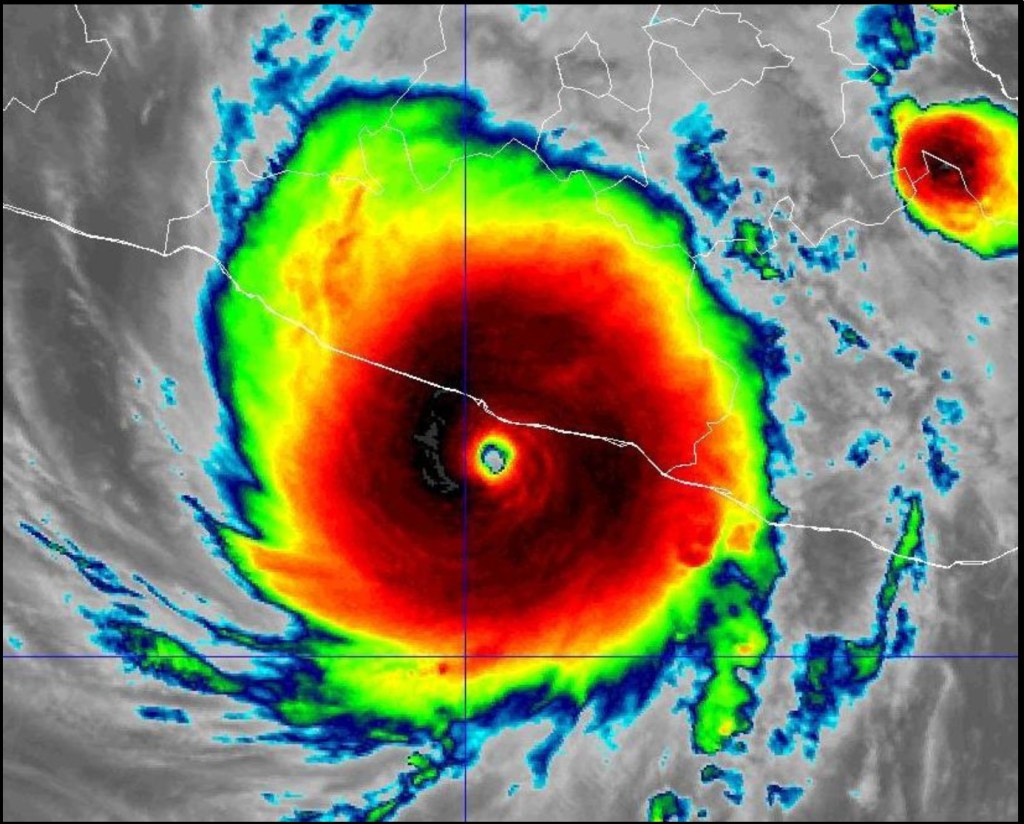
A hurricane almost reached my house once.

I was just discussing it with my neighbor yesterday.

The weather forecasts were dire, warning us of potentially catastrophic damage.

So I didn’t waste any time.

I quickly secured my house and stocked up on essential items.

As fate would have it, the hurricane changed course at the last minute, and our town was spared from its wrath.

My neighbor chuckled as he recalled my diligent preparations, suggesting that everything was a waste since the storm didn’t hit.

But was it, really?

Upon reflecting on the situation, I realized that even though the hurricane didn’t reach my house, I gained something invaluable from my preparations. Peace of mind.

You see, while everyone else was frantically scrambling and praying that the storm went away…I didn’t have to.

I knew I had done everything in my power to keep my family safe.

And I remained calm.

That, folks, is the true value of prepping.

When we invest in emergency preparedness, we’re not just planning for worst-case scenarios; we’re investing in our own mental and emotional well-being.

It’s like having a safety net for our minds.

Sure, it’s easy for my neighbor to laugh at my hurricane preparations in hindsight.

But in the moment, when the threat felt real, I knew I was ready for whatever Mother Nature had in store.

Plus, thanks to that, I know I am ready for when a real storm strikes our house.

And I am proud to say I can protect my family when that time comes.

So the next time someone tells you that prepping is a waste of time, remember this:

The peace of mind you gain from knowing you’re ready for anything is worth every bit of effort you put into it.

Besides, in a world full of uncertainties, who’s to say when the next storm might strike?

We can’t predict the weather, but we can certainly be ready for it.

The Answer To “Prepping Overwhelm”

If there’s one thing that everyone agrees about when it comes to prepping.

It’s that your “to-do” list doesn’t ever end.

One month you’re planting crops to ensure a bountiful harvest during the summer

And the next you’re gathering wood to prepare for the winter.

With so many different things to do, and variables to consider, how can you keep track of everything? And how can you measure your progress?

Well, this is why I recommend that everyone keeps a weekly prepping journal.

Before you roll your eyes and think, “Not another chore, Paul,” hear me out.

This isn’t just another task to add to your endless to-do list.

This is about having a clear, well-recorded journey of your survival prepping efforts.

It’s about acknowledging every little victory along the way. And most importantly, it’s about the progression.

Imagine this. You’ve been working on your skills, stockpiling resources, and making your house more secure.

But as the weeks go by, you don’t have a tangible way to gauge how far you’ve come.

You don’t know which area to focus on next, or which area needs more improvement.

This is very easily solved with a brief journal.

Take a few minutes at the end of every week to jot down what you’ve done towards your emergency readiness.

It could be ”I bought X amount of canned food.”

This doesn’t sound like a lot, but it’s more than what most people do.

Over time, this simple practice will give you a clear view of your journey.

You’ll see not just the biggest milestones but also the little steps you took along the way.

And trust me, those little steps add up faster than you think.

In the past, people used to say that “unexamined lives are not worth living.”

The same goes for prepping.

We need to constantly re-examine our prepping efforts. And we need to know how far we’ve come and where we need to improve.

Journaling might sound boring, but it makes everything easier.

And it takes just less time than most people think.

Why don’t you try it out?