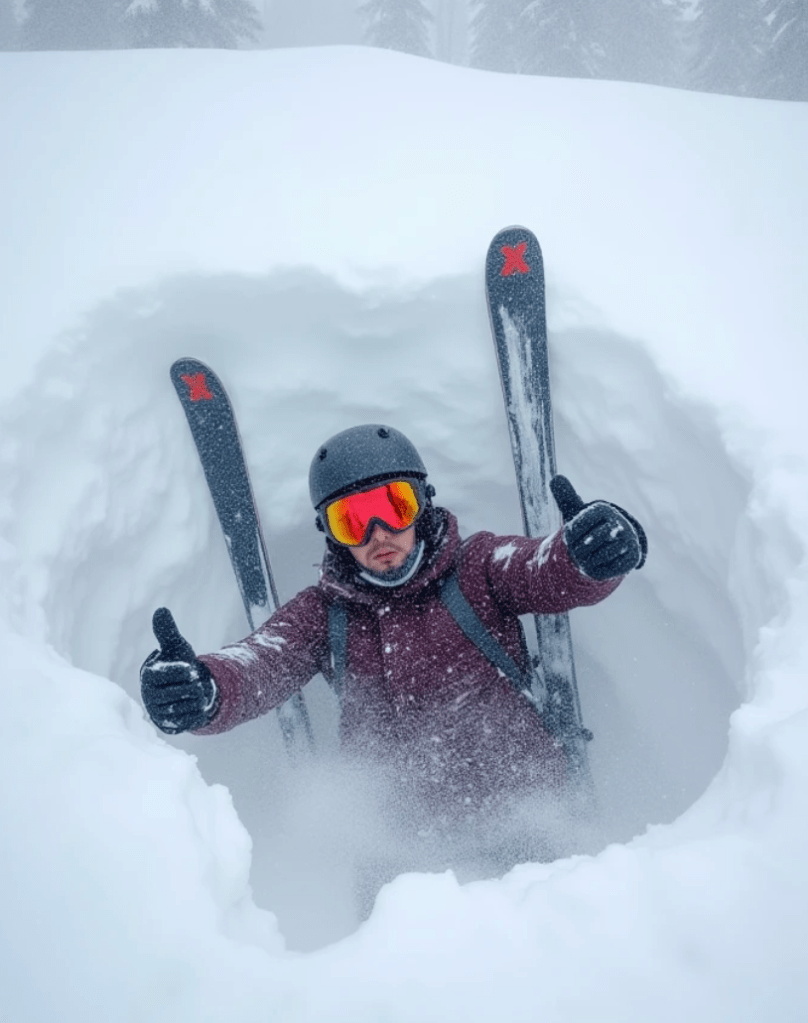
How People Really Die in Michigan Winter Storms & How to Survive When the Grid Fails

Michigan winter is deceptive.


It’s not just snow—it’s wind off the Great Lakes, ice, whiteouts, flooding, and prolonged power outages.

Lake Effect snow can dump feet of snow in hours. Ice storms snap trees like matchsticks. Wind chills drop temperatures into dangerous territory fast. And when the power goes out, entire regions are left cold, dark, and cut off.

I’ve seen people here freeze in suburban homes, poison themselves trying to stay warm, and die in vehicles they assumed would keep them safe. Michigan winter doesn’t care how long you’ve lived here—it only respects preparation.

Let’s talk about how people actually die in Michigan winter storms—and what it takes to survive when things fall apart.


❄️ The Top Ways People Die in Michigan Winter Storms

1. Hypothermia During Extended Power Outages

This is the leading cause of winter storm deaths in Michigan.

Heavy snow, ice, and wind bring down power lines fast—especially in tree-dense neighborhoods. When the power goes out:

  • Gas furnaces stop
  • Electric heat fails instantly
  • Well pumps shut down
  • Apartments lose centralized heat

Michigan homes cool quickly, especially during polar air outbreaks. Indoor temperatures can drop into the 30s within hours.

Hypothermia doesn’t require extreme cold:

  • Shivering
  • Confusion
  • Slowed movement
  • Loss of consciousness

People die because they assume the power will be restored quickly. In Michigan, it often isn’t.


2. Carbon Monoxide Poisoning From Unsafe Heating

Every major Michigan winter storm brings the same tragic pattern.

People die from:

  • Generators running in garages
  • Propane heaters used indoors improperly
  • Charcoal grills brought inside
  • Cars running in enclosed spaces

Carbon monoxide is invisible and odorless. You don’t feel it coming. You just don’t wake up.

Hypothermia starts quietly:

If it burns fuel and isn’t designed for indoor emergency use, it will kill you if you misuse it.


3. Stranded Vehicles in Whiteouts and Extreme Cold

Lake Effect snow creates sudden, blinding whiteouts.

People die because:

  • Visibility drops to zero in minutes
  • Highways shut down
  • Vehicles slide off roads
  • Cell service fails in rural areas

Once stranded:

  • Fuel runs out
  • Heat disappears
  • Wind chill accelerates hypothermia

People freeze to death in cars less than a mile from help because they underestimated how fast Michigan winter turns deadly.


4. Medical Emergencies With Delayed Response

During severe winter storms:

  • Ambulances are delayed
  • Roads are impassable
  • Hospitals are overwhelmed
  • Pharmacies close

People die from:

  • Heart attacks
  • Strokes
  • Diabetic emergencies
  • Respiratory failure
  • Loss of powered medical equipment

If you rely on oxygen, insulin refrigeration, dialysis, or CPAP machines, winter storms put your life on a countdown.


5. Falls, Ice Injuries, and Overexertion

Michigan winters turn everyday tasks into fatal ones.

Common causes of death:

  • Slips on ice
  • Head injuries
  • Broken hips
  • Heart attacks while shoveling heavy snow
  • Falls from roofs while clearing snow

When emergency response is delayed, injuries that should be survivable become deadly.


🛒 Will Grocery Stores Go Empty in Michigan During Winter Storms?

Yes—and it happens faster than people expect.

Michigan grocery stores:

  • Depend on daily truck deliveries
  • Carry limited backstock
  • Lose power during storms

Before storms:

  • Bread, milk, eggs vanish
  • Bottled water disappears
  • Batteries, propane, and generators sell out

After storms:

  • Trucks stop running
  • Stores close or operate on limited hours
  • Shelves stay empty for days

If you wait until the storm is already coming, you’ve already lost.


🍲 Survival Food Prepping for Michigan Winter Storms

Cold burns calories. Hunger weakens your ability to stay warm.

Best Survival Foods to Stock

Shelf-Stable Staples

  • Canned soups and chili
  • Canned meats
  • Beans and lentils
  • Rice and pasta
  • Peanut butter
  • Oatmeal

No-Cook Foods

  • Protein bars
  • Trail mix
  • Jerky
  • Crackers

Water

  • Minimum 1 gallon per person per day
  • Plan for 7 days

Winter storms can disrupt water treatment and pumping stations. Stored water is non-negotiable.


🔋 Solar Generators: A Smart Choice for Michigan Winters

Michigan power outages often last multiple days, especially after ice storms.

Gas generators:

  • Require fuel that disappears quickly
  • Produce carbon monoxide
  • Cannot be safely used indoors

Solar generators:

  • Safe indoors
  • Silent
  • No fumes
  • Recharge via solar panels—even in winter daylight

What Solar Generators Can Power

  • Medical devices
  • Phones and emergency radios
  • Lights
  • Refrigerators (cycled)
  • Small heaters (used cautiously)

Safe indoor power keeps people alive when the grid fails.


🧰 Best Survival Supplies for Michigan Winter Storms

Every Michigan household should have:

Warmth & Shelter

  • Cold-rated sleeping bags
  • Wool blankets
  • Thermal base layers
  • Hats, gloves, thick socks
  • Indoor-safe heaters
  • Carbon monoxide detectors

Power & Light

  • Solar generator
  • Solar panels
  • Battery lanterns
  • Headlamps
  • Extra batteries

Medical & Safety

  • First aid kit
  • Extra prescription medications (7–10 days)
  • Fire extinguisher

Cooking

  • Camping stove
  • Extra fuel
  • Matches or lighters
  • Basic cookware

🧠 Why Survival Prepping Matters in Michigan

Michigan winter storms don’t just inconvenience people—they overwhelm systems.

Power grids fail.
Roads shut down.
Supply chains stop.

Prepping isn’t extreme—it’s responsible.

If you live in Michigan and don’t plan for extended winter outages, you are trusting luck to keep you alive.

Luck fails every winter.


🧊 How to Survive a Michigan Winter Storm

  1. Stay Off the Roads
    • Whiteouts kill drivers fast
  2. Layer Up Indoors Immediately
    • Don’t wait for the house to cool
  3. Create a Warm Zone
    • One room
    • Block drafts
    • Insulate windows and doors
  4. Ration Power
    • Medical needs first
    • Lighting second
  5. Eat and Hydrate
    • Calories help maintain body heat
  6. Stay Informed
    • Weather radio
    • Emergency alerts

🚨 Michigan’s Top Survival Prepper’s Final Words of Safety

Michigan winter doesn’t care how familiar snow is to you.
It doesn’t care how many storms you’ve lived through.
And it doesn’t care if you “thought you were ready.”

Cold, wind, darkness, and isolation kill quietly and efficiently.

Prepare before the storm—or become another winter statistic people talk about when the snow finally melts.


Hidden Michigan Camping Gems for Survivalists and Preppers

As a survival prepper living in Michigan, you know that preparedness is key. Whether you’re preparing for a long-term emergency, testing your gear, or just embracing the wilderness, knowing where to find the best campsites is crucial. Michigan offers a wide range of outdoor environments, from dense forests and towering pines to expansive lakeshores and rugged landscapes. If you’re planning to escape the grid or simply perfect your prepping skills, the right campsite can make all the difference.

CLICK HERE TO LEARN HOW TO SURVIVE A FAMINE

I’ve personally spent countless nights camping across the state, and I can tell you that Michigan is a hidden gem for survivalists. With a little planning and the right mindset, these campgrounds offer excellent opportunities for honing your survival skills while enjoying the state’s natural beauty. Whether you’re a seasoned prepper or just starting out, these sites are perfect for testing your gear, learning new skills, or practicing emergency preparedness. Let’s dive into the top camping spots for survival preppers across Michigan.

1. Huron-Manistee National Forests

Located in central Michigan, Huron-Manistee National Forests offer more than 900,000 acres of diverse terrain, including dense forests, open meadows, and several lakes. With over 300 miles of hiking trails, the forest is perfect for survivalists who want to practice wilderness navigation, bushcraft, and shelter building.

The forest has plenty of campsites that are remote enough for preppers to practice real-world survival skills, but still accessible if you need to bail out quickly. There’s ample game for hunting, freshwater sources for filtering, and thick foliage for setting up camouflaged shelters. This is one of the best spots to prep for a bug-out scenario.

Why Preppers Love It: Remote and diverse, perfect for extended survival training, and great fishing opportunities.

2. Porcupine Mountains Wilderness State Park

The Porcupine Mountains, often referred to as “The Porkies,” is one of Michigan’s most rugged wilderness areas, located in the Upper Peninsula. It’s a popular destination for hikers and survivalists looking to test their wilderness skills. The park features over 60,000 acres of dense forests, steep hills, and pristine lakes, offering survivalists the chance to practice navigating through challenging terrain.

With remote campsites and few modern amenities, this park is perfect for those who want to experience true wilderness living. You can practice building shelters, finding wild edibles, and setting up long-term camps in a natural environment that will make you feel isolated and self-reliant.

Why Preppers Love It: Ideal for long-term survival practice, remote campsites, and abundant natural resources.

3. Sleeping Bear Dunes National Lakeshore

Sleeping Bear Dunes is famous for its towering dunes, breathtaking views, and proximity to Lake Michigan. But beyond its beauty, it’s also a perfect location for preppers looking to test their skills. The park features a mix of dunes, forests, and lakeshores, with plenty of terrain to practice building shelters and navigating diverse landscapes.

For survival preppers, the real gem is the remote, backcountry campsites, which allow for quiet, uninterrupted training. The park also offers opportunities for fishing, hiking, and observing wildlife—all important for learning self-sufficiency in the wild.

Why Preppers Love It: A variety of landscapes to practice different skills, remote campsites, and proximity to water.

4. Manistee National Forest

Another large national forest in Michigan, Manistee offers over 500,000 acres of forested land, making it ideal for preppers looking for solitude and the chance to practice survival skills. You’ll find miles of hiking trails, secluded campsites, and the Big Manistee River for fishing or water purification practice.

The terrain varies from flat lands to hilly areas, giving preppers a chance to work on different survival techniques. It’s also a great location for long-term camping and off-grid living, especially if you’re looking for a place to bug out in an emergency scenario.

Why Preppers Love It: A vast, diverse landscape for practicing all kinds of survival skills.

5. Isle Royale National Park

Isle Royale, located in the northwest part of Lake Superior, is a unique and remote national park that offers unparalleled opportunities for preppers. Accessible only by boat or seaplane, this island is a true escape from civilization. Its remote location means that preppers can practice self-sufficiency without any nearby distractions or modern amenities.

The park is home to dense forests, rugged shorelines, and plenty of wildlife, including moose and wolves. It’s perfect for preppers looking to truly disconnect and live off the land for an extended period. With over 165 miles of hiking trails, the island offers a variety of terrains and challenges.

Why Preppers Love It: Truly isolated and remote, great for extended survival training, and abundant wildlife.

6. Cheboygan State Park

Located in the northern Lower Peninsula, Cheboygan State Park offers a great mix of forests, wetlands, and shoreline along Lake Huron. The park has several secluded campsites that offer privacy and a perfect spot for practicing wilderness survival techniques. It’s not as remote as some of the other locations on this list, but its diverse ecosystems provide a variety of opportunities for survival training.

Why Preppers Love It: Secluded campsites, good fishing, and an opportunity to practice wilderness navigation along lakes and forests.

7. North Manitou Island

Part of the Sleeping Bear Dunes National Lakeshore, North Manitou Island is one of Michigan’s most isolated camping areas. It’s only accessible by boat, making it a prime location for survival preppers. With dense forests, lakes, and minimal human presence, the island provides the perfect environment to test your survival gear and skills.

Wildlife on the island includes deer, foxes, and various bird species, which provides great opportunities for hunting and foraging. This is ideal for those looking for a truly off-grid, isolated experience.

Why Preppers Love It: Isolation, minimal human activity, and natural resources make it perfect for survival scenarios.

8. Kalkaska County State Forest

For preppers seeking a more accessible camping site, Kalkaska County State Forest offers excellent opportunities to practice bushcraft and wilderness survival. This forest is located near Traverse City and features a mix of wooded areas, wetlands, and rivers. It’s a great spot for practicing water purification, fire starting, and shelter building.

Why Preppers Love It: Remote, yet easily accessible; varied terrain with lakes and rivers for fishing and water gathering.

9. Big Bear Lake State Forest Campground

Big Bear Lake offers a quieter, more secluded experience for preppers who want to escape the crowds. Situated in the northern Lower Peninsula, it provides peaceful surroundings and a variety of terrain for practicing wilderness skills. The lake is perfect for practicing water filtration and fishing, while the surrounding woods offer ample shelter-building material and space for long-term camping.

Why Preppers Love It: Peaceful, secluded, and plenty of natural resources for testing survival techniques.

10. Lake Michigan Campground at Ludington State Park

Ludington State Park is known for its beauty, but it’s also a great spot for preppers who want to practice coastal survival skills. The park features diverse landscapes, including dense forests, dunes, and lakeshores. The Lake Michigan Campground offers a more rustic experience with opportunities for fishing, water purification, and shelter building.

Why Preppers Love It: Varied terrain with the added challenge of lakeside survival, making it perfect for testing water filtration and fishing techniques.

11. Wells State Park

Located on the shores of Lake Michigan, Wells State Park offers a mix of forests, dunes, and wetlands. It’s an excellent place to practice wilderness navigation and build your survival skills. The park has fewer crowds than some of Michigan’s more famous parks, giving preppers the privacy needed for effective training.

Why Preppers Love It: Diverse terrain, remote campsites, and excellent opportunities for water purification and fishing.


30 Michigan Camping Sites Every Survival Prepper Should Know

  1. Huron-Manistee National Forests
  2. Porcupine Mountains Wilderness State Park
  3. Sleeping Bear Dunes National Lakeshore
  4. Manistee National Forest
  5. Isle Royale National Park
  6. Cheboygan State Park
  7. North Manitou Island
  8. Kalkaska County State Forest
  9. Big Bear Lake State Forest Campground
  10. Lake Michigan Campground at Ludington State Park
  11. Wells State Park
  12. Muskegon State Park
  13. Holland State Park
  14. Pictured Rocks National Lakeshore
  15. Tahquamenon Falls State Park
  16. Straits State Park
  17. Tippy Dam Recreation Area
  18. Wilderness State Park
  19. Fife Lake State Forest Campground
  20. Bay City State Park
  21. Aloha State Park
  22. Yankee Springs Recreation Area
  23. Ludington State Park
  24. Ann Arbor Campground
  25. Hartwick Pines State Park
  26. Port Crescent State Park
  27. Grand Traverse County Campground
  28. Interlochen State Park
  29. Woodland Park Campground
  30. Traverse City State Park

In Conclusion

Whether you’re prepping for a long-term bug-out scenario or just want to hone your survival skills, Michigan offers a variety of camping spots that will test and improve your abilities. From the dense forests of the Upper Peninsula to the rugged lakeshores of the Lower Peninsula, these 30 campsites provide the perfect environment for honing your survival techniques.

Each location offers unique challenges, from building shelters in dense woodlands to fishing in pristine lakes and learning how to navigate remote areas. As survival preppers, it’s important to always be prepared, and what better way to practice than in Michigan’s diverse, beautiful wilderness?