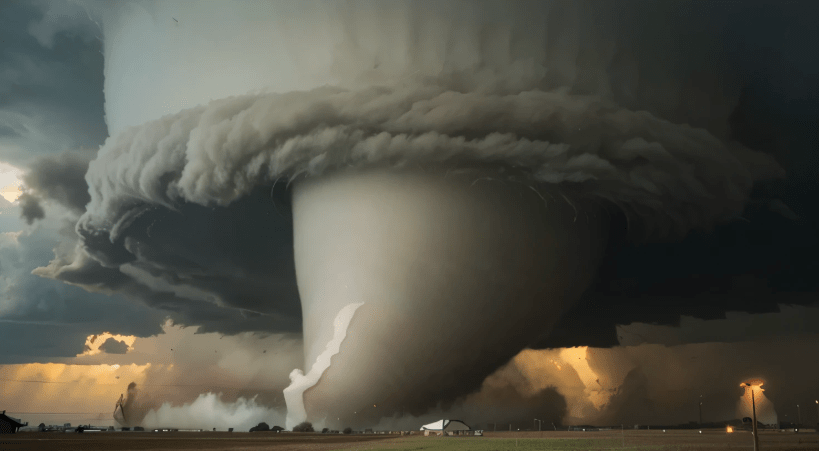
Surviving Oregon: Essential Prepper Tips for the Worst Natural Disasters

Living in Oregon means you get to experience the breathtaking beauty of our mountains, forests, and coastline. But with those natural wonders come some serious challenges. From earthquakes that could shake the entire state to wildfires that sweep across vast areas, Oregon residents need to be prepared for the unexpected. Natural disasters are a reality here, and as a prepper, it’s crucial to know what to expect and how to stay alive when everything goes sideways. In this article, we’ll dive into how Oregonians can prepare for the state’s worst natural disasters.

Understanding Oregon’s Natural Disaster Risks

CLICK HERE TO LEARN HOW TO SURVIVE A FAMINE

Oregon is no stranger to natural disasters. The state’s unique geography and climate mean that we’re at risk for multiple types of catastrophic events. Here’s a breakdown of the most common disasters Oregonians face:

  1. Earthquakes: Oregon lies on the Cascadia Subduction Zone, a fault line that runs off the coast and could produce a major earthquake at any time. The Cascadia earthquake, expected to be a magnitude 9 or higher, could devastate much of the state, with significant infrastructure damage and widespread chaos.
  2. Wildfires: Oregon’s forests are a beauty to behold, but they are also highly susceptible to wildfires. These fires can start easily in the dry summer months and quickly spread across thousands of acres.
  3. Flooding: Heavy rains, especially in the winter months, can cause flooding in the Willamette Valley and along the coast. Floodwaters can wash out roads, damage homes, and create long-lasting issues for affected communities.
  4. Tsunamis: Living on the coast or in low-lying coastal areas means being at risk of a tsunami triggered by a major earthquake along the Cascadia fault.
  5. Severe Weather: While not as frequent, Oregon can experience extreme weather conditions, including ice storms, snowstorms, and windstorms. The mountainous regions often see heavy snowfall, and the coastal areas can be hit by intense wind events.

For those of us living here, preparing for the worst is not just an option—it’s a necessity.

How to Prepare for Oregon’s Worst Natural Disasters: A Prepper’s Guide

Now that we understand the types of natural disasters Oregon faces, it’s time to talk about how to prepare for them. Here’s a prepper’s guide to surviving these emergencies:

1. Build a Comprehensive Emergency Kit

Every prepper needs an emergency kit, and it should be tailored to the specific needs of your region. For Oregon residents, this means being prepared for both earthquakes and wildfires. Your kit should include water, non-perishable food, a first aid kit, a flashlight, a radio, batteries, and essential medications. Don’t forget to include clothing suited for all weather conditions, such as rain gear, warm clothing, and sturdy boots.

Prepper Tip: Include a fire extinguisher in your kit to address wildfires that may break out near your home.

2. Plan Your Evacuation Routes

In the event of an earthquake or wildfire, evacuation could be a matter of life and death. Make sure to identify multiple evacuation routes from your home, especially if you live in a high-risk area. Know where your nearest emergency shelters are located, and practice evacuation drills with your family.

Prepper Tip: If you live in a coastal area, know your tsunami evacuation route and where high ground is.

3. Seismic Safety for Earthquakes

Oregon is prone to earthquakes, and the Cascadia Subduction Zone could produce a massive quake at any time. To prepare, secure heavy furniture and objects that could fall during a tremor. Reinforce doors, windows, and walls to withstand shaking. Make sure your home’s foundation is secure, and if you’re in a high-risk area, consider retrofitting your home for earthquake resistance.

Prepper Tip: Keep a hardhat and protective gloves in your emergency kit in case you need to navigate debris after an earthquake.

4. Create a Wildfire Defense Plan

Wildfires are a constant threat in Oregon, especially during the hot summer months. To defend your property, clear away any dead vegetation, leaves, or dry brush from around your home. Trim back trees and shrubs that could catch fire. Additionally, keep your lawn well-watered and ensure that you have access to water sources for firefighting.

Prepper Tip: Install fire-resistant roofing and siding, and always keep a hose, shovels, and fire tools handy during fire season.

5. Flood Preparedness for the Willamette Valley

The Willamette Valley is particularly susceptible to flooding, so it’s essential to have a plan in place for when waters rise. Elevate important items in your home above potential flood levels. Stockpile sandbags, and make sure your sump pump is working properly. If you live in a floodplain, consider flood insurance to protect your property.

Prepper Tip: Avoid driving through floodwaters, and have a boat or raft on standby in case of an emergency.

6. Tsunami Preparedness for Coastal Areas

If you live near the Oregon coast, tsunami preparedness is crucial. Make sure you have an evacuation plan that leads you to high ground away from the shore. Tsunamis can strike minutes after an earthquake, so it’s essential to act quickly. Always have a battery-powered weather radio to get updates on potential tsunami warnings.

Prepper Tip: Educate your family about tsunami evacuation zones and practice evacuation drills regularly.

7. Stockpile Emergency Food and Water

In the aftermath of a disaster, supplies can run out quickly. For that reason, it’s important to store at least a 72-hour supply of emergency food and water. Focus on high-calorie, non-perishable foods like freeze-dried meals, canned goods, and protein bars. Be sure to rotate your stock every six months to ensure freshness.

Prepper Tip: Keep a portable water filtration system in your kit to purify any local water sources if necessary.

8. Secure Communications

During a disaster, cell networks may go down, so it’s essential to have alternate methods of communication. Invest in two-way radios, a satellite phone, or a ham radio. Make sure everyone in your family knows how to use these devices and has a way to communicate if phone lines are down.

Prepper Tip: Have a paper copy of important phone numbers and contact information, as digital devices may not work in all situations.

9. Practice Self-Sufficiency Skills

Living in Oregon means having the skills to survive when the grid goes down. Learn how to hunt, fish, forage, and grow your own food. Understand basic first aid, fire-starting techniques, and how to purify water.

Prepper Tip: Invest in a good set of tools for gardening, hunting, and emergency repairs.

10. Keep Your Gas Tank Full

Oregon’s remote areas can become isolated during natural disasters, so always keep your vehicle’s gas tank at least half full. This ensures you’ll have enough fuel to evacuate if needed and can power your vehicle’s generator for emergencies.

Prepper Tip: Keep a spare fuel container on hand in case you need extra gas.

Conclusion: Prepare for the Worst, Hope for the Best

Living in Oregon means living with the constant possibility of natural disasters. As a prepper, it’s essential to stay vigilant and be prepared for whatever comes your way. By following these tips, you can ensure that you and your loved ones are ready to handle everything from earthquakes to wildfires to tsunamis. It’s not just about surviving; it’s about thriving in the face of disaster. Stay safe, stay prepared, and trust that your efforts will pay off when disaster strikes.


Incorporating these survival tips will give you the peace of mind knowing that, no matter what Oregon throws at you, you’ll be ready to weather the storm—literally.


Best Kentucky Prepper’s Handbook: Mastering Natural Disaster Preparedness

Surviving Kentucky: A Prepper’s Guide to Natural Disaster Readiness

Living in Kentucky means embracing the land’s beauty and unpredictability. As a prepper in the Bluegrass State, I’ve learned that readiness isn’t just a choice—it’s a necessity. From the rolling hills to the winding rivers, Kentucky offers both serenity and peril. Understanding the natural disasters that frequent our state and preparing accordingly can make the difference between life and death.


Understanding Kentucky’s Natural Disasters

CLICK HERE TO LEARN HOW TO SURVIVE A FAMINE

Kentucky’s diverse geography subjects it to various natural disasters:

  • Tornadoes: The state ranks among the top in the nation for tornado occurrences. The western region, including areas like Mayfield, has been particularly hard-hit. AP News
  • Flooding: Heavy rains can lead to flash floods, especially in eastern Kentucky’s mountainous terrain.
  • Winter Storms: The state’s unpredictable winters bring ice storms and heavy snowfalls, disrupting power and transportation.
  • Earthquakes: The New Madrid Fault Line runs through western Kentucky, posing a significant seismic risk. Kentucky and Beyond
  • Severe Thunderstorms: These can spawn tornadoes, hail, and damaging winds, affecting the entire state.

10 Survival Prepper Tips for Kentucky Residents

  1. Build a Comprehensive Emergency Kit: Include at least a three-day supply of water (one gallon per person per day), non-perishable food, a manual can opener, flashlights, batteries, a first aid kit, and necessary medications. SELF+3GQ+3Kenton Hardin Health Department+3
  2. Create a Family Emergency Plan: Establish meeting points, communication methods, and evacuation routes. Practice this plan regularly with all family members.
  3. Stay Informed with NOAA Weather Radio: A battery-powered or hand-crank NOAA Weather Radio can provide real-time alerts for severe weather events. Kenton Hardin Health Department+1GQ+1
  4. Secure Your Home Against Tornadoes: Identify a safe room or basement. If in a mobile home, evacuate immediately during a tornado warning. kyem.ky.gov+1Western Kentucky University+1
  5. Prepare for Flooding: Keep important documents in waterproof containers. Elevate electrical appliances above potential flood levels.
  6. Winterize Your Home: Insulate pipes, stock up on salt for de-icing, and have extra blankets and warm clothing on hand during winter months.
  7. Earthquake Preparedness: Secure heavy furniture to walls, practice “Drop, Cover, and Hold On” drills, and have an emergency kit readily accessible. Kenton Hardin Health Department+4police.uky.edu+4Western Kentucky University+4
  8. Maintain a Go-Bag: Pack essentials like water, food, clothing, and important documents in a bag that can be grabbed quickly in case of evacuation.
  9. Develop a Pet Emergency Plan: Ensure pets have identification, a supply of food and water, and a plan for shelter during disasters. Kenton Hardin Health Department
  10. Engage with Local Emergency Services: Join programs like Community Emergency Response Teams (CERT) to stay informed and assist during emergencies. LINK nky

Conclusion

Being a prepper in Kentucky isn’t about fear—it’s about empowerment. By understanding the risks and taking proactive steps, we can safeguard ourselves, our families, and our communities. Remember, preparedness isn’t just a one-time task; it’s an ongoing commitment to resilience.

This Is How Colorado Residents Prepare for the State’s Worst Natural Disasters

How Colorado Residents Prepare for the State’s Worst Natural Disasters

Living in Colorado can feel like a blessing, especially with the picturesque mountains, expansive forests, and rich wildlife. But, as anyone who’s been here for any length of time knows, it’s not all about snow-capped peaks and stunning vistas. Colorado is also home to some of the most intense and unpredictable natural disasters in the United States. As a survival prepper in Colorado, you’ve got to be ready for everything—from wildfires to blizzards and everything in between.

1. Wildfires: A Growing Threat

Colorado has been on the frontlines of some of the most devastating wildfires in history. The state’s dry climate, combined with seasonal winds, makes it ripe for catastrophic wildfires that can spread with terrifying speed. As a prepper, it’s essential to be ready for this possibility year-round. The fires don’t just happen in the summer, either. Wildfires can flare up any time there’s dry vegetation and the right conditions, and they can spread rapidly, threatening not just homes but entire communities.

Survival Tip #1: Always have an evacuation plan. Know multiple routes out of your neighborhood or town and make sure your vehicle is stocked with essentials, including a first-aid kit, extra water, and your emergency bug-out bag.

2. Snowstorms and Blizzards: The Danger of the Winter Months

If you live in Colorado, you’ve likely experienced the frustration of being snowed in. The state’s high elevation and unpredictable weather patterns make it susceptible to heavy snowstorms and blizzards, particularly in the mountains. These can make roads impassable, isolate communities, and cause power outages for days, or even weeks.

In Colorado’s mountainous areas, snowstorms can hit at any time, but they’re most common from October through April. If you’re up in the higher elevations, you need to be especially mindful of blizzards, which can drop several feet of snow and drastically reduce visibility in mere minutes.

Survival Tip #2: Keep a well-stocked emergency supply kit in your home, including extra blankets, warm clothing, flashlights, batteries, non-perishable food, and a portable generator.

Survival Tip #3: When traveling during the winter, always have a shovel, ice scraper, and extra supplies like blankets, a firestarter, and a portable stove to cook food if you get stuck.

3. Flooding: Flash Floods and Overflowing Rivers

In the spring and early summer, Colorado can experience sudden and intense rainfall that causes flash floods. These floods can happen quickly, especially in the foothills and along the many rivers that snake through the state. Flash floods can inundate entire neighborhoods in a matter of minutes, washing away vehicles, homes, and even entire stretches of roads.

As a prepper, you should always know whether you live in a flood-prone area. Areas near rivers, streams, or urban drainage systems are especially susceptible. But remember, flash floods aren’t always predictable, and they can strike anywhere, including in regions that typically experience drier weather.

Survival Tip #4: Know your flood zone. If you live in a flood-prone area, keep important documents in a waterproof container and be ready to evacuate at a moment’s notice.

Survival Tip #5: If flash flooding is possible, move to higher ground immediately. Don’t wait for an evacuation order, as roads can become impassable very quickly.

4. Tornadoes: A Silent Threat in Eastern Colorado

Tornadoes are most commonly associated with the Midwest, but Colorado is no stranger to these powerful, destructive storms. Tornadoes are more common in the eastern plains of Colorado, where conditions are ideal for these storms to form. In fact, Colorado sees an average of 50 tornadoes a year, making it one of the top 10 states for tornado activity.

The storms usually develop during the late spring and summer, often in the late afternoon or early evening. Tornadoes in Colorado tend to be smaller and shorter-lived than those in places like Kansas, but they can still cause significant damage and pose a serious risk to life and property.

Survival Tip #6: Keep an emergency weather radio on hand so you can receive timely tornado warnings. Have a designated safe space in your home, such as a basement or interior room, where you can seek shelter if a tornado warning is issued.

5. Earthquakes: Not as Common, But Possible

While not as frequent as wildfires or blizzards, earthquakes can and do happen in Colorado. The state has seen several notable earthquakes over the years, and they’re most common along the state’s western edge near the Colorado Plateau. Though Colorado’s earthquakes are typically small, they can still cause significant damage, especially to older buildings and infrastructure.

Though the risk of a major earthquake is lower compared to places like California, it’s always a good idea to be prepared for the unexpected.

Survival Tip #7: If you’re in a building when an earthquake strikes, drop to the ground, take cover under something sturdy, and hold on until the shaking stops. Always keep a set of sturdy shoes and a flashlight near your bed in case of a quake at night.

6. Droughts: Managing Water in Arid Conditions

CLICK HERE TO LEARN HOW TO SURVIVE A FAMINE

Colorado’s semi-arid climate means that droughts are a regular occurrence. These dry spells can last for months or even years, and they can have devastating effects on the state’s agriculture, water supply, and wildfires. As a prepper, it’s important to conserve water and be mindful of how long your water supplies might last during times of drought.

Survival Tip #8: Stockpile water—at least one gallon per person per day for a week—and learn how to filter and purify water from local sources if necessary.

Survival Tip #9: Grow a drought-resistant garden with native plants, and use water-efficient techniques like drip irrigation to make the most of your water supply.

7. Preparing for the Unexpected

While wildfires, snowstorms, floods, and tornadoes are the most well-known threats, Colorado can throw a variety of other natural disasters at you, including hailstorms, landslides, and even extreme heat waves. The best way to prepare for the unpredictable is to think ahead and prepare for every possibility.

Survival Tip #10: Always have a bug-out bag ready with essentials like food, water, a first-aid kit, and tools. Make sure you have a plan for communicating with loved ones during a disaster, and have a list of emergency contacts.

Conclusion: Stay Ready, Stay Safe

Living in Colorado means embracing the beauty of the landscape—and understanding that with that beauty comes a variety of risks. Whether it’s the raging wildfires, the heavy snowstorms, or the flash floods, being a survival prepper here requires vigilance, foresight, and a commitment to always being ready for what’s next.

By taking the time to prepare and learn how to react in any given situation, you can ensure the safety and security of yourself and your family, no matter what natural disaster comes your way.


The Hidden Dangers of Hunting: 4 Deadly Scenarios Every Prepper Should Know

As a prepper, every trip into the wild is a calculated risk. We’ve all seen the romanticized images of rugged individuals hunting game for survival, but the reality is far more complicated than simply stalking and shooting an animal. Hunting for food is not just about your aim or the size of the game you take down—it’s about the risks that come with sourcing your food in uncertain, potentially dangerous environments.

I learned this the hard way during a hunting trip a few years ago, one I had gone into expecting a peaceful few days of solitude. I was in my element, tracking through the dense woods, preparing for the hunt. As dawn broke and the sun crept over the horizon, I spotted a decent-sized deer grazing in a clearing. But something wasn’t right. The deer wasn’t moving normally—it was disoriented, stumbling around in a way that didn’t fit with its usual grace.

At first, I thought maybe it was just an injury, but as I looked closer, something clicked. I realized that this animal wasn’t just sick—it was dangerous to even consider hunting it.

Why? Because when it comes to hunting for food in an uncertain environment, not every animal is safe to eat. Animals, much like the environment, are susceptible to contamination, disease, and environmental pollutants that make them dangerous, even deadly, to consume. This was a stark reminder that in survival situations, we must think beyond simply capturing game. We must understand the environment, the risks, and the potential dangers hidden in the wildlife itself.

Let’s break down the four key situations when hunting becomes a deadly gamble and why preppers need to be prepared to walk away from certain scenarios.


1. Hunting Near Post-Industrial Areas

Prepper Tip #1: Stay away from abandoned factories and industrial zones. These areas are hotspots for environmental contamination, and hunting near them can lead you to dangerous, contaminated game.

Industrial waste is a real threat. Old factories, chemical plants, and abandoned warehouses may be sitting on years of pollution. Toxic waste and hazardous chemicals can seep into the surrounding soil, water, and vegetation, eventually poisoning the animals that live there.

In a post-collapse scenario, the risk of industrial contamination becomes even more dangerous. If you’re hunting near an industrial zone, there’s a very real chance the local wildlife has been exposed to toxins like heavy metals, petrochemicals, or other hazardous substances that are lethal or cause long-term health problems. Eating contaminated meat can lead to poisoning or even death.

Animals that ingest contaminated food or water may show signs of sickness, like lethargy or erratic behavior, making them easy to spot as unsafe to hunt. Keep a wide berth from these areas and avoid the temptation to harvest animals in regions where contamination might be a risk.


2. Hunting After a Nuclear Event

Prepper Tip #2: In the aftermath of a nuclear disaster, don’t risk eating animals that might have been exposed to radiation. Radiation can linger in the environment, contaminating animals and plants for months or even years.

If a nuclear event occurs, it changes everything—especially when it comes to hunting for food. Animals are highly susceptible to radiation exposure, especially after a nuclear disaster. A nuclear explosion releases dangerous radiation into the atmosphere, which can settle in the environment, contaminating water sources, soil, and vegetation.

Deer, rabbits, and other wildlife that live in these areas can absorb radiation directly into their bodies. The meat of these animals could be radioactive and pose severe health risks, including cancer, radiation sickness, or death.

In a post-collapse world, radiation contamination will be a reality in certain areas. If you’re hunting in an area near where a nuclear disaster occurred, it’s safer to assume that the animals you find in that region are contaminated. Don’t take the risk—hunting in areas that have been affected by nuclear events is a life-threatening decision.


3. Hunting During or After Wildfires

Prepper Tip #3: Wildfires release heavy metals and dangerous toxins. Stay clear of hunting areas that have been burned recently, as animals might have ingested harmful contaminants.

Wildfires aren’t just destructive—they release a wide range of toxins into the air. The smoke, ash, and burnt materials carry heavy metals, chemicals, and carcinogenic compounds that settle on plants and animals in the affected areas.

Wildlife exposed to these contaminants can carry harmful substances in their bodies. Animals that consume contaminated plants or water may suffer from organ damage or weakened immune systems. Their meat can be toxic to humans, especially if it’s been exposed to heavy metals like arsenic or lead, which are common in burned environments.

The risks are clear—if you’re hunting in or near areas recently ravaged by wildfires, do not consume the game. There’s a chance that these animals have absorbed toxic chemicals into their flesh, and eating them could lead to serious health problems. Always assess the environment before deciding to hunt in these areas.


4. Hunting During Disease Outbreaks

Prepper Tip #4: Look for signs of disease in animals, like abnormal behavior or physical symptoms such as drooling, trembling, or lack of coordination. Don’t risk eating game that’s showing symptoms of illness.

Diseases like Chronic Wasting Disease (CWD) in deer, Rabies, or Avian Influenza in birds can turn an otherwise healthy animal into a dangerous and unsafe source of food.

CWD is particularly concerning for hunters—this prion disease affects deer, elk, and moose, and causes them to exhibit strange behavior, such as stumbling, drooling, and lack of coordination. The infected animals can carry the disease in their body for months, making the meat unsafe to eat.

Signs to look for: If you’re out hunting and see a deer or any other animal exhibiting abnormal behavior—do not attempt to hunt it. It’s likely infected, and the disease can be transmitted to humans or other animals. Always err on the side of caution and avoid harvesting any game that is showing symptoms of illness.


5. General Survival Tips for Preppers:

  • Tip #5: Always carry a field guide to identify diseases and signs of contamination in wildlife.
  • Tip #6: Carry water purification tablets and know how to filter water if you’re hunting near questionable water sources.
  • Tip #7: Invest in a reliable geiger counter to test for radiation if you’re near suspected contaminated zones.
  • Tip #8: Keep a basic first aid kit that includes anti-toxins and antibiotics to treat potential exposure to contaminated meat.
  • Tip #9: Trust your instincts. If something seems wrong with the game, walk away.
  • Tip #10: Diversify your food sources. Don’t rely solely on hunting—always have backup food like stored grains, seeds, and preserved meat.

Conclusion: When SHTF, Know the Risks

Hunting for food in a survival situation is about much more than simply getting a kill. It’s about understanding the risks of contamination, disease, and environmental hazards. The wilderness isn’t a place where you can afford to ignore the signs of danger.

Stay informed, stay alert, and always know when to walk away from a potentially risky situation. By doing so, you’ll not only protect yourself from foodborne illness or worse—but you’ll ensure that your survival strategy is built on a foundation of smart, well-informed decisions.

The stakes are high. Make every hunt count—but don’t let it be your last.

California Wildfire Survival: A Prepper’s Step-by-Step Guide

Good evening, California! As we brace for another fire season, it’s crucial to be prepared. Recent wildfires, like the devastating January 2025 Eaton and Palisades fires, have underscored the importance of readiness. Over 200,000 residents were evacuated, and more than 18,000 structures were destroyed.


🔥 Top 10 Wildfire Survival Tips for Preppers

  1. Create Defensible Space: Maintain a defensible space of at least 100 feet around your home. Trim trees and shrubs, mow grass to a height of 4 inches, and remove dead vegetation. CAL FIRE
  2. Harden Your Home: Use fire-resistant materials for roofing, siding, and decks. Install ember-resistant vents and cover eaves and decks with fire-resistant materials. CAL FIRE
  3. Prepare a ‘Go Bag’: Pack essential items such as water, non-perishable food, medications, important documents, and a flashlight. CAL FIRE+2Ready for Wildfire+2AP News+2
  4. Know Multiple Evacuation Routes: Familiarize yourself with at least two routes out of your area. Roads can become congested or blocked during evacuations.
  5. Stay Informed: Sign up for local alert systems to receive timely evacuation orders and updates. AP News+1AP News+1
  6. Secure Your Home: Before evacuating, close all windows and doors, remove flammable window coverings, and shut off gas and propane tanks. Ready for Wildfire
  7. Protect Pets and Livestock: Have carriers and leashes ready for pets. Arrange transportation for larger animals and know where to take them. Ready for Wildfire
  8. Maintain Emergency Supplies: Keep a battery-powered radio, extra batteries, and a first aid kit in your emergency kit.
  9. Practice Evacuation Drills: Regularly rehearse your evacuation plan with all family members to ensure everyone knows what to do. Ready for Wildfire
  10. Stay Calm and Follow Official Instructions: During an evacuation, remain calm, follow official instructions, and avoid taking unnecessary risks.

🏙️ Most Fire-Prone Cities in California

Recent studies have identified several California cities as being particularly vulnerable to wildfires:

  • Pacific Palisades: Located in Los Angeles County, this coastal community has experienced devastating fires, including the January 2025 Palisades Fire. Wikipedia+1San Francisco Chronicle+1
  • Altadena: Situated northeast of Pasadena, Altadena was severely affected by the Eaton Fire, resulting in significant property damage. The Washington Post+1Wikipedia+1
  • Moraga and Orinda: These East Bay towns are characterized by fire-prone ecology and narrow roads, making firefighting challenging. San Francisco Chronicle
  • Santa Rosa: Located in Sonoma County, Santa Rosa has experienced multiple devastating wildfires, including the 2017 Tubbs Fire.
  • Redding: Situated in Shasta County, Redding has been impacted by several large wildfires, including the 2018 Carr Fire.

🌡️ Climate Change and Wildfire Risk

A recent analysis by The Washington Post reveals that approximately 5.1 million Californians now reside in areas classified as having “very high” or “high” fire hazard severity. Factors such as climate change, expanded development into wildland areas, and increased vegetation from previous winters contribute to this heightened risk.The Washington PostThe Guardian+1Wikipedia+1


🏠 Home Hardening and Vegetation Management

To enhance your home’s resilience against wildfires:Ready for Wildfire

  • Use Fire-Resistant Materials: Opt for fire-resistant roofing, siding, and decking materials.
  • Maintain Defensible Space: Create a defensible space of at least 100 feet around your home by removing dead vegetation and trimming trees. CAL FIRE
  • Prune Trees and Shrubs: Trim tree branches to a height of 10 feet and remove shrubs that are within 3 feet of your home’s exterior.
  • Install Ember-Resistant Vents: Cover vents and eaves with ember-resistant materials to prevent embers from entering your home. Survival Dispatch

📱 Stay Connected and Informed

During a wildfire, it’s essential to stay connected and informed:

  • Use a Battery-Powered Radio: Keep a battery-powered radio to receive emergency broadcasts. AP News+6Cutter Law P.C.+6Ready for Wildfire+6
  • Charge Devices in Advance: Ensure your cell phone and other essential devices are fully charged.UC Davis
  • Have Backup Power: Consider investing in a portable power bank or generator.

🧯 Final Thoughts

Being prepared is the best defense against wildfires. By creating a comprehensive wildfire action plan, hardening your home, and staying informed, you can significantly increase your chances of safety during a wildfire. Remember, it’s not just about protecting property; it’s about safeguarding lives.CAL FIRE+2AP News+2Ready for Wildfire+2

Stay safe, California!

Surviving Washington’s Natural Disasters: A Prepper’s Guide

Surviving the Unpredictable: How Washington Residents Prepare for Natural Disasters

Living in Washington State, we’re no strangers to Mother Nature’s fury. From volcanic eruptions to severe winter storms, flooding, and the occasional earthquake, Washington residents need to be prepared for a variety of natural disasters that could strike without warning. Whether you’re in the shadow of Mount Rainier or along the Puget Sound coastline, the risks vary, but the need for preparedness is universal. In this post, we’ll dive into how we prepare for the worst and give you a rundown of survival tips you need to implement now.

1. Understanding the Hazards

CLICK HERE TO LEARN HOW TO SURVIVE A FAMINE

Washington State has a range of potential disasters, but the big ones we need to worry about are:

  • Volcanic Eruptions: With Mount St. Helens, Mount Rainier, and Mount Baker all active, volcanic eruptions are a constant threat.
  • Earthquakes: The Cascadia Subduction Zone is a real concern. A major earthquake could hit at any time, and the risk of a tsunami along the coast adds another layer of danger.
  • Flooding: Heavy rain, rapid snowmelt, and river overflow can cause severe flooding, particularly in western Washington.
  • Wildfires: Summer months bring dry conditions, especially in the eastern part of the state, making wildfires a concern.
  • Winter Storms: Harsh winter storms and freezing temperatures are a norm in Washington, particularly in higher altitudes and the Cascade Range.

2. Stockpiling Essentials

Living in Washington, we know that we might need to rely on ourselves for several days or even weeks if a disaster hits. That’s why having an emergency supply kit is essential. Here are the basics every prepper should have on hand:

  • Water: The general rule is to store one gallon per person per day for at least three days, but I’d recommend having enough to last at least two weeks if possible.
  • Non-perishable Food: Canned goods, freeze-dried meals, energy bars, and MREs (Meals Ready-to-Eat) are great options.
  • First Aid Kit: You can’t afford to overlook this one. A well-stocked first aid kit with medications and supplies can be a lifesaver.
  • Flashlights and Batteries: The power can go out for days, so have enough flashlights, headlamps, and extra batteries to light your way.
  • Manual Tools: When the electricity goes out, you’ll need a good set of manual tools. Hand-cranked radios and chargers are a must.

3. Creating a Family Plan

If you’re a family, you need to create a disaster plan that everyone knows and can execute under stress. This includes establishing communication points, evacuation routes, and meeting places. In a state like Washington, where seismic activity is a threat, an emergency family plan isn’t just a good idea—it’s essential.

4. Evacuation Routes and Emergency Shelters

With a state prone to earthquakes and volcanic activity, knowing your evacuation routes is critical. Washington’s infrastructure, especially in cities like Seattle, can be strained under emergency conditions. Make sure you’re familiar with all routes, including secondary roads, as highways can quickly become blocked. Additionally, identify local shelters in your area—know where they are and how to get there.

5. Investing in Emergency Power Sources

Power outages are common during storms, and in the event of an earthquake or volcanic eruption, the grid could be down for a while. Investing in backup power is non-negotiable for anyone living here. Options include solar-powered generators, gasoline-powered generators, and even manual backup systems like a bike-powered generator. This way, you’ll have power for your phone, medical equipment, or essential lights.

6. Understanding Volcanic Risk and Ashfall Preparedness

Mount St. Helens erupted in 1980, and while it hasn’t erupted since, Washington still sits within a volcanic hotspot. Ashfall is one of the major concerns, as it can disrupt transportation, damage crops, and even cause respiratory issues. If you live near a volcano, you need to have masks, goggles, and proper ventilation in your emergency kits.

Additionally, if you’re close to a river near a volcano, it’s important to be aware of lahar risks (volcanic mudflows), which could occur during an eruption. A lahar can travel at a rapid pace, and it could cause massive destruction.

7. Earthquake Preparedness: The Cascadia Subduction Zone

The Cascadia Subduction Zone (CSZ) is an area where the Juan de Fuca Plate meets the North American Plate, and when it shifts, it can trigger a massive earthquake. A CSZ earthquake could result in significant damage across the entire state. Preparedness for this means securing heavy furniture, reinforcing your home’s structure, and storing enough supplies to get through weeks without outside help.

8. Dealing with Flooding

While the western part of the state is prone to rain and flooding, it’s also important to prepare for the threat of mudslides, especially in mountainous areas. If you live in a floodplain, invest in sandbags or barriers to protect your property. Additionally, understand your local flood evacuation routes and ensure you have a high-water vehicle or a way to get out if roads are impassable.

9. Protecting Against Wildfires

If you live in eastern Washington, wildfire season should be part of your yearly preparation routine. Clearing brush and firewood from around your home, installing ember-resistant vents, and creating a defensible space will give you a much better chance of surviving a wildfire. Always have a go-bag ready in case you need to evacuate quickly.

10. Winter Storm Preparation

Winter storms can strike at any time, especially in the Cascade Mountains. Be sure to have chains for your vehicle, plenty of warm clothing, and a heating source that doesn’t rely on electricity, like a propane heater or wood stove. Stock up on salt or sand for icy roads, and don’t forget about snow shovels and snow blowers for clearing driveways.

10 Survival Prepper Tips for Washington Residents

  1. Install earthquake-resistant brackets for heavy furniture to prevent damage or injury during a seismic event.
  2. Create a firebreak around your home by clearing brush and debris, especially in fire-prone areas like eastern Washington.
  3. Stock up on local maps, as GPS may be unreliable during natural disasters.
  4. Build a DIY water filtration system—a simple, effective method for purifying water if you’re unable to access clean sources.
  5. Maintain a bug-out bag at home and in your car with essential supplies in case of sudden evacuation.
  6. Store extra fuel for your generator, chainsaw, or vehicle, as it may be difficult to refuel during an emergency.
  7. Join a local community preparedness group—collaborating with neighbors can make all the difference in an emergency.
  8. Practice fire drills with your family, including evacuating the house and meeting at a designated spot.
  9. Use a 72-hour emergency kit as a starting point but plan for two weeks of self-sufficiency.
  10. Invest in a personal locator beacon (PLB) if you live in a remote area; it could save your life in an emergency.

Conclusion

Washington residents know that being prepared isn’t just a nice idea—it’s a necessity. From volcanic eruptions to winter storms, there are plenty of reasons to stay ready. Stocking up on supplies, securing your home, and having a plan in place are all key to surviving the worst natural disasters this state has to offer. Stay vigilant, stay prepared, and never underestimate the power of nature. Your family’s safety depends on it.

How Virginians Stay Ready for Mother Nature’s Fury

How We Virginians Prepare for the State’s Worst Natural Disasters

Living in Virginia, it’s not a matter of if a natural disaster will strike, but when. The state is vulnerable to a wide range of catastrophic events, from hurricanes and tornadoes to blizzards and flooding. As a prepper, it’s my duty to always be ready for the unexpected, and let me tell you, the unpredictable weather in Virginia can keep you on your toes.

Having lived here for years, I know firsthand the kinds of disasters that can strike at any moment. But with the right mindset and proper preparation, you can survive just about anything. Whether you’re on the coastal plains or nestled in the Appalachian foothills, being ready for the worst can mean the difference between life and death.

Virginia’s Natural Disaster Threats

CLICK HERE TO LEARN HOW TO SURVIVE A FAMINE

Here in Virginia, we face a variety of natural disasters. While the types of events may vary by region, it’s crucial to understand the risks specific to your area. I’ve seen firsthand how much chaos can result from a single storm, but I’ve also learned how to mitigate that chaos. Here’s a rundown of the most common threats Virginians face:

  1. Hurricanes and Tropical Storms
    The coastal regions, especially near Hampton Roads, are most at risk for hurricanes. These storms can pack a punch, flooding homes, downing power lines, and causing massive wind damage. The remnants of hurricanes can even affect inland areas, bringing heavy rainfall, flash flooding, and tornadoes.
  2. Flooding
    Whether it’s from heavy rainfall, overflowing rivers, or coastal storm surges, flooding is a major risk across Virginia. We’ve had many years where cities like Richmond and Charlottesville see water levels rise to dangerous heights. Flash floods, in particular, can occur without warning, especially after heavy rains.
  3. Tornadoes
    While not as frequent as in the Midwest, Virginia does experience tornadoes, particularly in the spring and summer months. These violent storms can destroy homes and leave a trail of devastation in their wake. In 2011, a significant tornado outbreak affected parts of Virginia, so it’s something we can’t ignore.
  4. Winter Storms and Blizzards
    If you live in the mountainous regions, particularly along the Blue Ridge or Appalachian Mountains, you’re no stranger to snow. While Virginia’s winters aren’t as harsh as those farther north, winter storms and blizzards can still bring about power outages and travel disruptions.
  5. Earthquakes
    While Virginia isn’t known for frequent earthquakes, the state does experience them from time to time. The most notable event was the 2011 earthquake near Mineral, VA, which was felt all the way to Washington, D.C. and beyond. It’s a reminder that earthquakes can happen even in places you wouldn’t expect.

10 Survival Prepper Tips for Virginia’s Natural Disasters

Now, let me share some survival prepper tips that have kept me and my family safe through countless storms. These strategies are designed to prepare you for the variety of natural disasters that can strike in Virginia. You don’t have to be caught off-guard—get ahead of the curve with these tips.

  1. Stock Up on Emergency Supplies
    It’s essential to have enough food and water for at least 72 hours. I recommend a 1-week supply, just in case. Canned goods, freeze-dried meals, and water filtration systems are key. Don’t forget a manual can opener.
  2. Create a Disaster Plan
    Knowing where to go and what to do in case of an evacuation can save lives. Have a designated meeting point for your family, and make sure everyone knows how to communicate if phone lines go down.
  3. Invest in a Generator
    Power outages are a regular part of life here, whether from hurricanes or winter storms. A backup generator, along with extra fuel, is a must. Just make sure it’s stored safely outside to avoid carbon monoxide poisoning.
  4. Secure Your Home Against Flooding
    If you live in an area prone to flooding, elevate critical appliances and move important documents to higher ground. Invest in sandbags or flood barriers to protect your home.
  5. Prepare for Winter Weather
    Stock up on blankets, warm clothing, and winter survival gear like a wood stove, propane heater, and hand warmers. You’ll also want to make sure you have shovels and ice melt on hand in case of snow and ice.
  6. Install a Weather Radio
    Early warning systems can give you a heads-up about severe weather. A battery-powered weather radio can alert you to things like tornado warnings, flood risks, and other emergencies, even if the power goes out.
  7. Maintain Your Vehicle
    During winter storms or evacuation situations, you may need to drive. Ensure your car has a full gas tank, working tires, and a survival kit. I keep a flashlight, extra blankets, non-perishable snacks, and water in my trunk just in case.
  8. Stay Informed
    Sign up for local emergency alerts through your county or city government. The National Weather Service is another excellent resource. Stay on top of forecasts during hurricane season and during times of high flood risk.
  9. Learn First Aid and CPR
    Knowing basic first aid and CPR can save a life, especially in remote areas where help might be delayed. Make sure you have a well-stocked first aid kit and know how to use it.
  10. Have a Bug-Out Bag Ready
    Your bug-out bag should contain everything you need to survive for at least 72 hours in case you have to evacuate. This includes food, water, first aid supplies, important documents, and clothes. Make sure it’s easy to carry and kept in a ready-to-go condition.

How We Survive Maine’s Toughest Natural Disasters

Living in Maine, you learn quickly that it’s not just the harsh winters that demand your respect—it’s the full range of natural disasters that can strike this rugged, wild state. As a prepper, I’ve spent years developing a strategy for dealing with everything from ice storms to wildfires. Whether you live near the coast, out in the woods, or in one of the towns tucked into the heart of the state, there are always steps you can take to ensure you’re ready for the worst. Let’s break down how Mainers prepare for natural disasters, and I’ll give you a few tips that could save your life when disaster strikes.

CLICK HERE TO LEARN HOW TO SURVIVE A FAMINE

The Natural Disasters of Maine

Maine is known for its beautiful forests, snowy winters, and coastal towns. But this beauty comes with its share of dangerous forces of nature. Here’s a rundown of the most common disasters you should be preparing for if you live here:

  1. Winter Storms & Ice Storms: Maine’s winters can be brutal. Snowstorms can bury you in feet of snow, and ice storms can knock out power for days on end. These weather conditions can make travel dangerous and leave people stranded for extended periods.
  2. Flooding: Although Maine isn’t known for massive floods like those in other parts of the country, heavy rains in the spring or intense summer storms can cause flash floods, especially in coastal or low-lying areas. And don’t forget about rising sea levels in the future—they’ll likely increase the frequency of coastal flooding.
  3. Wildfires: While Maine’s forests are beautiful, they can also be a fire hazard, particularly during dry spells. A wildfire may not be as common here as it is in the West, but they do happen, especially in more rural areas where firefighting resources are spread thin.
  4. Coastal Storms & Hurricanes: Maine’s coastline is no stranger to hurricanes and nor’easters. These storms bring high winds, heavy rain, and coastal flooding, and they can knock out power and damage buildings. As our climate shifts, these storms may become more frequent and intense.
  5. Earthquakes: While we aren’t dealing with the kind of seismic activity found out West, Maine does experience occasional small earthquakes. Though rare, these tremors are a reminder that no area is completely immune to nature’s unpredictability.

How We Prepare for Maine’s Worst Natural Disasters

Living in Maine, preparing for natural disasters isn’t a luxury—it’s a necessity. With the state’s unpredictable weather, it’s essential to plan ahead, build strong shelters, and develop emergency strategies for your family. Here’s how I’ve prepared for the worst:

  1. Stockpile Essential Supplies: First and foremost, every prepper in Maine should have a well-stocked emergency kit. When winter storms hit and power goes out for days, or when a wildfire forces you to evacuate, you’ll want to have non-perishable food, water, a first-aid kit, and other essentials like flashlights, batteries, and warm clothing. I’ve made sure to stock up for at least two weeks—food that doesn’t need refrigeration is key, like freeze-dried meals, canned goods, and dried fruits and nuts. For water, a simple filtration system or purification tablets are worth their weight in gold.
  2. Cold-Weather Gear: If you live here in Maine, you know the cold is real. When preparing for winter storms or ice storms, a solid set of cold-weather gear is essential. Waterproof boots, insulated gloves, thick wool socks, and a few warm coats that can withstand the coldest temperatures are must-haves. I also suggest getting a quality sleeping bag that’s rated for subzero temperatures—because when you lose heat in a storm, you’ll need something to help you survive through the night.
  3. Firewood and Fuel: One of the biggest dangers during a Maine winter is losing power for extended periods. That’s why I have a fireplace stocked with firewood, as well as a backup generator that can run on gas or propane. For the generator, make sure you have enough fuel to last a few days in case you can’t get to a store. You’ll also need extra propane for cooking and heating.
  4. Weatherproofing Your Home: Mainers need homes that can handle the worst nature throws at them. If you’re building or renovating, make sure your home is well-insulated and can withstand strong winds and heavy snow. If you’re in a coastal area, invest in storm windows, durable roofing, and an extra layer of protection against flooding.
  5. Emergency Communication Plan: When disaster strikes, traditional communication lines can go down. That’s why I’ve invested in a reliable satellite phone and walkie-talkies. The goal is to stay connected with family members even if cell towers go down. Keep in mind, battery life is critical—invest in solar chargers to keep devices running if the power’s out for an extended period.
  6. Evacuation Routes & Shelters: Know your evacuation routes, and always have a few backup options. Maine’s backroads can get tricky in a storm, so make sure you’ve scouted out the safest routes ahead of time. Have a shelter plan, whether it’s a family member’s house or a designated local shelter. I also suggest having a “bug-out bag” ready to go with essentials in case you need to leave in a hurry.
  7. Stay Informed: The key to surviving any disaster is staying informed. Keep an eye on weather alerts, flood warnings, and wildfire advisories. Sign up for emergency alerts on your phone and make sure your radio is equipped to receive emergency broadcasts, especially if the power goes out.
  8. Maintain Your Vehicle: Having a reliable vehicle is crucial when natural disasters strike. Make sure your car is always in good shape, and keep a kit in your vehicle with jumper cables, blankets, food, and water. A full tank of gas is essential, especially in winter when gas stations might be down for a while.
  9. Practice Your Plan: It’s all well and good to have a plan, but it’s important to practice it. Run through evacuation drills with your family and test your emergency gear regularly. In a real emergency, you don’t want to be fumbling around trying to figure out how your generator works or where you stored the emergency blankets.
  10. Keep an Eye on Climate Trends: Maine’s weather patterns are changing. Warmer summers and more intense storms are becoming the new normal. Stay on top of climate-related news and adjust your preparations as needed. Wildfires, coastal flooding, and other threats might increase in the coming years, so being proactive is the best defense.

10 Survival Prepper Tips for Maine’s Natural Disasters

  1. Keep an eye on weather forecasts—especially during winter and hurricane seasons.
  2. Invest in a wood-burning stove for heating during power outages.
  3. Stock up on alternative lighting sources like lanterns and candles.
  4. Prepare a backup heat source like a kerosene heater or propane space heater.
  5. Know how to turn off utilities like gas and electricity in case of an emergency.
  6. Carry a portable water filter for emergency hydration.
  7. Have a “bug-out bag” ready for quick evacuations with food, water, and medical supplies.
  8. Monitor local fire danger levels in the summer to avoid wildfires.
  9. Check your insurance coverage to make sure your home is protected against flooding and storm damage.
  10. Get a weather radio to listen for storm warnings even when the power’s out.

When you’re living in Maine, it’s all about being prepared. From harsh winters to unpredictable coastal storms, the more you can do now to get ready for the worst, the better you’ll be able to handle whatever comes your way. Stay safe, stay prepared, and stay ready to weather any storm—literally.

Disaster-Proofing Your Home in New Mexico: Essential Survival Tips for New Mexico’s Worst Natural Disasters

How New Mexico Residents Prepare for the State’s Worst Natural Disasters

Living in New Mexico comes with its own unique set of challenges when it comes to preparing for natural disasters. Whether it’s the threat of wildfires, flash floods, earthquakes, or the occasional dust storm, residents of the Land of Enchantment need to stay vigilant and well-prepared. Unlike other regions, New Mexico’s geography and climate throw a curveball at survival preppers who need to plan for a variety of potential disasters. Here’s how we get ready for the worst, and some of the steps that you should take to ensure your family’s safety when things go south.

Understanding the Risks of New Mexico’s Natural Disasters

CLICK HERE TO LEARN HOW TO SURVIVE A FAMINE

The first step in preparing for any natural disaster is understanding the risks. In New Mexico, the risk varies by region, but there are several types of disasters we all need to think about:

  1. Wildfires: With hot, dry summers, New Mexico is no stranger to wildfires. The danger is particularly high in the spring and early summer when the state’s vegetation is dry. Areas near forests or grasslands are more vulnerable.
  2. Flash Floods: While the state is known for its deserts, it also experiences brief but intense rainstorms that can quickly turn dry washes and arroyos into raging rivers. These floods can be especially dangerous in the mountainous regions and along areas where flash floods are common.
  3. Earthquakes: The southwest is earthquake-prone, and New Mexico is no exception. Though the state doesn’t experience large, devastating quakes like California, the risk of a moderate earthquake is still present, especially in the northern regions.
  4. Severe Windstorms and Dust Storms: New Mexico’s flat desert landscape makes it susceptible to intense windstorms, particularly in the spring and fall. Dust storms, also called “haboobs,” can reduce visibility to near zero and cause dangerous driving conditions.
  5. Extreme Heat: New Mexico experiences some of the hottest temperatures in the country, especially in the summer. Extreme heat can be just as deadly as a fire or flood if you’re not prepared.

With these risks in mind, New Mexico residents need to have a comprehensive plan to deal with these natural disasters. But what exactly do we do to stay safe?

Prepping for Wildfires:

In New Mexico, wildfire season can start early in the year, sometimes as early as March. If you live in or near wooded areas, you need to take wildfire preparedness seriously.

  1. Defensible Space: Creating defensible space around your home is crucial. This means clearing brush, trees, and dead plants from a 30-foot perimeter. Prune trees and bushes to prevent fire from spreading to your home.
  2. Fire-Resistant Materials: If you’re building or remodeling, consider fire-resistant materials for your home, such as metal roofing, stucco siding, and tempered glass windows. These materials can help prevent your house from igniting in the event of a wildfire.
  3. Emergency Bag: Keep a go-bag ready with essentials like water, food, first aid supplies, and fire-resistant clothing. Don’t forget your important documents and identification in a waterproof bag.

Preparing for Flash Floods:

Flash floods in New Mexico can come out of nowhere. With the steep, rugged terrain, rain can turn dry arroyos into deadly torrents, so it’s important to know what to do if you find yourself in one of these situations.

  1. Know Your Flood Zone: Research the area where you live and understand whether you’re in a floodplain. Even if you’re not in a flood zone, flash floods can still happen unexpectedly.
  2. Flash Flood Kit: A kit designed specifically for flash flood situations should include waterproof bags, a hand-cranked flashlight, extra batteries, a portable radio, and non-perishable food and water. Having a solid plan to leave your home before a flood hits can save your life.
  3. Elevation Awareness: If you’re in an area prone to floods, know where the high ground is. In the event of heavy rainfall, you may need to move to higher ground quickly.

Dealing with Earthquakes:

While New Mexico isn’t as seismically active as places like California, earthquakes still pose a risk. If you live in the northern part of the state, you may be closer to fault lines that are capable of triggering tremors.

  1. Earthquake-Proof Your Home: Use anchor bolts to secure large furniture to walls, and install latches on cabinets to prevent items from falling. You’ll want to be able to secure your home and protect your family as much as possible.
  2. Have a Shake-Ready Kit: Pack an earthquake survival kit with essentials like bottled water, first aid supplies, a flashlight, and sturdy shoes (since the ground may be unstable).
  3. Create an Emergency Plan: Make sure your family knows where to meet and how to get in touch if the phone lines are down. In the case of an earthquake, it’s essential to know where the safest spaces in your home are—under a sturdy table or against an interior wall, away from windows.

Surviving Dust Storms:

Dust storms, or haboobs, are a common occurrence in New Mexico, especially in the spring. These storms can whip up dust and sand at speeds of over 60 miles per hour, reducing visibility and making it hard to breathe.

  1. Stay Indoors: The best thing you can do during a dust storm is to stay indoors. Seal windows and doors tightly to prevent dust from entering your home. Keep the air conditioning on, but make sure the air intake is closed.
  2. Have a Dust Mask: If you must go outside, wearing a dust mask can help protect your respiratory system from the harmful particles in the air. Have extra masks on hand for emergencies.

Additional Survival Prepper Tips for New Mexico:

  1. Stay Hydrated in the Heat: New Mexico’s high summer temperatures can lead to dehydration quickly. Make sure you and your family are drinking plenty of water, especially during outdoor activities.
  2. Solar Power Systems: In remote areas, power outages are common, so having a solar power system or backup generator can keep your lights on and your communication devices working.
  3. Fire Extinguishers: Keep multiple fire extinguishers in easily accessible areas around your home, especially near the kitchen, garage, and areas with lots of flammable materials.
  4. Shelter in Place Supplies: If a major storm or disaster prevents you from leaving home, ensure your shelter-in-place supplies are well-stocked. This includes food, water, a battery-powered radio, and a first-aid kit.
  5. Know Your Community Emergency Plan: Understand how local authorities and emergency services respond to disasters in your area. Have contact information for shelters, road closures, and emergency response teams.

Conclusion

Living in New Mexico means facing a variety of natural disasters. But by preparing your home, having the right gear, and understanding the unique risks of the state, you can protect yourself and your loved ones. Whether it’s preparing for wildfires, floods, or dust storms, a survival prepper’s mindset and proactive actions are the keys to surviving when disaster strikes.

Utah’s Worst Natural Disasters and How to Prepare Like a Pro

Surviving Utah: A Prepper’s Guide to Natural Disaster Readiness

As a seasoned prepper in Utah, I know firsthand that survival isn’t just about gear—it’s about mindset, strategy, and community. Utah’s diverse terrain and climate present unique challenges, from the seismic risks along the Wasatch Front to the wildfire-prone regions in the south. Here’s how we prepare for the worst, ensuring we not only survive but thrive when disaster strikes.

CLICK HERE TO LEARN HOW TO SURVIVE A FAMINE


1. Earthquakes: Brace for the Big One

The Wasatch Front is overdue for a significant earthquake. With a 57% chance of a magnitude 6.0 or greater quake in the next 50 years, preparedness is paramount. Securing heavy furniture, retrofitting homes, and assembling a comprehensive emergency kit are essential steps. Additionally, practicing the “drop, cover, and hold on” technique can save lives during the shaking. KSL News+5KSL News+5KSL News+5KSL News+5KSL News+5KSL News+5dspd.utah.gov+6KSL News+6KSL News+6


2. Wildfires: Defend Your Homestead

Utah’s hot, dry summers create prime conditions for wildfires. Residents in areas like St. George and Cedar City are particularly vulnerable. Creating defensible space around your property, using fire-resistant materials, and having a go-bag ready can make all the difference. Stay informed through local fire alerts and always have an evacuation plan in place.


3. Flooding: Know Your Terrain

While floods aren’t as common as other disasters, Utah’s mountainous terrain and rapid snowmelt can lead to sudden flash floods. Living near rivers or in valleys increases this risk. It’s crucial to understand your local flood zone and have a plan to move to higher ground if necessary. Avoid driving through flooded areas, as even shallow waters can be deadly. Utah State University Extension


4. Winter Storms: Winterize Everything

Utah’s winters can be brutal, with blizzards and subzero temperatures. Winterizing your vehicle, stocking up on essentials like blankets and non-perishable food, and ensuring your home heating systems are functional are vital steps. Always keep a battery-powered radio to receive weather updates during power outages. dspd.utah.gov+1Vox+1


5. Heatwaves: Stay Cool and Hydrated

Utah’s summer heat can be intense, especially in southern regions. To combat heat-related illnesses, drink plenty of water, avoid strenuous activities during peak heat hours, and stay in air-conditioned environments when possible. Having a cooling center plan and understanding the signs of heat exhaustion can be lifesaving.


10 Survival Prepper Tips for Utah’s Natural Disasters

  1. Diversify Water Sources: Don’t rely solely on city water. Collect rainwater and store it in barrels. Ensure you have a portable water filter for purification.Utah State University Extension
  2. Emergency Communication Plan: Establish a family meeting point and an out-of-state contact. Use walkie-talkies or satellite phones when cell networks are down.KSL News
  3. Food Storage: Maintain a 72-hour emergency food supply. Rotate stock regularly and include comfort foods to maintain morale.dspd.utah.gov+1Be Ready Utah+1
  4. First Aid Training: Take CPR and first aid courses. Equip your kit with essential medical supplies, including prescription medications.AP News
  5. Fire Safety: Keep fire extinguishers accessible and learn how to use them. Regularly clear dry brush and debris from around your property.Be Ready Utah
  6. Power Backup: Invest in solar-powered chargers and backup generators. Ensure you have extra fuel stored safely.
  7. Emergency Shelter: Have tents, tarps, and sleeping bags ready. Know the locations of nearby shelters and evacuation routes.
  8. Security Measures: Install motion-sensor lights and security cameras. Consider firearms training and legal firearm ownership for self-defense.
  9. Community Involvement: Join local CERT (Community Emergency Response Team) groups. Participate in neighborhood preparedness drills.Utah State University ExtensionKSL News+6Be Ready Utah+6Vox+6
  10. Stay Informed: Use apps like FEMA, MyShake, and NOAA Weather Radio for real-time alerts. Regularly check local hazard maps and updates.Utah State University Extension+2WIRED+2Vox+2Be Ready Utah

Conclusion

In Utah, survival isn’t just about having the right gear; it’s about being proactive, staying informed, and fostering a community of preparedness. By understanding the unique risks our state faces and taking deliberate steps to mitigate them, we ensure that when disaster strikes, we’re not just surviving—we’re thriving.