
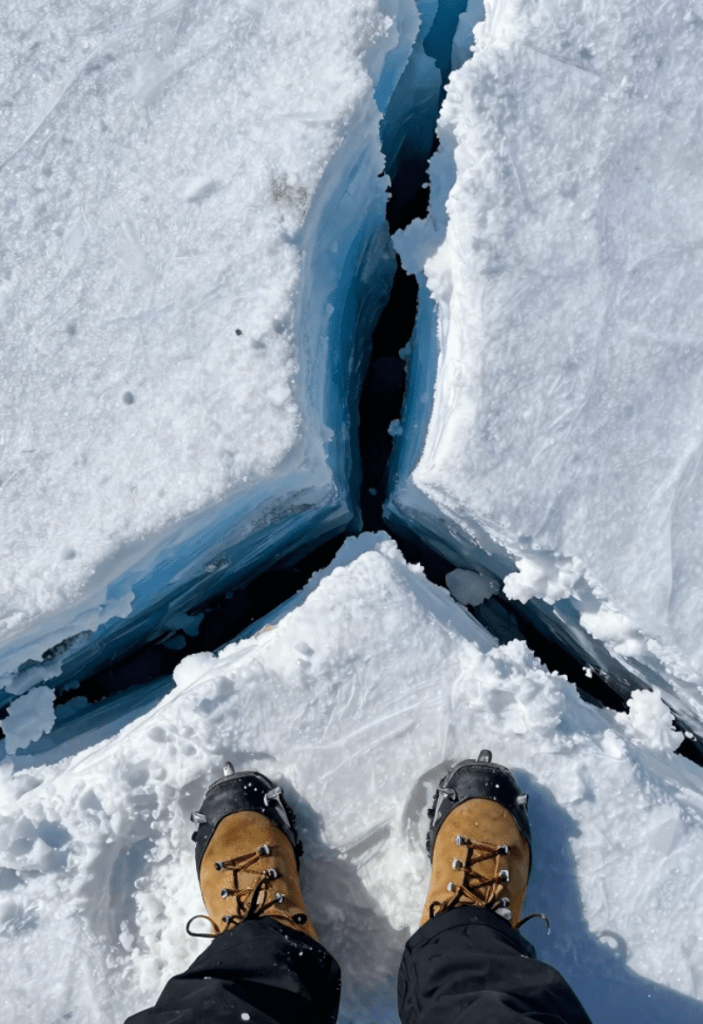
Alabama Winter Storm Survival: Why People Freeze, Roads Kill, and Stores Empty Overnight

If you live in Alabama and think winter storms are “no big deal,” congratulations—you’ve just described the mindset that gets people killed here every single time.

Alabama winter storms aren’t like Minnesota blizzards or Alaska deep freezes. They’re worse in a different way. They arrive suddenly, with ice instead of snow, and they slam into a population, power grid, and road system that is not built for cold.

I’ve watched Alabama shut down over a dusting of ice—and I’ve watched people die because they didn’t take it seriously. Let’s stop pretending this is rare or harmless and talk about how people actually die in Alabama winter storms—and how you survive when everything shuts down.


The Top Ways People Die in Alabama Winter Storms

1. Car Accidents on Ice-Covered Roads

This is the number one killer in Alabama winter storms.

Most Alabamians have:

  • Little to no experience driving on ice
  • Vehicles without winter tires
  • Zero patience for staying off the roads

Alabama roads ice over fast, especially bridges, overpasses, and rural highways. A thin glaze of ice turns roads into skating rinks, and crashes pile up within minutes.

People die because:

  • They underestimate ice
  • They try to “just drive slow”
  • They get stranded after wrecks
  • They walk for help in freezing rain and wind

Ice doesn’t forgive confidence. It kills it.


2. Hypothermia in Homes Without Heat

This one shocks people—but it shouldn’t.

Many Alabama homes:

  • Have poor insulation
  • Rely on electric heat
  • Have no backup heat source

When winter storms knock out power—and they always do—houses lose heat fast. People assume they’re safe indoors, but hypothermia can occur in temperatures well above freezing, especially overnight.

Children, elderly residents, and people with medical conditions are especially vulnerable.

You don’t need a blizzard to freeze to death. You just need cold, darkness, and time.


3. Carbon Monoxide Poisoning From Panic Heating

Southern winter storms produce a predictable tragedy every year.

People try to heat their homes using:

  • Gas generators indoors or in garages
  • Charcoal grills inside the house
  • Propane heaters without ventilation
  • Cars running in enclosed spaces

Carbon monoxide is invisible, odorless, and fast-acting. Families go to sleep and never wake up.

Cold makes people desperate. Desperation kills.


4. Medical Emergencies With No Help Coming

When Alabama winter storms hit:

  • Roads shut down
  • Ambulances can’t reach neighborhoods
  • Hospitals are overwhelmed
  • Pharmacies close

People die not from cold—but from:

  • Heart attacks
  • Strokes
  • Asthma attacks
  • Diabetic emergencies
  • Oxygen equipment losing power

If you rely on electricity to stay alive, a winter storm is not an inconvenience—it’s a direct threat.


5. Falls, Exposure, and Delayed Care

Ice storms turn steps, porches, and driveways into death traps. Broken bones and head injuries become fatal when:

  • Roads are impassable
  • EMS is delayed
  • Power outages complicate treatment

A simple slip becomes a life-threatening emergency.


🛒 Will Grocery Stores Go Empty During an Alabama Winter Storm?

Yes. Almost immediately.

Alabama grocery stores operate on just-in-time inventory systems, meaning:

  • Minimal back stock
  • Daily deliveries
  • No margin for disruption

Before the storm:

  • Bread, milk, eggs vanish
  • Bottled water disappears
  • Batteries, heaters, and propane sell out

After the storm:

  • Delivery trucks stop
  • Stores close due to power loss
  • Shelves stay empty for days

If you wait until the weather forecast turns scary, you’re already behind.


Survival Food Prepping for Alabama Winter Storms

You don’t need fancy gear—you need food that doesn’t require power.

Best Survival Foods to Stock

Shelf-Stable Essentials

  • Canned soups and stews
  • Canned meats (chicken, tuna, spam)
  • Beans
  • Rice and pasta
  • Peanut butter
  • Protein bars

No-Cook Foods

  • Trail mix
  • Crackers
  • Jerky
  • Ready-to-eat meals (MREs)

Water

  • At least 1 gallon per person per day
  • Plan for 5–7 days minimum

Winter storms frequently disrupt water treatment facilities. Boil advisories are common—assuming you still have power to boil water.


Solar Generators: A Game-Changer for Alabama

If you live in Alabama and don’t own a solar generator, you’re betting your safety on the grid.

That’s a bad bet.

Why Solar Generators Matter

  • Safe to use indoors
  • No carbon monoxide
  • No fuel shortages
  • Silent and reliable

What They Can Power

  • Phones and emergency radios
  • Lights
  • Medical devices (CPAP, oxygen concentrators)
  • Small heaters (used carefully)
  • Refrigerators (briefly, to save food)

Pair a solar generator with solar panels, and you’ve just removed yourself from total dependence on fragile infrastructure.


Best Survival Supplies for Alabama Winter Storms

Every Alabama household should already have:

Warmth

  • Cold-rated sleeping bags
  • Wool blankets
  • Thermal base layers
  • Hats, gloves, thick socks
  • Indoor-safe heaters
  • Carbon monoxide detectors

Power & Light

  • Solar generator
  • Solar panels
  • Battery lanterns
  • Headlamps
  • Extra batteries

Medical & Safety

  • First aid kit
  • Prescription meds (7–10 days)
  • Fire extinguisher

Cooking

  • Camping stove
  • Extra fuel
  • Matches or lighters
  • Basic cookware

Why Survival Prepping Is Critical in Alabama

Here’s the truth most people don’t want to hear:

Alabama is not built for winter.

The grid fails. Roads ice over. Emergency response slows to a crawl. Government warnings come late, and help takes time.

Prepping isn’t paranoia—it’s self-reliance.

You don’t prep because you expect disaster.
You prep because history proves it will happen again.


How to Actually Survive an Alabama Winter Storm

  1. Stay Off the Roads
    • Ice kills faster than cold
  2. Dress for Cold Indoors
    • Assume power may not return quickly
  3. Consolidate Heat
    • Stay in one room
    • Block drafts
    • Use body heat
  4. Ration Power
    • Prioritize medical needs and lighting
  5. Eat and Hydrate
    • Calories help maintain body heat
  6. Stay Informed
    • Weather radio
    • Emergency alerts

Final Words From an Angry Survival Prepper

Alabama winter storms don’t kill because they’re severe.
They kill because people don’t believe they’re dangerous.

The roads will ice over.
The power will go out.
The stores will empty.
Help will be delayed.

You can prepare now—or you can learn the hard way when everything shuts down.

Those are your only choices.
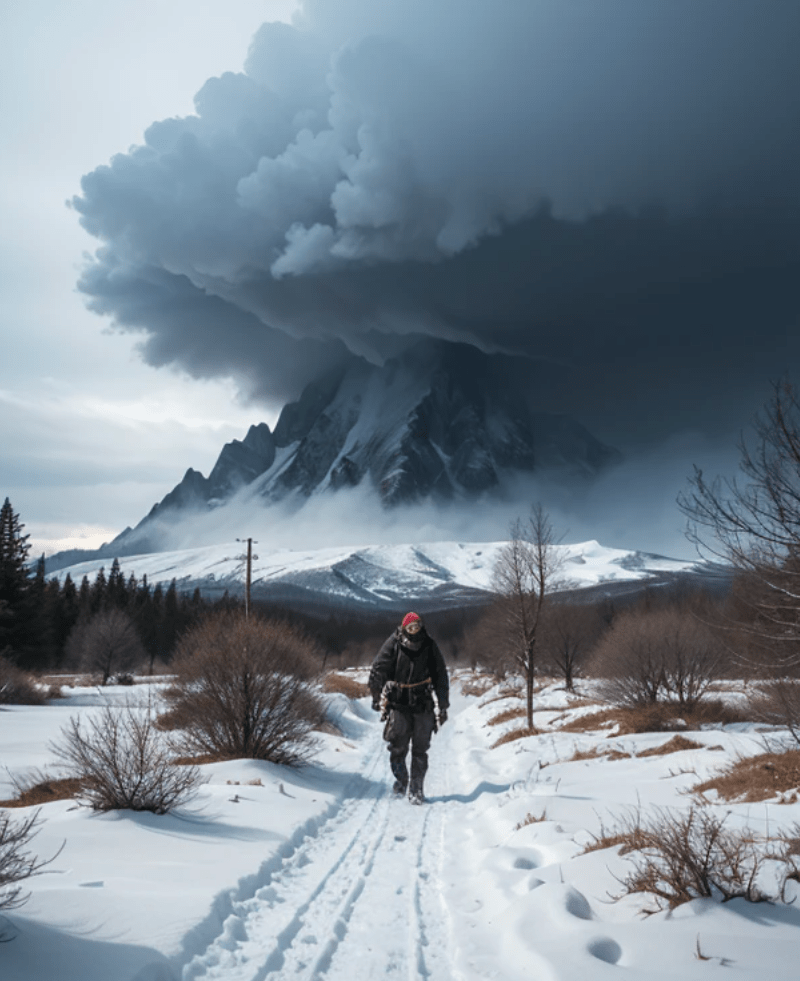
Texas Winter Storm Survival: Why People Die, Why Stores Empty, and Why Prepping Is No Longer Optional

If you think winter storms “aren’t a Texas problem,” congratulations—you’re already behind the curve.

Texas winter storms don’t kill people because of snow totals like Minnesota or Alaska. They kill people because Texans aren’t prepared, infrastructure collapses fast, and most households rely on just-in-time systems that fail within hours. I’ve watched this happen repeatedly, and every time the same excuses come out. The same panic. The same deaths.

Let’s get brutally honest about how people actually die in Texas winter storms—and what you must do before the next one hits.


Top Ways People Die in Texas Winter Storms

1. Hypothermia Inside Their Own Homes

This one makes me angry every time.

People freeze to death inside houses they assume will protect them. When the power goes out—and in Texas it almost always does—homes lose heat fast. Poor insulation, electric heating systems, and no backup heat turn living rooms into refrigerators overnight.

Hypothermia doesn’t need sub-zero temperatures. It can happen in the 40s and 50s, especially when people are wet, exhausted, or elderly.

Reality check:
If your home loses power for more than 12–24 hours in freezing weather and you have no backup heat, you are in danger.


2. Carbon Monoxide Poisoning From Stupid Decisions

Every Texas winter storm produces the same headlines:

  • “Family found dead from generator fumes”
  • “Charcoal grill used indoors”
  • “Car left running in garage”

Carbon monoxide kills silently and fast. People panic, try to heat their homes with the wrong tools, and never wake up.

Rule:
If it burns fuel and isn’t designed for indoor use with ventilation, it does not belong inside your house.


3. Medical Emergencies With No Help Coming

During winter storms, emergency services are overwhelmed or completely unreachable. Roads freeze. Ambulances can’t move. Hospitals lose power. Pharmacies shut down.

People die from:

  • Heart attacks
  • Respiratory failure
  • Insulin shortages
  • Dialysis disruptions
  • Oxygen equipment failures

Texas storms don’t kill instantly—they cut off systems people rely on to stay alive.


4. Exposure While Driving or Walking

Texans are not trained to drive on ice. Period.

Piled-up crashes strand people for hours or days in freezing temperatures. Some try to walk home. Some leave vehicles too early. Some sit too long without heat.

Cold + exhaustion + wind = fatal exposure faster than people expect.


5. Falls, Trauma, and Untreated Injuries

Ice turns stairs, sidewalks, and driveways into death traps. Broken hips and head injuries become fatal when:

  • Power is out
  • Roads are closed
  • EMS response is delayed

A simple fall becomes a death sentence during infrastructure failure.


Will Grocery Stores Go Empty During a Texas Winter Storm?

Yes. And fast.

Texas grocery stores operate on just-in-time delivery systems. That means:

  • Shelves are stocked daily
  • Back rooms are small
  • One missed truck delivery empties stores within hours

Before the storm even hits:

  • Bread disappears
  • Water vanishes
  • Milk and meat are gone
  • Batteries and propane sell out

After the storm hits, trucks can’t deliver. Stores close due to power outages or staffing issues.

If you wait until the storm is announced, you already lost.


Survival Food Prepping for Texas Winter Storms

You do NOT need apocalypse bunkers—but you do need food that:

  • Doesn’t require refrigeration
  • Can be eaten cold if needed
  • Requires minimal cooking fuel

Best Survival Foods to Stock

Shelf-Stable Essentials

  • Canned meats (chicken, tuna, spam)
  • Canned beans and soups
  • Peanut butter
  • Protein bars
  • Shelf-stable rice and pasta
  • Instant oatmeal
  • Powdered milk

No-Cook Options

  • Crackers
  • Trail mix
  • Jerky
  • Ready-to-eat meals (MREs)

Water

  • Minimum: 1 gallon per person per day
  • Plan for at least 5–7 days

Texas storms regularly knock out water treatment plants. Boil notices are common—assuming you still have power.


🔋 Solar Generators: Non-Negotiable for Texas

If you take one thing seriously, let it be this:

A solar generator is the single most valuable survival tool for Texas winter storms.

Why?

  • Gas generators require fuel (which disappears)
  • They produce carbon monoxide
  • Solar generators work indoors
  • They are silent and safe

What a Solar Generator Can Power

  • Space heaters (intermittently)
  • CPAP machines
  • Medical devices
  • Phones and radios
  • Lights
  • Small cooking appliances
  • Refrigerators (briefly, to save food)

Pair it with solar panels, and you’re no longer helpless when the grid collapses—which it absolutely will again.


Best Survival Supplies to Have for Texas Winter Storms

Here’s the bare minimum survival kit every Texas household should already have:

Heating & Warmth

  • Cold-rated sleeping bags
  • Wool blankets
  • Thermal base layers
  • Hats, gloves, socks
  • Indoor-safe propane or kerosene heaters (with CO detectors)

Power & Light

  • Solar generator
  • Solar panels
  • Battery lanterns
  • Headlamps
  • Extra batteries

Safety

  • Carbon monoxide detectors
  • Fire extinguisher
  • First aid kit
  • Prescription meds (minimum 7 days)

Cooking

  • Camping stove
  • Extra fuel
  • Matches/lighters
  • Cookware

Why Survival Prepping Is Critical in Texas

Texas winter storms expose one ugly truth:

You cannot rely on the system.

The grid fails. Officials deflect blame. Aid comes late—if it comes at all. The government will not heat your home, feed your family, or power your medical equipment.

Prepping isn’t paranoia. It’s self-respect.

You prep not because you expect disaster—but because history shows it will happen again.


How to Actually Survive a Texas Winter Storm

  1. Stay Home
    • Travel only if life depends on it
  2. Layer Clothing
    • Dress for cold even indoors
  3. Consolidate Heat
    • Stay in one room
    • Block drafts
    • Use body heat
  4. Ration Power
    • Prioritize medical devices and heat
    • Don’t waste battery life
  5. Eat and Hydrate
    • Calories generate body heat
    • Dehydration worsens hypothermia
  6. Monitor Conditions
    • Weather radio
    • Emergency alerts

Final Warning From Someone Who’s Seen This Too Many Times

Texas winter storms don’t kill because they’re rare.
They kill because people refuse to prepare, trust fragile systems, and assume “it won’t happen again.”

It will.

The next freeze will come. The grid will fail. Stores will empty. Emergency services will stall.

The only question is whether you’ll be ready—or another statistic.