

The Ohio Winter Reality Check: How Winter Storms Kill and How to Stay Alive

Ohioans like to think they “know winter.” And sure, compared to the South, you’ve seen snow before. But familiarity breeds complacency—and complacency is exactly what gets people killed during Ohio winter storms.

I’ve watched this cycle repeat for decades: storms roll in, power goes out, roads shut down, grocery stores empty, and suddenly people who thought they were “fine” are freezing, stranded, or making desperate decisions that cost lives.

Let’s stop pretending. Here’s how people actually die in Ohio winter storms—and what you need to do before the next one hits.


❄️ The Top Ways People Die in Ohio Winter Storms

1. Hypothermia in Homes Without Power

This one shouldn’t happen—but it does. Every year.

Ohio winter storms regularly knock out power for days, sometimes longer. When electricity goes down:

  • Furnaces stop
  • Space heaters fail
  • Homes lose heat fast

Older homes, poorly insulated houses, and mobile homes are especially dangerous. Hypothermia can occur well above freezing, especially in children, the elderly, and anyone already sick.

If you’re sitting in a 40–50°F house for hours or days, you’re already in trouble.


2. Carbon Monoxide Poisoning From Improvised Heating

Winter storms turn otherwise rational people into panic-fueled decision-makers.

Common deadly mistakes:

  • Running generators in garages
  • Using charcoal grills indoors
  • Burning propane heaters without ventilation
  • Sitting in running cars to “stay warm”

Carbon monoxide is invisible, odorless, and lethal. It kills entire families in their sleep every winter in Ohio.

Rule:
If it’s not designed for indoor use with proper ventilation, it doesn’t belong inside your home.


3. Car Accidents and Stranded Motorists

Ohio winter storms are notorious for:

  • Ice storms
  • Whiteout snow squalls
  • Freezing rain

Even experienced drivers lose control on black ice. Massive pileups strand people on highways for hours or overnight. Once the car runs out of fuel or heat, exposure becomes deadly fast.

Walking for help in freezing wind is often worse than staying put.


4. Medical Emergencies With No Access to Help

During major winter storms:

  • Ambulance response times skyrocket
  • Hospitals are overwhelmed
  • Pharmacies close
  • Roads become impassable

People die not from the storm itself, but from:

  • Heart attacks
  • Strokes
  • Asthma attacks
  • Diabetic emergencies
  • Oxygen and dialysis interruptions

If you rely on daily medication or powered medical devices, winter storms are a direct threat to your life.


5. Falls, Trauma, and Delayed Care

Ice turns Ohio into a slip-and-fall nightmare.

Broken hips, head injuries, and internal bleeding become deadly when:

  • EMS can’t reach you
  • Power is out
  • Hospitals are overloaded

What would be a survivable injury on a normal day becomes fatal during a winter storm.


Will Grocery Stores Go Empty During an Ohio Winter Storm?

Yes. Absolutely. Every time.

Ohio grocery stores run on just-in-time inventory systems. That means:

  • Minimal back stock
  • Daily deliveries
  • No cushion for disruptions

Before the storm even arrives:

  • Bread, milk, eggs disappear
  • Bottled water is gone
  • Batteries, propane, and generators sell out

Once roads ice over, trucks stop moving. Stores either close or sit empty.

If your plan is “I’ll just run to the store,” you don’t have a plan.


Survival Food Prepping for Ohio Winter Storms

You don’t need luxury food—you need reliable calories.

Best Survival Foods to Stock

Shelf-Stable Basics

  • Canned soups and stews
  • Canned chicken, tuna, salmon
  • Beans and lentils
  • Rice and pasta
  • Peanut butter
  • Protein bars

No-Cook Foods

  • Trail mix
  • Crackers
  • Jerky
  • Ready-to-eat meals (MREs)

Water

  • At least 1 gallon per person per day
  • Plan for 5–7 days minimum

Ice storms frequently knock out water treatment facilities. Boil advisories are common—assuming you even have power to boil water.


Solar Generators: A Survival Game-Changer in Ohio

If you live in Ohio and don’t own a solar generator, you’re gambling with your safety.

Why solar generators matter:

  • Work indoors
  • No carbon monoxide
  • No fuel runs
  • Silent and reliable

What They Can Power

  • Medical devices (CPAP, oxygen concentrators)
  • Phones and emergency radios
  • Lights
  • Small heaters (used wisely)
  • Refrigerators (briefly, to preserve food)

Pair a solar generator with folding solar panels, and you’re no longer helpless when the grid fails—which it will.


Best Survival Supplies for Ohio Winter Storms

Every Ohio household should already have the following:

Warmth & Shelter

  • Cold-rated sleeping bags
  • Wool blankets
  • Thermal base layers
  • Hats, gloves, socks
  • Indoor-rated backup heaters
  • Carbon monoxide detectors

Power & Light

  • Solar generator
  • Solar panels
  • Battery lanterns
  • Headlamps
  • Extra batteries

Medical & Safety

  • First aid kit
  • Prescription meds (7–10 days)
  • Fire extinguisher

Cooking

  • Camping stove
  • Extra fuel
  • Matches or lighters
  • Simple cookware

Why Survival Prepping Matters in Ohio

Here’s the truth people don’t like hearing:

You are on your own during the first days of a winter storm.

Government response is slow. Utilities prioritize infrastructure, not individual homes. Emergency services triage—and you may not be the priority.

Prepping isn’t fear. It’s responsibility.

If you live in Ohio and experience winter every year, there’s no excuse for being unprepared.


How to Actually Survive an Ohio Winter Storm

  1. Stay Off the Roads
    • Unless it’s life-or-death
  2. Layer Up Indoors
    • Dress like the heat might not come back
  3. Consolidate Heat
    • Stay in one room
    • Seal drafts
    • Use body heat
  4. Ration Power
    • Prioritize medical needs and lighting
  5. Eat and Drink Regularly
    • Calories = warmth
    • Dehydration worsens cold stress
  6. Stay Informed
    • Weather radio
    • Emergency alerts

Final Words From a Very Tired Survival Prepper

Ohio winter storms don’t kill because they’re unpredictable.
They kill because people assume the system will save them.

It won’t.

Power will go out. Roads will close. Stores will empty. Help will be delayed.

You either prepare before the storm—or you suffer during it.

Those are the only two options.
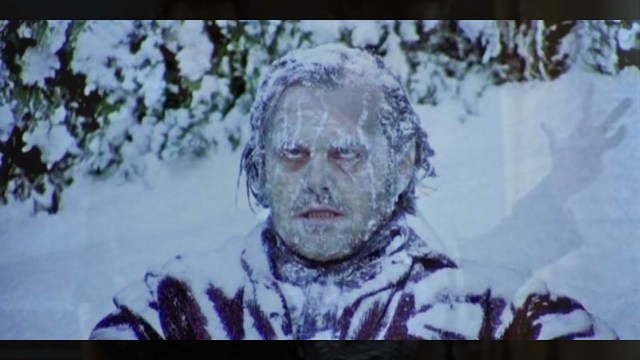
This Is How People Actually Die in Connecticut Winter Storms


🧊 How Do Most People Die in a Winter Storm in Connecticut—and How to Survive One

If you live in Connecticut and think winter storms are “nothing new,” you’re exactly the kind of person this article is written for.

Yes, New England gets snow every year. That doesn’t mean people are prepared. It means people are comfortable, and comfort kills faster than cold. Every major Connecticut winter storm proves the same brutal truth: power grids fail, roads shut down, grocery stores empty, and people who assumed they’d be fine suddenly aren’t.

I’ve watched this state lose power for days—sometimes weeks—from snow, ice, and windstorms. And every time, the same mistakes cost lives. Let’s stop pretending this is unpredictable and talk about how people actually die during Connecticut winter storms—and how you survive when the system breaks down.


❄️ The Top Ways People Die in Connecticut Winter Storms

1. Hypothermia During Extended Power Outages

This is the big one in Connecticut.

Heavy, wet snow and ice bring down trees and power lines like matchsticks. Entire towns lose electricity, sometimes for days or weeks. When the power goes:

  • Oil burners stop
  • Gas furnaces shut down
  • Electric baseboard heat dies instantly

Homes cool rapidly, especially older New England houses with drafts, basements, and poor insulation. Hypothermia can begin in indoor temperatures well above freezing, particularly for children, seniors, and anyone sick or exhausted.

People don’t realize they’re hypothermic until they’re confused, sluggish, and unable to think clearly—which is when bad decisions start.


2. Carbon Monoxide Poisoning From “Temporary” Heat Solutions

Every Connecticut winter storm produces the same tragic headlines.

People try to heat their homes using:

  • Gas generators in garages or basements
  • Charcoal grills indoors
  • Propane heaters without ventilation
  • Fireplaces used incorrectly

Carbon monoxide is odorless, invisible, and deadly. It doesn’t knock—it puts people to sleep and never lets them wake up.

If it burns fuel and isn’t rated for indoor use with ventilation, it does not belong inside your home. Period.


3. Driving Accidents and Stranded Vehicles

Connecticut winter storms aren’t just snow—they’re ice, freezing rain, sleet, and whiteout conditions. Roads become skating rinks, especially bridges and back roads.

People die because:

  • They underestimate black ice
  • They overestimate AWD or 4WD
  • They get stranded with no supplies
  • They try to walk for help in freezing wind

Once you’re exposed to wind and cold without shelter, hypothermia accelerates fast.


4. Medical Emergencies With No Access to Help

During severe winter storms:

  • Ambulances can’t reach homes
  • Hospitals are overwhelmed
  • Pharmacies close
  • Home medical equipment loses power

People die from:

  • Heart attacks
  • Strokes
  • Diabetic emergencies
  • Oxygen equipment failures
  • Dialysis disruptions

If you rely on powered medical devices or daily medication, a Connecticut winter storm is not an inconvenience—it’s a serious survival threat.


5. Falls, Trauma, and Delayed Medical Care

Ice storms turn sidewalks, driveways, and stairs into death traps.

A fall that would normally be survivable becomes fatal when:

  • Roads are impassable
  • EMS response is delayed
  • Power outages complicate treatment

Broken hips, head injuries, and internal bleeding become deadly when help can’t arrive in time.


🛒 Will Grocery Stores Go Empty During a Connecticut Winter Storm?

Yes. Always. And faster than people expect.

Connecticut grocery stores rely on just-in-time inventory systems:

  • Minimal back stock
  • Daily deliveries
  • No buffer for storms

Before the storm:

  • Bread, milk, eggs vanish
  • Bottled water is gone
  • Batteries, propane, and generators sell out

After the storm:

  • Trucks can’t move
  • Stores lose power
  • Shelves stay empty

If your plan involves “running to the store,” you don’t have a plan—you have a fantasy.


🍲 Survival Food Prepping for Connecticut Winter Storms

Survival food is not about gourmet meals. It’s about calories, shelf life, and simplicity.

Best Survival Foods to Stock

Shelf-Stable Staples

  • Canned soups and stews
  • Canned meats (chicken, tuna, salmon)
  • Beans and lentils
  • Rice and pasta
  • Peanut butter
  • Protein bars

No-Cook Options

  • Trail mix
  • Crackers
  • Jerky
  • Ready-to-eat meals (MREs)

Water

  • Minimum 1 gallon per person per day
  • Plan for 5–7 days, preferably more

Ice storms can disrupt water treatment facilities, and boil advisories are common—assuming you still have power to boil water.


🔋 Solar Generators: Essential for Connecticut Winter Survival

If you live in Connecticut and don’t own a solar generator, you’re relying entirely on luck.

Gas generators:

  • Require fuel (which disappears fast)
  • Produce carbon monoxide
  • Can’t safely be used indoors

Solar generators:

  • Work indoors
  • Produce no fumes
  • Require no fuel runs
  • Can recharge via solar panels

What a Solar Generator Can Power

  • Medical devices (CPAP, oxygen concentrators)
  • Phones and emergency radios
  • Lights
  • Small space heaters (used carefully)
  • Refrigerators (intermittently)

Pair one with folding solar panels and you’ve just removed yourself from total grid dependence.


🧰 Best Survival Supplies for Connecticut Winter Storms

Every household in Connecticut should already have the following:

Warmth & Shelter

  • Cold-rated sleeping bags
  • Wool blankets
  • Thermal base layers
  • Hats, gloves, thick socks
  • Indoor-safe backup heaters
  • Carbon monoxide detectors

Power & Light

  • Solar generator
  • Solar panels
  • Battery lanterns
  • Headlamps
  • Spare batteries

Medical & Safety

  • First aid kit
  • Prescription medications (7–10 days)
  • Fire extinguisher

Cooking

  • Camping stove
  • Extra fuel
  • Matches or lighters
  • Simple cookware

Why Survival Prepping Matters in Connecticut

Here’s the hard truth New Englanders hate admitting:

You cannot rely on the grid.

Connecticut’s power infrastructure is vulnerable to trees, ice, snow, and wind. Restoration can take days or weeks, especially in rural or wooded areas.

Emergency services do their best—but they’re overwhelmed during major storms. Help is delayed, resources are stretched thin, and you are expected to fend for yourself at first.

Prepping isn’t fear. It’s accountability.


How to Actually Survive a Connecticut Winter Storm

  1. Stay Off the Roads
    • Travel only if absolutely necessary
  2. Dress for Cold Indoors
    • Assume heat may not return quickly
  3. Consolidate Heat
    • Stay in one room
    • Block drafts
    • Use body heat and insulation
  4. Ration Power
    • Prioritize medical devices and lighting
  5. Eat and Hydrate
    • Calories generate heat
    • Dehydration worsens cold stress
  6. Stay Informed
    • Weather radio
    • Emergency alerts

🚨 Final Words From an Angry Survival Prepper

Connecticut winter storms don’t kill because they’re rare.
They kill because people assume experience equals preparation.

It doesn’t.

Power will go out. Roads will close. Stores will empty. Help will be slow.

You can prepare now—or you can learn the hard way when the lights go out and the temperature drops.

Those are your only options.