How NOT to Die in San Francisco’s Riot

San Francisco, for all its charm and vibrance, has become a hotspot for unpredictable civil unrest. In a world that feels like it’s teetering on the edge of chaos, you can’t rely on luck or law enforcement alone to stay safe. When the city’s filled with the sound of smashing glass, sirens, and screaming protestors, your safety is your own responsibility.

I’ve spent decades preparing for situations just like this—urban collapse, riots, natural disasters, and breakdowns of civil order. My mission now is to pass on what I know, because survival isn’t about paranoia—it’s about readiness. Below, I’ll teach you eight critical self-defense skills, three DIY weapon hacks, and walk you through how to move, think, and react during a riot in San Francisco—or any urban environment under siege.


1. Situational Awareness: The Mindset of Survival

The first line of defense is always your mind. If you’re walking down Market Street with your earbuds in and your eyes on your phone, you’re prey—plain and simple. During a riot, keep your head on a swivel. Observe crowd movements, police positions, exits, and potential threats. Know your surroundings. Watch body language. Who’s escalating? Who’s panicking? This instinct can save your life. Avoid bottlenecks, dead ends, and never follow the crowd blindly.


2. De-escalation Tactics

You don’t always need to fight. Real skill is knowing when not to. De-escalation is the art of redirecting aggression. Lower your voice. Speak calmly. Keep your hands visible and palms out. Don’t challenge anyone directly. Phrases like “I’m just trying to get out of here,” or “I don’t want trouble,” disarm more people than fists ever will. This can buy you precious seconds to exit or disengage.


3. Urban Camouflage

Blend in. If you’re wearing high-vis gear, luxury brands, or tactical clothing during a riot, you become a target. Wear neutral colors—gray, black, navy. Avoid flashy logos. Think like a gray man. A bandana, a hood, and non-reflective sunglasses can protect your identity and shield you from tear gas. In a riot, anonymity is power.


4. Quick Strike Self-Defense (QSSD)

Sometimes, there’s no way to avoid a confrontation. Learn QSSD techniques—targeting the soft tissue: eyes, throat, groin. Use open-hand strikes or short, aggressive punches. You’re not trying to win a fight. You’re trying to create space and escape. One of my favorite tools is the palm-heel strike to the chin or nose. It’s fast, brutal, and can stun an attacker long enough for you to get away.


5. Escape and Evasion Skills

If things go south, don’t stick around to film it. Know your exits. Riot routes shift fast. Side alleys, fire escapes, rooftops, and even underground parking garages become survival pathways. Use Google Maps to pre-mark safe zones and alternate exits. Learn how to break restraints. Keep a mini escape kit on you: handcuff key, paracord, mini flashlight, and a utility blade hidden in your wallet or belt.


6. Weapon Retention

If you carry a defensive weapon—knife, baton, pepper spray—you’d better know how to keep it. Rioters may try to disarm you in a scuffle. Practice retention techniques: tight grip, weapon close to the body, non-dominant hand protecting your centerline. Use your environment to brace or shield while deploying your weapon. Don’t pull unless you’re ready to use it.


7. Improvised Weapons Training

Anything can be a weapon. A steel water bottle, a belt with a heavy buckle, a flashlight, even a rolled-up magazine. Know how to adapt. If you’re cornered, use a key between your fingers for strikes or your backpack as a shield. Train your mind to see tools in everyday objects. This isn’t about aggression—it’s about defense when your back is against the wall.


8. Ground Defense and Breakaway

If you’re knocked to the ground, the fight isn’t over—but you’re at a huge disadvantage. Learn to protect your head and vital organs. Shrimping and break-falls from Brazilian Jiu-Jitsu can save you from injury. A fast kick to the shin or knee from the ground can give you a second to get up. Never stop moving. Your goal is to get back on your feet—fast.


DIY Survival Weapon Skills

When traditional weapons aren’t available, it’s time to get creative. Here are three DIY weapon builds anyone can make with urban materials:


1. PVC Pipe Baton

Grab a piece of PVC pipe, about 18 to 24 inches long. Fill it with sand or small rocks. Cap both ends with duct tape. You’ve now got a solid impact weapon that can easily be carried in a backpack or gym bag. It’s legal-looking, but hits hard.


2. Slingbow Conversion

Take a basic slingshot and modify it with zip ties and paracord to shoot arrows. This won’t stop a riot, but it can protect you from aggressive threats at a distance in the wild or during prolonged civil unrest. Compact and quiet.


3. Tactical Spear from a Mop Handle

Break or saw off a broom or mop handle. Duct-tape a sharpened kitchen knife (or better yet, a survival blade) to the end. Reinforce the joint with paracord or a hose clamp if available. Instant spear—great for holding off threats in confined spaces.


How To Survive a Riot in San Francisco: Step-By-Step

  1. Avoidance is King – Stay informed. Use police scanners, Twitter, Citizen app, and local Reddit threads. If unrest is growing, stay away from protest zones—especially Civic Center, SoMa, and the Mission District.
  2. Have a Go-Bag Ready – A small EDC pack with first aid, water, flashlight, gloves, KN95 mask (tear gas protection), and power bank is a must. Lightweight shoes, neutral clothes, and cash are non-negotiables.
  3. Plan Your Exit Route – Know the side streets and where the riots are migrating. Don’t rely on public transport; buses and trains often shut down.
  4. Avoid Getting Boxed In – Don’t get caught between protestors and riot police. Both sides will pressure you. Stick to the periphery and keep moving.
  5. Don’t Film or Broadcast – Not only can this attract attention from hostile actors, but it also paints a target on your back. Be invisible, be mobile.
  6. Watch for Triggers – Fire, broken glass, fireworks, or gunshots signal escalation. When you see the energy shift, that’s your cue to leave immediately.
  7. Avoid Confrontation – Even if someone provokes you, walk away. The riot is not the time for ego or moral high ground. Your life matters more than pride.
  8. Meet-Up Plan – Have a trusted person you check in with. If you get separated or your phone dies, agree on a meetup location beforehand.
  9. Stay Calm Under Pressure – Fear clouds judgment. Breathe. Think. Then move. Your calm will be your compass when chaos surrounds you.
  10. Aftercare – Once safe, disinfect any wounds, rest, hydrate, and mentally decompress. PTSD is real—even if you “got out okay.”

Final Thoughts

You don’t need to be a martial arts expert or ex-military to survive a riot in San Francisco. But you do need to train, think ahead, and prepare like your life depends on it—because one day, it might.

Violence is never the goal. But survival is. And in today’s world, there’s no excuse not to be ready. Train your body. Sharpen your mind. Harden your spirit.


Jump or Die: Ocean Crash Survival for the Desperate and Prepared

You’re Crashing Into the Ocean – Here’s How Not to Die Like an Amateur

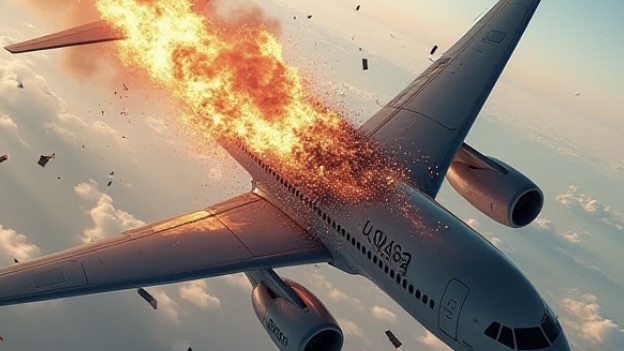
Listen up. You’re 30,000 feet above nowhere, strapped in a glorified soda can, sipping overpriced ginger ale, when BOOM — something goes wrong. Engines flame out. Cabin screams. The pilot starts praying louder than the passengers. That’s when you know: you’re going down. Into the cold, black, unforgiving ocean.

What you do next decides if you live or if your body bloats up and floats ashore for some tourist to find a week later.

This isn’t your average survival blog. This is the real deal. If you’re not ready to move like your life depends on it — because it absolutely does — then close this window and prepare to meet the fish. Otherwise, let’s dive in. Literally.


💥 10 Ocean-Crash Survival Skills Every Passenger Should Know

1. Situational Awareness Before You Even Take Off

Yeah, I know. You want to nap. But if you’re too lazy to count the rows between you and the exits, you deserve what’s coming. Every damn time you fly, you better know where the exits are, where the flotation devices are, and how to manually open the emergency doors.

2. Brace Position That Doesn’t Get You Killed

Forget what they show in the seatback card. In a real crash, you need to protect your head and brace your legs to avoid snapping your spine on impact. Feet flat, knees slightly apart, head down, arms wrapped over your head or seat in front of you. Practice this at home, not when the plane starts rattling.

3. Ditch the Seatbelt at the Right Time

Screenshot

Too early and you fly around like a piñata. Too late and you’re trapped. As soon as the initial impact hits and the plane stops skidding, unbuckle and MOVE. Do NOT freeze. Every second counts.

4. Egress Navigation Underwater

The lights are out. The cabin’s tilting. Water’s rushing in. If you can’t crawl blind toward an exit with your eyes shut, you’re dead. Practice escaping in pools, learn how to hold your breath under stress, and train to follow walls and seats.

5. Inflating Life Vests AFTER Exiting the Aircraft

You inflate inside, you’re a floaty balloon trapped in a sinking coffin. Keep that vest uninflated until you’re outside. If you forget this, you’ll be a buoyed corpse.

6. Identifying and Using Life Rafts

Not all planes have them. Know if yours does. Know where they are. Learn to deploy them and how to board even if you’re exhausted. Also — steal an emergency flashlight. It’ll help signal, and screw the rules. You’re in survival mode now.

7. Cold Water Survival & Hypothermia Prevention

The ocean isn’t your friend. Get out of the water fast. Conserve body heat. Huddle with others. Stay dry, stay moving, and don’t drink seawater unless you’re craving madness.

8. Floating Techniques If You’re Alone

If all you’ve got is a vest and darkness, learn to float without tiring. Back float. Dead man’s float. Anything that keeps your head above water while you catch your breath or wait for rescue.

9. Using the Environment to Signal

Pull mirrors, shiny surfaces, fire-starting tools, even fabric. Signal with smoke, flashlights, or colored clothing. Splash. Yell. Make noise. Draw attention. But save energy when it’s futile.

10. Mental Fortitude Under Terror

You will want to scream, freeze, panic. That’s death. Control your fear. Use adrenaline. Breathe in. Focus. Decide. Act. Don’t wait for orders — think and move like your life depends on you.


🧰 3 DIY Survival Hacks for Escaping a Moving Airplane

Screenshot

1. Improvised Window Breaker

Most plane windows can’t be opened. But sometimes cabin pressure blows out or breaks panels. Keep a solid pen, metal flashlight, or steel water bottle in your carry-on. These can help bust plastic panels or thin interior doors in emergencies.

2. Seat Cushion Raft Hack

Yes, that foam cushion can float. But if you’re smart, you’ll jam two together with your belt or jacket to increase buoyancy. Instant DIY mini-raft. Not comfortable. Not elegant. But it keeps you from sinking.

3. Plastic Bag Floatation Assist

You packed your gear in ziplocks, right? No? Dumb. But if you did — trap air in large bags, seal them, and tie them to your body or under your arms. Not Coast Guard-approved, but better than sinking like a brick.


🛑 Final Word: When That Plane Drops, You’ve Got Seconds

Let me be blunt. Most people freeze. They wait for instructions. They pray. They scream. They forget every drill they saw in that cartoon safety video and then wonder why the hell they’re drowning.

You’re different. Or you better be.

Here’s your checklist:

  • Know your exits.
  • Brace like you mean it.
  • Unbuckle fast.
  • Don’t inflate inside.
  • Get the hell out.
  • Climb onto anything that floats.
  • Signal hard.
  • Conserve warmth.
  • Don’t drink the ocean.
  • Fight the fear. Move.

If you think you’re going to wing it when the fuselage starts groaning and smoke pours in — you’re already dead. But if you drill these into your skull and train like your life depends on it (because it does), you’ll punch the reaper in the face and live to tell the story.

Remember: no one’s coming to save you in time. Save your damn self.

Naked in the Cold: How to Survive Freezing Temperatures Without Clothes

Let me paint a scenario for you, and don’t you dare shrug it off like it’s some movie plot. You’re out in the woods. Maybe you fell into a river, maybe your gear burned up in a freak accident, maybe some psycho stripped you and left you for dead. Doesn’t matter how it happened. The point is: you’re naked, it’s freezing, and you’ve got one job—stay alive.

And I hate to break it to you, but most of you wouldn’t last more than an hour. You’d panic, cry, curl into a ball, and die like a damn amateur. Not because nature is cruel (it is), but because you never trained for rock-bottom scenarios. You thought your gear would save you. You thought “that’ll never happen to me.” Well guess what? Nature doesn’t care about your fantasies. You either adapt, or you die.

So here it is. The hard, cold truth about how to survive when you’ve got nothing. No gear, no clothes, and death breathing down your neck.


First Rule: Panic Kills

You panic, you die. Simple as that. When you start hyperventilating, wasting energy pacing, or screaming for help that’s not coming—you’re burning calories and losing heat. STOP. BREATHE. ASSESS.

Your body is a machine. The moment you’re exposed to freezing temps, it goes into triage mode. Blood rushes to your core to protect vital organs. Your fingers and toes? They’re already expendable. You need to act, not freak out.


Step 1: Get Out of the Wind

Wind is the silent killer. It steals your body heat ten times faster than still air. Find a windbreak—fast. Rock outcroppings, dense bushes, downed trees, snowdrifts—use whatever you can. Dig into the earth or snow if you have to. Create a trench or burrow like your life depends on it, because it does.


Step 2: Insulate Yourself with Nature

No clothes? Fine. Nature’s full of insulation—if you’re not too soft to use it.

Stuff your body with:

  • Dead leaves
  • Dry grass
  • Pine needles
  • Moss
  • Bark shavings

Pack it everywhere: under your arms, between your legs, down your back. Build layers between you and the air. You look like a swamp monster? Who cares? Ugly people survive. Dead people don’t.


Step 3: Fire Is Non-Negotiable

If you can make fire, you make fire. I don’t care if it takes an hour. I don’t care if your hands are bleeding. Fire is warmth. Fire is life.

No tools? Then you’d better have the mental grit to make a bow drill or hand drill. Use dry wood only. Dead standing wood—not fallen, not wet.

DIY Survival Hack #1: Bark Tinder

Strip birch bark or cedar bark into fine fibers and crumple it up. It lights even when damp and burns hot.


Step 4: Shelter—Your First Home is Your Body

You can’t build a mansion out there, but you can make a microclimate.

  • Dig a pit shelter, about 2–3 feet deep.
  • Line the bottom with leaves or pine needles.
  • Build a roof with branches and more debris.
  • If you’ve got snow, use it—snow insulates, moron.

Trap your body heat. Sleep curled up in the fetal position. Don’t sprawl out like you’re on a damn beach.


Step 5: Move, But Not Too Much

You need to generate heat, but not burn calories recklessly. Marching around naked in sub-zero temps? That’s suicide.

  • Do short bursts of exercise: jumping jacks, squats, or arm circles.
  • Keep blood flowing to your extremities.
  • But don’t sweat—sweat is death in the cold. Once you’re wet, you’re done.

15 Cold Survival Skills You’d Better Learn Yesterday:

  1. Fire from friction – Make a bow drill, hand drill, or even fire plow.
  2. Primitive insulation – How to find, dry, and use natural materials to trap heat.
  3. Deadfall shelter building – Quick shelters from branches and snow.
  4. Understanding hypothermia – Recognize signs: slurred speech, shivering stops, confusion = you’re already in danger.
  5. Water purification – Snow isn’t clean; boil or filter it, or risk parasites.
  6. Snow melting without fire – Use body heat or dark containers to melt it slowly.
  7. Cold weather first aid – Treat frostbite and trench foot without a kit.
  8. Tracking wildlife – You may need to hunt or trap. Know the prints and patterns.
  9. Primitive snares – Use vines, shoelaces (if you’ve got ‘em), or bark strips.
  10. Navigating in snow – Landmarks vanish; learn sun and shadow tricks.
  11. Improvised footwear – Bark, grass, or thick moss tied with vines—protect your feet!
  12. Stone blade crafting – Shatter rocks to make usable edges.
  13. Snow cave construction – Done right, a snow cave keeps you at 32°F even if it’s -10°F outside.
  14. Mental survival conditioning – Training yourself to push through panic, pain, and despair.
  15. Signal making in snow – Contrasts with debris, fire smoke, or body tracks.

DIY Survival Hack #1: Body Heat Battery

If you’re freezing and alone, dig a depression in the snow and line it with dry material. Curl up, pee if you have to, and trap your own heat. Human urine, gross as it sounds, is warm and sterile and can raise core temp briefly. You’re not too good for it. Use everything.


DIY Survival Hack #2: Makeshift Mittens and Socks

No gloves? Wrap your hands and feet in multiple layers of natural debris, then cover that with bark or strips of flexible wood. Bind with vines or twisted grasses. It’s not pretty—but it buys you time.


Eat or Die Trying

Calories = heat. You need fat and protein, period. Look for:

  • Grubs under logs (yes, eat the damn bug)
  • Squirrels, rabbits (trap ‘em or club ‘em)
  • Edible bark (inner bark of pine and birch is chewable)
  • Fish (use sharpened sticks as spears)

If you’re too squeamish to eat a raw grub, you don’t deserve to survive. Sorry, but that’s the truth.


Final Word: This Ain’t Hollywood

You’re not Bear Grylls, and no one’s coming with a helicopter. When you’re naked in the cold, it’s just you, your wits, and your will to live.

Most people would rather die than crawl through mud, eat bugs, or sleep in a pile of leaves. They want dignity. Guess what? Dignity is for funerals. Out here, you either fight for every shivering second, or you freeze to death while whispering regrets.

So memorize this: You are not fragile. You are not helpless. You are not dead—until you give up.

You want to survive the cold with nothing? Then start acting like someone who deserves to survive.

And don’t wait for disaster to find you. Go out, strip down, and test yourself. Train. Prepare. Because the next time you’re naked in the cold, there won’t be a second chance.

You either make it out… or you become one more frozen idiot people tell stories about.

The Forgotten Hazard When Bugging Out

When most folks talk about bugging out, they focus on the obvious threats: looters, martial law, roving gangs, civil unrest, and the ever-looming collapse of modern infrastructure. You’ve heard it all before. Pack your bug-out bag. Choose your route. Scout a fallback location. Stock up on MREs, water filters, knives, ammo, comms gear—the whole nine yards.

And yet, while the prepping world drowns itself in gear reviews and tactical hypotheticals, one crucial hazard gets completely and unforgivably overlooked.

I’m talking about complacency’s ugly cousin: Group Fragility. That’s right. The people you trust, the ones you’re planning to survive alongside—your family, your so-called “mutual assistance group,” your bros from the shooting range—they might be the very thing that gets you killed.

Let me say it plain: a bug-out plan is only as strong as its weakest member.

Now before you roll your eyes and tell yourself, “I’ve trained with my team,” or “My wife’s tough,” or “We’ll be fine because we’ve practiced,” let me stop you right there. Practice doesn’t equal performance under real pressure. And emotional breakdowns, moral disagreements, and physical weaknesses don’t show themselves when you’re camping for fun over a long weekend.

They show themselves when the stakes are real. When someone’s bleeding. When you’re out of clean water and three days into a storm. When someone you love starts panicking and you realize: “This is what’s going to get us killed.”

You Think You’re Ready? Think Again.

The fantasy of bugging out is seductive. The romantic image of disappearing into the woods, rifle slung over your shoulder, hunting deer and living off the land—it’s so appealing it blinds people. But reality has no use for fantasy. The truth is most people can’t even handle a power outage without losing their minds, let alone a full-blown collapse that drives you from your home with nothing but your bug-out gear and a prayer.

Sure, you can pack iodine tablets and solar chargers. But you can’t pack mental stability. You can’t pack maturity. And you sure as hell can’t pack grit.

I’ve seen it happen. Big, strong men break down crying when they realize they forgot to bring spare socks and now their feet are soaked, blistered, and infected. Gung-ho preppers who bought $3,000 rifles but didn’t bring tampons for their wives. Families that fall apart arguing over where to camp because no one ever decided who the leader was. The gear didn’t fail. The people did.

The Real Enemy Is Human Weakness

So what is the “forgotten hazard” I’m so mad about? It’s the human element. The people in your party are walking question marks under pressure. They are liabilities—until they’ve been tested under fire, for real, and have proven otherwise.

Bugging out isn’t about gear. It’s about mindset. It’s about psychological resilience, leadership, discipline, and trust forged through shared hardship. Without that, your so-called team is just a group of panic-prone strangers carrying matching backpacks.

Your spouse, your kids, your best friend—if they’ve never suffered, never hiked ten miles with a rucksack while sick, never made a decision under extreme duress—they are not ready. And if you haven’t prepared them for that moment, then you are not ready either.

Emotional Collapse Is Contagious

Ever seen what happens when someone panics in a group setting? It spreads. Fast. Like a virus. One person screams, and suddenly three people are hyperventilating. One person freezes in the middle of a river crossing, and now everyone’s stuck in place, vulnerable, visible, exposed.

Fear is louder than logic. And once it takes root, it doesn’t matter how much food you stockpiled or how fancy your GPS watch is. Fear will kill you.

What happens when the teenager in your group refuses to keep walking and bursts into tears from exhaustion? What happens when your partner gets a stomach bug and can’t walk for two days? What happens when two people start screaming at each other over which direction to go?

Let me tell you what happens. You stop moving. You waste precious daylight. You compromise your location. You become prey.

You Better Start Training People Now

If you’re reading this and feeling uncomfortable, good. That means you still have time. Time to fix this. Time to take off the blinders and face the uncomfortable truth: survival is about people, not just products.

Start drilling your team—your real team, not your fantasy squad. Take your kids hiking in the rain. Make your partner build a fire without matches. Go camping without any electronics and leave the granola bars at home. Eat beans, sleep on cold ground, hike until your muscles scream.

And do it all together.

Why? Because the only way to root out weakness is to force it to the surface. And once you’ve seen it—once your daughter breaks down crying, or your best friend lies to your face about losing the compass—then you can start building real trust. Not the feel-good, “we’re family” trust. I’m talking about battlefield trust. Hard-earned, honest, proven trust.

That is the only kind that matters when society collapses.

Leadership Isn’t Optional

Another thing most bug-out plans lack? Clear hierarchy. When everyone thinks they’re in charge, no one is. And when bullets are flying or you’re sprinting from a wildfire, hesitation will kill you.

Designate a leader now. Establish a chain of command. Decide who makes the call when things go sideways—and make sure everyone agrees ahead of time.

Don’t fall into the trap of “we’ll decide when it happens.” That’s a fantasy. In real life, there will be no time. You’ll need to act instantly, or you’ll all be corpses under a tarp.

Don’t Forget Morality Clashes

This part stings the most. What if the person you’ve planned to bug out with suddenly disagrees with how far you’re willing to go to survive?

Will you loot if necessary? Will you kill to protect supplies? Will you lie to strangers, leave people behind, steal from the dead?

You might think you know what you’d do. You might think you know what your loved ones would do. But let me tell you from experience: people’s morals mutate fast when their stomach is empty and their hands are shaking from fear.

Talk about it now. Set boundaries. Make plans. Or get ready for a knife in the back when things get dark enough.

Final Word: Your Real Bug-Out Plan Is Psychological

You can pack all the gear in the world, memorize every knot, and learn every edible plant. But if your group breaks down because of fear, conflict, or weakness, none of that will save you.

The forgotten hazard isn’t the EMP. It’s not the government. It’s not even the weather.

It’s the people standing next to you.

So fix that now. Train them. Test them. Talk to them.

Or die with them.

Your choice.

Losers Can’t Survive Without a Bug Out Bag

The Ultimate Doomsday Prepper Starter Pack

The Ultimate Doomsday Prepper Starter Pack: A Movie Critic’s Guide to Survival Skills

When it comes to preparing for the inevitable end, the world of doomsday prepping has captured our imagination. Hollywood has long been fascinated with apocalyptic scenarios, from plagues to natural disasters and alien invasions. And while some may dismiss preppers as a fringe group, the reality is, the need for survival preparation is more mainstream than ever. Whether you’re preparing for a natural disaster or a total societal collapse, having the right skills and equipment can make all the difference in your survival. So, let’s explore the ultimate doomsday prepper starter pack, featuring essential survival skills, key tools, and Hollywood films that might just offer some valuable lessons along the way.


1. Water Filtration

First and foremost, it’s all about water. Sure, you can live without food for a while, but without clean water, you’re a goner. Investing in a water filtration system, like the Lifestraw or a high-end portable filtration pump, is essential. This ensures that even if your water sources become contaminated, you’ll have the tools to purify them. Survival movies like The Road (2009), where a father and son trek through a post-apocalyptic landscape, emphasize the dire need for basic essentials like clean water.

2. Fire Starting Kit

Nothing says survival more than the ability to make fire. It’s warmth, light, and the means to cook your food. A fire starting kit, whether it’s a reliable ferro rod, waterproof matches, or a flint-and-steel set, should be an absolute staple. In films like Cast Away (2000), where Tom Hanks’ character is stranded on an island, his struggle to start a fire symbolizes the core of human survival. A fire means hope in a hopeless world.


3. Shelter Building and Tarp Setup

The ability to quickly set up shelter can be the difference between life and death in the wilderness. From tents to tarps, being able to shield yourself from the elements will keep you safe and comfortable when it all hits the fan. If you’ve ever seen Into the Wild (2007), where Emile Hirsch’s character endures nature’s harshness, you understand that shelter is a must-have in your prepper toolkit.

4. Emergency Food Supplies

Survivalist films always emphasize one thing: food is vital. Whether it’s protein bars, freeze-dried meals, or canned goods, having an emergency food supply can keep you going for days. One movie that hammers this point home is The Martian (2015), where Matt Damon’s character uses his ingenuity to grow food and survive on Mars. It’s a perfect reminder that with the right tools and preparation, you can survive in the most unexpected places.


5. First Aid and Medical Knowledge

In any survival scenario, injuries are bound to happen. Having a first aid kit stocked with bandages, antiseptics, and pain relievers is non-negotiable. More importantly, you’ll want to know how to use the supplies effectively. Movies like 127 Hours (2010) and The Revenant (2015) show us the raw reality of survival, where characters find themselves in dire medical situations, and the most important thing is knowing how to tend to wounds.


6. Self-Defense Skills

Self-defense is another critical skill for preppers, as societal breakdowns often bring about dangerous situations. Knowing how to protect yourself, whether with hand-to-hand combat or weapons training, is essential. The Walking Dead (TV series) has drilled this concept into our minds, with its depictions of human survival in a post-apocalyptic world where both zombies and humans are threats. The importance of self-defense is highlighted in the brutal, no-holds-barred world the characters navigate.


7. Navigation and Orienteering

In an emergency, you may need to navigate through unfamiliar terrain or find your way to safety. Skills in map reading, compass usage, and GPS navigation are vital. The Grey (2011), starring Liam Neeson, is a prime example of how navigation and situational awareness can make or break your survival chances. After a plane crash in the wild, Neeson’s character must rely on his wits to survive in the harsh conditions.


8. Building a Bug-Out Bag

Having a well-packed bug-out bag is a must for any prepper. It should include essentials like a multi-tool, fire starter, first aid kit, extra clothing, and survival food. World War Z (2013) is an exciting example of the bug-out bag in action. Brad Pitt’s character goes on a worldwide hunt for a solution to the zombie pandemic, and it’s his preparedness that keeps him one step ahead of the chaos.


9. Mental Toughness

Perhaps the most underrated survival skill is mental toughness. Whether you’re facing a natural disaster or a long-term societal collapse, your mindset can determine your success or failure. The Road (2009), a bleak but beautiful tale about a father and son’s journey through a destroyed world, shows us that survival isn’t just about the physical tools—it’s about keeping your mental state strong when everything around you is crumbling.


10. Knowledge of Renewable Energy

When the grid goes down, renewable energy sources like solar power can be your saving grace. Solar-powered lights, chargers, and even solar ovens can provide a way to stay functional when your conventional energy sources are unavailable. Children of Men (2006) hints at a world on the brink of collapse, where technological breakdowns and energy crises are just as dangerous as societal chaos.


11. Bartering and Negotiation Skills

In a world where currency becomes obsolete, bartering will be the next best thing. Whether it’s trading food, supplies, or knowledge, being able to negotiate and barter will be key. The TV series The Walking Dead again comes to mind, as characters constantly negotiate for resources in a world where everything is scarce. Understanding value beyond traditional currency can ensure that you stay afloat in a collapsed economy.


Survival Prepper Skills to Master Before the End

  1. Water purification – Learn how to filter and purify water, one of your most precious resources in any survival situation.
  2. Fire making – Practice starting a fire in different environments and with various methods.
  3. Shelter building – Learn how to create emergency shelters using tarps, tents, and natural resources.
  4. Foraging – Understand which plants and insects are safe to eat and which are not.
  5. Trapping and hunting – Basic knowledge of trapping and hunting can provide you with much-needed food.
  6. Basic carpentry – Learn how to build structures and create useful items from wood.
  7. Self-defense – Take a class on hand-to-hand combat or weapons handling to protect yourself.
  8. Signaling for help – Practice using mirrors, flares, or other signaling methods to attract rescue teams.
  9. Cooking over a fire – Learn how to prepare meals using just a campfire or other primitive methods.
  10. Critical thinking and problem-solving – A clear mind can help you assess any situation and come up with a creative solution.
  11. Leadership and team coordination – Being able to lead and work in a group during stressful times is vital for long-term survival.

Hollywood Movies That Relate to Survival Prepping

  • The Road (2009) – An emotionally charged film about survival in a post-apocalyptic world where every decision counts.
  • The Martian (2015) – Matt Damon proves that ingenuity and resourcefulness are key to surviving in isolation.
  • Into the Wild (2007) – The true story of Chris McCandless, who seeks freedom in the wild, teaches us the importance of self-reliance.
  • Cast Away (2000) – Tom Hanks’ epic solo survival saga is a masterclass in patience, creativity, and mental fortitude.
  • The Grey (2011) – A gripping tale of survival against nature’s harshest elements, proving that perseverance can defy the odds.