Water Will Be Power Sooner Than You Think, And Most of You Won’t Survive to Beg for It

Imagine the world after everything collapses: a blasted wasteland of sun-scorched earth, rusted skeletons of buildings, abandoned highways littered with broken vehicles, and desperate survivors wandering like lost animals. That’s not fiction — that’s our trajectory.

The signs are everywhere:
Infrastructure failing.
Water systems collapsing.
Cities poisoning their own tap supply.
And millions sipping contaminated water while watching society rot in real time.

Most people are sleepwalking into the wasteland.
A real-life Mad-Max future.
A world where water becomes the only law anyone respects.

Let’s be clear: you won’t survive that world unless you start preparing now.

Tap Water? It’s Already a Toxic Joke

While people complain about grocery prices and politics, their tap water slowly fills them with microplastics, pharmaceuticals, agricultural chemicals, PFAS, and industrial waste. Cities can’t (or won’t) fix it.

And these same people think this crumbling water system will magically stay functional when the grid collapses?

The second the grid goes down:

  • Treatment plants stop.
  • Pumps stop.
  • Purification stops.
  • Distribution stops.

You’ll walk to your sink, turn the handle, and get nothing — not even a gasp of air.

The wasteland begins the moment the tap runs dry.

In a Mad-Max Collapse, Water Is the New Currency

Forget money. Forget crypto. Forget gold.
Those become relics of a dead civilization.

Water is worth more than weapons.
Water is worth more than fuel.
Water is worth more than shelter.

In the wasteland, water is power.

Anyone who controls it controls everything else.

That’s why preppers store water — not because they’re paranoid, but because they’re paying attention.

Water Storage: Build Your Own Fortress of Hydration
Weak people think keeping a few water bottles in a cabinet is “being prepared.”

Warlords of the wasteland think like this:

  • 55-gallon drums stacked like defensive walls
  • IBC totes in garages, sheds, and buried pits
  • Water bricks lining shelves like ammunition
  • Rain catchment systems feeding multiple tanks
  • Underground cisterns that neighbors never see
  • Collapsible bladders for emergency filling

You store water like you’re preparing for a siege — because collapse is a siege, and dehydration is what kills people first.

Purification: Your Last Defense in a Poisoned World

In the wasteland, clean water doesn’t exist.
It must be created.

That means filtration gear tough enough to withstand the apocalypse:

  • Gravity filters for home base
  • Ceramic purifiers suitable for contaminated runoff
  • Portable squeeze filters for nomad survival
  • Iodine or chlorine dioxide for chemical kill
  • Boiling rigs (stoves, rocket stoves, ember cookers)
  • Pre-filters for sludge, ash, debris, and sediment
  • Distillers for water sources so toxic they make your eyes burn

When collapse happens, the natural water sources get poisoned within days.

Not by nature.
By people.

Desperate people.
Stupid people.
Panicked people.

They will contaminate everything they touch.

Rainwater: The Sky Is Your Only Trustworthy Ally

When the surface world turns into a polluted battleground, the sky becomes your safest reservoir.

Rainwater harvesting is not optional.
It’s survival engineering.

Set up:

  • Food-grade gutters
  • First-flush diverters
  • Barrel chains
  • Large overhead tanks
  • Ground-level sealed reservoirs

Store every drop like you’re catching liquid gold — because you are.

Mobility: Become a Nomad Who Doesn’t Die of Thirst

In a Mad-Max world, you may not stay in one place.

You must be capable of traveling with water infrastructure strapped to your back or your vehicle:

  • Collapsible bladders
  • Hydration packs
  • Hand pumps
  • Mobile filtration kits
  • High-capacity canteens
  • Boil kits with wind shields
  • Portable gravity filters

Nomads survive because they’re adaptable.
The unprepared die because they aren’t.

Tap Water Today, Wasteland Poison Tomorrow
The people who trust tap water today are the first casualties of collapse.
Their bodies are already weakened from contamination, microplastics, chemical residues, and chronic dehydration from polluted supply.

Collapse accelerates what has already begun.

The wasteland isn’t waiting for you.
It’s being built right now.

Only the Prepared Control Their Fate

A Mad-Max future is an ugly place — but it’s survivable if you’re ready.

Store water.
Purify water.
Protect water.
Defend water.

In a world where everything burns, the last resource worth fighting for is the one everyone needs and few will have.

Prepare now, or be one of the nameless piles of dust left behind.
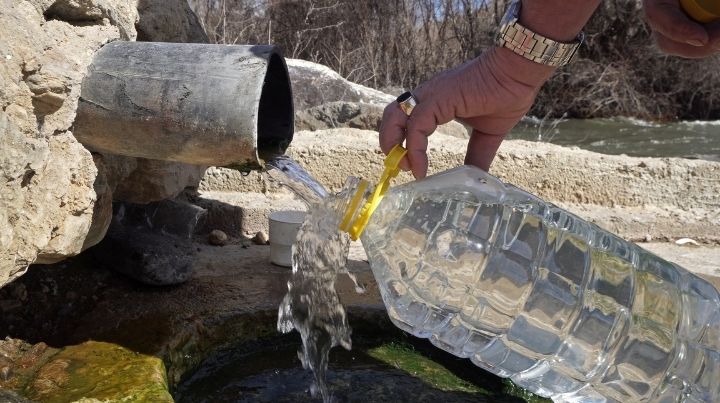
Survival Prepper: Clean Water

If you are an outdoor lover who enjoys hiking, camping, or trips in the wilderness, you understand how quickly a bottle of water can be consumed. The intense heat of the sun and sweating profusely can require you to drink more to stay hydrated. Water can be consumed quickly and you can run out fast.

This can be particularly true in a disaster situation where clean water might not be available for a while. An earthquake, flood, hurricane, or other disasters can damage water and sewer lines making freshwater unavailable for homes and families until water lines are repaired or help comes. Drinking unclean and unsafe water can lead to disease and death.

If you are in a situation where you need to find clean water to drink, here are some ideas.

Water Heater Tank


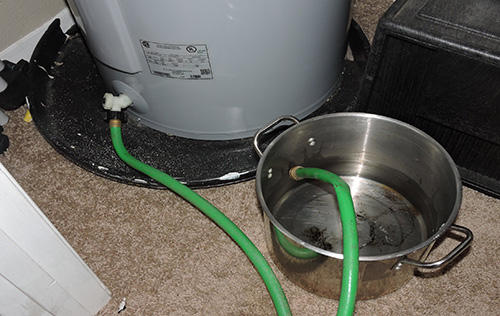
Be sure to turn off the electricity or gas before you unplug the drain at the bottom of your water heater tank. This water is already filtered water, and unless you fear it’s been contaminated, it should be safe to drink.

Stored Water


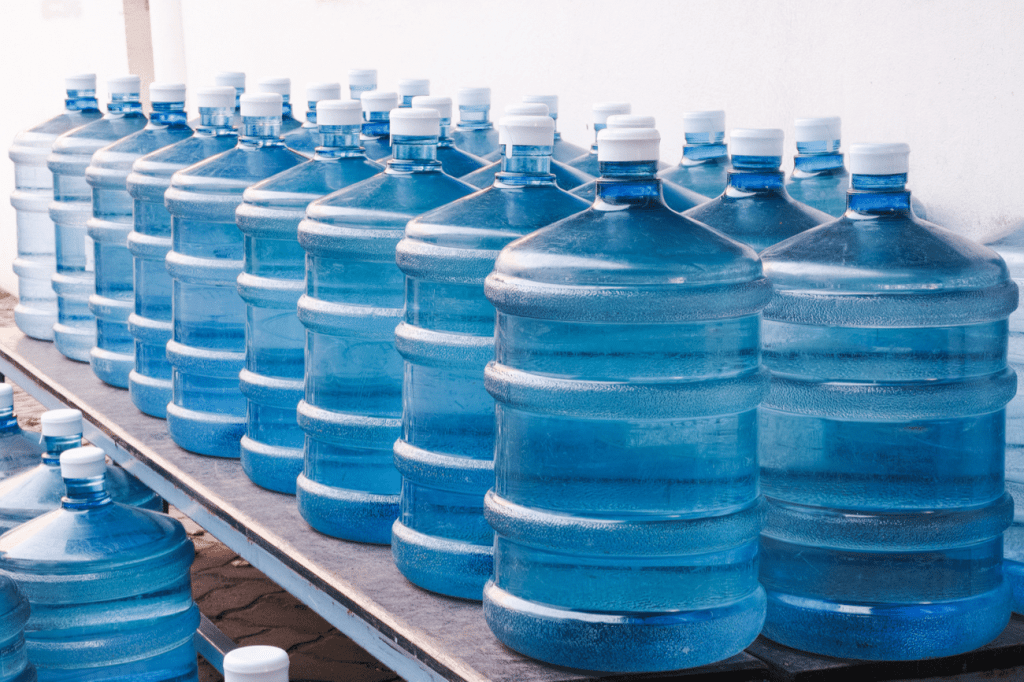
Store water in food-grade clean containers now before a disaster happens. Rinse out and thoroughly clean used 2-liter soda containers or plastic juice jugs and fill them with tap water. You can store these in your closet, behind beds, in your basement, under furniture, or wherever you have room. You can also use containers made for water storage like 5-gallon jugs, 55-gallon drums, or stackable WaterBrick containers. It is suggested that water storage be rotated every six months to 1 year. If not rotated, then have the means to filter if needed. Having some water stored on hand can be a lifesaver in the event of a disaster.

Rainwater


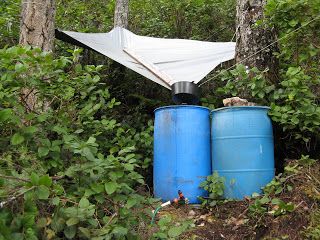
If you can collect rainwater in rain barrels or buckets attached to the downspouts from the roof of your home, it can be your main substitute water next to your stored potable drinking water. Rainwater will still need to be strained, filtered, and purified before you drink it.

Sillcock Key


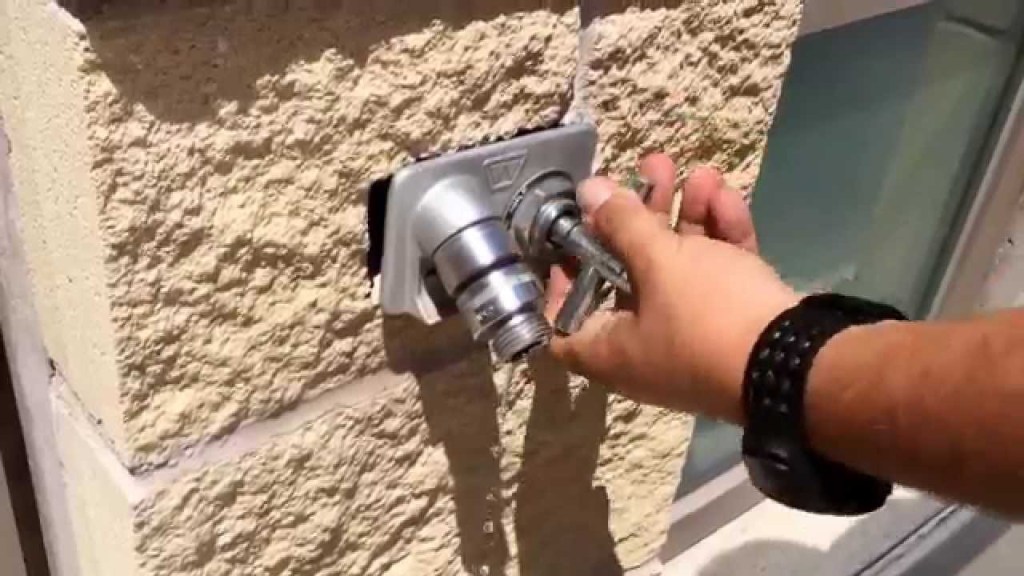
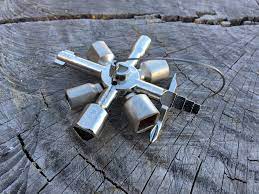
A sillcock 4-way key is an inexpensive preparedness item that you can find and purchase online. It gives you access to emergency water in commercial buildings like entertainment venues, mall strips, ballparks, golf courses, government buildings, rest stops, and so forth. Even if the water is turned off in a building, there can still be water in the pipes. Simply locate the water spigot on any business or public building and use the sillcock key to turn the spigot on. Have a bucket or hose ready to collect the water. The Sillcock key can be used where an adjustable wrench or pliers will not.

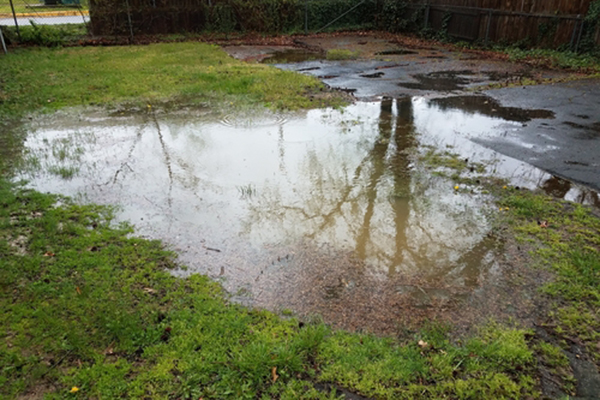
Avoid Standing Water


Pools and puddles of water are typically a focal point for bacteria and other harmful toxins. While this water can be purified, it will probably taste bad and might contain other harmful substances that are more difficult to filter out. Brown or muddy reddish water can be a sign of rust particles or other harmful substances and must be avoided. Most purification methods typically won’t be effective in this case and the water could be dangerous to consume.

Boiling to Purify Water


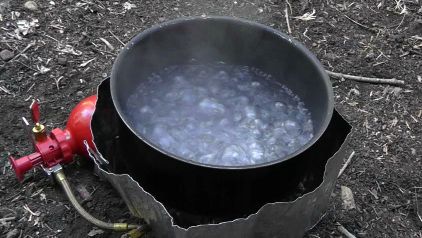
If you have any water that you are not sure if it is safe to drink, you will want to purify it. One of the oldest and most proven ways to purify water is by boiling.

To purify by boiling, first, pour the water through a clean piece of cloth or a coffee filter to strain out the visible dirt and debris. Then heat up the water in a pot until it starts to boil. It’s best for the water to reach a boiling point of 212 degrees Fahrenheit or 100 degrees Celsius to destroy pathogens if you have a thermometer to check.

Allow the water to boil for a minute or so to ensure it is completely up to temperature and that anything living in the water is killed. Boiling for too long will cause you to lose some of it to water vapor. You might want to cover it with a lid so that any water you lose to vapor will collect and condense again in the pot.

You also want to note that while boiling water will kill bacteria and dangerous living organisms, it won’t do anything to salts, chemicals, or rust. It also won’t change the taste of the water due to minerals or substances that make it taste bad.

Pool Shock to Purify Water


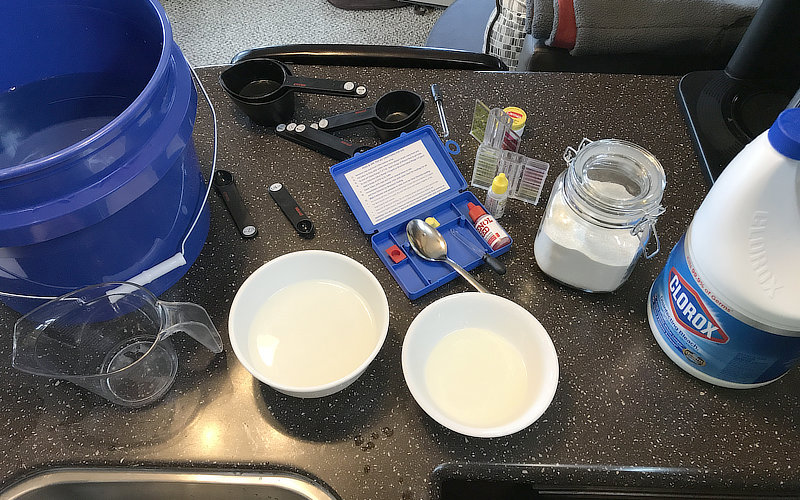
Calcium Hypochlorite or pool shock can be a bleach substitute for purifying water. Its long shelf-life and affordability make it a good choice to have on hand when needed. It also takes up less space than liquid bleach. The EPA states that you can use granular calcium hypochlorite to disinfect water.

Create a chlorine solution: Put one teaspoon of granular calcium hypochlorite (about ¼ ounce) into ONE gallon of water and allow it to dissolve. This blend creates a stock chlorine solution.

To disinfect water: Add ¾ ounce of the chlorine solution to treat ONE gallon of water.

[The ratio to use is one-part chlorine solution to 100-parts water to be treated. This is about equal to adding 16 ounces (1 pint) of stock chlorine to 12.5 gallons of water.]

To get rid of any unwanted chlorine smell, aerate the disinfected water by pouring it back and forth between two cups or canisters. This is true for bleach purified water, or stored water as well.

Chlorine Bleach to Purify Water


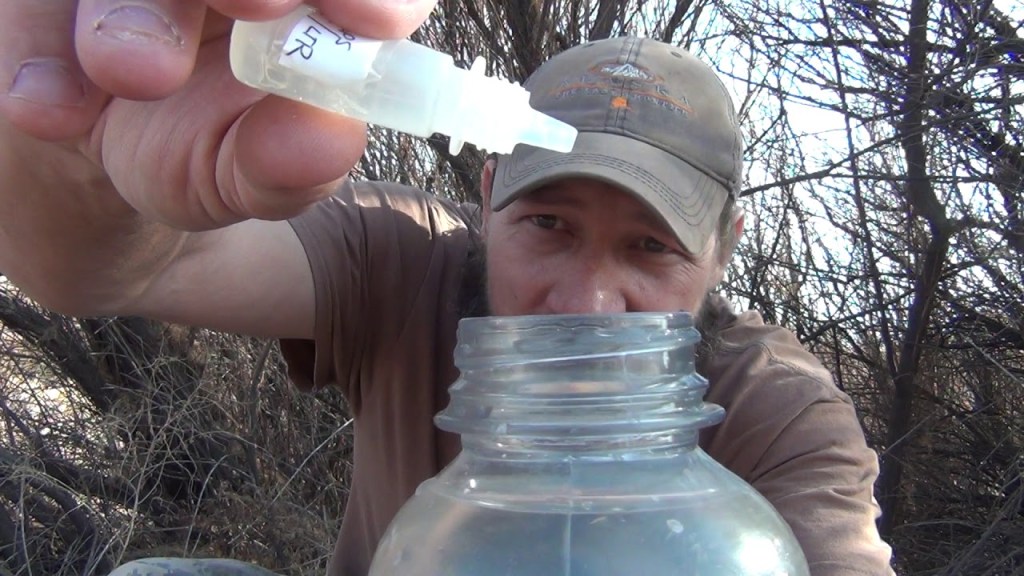
You can use regular, unscented chlorine bleach to disinfect your water. Check the label that it contains 6 or 8.25% sodium hypochlorite. Avoid using color-safe, scented, or bleaches with added cleaners. Be sure to filter the water getting out any debris or sediments first.

Then use 16 drops (¼ tsp) of chlorine bleach to purify TWO gallons of water or 8 drops to purify ONE gallon. If the water is cloudy, cold, or colored then double this amount. Stir the water and allow to stand for 30 minutes.

You can find the full article here!