This Cooking Mistake could Prove Deadly for the Homestead

This is how many house fires happen in the US every year,

And if you live the homestead lifestyle, you really

should pay attention to what I have to tell you here!

It’s more than you think.

When it’s something that shouldn’t happen even once.

House fires have ruined people’s properties.

Everything they worked for.

And in the worst cases, it has taken their loved ones.

It’s time we turn down the heat on this risk and stir up some safety measures.

Let’s address the elephant in the room, unattended cooking.

It’s the primary cause of these fires.

Picture this, you’re sautéing vegetables, the cellphone rings, and you step away, thinking, “It’s just for a moment.”

But brother, a moment is exactly what it takes for a fire to ignite.

The golden rule is simple. Stay in the kitchen while you’re frying, boiling, grilling, or broiling food.

If you must go out, even for a short period, power down the stove.

So let’s talk about what’s cooking on your stovetop. Crowded cooktops are a recipe for disaster.

Keep anything that can catch fire – oven mitts, wooden utensils, food packaging, towels, or curtains – away from your stovetop.

A clean cooking area is a critical precaution against fires.

For those who love a good simmer, setting a timer is your ally.

It’s an easy step that serves as a reminder that you’re cooking, especially useful when you’re simmering, baking, or roasting food.

In the unfortunate event that a small grease fire starts, remain calm.

If it’s safe to do so, smother the flames by sliding a lid over the pan and powering down the stove.

Keep the pan covered until it is completely cooled.

For an oven fire, keep the door closed and close the heat.

Remember, water is a foe in this scenario as it can cause the oil to splatter and spread the fire.

As I always say, being prepared can make a world of difference.

Consider keeping a fire extinguisher in your kitchen and ensure every family member knows how to use it.

But more importantly, if a fire grows out of control, don’t hesitate to evacuate and contact 911. Your safety is paramount.

God bless, and always stay safe and very aware!
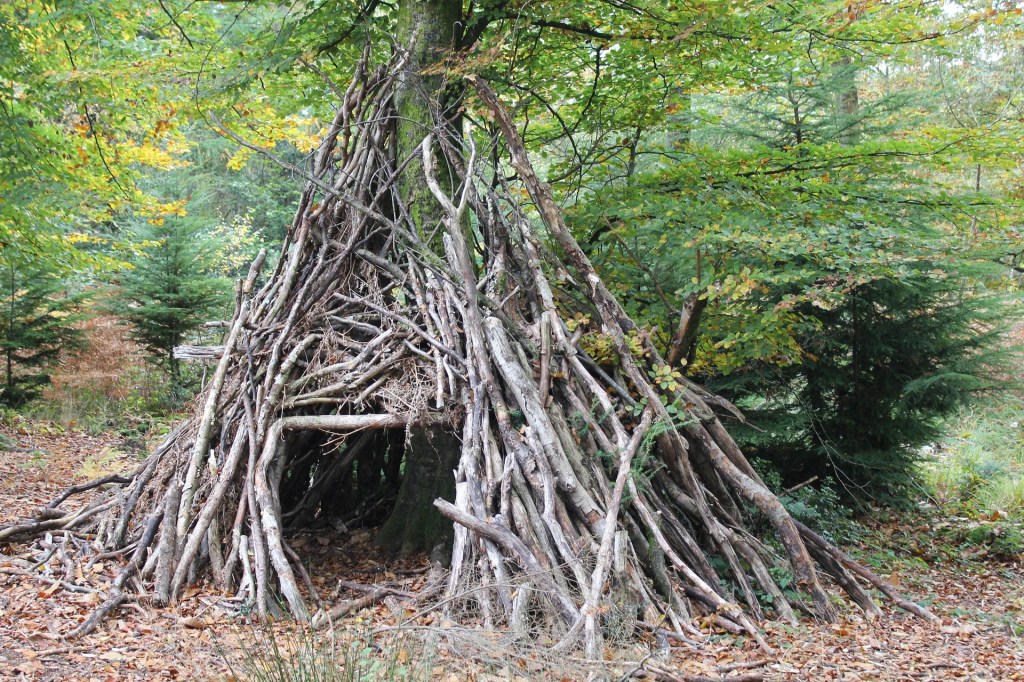
Building Shelter: Do’s & Don’ts

I think there are as many different ideas on how to build a survival shelter as there are survivalists. I have spent my share of nights in the wild, many times without any shelter, but on occasion, a good shelter comes in handy.

When to Build
I think the biggest mistake a lost person who really needs a shelter makes is that they wait too long before they decide to make a shelter. Most people who die in the wilderness do so from exposure.

A lost person thinks they are going to find salvation just around the next bend, or just over the next rise. The problem is that this thinking keeps on until they notice darkness is falling and it is almost too late to put any kind of effective shelter together.

Location, Location, Location
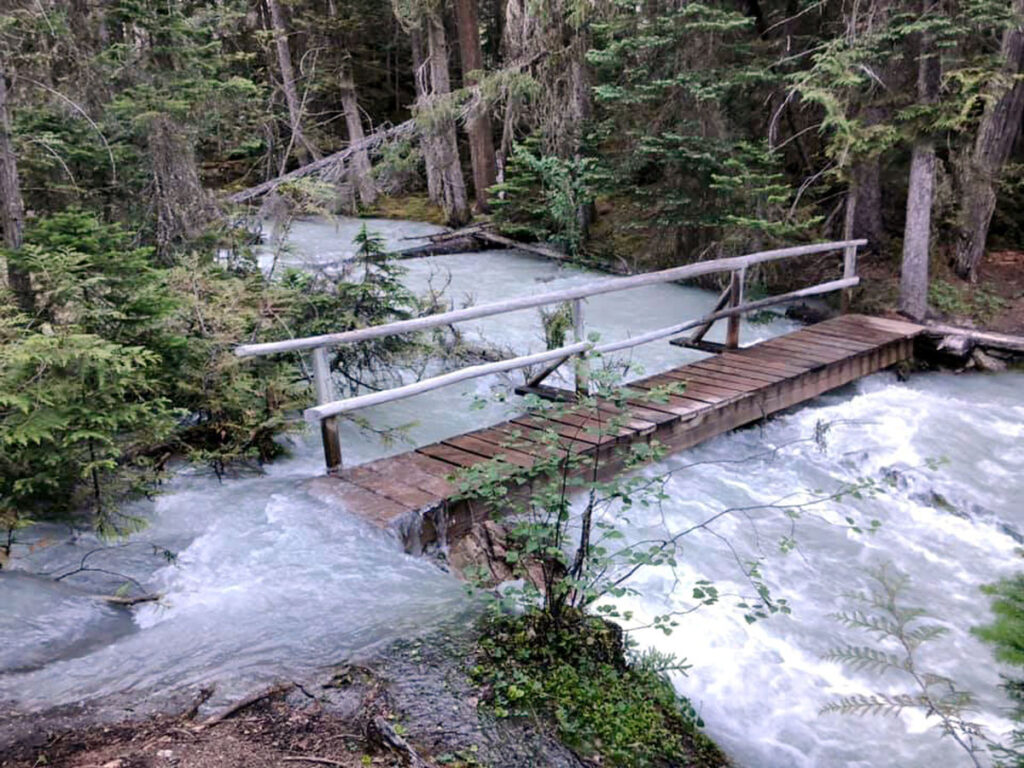
The next problem is many people pick the wrong location for their shelter. By just looking ravines makes a nice location for a shelter, but are prone to flash flooding. Avoid them because they can be deadly. Many will fail to look overhead when building their shelter, and end up with a dead tree, or large rock that could come down on them in the middle of the night.

Depending on where you live, unless the forest has been logged you can’t completely get away from large trees that may come down or drop a big branch on you. The best bet here is to find a large downed tree and build your shelter against it. This way the tree will take the blow, and hopefully spare you if something does fall.

Wind Direction
One of the most annoying things is to get a nice shelter built and then put in your fire, only to have the smoke inundate your shelter because you didn’t take the wind into account when you built it. A good angle away from the wind is best.

If you place it directly away from the wind the lee will cause the smoke to eddy and back up into your shelter.

Fire Safety
So you have a nice shelter built and warm fire in front only to be awakened from a deep sleep by your shelter being on fire! Basic fire safety is important especially in a survival situation, where what would be an inconvenience in a normal situation, can be fatal if you are lost. There should be some thought put into building your shelter other than just the mechanics of building it.

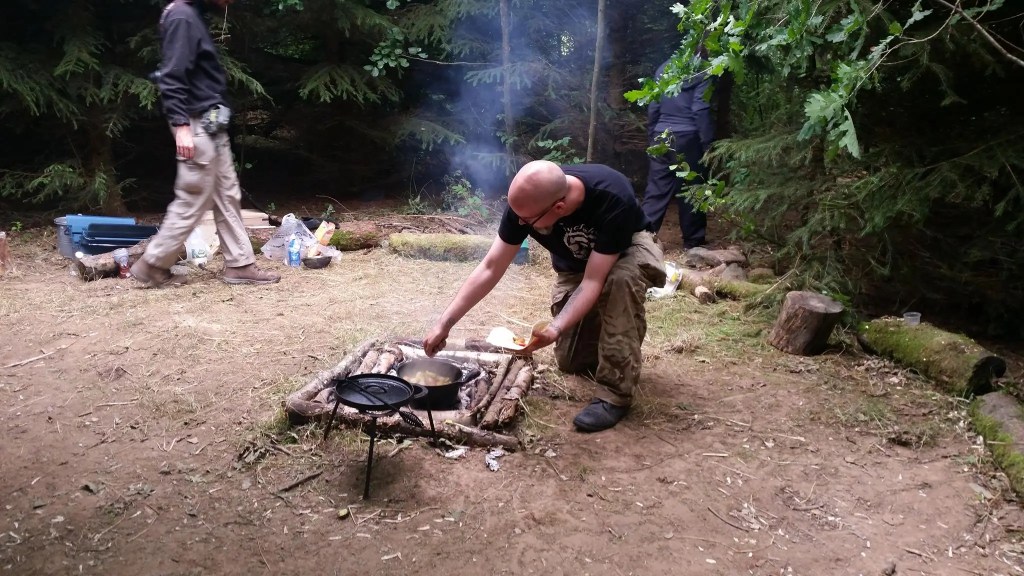
It’s important that you are not only warm, fed, sheltered, but also safe. Fire, while providing you comfort, can be very dangerous. So, please make sure to respect the nature around you by caring for your fire properly. Do not start a forest fire. Your fire pit must have boundaries, and you must keep an eye on it. Also, as we mentioned previously, observe where there is a break in the tree canopy before you set your fire.