

Surviving the Deserts and Earthquakes of Nevada: A Prepper’s Guide
Nevada, the Silver State, is well-known for its vast desert landscapes, glimmering casinos, and a lifestyle deeply rooted in independence. But beyond the glitzy lights and urban sprawl, residents are aware of the harsh realities of living in a state susceptible to a variety of natural disasters. As a prepper in Nevada, you’ve got to be ready for anything—from extreme heatwaves and wildfires to earthquakes and floods. In this guide, I’m going to walk you through how we prepare for Nevada’s worst natural disasters and offer 10 survival prepper tips that every Nevadan should know.
1. Understand the Nevada Landscape and Hazards
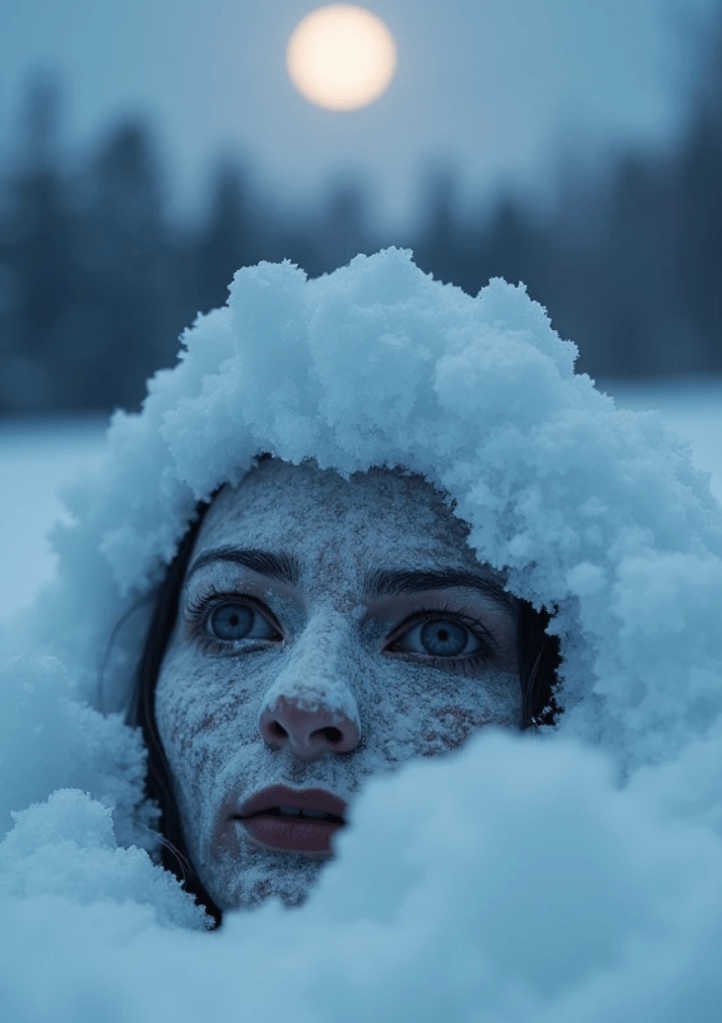
Nevada is a diverse state, but it’s known for its arid desert climate and rugged mountain terrain. The northern part of the state experiences extreme cold temperatures and heavy snow in the winter, while the southern part remains hot and dry year-round. Both extremes present unique survival challenges, especially during natural disasters. Residents in the north must prepare for snowstorms and freezing temperatures, while those in the south face the ever-present threat of wildfires and extreme heat.
CLICK HERE TO LEARN HOW TO SURVIVE A FAMINE
2. Wildfires: The Ever-Present Danger
Wildfires are a frequent and devastating threat in Nevada, particularly during the dry summer months. Wildfires can spread rapidly, consuming dry vegetation and quickly becoming uncontrollable. As a prepper, it’s vital to have a plan to evacuate if a wildfire is near. Prepare your home by creating defensible spaces around your property, clearing away dry vegetation, and investing in fire-resistant materials for your home.
Prepper Tip #1: Create an evacuation route and practice it with your family. Always have your go-bag ready, and be prepared to leave at a moment’s notice. Ensure that everyone knows where the emergency rendezvous point is.
3. Earthquakes: Nevada’s Hidden Danger
Nevada may not be as famous for earthquakes as California, but it’s a major player in the seismic zone. In fact, Nevada experiences more than 600 earthquakes each year, with some of them strong enough to cause significant damage. The west of the state is part of the Walker Lane Fault Zone, which is an active fault line. While most of these quakes are small, the potential for a large, damaging earthquake exists.
Prepper Tip #2: Secure your home by anchoring heavy furniture and shelving units to the wall. Store your emergency supplies in easy-to-reach places, and practice earthquake drills with your family.
4. Extreme Heat: Surviving Nevada’s Searing Summers
Summer temperatures in Nevada can easily exceed 100°F, especially in the southern part of the state. The desert climate makes it easy to become dehydrated, and prolonged exposure to the sun can result in heatstroke. Extreme heat can also lead to power outages and water shortages.
Prepper Tip #3: Invest in a good solar-powered air conditioning system or fans that can help you keep cool during power outages. Always keep a large water supply on hand—aim for at least a gallon per person per day for a week. Hydration is key.
5. Flash Flooding: A Surprising Hazard
While Nevada is mostly dry, flash floods can happen unexpectedly, especially during monsoon season. These floods can quickly transform dry riverbeds into raging torrents of water, sweeping away vehicles and homes in a matter of minutes. It’s crucial to know when flash flood warnings are issued and have a plan to get to higher ground if necessary.
Prepper Tip #4: Know the flood-prone areas in your area and avoid building or storing valuables in low-lying areas. If you live near a wash or riverbed, keep a set of waterproof clothing and emergency supplies ready to go.
6. Snowstorms and Winter Weather: Northern Nevada’s Challenge
Though much of Nevada is desert, northern regions like Reno and the surrounding areas can experience heavy snowfalls during the winter months. These snowstorms can lead to road closures, power outages, and the isolation of communities.
Prepper Tip #5: Keep a winter survival kit in your vehicle, including blankets, chains for your tires, extra food and water, and a flashlight. It’s also a good idea to have a backup generator for when the power goes out during a storm.
7. Droughts: A Long-Term Issue
Nevada is one of the driest states in the U.S., and droughts are an ongoing concern. With a reliance on the Colorado River for water, the state faces constant pressure from declining water levels. In prolonged drought conditions, water shortages become a critical issue.
Prepper Tip #6: Collect and store rainwater whenever possible. Having a rainwater harvesting system installed can provide a valuable backup water supply. Also, consider investing in a high-efficiency water filtration system for your home.
8. Tornadoes: A Rare but Real Threat
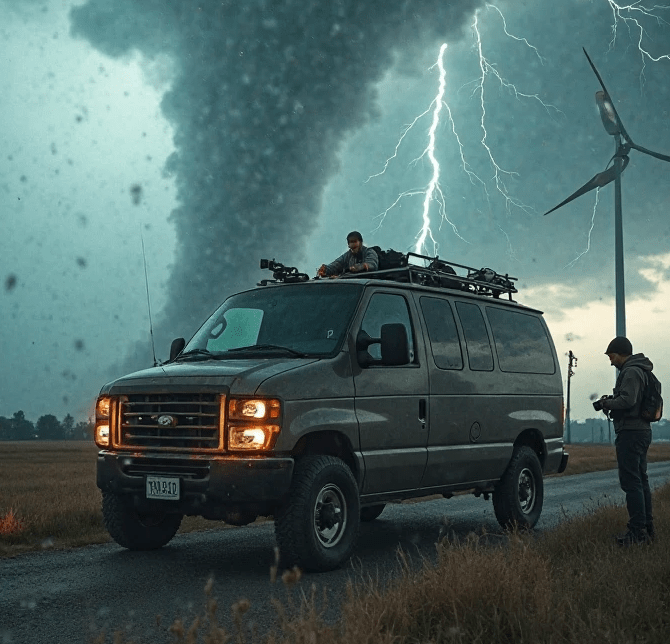
Though rare in Nevada, tornadoes can and do occur, primarily in the northern and central parts of the state. Tornadoes can come with little warning, and their destructive power can level entire structures. It’s vital to be prepared and understand what to do if one should strike.
Prepper Tip #7: Have a designated safe room or basement in your home that’s reinforced to withstand the wind and debris of a tornado. Keep it stocked with emergency supplies like first aid kits, water, and non-perishable food.
9. Pests and Rodents: An Unlikely Survival Threat
While not traditionally thought of as a disaster, Nevada’s desert environment can bring pests like scorpions, rattlesnakes, and rodents into close contact with humans. These animals can be dangerous and spread disease, especially if they’re driven to seek shelter due to natural disasters.
Prepper Tip #8: Seal up cracks and gaps in your home, especially in the foundation, to keep out pests. Always inspect outdoor gear and supplies before bringing them inside, and consider investing in pest-proof containers for food storage.
10. Power Outages: Be Ready for the Worst
The heat, wildfires, and snowstorms in Nevada can all contribute to power outages. Whether it’s a widespread blackout or a localized issue, losing electricity can be a serious survival challenge, especially if it’s during extreme weather.
Prepper Tip #9: Install a backup power system, like a generator, to keep essential appliances running. Solar-powered chargers for your phones and other devices can also be a lifesaver when the grid goes down.
11. Stay Informed: Knowledge is Key
Living in a state prone to natural disasters means staying informed. Nevada residents need to know when disasters are on the horizon and have access to reliable weather and emergency information sources.
Prepper Tip #10: Invest in a weather radio with battery backup, so you can receive up-to-date information during emergencies. Also, consider downloading emergency apps on your phone that will alert you to local disaster warnings.
Conclusion

Being a survival prepper in Nevada means more than just stacking up supplies—it’s about preparing for the unique natural disasters the state faces. Whether you’re braving the scorching summer heat, preparing for an earthquake, or evacuating from a wildfire, the key to survival is planning and preparation. With these 10 survival tips, you can be confident that you’re ready for whatever Nevada throws your way. Keep your head in the game, your supplies stocked, and your mind sharp. Survival in the Silver State isn’t just about luck—it’s about being prepared for anything.

 TheDailyChristian