Self-Sufficient Living: Possible Dream or Doomed Fantasy?

People love to romanticize the idea of “self-sufficient living.” They picture themselves wandering off into the woods, building a cute cabin, milking a goat at sunrise, harvesting vegetables in perfect weather, and somehow producing everything they need without ever depending on the collapsing society they’re supposedly escaping. It sounds wonderful—if you live in a fantasy novel. Out here in the real world, the one unraveling a little more every day, true self-sufficiency is a lot closer to a mirage than a lifestyle.

Let’s cut through the delusion: self-sufficient living is possible, but only in the same way surviving a plane crash is possible. Technically. Maybe. If a long list of things go right and the universe decides to let you live another day. But for most people who imagine they can just wander off and “live off the land,” the truth is brutal—nature does not care about your feelings, your Pinterest gardening boards, or your prepper fantasies.

And honestly, neither do I. I’m too busy watching society burn itself down while people still pretend the grocery store will always magically restock itself.


The Myth of the Lone Wolf Homesteader

Let’s get this out of the way: nobody—literally nobody—has ever been fully self-sufficient by themselves. Historically, self-reliance took communities, families, groups, tribes, villages. Tools were traded. Skills were shared. Labor was pooled. Even the toughest mountain men still relied on trade posts or the occasional supply run.

But today? The average person can’t even go a week without Wi-Fi before they start to unravel. Yet somehow they think they’re going to raise livestock, manage solar power, filter water, preserve food, heat a homestead, grow crops, defend their property, and stay sane—all by themselves.

It’s delusional. And it’s exactly why the idea of total self-sufficiency triggers me like nothing else. People treat it like a lifestyle aesthetic, not the grueling, backbreaking, year-round work that it really is.


Modern Society Has Made Us Too Dependent

Even most “preppers” are lying to themselves. They stock up on rice and canned food, but they still rely on gasoline, spare parts, batteries, tools, equipment, insulation, and seed companies. Everyone depends on something. And in a world where everything is mass-produced in distant factories, good luck trying to forge your own screws or manufacture your own water pump.

People forget that real self-sufficient living means:

  • No Amazon replacements
  • No hardware store quick fixes
  • No easy food refills
  • No electricity unless you generate it
  • No medicine unless you grow or make it
  • No heat unless you cut it, haul it, and split it

It’s astonishing how many folks think they’re ready, yet couldn’t keep a tomato plant alive on their balcony if their life depended on it.


Nature Will Test You, Then Break You

Everyone wants to be “independent” until reality shows up: droughts, pests, diseases, predators, cold snaps, equipment failures, injuries—just pick one and it can wipe out your entire year of effort.

You don’t get a refund.
You don’t get a do-over.
And you definitely don’t get a second growing season.

Imagine relying on a garden for survival, only to have hornworms chew through your food supply in two nights. Or your chickens get wiped out by a raccoon because you underestimated it. Or your water source dries up because the rain stopped coming when the planet decided you weren’t important enough to hydrate.

Self-sufficiency isn’t a dream. It’s a nonstop fight against everything around you that doesn’t care whether you live or not.


So Is Self-Sufficient Living Possible?

Here’s the honest, infuriating truth:

Self-sufficiency is possible in degree, but not in totality.

You can reduce dependence.
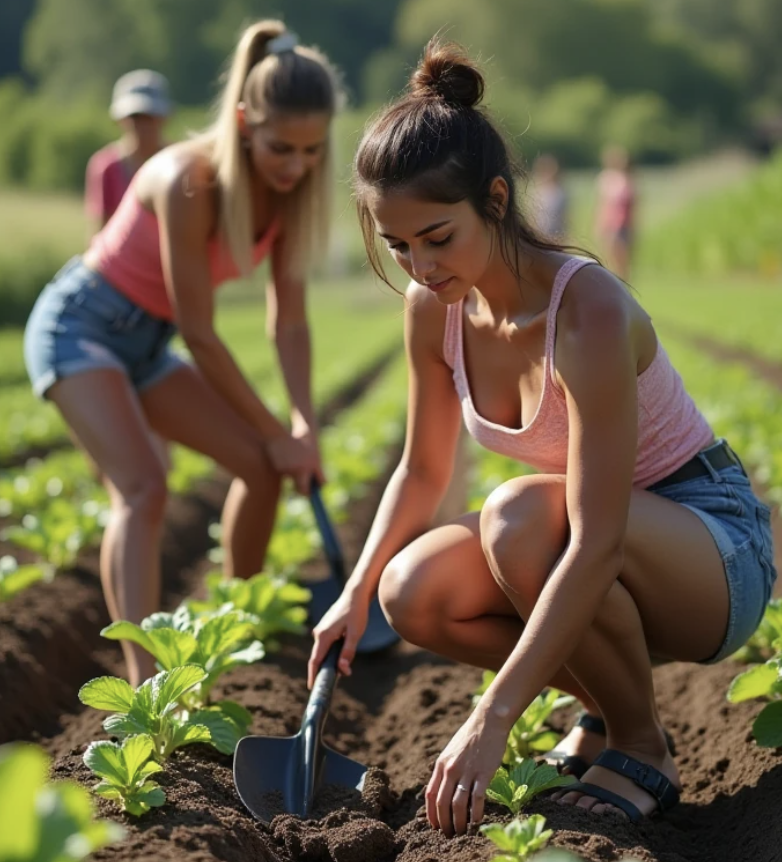
You can grow a lot of your own food.
You can produce some of your own power.
You can store and filter your own water.
You can build resilience.

But you will still need tools.
You will still need parts.
You will still need knowledge.
You will still need community.
You will still need something from the outside world.

Anyone who claims they’re “fully self-sufficient” is either lying, delusional, or conveniently ignoring the dozens of modern resources they still rely on.


The Real Goal Isn’t Isolation—It’s Resilience

If you want to survive what’s coming—and let’s be honest, what’s already happening—don’t chase the fantasy of being 100% independent. Chase resilience. Learn skills. Reduce reliance where you can. Build community with people who actually know what they’re doing. Prepare for reality, not fantasy.

Because self-sufficient living isn’t about escaping the world.
It’s about surviving it when everyone else realizes too late that the world was never built to take care of them.


Arkansas Homesteading in a World Gone Soft

Let me make one damn thing clear right off the bat: this lifestyle is not for the weak. It’s not for suburbanites dreaming of sipping herbal tea on a Pinterest-perfect porch while chickens lay eggs like it’s some kind of fairy tale. No. Homesteading in Arkansas — in this unforgiving, beautiful, humid mess of a land — is for people ready to bleed, sweat, and fight tooth and nail for freedom. If you aren’t ready to break your back and outthink every crisis the world throws your way, turn around and go back to your HOA-gated sugar cube of a house.

Now that we’ve cleared out the soft-bellied dreamers, let’s talk real homesteading — the kind that’s rooted deep in the Ozark clay, where you grow your own food, raise your own meat, harvest your own power, and look the modern system dead in the eye and say: No thanks, I’ll do it my way.

Arkansas is one of the last damn strongholds of real freedom in this country. We’ve got the land. We’ve got the water. We’ve got the independence-minded people. And if you’ve got the guts, you can build a life that doesn’t depend on corporate supply chains, grid-fed everything, or politicians screwing up your future.

But listen close: you better know your skills. You screw up here, and you’re not just making a mess — you’re losing livestock, killing your crops, or freezing your butt off in a winter storm. So here are 15 critical homesteading skills every serious Arkansan homesteader better master — or die trying.


15 Essential Homestead Skills for Arkansas Survivors

  1. Seed Saving & Heirloom Gardening
    GMO garbage won’t cut it. You better learn to save your own seeds from strong, local heirloom plants that thrive in the Arkansas heat and humidity.
  2. Rainwater Harvesting & Filtration
    You think your well’s invincible? Think again. Learn to collect and purify rainwater — before the droughts and EPA regulations catch up to you.
  3. Solar Power Setup & Maintenance
    The grid goes down every time a squirrel sneezes. Learn to harness that brutal southern sun and run your homestead off solar like a boss.
  4. Composting & Soil Regeneration
    Arkansas clay ain’t exactly nutrient gold. Learn how to build your soil from the ground up — literally — using compost, manure, and biochar.
  5. Animal Husbandry (Chickens, Goats, Pigs)
    If you can’t raise and butcher your own meat, what the hell are you even doing? Get yourself livestock and learn how to keep ’em alive and productive.
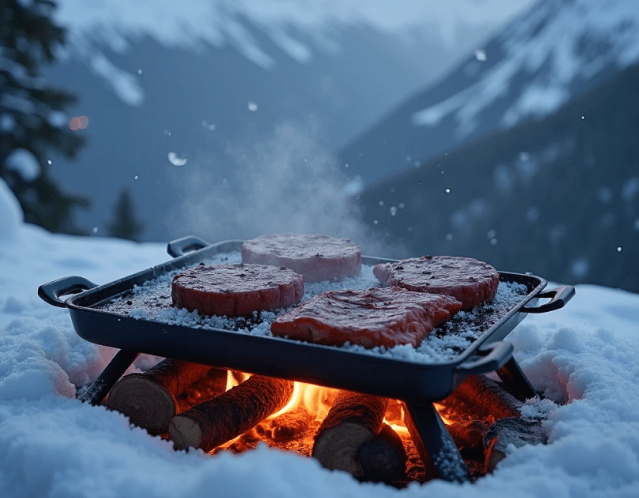
  6. Off-Grid Cooking (Rocket Stove, Solar Oven, Dutch Oven)
    When the propane runs out, you better know how to cook on something besides a plastic-clad gas range. Build it. Test it. Master it.
  7. Root Cellaring & Food Preservation
    Canning, drying, fermenting — it’s not optional. Your grocery store backup plan won’t mean squat during an ice storm or economic collapse.
  8. Basic Carpentry & Construction
    Cabin walls don’t build themselves. Sheds rot. Fences fall. Know how to build and repair like your life depends on it — because someday, it just might.
  9. Blacksmithing & Tool Repair
    Learn to fix what breaks. You won’t find replacements when the supply chain’s down and the hardware store shelves are empty.
  10. First Aid & Herbal Medicine
    The hospital’s 40 miles away and closed half the time. Learn the plants in your own backyard and keep a real med kit — not a Hello Kitty Band-Aid box.
  11. Trapping & Wild Game Processing
    You’ll thank yourself when deer season is gone and food’s tight. Coons, rabbits, squirrels — learn how to trap and use every part.
  12. Firewood Processing & Wood Stove Maintenance
    Electric heat fails. Always has, always will. You’ll need firewood stacked high and dry. Learn to fell, buck, split, and cure your wood right.
  13. Fencing & Livestock Containment
    A goat outside the fence is a goat in the neighbor’s tomatoes — and a .22 bullet away from being a problem. Build sturdy, predator-proof fencing.
  14. Water Pump & Plumbing Repair
    When the well pump fails in July, you’ll either know how to fix it — or you’ll be sweating while your wife packs the kids for the city.
  15. Barter & Trade Savvy
    Money’s great until it’s worthless. Know the value of eggs, pork, labor, ammo, and skills in a barter economy — and don’t get taken for a fool.

3 DIY Homestead Hacks That’ll Save Your Butt

  1. DIY Rocket Stove for Off-Grid Cooking
    Use old bricks, a metal pipe, and some elbow grease to build a high-efficiency rocket stove in your backyard. Cooks fast, burns clean, and doesn’t use more than a handful of twigs. When propane tanks are empty and your generator’s out of gas, this bad boy will keep your family fed and your coffee hot.
  2. 50-Gallon Barrel Rainwater Catchment System
    Cut the top off a food-grade barrel, add a mosquito screen, and rig up a PVC overflow. Hook it to your downspouts with a first-flush diverter. Add a spigot at the bottom and boom — you’re harvesting 50 gallons of off-grid water per storm, without touching your well.
  3. Solar-Powered Electric Fence from Salvaged Panels
    Got an old solar panel and a car battery? Hook them up to a DC-powered fence charger. Keeps your goats in and the coyotes out without touching your utility bill. Cheap, reliable, and damn near bulletproof.

Arkansas Isn’t a Game — It’s a Battlefront

The government doesn’t care about you. The power company sees you as a dollar sign. The grocery store shelves are three days away from empty during any decent panic. You are the last line of defense between your family and chaos. And the only way you win is by learning, adapting, and never backing down.

Don’t sit on YouTube “researching” forever. Get your boots dirty. Plant something. Fix something. Butcher something. And for the love of everything worth living for — stop expecting the system to save you.

Arkansas is fertile ground for the independent and the bold. The laws are in your favor. The land is still affordable in places. And the people — the right people — will help you if you’re worth a damn. But you better bring grit. Bring skill. Bring that fire in your belly that says, “I don’t need handouts. I’ve got hands, and I’ve got the will.”

This ain’t a damn trend. It’s a way of life. And it might just be the last one left that makes any sense.

Homesteading Skills – Gardening, livestock, beekeeping, and food independence.

Alright, buckle up, because I’m not here to sugarcoat anything. If you think homesteading is some cute little hobby for weekend warriors sipping lattes, you’re dead wrong. This is about survival — real, gritty, no-BS self-reliance in a world that’s falling apart piece by piece. You want to eat, you want shelter, and you want your family to live? Then you better learn these homesteading skills now before the grid goes dark for good.

Homesteading Skills – Gardening, Livestock, Beekeeping, and Food Independence

15 Survival Skills You’d Better Master Yesterday

1. Seed Saving and Storage
If you don’t know how to save seeds from your crops, you’re just begging for starvation. Learn to harvest, dry, and store seeds properly. Keep them cool, dry, and dark. That little packet is your lifeline next season.

2. Soil Building and Composting
You want crops to grow, right? Then don’t expect miracles from dead dirt. Build healthy soil with compost and mulch. Stop relying on chemical fertilizers—they run out and poison your land. Nature’s way is the only way.

3. Crop Rotation and Companion Planting
Planting the same crop in the same spot every year is a death sentence for your garden. Rotate crops and plant companions that fight pests and boost growth naturally. Learn which plants hate each other and which ones love each other.

4. Water Harvesting and Conservation
Relying on municipal water? Ha! Learn to catch rainwater, build swales, or dig wells. Know how to conserve every drop. Without water, nothing grows, and you dry up and die.

5. Livestock Husbandry Basics
Chickens, goats, rabbits—these animals are your food factory, fertilizer source, and even security if you know what you’re doing. Learn proper feeding, shelter, health care, and breeding. Don’t let your critters die on you like some backyard zoo.

6. Butchering and Meat Processing
Don’t be squeamish. Learn how to butcher your animals cleanly and safely. Meat rots fast if you don’t handle it right. Knowing how to process and preserve meat saves your life when the freezer fails.

7. Beekeeping and Honey Harvesting
Bees aren’t just cute—they’re essential pollinators. You want your garden to produce, you better keep bees. Honey is natural medicine and a long-lasting sugar source. Know how to manage hives and harvest without wrecking the colony.

8. Food Preservation Techniques
Canning, drying, fermenting, smoking—you need to preserve your harvest or you’ll waste half of it. Learn every method so you don’t rely on supermarkets. Preserved food can keep you alive through winter or tough times.

9. Foraging Wild Edibles
Don’t just rely on your plot. Know how to find and identify edible plants, nuts, and berries in the wild. Ignorance here will get you sick or dead.

10. Pest and Disease Management
Don’t just spray chemicals like a zombie. Learn organic and natural pest control methods. Healthy soil and diverse crops resist pests better. If your garden gets wiped out, your food supply is toast.

11. Tool Maintenance and Repair
Broken hoe? Dead chainsaw? No parts and no hardware store nearby? Learn to fix and maintain your tools. Your tools are your lifelines—treat them like your own limbs.

12. Emergency Shelter Building
Shit hits the fan and you lose your home? Knowing how to build a quick shelter from natural materials or salvage is crucial. This isn’t just about comfort—it’s survival.

13. Fire Making and Cooking
You better know how to build and control fire with or without matches. Open flame cooking skills will save you when the power grid fails and fuel runs scarce.

14. Animal Butchering and Hide Tanning
Besides meat, your livestock gives you hides, bones, and sinew—valuable resources. Know how to tan hides and turn scraps into useful gear. Don’t waste a single bit.

15. Self-defense and Security
Protect your homestead. Learn basic self-defense and security protocols. Desperate people do desperate things, and when society collapses, you’ll need to defend your food and family.


3 DIY Survival Hacks for Homesteading

Hack #1: DIY Solar Food Dehydrator
Stop waiting for fancy gear. Build a solar dehydrator using scrap wood, clear plastic, and mesh screens. Dry fruit, herbs, and meat under the sun to preserve food without electricity. This simple contraption can save tons of food from spoiling and give you portable, high-energy snacks when fuel and power are gone.

Hack #2: Rain Barrel Water Filter
Set up a rain barrel system with a basic filter made from layers of sand, charcoal, and gravel. Collect rainwater off your roof, run it through this filter, and use it for irrigation or emergency drinking water after boiling. It’s dirt cheap and can keep your plants alive when drought hits.

Hack #3: Chicken Tractor from Scrap Materials
Build a movable chicken coop (chicken tractor) out of reclaimed wood and hardware cloth. This lets your chickens fertilize fresh ground while scratching for bugs, reducing feed costs and improving your soil naturally. Plus, it’s easy to move so you can keep your flock safe and happy.


Listen up. These skills aren’t just a hobby or a cute weekend project. They’re your lifeline if the supply chains break, the power grid goes down, or the economy tanks. Waiting for “someone else” to save you is a death sentence.

You want food independence? You want to raise your own protein and pollinate your garden with bees? You want to survive hard times with dignity? Then put down your phone, get outside, and start mastering these skills. No one’s coming to rescue you. It’s up to you to build, grow, and defend.

And if you think it’s easy, you’re dead wrong. It takes sweat, grit, and constant vigilance. This is survivalism at its rawest—no shortcuts, no excuses, no luxury.

Get to work.