Survival Gold: Highest Calorie Canned Goods to Stockpile Now

Listen up, you soft city dwellers and clueless suburbanites. If you’re still prancing around thinking a few cans of soup and a bag of rice will keep you alive when the world goes sideways, you’re dead wrong. You’re not prepping; you’re playing pretend. When the grid goes down, when the shelves are bare, and when the chaos hits, you better have the right fuel to keep your body running. And that fuel isn’t some low-calorie, nutrient-deficient nonsense. It’s high-calorie, shelf-stable, and packed with the energy you need to survive. So, let’s talk about the real survival gold: the highest calorie canned goods you should be hoarding right now.


🔥 1. SPAM – The Calorie Beast

Let’s start with the king of canned calories: SPAM. Each can packs a whopping 1,080 calories. That’s right—1,080 calories of pure, unadulterated energy. It’s compact, shelf-stable, and doesn’t require refrigeration. In a survival situation, that’s gold. Sure, it’s not gourmet, but when you’re hungry and the world’s gone to hell, you’ll be thankful for every greasy bite.


🥩 2. Libby’s Corned Beef – Protein Powerhouse

Next up, Libby’s Corned Beef. This isn’t just a salty snack; it’s a protein-packed powerhouse. With 2.1 calories per gram, it’s dense, filling, and perfect for long-term storage. It’s been a staple in American pantries since 1868, and for good reason. When you’re rationing food, you want something that sticks with you.


🐟 3. Tuna in Oil – Omega-3 and Calories

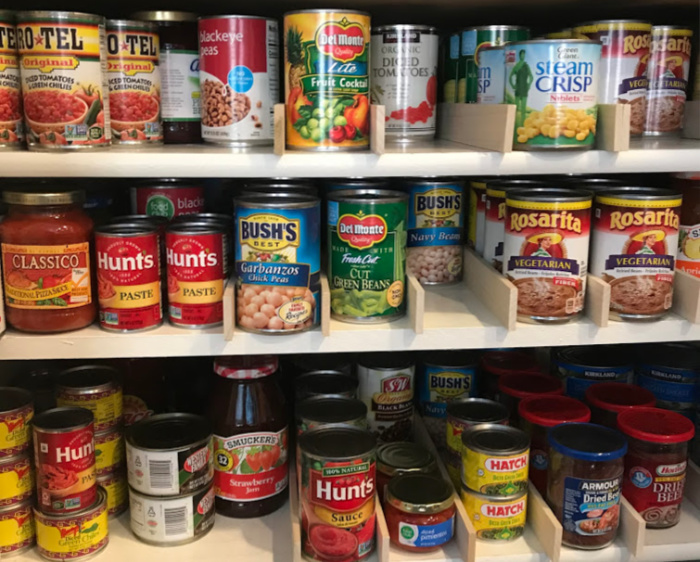
Don’t overlook canned tuna in oil. While tuna in water is leaner, tuna in oil is calorie-dense and provides essential omega-3 fatty acids. A 5-ounce can can deliver around 160 calories, and that’s before you even factor in the oil. It’s lightweight, easy to store, and doesn’t require cooking. In a pinch, that’s invaluable.


🌶️ 4. Chili with Beans – Comfort and Calories

Chili with beans is more than just a comfort food; it’s a survival staple. A 19-ounce can can pack up to 540 calories. It’s hearty, filling, and provides a good balance of protein and carbohydrates. Plus, it’s easy to eat cold if you don’t have a way to heat it up. When the world is falling apart, a warm meal can do wonders for morale.


🥩 5. Roast Beef – Ready-to-Eat Protein

Canned roast beef is a must-have for any serious prepper. A 15-ounce can can deliver around 400 calories. It’s ready to eat, requires no preparation, and is packed with protein. When you’re on the move or don’t have the luxury of a full kitchen, this is the kind of food that keeps you going.


🍗 6. Chunk Chicken Breast – Lightweight Protein

Canned chunk chicken breast is another excellent protein source. With around 240 calories per can, it’s lightweight, easy to store, and versatile. You can eat it straight from the can, mix it with other foods, or use it in recipes. In a survival situation, versatility is key.


🥫 7. Canned Beans – Carbs and Fiber

Don’t forget about canned beans. They’re not just for chili; they’re a great source of carbohydrates and fiber. A cup of canned black beans can deliver around 200 calories. They’re shelf-stable, easy to store, and can be eaten cold if necessary. In a long-term survival situation, you’ll need carbs to keep your energy up.


🥥 8. Coconut Milk – High-Calorie Liquid

Coconut milk is often overlooked, but it’s a high-calorie liquid that’s perfect for cooking or drinking. A cup can deliver around 552 calories. It’s also shelf-stable and can add variety to your meals. When you’re stuck eating the same things day after day, a little variety can make a big difference.


🍫 9. Dark Chocolate – Sweet Survival

Yes, dark chocolate. It’s not just a treat; it’s a survival food. An ounce can deliver around 150–170 calories. It’s also packed with antioxidants and can boost morale. In a survival situation, keeping your spirits up is just as important as keeping your body fueled.preppingprotips.com


🍜 10. Instant Noodles – Quick and Calorie-Dense

Instant noodles are a prepper’s best friend. A package can deliver around 380 calories. They’re lightweight, easy to store, and cook quickly. In a survival situation, time and energy are precious commodities. Anything that saves you both is worth its weight in gold.


🔧 15 Survival Skills You Better Master (continued)

Fire Starting – Without fire, you’re dead.

Water Purification – You can’t drink from just any stream.

Shelter Building – Hypothermia kills.

Foraging – Know what’s edible and what’s not.

Hunting and Trapping – Food doesn’t just appear.

Fishing – Rivers and lakes are full of food if you know how to catch it.

Self-Defense – Not everyone is friendly.

Navigation – A map and compass are your best friends.

First Aid – Injuries happen; know how to treat them.


🛠️ 3 DIY Survival Hacks That Actually Work

You don’t need fancy gear. You need grit, brains, and a little ingenuity. These three hacks could make the difference between dying cold in a ditch or seeing another sunrise.


1. DIY Rocket Stove (Out of Cans)

Forget lugging a propane burner. You can build a small rocket stove with just a large coffee can, a smaller soup can, and a knife. Cut an L-shaped channel in the sides, nest the smaller can inside, and boom—you’ve got a high-efficiency burner that uses sticks and dry leaves to boil water in minutes. Lightweight, compact, and hot as hell. That’s the kind of stove that saves lives.


2. Crayon Fire Starters

That’s right—those dumb crayons you gave your kids can burn for up to 30 minutes each. Wrap a few in foil, keep them in your bug-out bag, and when you need to get a fire going in wet weather or high wind, light the paper wrapper. You’ll thank me when your hands are frozen and your lighter’s sputtering.


3. Plastic Bottle Fishing Kit

Take a water bottle, wrap 10-15 feet of fishing line around it, tuck in a couple of hooks and sinkers, and seal the whole thing up. Now you’ve got a compact, waterproof fishing kit that can catch you dinner in any river, lake, or pond. Lightweight, stealthy, effective—like every survival tool should be.


🧭 Final Thoughts from an Angry Survivalist

Here’s the ugly truth: Most people aren’t gonna make it. They’ll run to the grocery store three days too late, get trampled for a loaf of bread, and starve in the comfort of their own panic.

But not you.

You’re here because you see the storm on the horizon. You know that survival isn’t about who has the nicest solar generator or the fanciest bug-out location. It’s about planning. It’s about discipline. And yes—it’s about calories.

Canned food isn’t just convenient—it’s currency, it’s fuel, and it’s life insurance. And every single can you stack today is a bullet dodged tomorrow.

So don’t listen to the soft voices telling you, “you don’t need that much food,” or “you’re being paranoid.” No, you’re being prepared. And when things go sideways—and they will—you’ll be alive, well-fed, and ready to rebuild while the rest are curled up in their living rooms, wondering where the Wi-Fi went.

Stock up. Train up. And for the love of survival—don’t wait.

This isn’t a game. It’s survival. And only the prepared will eat.

How much emergency food should every American stockpile?

Most survival experts out there say every American, no matter your age or weight, needs a 72-hour supply for each person in your house.

3 days in other words.

But let’s be real. When was the last time an emergency packed up and left in exactly three days?

Exactly.

You gotta have at least a two-week supply of food.

And that’s for short emergencies.

But what about when the unexpected turns into the indefinite?

This is where things become more complicated.

In emergencies like these, where supermarkets become a memory and the grocery store aisles are bare, the rules of the game begin to shift.

And if you’re unprepared, you might as well lay down and accept your fate.

Let’s talk about what most folks neglect.

Preservation is your ally.

Learning to preserve food can be a game-changer.

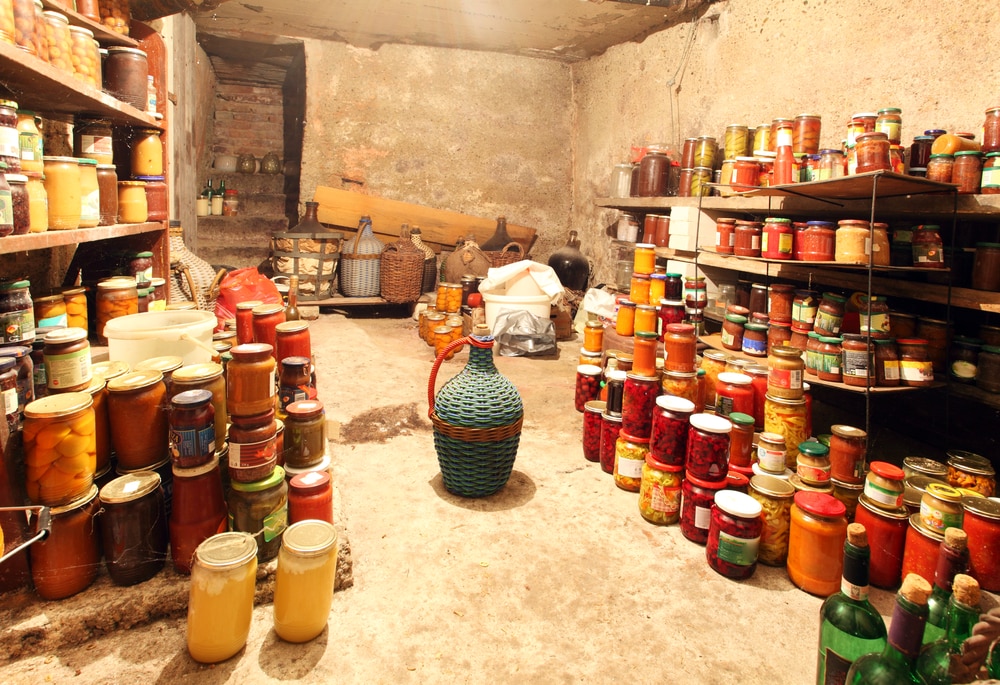
Canning, dehydrating, and smoking are methods that can extend the lifespan of your food significantly.

Ever thought about pickling those cucumbers or making jerky from that deer meat?

This is the time to do so.

But you have to be careful!

This is what happens when you don’t can your food properly.

But don’t worry, if you’re not sure you’re able to can your food properly, you have more options.

Grow your own food!

In an indefinite emergency, becoming self-reliant is non-negotiable.

Take advantage of your backyard.

Even a small patch can produce a surprising amount of food. And don’t forget about herbs and sprouts, they can be grown even in a sunny window.

Bulk up on knowledge

Knowledge trumps everything.

The more you know, the safer you are.

This is why the emails you’re reading are so important.

Because I hold nothing back.

And I talk about everything that lets me survive in the world’s harshest conditions possible.

Keep learning about foraging, hunting, and fishing. Understand your local environment and what it can provide.

And stay curious. That’s important, brother.

Community strength

Humanity’s lived so long because we’ve stuck together.

Pooling resources, sharing knowledge, and supporting each other can make a world of difference.

The Mental game

This one’s tricky.

You can’t underestimate the power of a positive mindset.

The ability to stay calm, think clearly, and keep morale high is just as crucial as any physical preparation you’ve made.

This is how you build mental toughness.

Folks, preparing for prolonged emergencies ain’t easy.

And that’s why most folks don’t do it.

But I know my readers are not like most folks.

You guys are tough.

This is why I tell you these things.

Because I know you’re going to put in the work.

So keep doing what most folks aren’t willing.

And do whatever necessary to keep your family safe.

Also, I created a rather in-depth survival prepper TikTok account that you may want to check out!

Post-apocalyptic currency

As much as I hate to say it

The dollar, like the current US military, is losing its value around the world.

I remember when the American currency, as well as the military, used to be proud.

A global leader.

But not anymore, folks.

Inflation is on the rise. And we are currently going through a tough US recession.

And yet, experts say it’s nothing compared to what’s coming.

There could be a time when our wallets are as good as empty.

If that time comes, we have to be ready.

And think outside of the box.

If the world goes to an end of times scenario, and everyone struggles to meet their basic needs, how can we ensure we have food to eat and a roof over our heads?

Well, how did our ancestors do it?

By trading valuable goods and services.

When we talk about bartering, most people think of precious metals, ammunition, or medication as the leading currency.

And while that’s true, there are some humbler and underrated everyday items that will become invaluable in times of need.

Matches, for example.

We take them for granted these days. But in a post-apocalyptic world, the ability to build a fire can mean the difference between a hot meal and going hungry.

So stocking up on waterproof matches? Not a bad idea.

Next up, hygiene products. In extended emergencies, cleanliness can be the first casualty.

Simple items like soap, toothpaste, or sanitary products can suddenly skyrocket in importance, not just for comfort but for health.

An infection in an emergency situation? Not on my watch.

Another underrated example is seeds. Yes, those tiny things we plant in our gardens.

The ability to grow your own food can be a lifesaver.

And, of course, skills will be as valuable as items.

Knowing how to mend clothes, repair tools, or even basic first aid? That knowledge can make you indispensable in a pinch.

My advice? Take a moment to reconsider the value of what’s around you.

Begin collecting a few essential items.

Not just for your use,

But as potential barter material.

Remember, in challenging times, it’s often the little things that make the biggest difference.

Let’s keep an eye on the details, folks.

Imagine this chilling scenario unfolding before your very eyes:

The emergency alarms blare, indicating a dire situation.

A government official, closely tied to the current administration, barges into your sanctuary, demanding access to your hard-earned stockpile.

Your carefully accumulated supplies are loaded into their bag, and they start distributing them among neighbors, including those who once mocked the idea of a disaster ever occurring.

It sounds like a nightmare straight out of a dystopian novel or a page from a history book on communist regimes.

But believe it or not, due to Executive Order 13603, recently signed into effect by the Dems, this frightening reality is happening in America right now.

Under this executive order, the government has the authority to seize and redistribute YOUR essential resources, including food, water, and other vital supplies.

However, there is hope.

A survival expert has shared a 30-second “stockpile hack

That can effectively block the government from laying hands on your carefully curated gear.

This invaluable information is a game-changer for every prepper out there.

Don’t delay! Watch the expert’s short video, especially the crucial segment at 3 minutes and 54 seconds, to safeguard your stockpile and protect your family’s well-being.

Outsmart the government by securing your stockpile.

Remember, knowledge is power, and the time to act is now.

Share this vital information with your fellow preppers before it’s too late.

God bless you for reading this, and please keep your family safe!

Survival Prepper – Items You Will Not Survive Without

Whether you’re a master prepper or this is the first time because of the Covid-19 pandemic, there is no better time to set yourself up for success in case things get even worse.

What really matters will always come down to the basics of food, water, shelter, and a means to protect yourself and your family. The following is a list of items to stockpile for emergencies and other survival situations. Including items that could be useful during weather emergencies and longer-term grid-down situations.

Must-Have Items to Stockpile

Water


Water is the most valuable item on this list. The human body can last weeks without food, but only 3- 5 days without water. The body is made up of 50-75% water. It is the basis of blood, digestive juices, urine, and perspiration. It’s important to know, that without water, your body will shut down. If you still need a little convincing, I’ve listed a few ways water provides us with essential nutrients.

  • Water is essential to most bodily functions.
  • The body has no way to store water and needs fresh supplies every day.
  • The best source of fluids is freshwater.
  • Dehydration can happen when the body’s fluids are low. It can be life-threatening, especially to babies, children, and the elderly.
  • Water loss needs to be replaced.
  • Maintain the health and integrity of every cell in the body.
  • Keep the bloodstream liquid enough to flow through blood vessels.
  • Help eliminate the by-products of the body’s metabolism, excess electrolytes, and urea, which is a waste product formed through the processing of dietary protein.

Don’t limit yourself to just water itself, though. Anything that can help locate, contain, or purify water will also be a huge hit. Try items like filters, water purification tablets, and desalination kits.

Food


Food stockpiling is the second most important item needed for disastrous situations. At the very minimum, you should have a 30-day stockpile of food on hand. stick to dense foods like cans of beans and bags of rice, These items last longer and don’t take up as much space like a bag of potato chips.

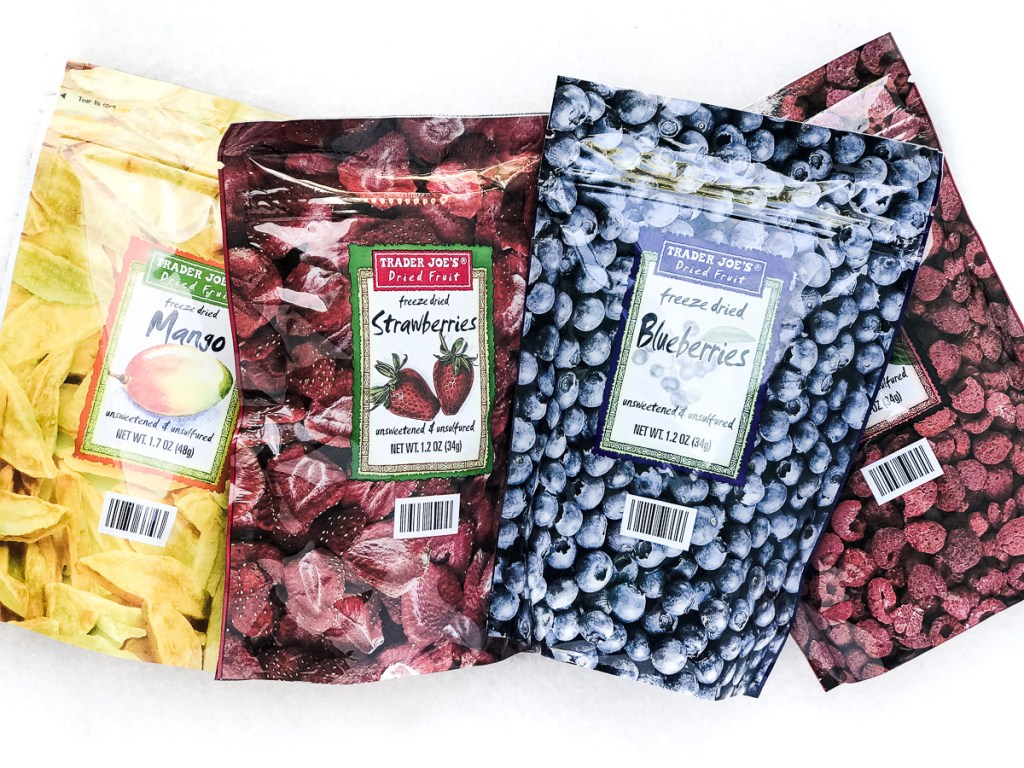
Focus your attention on calorie-dense and processed foods that can last years. Dehydrated, freeze-dried, canned, and smoked goods will fetch a high price. Save lots of room for protein bars, and protein powder.

Meat is so incredibly difficult to have a long-lasting shelf-stable supply of. Traditional meat preservation methods have been lost because of the fear associated with food poisoning and spoiled meat. And if we are honest with ourselves, it is so easy to just store meat in the freezer.

Salt For Meat Preservation


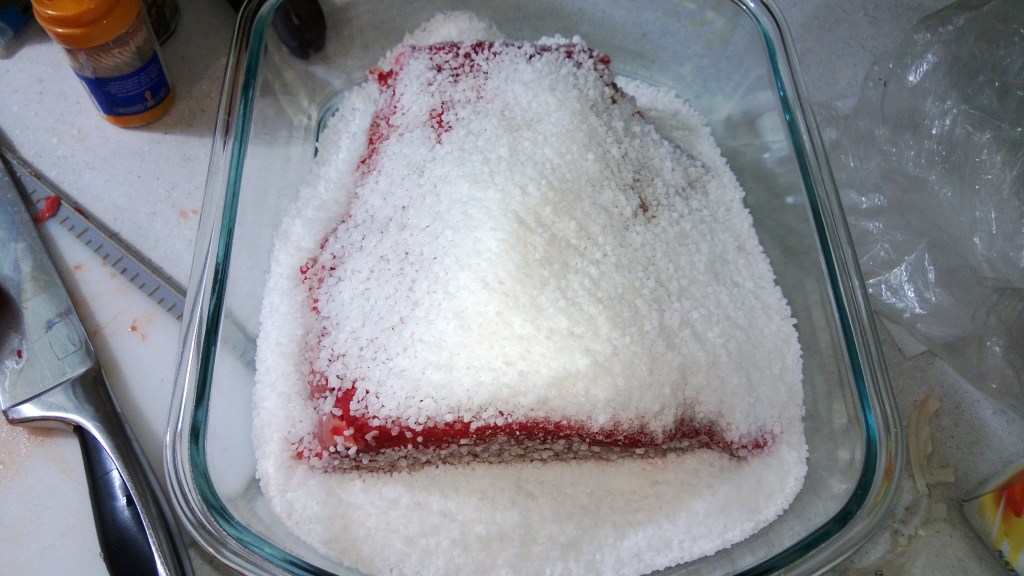
No matter which meat preservation method you choose, you will need to keep salt on hand. Canning or freeze-drying are the only ways to preserve meat without salt, and it is actually recommended that you use at least a little bit. Salt draws out moisture and binds to the remaining water molecules in the meat. This creates an inhospitable environment for microorganisms.

Most importantly, salt actually kills many microorganisms that may be contaminating the meat through a process called osmotic shock. This basically causes a dramatic loss of water in their cells. If they don’t outright die, they certainly suffer and cannot grow as fast.

If you have the space and the ability, you can attempt to grow fresh foods. Carrots, potatoes, and wheat store the longest and have multiple uses. Consider saving seeds to insure a constant supply of your favorite fruits and vegetables. Got room for small livestock? Chickens are a great option if you have space. They’re hardy, surprisingly loyal, and great foragers and composters that’ll help with your garden. When they stop laying eggs, drop them in a pot and you’ve got dinner. Eggs and chicks are both invaluable bartering items.

Heat or Light


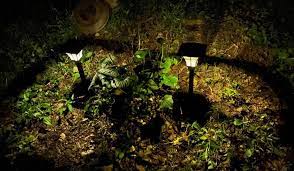
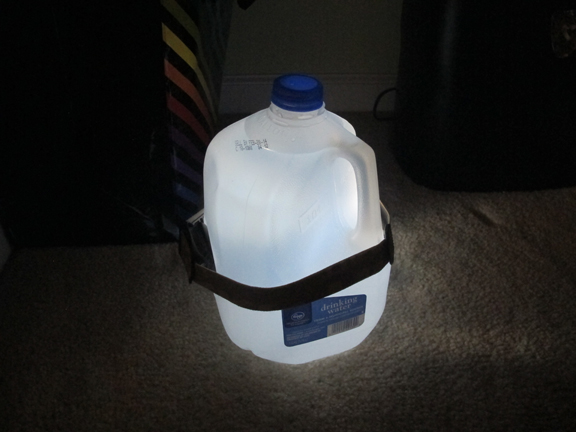
Survival lighting is an often overlooked yet vitally important consideration for preppers. Overall, solar lanters, headlamps and electric lanterns are the safest and most useful types of survival lighting. However, these will eventually run out of batteries or need to be recharged, so you’ll want a backup option for long-term preparedness.

Ideally, you would get several types of survival lights to ensure all of your needs are covered.

Medical Supplies

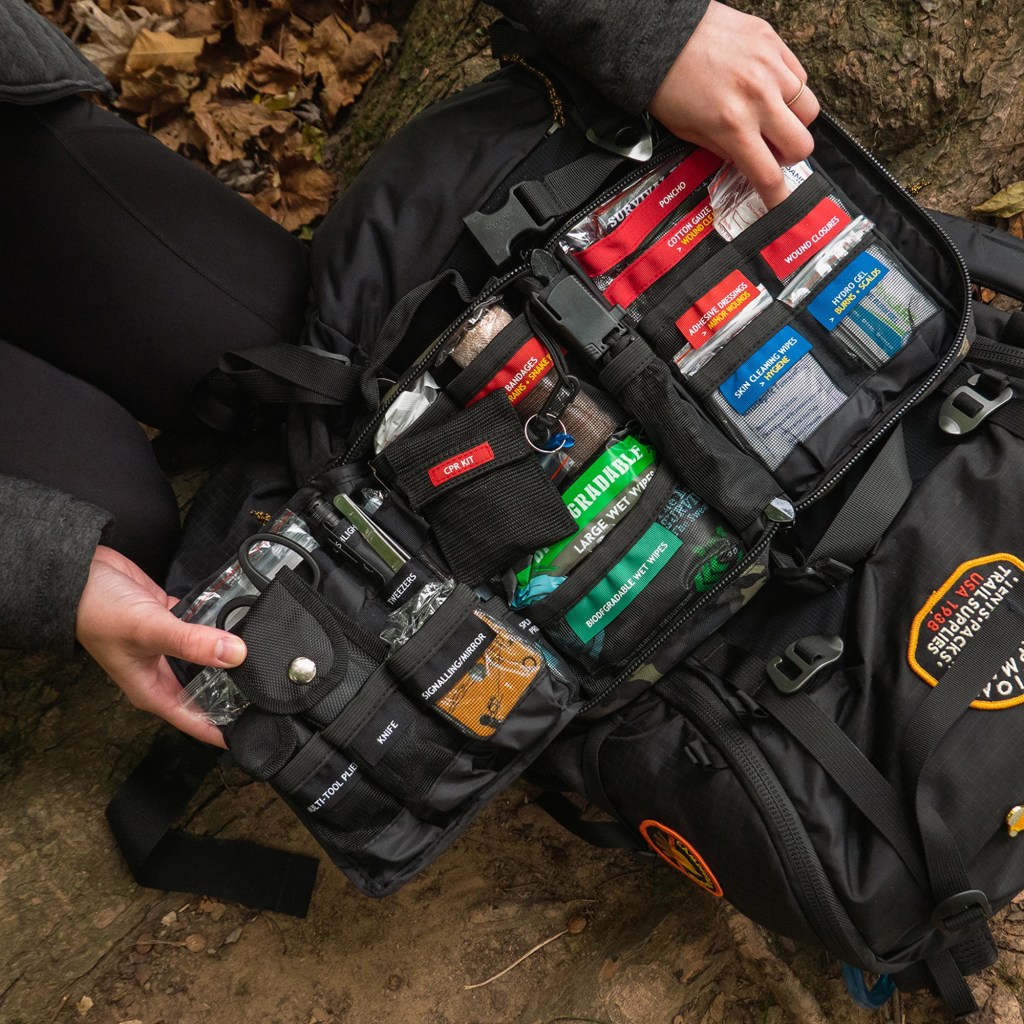
I recommend investing in a quality medical pouch or kit itself. It’s important your kit contains bandages, gauze, wraps, creams, and ointments are supplied. You’re going to use them once and then eventually you’re going to need more.

Also, you can trade medical supplies in a pinch, so it’s a great supply for bartering. Because if somebody doesn’t have any medical supplies and you have extra, you could trade for more food or water.