Self-Sufficient Living: Possible Dream or Doomed Fantasy?

People love to romanticize the idea of “self-sufficient living.” They picture themselves wandering off into the woods, building a cute cabin, milking a goat at sunrise, harvesting vegetables in perfect weather, and somehow producing everything they need without ever depending on the collapsing society they’re supposedly escaping. It sounds wonderful—if you live in a fantasy novel. Out here in the real world, the one unraveling a little more every day, true self-sufficiency is a lot closer to a mirage than a lifestyle.

Let’s cut through the delusion: self-sufficient living is possible, but only in the same way surviving a plane crash is possible. Technically. Maybe. If a long list of things go right and the universe decides to let you live another day. But for most people who imagine they can just wander off and “live off the land,” the truth is brutal—nature does not care about your feelings, your Pinterest gardening boards, or your prepper fantasies.

And honestly, neither do I. I’m too busy watching society burn itself down while people still pretend the grocery store will always magically restock itself.


The Myth of the Lone Wolf Homesteader

Let’s get this out of the way: nobody—literally nobody—has ever been fully self-sufficient by themselves. Historically, self-reliance took communities, families, groups, tribes, villages. Tools were traded. Skills were shared. Labor was pooled. Even the toughest mountain men still relied on trade posts or the occasional supply run.

But today? The average person can’t even go a week without Wi-Fi before they start to unravel. Yet somehow they think they’re going to raise livestock, manage solar power, filter water, preserve food, heat a homestead, grow crops, defend their property, and stay sane—all by themselves.

It’s delusional. And it’s exactly why the idea of total self-sufficiency triggers me like nothing else. People treat it like a lifestyle aesthetic, not the grueling, backbreaking, year-round work that it really is.


Modern Society Has Made Us Too Dependent

Even most “preppers” are lying to themselves. They stock up on rice and canned food, but they still rely on gasoline, spare parts, batteries, tools, equipment, insulation, and seed companies. Everyone depends on something. And in a world where everything is mass-produced in distant factories, good luck trying to forge your own screws or manufacture your own water pump.

People forget that real self-sufficient living means:

  • No Amazon replacements
  • No hardware store quick fixes
  • No easy food refills
  • No electricity unless you generate it
  • No medicine unless you grow or make it
  • No heat unless you cut it, haul it, and split it

It’s astonishing how many folks think they’re ready, yet couldn’t keep a tomato plant alive on their balcony if their life depended on it.


Nature Will Test You, Then Break You

Everyone wants to be “independent” until reality shows up: droughts, pests, diseases, predators, cold snaps, equipment failures, injuries—just pick one and it can wipe out your entire year of effort.

You don’t get a refund.
You don’t get a do-over.
And you definitely don’t get a second growing season.

Imagine relying on a garden for survival, only to have hornworms chew through your food supply in two nights. Or your chickens get wiped out by a raccoon because you underestimated it. Or your water source dries up because the rain stopped coming when the planet decided you weren’t important enough to hydrate.

Self-sufficiency isn’t a dream. It’s a nonstop fight against everything around you that doesn’t care whether you live or not.


So Is Self-Sufficient Living Possible?

Here’s the honest, infuriating truth:

Self-sufficiency is possible in degree, but not in totality.

You can reduce dependence.
You can grow a lot of your own food.
You can produce some of your own power.
You can store and filter your own water.
You can build resilience.

But you will still need tools.
You will still need parts.
You will still need knowledge.
You will still need community.
You will still need something from the outside world.

Anyone who claims they’re “fully self-sufficient” is either lying, delusional, or conveniently ignoring the dozens of modern resources they still rely on.


The Real Goal Isn’t Isolation—It’s Resilience

If you want to survive what’s coming—and let’s be honest, what’s already happening—don’t chase the fantasy of being 100% independent. Chase resilience. Learn skills. Reduce reliance where you can. Build community with people who actually know what they’re doing. Prepare for reality, not fantasy.

Because self-sufficient living isn’t about escaping the world.
It’s about surviving it when everyone else realizes too late that the world was never built to take care of them.
Grow These Survival Crops Now—Because Nobody’s Coming to Save You

The world isn’t getting better. You already know that—every headline is another reminder that the system is rotting from the inside out. The supply chain snaps if the wrong boat parks sideways. Grocery stores empty out if people panic for twenty minutes. And you’re supposed to trust that civilization will hold up long enough to keep your family fed?

Yeah. Right.

If you’re paying attention, you already know you need to grow your own food—real survival food, not the trendy nonsense influencers pretend will “heal your energy.” I’m talking about the tough crops. The war-zone crops. The crops that can keep you alive when everything else stops working.

This isn’t about gardening. This is about staying alive when society collapses under the weight of its own stupidity.

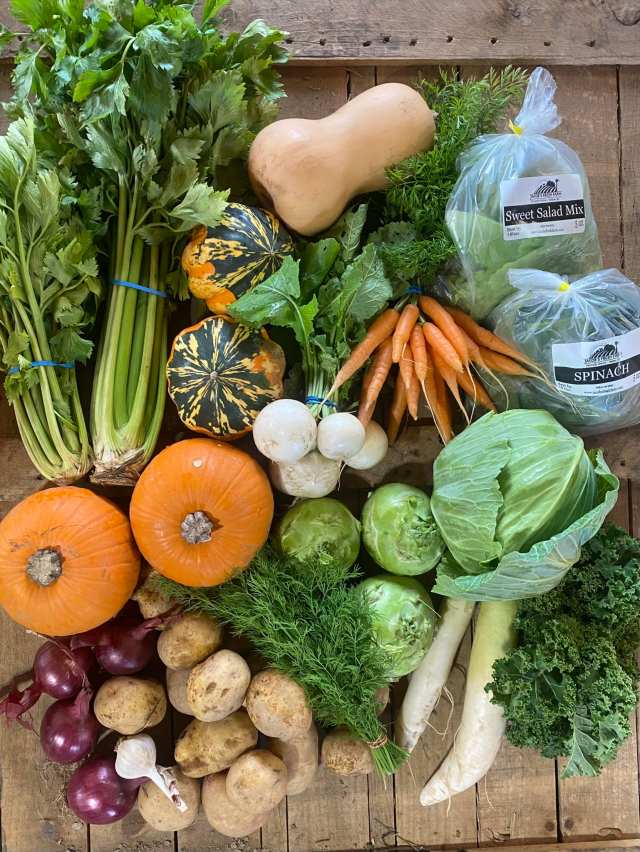
Below are the best survival foods to grow if you’re serious about not starving. They’re hardy, calorie-dense, reliable, and proven to keep humans alive when all hell breaks loose.

1. Potatoes (The Underrated Calorie King)

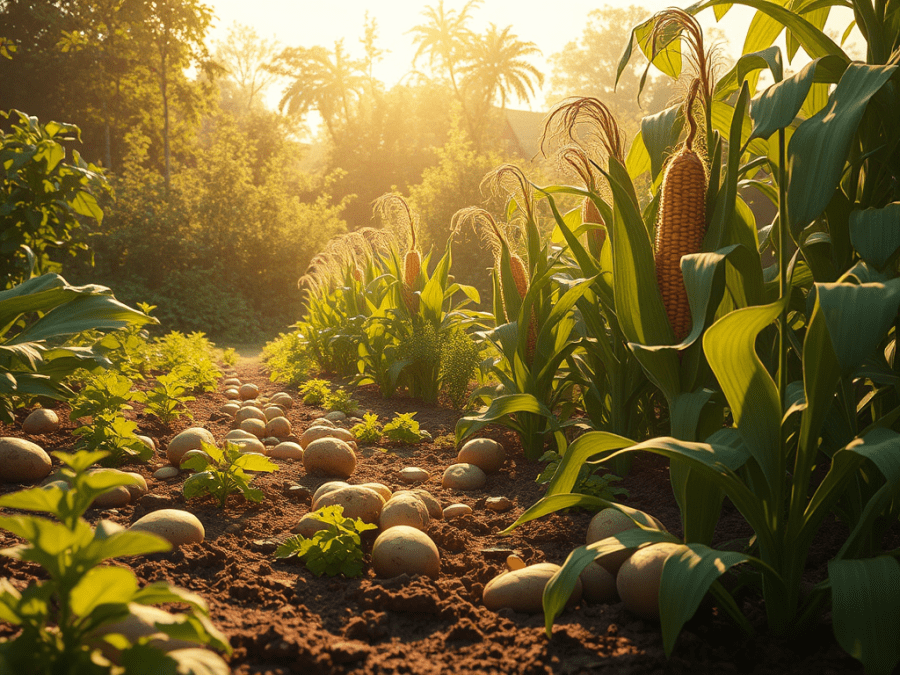
People laugh at potatoes—until they realize these humble dirt nuggets kept entire civilizations alive. Potatoes grow in lousy soil, don’t need much babying, and produce more calories per square foot than almost anything else.

When grocery shelves are stripped bare and the clueless masses panic, you’ll be sitting on piles of real food while they argue about who took the last granola bar.

Why potatoes are essential:

  • High calories
  • Grow in poor soil
  • Store well in cool, dark areas
  • Minimal pest issues

If you’re not growing potatoes, you’re already behind.

2. Beans (Your Long-Term Survival Protein)

Everyone talks about protein until they need to actually grow some. Livestock? Good luck feeding it when animal feed disappears. Hunting? So will everyone else—wildlife will vanish fast. But beans? Beans just grow. And they give you protein without expecting you to play rancher in the apocalypse.

Pole beans, bush beans, dry beans—grow them all. They improve soil, climb anything, and tolerate harsh neglect better than most people you know.

Why beans matter:

  • Plant-based protein
  • Long-term dry storage
  • Soil-building nitrogen fixers
  • Reliable yield

Beans won’t betray you. People will.

3. Corn (Massive Harvest, Endless Uses)

Say what you want about corn—it feeds people. It feeds animals. It feeds entire nations. And unlike half the fragile specialty crops people obsess over, corn actually produces enough mass to matter when you’re trying to stay alive.

You can grind it into meal, feed it to chickens, ferment it, store it, or eat it straight off the cob. Fast-growing, sun-loving, drought-tolerant corn is a prepper’s workhorse.

Corn benefits:

  • Huge calorie yield
  • Can be dried and stored long-term
  • Works in tons of recipes
  • Great for bartering

In a grid-down world, corn is currency.

4. Winter Squash (Hard-Shelled Survival Gold)

After the collapse, refrigeration won’t be there to save you. That’s why winter squash matters—they’re the original long-term storage food. With thick rinds and durable flesh, they’ll sit on your shelf for months without rotting into compost.

Butternut, acorn, Hubbard, kuri—pick your fighters. Just make sure you grow a lot of them.

Why winter squash is vital:

  • Keep for 6–12 months
  • Great carbs and vitamins
  • Hardy plants once established
  • Huge harvest potential

When everyone else is shivering and hungry, your squash pile will look like treasure.

5. Sweet Potatoes (Survival Meets Nutrition)

Unlike regular potatoes, sweet potatoes tolerate heat, drought, and neglect like they’re built for catastrophe. They provide calories, vitamins, and vines you can eat as greens if you’re desperate.

Once you plant sweet potatoes, they practically take over—exactly what you want in a world falling apart.

Benefits:

  • High yield
  • Heat and drought tolerant
  • Edible greens
  • Stores for months

Sweet potatoes don’t care if civilization crumbles.

6. Cabbage (The Forget-Me-Not Food That Just Keeps Giving)

Cabbage is the vegetable equivalent of a bunker—heavy, tough, and made to endure. It produces a ton of edible mass and becomes even more useful when fermented.

Sauerkraut isn’t a trend—it’s what people made when they didn’t have refrigerators.

Why cabbage is a survival classic:

  • Huge nutritional value
  • Stores for weeks
  • Can be fermented for long-term preservation
  • Cold-hardy

Cabbage doesn’t die easily. Can’t say the same about most modern diets.

7. Garlic & Onions (Flavors That Keep You Sane)

Listen, life after collapse is going to be miserable enough. If your food is bland, it gets even worse. Garlic and onions aren’t just flavor—they’re medicine, pest repellants, and food preservers.

Plus, they store extremely well.

Why you need them:

  • Long storage
  • Antibacterial properties
  • Easy to grow
  • High value for trade

If you want morale, you want alliums.

8. Carrots (The Survival Root That Doesn’t Complain)

Carrots take a little soil prep, but once they’re growing, they’re practically unstoppable. They store well, grow well in cool weather, and diversify your calories.

They’re also one of the few crops people will still like eating when they’re exhausted, cold, and miserable.

Why carrots earn a spot:

  • Easy to grow
  • Long storage
  • Cold tolerant
  • High vitamins

Carrots are simple. The world won’t be.

9. Kale (The One Green That Doesn’t Die)

Most leafy greens collapse under heat, cold, or pests. Kale laughs at all of them. It’s a multi-season, frost-kissing, apocalypse-proof plant that keeps producing when everything else waves a white flag.

Benefits:

  • Extremely hardy
  • Long season
  • Nutrient dense
  • Keeps producing

You don’t need trendy superfoods. You need kale.

10. Sunflowers (Seeds, Oil, and Livestock Feed)

Sunflowers give you more than beauty—they give you protein-rich seeds, oil for cooking, and feed for animals. They grow tall, strong, and resilient, even when conditions turn nasty.

Why sunflowers matter:

  • Edible seeds
  • Oil extraction
  • Drought tolerant
  • Excellent survival bartering item

Sunflowers don’t care about chaos—they just grow.


FINAL THOUGHTS: GROW FOOD OR GET LEFT BEHIND

You can’t fix the world. You can’t stop the collapse. You can’t rely on the grid, the government, the stores, or the clueless crowds who still think “everything will be fine.”

But you can grow food.

Survival belongs to the prepared—not the optimistic.

Learn these crops. Plant them now. Because when the world finally goes dark, your garden will be the only thing standing between your family and starvation.

Washington Homestead Lifestyle: Reflections of a Lone Homesteader

Out here, where the Cascade Mountains shadow the land and the rains drip like clockwork from a gray sky, life has a rhythm all its own. I’m a homesteader in Washington, a place where nature’s pulse beats strong — rivers roaring in spring thaw, cedars towering with quiet majesty, and the sweet scent of firs in the misty dawn.

But it’s not all poetic. Out here, it’s just me. The days stretch long and silent, except for the chirps of birds or the distant howl of a coyote. Loneliness is a companion, as constant as the soil beneath my boots. Yet, I’ve learned to find solace and purpose in the work — in the skills I’ve taught myself, in the earth, the animals, and the slow, steady crafting of a life by my own hand.


Homestead Skills to Keep the Mind and Hands Busy

If you’re thinking about homesteading in Washington or any place remote, you soon discover that boredom can gnaw at you as surely as hunger. But boredom is a choice. Here are the 15 skills that have saved me from it — and maybe they can do the same for you:

  1. Beekeeping — Watching those bees dance around the hive, harvesting their honey, is a quiet joy. It takes patience and careful attention, but it’s incredible to feel part of such an ancient, humming ecosystem.
  2. Sourdough Baking — The slow fermentation of dough, the smell of crusty bread baking in a wood-fired oven… baking connects me to old ways, and the warmth fills the cabin like a friend.
  3. Soap Making — Crafting soap from lye and fats isn’t just practical — it’s meditative. Plus, nothing beats the feeling of making something useful from scratch.
  4. Canning and Preserving — Knowing that my summer harvest can be savored in the dead of winter gives me comfort and a sense of accomplishment.
  5. Herbal Medicine — Learning the native and introduced herbs around my land to treat minor ailments connects me to the wild, and keeps me healthy when trips to town aren’t easy.
  6. Blacksmithing Basics — Hammering iron over the forge, shaping tools, or fixing old farm implements keeps my hands busy and my mind focused.
  7. Soapstone or Wood Carving — Creating small works of art from natural materials helps quiet the mind when loneliness threatens to settle in.
  8. Trap Setting and Small Game Hunting — It’s a skill for food, for respect of the land, and to maintain balance.
  9. Mushroom Foraging — Knowing which fungi are safe to eat is both a practical skill and a delightful treasure hunt in the damp forest undergrowth.
  10. Greenhouse Gardening — Extending the growing season with a cold frame or greenhouse keeps the promise of fresh vegetables alive through Washington’s long winters.
  11. Composting — Turning kitchen scraps and garden waste into rich soil is like alchemy. It gives me hope for new growth even on gray days.
  12. Making Homemade Cheese and Yogurt — There’s something wonderfully satisfying about transforming milk into something delicious and nutritious.
  13. Building and Repairing Fences — The physicality of fence-building keeps me fit and protects my animals, my little kingdom.
  14. Solar Panel Maintenance — Understanding my small solar setup gives me energy independence and a sense of control over my survival.
  15. Reading Weather Signs — Learning to read the skies, the wind, and the behavior of animals helps me anticipate storms or droughts — a crucial skill when you depend on the land.

The Quiet Company I Long For

I’m honest when I say it’s hard being a lone man in these woods. Most homesteaders I meet are families, or couples. The occasional visitor comes by — sometimes other homesteaders, sometimes hunters or hikers — but the cold truth is that friendship, especially that which might bloom into something deeper, can be as rare as a clear night sky through the evergreen canopy.

But loneliness has taught me to be patient, to observe, and to use creativity as a bridge between myself and others. If you find yourself like me, out here in the wilds of Washington, wanting companionship beyond the dog and the chickens, I have a few DIY homestead hacks that have helped open the door to connection with women who appreciate this lifestyle:


3 DIY Homestead Hacks to Meet Women on a Homestead

1. Host a Seasonal Skill Workshop

Every season has something to teach, and people are drawn to hands-on learning. I started hosting small workshops — “Intro to Beekeeping,” “Sourdough Bread Basics,” or “Herbal Remedies from Your Backyard.” I put out flyers at the local farmers market and community center, inviting neighbors and passersby.

It’s amazing how a shared love for practical skills can spark conversation and friendship. Women with an interest in homesteading, sustainability, or just wanting to reconnect with nature come to learn — and sometimes, you find more than just friends in the crowd. The workshop atmosphere breaks the ice naturally, and working side-by-side tends to foster warmth and camaraderie.

2. Build a Communal Garden Space

This might seem ambitious, but building a small communal garden plot or herb circle near the homestead can draw in neighbors who want to garden but lack space or knowledge. I built a few raised beds with hand-hewn cedar planks and invited others to plant alongside me.

Gardening together means swapping tips, sharing produce, and trading stories — a simple but profound way to build community. When I’m outside, tending the plants and sharing the harvest, it feels less like isolation and more like belonging.

3. Create a “Book and Brew” Porch Night

I built a simple porch swing from reclaimed wood and string lights powered by my solar setup. I invite women (and anyone really) from the nearby town or homestead circles for an evening of sharing books, homemade herbal tea, or cider.

It’s low-pressure and relaxed, and the porch becomes a gathering spot where stories and laughter replace silence. Books are a perfect bridge — they spark conversation without the awkwardness of forced small talk, and brewing something warm by hand shows care and intention.


What the Land Teaches a Man

Washington’s wildness can feel both isolating and inspiring. The towering Douglas firs, the moss-draped cedars, the rocky streams — all remind me that I’m part of something vast and timeless. This land teaches patience, endurance, and respect. It demands a steady hand and an open heart.

The homestead life is not for everyone. It’s a mix of hard work and quiet moments, of struggle and celebration. It can be lonely, sure. But if you can find your rhythm, if you embrace the skills that keep your mind sharp and your hands busy, and if you build connections—no matter how slowly—with others who understand this way of life, then the solitude softens.

For me, the greatest skill of all has been learning to hope. To hope for the sunrise after a storm, for the first blossom in spring, and for the day when the porch swing creaks with more than just the wind.


If you’re out here or thinking of coming, take heart in the work and the waiting. Let the land teach you. And remember, even a lone homesteader can find ways to break the silence — through skill, creativity, and a little courage to reach out.

Washington’s homestead lifestyle is rugged, beautiful, and honest. It demands everything — but it gives back something few places can: the chance to live simply, deeply, and with purpose.

A West Virginia Homesteader’s Guide: Time-Saving Skills and DIY Hacks for Women

Howdy, y’all! Life on a West Virginia homestead is equal parts beautiful and challenging — rolling hills, thick forests, unpredictable weather, and that quiet rhythm of nature setting your pace. As a woman who’s carved out her little piece of heaven here, I’ve learned a thing or two about making the most of my time and resources, without sacrificing quality or joy.

Homesteading isn’t just about working harder — it’s about working smarter, especially when you’re juggling chores, family, and a million little tasks. So today, I’m sharing some of my favorite time-saving homestead skills for women, plus a few DIY hacks I’ve picked up along the way that’ll make your West Virginia homestead life a whole lot easier.


15 Time-Saving Homestead Skills for Women

  1. Meal Prepping with Seasonal Preserves
    West Virginia offers a bounty of seasonal fruits and veggies — blackberries, apples, greens — and preserving these in bulk (think jams, pickles, and frozen veggies) saves so much time during the busy months. When dinner time hits, you’ve got ready-made sides and sauces that cut your cooking down to minutes.
  2. Efficient Firewood Stacking and Splitting
    Stacking firewood neatly with good air flow and splitting logs before winter sets in means less time wrestling with damp wood when you really need a fire. Use a splitting maul and a sturdy chopping block, and you’ll halve your wood prep time.
  3. Rotational Chicken Care
    Set up a system where you feed and water your chickens in stations around the coop, so you’re not running back and forth. Rotate chores to maximize efficiency, and collect eggs in one trip by keeping nests organized.
  4. Growing a Cut-and-Come-Again Garden
    Instead of planting all your veggies to harvest once, plant varieties that regrow after cutting — like kale, chard, and green onions. This way, you get multiple harvests from one planting, cutting down on replanting time.
  5. DIY Herbal Remedies and Tinctures
    Gathering herbs like echinacea, mint, and yarrow in your yard and making tinctures or salves means less time running to the store for common remedies, and it’s empowering to have your own natural medicine cabinet.
  6. Solar Drying Produce
    Drying herbs and fruits using a simple solar dehydrator lets you preserve foods without using electricity or complicated appliances. It’s low maintenance and can run while you focus on other chores.
  7. Composting with Worm Bins
    Setting up worm compost bins close to your kitchen door saves time hauling scraps. Worms turn kitchen waste into rich soil faster, so you have ready compost to feed your garden.
  8. Smart Water Catchment Systems
    Rain barrels with automatic shutoffs or gutters leading to storage tanks mean you don’t have to constantly monitor your water supply. Efficient water collection keeps your garden hydrated with minimal fuss.
  9. DIY Seed Starting Stations
    Using a dedicated, well-lit seed-starting shelf with heat mats and timed lights means seedlings are ready to go with less babysitting. Start your garden early and save time in the growing season.
  10. Efficient Animal Milking Routines
    Milking goats or cows is easier when you develop a routine with a milking stool, clean buckets, and a quiet corner. Keeping your animals calm reduces fuss and speeds up the process.
  11. Rotating Crop Beds
    Plan your garden beds so you rotate crops each year, which keeps soil fertile and reduces pest problems — meaning less time dealing with infestations and more healthy plants.
  12. Quick-Release Herb Bundles for Drying
    Tie herbs in small bundles with quick-release twine so you can hang and remove them easily, saving time when drying or making bundles for sale or gifts.
  13. Using Multipurpose Tools
    Invest in versatile tools like a multipurpose garden hoe that can dig, weed, and cultivate all in one, reducing the number of tools you need to carry around.
  14. Organized Pantry Storage
    Label jars and organize your pantry by type and use, so you find what you need fast when cooking or canning.
  15. Batch Laundry Days with Solar Drying
    Pick one or two days a week to wash all laundry in batches and hang everything on a clothesline outside. The sun and breeze do most of the work, freeing you from the dryer’s time and cost.

3 DIY Homestead Hacks for West Virginia Living

1. DIY Rustic Rainwater Collection System
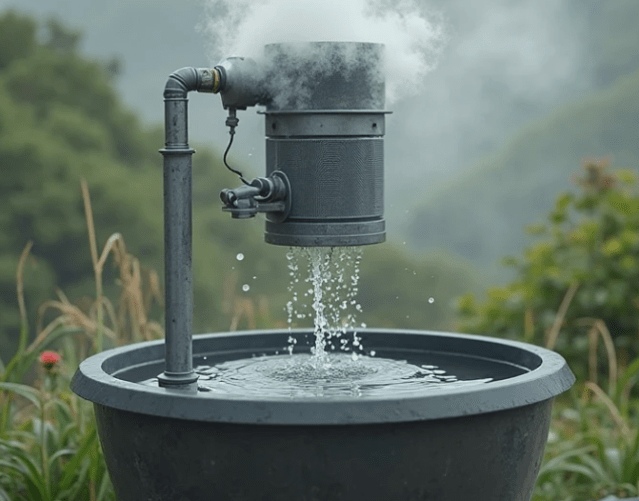
West Virginia’s rainy climate means you can harvest plenty of water. Use old wooden barrels or repurpose half whiskey barrels (plentiful in the state) placed beneath downspouts to catch rainwater. Fit a simple screen on top to keep leaves out, and add a spigot near the bottom for easy watering buckets. This is an inexpensive way to save on your water bill and keep your garden hydrated without daily trips to the well.

2. DIY Appalachian-Style Root Cellar Cooler
If you don’t have a root cellar built, a simple, cheap hack is to dig a shaded hole in a north-facing hill or under your porch, line it with bricks or cinder blocks, and cover with insulated boards. Store your root vegetables, apples, and canned goods here to keep them cool and fresh longer. This natural fridge works wonders without electricity, perfect for chilly mountain nights and hot summer days alike.

3. Upcycled Pallet Compost Bin
Wood pallets are everywhere in West Virginia and make an easy, cheap compost bin. Just stack four pallets into a square and secure them with screws or twine. The gaps allow for airflow, speeding decomposition. Place the bin near your garden or kitchen door for quick access to composting kitchen scraps and garden waste. This hack keeps your yard tidy and your soil rich without spending a dime.


Final Thoughts

Living the West Virginia homestead life as a woman means embracing the beauty of the mountains and valleys while mastering the skills that save time, conserve energy, and make daily chores manageable. By learning these skills and using DIY hacks, you can turn your homestead into a sanctuary of self-sufficiency and joy.

Remember, it’s not about doing everything perfectly or on your own — it’s about finding rhythms and routines that suit your land, your family, and your spirit. Celebrate the small wins: a jar of homemade jam, a clean water bucket, a row of thriving plants.

If you’re just starting out or you’ve been at it for years, take heart — every day brings a new chance to learn, grow, and enjoy the simple, hardworking life of a West Virginia homesteader. Here’s to the hands that build, nurture, and harvest — and to the women who keep it all moving with grit and grace.

The Passionate Homesteader: Love, Lust, and Living the Oregon Homestead Lifestyle

There’s something deeply seductive about living close to the land. Maybe it’s the morning mist rolling over the Douglas firs, the smell of cedar smoke in the twilight, or the way a pair of strong hands look wrapped around a jar of homemade preserves. Whatever it is, homesteading in Oregon isn’t just about prepping or permaculture—it’s about passion.

Let me tell you, when you’re raising chickens, splitting firewood, and fermenting your own cider, you learn to appreciate every little pleasure. Out here, we’re not only growing tomatoes—we’re growing desire, baby. Living on a homestead means you don’t need a fancy five-star hotel to keep the spark alive. You’ve got everything you need right outside your cabin door.

And if you’re like me—someone who’s both handy with a hatchet and hot under the collar—then you know how homestead skills can add fire to your love life. Whether you’re living off-grid with your sweetheart or just dreamin’ of that cozy cabin life, here are 15 homestead skills that will make sex (and romance) a whole lot more fun:


🔥 15 Homestead Skills to Heat Up Your Love Life

  1. Wood Chopping – There’s nothing sexier than watching your partner split logs with powerful swings. Bonus: you’ll both be warm later—in more ways than one.
  2. Outdoor Shower Building – Hot water under open sky? Yes, please. A DIY outdoor shower with solar-heated water becomes your personal spa for two.
  3. Soapmaking – Lather up with a bar of your own homemade lavender-vanilla soap. When you’ve made it yourself, bathing your lover becomes an art.
  4. Herbalism – Wild Oregon yarrow, rose petals, and mint? Make your own sensual massage oils, bath soaks, or even aphrodisiac teas. Nature provides.
  5. Beekeeping – Harvest that honey and drizzle it somewhere sweet. Need I say more?
  6. Fermentation – Cider, mead, and elderberry wine—craft your own intoxicating drinks and sip under the stars, blankets optional.
  7. Quilt Making – Whether you’re tangled in bed or curled up on the porch swing, a handmade quilt turns a chilly night into a sensual snugglefest.
  8. Bread Baking – There’s something primal about kneading dough, smelling fresh loaves, and feeding each other hunks of sourdough by firelight.
  9. Animal Husbandry – Tending animals together builds intimacy—and trust. Plus, there’s something sexy about watching your partner care for life.
  10. Preserving the Harvest – You and your sweetheart sweating over boiling jars of peaches and jam? Hot. And the rewards last all winter.
  11. DIY Sauna Building – Oregon forests are full of cedar, and cedar saunas are full of steam, sweat, and the perfect place for a little rustic intimacy.
  12. Carpentry – Build a bed frame that creaks for all the right reasons. Or a swing. You get the idea.
  13. Garden Tending – Getting dirty has never been this flirty. Weeding, planting, and harvesting side by side gives you time to connect—and tease.
  14. Fishing and Foraging – Pack a picnic, catch some trout, and nibble on wild strawberries with your bare hands. Nature’s full of edible foreplay.
  15. Candle Making – Nothing says romance like soft light dancing across skin. Make your own beeswax candles and let them glow until the sun rises.

Out here in Oregon, the rhythm of the seasons sets the pace for our passions. In the spring, everything’s bursting with life—and so are we. Summer is for skinny dipping in hidden rivers and staying up late under the Milky Way. Autumn? That’s cuddle season, baby. And in winter, the only thing better than hot coffee is each other’s body heat.

But let’s be real: even paradise needs a little effort to stay romantic. That’s why I always recommend a few DIY homestead romance hacks to keep the love burning, no matter how muddy the boots or how long the goat chores.


💋 3 DIY Romance Hacks for the Oregon Homestead

1. The Barn Loft Getaway

Transform your barn’s upper level into a secret love nest. Clean it out, hang some twinkle lights, toss down an old mattress (or even hay bales with a thick quilt), and you’ve got yourself a rustic hideaway. Bonus points if there’s a window with a view of the sunset over your field.

Tip: Hang some sheer curtains for that “prairie boudoir” vibe.

2. Garden of Intimate Delights

Designate a corner of your garden for romance. Plant fragrant herbs like lavender, chamomile, and lemon balm. Add a bench (or a hammock), a little trellis with climbing roses, and solar lanterns for late-night rendezvous. It’s your secret Eden.

Tip: Add strawberries or chocolate mint for tasty temptation.

3. Fire Pit for Two

Build a small, stone-lined fire pit just for the two of you—separate from the big bonfire area. Keep two chairs, some sheepskin throws, and a stash of marshmallows and spiced cider nearby. It’s the perfect spot to warm your hands…and hearts.

Tip: A cast iron Dutch oven full of cobbler bubbling nearby is an edible aphrodisiac.


So, yeah. We may be hauling water and shoveling compost by day, but when the sun goes down on an Oregon homestead, the real magic begins. You learn to make your own power, your own food—and your own pleasure. You discover that true intimacy comes from working side-by-side, making things with your hands, and sharing the simplest moments.

Romance on the homestead isn’t always roses and wine (though we do grow roses and make damn fine wine). Sometimes it’s helping your partner haul hay or patch a fence. It’s laughing through a muddy chore. It’s kissing under a dripping eave or slow dancing to the crackle of the woodstove.

If you’re looking to rekindle the flame—or spark a whole new wildfire—then get yourself a pair of muck boots and a lover who knows their way around a compost pile. Because in the Oregon homestead life, every chore is foreplay and every evening has the potential to become something a little more wild.

So go on. Pick up that ax. Light the fire. And let the land love you right back.


Wanna turn your homestead into a haven of heat and heart? Just remember this: in the end, it’s not about being perfect. It’s about being present. And nothing is sexier than that.

🌾🔥❤️

Michigan Homestead Lifestyle: One Dream, Fifteen Skills, and Three Hacks to Thrive Off the Grid

I didn’t move to the woods of Michigan to live small—I came to build a life big enough to fill my soul. I wanted sweat in my hands, soil in my boots, and a pantry so full it groans before winter even sets in. Michigan isn’t just a place to homestead—it’s a full-blown proving ground for the determined. If you can make it here—between the icy Upper Peninsula winds and the unpredictable Lake Effect snow—you can build a homestead anywhere.

The Michigan homestead lifestyle isn’t for the faint of heart, but if you’re ambitious like me—ready to turn raw land into a legacy—you’ve come to the right state. Let me tell you about the 15 skills that changed my life out here, and 3 homestead hacks that save me time, money, and sanity.


15 Essential Homesteading Skills for Michigan Living

1. Woodlot Management
If you’re not managing your woods, you’re leaving money (and heat) lying on the forest floor. I learned to identify, fell, split, and stack hardwoods like oak, hickory, and sugar maple. Deadfall is gold in the firewood world.

2. Heating with Wood
When that first frost hits in October, I fire up the wood stove. No propane. No electricity. Just seasoned logs and good chimney draft. Knowing how to start a fire—even when the wood’s damp—will keep you alive and thriving.

3. Maple Syrup Production
Come February, I tap my sugar maples. Michigan is syrup country. With a few taps and a homemade evaporator (more on that later), I’ve got jars of syrup to trade, gift, or pour on pancakes all year.

4. Food Preservation
Canning, fermenting, root cellaring—you name it, I’ve tried it. The Michigan winter is long. Your pantry is your insurance. I’ve got shelves of tomatoes, jams, kraut, pickled beets, and pressure-canned venison.

5. Raised Bed Gardening
Cold soils warm slow here. Raised beds help extend the season. I use a mix of compost, leaf mold, and worm castings to keep them rich. Carrots, kale, potatoes, and cabbage love the cooler temps.

6. Composting Like a Pro
Nothing goes to waste. Scraps go to the chickens or the pile. With a proper balance of green and brown, I turn autumn leaves and kitchen scraps into black gold.

7. Seed Saving
Heirloom seeds are treasure. I’ve been saving my own tomato, squash, and bean seeds for years. The plants are more adapted to my soil and climate every season.

8. Greenhouse Growing
Michigan spring takes its sweet time. A simple hoop house lets me get a six-week jump on the season. Lettuce in April? Yes, please.

9. Chicken Keeping
Buff Orpingtons and Barred Rocks strut around my coop. They’re hardy, reliable layers, and excellent compost helpers. Eggs every morning, fertilizer in the run.

10. Beekeeping
Pollination is key for good harvests. Plus, honey is the only sugar I need. Michigan bees need heavy winter prep, but it’s worth it.

11. Hunting and Processing Game
Every fall, I bow hunt deer. Nothing like venison stew when the snow piles up outside. I butcher and process it myself—less waste, more meat.

12. Basic Carpentry
Whether it’s building a barn, mending a fence, or knocking together a nesting box, knowing your way around lumber and a level is essential.

13. Rainwater Harvesting
Michigan gets its share of rain—sometimes too much. I use gutter systems to fill barrels and tanks. Water is life, and every drop counts.

14. Solar Power Setup
Even in Michigan’s cloudy climate, a small solar array powers my lights, radio, and water pump. Learn the basics of wiring, inverters, and batteries—it’s empowering.

15. Animal Husbandry
I’m raising goats for milk and meat, and I dream of adding a small dairy cow. Understanding feed, shelter, breeding, and health has made me more self-sufficient every year.


3 DIY Homestead Hacks That Changed My Life

1. Rocket Mass Heater for the Workshop
Michigan winters are brutal. I built a rocket mass heater in my workshop using firebrick, cob, and an old 55-gallon drum. It sips wood and puts out steady heat all day. Bonus: it doubles as a bread warmer and boot dryer.

2. Pallet Wood Chicken Tractor
I built my mobile chicken tractor from free pallets, scrap metal roofing, and repurposed wheels from an old lawnmower. The girls get fresh grass every day, and I don’t have to mow the lawn. Win-win.

3. Maple Syrup Evaporator from a File Cabinet
Yup—you heard that right. I converted an old filing cabinet into a syrup evaporator. Cut out drawers, added steam trays, and installed a chimney. It works like a charm and didn’t cost me a dime.


Why Michigan?

Some people think I’m nuts for choosing Michigan. “Too cold,” they say. “Too remote.” I say it’s just right. Michigan gives you four real seasons, rich soil, abundant water, and wild game. You learn to be tough and creative. You don’t survive the winter—you conquer it.

The best part? Community. Homesteaders here look out for each other. Need to barter eggs for hay? There’s a neighbor. Broke a part on your chainsaw? Someone’s got a spare. We’re not just building individual farms—we’re building a movement.


Final Thoughts: Build Bold, Live Brave

If you’re thinking of starting a homestead in Michigan, I’ve got one piece of advice: go all in. This lifestyle rewards hustle, grit, and heart. You’ll learn to do hard things, and they’ll become second nature. Whether you’re on 2 acres or 200, every fence post, garden row, and coop you build is a step toward freedom.

Don’t wait until everything’s perfect. Start with what you have. Learn as you go. Fail, adapt, and keep planting seeds—literal and metaphorical.

This lifestyle is more than growing food or cutting wood. It’s a way of saying, “I choose to live fully. I choose to live free.” And for me, that’s worth every frozen water line, every early frost, and every aching back.

Michigan homesteading isn’t easy. But it’s worth it. Every. Single. Day.

Massachusetts Homestead Lifestyle

Massachusetts Homestead Lifestyle: A Love Letter to the Land… and the Ladies

Now listen here, darlin’. I ain’t your average fella. I’m a homesteader, born with one foot in the dirt and the other tapping to the rhythm of a rooster’s crow. Out here in Massachusetts, where the winters nip harder than a jealous woman and the summers flirt like a barn cat in heat, life ain’t always easy—but it sure as heck is worth it. And if you’re a fine, capable woman who doesn’t mind getting a little mud on her boots and some calluses on her palms, well… let’s just say I’m listenin’.

The homestead lifestyle in the Bay State is a rugged love affair. The kind where you wrestle with frozen pipes in the morning and sing to your tomatoes by sundown. And baby, I’m looking for someone who’s as good with a pitchfork as she is with a sourdough starter.

Let me tell you about life on the land—and the skills that keep it all spinning like a weathered windmill in a Nor’easter.


15 Essential Homestead Skills (And the Kind of Lady Who Gets My Heart Pumpin’)

  1. Canning and Preserving
    Whether it’s peaches, pickles, or that fire-roasted salsa I can’t stop spoonin’ straight from the jar, preservation is key. A woman who knows her way around a Mason jar? Marry me now.
  2. Animal Husbandry
    Chickens, goats, rabbits, and maybe a Jersey cow named Dolly. You feed ’em, love ’em, and sometimes—you butcher ’em. It’s hard work, but nothing’s sexier than a woman in muck boots holding a feed bucket like a queen.
  3. Gardening (Zone 5 Style)
    Here in Massachusetts, the growing season’s short, but sweet. Raised beds, crop rotation, and a cold frame or two will keep you in kale and carrots long past Halloween.
  4. Composting
    It’s not glamorous, but turning scraps to soil is like turning sweat into gold. And if you don’t mind the stink, baby, you’ve got my heart.
  5. Beekeeping
    Sweet honey, buzzing bees, and the gentle hum of pollination. It takes guts to work the hive. Protective veil optional if you’re bold enough. I like bold.
  6. Firewood Chopping & Splitting
    The winters out here will chew you up and spit you out if your woodpile ain’t high. I’ll swing the axe, but I wouldn’t say no to a partner who can stack it better than me.
  7. Breadmaking from Scratch
    Nothing smells like home like a warm loaf fresh outta the oven. Bonus points if you grind your own wheat or keep a sourdough starter named “Gertrude.”
  8. Making Herbal Remedies
    From elderberry syrup to comfrey salves, you’ll be the medicine woman of my dreams. Rub that balm on my sore muscles, will ya?
  9. DIY Building & Carpentry
    Chicken coop falling apart? Need a new shed? A woman who knows her way around a circular saw is worth more than gold—she’s marriage material.
  10. Maple Sugaring
    Come February, we tap trees like it’s a sacred ritual. Boil down that sap, bottle it, and pour it over pancakes… or each other. I’m flexible.
  11. Sewing and Mending
    Tear a flannel on the fence? Patch it up, baby. Nothing turns me on like a gal with a needle and thread and a no-nonsense attitude.
  12. Homestead Budgeting
    Keeping books tighter than a mason jar seal in a boiling water bath. Save the pennies for seeds, feed, and fencing. Sexy and smart? Yes, please.
  13. Water Management (Rainwater Catchment)
    Those barrels by the barn aren’t just decoration. If you can plumb a downspout and filter greywater, you’ve got brains and beauty.
  14. Cooking Over Fire
    Dutch ovens, cast iron, smoke, and spice. You serve up venison stew and cornbread under the stars, I’ll light every bonfire in your honor.
  15. Winter Preparation & Survival
    From blackout readiness to emergency stockpiling, it’s a whole operation. You think ahead, you prep, and you protect your own. That’s the kind of woman I’d go snowshoeing through a blizzard to find.

3 DIY Homestead Hacks (That’ll Make Life in Massachusetts Just a Bit Easier)

Hack #1: Trash Can Root Cellar
Can’t dig deep in this rocky Massachusetts soil? Bury a couple of metal trash cans with tight lids in a shady spot. Line them with straw and store your carrots, parsnips, and turnips through the winter. Keeps ’em fresh and crisp without a pricey cellar build.

Hack #2: Pallet Wood Firewood Rack
Massachusetts winters chew through firewood like a woodstove in January. Grab a couple of old pallets, screw ’em into an A-frame, and keep your logs stacked, dry, and off the muddy ground. Bonus: Costs next to nothin’.

Hack #3: Solar Dehydrator from a Storm Window
Take an old storm window, angle it toward the sun, and build a box frame with mesh shelves. You’ll be drying herbs, fruits, and even jerky with the power of the sun and the smug satisfaction of off-grid living.


Now, you might be asking, “Why homestead in Massachusetts?” I’ll tell you why.

This state’s got grit. We’ve got harsh winters that build character, hot summers that teach patience, and autumns that make your heart ache from all the beauty. It’s also a place where the past and future dance in harmony—history meets innovation on every old stone wall.

Land ain’t cheap, but there’s still fertile spots tucked away in the hilltowns of western Mass, the pine barrens of the southeast, and even off-the-grid hideouts in the Berkshires. Plus, if you play your cards right, there are grants for small farmers, local co-ops, and a tight-knit community that’s quick to share knowledge and lend a hand.


Looking for a Homestead Honey

Now, I ain’t just talking dirt and chores here. I’m talking love. Partnership. A future built from scratch. If you’re a woman who knows how to butcher a chicken by noon and sip dandelion wine on the porch by dusk, I’m your man.

Let’s raise goats, ferment kraut, and make our own soap. Let’s battle deer in the garden, dance barefoot under the full moon, and wake up to the sound of roosters and not an alarm clock.

I’ll stoke the fire. You roll the dough. We’ll split the chores and kiss in the pantry when no one’s lookin’. Sound good?


So here’s to the wild, romantic, damn-gritty Massachusetts homestead lifestyle. It ain’t for the faint of heart—but if you’re a woman with strength in your hands and softness in your heart, come on over. The porch light’s always on, the sourdough’s rising, and this homesteader’s heart is hungry—for harvest, and maybe… for you.

Maryland Homestead Lifestyle

Maryland Homestead Lifestyle: A Joyful Journey of Self-Reliance and Simple Living

Howdy from the heart of Maryland! Life out here on our homestead is a sweet, simple song—filled with birdsong at dawn, the hum of bees in the garden, and the smell of woodsmoke drifting through the air. There’s something mighty special about building a life with your own hands, growing your food, and reconnecting with the land. Let me walk you through what makes the Maryland homestead lifestyle so rewarding—and how you can make the most of it, whether you’ve got five acres or just a backyard.

Here on our patch of land in the rolling hills of central Maryland, we’re blessed with four distinct seasons, fertile soil, and a rich history of farming and community. Homesteading here means tapping into that tradition while adding your own creative spin. It’s not always easy, but every step toward self-reliance brings more joy than I ever imagined.


17 Must-Have Homestead Skills for Maryland Living

Let’s start with the skills you’ll want to learn to thrive on your homestead. You don’t have to master them all at once—but each one is a step closer to independence and satisfaction.

  1. Gardening: Maryland’s growing season is long enough to raise everything from tomatoes to sweet corn to kale. Learn to plan a rotation, start seeds indoors, and amend your soil naturally.
  2. Composting: Turn kitchen scraps and yard waste into black gold! Composting keeps waste out of landfills and nourishes your garden beautifully.
  3. Food Preservation: Canning, freezing, dehydrating, and fermenting let you enjoy the harvest all year long. There’s nothing like opening a jar of summer peaches in the middle of January.
  4. Backyard Chicken Keeping: Eggs, bug control, and entertainment—chickens are the homestead MVPs.
  5. Beekeeping: Not only does it provide honey and beeswax, but you’re also helping the pollinators thrive. Maryland’s spring bloom is perfect for starting a hive.
  6. Dairy Animal Care: Goats and even small cows can provide milk, cheese, yogurt, and butter. Learn basic husbandry and milking skills.
  7. Soapmaking: Use goat milk or leftover cooking oils to create homemade soap—gentle, effective, and chemical-free.
  8. Bread Baking: There’s no smell like fresh-baked bread wafting through the farmhouse. Learn sourdough techniques or start with simple sandwich loaves.
  9. Basic Carpentry: From raised beds to chicken coops to cold frames, knowing how to build and fix things is a real blessing.
  10. Herbal Medicine: Grow and prepare your own remedies using herbs like echinacea, chamomile, and comfrey.
  11. Seed Saving: A true self-sufficiency skill. Learn to collect and store seeds from your garden for the next season.
  12. Rainwater Harvesting: Set up barrels and systems to collect water for gardens and animals—great for dry spells in July and August.
  13. Soap and Candle Making: Simple luxuries that make great gifts and bring cozy light to your home.
  14. Foraging: Maryland woods are full of wild edibles like ramps, pawpaws, and morels. Learn what’s safe and sustainable to harvest.
  15. Hunting and Fishing: Deer season and trout streams are plentiful. Ethical, local meat is hard to beat.
  16. Basic Mechanics: Whether it’s your tiller, your tractor, or your truck, knowing how to maintain and fix your tools keeps you rolling.
  17. Spinning and Knitting: A calming winter hobby. Raise fiber animals like sheep or angora rabbits and turn their wool into cozy clothing.

9 DIY Homestead Hacks That Save Time and Money

Here’s where the fun really begins. Over the years, we’ve picked up some clever tricks that make daily life easier, especially when you’re short on time or cash.

  1. 5-Gallon Bucket Nesting Boxes: Line them with straw and mount them sideways—chickens love ‘em, and cleanup is a breeze.
  2. Canning Jar Vacuum Sealer: Attach a $25 handheld vacuum pump to a mason jar lid sealer for long-term dry goods storage without electricity.
  3. PVC Hoop House: Build a small greenhouse out of PVC and clear plastic sheeting. Great for early spring greens and hardening off seedlings.
  4. Solar Garden Lights in Chicken Coop: Stick ‘em in the ground during the day, and they’ll light up your coop at night without wiring a thing.
  5. Repurpose Pallets: Free wood = endless projects. We’ve made compost bins, tool sheds, and even fencing out of discarded pallets.
  6. Drip Irrigation from Milk Jugs: Poke small holes in the bottom of a gallon jug and bury it near your plants—slow-release watering for thirsty tomatoes.
  7. DIY Fly Trap with Apple Cider Vinegar: A little ACV, dish soap, and water in a jar attracts flies like magic—no chemicals needed.
  8. Recycled Rainwater Chicken Nipple Feeder: Drill holes in a 5-gallon bucket lid, add nipple waterers, and your chickens stay hydrated without the mess.
  9. Compost Tea Brewer: Fill an old pillowcase with compost, dunk it in a barrel of water for 24 hours, and use the nutrient-rich tea to supercharge your garden.

The Rhythm of the Seasons

One of the most beautiful parts of homesteading in Maryland is syncing your life with the seasons. In spring, the world wakes up, and so do we—starting seeds, planting onions and peas, and pruning our apple trees. Summer is a whirlwind of weeding, harvesting, and preserving. Come fall, we shift gears—putting up the last of the tomatoes, splitting firewood, and planting garlic before the frost. And winter? That’s our rest and reflection time. We dream, plan, knit, and sip herbal tea by the woodstove.


Community and Connection

Don’t think you’ve got to do all this alone. Maryland’s got a strong network of farmers markets, permaculture groups, and seed swaps. There are plenty of local co-ops and Facebook groups where folks are always ready to barter eggs for honey or lend a hand when the barn roof needs fixing. That’s one of the best parts of this lifestyle—the neighborly spirit.


Final Thoughts from One Happy Homesteader

If you’d told me years ago that I’d be butchering chickens, baking sourdough, and bartering homegrown garlic for beeswax candles, I might’ve laughed. But now? I wouldn’t trade it for anything. This life may be dirt-under-your-fingernails hard some days, but it’s also full of laughter, purpose, and deep peace.

Whether you’re just getting started or you’re a seasoned soil-turner, remember: Every tomato you grow, every chicken you raise, every new skill you learn—it all adds up. You’re creating a life rooted in resilience, love, and joy.

So from my Maryland homestead to yours—keep growing, keep dreaming, and keep building the life you love. And if you’re ever in these parts, come by for some fresh eggs and a porch sit. I’ll have the coffee hot and the biscuits ready.

Happy homesteading, y’all!

The South Carolina Homestead Life: Rant of a Fed-Up Yet Fired-Up Homesteader

I’m gonna be blunt here—if you think homesteading in South Carolina is just chickens clucking while you sip sweet tea on the porch swing, you better buckle up. This ain’t no damn Magnolia Journal fantasy. It’s sweat, blood, busted knuckles, mosquito bites the size of peaches, and the relentless cry of, “Did something get in the garden again?!”

Living the homestead lifestyle down here in the Palmetto State isn’t for dainty hands or thin skins. It’s for the stubborn, the gritty, and those of us who are damn tired of relying on a system that wouldn’t know self-sufficiency if it smacked it upside the head with a cast iron skillet.

Skill #1: Gardening for Survival, Not Instagram

Down here, you’re battling high humidity, sandy soil in the Lowcountry, red clay in the Upstate, and insects so brazen they’ll eat your tomato plants while you watch. You better know how to amend that soil, rotate crops, and build raised beds that can survive a tropical storm.

Skill #2: Canning and Food Preservation

There ain’t no excuse for wasting produce. If you’re not pressure canning green beans, water bath canning peaches, dehydrating herbs, or freezing squash, what in the hell are you even doing out here?

Skill #3: Rainwater Harvesting

South Carolina summers will flood you one week and dry you up the next. You NEED to learn to set up a proper rain catchment system. Gutters, barrels, first flush diverters—you name it. Water is life, and if you don’t catch it, you’ll pay for it (literally and metaphorically).

DIY Hack #1: Garbage Can Rain Barrel
Take a $20 heavy-duty trash can, drill a spigot hole at the bottom, screen the top for debris, and boom—instant rain barrel. Slap on some mosquito dunks and you’re off to the races.

Skill #4: Raising Chickens (And Protecting Them)

You might think you’ve built Fort Knox for your hens, but raccoons, hawks, foxes, and even neighborhood dogs are all plotting against you. Learn to build a predator-proof coop, or prepare for heartbreak.

Skill #5: Composting Like a Pro

If you’re throwing out kitchen scraps, you’re doing it wrong. Every eggshell, banana peel, and spent plant should be feeding your compost pile. Don’t waste what you can turn into black gold.

Skill #6: Seed Saving

Why the hell would you buy seeds every year when you can save them? Learn how to dry and store seeds from heirloom plants, because depending on supply chains is for amateurs.

Skill #7: Butchering Your Own Meat

Whether it’s chickens, rabbits, or deer you process yourself during hunting season—know how to butcher. Meat doesn’t grow on grocery store shelves. It takes skill, respect, and a sharp knife.

Skill #8: Basic Carpentry

You’ll be building fences, sheds, chicken tractors, and fixing what the wind blew down last night. Better know your way around a level and a circular saw.

Skill #9: Fermentation and Brewing

From sourdough starter to homemade wine or mead—learn how to ferment. It preserves your harvest and boosts your gut health. Plus, homemade peach wine hits different after a long day of work.

Skill #10: Livestock Husbandry

Whether it’s goats for milk, pigs for meat, or bees for honey, South Carolina’s climate is great for small livestock. But you better know how to trim hooves, assist births, and treat worms naturally.

Skill #11: Foraging and Plant ID

The woods are full of medicine and food—pokeweed, muscadines, black walnuts, chanterelles. But screw up and you might poison yourself. Learn your plants or leave ‘em alone.

Skill #12: Natural Pest Control

You want to spray your garden with poison? Then go back to the suburbs. Out here, we use companion planting, beneficial insects, and neem oil. Learn how to control bugs without killing your soil.

Skill #13: Basic Plumbing and Electrical

When your well pump fails at 2 a.m. or the breaker flips because of a janky DIY brooder light, you better know how to fix it. Ain’t no calling the handyman out here without paying a small fortune.

Skill #14: Cooking From Scratch

You raise all that food, then serve it with boxed mac & cheese? Get outta here. Learn how to bake bread, make jam, churn butter, and cook with what’s in season.

Skill #15: Emergency First Aid and Herbal Remedies

Hospitals ain’t always nearby. Learn how to treat cuts, sprains, infections, and burns using both modern and herbal remedies. Goldenrod, comfrey, echinacea—they’re not just weeds, they’re your pharmacy.


Now let me tell you something else that grinds my gears: people who play “pretend homestead” on weekends and then lecture the rest of us on TikTok about “slow living.” Let me see your calloused hands, your back sweat, your 3 a.m. goat birth—then we’ll talk.

DIY Hack #2: Chicken Feed Fermentation

You want healthier birds and to cut down on feed costs? Ferment their grains for 24-48 hours. It increases digestibility, reduces waste, and stretches your feed dollar farther—especially when feed prices are gouging your soul.

DIY Hack #3: Clay Pot Irrigation (Ollas)

Dig a hole, bury an unglazed clay pot up to the neck, fill it with water. Water seeps slowly to plant roots and nothing’s wasted to evaporation. Perfect for tomatoes during our brutal July heatwaves.


Listen, I don’t homestead to look cute in flannel or post Pinterest-perfect pies. I homestead because the world’s going off the rails and I’ll be damned if I let my family go down with it. The soil’s my security, the chickens are my alarm system, and my pantry’s more reliable than any damn grocery chain.

We do it ourselves because we HAVE to. Because we don’t trust the supply chain. Because when that hurricane comes barreling up from the Gulf, we don’t want to be the ones fighting for bottled water and bread at Walmart. We want to be the ones hunkered down with full pantries, a wood stove, and a generator we built out of salvaged parts and stubborn pride.

So if you’re thinking about the South Carolina homestead life, don’t come for the aesthetics. Come because you’ve got grit in your soul and sweat in your future. Come because you want to build something that outlasts chaos. And come prepared—because this land doesn’t suffer fools, and neither do we.

Now, if you’ll excuse me, I’ve got to go patch the fence. Again. Because that damn goat thinks she’s Houdini and the tomatoes won’t prune themselves.

Mississippi Homestead Lifestyle

The Mississippi Homestead Lifestyle: A Way of Life Rooted in Dirt, Sweat, and Soul

Down here in Mississippi, the soil tells stories. Rich, black Delta dirt and sandy pine land hold the memory of every crop, every footfall, every drop of sweat from a thousand hands. Homesteading ain’t just something we do—it’s something we are. Folks up north might call it “self-sufficient living,” but we just call it life.

I was raised on a patch of land in the northeast corner of the state, where summers are hot, winters are wet, and neighbors still bring you pecan pie when they hear your mama’s laid up. My daddy taught me early that if the land provides, you honor it by working it honest and never taking more than you need. I’ve been living that truth every day since.

The Rhythm of the Land

Every season brings its own tasks and blessings. Springtime’s for planting and mending fences. Come summer, the garden’s bursting, and we’re sweating through sunrise to sundown. Fall means harvesting, canning, and prepping for the cold. Winter’s when the firewood burns slow and the pantry shelves remind you how well you worked all year.

To live this life proper, you need a skillset deeper than the well out back. A real homesteader ain’t afraid to learn something new, try something hard, or fix something broke. Over the years, I’ve built up what I call my homesteader’s toolbox—not just hammers and nails, but skills, passed down or learned through grit and Google.

22 Homestead Skills Every Mississippi Homesteader Should Know

  1. Canning and preserving – Ain’t no sense in letting your hard work spoil. We can tomatoes, pickle okra, and make pear preserves so sweet they’ll make your eyes roll back.
  2. Gardening year-round – With the right setup, even our mild winters can grow greens and onions.
  3. Composting – Turn kitchen scraps and chicken litter into black gold.
  4. Raising chickens – For eggs, meat, and pest control. Plus, they’re fun to watch.
  5. Goat milking and cheese-making – Nanny goats provide enough milk for butter, soap, and soft cheese.
  6. Beekeeping – Honey, wax, and pollination all from the same buzzing crew.
  7. Basic carpentry – If you can’t build it, fix it, or mend it, you’ll spend more than you earn.
  8. Fence building and repair – Keep the critters in and the predators out.
  9. Foraging – Wild blackberries, muscadines, and pokeweed greens grow all over Mississippi if you know where to look.
  10. Herbal medicine – Yarrow for cuts, elderberry syrup for colds, and peppermint for what ails you.
  11. Soap making – Lye soap may smell plain, but it’ll clean anything from skin to laundry.
  12. Sewing and mending – Every tear can be patched, every hole filled.
  13. Meat processing – Whether it’s chickens, deer, or hogs, knowing how to butcher saves you money and keeps you connected to your food.
  14. Root cellar storage – Keeps potatoes, onions, and canned goods cool without electricity.
  15. Rainwater collection – Every drop counts, especially when the well runs low.
  16. Wood chopping and stacking – Nothing heats like oak logs dried right.
  17. Smoking meat and fish – Adds flavor and helps preserve food for leaner months.
  18. Making fire without matches – Flint, steel, or magnifying glass—it’s a skill that can save your hide.
  19. Natural pest control – Diatomaceous earth, vinegar, and companion planting go a long way.
  20. Making vinegar from scraps – Apple cores, sugar, and time is all you need.
  21. Homemade cleaning solutions – Vinegar, baking soda, lemon—cheap and effective.
  22. Crop rotation and soil amendment – Healthy soil means healthy food.

5 DIY Homestead Hacks That Make Life Easier

Now, let me share a few tricks of the trade. These hacks aren’t found in your average homesteading book—they’re learned through muddy boots and busted knuckles.

  1. Five-Gallon Bucket Feeders
    Turn old buckets into gravity-fed chicken feeders. Drill holes near the bottom, set them on a tray, and your flock will thank you.
  2. Milk Jug Greenhouses
    Cut the bottoms off gallon jugs and pop them over tender seedlings. Instant mini-greenhouse and frost protection.
  3. DIY Drip Irrigation from Old Hoses
    Poke holes in a worn-out garden hose, snake it through your rows, and connect it to a low-pressure spigot. Water your garden evenly while you sip tea on the porch.
  4. Eggshell Calcium Boost
    Grind up dried eggshells and add to your compost or feed to laying hens. Helps keep their shells hard and plants happy.
  5. Soap-on-a-Rope Fence Marker
    Tie a bar of strong-scented soap on a string and hang it around your garden. The scent keeps deer and rabbits away—usually.

More Than Chores: A Way of Being

Homesteading in Mississippi ain’t always easy. We battle kudzu, mosquitoes, and the occasional hurricane. The heat will try to cook you from the inside out come August. But every struggle brings a lesson, and every lesson deepens your roots.

It’s a humble life, but a rich one. Watching seeds sprout that you planted, hearing your kids laugh while collecting eggs, or sipping sweet tea under a sky full of stars—there’s wealth in that. Real wealth.

We barter with neighbors, swap sourdough starters and okra seeds, share tractor repairs and stories at the feed store. This lifestyle pulls folks together. You learn quick that community means more than convenience ever will.

Passing It On

My youngest boy’s already asking how to grow watermelon and build a rabbit hutch. That’s how I know we’re doing something right. We ain’t just growing food—we’re growing a way of life that don’t rely on grocery stores or big city ways. We’re teaching our children to work hard, pray loud, and always say thank you when the rain falls just right.

So, if you’re thinking about jumping into the Mississippi homesteader’s life, know this—it’s work, it’s worry, and it’s waking up every day with purpose. But if you love the land, the land will love you back.

And that, friend, is a blessing you can’t buy.