9 Months Pregnant and Stranded on a Deserted Island? How Can a Woman Survive After Giving Birth

Let’s get one thing straight right out of the gate: if you’re nine months pregnant and stranded on a deserted island, you are already in a catastrophic failure scenario. This is not a “finding yourself” moment. This is not a vacation gone wrong. This is nature reminding you that comfort, modern medicine, and safety are luxuries—fragile ones.

If you’re looking for reassurance, soft language, or motivational fluff, you’re in the wrong place. Survival doesn’t care about your feelings, your birth plan, or what your prenatal yoga instructor told you. Survival cares about preparation, adaptability, and ruthless prioritization.

This article assumes one thing: rescue is not immediate, and no magical help is coming before the baby does. If you want the truth about how a woman might survive pregnancy and childbirth alone on a deserted island—and how most people would fail—read on.


The Reality Check: Pregnancy Is Already a Medical Risk

Pregnancy is not a superpower. It’s a biological gamble that usually pays off because of modern medicine. Strip that away, and the odds get ugly fast.

At nine months pregnant, a woman faces:

  • Limited mobility
  • Higher caloric and hydration needs
  • Increased risk of infection
  • Risk of hemorrhage during birth
  • Risk of obstructed labor
  • Risk to the baby if delivery goes wrong

Now remove:

  • Doctors
  • Midwives
  • Sterile tools
  • Pain management
  • Blood transfusions
  • Emergency surgery

What you’re left with is a primitive birth scenario—the kind humanity survived sometimes, not reliably.

Survival here isn’t about heroics. It’s about reducing risk where possible and accepting that some things are completely out of your control.


Immediate Priorities: Before Labor Starts

If labor hasn’t started yet, you are on borrowed time. Every hour before contractions begin matters.

1. Shelter Is Non-Negotiable

Exposure kills faster than hunger.

You need a shelter that is:

  • Elevated (to avoid flooding and insects)
  • Shaded (to prevent overheating)
  • Dry
  • Wind-protected

This is not the time to build something pretty. Build something functional. A crude lean-to with palm fronds is better than sleeping in the open like an idiot.

Labor can last hours—or days. You do not want to be squatting in the rain while contractions tear through you.

2. Fire: Your Only Real Tool

Fire is survival currency.

Fire provides:

  • Warmth
  • Ability to boil water
  • Sterilization (as much as possible)
  • Light during nighttime labor
  • Psychological stability (yes, that matters)

If you can’t reliably start and maintain a fire, your survival odds drop dramatically. No fire means contaminated water, untreated wounds, and hypothermia risk after birth.

3. Water Is Life (And Death)

Dehydration during late pregnancy and labor is a fast track to disaster.

You need:

  • A consistent freshwater source
  • The ability to boil water

Rain catchment, springs, or slow-moving streams are your best options. Ocean water will kill you faster than thirst.

Boil everything. Diarrhea or infection in late pregnancy is a death sentence without medical care.


Food: You Are Fueling Two Lives

Forget cravings. Forget comfort food. This is about survival nutrition.

A pregnant woman needs:

  • Calories
  • Protein
  • Fats
  • Minerals

On a deserted island, realistic food sources include:

  • Fish
  • Shellfish (with caution)
  • Eggs (birds or reptiles)
  • Coconuts
  • Edible roots or fruit (only if positively identified)

Protein is critical. Fish is your best friend. Learn how to catch it with improvised spears, traps, or lines. Undercooked food risks parasites and infection, but starvation is worse. Cook when possible.

If you’re squeamish about killing animals, congratulations—you’ve just selected yourself out of the gene pool.


Mental State: Panic Will Kill You Faster Than Labor

Let’s address the psychological reality.

You are alone. You are pregnant. You are in pain. You are scared.

Panic causes:

  • Poor decision-making
  • Exhaustion
  • Increased complications during labor

You must accept your situation fully. Denial wastes energy. Hope without action is useless.

Talk to yourself if you have to. Focus on tasks. Survival is a series of small, boring actions done correctly.


Preparing for Birth Without Medical Help

This is the part no one wants to think about, but pretending it won’t happen doesn’t stop labor.

Creating a Birth Area

Your birth area should be:

  • Clean as possible
  • Close to fire and water
  • Private and protected

Lay down clean leaves, cloth, or bark. Is it sterile? No. But reducing dirt and debris lowers infection risk.

Boil any cutting tool you plan to use. Knife, sharp shell, stone—it doesn’t matter. Fire is your sterilizer.

Wash your hands as best you can. Again, perfection is impossible. Reduction of risk is the goal.


Labor: Pain Is Inevitable, Complications Are Not Optional

Labor will happen whether you’re ready or not.

Positioning Matters

Lying flat is not ideal. Squatting, kneeling, or leaning forward uses gravity and reduces labor time. Your body knows what to do—if you let it.

Breathe. Not the Instagram kind. Slow, controlled breathing to prevent exhaustion and panic.

What Can Go Wrong (And Often Does)

Let’s be blunt:

  • Prolonged labor can kill mother and baby
  • Breech presentation is dangerous
  • Umbilical cord complications are deadly
  • Excessive bleeding can end you in minutes

Without assistance, you are relying on luck and biology. Women have survived this way—but many didn’t.


Delivering the Baby

If the baby is coming headfirst and labor progresses normally, do not pull aggressively. Let contractions do the work.

Support the baby’s head as it emerges. Clear the mouth and nose gently if possible.

Once the baby is born:

  • Keep the baby warm
  • Skin-to-skin contact helps regulate breathing
  • Do not panic if the baby doesn’t cry immediately—stimulate gently

Cutting the Umbilical Cord

If you have cordage, string, or plant fiber, tie the cord a few inches from the baby and again farther down.

Cut between the ties with a sterilized tool.

If you have nothing to cut with, tearing is a last resort and extremely risky. This is why preparation matters.


The Placenta: Don’t Ignore It

The placenta must be delivered. This can take time. Do not pull on the cord.

Once delivered, move it away from your shelter to avoid attracting predators.

Yes, some cultures consume it. In a survival scenario, it does contain nutrients—but it also carries infection risk. Decide based on necessity, not trendiness.


Post-Birth: The Most Dangerous Phase

Most people think the danger ends once the baby is born. That’s ignorance talking.

Hemorrhage Is the #1 Killer

Excessive bleeding can happen quickly.

To reduce risk:

  • Allow breastfeeding if possible (stimulates uterine contraction)
  • Apply firm pressure if bleeding is heavy
  • Stay hydrated

If bleeding doesn’t slow, there may be nothing you can do. This is where reality gets ugly.


Caring for a Newborn in the Wild

A newborn is fragile. Hypothermia and infection are constant threats.

Warmth Is Survival

Keep the baby against your body as much as possible. Fire helps, but smoke inhalation is a risk.

Breastfeeding Is Not Optional

If you can breastfeed, do it. Formula doesn’t exist here. If you can’t, the baby’s survival chances plummet.

Eat and drink as much as possible. Your body needs fuel to produce milk.


Long-Term Survival: After the Birth

Now you’re injured, exhausted, responsible for a newborn, and still stranded.

This is why survival prepping matters before disaster strikes—not after.

Your priorities now are:

  • Prevent infection
  • Maintain hydration and calories
  • Signal for rescue
  • Avoid unnecessary risk

Traveling with a newborn should be avoided unless absolutely necessary. Stay put if rescue is plausible.


Hard Truths Survival Culture Doesn’t Like to Admit

Let’s end with honesty:

  • Not everyone survives childbirth without medical care
  • Preparation dramatically improves odds
  • Romanticizing “natural birth” ignores history’s death toll
  • Survival is unfair, brutal, and indifferent

If reading this made you uncomfortable, good. Comfort is a modern addiction. Survival favors the prepared, the realistic, and the ruthless with priorities.

If you’re pregnant now and reading this as entertainment—fine.
If you’re reading this as a prepper and thinking, “This could never happen to me”—you’ve already failed the mindset test.

Nature doesn’t care about your plans. It cares about your preparation.

When Terror Strikes, Don’t Count on Anyone: How Americans Can Actually Communicate When Attacked

If you’re waiting for the government, the cell towers, or the so-called “resilient infrastructure” of this country to save you during a terrorist attack, then you’ve already lost. And no, I’m not sugarcoating anything—because the world doesn’t sugarcoat disaster. Americans walk around glued to their screens, convinced that the same fragile networks delivering cat videos and grocery coupons are going to hold up the moment a coordinated terrorist attack strikes. Spoiler alert: they won’t. They never do.

Every single major emergency—from 9/11 to hurricanes to localized attacks—shows the same predictable pattern: communication systems fail, and people are left in the dark. Literally and figuratively. The angry part of me isn’t because disaster is unavoidable—it’s because we, as a nation, still refuse to learn. We built our entire society on a digital house of cards, and everyone acts shocked when it collapses.

So here’s the reality check nobody wants but everybody needs: if you don’t have a communication plan BEFORE a terrorist attack, you won’t have one DURING it.

You either prepare, or you gamble your life on luck. And luck doesn’t care about you.


Why Cell Phones Become Useless During a Terrorist Attack

Most Americans cling to their cell phones like life rafts, as if holding the slab of glass in their hands gives them some sort of immunity to chaos. But during a terrorist attack? That device becomes dead weight.

Here’s what actually happens:

1. Networks Get Overloaded

Every terrified human in a radius of miles starts calling everyone they know. Emergency lines get overwhelmed. Non-essential calls clog bandwidth. And soon, even emergency responders lose connection.

It’s not sabotage. It’s not a conspiracy. It’s math. Too many people, not enough capacity.

2. Towers Can Be Taken Offline

A single attack on critical infrastructure—or even a precautionary shutdown—can erase all connectivity in seconds. Terrorists know this. Emergency planners know this. The general public pretends not to.

3. GPS and Apps Become Useless

People think they’ll “just use Google Maps to find safety.” Sure. If satellites cooperate, towers stay online, and your battery doesn’t die in the 45-minute gridlock evacuation.

Good luck.


The Government Will Not Magically Communicate With You

We all love to imagine FEMA sending perfectly timed alerts and instructions. The reality? Emergency systems can—and do—fail. Even when alerts go out, they’re often delayed or inconsistent across regions.

And let’s be honest… even when the alerts work, half the country ignores them because they think everything is a test.

You can trust official alerts to help when possible. But you absolutely cannot rely on them exclusively. That’s not paranoid—that’s practical.


So What CAN Americans Do?

Thankfully, you’re not entirely doomed—unless you stay unprepared. You want communication options during a terrorist attack? Then you need redundancy, self-reliance, and a plan that works even when the entire digital system collapses.

Here’s what actually works, even when the world comes apart:


1. Create a Family Emergency Communication Plan

No, not a vague “text me if something happens.” A real plan. Written. Practiced.

It should include:

  • Two primary contacts
  • Two backup contacts
  • A meeting location
  • An alternate meeting location
  • A designated out-of-state contact (often easier to reach when local lines are jammed)
  • Instructions for what to do if separated

This isn’t overkill. This is responsibility.


2. Learn the Power of SMS Over Calls

Text messages use a fraction of the bandwidth of phone calls. Even when networks are collapsing, SMS might still sneak through. It’s slow, unreliable, and agonizing—but better than screaming into the void.

Use short, clear texts like:

  • “Safe.”
  • “Evacuating.”
  • “Meet at location A.”
  • “Can’t reach you. Will try again in 20 min.”

If you send long essays during a crisis, then maybe the crisis isn’t the biggest problem.


3. Two-Way Radios Are Not Just for Hobbyists

Americans love to mock preppers and their radios—right up until the moment those radios are the ONLY working communication method left.

FRS/GMRS Radios

Inexpensive. Widely available. Great for short-range family communication.

HAM Radio (Amateur Radio)

This is where the real reliability lies. Yes, it takes time to learn. Yes, you need a license. But you gain:

  • Independent communication
  • Long-distance reach
  • Access to emergency frequencies
  • The ability to receive real-time local information

HAM radio operators are often the first and last people communicating during disasters.

If you’re too busy to learn HAM radio, fine—just don’t pretend your phone will save you instead.


4. Keep an Emergency Power Source

Your fancy phone is just a useless brick once the battery dies. And it will die.

You need:

  • Portable battery banks
  • Solar chargers
  • Car chargers
  • A hand-crank emergency radio

If your communication tools can’t stay powered, they may as well not exist.


5. Have Hard Copies of Critical Information

Everyone relies on digital info—until the digital world collapses.

Print:

  • Emergency contacts
  • Maps of your city
  • Evacuation routes
  • Family meeting points
  • Medical info
  • Important addresses

Paper doesn’t lose signal. Paper doesn’t need WiFi. Paper doesn’t die.


6. Neighborhood Communication Networks

Yes, I know the world feels like it’s full of unreliable people. But in a crisis, neighbors can be your lifeline—or you can be theirs.

Organize:

  • A shared radio channel
  • A check-in system
  • A basic alert system (whistles, horns, etc.)

Community resilience matters, even in a world that often feels disappointingly fragile.


7. Stay Informed WITHOUT Internet

You need devices capable of receiving emergency broadcasts when cellular and internet systems go offline:

  • NOAA weather radios
  • Emergency alert radios
  • Battery-powered AM/FM radios

When terrorists strike, ignorance is deadly. Information is survival.


Final Thought: Communication Isn’t a Gadget—It’s a Mindset

Americans love easy solutions. But communication during a terrorist attack isn’t about apps, phones, or gadgets. It’s about preparation. The bitter truth is that most Americans simply aren’t prepared—and their complacency will cost them.

You don’t have to become a bunker-dwelling hermit (though some people could benefit from less screen time and more survival time). You just need to accept reality: no system is guaranteed to protect you. You must protect yourself.

Prepare now, or panic later. And panic never communicates anything worth hearing.

Best Food Storage: Canned or Freeze Dried? The Harsh Truth You Don’t Want to Hear

If you’re still sitting around scratching your head about whether canned food or freeze-dried food is the better option for survival storage, then you’re already behind. Way behind. In a collapsing world full of soft minds, false comforts, and people who think “preparedness” means having extra granola bars in the glove compartment, you’d better start thinking harder and stocking smarter. Because when the lights go out and the shelves go empty, you won’t have time to debate the finer points of canned chili versus freeze-dried stroganoff—you’ll be too busy wishing you had listened to someone who wasn’t afraid to tell you the truth unfiltered.

So buckle up. I’m not here to coddle you. I’m here to explain what actually keeps you alive when the world stops playing nice.


The Cold Reality of Canned Food

Canned food is the old reliable workhorse of survival storage. It’s been around forever, and it’s not going anywhere. And there’s a reason for that—it works.

Pros of Canned Food

1. Ready to Eat
When you’re cold, tired, and fed up with your surroundings—and trust me, you will be—there’s nothing better than cracking open a can of something edible and shoveling it down without needing water, fuel, or time.

2. Cheap and Available
You don’t need to sell your soul or your kidney to build a decent canned food stash. Hit sales, buy in bulk, toss the cans on a shelf, and you’re in business.

3. Naturally Calorie-Dense
Let’s be real: calories matter more than flavor when survival is on the line. Canned meats, soups, beans—they’re heavy, but they pack real nutrition, not lightweight fluff.

Cons of Canned Food

1. Heavy as Sin
If you think you’re bugging out with 100 pounds of canned stew strapped to your back, good luck. Make sure you leave a map so the rest of us can find your body later.

2. Shorter Shelf Life Than You Think
Yes, canned food lasts a while—years, even. But not decades. The clock is ticking, and eventually those cans will rust, swell, or turn into biological experiments you don’t want to open.

3. Bulky Storage
Canned food eats shelf space like a starving wolf. Living in an apartment? Good luck stacking 300 cans without your place looking like a doomsday bunker crossed with a metal scrapyard.


Freeze-Dried Food: Lightweight Hope or Overpriced Hype?

Freeze-dried food is the glamorous newcomer in the preparedness world. Shiny bags, fancy marketing, and pictures of smiling backpackers pretending their rehydrated lasagna is gourmet cuisine.

But don’t be fooled by the packaging. There’s real power here—if you know what you’re doing.

Pros of Freeze-Dried Food

1. Shelf Life That Laughs at Time
Twenty-five years. Sometimes more. If that doesn’t make your inner survivalist grin like a maniac, nothing will.

2. Zero Weight, High Convenience
If you need to move—fast—you’re not taking canned goods. Freeze-dried wins every mobile scenario. You can pack a week’s worth of meals and barely feel the weight.

3. Nutrient Retention
Compared to canned food, freeze-dried meals preserve vitamins, texture, color, and flavor. Not that you’ll care when you’re starving, but hey—it’s a nice bonus.

Cons of Freeze-Dried Food

1. Water Required
And I don’t mean a few drops. Some meals need two cups or more. If you don’t have water or the ability to boil it, good luck chewing on powder like a desperate ferret.

2. Cost
Freeze-dried food can burn through your wallet faster than the world falls apart. One #10 can might cost what you would normally spend on a week’s worth of regular groceries.

3. Meal Fatigue Is Real
After your tenth freeze-dried “breakfast skillet,” your soul might start leaving your body.


So Which One Actually Wins?

Here’s the part where you expect me to pick a winner. But survival isn’t a game show. There’s no trophy ceremony, no confetti raining down, no cheering crowd. The only prize is staying alive, and the only way to do that is through redundancy and diversity.

Anyone telling you to pick only canned or only freeze-dried foods has clearly never lived through anything harder than a short power outage. The world is unpredictable, unstable, and unforgiving. Your food storage should be the same—rugged, layered, and ready for anything.


The Brutal, Honest Recommendation

1. Stock Canned Food for Short to Mid-Term Survival

This is what you eat first during a disaster. Heavy? Yes. But it requires no extra resources, no preparation, no hope—just a can opener and a bad attitude.

2. Build Freeze-Dried Food for Long-Term Security

When the dust settles and your canned stash starts to run low, freeze-dried is your lifeline. Lightweight, space-efficient, and designed to outlive your optimism.

3. Mix, Match, and Layer

A serious survival pantry includes:

  • Canned meats
  • Canned vegetables
  • Canned soups and stews
  • Freeze-dried meals
  • Freeze-dried ingredients
  • Bulk staples (rice, beans, oats)
  • Water storage and filtration

If that sounds like a lot, that’s because it is. Survival isn’t convenient. It’s not cute. It’s not trendy. It’s messy, heavy, expensive, and absolutely worth every ounce of effort.


Final Thoughts (If You Can Handle Them)

Canned food keeps you alive today. Freeze-dried food keeps you alive years from today. Anyone who thinks the choice is “either/or” is already halfway to being a liability when things go bad.

Do yourself—and everyone stuck with you—a favor: stop hesitating, stop overthinking, and start building a food storage plan that actually stands a chance when the world stops pretending everything is fine.

Because it won’t be fine. And when that day comes, the only thing worse than being unprepared…
is realizing you had every chance to prepare and chose not to.

Top Survival Foods You Better Have Before Everything Goes Wrong (And It Will)

If you’re reading this, congratulations—you’ve at least realized that the world is one minor disaster away from going completely off the rails. Most people wander through life thinking the grocery store shelves magically refill themselves, or that disasters only happen on TV. Spoiler alert: they don’t. And when things inevitably go sideways, those same people will be crying in parking lots looking for bottled water. Meanwhile, you—if you actually follow through—might stand a fighting chance. But only if you stock the right survival food in your kit. And please, for your own sake, don’t pack the usual garbage people think qualifies as “emergency food.”

So let’s go through the best survival food items for your survival kit—the ones that won’t get you killed. I’ll even break down why they matter, though frankly, it’s the kind of common sense people should already know.


Why Survival Food Matters (If That Isn’t Obvious Already)

Look, survival isn’t a cooking show. You’re not going to be flambéing anything when the power’s out or when you’re trekking through debris and broken glass. Survival food has one job: keep you alive. That means it has to meet a few basic criteria that too many people ignore:

  • Long shelf life – Because you’re not rotating your stock like a grocery store.
  • High-calorie density – Starving is a terrible hobby.
  • Low preparation requirement – You may not even have clean water, let alone a working stove.
  • Portability – If your kit weighs as much as your regrets, you won’t make it far.

If a food item doesn’t meet those requirements, it doesn’t belong in your survival kit. Period.


1. Peanut Butter: The Undisputed Champion of Not Dying

Peanut butter is cheap, dense, portable, shelf-stable, and calorie-loaded. It’s basically the perfect survival food. Unless you’re allergic—in which case, well, you’ve got a different set of problems.

One jar can pack over 2,500 calories, tons of fat (which you need when you’re burning energy like a madman), and protein. You don’t need to heat it, cook it, or refrigerate it. You don’t even need to like it—survival isn’t a gourmet experience.


2. Energy Bars: Because You Won’t Be Sitting Down for a Meal

Forget your fancy protein bars with quinoa sprinkles and “forest berry drizzle.” I’m talking about high-calorie, dense energy bars—the type hikers choke down because they’re too useful to ignore.

These bars take up almost no space and deliver a hit of carbs, fats, and sugars that can keep your body from shutting down while you’re slogging through a disaster zone.

Just keep in mind that some bars pretend to be healthy and barely hit 150 calories. If you want to survive, not starve, pick bars in the 300–400 calorie range. And no, you don’t get bonus points for organic.


3. Canned Meat: The Not-So-Glamorous Lifesaver

A lot of people gag at the idea of canned meat, which tells me they’ve never been hungry enough. Tuna, chicken, spam, salmon—pick your protein. These cans last forever, they’re packed with nutrients, and they can be eaten straight from the can if you don’t mind looking like a character from a post-apocalyptic movie.

To make it even better, canned meats don’t need refrigeration until they’re opened. Just remember to pack a can opener unless you plan on bashing the cans open with a rock like a caveman.


4. Rice and Beans: The Classic Combo That Refuses to Die

If civilization ends tomorrow, rice and beans will probably still be around in some dusty pantry. And for good reason:

  • Together, they form a complete protein.
  • They’re cheap.
  • They store forever—especially if you repackage them with oxygen absorbers.

Yes, they require cooking and water, which isn’t ideal. That’s why these belong in your home stash or long-term survival bag, not your small emergency kit or bug-out bag. Still, they’re worth mentioning because few foods give you more nutrition per dollar.


5. Freeze-Dried Meals: The Fancy Option (But Actually Smart)

Freeze-dried meals get mocked by people who think survival food should taste like cardboard. But here’s the reality: these meals are lightweight, last 20–30 years, and only require hot water. That’s a pretty sweet deal when the alternative is gnawing on dry pasta.

Get meals that have at least 500 calories per pouch, not those pathetic backpacking meals made for people pretending to “rough it.” Go for brands known for high calorie counts and decent macros.

And don’t forget: freeze-dried isn’t the same as dehydrated. Freeze-dried lasts much longer and keeps more nutrients intact. Your future half-starved self will thank you—though you might not deserve it.


6. Instant Oatmeal: Low Glamour, High Payoff

Instant oats are a survival staple. They’re cheap, flexible, lightweight, and ridiculously easy to prepare. In worst-case scenarios, you can even “cold soak” them in water if you have to. Sure, the texture will be awful, but again, this is survival—not brunch.

Pick plain oats, not the sugary varieties. You need calories, not cavities.


7. Trail Mix: Because You’ll Need Fuel, Not Motivation

Trail mix is what happens when nuts, dried fruit, and chocolate decide to form a survival alliance. It’s loaded with fats, carbs, and sugar—all things your doomsday body will burn through in minutes.

Make sure your trail mix includes:

  • Nuts (fat and protein)
  • Dried fruit (quick carbs)
  • Chocolate or M&Ms (morale and calories)

Skip the trendy stuff with kale chips or yogurt drops. The goal is survival, not pretending to be healthy during the apocalypse.


8. Hardtack or Survival Rations: The Food Brick You’ll Hate but Depend On

Hardtack is basically the bread equivalent of a brick—hard, tasteless, and nearly indestructible. But it lasts decades if kept dry and can keep you alive when everything else runs out.

Modern emergency rations (like 2,400–3,600 calorie bars) are much more efficient. Yes, they taste like slightly sweet cardboard, but they’re designed to survive heat, cold, moisture, and probably nuclear winter. And you only need a few bars to survive a couple of days.


9. Shelf-Stable Ready-to-Eat Meals (MREs)

If you want the convenience of a full meal without any preparation, MREs are the way to go. They come with heaters, so you can eat hot food even if everything around you is on fire—literally or metaphorically.

They’re heavy, so don’t pack too many in a go-bag, but having one or two can make a miserable situation slightly less unbearable.


Final Thoughts: If You Don’t Prepare Now, Don’t Complain Later

Most people wait until disaster hits before realizing they should’ve prepared. Don’t be one of them. A survival kit without proper food is just a fancy bag of regrets. Start with the basics above and pack enough calories to sustain you for at least 72 hours. More if you actually want a fighting chance.

Because when things fall apart—and they will—your survival kit is the only thing standing between you and becoming another cautionary tale that people pretend they learned something from.

Tap Water Is Poison. The Apocalypse Is Coming. Store Water or Perish.

If you think the world is going to “pull through,” you’re living in a fantasy fit for children and cowards. Look around: civilization is rotting from the inside out. Infrastructure is failing. Water systems are collapsing. Governments are lying. Populations are clueless. And when the end finally comes — and it will — water will be the first resource to vanish and the first thing people kill each other for.

You think you’re safe because your faucet still drips out something that looks like water?
Cute.
That tap is the thinnest thread holding your life together, and it can snap without warning at any moment.

This isn’t fearmongering.
This is the slow-motion death of a society too stupid to save itself.


Tap Water: The Toxic Death Juice You’ve Been Guzzling Without Thinking

Let’s get one thing straight: tap water is not clean. It’s not safe. It’s not pure.
It’s the byproduct of a decaying system being patched together by exhausted workers and aging equipment.

Every glass contains:

  • Lead from pipes older than your grandparents
  • PFAS (“forever chemicals”) that sit in your organs permanently
  • Chlorine byproducts linked to cancer
  • Microplastics littering your bloodstream
  • Agricultural runoff
  • Industrial pollutants
  • Trace pharmaceuticals
  • Bacteria that slip through “acceptable” standards
  • Whatever spills, leaks, or discharges they don’t publicly report

You are drinking a legal level of poison — because the law allows it.

And that’s during normal operations.

Imagine what you’ll be swallowing when:

  • Power goes out
  • Pumps stop
  • Purification plants fail
  • Filtration systems break
  • Chemical spills occur
  • Floods push sewage into reservoirs
  • Or society simply collapses under its own weight

The people who rely on unfiltered tap water will not survive what’s coming.
They won’t even last the first week.


Water Storage: The Line Between Survival and Becoming Another Body on the Ground

When the apocalypse hits — whether slowly through decay or instantly through disaster — people will scream, panic, riot, and die for water. You’ve seen how unhinged society gets over toilet paper. Imagine that, but with water — the one thing humans REQUIRE to live.

If you don’t store it now, you’re preparing to die thirsty.
Simple.
Cold.
Final.


How Much Water You Actually Need to Avoid Becoming a Statistic

Forget the weak government guidelines.
Those are for people who plan to rely on handouts and FEMA ration lines.

Actual survival requires:

  • 2–3 gallons per person per day
  • 30–60 days minimum
  • More if you have pets, kids, or a functioning brain

If you want to last longer than the first wave of casualties, double it.
If you want to outlive the desperate mobs, triple it.

The apocalypse doesn’t reward minimalism.


The Only Storage Options Worthy of Surviving Collapse

1. IBC Totes (275–330 gallons)

These aren’t containers. They’re lifeboats.

2. 55-Gallon Barrels

The prepper classic. Heavy, durable, battle-ready.

3. Water Bricks

Stackable, portable, apocalypse-friendly.

4. Thick-Walled BPA-Free Jugs

Not the brittle garbage that fractures when the temperature drops.

Every container you choose is a vote for whether you live or die.


Hidden Sources of Water While the World Burns

When the grid dies and panic erupts, your neighbors will run around screaming while you calmly access:

  • Water heaters
  • Toilet tanks (again: TOP tank, not the bowl)
  • Ice reserves
  • Rain barrels
  • Pools (with purification—unless you enjoy parasites)

The unprepared will watch their families deteriorate.
You won’t.


Purification: Because Drinking Bad Water in the Apocalypse Is a Death Sentence

In a grid-down world, waterborne diseases spread like wildfire. People will drop like flies from diarrhea, infections, parasites, and bacteria.

You need redundancy.
Backup for your backup.
Layers upon layers of purification.

Boiling

If you can’t boil water correctly, you won’t last.

Berkey, Katadyn, Sawyer

Filters designed for people who plan to live, not hope.

Bleach

The old-world lifesaver.
8 drops per gallon | ½ teaspoon per 5 gallons

Purification Tablets

Light. Deadly effective. Mandatory.

Solar Disinfection

Slow. Primitive. Keeps you alive.

Every method you ignore is another nail in your own coffin.


Tap Water Must Be Filtered NOW — Before Collapse Makes It Unusable

People say, “I’ll start filtering when things get bad.”

Wake up.
Things ARE bad.
You’re just numb to it.

Every sip of tap water carries microscopic threats your body doesn’t want — and the system barely controls.

Filtering tap water TODAY is your training for filtering “water” tomorrow that may come from:

  • mud holes
  • ditches
  • storm runoff
  • contaminated rivers
  • emergency relief points
  • decaying reservoirs

If you don’t build the habit now, you’ll die when the stakes are real.


Rainwater Harvesting: The Only Renewable Water Source Once Civilization Collapses

If there’s one system that separates survivors from statistics, it’s this one.

Rainwater = freedom.
Rainwater = independence.
Rainwater = survival.

All you need:

  • Gutters
  • Downspouts
  • A diverter
  • Storage barrels or tanks

While the desperate masses fight in dry streets, you’ll be gathering water from the sky.


Rotate or Rot: Stored Water Doesn’t Last Forever

Rotate:

  • every 6 months (tap water)
  • every 12 months (treated water)

Label. Track. Rotate.
Sloppiness kills.


The Final Commandment: NEVER Tell Anyone How Much Water You Have

In the apocalypse, thirsty people become animals.
Starving people become predators.
Desperate people become enemies.

Your water is your lifeline.
Your water is your power.
Your water is your survival.

Protect it or lose it.
Hide it or die with it.
Silence is your shield.

Why You Must Organize and Rotate Your Food Supplies Before It’s Too Late

Most people think that prepping begins and ends with stockpiling cans, rice, and ramen until the garage looks like a doomsday supermarket. They brag about stacking food ten cases high, take pictures for social media, and call themselves “ready.” Meanwhile, those of us who actually understand survival know the truth: a disorganized food supply is nothing more than slow, predictable failure. And if your food storage is a chaotic mess, congratulations—you’ve built yourself a museum of future waste.

Let’s be brutally honest: organizing and rotating your food supplies isn’t optional. It’s not a “nice-to-have.” It’s not something you get around to “when you have time.” If you’re serious about survival—and not just playing pretend—then food rotation is the backbone of long-term readiness. And the sad part? Most people will never bother. They’ll wait until they’re hungry, scrambling, desperate… and then they’ll discover half their stash is expired, stale, or infested.

But hey, society is collapsing anyway. Why should we expect people to act responsibly with their food stores when they can’t even maintain basic common sense?


Food Storage Isn’t a Set-It-and-Forget-It System

You’d think this would be obvious, but apparently it’s not.

Food goes bad. Cans rust. Boxes get moisture damage. Rodents chew through bags faster than you can say “I should’ve rotated that.” And expiration dates? They’re not just decorative suggestions. Even shelf-stable foods can degrade, lose nutrients, and eventually become completely useless.

A lot of preppers proudly stack food in the back of a closet and forget about it for five years. Then when a disaster hits, they’ll open a can and wonder why it smells like metallic swamp water. Because they never rotated anything. Because they never checked. Because they thought stockpiling was the same as preparing.

Good luck surviving on expired mush and rancid pasta.


Organization Helps You Know What You Actually Have

This might sound radical to some people, but knowing what you own is kind of important.

When your food is scattered, untracked, or tossed in random bins, one of two things will happen:

  1. You’ll run out of something critical without realizing it, because you assumed you had more than you actually did.
  2. You’ll buy way too much of the wrong thing, because you forgot that you already had twenty pounds of it sitting behind a pile of old holiday decorations.

If you don’t organize your supplies, something as simple as making a meal plan during an emergency becomes a guessing game. You can’t calculate how long your food will last. You can’t budget your calories. You can’t plan your resupply strategy. You’re just blindly hoping that your pile of cans magically supports your needs.

Hope is not a strategy. And in a crisis, it’s worthless.


Rotation Ensures Nothing Goes to Waste

You worked hard for your supplies. You spent money, time, and probably a little sanity. So why let any of it go to waste?

Rotating your food prevents:

  • Expired cans
  • Stale grains
  • Nutrient loss over time
  • Pest damage
  • Redundant buying
  • Sudden shortages
  • Dangerous surprises during emergencies

This is the part that really infuriates me: people complain about inflation, shortages, and food prices—yet they let their storage rot because they’re too disorganized to manage it. That’s not prepping. That’s sabotaging your own survival.

FIFO—First In, First Out—isn’t just a cute acronym. It’s a rule. Your oldest items should be the first ones you use. Period.


A Good System Saves You During Real Emergencies

You know what happens during real survival situations? Stress. Panic. Confusion. People forget things. People make mistakes. People lose track of what they’ve consumed and what they have left. And the stakes become life-or-death.

A properly organized, rotated food supply eliminates that chaos.

When disaster hits, you should already know:

  • Exactly how many days of food you have
  • Which items need to be used first
  • What meals you can make from your inventory
  • How long each category will last
  • Where every item is located
  • What you need to replenish after the crisis ends

That level of clarity doesn’t magically appear. It’s earned through discipline—something most people lack even in peaceful times, let alone in disaster.


The World Won’t Bail You Out

I’m not sure why people still haven’t learned this, but the government isn’t coming to save you. Grocery stores won’t stay stocked. Supply chains can snap like cheap twine. If you think your neighbors are going to help you, you really haven’t paid attention to how selfish society has become.

If a crisis hits and your food storage is a neglected mess, you lose. Simple as that.

Your future meals will be determined not by luck, but by the choices you made (or ignored) months or years earlier.


Organize Now or Pay Later

You don’t rotate food later.
You don’t organize food once chaos starts.
You don’t suddenly become responsible in a crisis.

You do all of that now, when you still have the luxury of time and stability.

Because when things fall apart—and they will—the only food you can count on is the food you’ve organized, tracked, protected, and maintained.

Everything else? It’s already lost.

Best Survival Products Hiding in Your Grocery Aisles

Civilization is not a guarantee—it’s a temporary arrangement held together by apathy, duct tape, and a population that assumes “someone else” is handling things. Maybe that used to be true. Not anymore. Every week the cracks get wider, and every year we pretend that supply chains, government agencies, and corporate giants will somehow keep functioning even as everything around us falls apart.

And yet, most people wander through grocery stores like zombies, tossing snacks into their carts and giggling on their phones, never stopping to consider that the lights above their heads and the food on those shelves rely on systems that can collapse overnight. All it takes is one power grid failure, one fuel shortage, one cyberattack, one natural disaster—pick your poison—and the whole façade drops.

I’m tired of watching people sleepwalk through danger. I’m tired of pretending everything is fine. So here’s the truth: if you’re even half awake, you should already be stocking up. Fortunately, you don’t need a bunker, a forest cabin, or a shipping container full of MREs to prepare. You can find real, practical, shelf-stable survival gear right inside your everyday grocery store—if you know what to look for.

Below are the best survival products you can buy before the masses finally panic or the shelves go bare (again).


1. Canned Meat: The Only Protein You Can Trust When Reality Crumbles

Everyone loves to sneer at canned meat—right until the day the refrigerated section dies and the fresh meat aisle becomes a biohazard zone. Canned chicken, tuna, spam, and roast beef are some of the most underrated survival foods on the planet.

They last for years, require no cooking, maintain protein content, and can be eaten straight out of the can. When the world decides to malfunction, people who used to mock canned meat will regret tossing organic kale chips into their carts instead of stocking up like sane adults.

Stop worrying about the label aesthetics and grab the cans. Protein is survival, period.


2. Rice and Beans: The Boring Duo That Will Keep You Alive Longer Than Your Favorite Politician

People roll their eyes at rice and beans because they’re “too basic.” Well, guess what? Basic foods built civilizations long before electricity, refrigeration, and food delivery apps turned humanity soft. Rice and beans together form a complete protein, and both store for absurdly long periods if you keep them dry.

Everyone wants “fun” survival foods. Good luck staying alive on granola bars and high-priced freeze-dried meals. Rice and beans aren’t glamorous, but they’ll outlast every influencer who thinks prepping is a quirky aesthetic.


3. Peanut Butter: Nutrient-Dense, Calorie-Dense, and Doesn’t Give a Damn About Power Outages

One jar of peanut butter contains thousands of calories, lasts over a year, and requires no heating or preparation. That’s called dependable. Meanwhile, the world around you is becoming the opposite of dependable.
If inflation spikes, if the grid goes down, if transportation collapses even for a week—you will want foods that don’t care about temperature, convenience, or refrigeration. Peanut butter will carry you through days when chaos eats everything else.

Grab the jars. All of them.


4. Salt: The Mineral That Built Empires (And Will Save You When Your Fridge Is Just a Box of Rotting Hope)

Modern people treat salt like a seasoning. Precarious societies treat it like gold. In a real crisis, salt becomes one of the most valuable survival items on the planet because it preserves food, balances electrolytes, and extends the lifespan of almost anything perishable.

Refrigeration is temporary. Salt is forever. A few dollars now could save your entire supply stash later.


5. Shelf-Stable Milk: You’ll Thank Yourself When Fresh Dairy Turns Into Toxic Waste

You don’t have to live without milk during a crisis. Shelf-stable milk (boxed or powdered) lasts months to years and can be used for cooking, coffee, cereal, and sanity. When fresh milk disappears—and it will, very quickly—you’ll be watching people panic over shortages you solved months ago.

Most people don’t even realize shelf-stable milk exists. That’s why it’s still sitting quietly on store shelves. For now.


6. Instant Coffee: The Survival Comfort That Will Keep You From Losing Your Mind

Humans underestimate morale. They think survival is only calories, water, and shelter. But a demoralized mind collapses faster than a crumbling supply chain. That’s where instant coffee comes in.

When your entire neighborhood is losing it, when the sun rises on chaos, when the nights feel too long and too dark—one hot cup of coffee can keep your sanity tethered. Instant coffee stores forever, requires only water, and can be a mental anchor when everything else gets ugly.


7. Bottled Water: The Most Boring Thing in the Store, But the First Thing to Vanish

People laugh at preppers storing bottled water—right until a storm hits and they’re fighting strangers for the last case. Water is life. Water goes fast. Water stops being available the moment pumps lose electricity.

If the grocery store STILL has a wall of bottled water, consider it a miracle. Get it while you can. You will never regret having too much water—but you will regret not having enough.


8. First-Aid Supplies: Because Hospitals Might Be the First Thing to Collapse

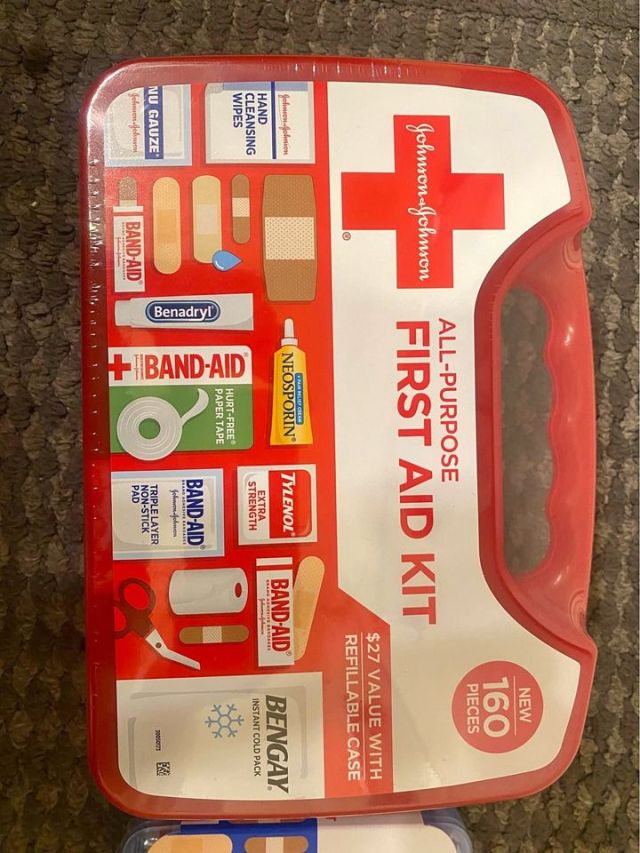
Most grocery stores stock basic medical supplies that become invaluable when the healthcare system becomes overwhelmed. Gauze, bandages, antiseptic wipes, pain relievers, and antibacterial ointments can turn a crisis into an inconvenience instead of a death sentence.

People will scream that “someone” is coming to help. The problem is that “someone” is never as fast or reliable as your own preparation.


9. Trash Bags and Aluminum Foil: The Silent Titans of Survival

No one talks about these, and maybe they should start. Industrial-sized trash bags can be used for shelter, insulation, water collection, sanitation, and gear protection. Aluminum foil can cook, reflect heat, block moisture, and preserve food.

When you look at a simple shopping bag and see survival tools instead of household products, that’s when you finally wake up to how fragile this world has become.


10. Manual Can Opener: Because Electricity Won’t Open Anything for You

People buy stacks of canned food and forget the one item that actually lets them access it. A manual can opener is the difference between eating and starvation when the grid decides it’s had enough.

You don’t need a fancy one. You just need one that works without power—something the modern world seems to have forgotten how to function without.


Final Thoughts (Not That Anyone Listens)

The grocery store is more than a place to wander around mindlessly while the world deteriorates outside. It’s a temporary armory of supplies, a sanctuary before the storm, a fragile lifeline that won’t stay intact forever. The things that keep you alive in a crisis are sitting there on the shelves right now—quiet, unappreciated, ignored by a population that thinks the system will always work.

The truth? It won’t. And when it fails, you’ll either be the one holding the last can opener…
or the one begging for it.

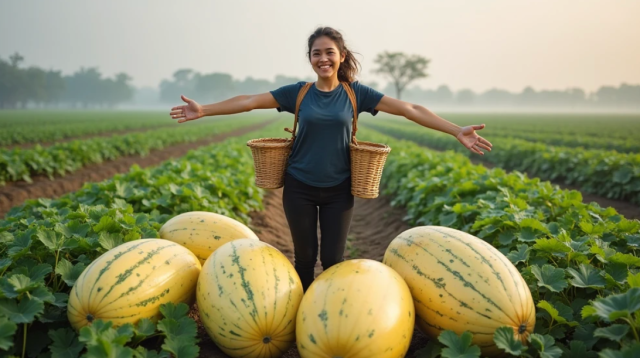
Grow These Survival Crops Now—Because Nobody’s Coming to Save You

The world isn’t getting better. You already know that—every headline is another reminder that the system is rotting from the inside out. The supply chain snaps if the wrong boat parks sideways. Grocery stores empty out if people panic for twenty minutes. And you’re supposed to trust that civilization will hold up long enough to keep your family fed?

Yeah. Right.

If you’re paying attention, you already know you need to grow your own food—real survival food, not the trendy nonsense influencers pretend will “heal your energy.” I’m talking about the tough crops. The war-zone crops. The crops that can keep you alive when everything else stops working.

This isn’t about gardening. This is about staying alive when society collapses under the weight of its own stupidity.

Below are the best survival foods to grow if you’re serious about not starving. They’re hardy, calorie-dense, reliable, and proven to keep humans alive when all hell breaks loose.

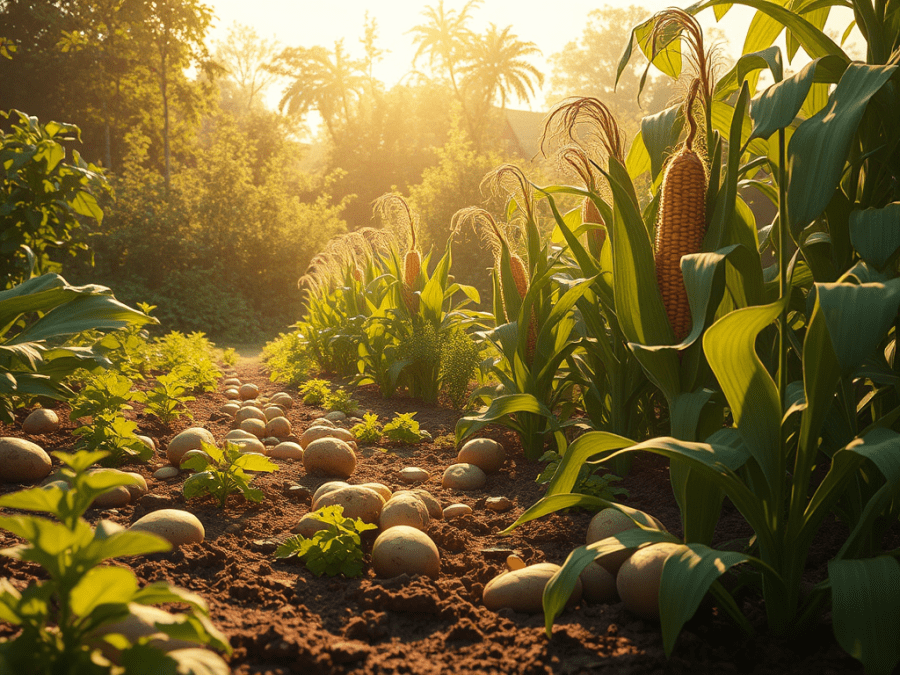
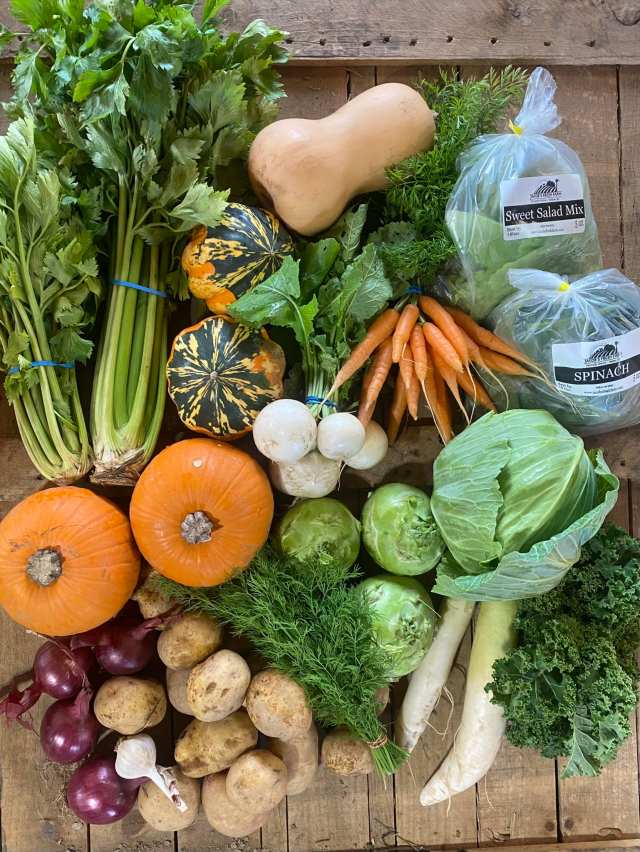
1. Potatoes (The Underrated Calorie King)

People laugh at potatoes—until they realize these humble dirt nuggets kept entire civilizations alive. Potatoes grow in lousy soil, don’t need much babying, and produce more calories per square foot than almost anything else.

When grocery shelves are stripped bare and the clueless masses panic, you’ll be sitting on piles of real food while they argue about who took the last granola bar.

Why potatoes are essential:

  • High calories
  • Grow in poor soil
  • Store well in cool, dark areas
  • Minimal pest issues

If you’re not growing potatoes, you’re already behind.

2. Beans (Your Long-Term Survival Protein)

Everyone talks about protein until they need to actually grow some. Livestock? Good luck feeding it when animal feed disappears. Hunting? So will everyone else—wildlife will vanish fast. But beans? Beans just grow. And they give you protein without expecting you to play rancher in the apocalypse.

Pole beans, bush beans, dry beans—grow them all. They improve soil, climb anything, and tolerate harsh neglect better than most people you know.

Why beans matter:

  • Plant-based protein
  • Long-term dry storage
  • Soil-building nitrogen fixers
  • Reliable yield

Beans won’t betray you. People will.

3. Corn (Massive Harvest, Endless Uses)

Say what you want about corn—it feeds people. It feeds animals. It feeds entire nations. And unlike half the fragile specialty crops people obsess over, corn actually produces enough mass to matter when you’re trying to stay alive.

You can grind it into meal, feed it to chickens, ferment it, store it, or eat it straight off the cob. Fast-growing, sun-loving, drought-tolerant corn is a prepper’s workhorse.

Corn benefits:

  • Huge calorie yield
  • Can be dried and stored long-term
  • Works in tons of recipes
  • Great for bartering

In a grid-down world, corn is currency.

4. Winter Squash (Hard-Shelled Survival Gold)

After the collapse, refrigeration won’t be there to save you. That’s why winter squash matters—they’re the original long-term storage food. With thick rinds and durable flesh, they’ll sit on your shelf for months without rotting into compost.

Butternut, acorn, Hubbard, kuri—pick your fighters. Just make sure you grow a lot of them.

Why winter squash is vital:

  • Keep for 6–12 months
  • Great carbs and vitamins
  • Hardy plants once established
  • Huge harvest potential

When everyone else is shivering and hungry, your squash pile will look like treasure.

5. Sweet Potatoes (Survival Meets Nutrition)

Unlike regular potatoes, sweet potatoes tolerate heat, drought, and neglect like they’re built for catastrophe. They provide calories, vitamins, and vines you can eat as greens if you’re desperate.

Once you plant sweet potatoes, they practically take over—exactly what you want in a world falling apart.

Benefits:

  • High yield
  • Heat and drought tolerant
  • Edible greens
  • Stores for months

Sweet potatoes don’t care if civilization crumbles.

6. Cabbage (The Forget-Me-Not Food That Just Keeps Giving)

Cabbage is the vegetable equivalent of a bunker—heavy, tough, and made to endure. It produces a ton of edible mass and becomes even more useful when fermented.

Sauerkraut isn’t a trend—it’s what people made when they didn’t have refrigerators.

Why cabbage is a survival classic:

  • Huge nutritional value
  • Stores for weeks
  • Can be fermented for long-term preservation
  • Cold-hardy

Cabbage doesn’t die easily. Can’t say the same about most modern diets.

7. Garlic & Onions (Flavors That Keep You Sane)

Listen, life after collapse is going to be miserable enough. If your food is bland, it gets even worse. Garlic and onions aren’t just flavor—they’re medicine, pest repellants, and food preservers.

Plus, they store extremely well.

Why you need them:

  • Long storage
  • Antibacterial properties
  • Easy to grow
  • High value for trade

If you want morale, you want alliums.

8. Carrots (The Survival Root That Doesn’t Complain)

Carrots take a little soil prep, but once they’re growing, they’re practically unstoppable. They store well, grow well in cool weather, and diversify your calories.

They’re also one of the few crops people will still like eating when they’re exhausted, cold, and miserable.

Why carrots earn a spot:

  • Easy to grow
  • Long storage
  • Cold tolerant
  • High vitamins

Carrots are simple. The world won’t be.

9. Kale (The One Green That Doesn’t Die)

Most leafy greens collapse under heat, cold, or pests. Kale laughs at all of them. It’s a multi-season, frost-kissing, apocalypse-proof plant that keeps producing when everything else waves a white flag.

Benefits:

  • Extremely hardy
  • Long season
  • Nutrient dense
  • Keeps producing

You don’t need trendy superfoods. You need kale.

10. Sunflowers (Seeds, Oil, and Livestock Feed)

Sunflowers give you more than beauty—they give you protein-rich seeds, oil for cooking, and feed for animals. They grow tall, strong, and resilient, even when conditions turn nasty.

Why sunflowers matter:

  • Edible seeds
  • Oil extraction
  • Drought tolerant
  • Excellent survival bartering item

Sunflowers don’t care about chaos—they just grow.


FINAL THOUGHTS: GROW FOOD OR GET LEFT BEHIND

You can’t fix the world. You can’t stop the collapse. You can’t rely on the grid, the government, the stores, or the clueless crowds who still think “everything will be fine.”

But you can grow food.

Survival belongs to the prepared—not the optimistic.

Learn these crops. Plant them now. Because when the world finally goes dark, your garden will be the only thing standing between your family and starvation.
The Brutal Truth Why Your “Survival Kit” Is A Joke – And What You Actually Need to Survive

Let’s get something straight: the world is not your friend. It never has been. And every time you scroll through social media watching people argue about meaningless garbage — politics, celebrity drama, whatever nonsense is trending — you can almost feel civilization cracking under the weight of its own stupidity. Most people think “preparedness” means buying a flashlight and hoping the government saves them. These are the same people who panic when the grocery store runs out of milk for 48 hours. Pathetic.

But you’re here because you’re not one of them — or at least, you’re trying not to be. You want a real survival kit. A kit that won’t crumble the moment the power grid collapses or society finally implodes under its own ignorance. Good. Because we’re done pretending that everything is fine. It’s not. And if you don’t have the right essentials, you’re going to learn the hard way why every serious survivalist keeps their gear ready, organized, and non-negotiable.

Below are the actual best survival kit essentials — not the watered-down, cute little lists written by lifestyle bloggers who think “minimalist living” is the same thing as surviving catastrophe. This is the gear you need when the world stops pretending.


1. A Real Knife — Not a Toy

If your knife came in a plastic package at a gas station, throw it in the trash. A survival knife is not a fashion accessory. It’s a tool, a weapon, a lifeline, and in the worst-case scenario, the only thing between you and becoming a cautionary tale.

Your knife should be:

  • Full-tang
  • Carbon steel or high-quality stainless
  • Strong enough to baton wood
  • Sharp enough to cut rope, fabric, and meat

The world will not hesitate to put you in situations where your knife is your only defense. Expect it.


2. Water Filtration — Because Clean Water Won’t Magically Appear

People act like water is always going to flow from their faucets forever. News flash: when the grid goes down, the pumps stop. And when that happens, the unprepared will drink whatever they can find — contaminated ponds, roadside runoff, bacteria-infested puddles. They’ll get sick. You won’t. Because you’ll have:

  • A portable water filter (Sawyer Mini or similar)
  • Purification tablets
  • A metal canteen for boiling water

Without clean water, you have 3 days. Maybe. Plan accordingly.


3. Fire-Starting Gear — Because Cold and Darkness Don’t Care

If you think one cheap lighter is enough, you’re already halfway to failure. You need multiple ways to create fire because fire means warmth, sterilization, cooking, signaling, and psychological stability.

A real kit includes:

  • Ferro rod
  • Stormproof matches
  • Butane lighter
  • Tinder sources (cotton balls, fatwood, etc.)

Fire is life. And life doesn’t come easy.


4. Shelter Materials — Because Exposure Will Kill You First

Most people think they’re invincible. They aren’t. One night of cold rain will crush morale and end your chances. Shelter isn’t optional — it’s the backbone of survival.

Your kit must include:

  • Emergency reflective blanket
  • Tarp or lightweight shelter
  • Paracord
  • Stakes or makeshift anchors

Comfort is irrelevant. Survival is everything.


5. First Aid — Because Injuries Don’t Heal Themselves

The world is full of hazards — rusty nails, broken glass, cliffs, hostile people, and plain old bad luck. And guess what? Hospitals won’t be open when everything collapses.

Your first aid essentials:

  • Bandages, gauze, and wraps
  • Antiseptic wipes
  • Antibiotic ointment
  • Painkillers
  • Trauma supplies (tourniquet, hemostatic gauze)
  • Medical gloves

There’s no dignity in dying from an infection. Handle it.


6. Multi-Tool — Because You Need More Than Two Hands

A multi-tool is the unsung hero of survival gear. Opening cans, fixing gear, cutting wire, tightening screws — it’s the stuff you don’t think about until you need it. And in survival situations, you will need it.

Avoid the cheap ones. If it breaks in your hand when you’re desperate, that’s on you.


7. Reliable Light Source — Because Darkness Is the Enemy

A flashlight is more than a convenience — it’s control. It’s the ability to move, work, and defend yourself at night. It’s the difference between panic and clarity.

You need:

  • A rugged LED flashlight
  • Spare batteries
  • A small back-up light or headlamp

Without light, your environment owns you.


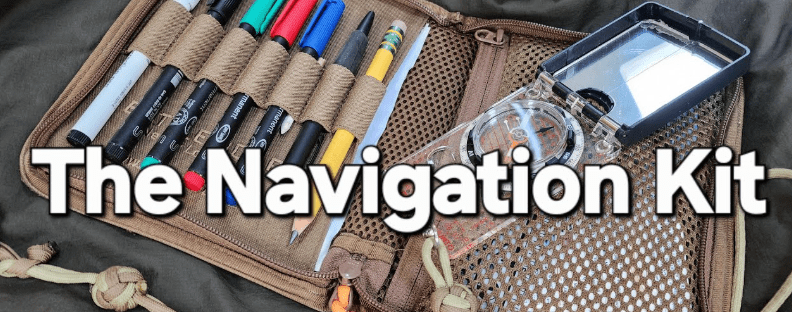
8. Navigation Gear — Because Phone GPS Is a Luxury

Technology-dependent people are going to be completely lost — literally. Batteries die. Cell towers fail. Satellites get compromised. And then what?

Your kit must include:

  • Compass
  • Physical map of your region
  • Backup notes of routes, landmarks, and safe zones

If you can’t navigate without a smartphone, you’re prey.


9. Food Rations — Because Hunger Makes People Stupid

When people get hungry, they make bad decisions — desperate decisions. You need rations that don’t rely on refrigeration, cooking, or delicate packaging.

Go for:

  • High-calorie emergency bars
  • Freeze-dried meals
  • Nuts and protein-dense snacks

This isn’t gourmet dining. This is “stay alive until tomorrow.”


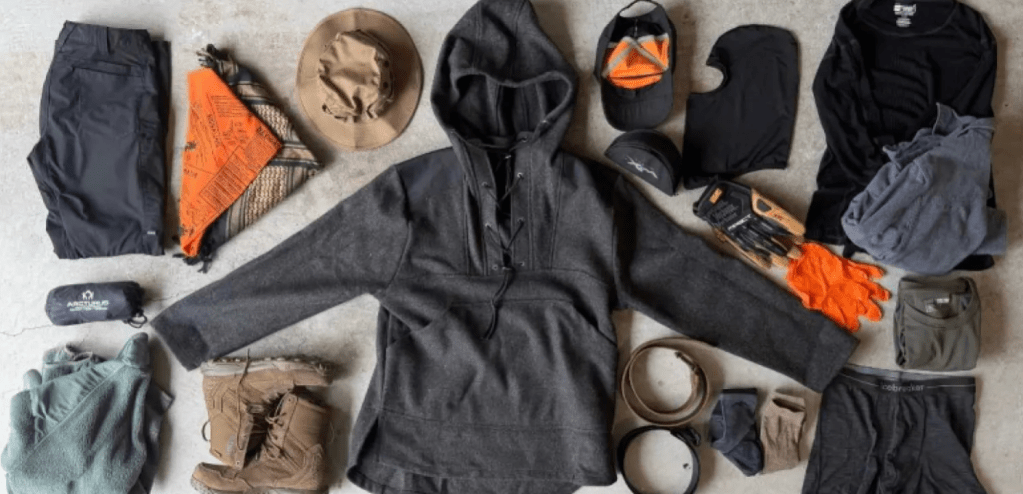
10. Clothing Layers — Because Weather Doesn’t Care About Your Plans

A proper survival kit includes more than gear — it includes what you wear. Weather changes faster than society collapses, and if you aren’t ready, the environment will make you pay.

Pack:

  • Thermal base layers
  • Waterproof shell
  • Wool socks
  • Gloves and a beanie

Comfort is optional. Protection is not.


11. Self-Defense Tools — Because People Become the Real Threat

When systems fail, people unravel. Desperation turns good people dangerous, and dangerous people malicious. You don’t need paranoia — you need realism.

Consider carrying:

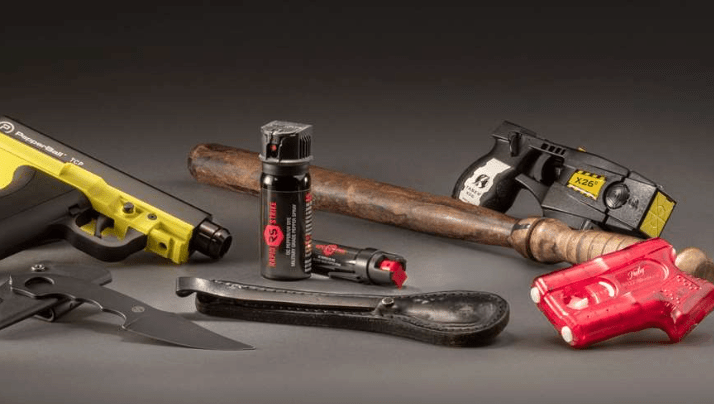
  • Pepper spray
  • A sturdy knife (again — you should have two)
  • A tactical pen
  • A self-defense training mindset

Because the worst thing you can do in a crisis is trust the wrong person.


12. The Mental Will to Survive

All the gear in the world can’t save someone who’s mentally weak. Survival demands grit — the kind this modern world has stripped from most people. When panic hits, when exhaustion tries to break you, when the world around you falls apart, the only thing that keeps you alive is your will.

And that’s something no one can pack for you.


Conclusion

The world is unpredictable, fragile, and full of people who think “preparedness” is unnecessary until it’s too late. Don’t be one of them. Build your survival kit like your life depends on it — because one day, it might.

When the world fails — and it will — your survival kit is either your life insurance or a reminder of your own negligence. Choose wisely.

Oklahoma’s Worst Roads to Drive on During a Disaster

Oklahoma’s Worst Roads to Drive on During a Disaster – And How to Escape Alive

By a Well-Traveled Survivalist

I’ve driven through wildfire smoke so thick it turned day to night. I’ve had angry mobs pound on my hood, forded flooded roads where only alligators belonged, and maneuvered past twisted wrecks on broken highways. Let me tell you something straight: no matter how good your bug-out bag is or how much water you’ve stashed, if you can’t drive your way out when the heat’s on, you’re already dead in the water.

Now, let’s talk Oklahoma—a land of brutal tornadoes, torrential rains, ice storms that shut everything down, and enough open space to vanish into if you know what you’re doing. But it’s also a place where the roads betray the unprepared. Infrastructure here isn’t designed for mass evacuations, and even the most seasoned drivers can get trapped on the wrong stretch of pavement. So buckle in. I’m going to walk you through the worst roads in Oklahoma during a disaster, the skills you need to survive behind the wheel, and how to keep moving when your gas runs dry.


Oklahoma’s Worst Roads in a Disaster

  1. I-35 – Oklahoma City to Norman and Beyond
    The spine of the state. It clogs instantly during mass movement. One overturned semi in a storm and you’re boxed in for hours.
  2. I-44 – Tornado Alley’s Trap
    From Lawton to Tulsa, this road slices through storm central. It’s surrounded by low-lying areas prone to flash flooding.
  3. I-40 – Cross-State Death Funnel
    Wide open, windy, and exposed—especially across the western plains. When tornadoes touch down, debris gets whipped into vehicles like shrapnel.
  4. US-69 – McAlester to Muskogee Corridor
    Two-lane bottlenecks meet erratic traffic. Heavy storms routinely knock out lights and signage.
  5. Turner Turnpike – OKC to Tulsa
    Sounds convenient until you’re stuck with toll booths and zero shoulder space to escape a wreck or gridlock.
  6. US-412 – Wind Shear Highway
    High elevation sections turn into white-knuckle drives during ice storms or high crosswinds.
  7. US-59 – Flood-Prone Backcountry
    Low water crossings near Sallisaw and Poteau make it unpredictable in spring. Flash floods hit hard and fast.
  8. OK-9 – South OKC to Norman
    Suburban sprawl and narrow lanes make for confusion and chaos when lights go out or intersections fail.
  9. OK-3 (Northwest Expressway)
    An urban escape route for OKC folks, but everyone has the same idea. Wrecks, stalled cars, and blocked intersections pile up quick.
  10. US-81 – Grain Hauler’s Corridor
    Filled with slow rigs, agricultural machinery, and limited passing lanes. One wrong move and the line behind you builds fast.

15 Survival Driving Skills That Save Lives

  1. Throttle Control
    Panic makes people mash pedals. Learn to feather your gas—smooth inputs keep your tires gripping in mud, ice, and debris.
  2. Reading Terrain Fast
    Scan for soft shoulders, water depth, drop-offs. Know if you’re about to dive into a ditch or sinkhole before you commit.
  3. Escape Route Mapping
    Always carry a physical map. GPS lies. Signal drops. And some of the best routes don’t even show up on an app.
  4. Driving Without Street Lights
    Practice night driving with only parking lights or no lights on moonlit nights—especially if you’re moving stealth.
  5. High-Centering Avoidance
    Know your vehicle’s ground clearance. Avoid cresting debris piles or road medians that can leave you stuck on your frame.
  6. River Ford Judgment
    If water is fast and touching your bumper, turn back. But slow, shallow water (6 inches or less)? Low gear and don’t stop.
  7. Skid Recovery
    Whether it’s ice or wet clay, know how to steer into the slide and recover control. Panic spinning only makes it worse.
  8. Two-Tire Recovery
    Ever had two tires drop off the pavement? Don’t jerk the wheel. Ease back onto the road gradually.
  9. Quick U-Turns in Tight Spaces
    Learn how to spin your vehicle around in a pinch—especially with limited room and traffic pressure behind.
  10. Dead Reckoning Navigation
    When GPS and cell towers go, your brain better know the compass. Read the sun. Use landmarks. Get oriented.
  11. Hood and Mirror Discipline
    Keep your hood clear. Check mirrors constantly. You’re not just looking at cars—you’re watching for threats, mobs, or road hazards.
  12. Barricade Breach Planning
    Think like an operator. Is the barrier manned? Wooden or steel? Can you hit a low point or shoulder and bypass safely?
  13. Silent Evasion Tactics
    Kill your engine when scouting on foot. Coast in neutral down slopes. Sound attracts attention—keep your vehicle quiet when needed.
  14. Fuel Conservation Driving
    Drive slow, shift early, coast when you can. Keep RPMs low to stretch that last gallon of gas like it’s your lifeline.
  15. Mechanical First Aid
    Basic roadside repair knowledge is gold. Swap belts, patch tires, jump a dead battery, or bypass a blown fuse with a paperclip.

3 DIY Survival Driving Hacks When You Run Out of Gas

1. Gravity-Fed Fuel Siphon (No Suction Needed)
Carry 6-8 feet of clear tubing and a 2-gallon container. Drop one end deep into a donor vehicle’s tank, fill the hose with fuel manually, and lower the other end into your container. Gravity does the rest. No mouth-siphoning needed.

2. Propane to Gasoline Conversion (For Older Engines)
Some older carbureted vehicles can run on propane with a simple regulator and line adapter. If you’ve got camping propane tanks and the right rig, this can buy you escape miles in a pinch.

3. Ethanol Burn Trick (Rural Area Only)
Some farm towns keep high-purity ethanol or E85. If you’re in an older car not too picky about octane, you can mix ethanol 50/50 with gasoline to get home. Watch your fuel lines—it runs hot and lean.


Bonus Tips from the Road

  • Carry Jerry Cans – But Hide Them
    Thieves look for visible fuel. Mount internally or black out the cans and store low-profile.
  • Two-Way Radio Beats Cell Phones
    CBs or handheld ham radios keep you in contact even when the towers fall silent.
  • Camouflage Counts
    Don’t drive a decked-out survival truck screaming “I’m prepared.” Subtle wins. A dented old pickup draws fewer eyes.
  • One Road, One Chance
    Never back yourself into a single-exit road unless you know you can blast out in reverse or on foot. Always think: “If it closes behind me, how do I get out?”

Final Thoughts From Behind the Wheel

I’ve met people who spent years prepping gear, stashing supplies, and building bunkers—but forgot how to drive when the power went out or the roads flooded. Survival on the road isn’t about horsepower or tactical decals. It’s about brains, calm, and skill.

In Oklahoma, disasters don’t come with much warning. One minute the sky’s blue, the next it’s green, and then it’s gone. When that moment comes, you don’t rise to the occasion—you fall to your level of training.

So train hard. Drive smart. Keep your eyes on the road—and never, ever trust that the pavement will be there tomorrow.