Is Kentucky’s Drinking Water Safe

Is Kentucky’s Drinking Water Safe? Hell No—And Here’s What You Need to Do About It

Let’s cut the crap.

You think just because your tap turns on and water comes out that it’s safe? You think because some suit at the Department of Water Resources says “everything is within limits” that you can trust it? You think a state that’s been dumping coal slurry, fertilizer runoff, and industrial waste into its rivers for decades is going to give you clean drinking water?

Wake. Up.

This isn’t a conspiracy theory. This is observable, measurable, documented reality. Kentucky has over 400,000 people relying on private wells, millions more on aging public water systems, and a long history of toxic spills in the Ohio and Kentucky River basins. You want a crash course in betrayal? Look no further than your kitchen faucet.

The System Is Failing You—And It’s Been Failing You for Years

Let’s talk numbers. In 2023, the Environmental Working Group detected over 250 contaminants in U.S. tap water, including known carcinogens like arsenic, lead, PFAS (those “forever chemicals”), and nitrates. Kentucky didn’t escape that list. In fact, parts of Kentucky scored above the national average in multiple toxic categories.

We’re talking cancer-causing crap in municipal water.

You live in Louisville? Ever check the water reports? Chlorination byproducts through the roof. Pikeville? You’re sucking on heavy metals from mining runoff. Eastern Kentucky’s been getting hammered for decades, and no one’s doing a damn thing about it because it’s “just coal country.”

Yeah. Let that sink in while you sip your sweet tea.

Now let’s say you’re not even on city water. Let’s say you’ve got your own well—your own little slice of independence. That doesn’t mean you’re safe. Not even close. Agricultural pesticides, herbicides, and God-knows-what else leach through soil like ghosts. Unless you’re testing that well quarterly and filtering like your life depends on it—because it does—you’re drinking poison.


15 Water Filtration Survival Skills Every Kentuckian Needs to Learn Yesterday
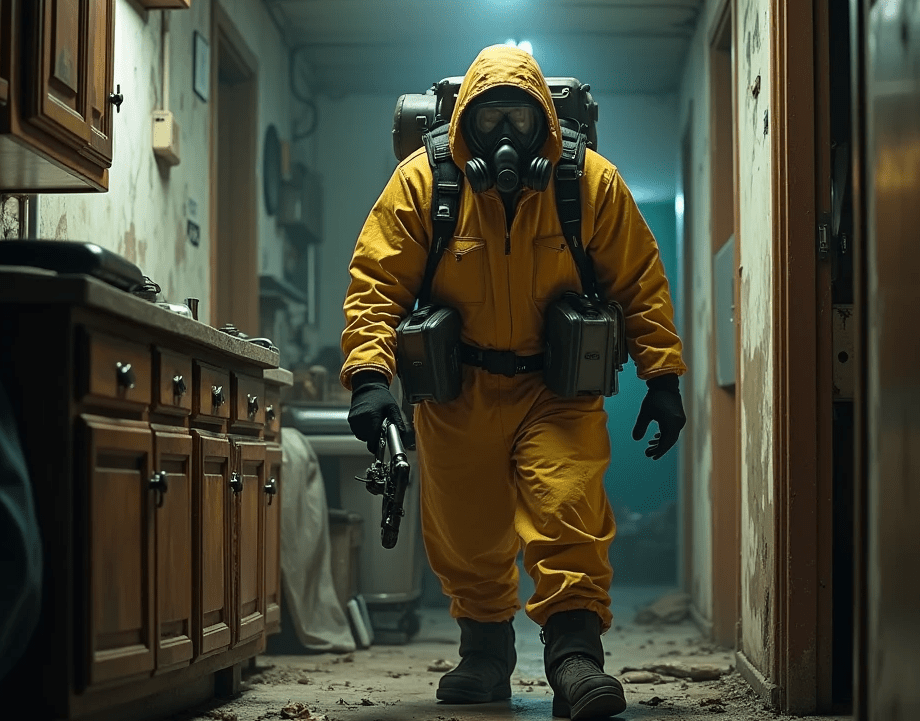
If the grid goes down, if your well gets contaminated, or if the city shuts off the tap, you better have these water filtration survival skills locked down:

  1. Boiling Water – 1 minute at a rolling boil (3 at elevation) kills most pathogens. If you can’t boil water, you don’t deserve to drink it.
  2. Solar Still Construction – Use the sun to evaporate and collect clean water. Works with vegetation and dirty water alike.
  3. DIY Sand and Charcoal Filter – Layered filter made from sand, activated charcoal, and gravel in a bottle or bucket.
  4. Building a Biosand Filter – A longer-term solution using multiple sediment layers and slow-drip filtration.
  5. Making Activated Charcoal – Burn hardwood in a low-oxygen environment. Crush and rinse. This stuff absorbs toxins like a champ.
  6. Using a LifeStraw or Sawyer Mini Filter – Portable filters that can save your life in a pinch. Never leave home without one.
  7. UV Disinfection with Sunlight – Fill a clear plastic bottle and leave it in the sun for 6 hours. The UV kills bacteria. Not perfect, but better than cholera.
  8. Bleach Purification – 2 drops of plain, unscented bleach per liter of water. Wait 30 minutes. Stir and sniff. Smells like a pool? It’s safe.
  9. Potassium Permanganate Drops – A tiny crystal turns water pink and kills off germs. But be careful: too much and you’ll poison yourself.
  10. Cloth Filtering for Sediment – Simple but effective. Pre-filter water through a clean cloth to remove big debris.
  11. Making a Ceramic Filter – Clay and sawdust kiln-fired to create porous ceramic. It filters most pathogens and lasts for years.
  12. DIY Slow Drip Gravity Filter – Buckets, hoses, and a ceramic or carbon filter. Works great off-grid.
  13. Rainwater Harvesting Systems – Collect rain from your roof. Use a first-flush diverter and filter before drinking.
  14. Testing Water with DIY Kits – Don’t guess. Test. Regularly. Especially if your water has a weird taste, smell, or color.
  15. Distillation Over Fire – Use a pot, lid, and a collection container. Boil and collect steam. It’s pure and safe—just slow.

3 DIY Survival Drinking Water Hacks

Don’t have a Berkey? Can’t afford a fancy system? Fine. Get scrappy. Here are three water hacks straight out of the survival playbook.

Hack #1: The Plastic Bottle Solar Disinfection Trick (SODIS)

  1. Take clear PET bottles (1 or 2-liter soda bottles).
  2. Fill them with water.
  3. Lay them in full sun for 6 hours (more if it’s cloudy).
  4. UV rays will neutralize most bacteria and viruses.

Bonus tip: Place them on reflective foil or corrugated metal roofing to maximize heat and UV exposure.

Hack #2: The Shirt-and-Sand Filter

  1. Cut the bottom off a two-liter bottle.
  2. Flip it upside down.
  3. Layer: clean cloth, gravel, sand, charcoal, repeat.
  4. Pour water through. It’s not sterile, but it’s much cleaner.
  5. Boil or bleach afterward.

Use this in a crisis when your water looks like chocolate milk.

Hack #3: Emergency Pine Filter

  1. Harvest some pine bark and needles (avoid treated trees).
  2. Boil them to extract tannins—natural antimicrobials.
  3. Pour water through pine needle-packed filter layers.
  4. Follow up with boiling or bleach for best results.

Nature’s giving you tools. Don’t be too soft or stupid to use them.


Final Words from the Edge

You can sit around sipping bourbon in your recliner, pretending the EPA is looking out for you. Or you can take control of your own water security like your life depends on it—because it DOES.

Kentucky’s water isn’t safe. Not because it’s always toxic, but because you can’t trust it to stay clean. Aging infrastructure, industrial pollution, mining runoff, chemical spills, and lazy oversight are coming for your tap—slowly, invisibly.

The next train derailment, flood, or chemical dump could take your entire town off the map. Will you be ready, or will you be standing in line at the fire station with a plastic jug like a fool?

Don’t count on the government.
Don’t count on bottled water.
Count on skills, tools, and grit.

Filter everything.
Test often.
Prepare always.

This isn’t fearmongering.

This is reality.

Is Iowa’s Drinking Water Safe

Is Iowa’s Drinking Water Safe? Hell No – And You’d Better Learn These 15 Filtration Skills Before It’s Too Late

Listen up. If you’re sitting around trusting the government or your local utility to provide you clean drinking water—especially in Iowa—you’ve already lost. You’re the sheep, and they’re counting on your ignorance to keep you quiet while they dump nitrates, bacteria, and God-knows-what into your so-called “safe” water supply.

Let me be crystal damn clear: Iowa’s drinking water is under siege.

You think that glass of tap water is pure? Think again. Iowa is surrounded by fields sprayed with chemicals—nitrates, phosphorus, and manure runoff from industrial agriculture. That filth ends up right in your faucet. And they’ll say it’s “within legal limits.” Oh yeah? Legal limits set by bureaucrats who wouldn’t last three days without bottled water.

The truth? If you’re not already treating your water like you’re in a post-collapse scenario, you’re already in danger. You better start living like the grid is one blackout away from failure. You better learn to filter, purify, and protect every drop like your life depends on it—because it does.


15 Water Filtration Survival Skills You Need Yesterday

These aren’t suggestions. These are skills every prepared person must master before the water crisis knocks on your door—or poisons your kids without warning.

1. Boiling Water to Kill Pathogens

Basic, but effective. Boil your water for at least one minute (longer at higher altitudes). Kill bacteria, viruses, and parasites. If you can’t start a fire in under five minutes, you’re not ready.

2. DIY Charcoal Filter

Crush activated charcoal from a campfire. Layer it with sand and gravel in a bottle or PVC pipe. This filters out chemicals and improves taste. Not pretty, but it works when the taps run brown.

3. Using a Survival Straw (LifeStraw, Sawyer, etc.)

Carry one at all times. These suck up directly from rivers or questionable puddles and block bacteria and protozoa. Don’t trust plastic bottles in your go-bag without one.

4. Solar Disinfection (SODIS)

Fill a clear PET bottle, leave it in the sun for 6+ hours. UV rays kill pathogens. It’s low-tech and lifesaving. Got sunlight? You’ve got clean water.

5. Portable Water Filter Pump

Buy one now. Pump water through ceramic or carbon filters. Essential in rivers, ponds, and when the local supply is compromised.

6. Gravity Water Filtration Systems

Like Berkey systems. Let gravity do the work. They’re slow but thorough. Get one, stash extra filters, and keep them dry.

7. Chemical Purification: Bleach

Unscented household bleach. Use 8 drops per gallon, shake and wait 30 minutes. Smells bad, tastes worse—but if it fizzes, you live. Learn the damn math.

8. Chemical Purification: Iodine Tablets

Used by soldiers and preppers. Drop ‘em in water, wait, drink. Kills bacteria and viruses. Watch out if you have thyroid issues.

9. Sand and Gravel Filter Buckets

Layer buckets with gravel, sand, and charcoal. Pour water through top, collect filtered water from bottom spout. Cheap, scalable, effective.

10. Learn to Identify Contaminated Water Sources

Green scum? Dead fish? Metallic smell? Don’t touch it. Cloudy? Murky? Runoff nearby? Filter the hell out of it—or walk away.

11. Know Your Local Watershed

Study maps. Know what feeds your city’s supply. Find natural springs. Know which rivers are downstream of farms or factories. Use your brain.

12. Rainwater Harvesting and Filtering

Collect rain from rooftops into barrels. Filter it before use. It’s illegal in some places—imagine that. Pure water falling from the sky, and they want to regulate it.

13. DIY Bio-Filter System

Use buckets or barrels. Layer charcoal, sand, gravel. Maybe even use cheesecloth or coffee filters. Replace layers often.

14. Distillation

Boil water, catch the steam, condense it back into water. Removes EVERYTHING—chemicals, metals, salt. Slow, but purer than what the city hands you.

15. Test Your Water Regularly

Get test strips or kits. Know the levels of nitrates, lead, E. coli. Trust your results, not the city’s “annual report” full of watered-down half-truths.


3 DIY Survival Drinking Water Hacks for When the SHTF

When it all goes south—and it will—these hacks could be the difference between dying of thirst or dying with a rifle in your hand. Pick your battle, but stay hydrated.

Hack #1: The T-Shirt + Sand Filter

Tear up a shirt, wrap it over a bottle or funnel. Fill it with gravel, then sand, then charcoal. Pour water slowly through it. It won’t kill microbes, but it filters out dirt, bugs, and grime. Follow up with boiling or bleach.

Hack #2: Tree Branch Water Filter

Yup—certain tree branches (like pine or birch) can act like filters. Cut a piece, insert it into tubing, and pour dirty water through. The wood’s xylem filters microbes. Not perfect, but scientifically sound. Look it up.

Hack #3: Emergency Solar Still

Dig a hole, put a cup in the middle. Fill the hole with wet leaves or urine if you’re desperate. Cover with clear plastic, weight the center with a rock. Sunlight evaporates water, it condenses and drips into the cup. Slow as hell, but safe.


Final Warning

Back to Iowa. You think Des Moines has it bad with its nitrate problems? Try living near a CAFO (Concentrated Animal Feeding Operation) and tell me you trust what’s flowing from your faucet. The rivers are poisoned. The groundwater’s tainted. And no one’s coming to fix it when the system crashes.

You have to be your own water utility. Your own chemist. Your own damn filtration plant.

Iowa’s water isn’t just unsafe—it’s a canary in the coal mine. What’s happening there will happen everywhere. It’s a blueprint for environmental collapse and government inaction. They won’t protect you. They’ll tell you it’s fine right up until they’re handing out bottled water on the news.

Don’t wait for that moment. Don’t be the fool crying at a FEMA tent wondering what went wrong. Prepare now. Filter everything. Question everything. Trust nothing.

Because when the lights go out, and the taps go dry, only the prepared will drink.

First Aid & Medical Preparedness – Building a trauma kit, treating wounds, and long-term health without hospitals.

Listen up, because I’m not going to sugarcoat a damn thing. When the grid goes down, when the sirens stop wailing, and when the hospitals lock their doors—you’re on your own. There’s no 911, no nurse with a clipboard, no Walgreens down the road. Just you, your gear, your grit, and the skills you’ve either learned or failed to. If you’ve been living soft, playing pretend that society will always cradle your sorry hide, you’re in for a rude awakening.

First Aid and Medical Preparedness isn’t a luxury—it’s your damn lifeline. Pain, injury, infection, sickness—those things won’t stop just because civilization did. You better be ready to deal with them, or you’re a dead man walking.


The Cold, Hard Reality

When society collapses, modern medicine disappears faster than bottled water at a panic sale. Pharmacies will be looted. EMTs will stay home. Hospitals will become disease-ridden death traps if they don’t close outright. Forget your HMO. Your health insurance policy won’t buy you squat in a barter economy. What WILL keep you alive is your trauma kit, medical knowledge, improvisational skill, and the will to survive.

Let’s get down to it.


15 Survival Skills for Medical Preparedness

1. Building a Trauma Kit from the Ground Up

Your trauma kit isn’t a cute little pouch of Band-Aids. This is your mobile ER, and it better include:

  • Tourniquets (CAT or SOF-T)
  • Israeli bandages
  • Hemostatic gauze (like QuikClot)
  • Nitrile gloves
  • Trauma shears
  • Nasopharyngeal airways
  • Chest seals (for sucking chest wounds)
  • Burn gel
  • Painkillers and antibiotics
    Don’t buy pre-packaged crap. Learn what each item does and build your kit accordingly.

2. Controlling Bleeding

Massive blood loss will kill you in minutes. Learn how to apply a tourniquet, pack a wound, and use pressure dressings. Practice on meat or a dummy. Muscle memory saves lives.

3. Treating Puncture Wounds and Lacerations

These are common in a survival scenario—think knife slips, broken glass, jagged metal. Clean thoroughly, debride dead tissue, close with steri-strips, butterfly bandages, or even suture if you must. Infection is your enemy.

4. Fracture and Dislocation Management

You won’t be walking off a busted leg. Learn how to make splints with sticks, cordage, and rags. Know how to reduce simple dislocations. If you can’t keep the limb immobilized, you’ve just doomed yourself.

5. Burn Treatment

Flames, boiling water, scalding steam—they’ll all be real threats without modern conveniences. Know how to treat burns with sterile dressings, cool water (NOT ice), and burn creams. Infection is a constant threat here too.

6. CPR and Rescue Breathing

Yeah, even out here. Knowing how to restart someone’s ticker or give rescue breaths can turn you from a bystander into a damn hero.

7. Recognizing Shock

Hypovolemic, septic, or anaphylactic—shock kills. If someone’s pale, clammy, confused, with a rapid pulse and shallow breathing, you better know how to act: elevate legs, stop bleeding, keep them warm, administer epinephrine if it’s allergic.

8. Making Saline Solution

Boil clean water, add non-iodized salt (9 grams per liter), cool it—bam, you’ve got sterile saline for irrigating wounds. Don’t guess; measure accurately.

9. Improvised Stretcher Construction

When someone can’t walk and you have to move them, build a stretcher from blankets, tarp, or shirts between two poles. Test it before you need it.

10. Herbal Medicine Basics

When the meds run out, the plants step in. Learn how to use yarrow for bleeding, plantain for stings, willow bark for pain, and echinacea for immune support. Know what works and what’s woo-woo garbage.

11. Dental Emergency Management

Tooth infections can kill. Learn how to extract a bad tooth, treat abscesses with warm salt water soaks, and use clove oil for pain. Dental kits aren’t optional.

12. Water Purification Techniques

If your water’s dirty, your insides will follow. Boil it. Filter it. Purify it with iodine or bleach (8 drops per gallon of clear water, wait 30 mins). Dysentery is not a joke.

13. Administering Injections

You may need to inject antibiotics, insulin, or pain meds. Learn proper intramuscular injection sites and techniques. Practice on fruit or animal carcasses.

14. Recognizing and Treating Infections

Redness, swelling, pus, heat, fever. If you see them, act fast. Open the wound, drain it, and use antiseptics and antibiotics. Delay = death.

15. Stockpiling and Rotating Medications

Antibiotics, antidiarrheals, antihistamines, painkillers. Get fish antibiotics—they’re often the same thing (Amoxicillin, Ciprofloxacin, etc.). Label and rotate them. Know expiration risks.


3 DIY Survival Medical Hacks

1. Tampon-as-a-Wound-Packer

A tampon isn’t just for feminine hygiene—it’s a sterile, compact wound packer for deep punctures. Shove it in, tape it down, and it’ll help control bleeding until you can do better.

2. Duct Tape Butterfly Bandages

Got a gash? Cut duct tape into strips and fold them into DIY butterfly closures to pull wound edges together. Combine with superglue if needed (on dry, cleaned wounds ONLY).

3. Plastic Bag Chest Seal

You get a punctured lung, you’re leaking air into your chest cavity. That’s called a sucking chest wound. Take plastic (Ziplock, cling film), tape on three sides to create a flutter valve. That could literally keep someone breathing.


Final Words from a Man Who’s Seen the Edge

Look, I’m not writing this to make friends or stroke egos. I’ve patched wounds in the dark, boiled water for hours to keep someone from going septic, and carried men miles on busted legs. I’ve seen what happens when people don’t prepare—they cry, they panic, they die.

You don’t want to be one of them.

Start practicing these skills now. Build your kit, learn your herbs, memorize wound care, and practice until it’s muscle memory. Buy books—not Kindle files, real paper. Build a library. Print diagrams. Watch tutorials and take notes. Store meds in cool, dry places. Teach your family. Test yourself.

Because when hell breaks loose and the doctors are gone, you’re the only medic you’ve got.

So, ask yourself: Are you ready to stop being a soft, helpless liability and start being the one who keeps people alive?

If not, you better damn well get there fast.

No more excuses. No more tomorrow. Get to work.

How Preppers in Arkansas Prepare for Natural Disasters: A Complete Guide

How Arkansas Residents Prepare for the State’s Worst Natural Disasters

As a prepper living in Arkansas, you understand the importance of being prepared for anything Mother Nature throws your way. In this state, we deal with a wide range of natural disasters, from tornadoes and severe thunderstorms to floods, wildfires, and even the occasional ice storm. Whether you’ve lived here your whole life or are just settling in, it’s critical to have a solid survival plan in place to weather these unpredictable events.

In this article, I’ll walk you through the types of natural disasters we face in Arkansas, how local preppers get ready for them, and most importantly, 10 survival tips that will help you stay safe and self-sufficient when disaster strikes.

CLICK HERE TO LEARN HOW TO SURVIVE A FAMINE

1. Tornadoes – The King of Arkansas Disasters

Tornadoes are, without a doubt, the most terrifying natural disaster we face in Arkansas. They can pop up without warning, especially during spring and early summer, wreaking havoc across towns and rural areas alike. In fact, Arkansas is in “Tornado Alley,” meaning we’re right in the path of severe storms that can produce destructive twisters.

When it comes to prepping for tornadoes, time is of the essence. The best way to survive a tornado is to be prepared ahead of time. Know the safest place in your home to seek shelter. Typically, the basement is your best option, but if you don’t have one, head to an interior room on the lowest floor, away from windows and exterior walls.

Prepper Tip #1: Get a weather radio. Tornadoes can form quickly, and having a battery-powered NOAA weather radio will alert you to an impending storm long before it hits.

Prepper Tip #2: Create a tornado kit. Your kit should include essentials like water, non-perishable food, first aid supplies, a flashlight, a multi-tool, and important documents.

2. Flooding – A Persistent Threat

Flooding is another major threat in Arkansas, especially during the wet season. Heavy rainfall can cause rivers to overflow, while flash floods can occur within hours. Arkansas has numerous rivers, including the Arkansas River, White River, and Ouachita River, all of which pose a risk during periods of excessive rain.

Preppers in Arkansas need to understand the flooding risks in their area. Flood-prone zones are more common than you might think, especially around river valleys or low-lying areas. One of the best ways to stay safe is to elevate your home, or at the very least, keep your survival gear in waterproof containers that won’t get ruined in the event of a flood.

Prepper Tip #3: Know the flood zones. If you live in a floodplain, have a plan for evacuation. Keep emergency bags packed and ready to go at all times.

Prepper Tip #4: Install sump pumps. If your home is in a low-lying area, consider installing a sump pump to prevent water from infiltrating your basement.

3. Severe Thunderstorms and Hail – Common But Dangerous

It’s no surprise that Arkansas experiences frequent thunderstorms, especially in the warmer months. These storms often bring heavy rain, lightning, high winds, and hail—sometimes large enough to cause significant damage. While we can predict thunderstorms, the severity and timing are often less predictable.

Prepper Tip #5: Fortify your home. Invest in storm shutters or window protection to minimize damage from high winds or hail.

Prepper Tip #6: Have a lightning safety plan. Lightning is a serious risk during thunderstorms. Stay indoors and avoid electrical appliances during the storm. If you’re outdoors, avoid tall trees and open fields.

4. Wildfires – A Growing Concern

Although Arkansas isn’t typically associated with wildfires, dry conditions combined with high winds can lead to the rapid spread of flames. In recent years, wildfires have become more common in certain regions, particularly in the Ozarks. Preppers need to be aware of fire risks, especially during prolonged periods of dry weather.

Prepper Tip #7: Create defensible space around your property. Clear dead vegetation, leaves, and other fire-prone debris from your yard to minimize the chance of a wildfire reaching your home.

Prepper Tip #8: Invest in a fire extinguisher. Keep multiple fire extinguishers around your property—inside your home and near the outdoor areas that could catch fire. If you’re in a rural area, it’s also smart to have a water source available for firefighting.

5. Ice Storms and Winter Weather – The Silent Killer

Arkansas isn’t known for heavy snowfall, but when we do get snow and ice, it can cause chaos. Ice storms are particularly dangerous. Power outages are common, and roads become treacherous. During these storms, staying warm and safe is a priority.

Prepper Tip #9: Stockpile firewood. If you live in a rural area, consider installing a wood-burning stove or fireplace for heat during power outages. Stockpile firewood so that you can stay warm when the grid goes down.

Prepper Tip #10: Keep extra blankets and warm clothing. If the power goes out, having enough blankets, sleeping bags, and layers of clothing can keep you and your family safe from the cold. A camp stove or propane heater can also be life-saving.

How Arkansans Are Preparing for the Worst

In Arkansas, preppers aren’t just sitting around waiting for a disaster to strike. We’re actively working to make sure we’re ready for anything. Many of us are involved in local prepper groups, where we share information and resources. We’re learning about sustainable living, emergency first aid, and how to grow our own food. We also focus on off-grid living solutions—because let’s face it, when the power goes out, it might not be back on for days.

The survival mindset here is about being self-reliant. Preppers in Arkansas have long recognized that we can’t always rely on the government or emergency responders to bail us out. Whether it’s learning how to purify water, build a shelter, or hunt and fish for food, we know that every little bit of knowledge helps when the grid goes down.

Some Arkansans are even fortifying their homes against natural disasters with storm shelters, backup generators, and solar power systems. And with a large rural population, we know that being able to live off the land can make the difference between life and death when supply chains break down.

Conclusion

Being a prepper in Arkansas means constantly thinking ahead. Whether it’s preparing for tornadoes, floods, or wildfires, we make it a point to be ready for the worst. The tips shared here will give you a strong foundation to build on as you create your own emergency plan. Remember, the key to survival isn’t just about having gear—it’s about having the knowledge and mindset to endure whatever disaster comes your way.

The Hidden Dangers of Hunting: 4 Deadly Scenarios Every Prepper Should Know

As a prepper, every trip into the wild is a calculated risk. We’ve all seen the romanticized images of rugged individuals hunting game for survival, but the reality is far more complicated than simply stalking and shooting an animal. Hunting for food is not just about your aim or the size of the game you take down—it’s about the risks that come with sourcing your food in uncertain, potentially dangerous environments.

I learned this the hard way during a hunting trip a few years ago, one I had gone into expecting a peaceful few days of solitude. I was in my element, tracking through the dense woods, preparing for the hunt. As dawn broke and the sun crept over the horizon, I spotted a decent-sized deer grazing in a clearing. But something wasn’t right. The deer wasn’t moving normally—it was disoriented, stumbling around in a way that didn’t fit with its usual grace.

At first, I thought maybe it was just an injury, but as I looked closer, something clicked. I realized that this animal wasn’t just sick—it was dangerous to even consider hunting it.

Why? Because when it comes to hunting for food in an uncertain environment, not every animal is safe to eat. Animals, much like the environment, are susceptible to contamination, disease, and environmental pollutants that make them dangerous, even deadly, to consume. This was a stark reminder that in survival situations, we must think beyond simply capturing game. We must understand the environment, the risks, and the potential dangers hidden in the wildlife itself.

Let’s break down the four key situations when hunting becomes a deadly gamble and why preppers need to be prepared to walk away from certain scenarios.


1. Hunting Near Post-Industrial Areas

Prepper Tip #1: Stay away from abandoned factories and industrial zones. These areas are hotspots for environmental contamination, and hunting near them can lead you to dangerous, contaminated game.

Industrial waste is a real threat. Old factories, chemical plants, and abandoned warehouses may be sitting on years of pollution. Toxic waste and hazardous chemicals can seep into the surrounding soil, water, and vegetation, eventually poisoning the animals that live there.

In a post-collapse scenario, the risk of industrial contamination becomes even more dangerous. If you’re hunting near an industrial zone, there’s a very real chance the local wildlife has been exposed to toxins like heavy metals, petrochemicals, or other hazardous substances that are lethal or cause long-term health problems. Eating contaminated meat can lead to poisoning or even death.

Animals that ingest contaminated food or water may show signs of sickness, like lethargy or erratic behavior, making them easy to spot as unsafe to hunt. Keep a wide berth from these areas and avoid the temptation to harvest animals in regions where contamination might be a risk.


2. Hunting After a Nuclear Event

Prepper Tip #2: In the aftermath of a nuclear disaster, don’t risk eating animals that might have been exposed to radiation. Radiation can linger in the environment, contaminating animals and plants for months or even years.

If a nuclear event occurs, it changes everything—especially when it comes to hunting for food. Animals are highly susceptible to radiation exposure, especially after a nuclear disaster. A nuclear explosion releases dangerous radiation into the atmosphere, which can settle in the environment, contaminating water sources, soil, and vegetation.

Deer, rabbits, and other wildlife that live in these areas can absorb radiation directly into their bodies. The meat of these animals could be radioactive and pose severe health risks, including cancer, radiation sickness, or death.

In a post-collapse world, radiation contamination will be a reality in certain areas. If you’re hunting in an area near where a nuclear disaster occurred, it’s safer to assume that the animals you find in that region are contaminated. Don’t take the risk—hunting in areas that have been affected by nuclear events is a life-threatening decision.


3. Hunting During or After Wildfires

Prepper Tip #3: Wildfires release heavy metals and dangerous toxins. Stay clear of hunting areas that have been burned recently, as animals might have ingested harmful contaminants.

Wildfires aren’t just destructive—they release a wide range of toxins into the air. The smoke, ash, and burnt materials carry heavy metals, chemicals, and carcinogenic compounds that settle on plants and animals in the affected areas.

Wildlife exposed to these contaminants can carry harmful substances in their bodies. Animals that consume contaminated plants or water may suffer from organ damage or weakened immune systems. Their meat can be toxic to humans, especially if it’s been exposed to heavy metals like arsenic or lead, which are common in burned environments.

The risks are clear—if you’re hunting in or near areas recently ravaged by wildfires, do not consume the game. There’s a chance that these animals have absorbed toxic chemicals into their flesh, and eating them could lead to serious health problems. Always assess the environment before deciding to hunt in these areas.


4. Hunting During Disease Outbreaks

Prepper Tip #4: Look for signs of disease in animals, like abnormal behavior or physical symptoms such as drooling, trembling, or lack of coordination. Don’t risk eating game that’s showing symptoms of illness.

Diseases like Chronic Wasting Disease (CWD) in deer, Rabies, or Avian Influenza in birds can turn an otherwise healthy animal into a dangerous and unsafe source of food.

CWD is particularly concerning for hunters—this prion disease affects deer, elk, and moose, and causes them to exhibit strange behavior, such as stumbling, drooling, and lack of coordination. The infected animals can carry the disease in their body for months, making the meat unsafe to eat.

Signs to look for: If you’re out hunting and see a deer or any other animal exhibiting abnormal behavior—do not attempt to hunt it. It’s likely infected, and the disease can be transmitted to humans or other animals. Always err on the side of caution and avoid harvesting any game that is showing symptoms of illness.


5. General Survival Tips for Preppers:

  • Tip #5: Always carry a field guide to identify diseases and signs of contamination in wildlife.
  • Tip #6: Carry water purification tablets and know how to filter water if you’re hunting near questionable water sources.
  • Tip #7: Invest in a reliable geiger counter to test for radiation if you’re near suspected contaminated zones.
  • Tip #8: Keep a basic first aid kit that includes anti-toxins and antibiotics to treat potential exposure to contaminated meat.
  • Tip #9: Trust your instincts. If something seems wrong with the game, walk away.
  • Tip #10: Diversify your food sources. Don’t rely solely on hunting—always have backup food like stored grains, seeds, and preserved meat.

Conclusion: When SHTF, Know the Risks

Hunting for food in a survival situation is about much more than simply getting a kill. It’s about understanding the risks of contamination, disease, and environmental hazards. The wilderness isn’t a place where you can afford to ignore the signs of danger.

Stay informed, stay alert, and always know when to walk away from a potentially risky situation. By doing so, you’ll not only protect yourself from foodborne illness or worse—but you’ll ensure that your survival strategy is built on a foundation of smart, well-informed decisions.

The stakes are high. Make every hunt count—but don’t let it be your last.

Top 30 Survivalist-Friendly Campsites in North Carolina

The Best Campsites for North Carolina Survival Preppers

As a prepper living in North Carolina, you know that being ready for any situation, whether it’s a natural disaster, a power outage, or just a need for some personal space, is key. What better way to ensure you’re prepared than by learning the land, understanding the environment, and honing your survival skills in the wild? North Carolina, with its diverse terrain from the mountains to the coast, offers some of the best campsites in the nation for preppers like us. Here’s a guide to 30 of the best camping sites for survival training and prepping in North Carolina.

Whether you’re testing your bug-out bag, practicing fire-starting techniques, or just getting familiar with local flora and fauna, these campsites are perfect for a variety of outdoor activities. From deep forests to rugged mountain terrain, North Carolina has it all.


1. Pisgah National Forest

Known for its vast stretches of wilderness, Pisgah National Forest offers miles of hiking trails, waterfalls, and secluded campsites. This place is ideal for preppers who want to test their wilderness skills and see what they can forage, hunt, and gather in the wild. The forest provides plenty of opportunity for stealth camping and learning to live off the land.

2. Great Smoky Mountains National Park

This park is one of the most well-known in the country, and for good reason. It’s filled with diverse ecosystems, and its remote areas make it perfect for extended survival training. As a prepper, you’ll want to spend some time here learning about the flora and fauna, as well as getting comfortable with primitive shelter-building.

3. Chattahoochee-Oconee National Forest

Part of the Appalachian Mountains, the Chattahoochee-Oconee National Forest is great for those who enjoy rugged terrain. This forest provides great opportunities for shelter-building, testing your gear, and hiking through challenging terrain. The combination of creeks, rivers, and forests will keep any prepper occupied.

4. Morrow Mountain State Park

With over 1,000 acres of land and beautiful scenic views, Morrow Mountain State Park is perfect for prepping and practicing wilderness survival skills. It offers great opportunities for fishing, hunting, and other vital outdoor skills. The area also offers peaceful lakeside campsites.

5. Hanging Rock State Park

Located in the Sauratown Mountains, Hanging Rock is a great place for prepping and connecting with nature. With dramatic rock formations, this park offers challenging terrain for those who want to push their limits. It’s also a perfect spot for learning how to navigate rough terrain or just test your fire-starting skills in remote locations.

6. Uwharrie National Forest

This forest is full of ancient mountains, with dense woods and creeks. It’s an excellent location for survivalists looking for a challenge, offering secluded campsites, primitive campsites, and a variety of flora and fauna to explore.

7. Crowders Mountain State Park

For those who enjoy mountain terrain, Crowders Mountain is a must-see. The views are amazing, but the real draw is the opportunity to test your skills in a variety of outdoor survival situations. Whether you need to practice building shelters or hone your hiking endurance, this park is ideal.

8. Bodie Island Campground

If you’re looking to practice prepping along the coastline, Bodie Island is a great option. This campground offers access to the Outer Banks, where you can learn survival skills that might be different from those you’d use in mountainous terrain, such as coastal fishing and saltwater navigation.

9. Nantahala National Forest

With over 500,000 acres of rugged mountains, rivers, and wilderness, Nantahala National Forest is a prepper’s dream. Whether you’re training for wilderness survival, learning to hunt, or just exploring the environment, this is a fantastic place to sharpen your skills.

10. Lake James State Park

If you’re more into lakeside prepping, Lake James State Park provides a peaceful environment for preppers looking to practice water-based survival skills. It offers opportunities for both boating and hiking, with plenty of secluded areas to test your survival tactics.


11. Gorges State Park

Known for its dramatic waterfalls and rugged terrain, Gorges State Park provides an excellent setting for more advanced survivalists. If you’re looking to truly test your abilities, this is a great spot for deep woods exploration and endurance training.

12. South Mountains State Park

With over 20 miles of hiking trails, South Mountains offers a perfect place for long-term survival training. The park’s remote nature allows you to test your skills without the distractions of modern life, offering a chance to practice long-distance hiking and endurance.

13. Stone Mountain State Park

Located near the Blue Ridge Mountains, Stone Mountain offers challenging terrain, incredible views, and numerous camping opportunities for preppers. It’s a great spot for practicing shelter-building, map-reading, and surviving in diverse terrain.

14. Linville Gorge Wilderness Area

For those who truly want to test their wilderness survival skills, the Linville Gorge Wilderness Area is a must-visit. This area offers rugged cliffs, deep ravines, and remote campsites, making it ideal for preppers looking to experience the harsh realities of survival.

15. Jockey’s Ridge State Park

Jockey’s Ridge is the tallest natural sand dune system in the eastern United States. It’s a unique spot for preppers looking to practice survival in a different environment. Learn how to navigate sand dunes, use the wind for navigation, and find your bearings in coastal areas.

16. Kerr Lake State Recreation Area

For those interested in lakefront prepping, Kerr Lake is the perfect spot. This large reservoir offers great opportunities for water-based survival skills, including fishing and water navigation, along with miles of trails for land-based training.

17. Pocosin Lakes National Wildlife Refuge

If you’re a prepper interested in wetland survival skills, this is the place to be. With expansive swamps and forested wetlands, Pocosin Lakes provides a unique environment to practice water and wetland survival techniques.

18. Harris Lake County Park

For those closer to the Raleigh area, Harris Lake offers a quieter, more controlled environment to practice survival techniques. It’s ideal for short camping trips where you can practice fire-making, cooking over an open flame, and wildlife tracking.

19. Elk Knob State Park

A remote park with high mountain peaks, Elk Knob provides a more solitary and rugged experience. It’s great for preppers who want to escape the crowds and test their skills in extreme environments.

20. Cape Hatteras National Seashore

Perfect for coastal preppers, Cape Hatteras offers a mix of beach and wooded terrain, ideal for testing various survival tactics, from building shelters in sand to fishing from the shore.


21. Badin Lake

Surrounded by the Uwharrie National Forest, Badin Lake offers a peaceful setting for preppers looking for a serene place to practice survival skills. The lake itself is perfect for learning water navigation techniques, while the surrounding forests are excellent for woodcraft and foraging.

22. Holly Shelter Game Land

Located in coastal North Carolina, Holly Shelter Game Land provides the perfect environment for hunting, fishing, and practicing wilderness skills in a somewhat untamed environment.

23. Tennessee Valley Authority Lands

If you’re looking for more isolated spaces to practice, check out the TVA lands near the NC/Tennessee border. These lands have vast wilderness areas, perfect for learning to live off the land and practicing long-term survival techniques.

24. Mount Mitchell State Park

The highest peak east of the Mississippi, Mount Mitchell offers challenging mountain terrain for prepping. Learn how to use higher elevations to your advantage, test your endurance, and practice long-term camping.

25. Reedy Creek Park

For those close to the Charlotte area, Reedy Creek Park offers a great mix of trails and peaceful camping grounds, perfect for honing survival skills without leaving the urban area far behind.

26. Junaluska Campground

Situated in the Appalachian Mountains, Junaluska offers a quiet getaway perfect for preppers looking to test their wilderness knowledge in rugged, challenging terrain.

27. N.C. Game Lands at Roanoke River

For those who enjoy hunting and fishing as part of their prepper lifestyle, Roanoke River’s game lands offer a haven for practice. The swampy areas and rich wildlife provide an excellent test of your outdoor knowledge.

28. Mills River Recreation Area

Just outside of Asheville, this area offers the perfect mix of proximity to city amenities and wild terrain for prepping. It’s a great place to practice navigation, shelter-building, and fire-starting skills.

29. Blue Ridge Parkway

The famed Blue Ridge Parkway runs through North Carolina, and the surrounding camping areas are ideal for prepping. With a combination of mountainous terrain, lakes, and forest, this is an area where you can get serious about survival practice.

30. Yadkin River State Trail

This trail runs along the Yadkin River and offers a great opportunity to explore river-based survival techniques. Whether you prefer hiking, canoeing, or simply testing gear in a variety of environments, Yadkin offers something for every prepper.

Oregon’s Top Bug-Out Locations for Hardcore Preppers

Primitive But Powerful: Oregon’s Most Prepped Campsites

As a seasoned prepper in Oregon, I’ve scouted and tested campgrounds that not only offer breathtaking views but also provide the solitude, resources, and terrain ideal for long-term survival training, bug-out scenarios, or just reconnecting with the land. From dense old-growth forests to high-desert plateaus, Oregon’s diverse landscapes offer unparalleled opportunities for self-reliance practice.

CLICK HERE TO LEARN HOW TO SURVIVE A FAMINE


🏕️ Top 30 Prepper-Friendly Campgrounds in Oregon

  1. Bull of the Woods Wilderness – A rugged, old-growth forest in the Cascades, perfect for stealth camping and water purification training. Wikipedia
  2. Santiam State Forest – Offers diverse terrain with creeks, waterfalls, and fire lookout access, ideal for navigation and shelter-building exercises. Wikipedia
  3. Suttle Lake Campgrounds – Provides access to water for purification practice and opportunities for fishing and boating. Wikipedia+7Wikipedia+7Axios+7
  4. Glass Buttes – A volcanic high-desert area with abundant obsidian, excellent for tool crafting and survival crafting skills. Wikipedia
  5. Derrick Cave – A lava tube cavern offering natural shelter for emergency scenarios and exploration. Wikipedia
  6. Opal Creek Wilderness – Features pristine rivers and old-growth forests, perfect for water sourcing and stealth camping.
  7. Trillium Lake Campground – Provides clear water sources and opportunities for fishing and kayaking.
  8. Devils Lake State Recreation Area – Offers nearly 700 acres of fish-rich waters, suitable for fishing and water purification practice. Axios
  9. Whalen Island County Campground – A rustic coastal retreat ideal for birdwatching, kayaking, and enjoying serene sunsets. Axios
  10. L.L. Stub Stewart Memorial State Park – Known as “Portland’s backyard,” featuring extensive trails and biking paths. Axios
  11. Silver Falls State Park – Offers waterfall hikes and diverse terrain for navigation and shelter-building exercises.
  12. Redwood National and State Parks – Provides serene experiences with ancient coast redwoods and diverse ecosystems. Condé Nast Traveler
  13. Mount Hood National Forest – Features diverse terrain with opportunities for hiking, fishing, and wildlife observation.Wikipedia
  14. Willamette National Forest – Offers a variety of trails and campgrounds for diverse outdoor activities.
  15. Deschutes National Forest – Provides access to lakes, rivers, and trails for fishing, boating, and hiking.
  16. Umpqua National Forest – Features hot springs, waterfalls, and diverse wildlife for exploration.
  17. Wallowa-Whitman National Forest – Offers rugged terrain and diverse ecosystems for hiking and wildlife observation.
  18. Fremont-Winema National Forest – Provides access to lakes and rivers for fishing and boating activities.
  19. Ochoco National Forest – Features diverse terrain with opportunities for hiking and wildlife observation.
  20. Siuslaw National Forest – Offers coastal access and diverse ecosystems for exploration.
  21. Wallowa Lake State Park – Provides access to Wallowa Lake for fishing and boating activities.
  22. Catherine Creek Campground – Offers access to Catherine Creek for fishing and hiking activities.
  23. Timothy Lake Campground – Provides access to Timothy Lake for fishing and boating activities.
  24. Lost Lake Campground – Offers access to Lost Lake for fishing and hiking activities.Wikipedia+2Axios+2Wikipedia+2
  25. Diamond Lake Campground – Provides access to Diamond Lake for fishing and boating activities.
  26. Alvord Desert – A remote desert area offering solitude and opportunities for survival training.
  27. Steens Mountain – Features rugged terrain and diverse ecosystems for hiking and wildlife observation.Condé Nast Traveler
  28. Owyhee River Canyon – Offers remote canyon landscapes for exploration and survival training.
  29. John Day Fossil Beds National Monument – Provides unique geological formations and opportunities for exploration.
  30. Hells Canyon National Recreation Area – Features rugged terrain and diverse ecosystems for hiking and wildlife observation.

🧭 Prepper’s Checklist for Oregon Campgrounds

  • Water Sources: Ensure access to clean water for drinking and purification practice.Wikipedia
  • Terrain Variety: Look for areas with diverse landscapes for navigation and shelter-building exercises.
  • Seclusion: Choose remote locations to practice stealth camping and avoid detection.
  • Wildlife: Familiarize yourself with local wildlife for safety and food sourcing.
  • Emergency Access: Know the nearest exit routes and emergency services.

🔥 Survival Skills to Practice

  • Fire Starting: Practice using various methods to start fires in different conditions.
  • Shelter Building: Construct shelters using natural materials and available resources.
  • Water Purification: Test different methods of purifying water from natural sources.
  • Food Sourcing: Identify edible plants and practice fishing and hunting techniques.

How much emergency food should every American stockpile?

Most survival experts out there say every American, no matter your age or weight, needs a 72-hour supply for each person in your house.

3 days in other words.

But let’s be real. When was the last time an emergency packed up and left in exactly three days?

Exactly.

You gotta have at least a two-week supply of food.

And that’s for short emergencies.

But what about when the unexpected turns into the indefinite?

This is where things become more complicated.

In emergencies like these, where supermarkets become a memory and the grocery store aisles are bare, the rules of the game begin to shift.

And if you’re unprepared, you might as well lay down and accept your fate.

Let’s talk about what most folks neglect.

Preservation is your ally.

Learning to preserve food can be a game-changer.

Canning, dehydrating, and smoking are methods that can extend the lifespan of your food significantly.

Ever thought about pickling those cucumbers or making jerky from that deer meat?

This is the time to do so.

But you have to be careful!

This is what happens when you don’t can your food properly.

But don’t worry, if you’re not sure you’re able to can your food properly, you have more options.

Grow your own food!

In an indefinite emergency, becoming self-reliant is non-negotiable.

Take advantage of your backyard.

Even a small patch can produce a surprising amount of food. And don’t forget about herbs and sprouts, they can be grown even in a sunny window.

Bulk up on knowledge

Knowledge trumps everything.

The more you know, the safer you are.

This is why the emails you’re reading are so important.

Because I hold nothing back.

And I talk about everything that lets me survive in the world’s harshest conditions possible.

Keep learning about foraging, hunting, and fishing. Understand your local environment and what it can provide.

And stay curious. That’s important, brother.

Community strength

Humanity’s lived so long because we’ve stuck together.

Pooling resources, sharing knowledge, and supporting each other can make a world of difference.

The Mental game

This one’s tricky.

You can’t underestimate the power of a positive mindset.

The ability to stay calm, think clearly, and keep morale high is just as crucial as any physical preparation you’ve made.

This is how you build mental toughness.

Folks, preparing for prolonged emergencies ain’t easy.

And that’s why most folks don’t do it.

But I know my readers are not like most folks.

You guys are tough.

This is why I tell you these things.

Because I know you’re going to put in the work.

So keep doing what most folks aren’t willing.

And do whatever necessary to keep your family safe.

Also, I created a rather in-depth survival prepper TikTok account that you may want to check out!