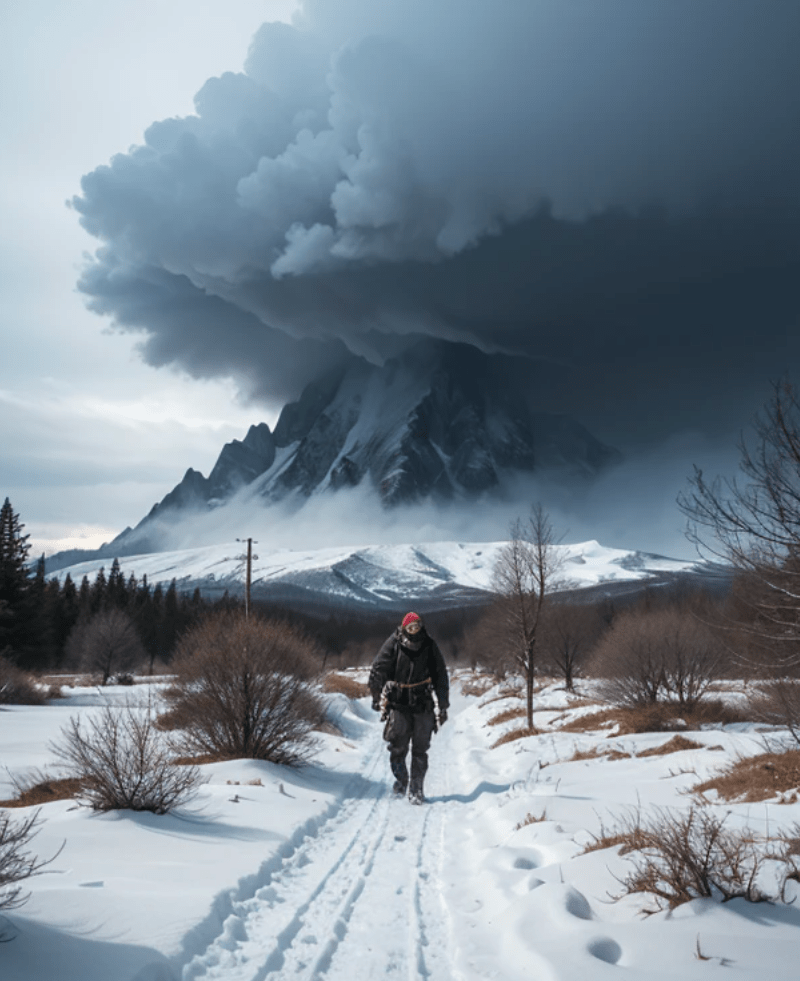
Texas Winter Storm Survival: Why People Die, Why Stores Empty, and Why Prepping Is No Longer Optional

If you think winter storms “aren’t a Texas problem,” congratulations—you’re already behind the curve.

Texas winter storms don’t kill people because of snow totals like Minnesota or Alaska. They kill people because Texans aren’t prepared, infrastructure collapses fast, and most households rely on just-in-time systems that fail within hours. I’ve watched this happen repeatedly, and every time the same excuses come out. The same panic. The same deaths.

Let’s get brutally honest about how people actually die in Texas winter storms—and what you must do before the next one hits.


Top Ways People Die in Texas Winter Storms

1. Hypothermia Inside Their Own Homes

This one makes me angry every time.

People freeze to death inside houses they assume will protect them. When the power goes out—and in Texas it almost always does—homes lose heat fast. Poor insulation, electric heating systems, and no backup heat turn living rooms into refrigerators overnight.

Hypothermia doesn’t need sub-zero temperatures. It can happen in the 40s and 50s, especially when people are wet, exhausted, or elderly.

Reality check:
If your home loses power for more than 12–24 hours in freezing weather and you have no backup heat, you are in danger.


2. Carbon Monoxide Poisoning From Stupid Decisions

Every Texas winter storm produces the same headlines:

  • “Family found dead from generator fumes”
  • “Charcoal grill used indoors”
  • “Car left running in garage”

Carbon monoxide kills silently and fast. People panic, try to heat their homes with the wrong tools, and never wake up.

Rule:
If it burns fuel and isn’t designed for indoor use with ventilation, it does not belong inside your house.


3. Medical Emergencies With No Help Coming

During winter storms, emergency services are overwhelmed or completely unreachable. Roads freeze. Ambulances can’t move. Hospitals lose power. Pharmacies shut down.

People die from:

  • Heart attacks
  • Respiratory failure
  • Insulin shortages
  • Dialysis disruptions
  • Oxygen equipment failures

Texas storms don’t kill instantly—they cut off systems people rely on to stay alive.


4. Exposure While Driving or Walking

Texans are not trained to drive on ice. Period.

Piled-up crashes strand people for hours or days in freezing temperatures. Some try to walk home. Some leave vehicles too early. Some sit too long without heat.

Cold + exhaustion + wind = fatal exposure faster than people expect.


5. Falls, Trauma, and Untreated Injuries

Ice turns stairs, sidewalks, and driveways into death traps. Broken hips and head injuries become fatal when:

  • Power is out
  • Roads are closed
  • EMS response is delayed

A simple fall becomes a death sentence during infrastructure failure.


Will Grocery Stores Go Empty During a Texas Winter Storm?

Yes. And fast.

Texas grocery stores operate on just-in-time delivery systems. That means:

  • Shelves are stocked daily
  • Back rooms are small
  • One missed truck delivery empties stores within hours

Before the storm even hits:

  • Bread disappears
  • Water vanishes
  • Milk and meat are gone
  • Batteries and propane sell out

After the storm hits, trucks can’t deliver. Stores close due to power outages or staffing issues.

If you wait until the storm is announced, you already lost.


Survival Food Prepping for Texas Winter Storms

You do NOT need apocalypse bunkers—but you do need food that:

  • Doesn’t require refrigeration
  • Can be eaten cold if needed
  • Requires minimal cooking fuel

Best Survival Foods to Stock

Shelf-Stable Essentials

  • Canned meats (chicken, tuna, spam)
  • Canned beans and soups
  • Peanut butter
  • Protein bars
  • Shelf-stable rice and pasta
  • Instant oatmeal
  • Powdered milk

No-Cook Options

  • Crackers
  • Trail mix
  • Jerky
  • Ready-to-eat meals (MREs)

Water

  • Minimum: 1 gallon per person per day
  • Plan for at least 5–7 days

Texas storms regularly knock out water treatment plants. Boil notices are common—assuming you still have power.


🔋 Solar Generators: Non-Negotiable for Texas

If you take one thing seriously, let it be this:

A solar generator is the single most valuable survival tool for Texas winter storms.

Why?

  • Gas generators require fuel (which disappears)
  • They produce carbon monoxide
  • Solar generators work indoors
  • They are silent and safe

What a Solar Generator Can Power

  • Space heaters (intermittently)
  • CPAP machines
  • Medical devices
  • Phones and radios
  • Lights
  • Small cooking appliances
  • Refrigerators (briefly, to save food)

Pair it with solar panels, and you’re no longer helpless when the grid collapses—which it absolutely will again.


Best Survival Supplies to Have for Texas Winter Storms

Here’s the bare minimum survival kit every Texas household should already have:

Heating & Warmth

  • Cold-rated sleeping bags
  • Wool blankets
  • Thermal base layers
  • Hats, gloves, socks
  • Indoor-safe propane or kerosene heaters (with CO detectors)

Power & Light

  • Solar generator
  • Solar panels
  • Battery lanterns
  • Headlamps
  • Extra batteries

Safety

  • Carbon monoxide detectors
  • Fire extinguisher
  • First aid kit
  • Prescription meds (minimum 7 days)

Cooking

  • Camping stove
  • Extra fuel
  • Matches/lighters
  • Cookware

Why Survival Prepping Is Critical in Texas

Texas winter storms expose one ugly truth:

You cannot rely on the system.

The grid fails. Officials deflect blame. Aid comes late—if it comes at all. The government will not heat your home, feed your family, or power your medical equipment.

Prepping isn’t paranoia. It’s self-respect.

You prep not because you expect disaster—but because history shows it will happen again.


How to Actually Survive a Texas Winter Storm

  1. Stay Home
    • Travel only if life depends on it
  2. Layer Clothing
    • Dress for cold even indoors
  3. Consolidate Heat
    • Stay in one room
    • Block drafts
    • Use body heat
  4. Ration Power
    • Prioritize medical devices and heat
    • Don’t waste battery life
  5. Eat and Hydrate
    • Calories generate body heat
    • Dehydration worsens hypothermia
  6. Monitor Conditions
    • Weather radio
    • Emergency alerts

Final Warning From Someone Who’s Seen This Too Many Times

Texas winter storms don’t kill because they’re rare.
They kill because people refuse to prepare, trust fragile systems, and assume “it won’t happen again.”

It will.

The next freeze will come. The grid will fail. Stores will empty. Emergency services will stall.

The only question is whether you’ll be ready—or another statistic.

Frozen Solid: Surviving the Coldest Winters in New Hampshire

Living in New Hampshire means dealing with a variety of natural disasters that can strike at any moment. Whether it’s the extreme cold of winter, the torrential rains of spring, or the occasional blizzard, we Granite Staters have learned that preparation is key. In a state as unpredictable as New Hampshire, being ready for any emergency can mean the difference between life and death. From building the right emergency kit to ensuring your home is fortified against the elements, here’s how New Hampshire residents are preparing for the worst that Mother Nature can throw at us.

1. Winter Storms and Blizzards

Let’s start with winter, which is probably the most well-known challenge in New Hampshire. With its long, harsh winters, snowstorms, and blizzards can easily leave roads impassable and power outages lasting for days. The first line of defense against a New Hampshire winter storm is a well-stocked emergency kit. Make sure you’ve got enough food, water, and other essential supplies to last for at least 72 hours.

  • Tip #1: Keep extra blankets, sleeping bags, and warm clothing on hand in case your heating system goes down. You might also want to have a wood stove or alternative heat source to keep your home warm.
  • Tip #2: Stock up on emergency food supplies such as canned goods, freeze-dried meals, and high-calorie snacks. Don’t forget about a manual can opener!
  • Tip #3: Ensure you have an emergency power source. A generator is a great investment, but if you can’t afford one, invest in a good supply of rechargeable batteries, solar-powered chargers, and power banks.

2. Flooding

New Hampshire has its share of rivers and streams, and during heavy rainstorms or the spring thaw, flooding can be a serious risk. The Merrimack and Connecticut Rivers, among others, have a history of flooding when storms hit or when the snowpack melts too quickly. If you live in a flood zone, it’s vital to be aware of evacuation routes and have a plan in place.

  • Tip #4: Install sump pumps in your basement and have backup power in case the electricity goes out. A flooded basement can cause irreversible damage if left unattended.
  • Tip #5: Elevate electrical appliances and items like important documents to higher ground. Consider waterproofing your basement if you live in a flood-prone area.

3. Tornadoes

While New Hampshire is not typically known for tornadoes, these vicious storms have been known to strike, particularly during the spring and summer months. Strong tornadoes are rare, but they can still cause significant damage.

  • Tip #6: Build a safe room or basement in your home where you can take shelter during a tornado. Make sure your family knows where to go and how to stay safe.
  • Tip #7: Invest in a NOAA weather radio with a battery backup. This way, you’ll always be informed of severe weather warnings.

4. Earthquakes

Earthquakes aren’t a daily concern in New Hampshire, but that doesn’t mean we’re immune. The state has experienced tremors in the past, and scientists believe the area is capable of more significant seismic activity in the future. Though rare, it’s always smart to be prepared.

  • Tip #8: Secure heavy furniture and appliances to the walls to prevent them from falling during an earthquake. Have an evacuation plan in place, and know where the safest areas are in your home.
  • Tip #9: Keep a stash of water and food that doesn’t require cooking or refrigeration in case utilities are disrupted.

5. Wildfires

With increasing temperatures and drier conditions, New Hampshire is beginning to see a rise in wildfires. While the risk is lower than in other parts of the country, we’ve had a few out-of-control blazes in recent years.

  • Tip #10: If you live near wooded areas, create defensible space around your home by clearing dead leaves, branches, and brush. Keep a hose, shovel, and rake nearby to help manage smaller fires.

6. Hurricanes and Tropical Storms

While New Hampshire is located far from the usual hurricane tracks, we are still vulnerable to the tail ends of major storms that make their way up the coast. These storms can bring heavy rains, high winds, and dangerous coastal flooding.

  • Tip #11: Keep your gutters clean and ensure that your property’s drainage system is functioning properly. Heavy rainfall can cause rapid flooding if there’s nowhere for the water to go.
  • Tip #12: Have a sturdy emergency kit on hand, especially if you live near the coast. Consider investing in storm shutters or plywood to protect your windows from high winds.

7. Severe Winter Cold

New Hampshire’s winters can get so cold that frostbite and hypothermia become a real risk. In some areas, temperatures can dip well below freezing for weeks at a time. It’s important to know how to stay warm and how to care for others in these extreme conditions.

  • Tip #13: Keep extra layers of clothing available, including insulated gloves, boots, and socks. A good winter coat and thermal underwear are lifesavers during long bouts of cold.
  • Tip #14: If you have elderly family members or neighbors, check in on them regularly. They’re more susceptible to the cold, and their homes may not be as well-insulated.

8. Food and Water Storage

New Hampshire’s varied weather conditions mean that emergencies can come in all seasons. Stocking up on food and water supplies is an absolute necessity, as grocery stores and other essential services may not be readily available during or after a natural disaster.

  • Tip #15: Store at least a two-week supply of non-perishable food and water. Don’t forget about pets or other animals—make sure you have enough food and water for them too.
  • Tip #16: Invest in high-quality water filters, as flooding can often contaminate local water supplies. Having a way to purify water from lakes or rivers could save your life in a worst-case scenario.

9. Communication Plans

During a disaster, communication can be challenging. Cell towers may go down, and landlines may be cut off. New Hampshire residents need to ensure they have a reliable means of communicating with family and emergency responders.

  • Tip #17: Establish a family emergency plan. Ensure everyone knows where to meet in the event of a disaster, and keep a list of emergency contacts, including out-of-state relatives.
  • Tip #18: Consider investing in satellite phones or two-way radios as a backup communication system. These can be life-saving if traditional cell networks fail.

10. Home Fortification

The state of New Hampshire can experience a variety of natural disasters, and it’s crucial to fortify your home against the elements. Whether it’s reinforcing your roof to withstand heavy snow, installing storm-resistant windows, or ensuring your foundation is strong enough to hold up during flooding, preparation starts with your home.

  • Tip #19: Keep your roof clear of snow and ice in the winter months. Ice dams can cause major water damage if left unchecked. Regularly check your roof’s condition and make necessary repairs before winter hits.

Conclusion

New Hampshire residents know that survival isn’t just about having a few canned goods and a flashlight. It’s about being prepared for any situation. From snowstorms to flooding, tornadoes, and hurricanes, the state’s weather can change on a dime, and it’s up to us to be ready for whatever comes our way.

Being prepared means staying vigilant, having the right supplies, and knowing how to react in an emergency. It’s about taking the time to create a plan, fortifying your home, and stocking up on essentials so that you can weather any storm that comes your way. Living in New Hampshire means facing the best and worst of nature’s fury, but with the right preparation, we’ll be ready for whatever the future holds.

CLICK HERE TO LEARN HOW TO SURVIVE A FAMINE