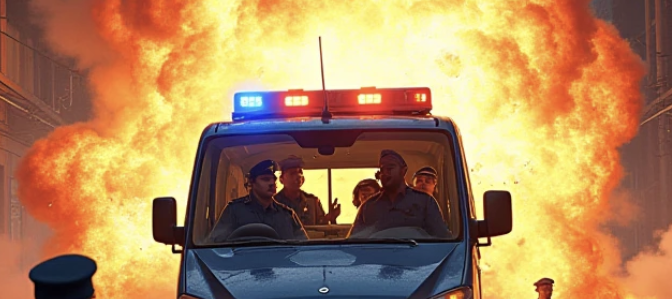
How To Stay Safe and Survive During a Riot in Michigan

When civil unrest breaks out, things can spiral fast—especially in cities where tensions are already boiling over. I’ve lived through chaos, trained for uncertainty, and helped others get out of life-threatening situations with nothing but grit, brains, and a well-packed bug-out bag. If you’re in Michigan and riots hit your area, don’t rely on chance or hope. Rely on skills. This guide lays out what you need to know to stay safe and survive a riot.

Mindset: Situational Awareness Over Fear

Before you start swinging bats or thinking you can brawl your way out of trouble, let me give you the golden rule of surviving civil unrest: avoidance is better than confrontation. Awareness and preparation beat strength every time. You have to be calm, fast-thinking, and light on your feet. Always know where your exits are, who’s nearby, and what’s happening within your line of sight.

You don’t have to be a fighter to survive—but knowing how to defend yourself if it comes to it? That’s priceless.


8 Self-Defense Skills Every Civilian Should Master

  1. The Hammer Fist Strike
    Easy to learn, devastating to apply. Use the meaty bottom of your fist like a hammer—target the nose, collarbone, or side of the head. Practice this with a tire or punching bag until it becomes second nature.
  2. Knee Strikes
    When it’s close-quarters, your knees are deadly weapons. Drive them upward into the attacker’s midsection, groin, or thigh. Knee strikes can neutralize even larger opponents when timed right.
  3. Elbow Strikes
    In tight crowds, swinging a fist is tough. Your elbows, however, are perfect for close-range defense. Practice horizontal and downward elbow strikes—aim for the temple, jaw, or ribs.
  4. Wrist Grab Escape
    Riots are chaotic, and people may grab you—either to harm you or stop you. Learn the wrist escape: rotate your wrist toward the attacker’s thumb and pull sharply away. This simple trick can save your life.
  5. Chokehold Escape (Standing Rear Choke)
    If someone catches you from behind, don’t panic. Step to the side, lower your center of gravity, and strike backward with elbows or stomp their foot—then peel their arm from your neck. Learn this through video demos or martial arts classes.
  6. Use of Makeshift Shields
    Riot environments often rain debris. Use a backpack as a shield. A rolled-up jacket wrapped around your arm can block blades. Know how to turn everyday items into protection.
  7. Ground Defense Basics
    If you fall, don’t curl up. Get into a defensive position—knees up, arms shielding your head—and find a way to get back to your feet fast. Ground-and-pound situations are deadly.
  8. Weapon Retention
    If you’re carrying any tool or weapon, you better know how to keep it. Practice keeping control of your gear, especially if you’re carrying a baton, pepper spray, or a knife. If someone takes it from you, they’ll use it on you.

Your Riot Survival Toolkit

Michigan’s weather can be unpredictable, and that adds another layer to any survival situation. A good kit is half the battle won. Here’s what you need in a mobile, low-profile riot survival bag:

  • Compact first-aid kit
  • Bandana (for dust, debris, or makeshift tourniquet)
  • Flashlight with strobe feature
  • Leather gloves
  • Water bottle with purification tablets
  • Energy bars
  • Power bank
  • Folding knife or multi-tool
  • Pepper spray or gel (gel preferred in wind-prone Michigan cities)
  • Backup phone with prepaid SIM
  • Map of your local area (yes, paper—because GPS may go down)

Keep your kit light and ready to go. Leave flashy gear at home. You want to blend in—not stand out.


3 DIY Survival Weapon Builds

Let me be clear: these are for defense. Never use these for aggression. But when you’re cornered and the law is twenty minutes away—or not coming at all—you’ll be glad you know how to improvise.

  1. PVC Pipe Baton
    • Materials: 18-24” of 1-inch PVC pipe, steel bolts, duct tape
    • Fill the pipe halfway with bolts or small stones. Cap both ends. Wrap the grip with duct tape. You now have a makeshift baton that’s light but delivers heavy hits.
  2. Sling Shot from Paracord and Metal Spoon
    • Cut the handle off a sturdy metal spoon. Bend the bowl into a Y-shape. Attach paracord or surgical tubing to the arms. Use small stones or ball bearings as ammo. Great for distracting and defensive distance strikes.
  3. Canister Flash Device
    • Use a small metal container (Altoids tin), flashlight guts, and a burst of magnesium shavings (from fire-starter blocks). When ignited briefly, it creates a blinding flash that gives you 3–5 seconds to escape. Do not use near flammable material.

Route Planning and Escape Strategy

If you’re in Detroit, Grand Rapids, Flint, or Lansing—expect the possibility of demonstrations getting heated. The key to riot survival is knowing multiple exits and blending in.

Do:

  • Memorize 2-3 escape routes from your home and workplace.
  • Know where police stations, hospitals, and fire stations are.
  • Avoid main roads and commercial districts after dark.
  • Dress neutral: gray, black, or navy. No flashy gear.

Don’t:

  • Film everything. You’re not a journalist. Phones attract attention.
  • Wear open-toed shoes. Always be ready to run or fight.
  • Get involved in any protest unless you understand the risks.

Teamwork: Survive Together

If you’ve got a family, establish a rally point. If phones go down, have backup communication plans like whistles or pre-set radio channels (FRS/GMRS). Practice this with your kids if you have any. Drill it. Repetition builds instinct.

Got neighbors you trust? Form a mutual watch agreement. Strength in numbers still applies when society breaks down.


Final Thoughts

Riots are terrifying not because of one threat—but because they contain many threats. Fires. Gunfire. Crowds. Police responses. Opportunistic criminals. In those moments, law and order are concepts, not guarantees. Your survival depends on how quickly you recognize danger, how well you prepare, and how ruthlessly you execute your plan.

If you’re reading this after the chaos starts—get somewhere safe, quiet, and defensible. If you’re reading this before it starts, you’re already ahead of the curve. Stay gray. Stay smart. Stay alive.

How To Stay Alive During a Los Angeles Riot

When the streets of Los Angeles erupt in chaos—burning storefronts, sirens wailing, mobs overrunning city blocks—you don’t want to be figuring things out in the moment. As a seasoned survival prepper and self-defense trainer, I’ve learned that survival doesn’t depend on luck. It depends on preparation, situational awareness, and knowing how to respond when society takes a nosedive.

Riots, especially in a sprawling city like LA, are unpredictable and can spiral out of control within minutes. It doesn’t matter if you’re caught in Koreatown or driving near Melrose when the flash mobs hit—you need to know how to defend yourself, protect your loved ones, and get out alive.

This guide lays out 8 must-know self-defense skills, 3 DIY weapons you can make from household items, and the mindset you need to adopt when the city turns into a war zone.


Understand the Environment

First, get real about where you are. Los Angeles is a sprawling urban jungle with over 4 million people, and it has a history of civil unrest—from the 1992 Rodney King riots to the George Floyd protests in 2020. When a riot starts, it spreads fast. You need to know the chokepoints, escape routes, and danger zones in your neighborhood.

Download offline maps and mark exits out of your area. Freeways can get jammed—sometimes it’s better to travel on foot through alleys than be stuck in a car.


8 Must-Know Self-Defense Skills

These aren’t gimmicks. These are battle-tested techniques that can save your life:

1. Situational Awareness (SA)

Your first and strongest weapon. Always know your surroundings—who’s near you, where cover is, and where the exits are. Riots are fluid; mobs move. Don’t stand still and don’t look like an easy target.

Pro tip: Keep your head on a swivel—avoid tunnel vision.

2. Verbal De-escalation

Not every confrontation needs to go physical. Being able to read body language and talk someone down is underrated. Stay calm. Use strong, clear voice commands. Maintain distance and confidence without aggression.

3. Open-Hand Strikes

If you must defend yourself, open-hand strikes are safer for your hands than punches. Target the eyes, throat, and nose—areas that disable, not just hurt.

4. Knee Strikes

If someone gets too close, a knee to the midsection or groin can end the fight quickly. Practice good balance and aim.

5. Escape From Grabs

Learn basic escapes from wrist grabs, chokes, and bear hugs. Practice the principle of going “with the grab” to break free using leverage and momentum—not strength.

6. Improvised Weapon Use

A pen, belt, flashlight, or broken chair leg can become a powerful weapon if used right. Practice using household items as force multipliers.

7. Ground Defense

Fights may go to the ground. Learn how to shrimp, bridge, and get to your feet. Never stay flat on your back during a riot—mob mentality shows no mercy.

8. Team Movement Tactics

If you’re with family or a small group, you need to move like a unit. Establish hand signals. Appoint a point person. Never break formation unless you absolutely have to.


3 DIY Survival Weapons From Household Items

If you’re caught without a firearm, knife, or baton, don’t panic. The best survivalists know how to build tools with what’s available. Here are three effective DIY survival weapons you can create with common items in a pinch.

1. PVC Pipe Baton

Materials: 18-24 inch PVC pipe (¾” diameter), duct tape, sand or nails for weight.

How To Make: Fill the pipe with sand or nails, cap both ends with duct tape, and wrap the handle with extra tape for grip. It’s lightweight, concealable, and can deliver bone-cracking force in close quarters.

2. Sling Weapon From Paracord and a Sock

Materials: Paracord, a rock or a padlock, thick sock.

How To Make: Place the heavy object inside the sock, tie the open end with paracord, and now you have a makeshift flail. Easy to conceal, fast to deploy, and devastating when used against limbs or to clear space.

3. Modified Tactical Flashlight

Materials: Heavy-duty flashlight, steel nuts, epoxy.

How To Make: Epoxy a couple of steel nuts around the head of your flashlight. You’ve now turned a common tool into a bludgeon that can break bones and glass alike.


What to Do When the Riot Starts

1. Get Off the X
If you see crowds forming or hear sirens nearby, move. Don’t film it. Don’t spectate. The X is the danger zone—get off it and don’t look back.

2. Secure Your Home
If you can’t evacuate, barricade entrances using furniture and tools. Booby-trap the approach with noise-makers (like aluminum cans on string). A dog, even a small one, can give you vital early warning.

3. Blend In
Wear neutral colors—gray, tan, brown. Avoid tactical clothing or bright colors. Don’t give anyone a reason to think you’re with the opposing side. Use calm, slow body language. Avoid eye contact.

4. Go Grey Man
Blend into the environment. Hide valuables, ditch flashy gear, and move low-profile. The grey man survives because no one notices him. That’s your goal.

5. Know When to Fight and When to Flee
A real survivalist doesn’t fight every battle. If escape is possible, take it. If confrontation is unavoidable, finish it fast and disappear.


Bonus Tips for Staying Alive

  • Have a go-bag with first aid, water, a multi-tool, N95 mask, flashlight, extra phone battery, gloves, and protein bars.
  • Memorize key phone numbers. Don’t rely solely on your cell service.
  • Use radios or encrypted apps like Signal if communication goes down.
  • Secure your documents and cash. Riots are a magnet for looting—if your home burns, your ID and emergency cash better not be in your sock drawer.

Train Before You Need It

None of this matters if you’re not training. Self-defense and survival are perishable skills. Practice them. Drill your family or group. Take classes in Krav Maga, Brazilian Jiu-Jitsu, or urban survival tactics. When it hits the fan, you’ll either react with clarity—or panic and become part of the problem.


Final Words

Los Angeles is a beautiful, complex, and volatile city. If the next riot breaks out tomorrow, will you be ready? Or will you be scrambling for supplies, wondering how to defend your home with a frying pan and hope?

Get prepared. Stay trained. Think ahead. And never underestimate the power of calm, confident readiness.

Stay sharp out there.