

Surviving the Texas Storm: How Texans Prepare for the Worst Natural Disasters

How Texans Prepare for the State’s Worst Natural Disasters

Living in Texas, you’re no stranger to the force of nature. From blistering heatwaves to unpredictable storms, the Lone Star State has seen it all. While we love our BBQs, rodeos, and wide-open spaces, we also know that when disaster strikes, it’s not a time to panic – it’s a time to act.

In Texas, survival is a way of life. Whether you’re out in the flat plains of West Texas, nestled in the Hill Country, or living closer to the Gulf Coast, you know that natural disasters aren’t just a possibility – they’re a fact of life. Tornadoes, hurricanes, wildfires, floods, and extreme heatwaves are all common threats in the state, and preparedness is key to surviving any of them.

CLICK HERE TO LEARN HOW TO SURVIVE A FAMINE

If you want to be ready when the storm hits, you’ve got to think ahead and build a solid survival plan. But don’t worry – we’re all in this together, and there’s no need to face disaster unprepared. Here are some ways Texas residents like me prepare for the worst and keep our families safe.

1. Tornadoes: Don’t Wait for the Warning
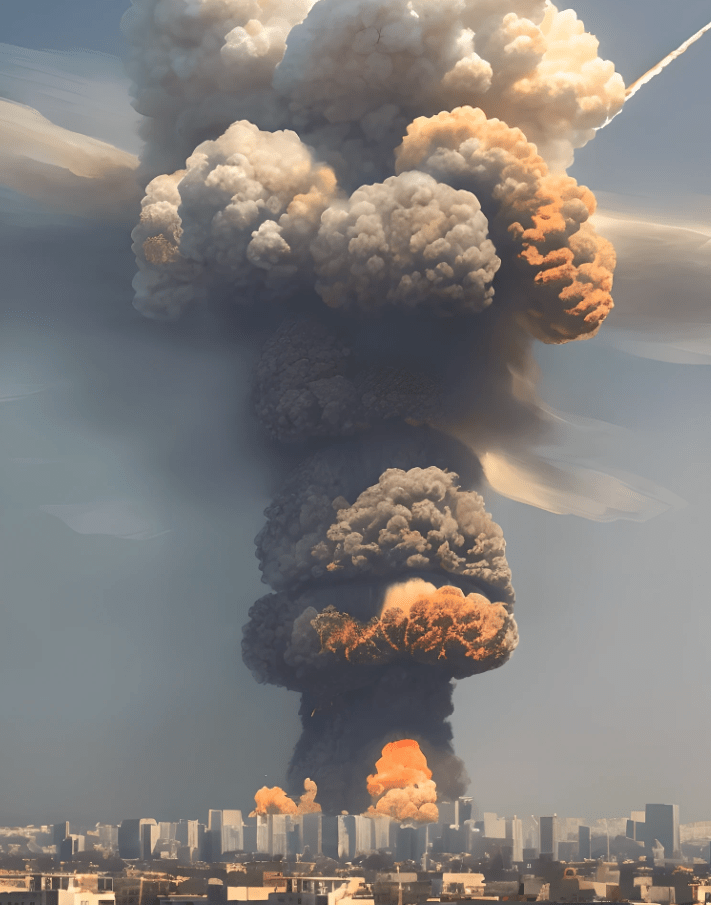
Tornadoes are one of the most terrifying natural disasters to hit Texas. The state is part of “Tornado Alley,” meaning we are especially prone to these powerful, destructive storms. To prepare for a tornado, the first step is knowing when one might be coming. That means investing in a reliable weather radio that broadcasts emergency alerts 24/7.

Beyond the radio, every Texan should have a designated storm shelter. It doesn’t need to be fancy – even a small, windowless interior room like a bathroom or closet can provide shelter. Keep your storm kit stocked with essentials like a flashlight, batteries, a first-aid kit, and a few days’ worth of non-perishable food and water.

2. Hurricanes: Don’t Underestimate the Gulf Coast

For those of us living along the Gulf Coast, hurricanes are a serious concern. Whether you’re in Houston or Galveston, hurricanes bring strong winds, heavy rain, and the threat of flooding. The key to surviving a hurricane is early preparation and constant vigilance. Make sure you have an evacuation plan that includes a designated safe location – preferably in an area not prone to flooding.

Stock up on emergency supplies, including bottled water, canned goods, medication, and other essentials. If you live near the coast, invest in hurricane shutters or plywood to protect your windows, and make sure your roof is secure. Once a storm is headed your way, stay updated on the latest forecasts and be ready to leave if necessary.

3. Wildfires: Be Ready for the Texas Heat

While wildfires are a year-round threat, they are especially dangerous in the hotter months of summer and early fall. As Texans, we’re used to the dry spells and the scorching heat, but when combined with strong winds, they can ignite massive wildfires. If you’re in rural areas, keep defensible space around your home by clearing dead vegetation, branches, and other flammable materials. This will help protect your property from spreading flames.

A well-stocked bug-out bag is a must, and it should contain a good-quality N95 mask to protect against smoke inhalation. Keep your gutters clear, and be sure to have fire extinguishers accessible, especially in areas prone to wildfires.

4. Floods: Know Where the Water Will Go

Flooding is another significant risk, especially for those living along Texas rivers or in low-lying areas. The unpredictable rains that often come with hurricanes or spring storms can overwhelm flood control systems and cause massive damage. One of the first steps is to know if you live in a flood zone, and if you do, consider purchasing flood insurance. It’s worth the investment.

In preparation, elevate your electrical appliances and other valuables above potential flood levels. If a flood watch is issued, make sure your emergency supplies are packed and ready to go. Flashlights, extra batteries, and sturdy shoes for wading through water are essential. If the water is rising, know your evacuation routes and keep your car’s gas tank full, just in case.

5. Extreme Heat: Don’t Let the Texas Sun Get the Best of You

Texas heat can be brutal, especially in cities like Dallas, Austin, and San Antonio during the summer months. Temperatures can easily exceed 100°F, and when the humidity is high, it can be even worse. To avoid heat exhaustion or heat stroke, always have a supply of water on hand, and wear light, breathable clothing.

If you don’t have air conditioning, make sure you have fans or a way to cool your home down. Keep your body cool by using wet towels or ice packs on your pulse points, and don’t forget to check on elderly neighbors or others who may be more vulnerable to heat stress.

10 Survival Prepper Tips for Texans Facing Natural Disasters:

  1. Know Your Risk: Understand what natural disasters are most likely to affect your region, whether it’s a flood, tornado, wildfire, or hurricane.
  2. Create a Family Emergency Plan: Sit down with your family and make sure everyone knows their roles in an emergency, including evacuation routes and communication plans.
  3. Emergency Kit: Always have a stocked emergency kit with the basics: water, non-perishable food, flashlight, batteries, medications, and first-aid supplies.
  4. Backup Power: Invest in a generator or a backup power system to keep essential devices running during power outages.
  5. Water Storage: In Texas, water is a critical resource during both floods and droughts. Always store extra water to get you through an emergency.
  6. Stay Informed: Sign up for emergency alerts from local authorities and always monitor the weather.
  7. Get an Emergency Car Kit: Make sure your car is stocked with essentials such as extra water, blankets, non-perishable food, and a first-aid kit.
  8. Defend Against Wildfires: Maintain a defensible space around your property by keeping grass short, clearing debris, and trimming trees.
  9. Plan for Pets: Don’t forget your furry friends! Keep a pet emergency kit with food, water, medications, and any necessary paperwork.
  10. Insurance is Key: Ensure your home and vehicle insurance cover damage from common disasters in your area, such as floods, fires, or wind damage.

Conclusion: Preparedness is Key in Texas

The weather in Texas is unpredictable, and natural disasters can strike without warning. But with proper planning and preparation, you can face anything that comes your way. By following these tips, Texans can not only survive but thrive in the face of nature’s challenges. After all, we’re a tough breed, and we know how to handle what the wild Texas weather throws at us.

Top Survival Prepper Advice for Residents of Rhode Island

As a prepper living in Rhode Island, I’ve seen first-hand the importance of preparedness when it comes to the unpredictable forces of nature. This tiny state might seem like it’s safe from the brunt of major natural disasters, but make no mistake—Rhode Island is just as susceptible to the effects of hurricanes, blizzards, flooding, and even the occasional earthquake. In this guide, I’ll break down how we, as Rhode Island residents, prepare for the worst natural disasters and share some of the most important survival tips to help you weather any storm.

Rhode Island’s Natural Disaster Landscape

CLICK HERE TO LEARN HOW TO SURVIVE A FAMINE

Though Rhode Island may not get as much media attention as states like Florida or California, it’s crucial to understand the natural disasters that can hit our shores. Living in the smallest state in the U.S. doesn’t mean we’re immune to the forces of nature. From coastal flooding to winter snowstorms, the local survival prepper community must be vigilant in order to survive. Here’s a rundown of the most common natural disasters that threaten Rhode Island:

  1. Hurricanes: Rhode Island sits along the Atlantic coast, and as such, hurricanes can impact the state during the late summer and early fall. While we’re not as prone to full-on direct hits like southern states, hurricanes can still bring heavy rains, high winds, and coastal storm surges.
  2. Flooding: Coastal and river flooding can be a serious threat in Rhode Island, especially during spring melt-offs or after heavy rainfall events. The state is home to numerous rivers and a large coastal plain that can quickly become overwhelmed by water.
  3. Blizzards and Winter Storms: The winter months in Rhode Island can be brutal, with blizzards and nor’easters regularly dumping feet of snow and ice. Power outages, tree damage, and transportation disruptions can make survival challenging for those unprepared.
  4. Earthquakes: While not a daily threat, Rhode Island lies near the boundary of the North American and African tectonic plates. Minor earthquakes, though rare, are possible, and larger tremors from nearby states could still cause significant damage.
  5. Tornadoes: Tornadoes in Rhode Island are rare but not impossible. These fierce storms can do serious damage in a short amount of time, and their unpredictability makes them a hidden danger for Rhode Island residents.

10 Survival Prepper Tips for Rhode Island Residents

Now that you understand the natural disaster risks we face, let’s dive into some practical survival tips specifically tailored for Rhode Island residents. These tips cover everything from shelter and food to weatherproofing your home and staying safe during emergencies.

  1. Build a Comprehensive Emergency Kit: In Rhode Island, hurricanes and winter storms are common threats, so having an emergency kit stocked with essentials is critical. Your kit should include enough non-perishable food and water to last at least three days, along with a flashlight, extra batteries, a first-aid kit, a battery-powered radio, and any medications you or your family might need. Don’t forget your pets—pack food and supplies for them, too.
  2. Know Your Evacuation Routes: Coastal flooding and hurricanes can force evacuation. It’s important to know your local evacuation routes ahead of time. Keep a map in your emergency kit and identify higher ground or emergency shelters where you can go if you have to leave your home in a hurry.
  3. Prepare for Power Outages: Rhode Island residents are no strangers to power outages, especially after winter snowstorms or hurricanes. Invest in a generator (make sure you know how to use it safely), stock up on extra blankets, and have flashlights and headlamps ready. Always keep a supply of batteries and a backup phone charger in case you can’t use your regular outlets.
  4. Flood-Proof Your Home: If you live in a flood-prone area, elevate important electrical equipment and appliances above possible flood levels. Installing sump pumps, flood barriers, and waterproof sealants on your home’s foundation can also help mitigate the risks of water damage.
  5. Winterize Your Property: The winter months in Rhode Island can be harsh, so take steps to winterize your home. Insulate pipes to prevent freezing, stock up on snow removal tools, and make sure your heating system is in good working order. You’ll also want to keep a supply of sand or salt on hand to melt ice around your driveway and walkways.
  6. Stay Informed with Local Alerts: The National Weather Service and local authorities will issue warnings for hurricanes, blizzards, and other severe weather. Sign up for emergency alerts from Rhode Island’s local government, and download apps that provide real-time weather information.
  7. Strengthen Your Home’s Structure: Whether it’s a hurricane or a blizzard, the integrity of your home is essential during a natural disaster. Reinforce windows and doors, trim back trees that could fall on your house during high winds, and install storm shutters if you’re in a coastal area vulnerable to hurricanes.
  8. Have a Family Communication Plan: In case of evacuation or power loss, make sure everyone in your household knows how to communicate and where to meet up. Consider creating a designated meeting point outside your home, in case phone lines are down.
  9. Invest in Water Filtration: In Rhode Island, the public water supply can be compromised during flooding or power outages. Having portable water filters or purification tablets is a smart move in case you need to rely on local streams or rivers for water.
  10. Stay Fit and Prepared for Physical Tasks: Rhode Island may not experience a lot of physical threats like wildfires, but heavy snow removal and moving supplies during a storm or evacuation require stamina. Keep your body in shape to tackle the physical demands of disaster prep.

Bonus Tip: Be Prepared for the Unexpected

While Rhode Island’s natural disasters may seem predictable in nature, it’s important to remember that the unexpected can happen at any time. Earthquakes, although rare, are possible in New England. Make sure your home is earthquake-resistant by securing heavy furniture and fragile items. Have an emergency kit specifically designed for earthquake scenarios, complete with sturdy shoes, a whistle, and a helmet.

How to Survive Rhode Island’s Worst Natural Disasters

When disaster strikes in Rhode Island, it’s important to stay calm, stay informed, and follow your survival plans. Whether it’s a storm surge from a hurricane or a heavy snowstorm cutting off your power, preparedness is key to ensuring you and your loved ones come through it unscathed.

The local prepper community in Rhode Island is tight-knit, with many sharing advice on how to better withstand the harshest conditions. They know how to read the weather, track storm systems, and take action when necessary. By following their example, you can make sure your family is ready for whatever disaster comes next.